
Quick answer: how fast do lilies grow by type
Growth speed depends heavily on which "lily" you're actually growing. Here's the short version before we dig into the details:
Growth speed depends heavily on which "lily" you're actually growing. Here's the short version before we dig into the details:
| Lily Type | Shoots/Leaf Emergence | First Bloom Timeline | Notes |
|---|---|---|---|
| Asiatic Lily (true lily) | 2–4 weeks after planting | 60–90 days (same season if planted early) | Large bulbs may take until the following summer to bloom |
| Calla Lily | 2–3 weeks after planting | About 8 weeks from planting | Consistent warmth speeds this up considerably |
| Peace Lily (Spathiphyllum) | New leaves in weeks 3–6 after repotting | Months; triggered by light and stress | Not a true lily; blooms when conditions are right |
| Water Lily (Nymphaea) | Leaf shoots in 1–2 weeks | 30–60 days from planting | Among the fastest of the group to show visible growth |
| Daylily (Hemerocallis) | Foliage in 2–4 weeks | 2 years from seed; 1 season from division | From seed is slow; divisions bloom much faster |
Those timelines assume reasonable conditions: correct planting depth, soil temperature above 50°F for outdoor types, and decent light. If something is off, growth stalls fast. We'll get into exactly why below.
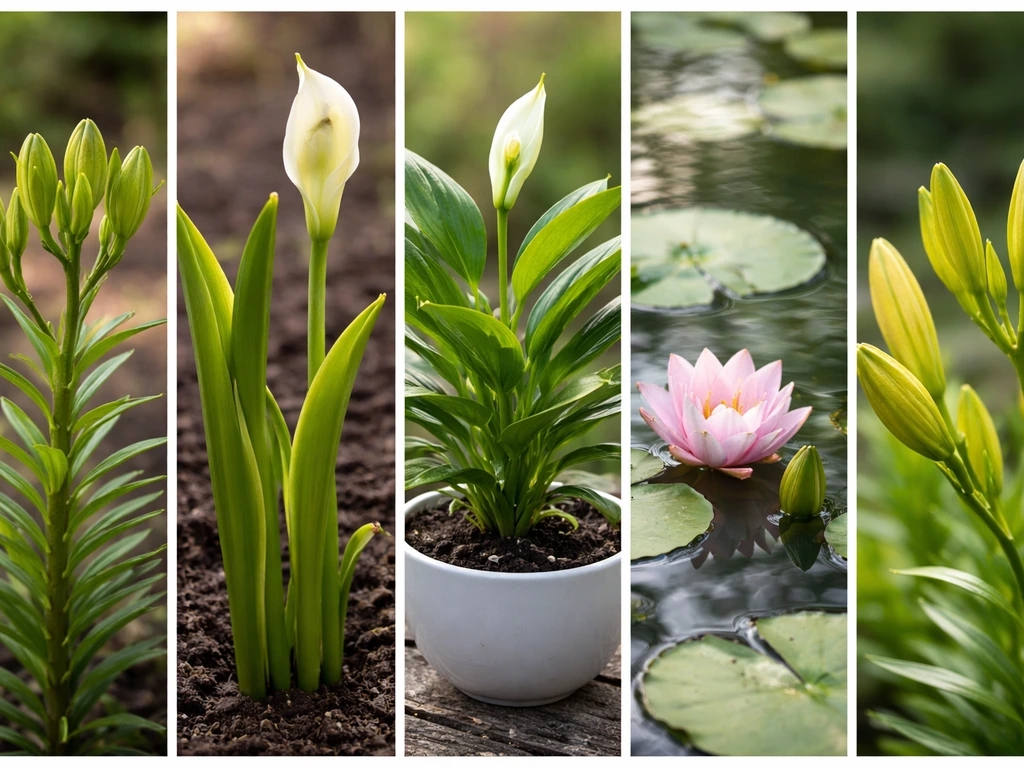
This is the most important thing to get straight before you start expecting a timeline, because "lily" gets slapped onto a lot of plants that are completely unrelated botanically and grow in totally different ways. True lilies (genus Lilium) grow from scaly bulbs, go dormant in winter, and come back each year from the ground. Asiatic lilies and Oriental lilies fall into this category. If you want a deeper look at how how big do lilies grow relates to variety selection, that context matters a lot here too.
Calla lilies (Zantedeschia) grow from rhizomes, not bulbs, and are technically not in the Lilium genus at all. They behave more like tropical plants and can't tolerate a hard frost. Peace lilies (Spathiphyllum) are tropical houseplants that grow continuously year-round in the right indoor conditions. Water lilies (Nymphaea) are aquatic perennials that root in pots submerged in ponds. And daylilies (Hemerocallis) are tough, clumping perennials with strap-like foliage and flowers that open for just one day each.
Why does this matter for growth speed? Because the "clock" starts differently for each one. For a true lily, growth starts when a dormant bulb in cool soil senses warming temperatures in spring. For a peace lily, growth happens continuously but stalls when light or humidity is wrong. For a water lily, growth kicks off as soon as it's submerged in warm enough water. Knowing which plant you have tells you which clock you're watching.
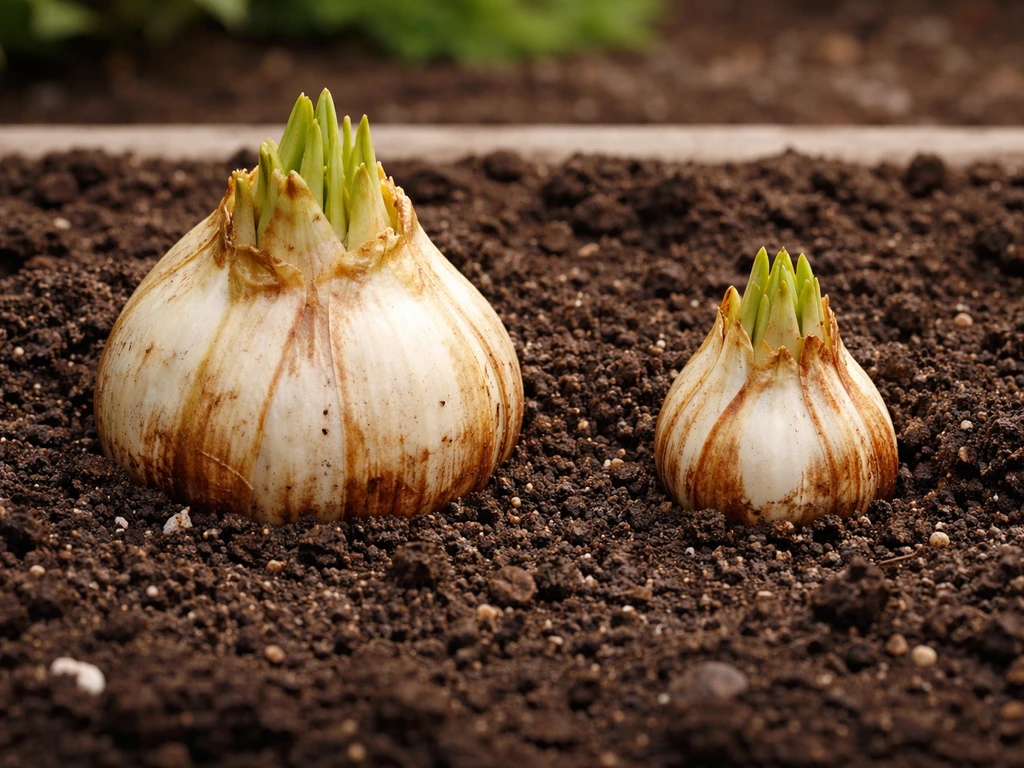
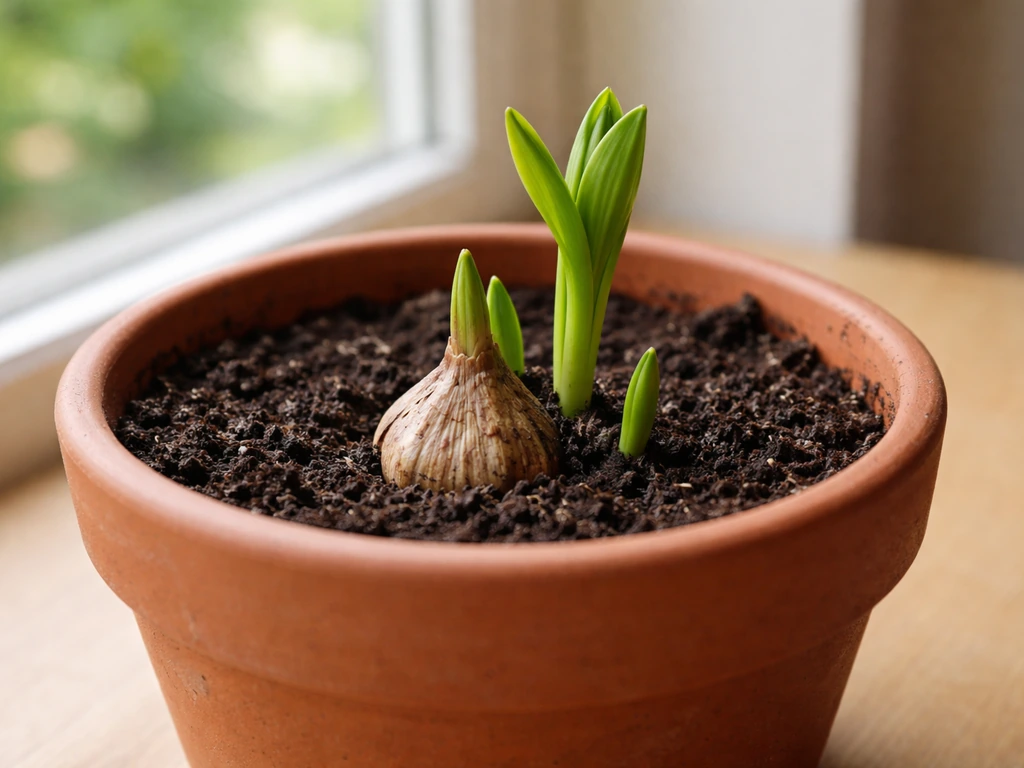
For true lilies and calla lilies, the size of the bulb or rhizome you start with is the single biggest predictor of how fast you'll see results. A large, mature Asiatic lily bulb carries stored energy to push up strong shoots quickly and may bloom in the same season you plant it. A smaller or younger bulb has less fuel and might spend its first season just building roots and leaves, then bloom the following year. Iowa State University Extension makes this point directly: large bulbs may bloom the following summer, so manage your expectations based on what you bought.
Planting depth is one of those things that seems minor but genuinely changes how quickly a shoot reaches the surface. The standard rule from Iowa State University Extension is to plant at a depth equal to three times the bulb's diameter, which typically means 4–6 inches deep for large bulbs and 1–2 inches for small ones. UMN Extension also recommends planting bulbs two to three times their diameter, which is useful for lily planting-depth troubleshooting blank" rel="noopener noreferrer">plant bulbs two to three times deeper than their diameter. Too deep, and the shoot has extra distance to travel before you see anything; too shallow, and the bulb can dry out, heave in frost, or fail to anchor properly. Daylilies follow a different rule: blank" rel="noopener noreferrer">the University of Minnesota Extension recommends planting them with the crown just one inch below the soil surface.
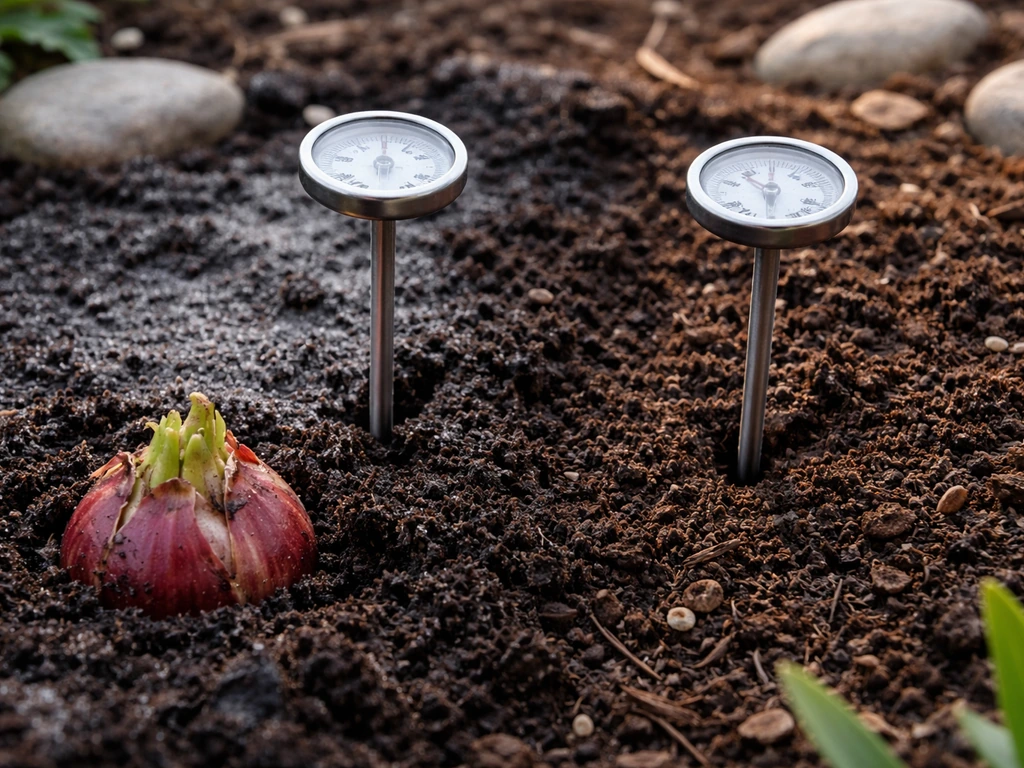
Cold soil slows or completely halts growth in outdoor lily types. Asiatic lily bulbs sit dormant until soil temperatures consistently reach above 50°F. This is why people in cold climates plant bulbs in fall (so they chill properly) or in early spring (to catch the warming soil), but then wait several weeks before seeing anything break the surface. Calla lilies are especially sensitive here, since they're rhizomes from warm climates and genuinely stall in cold ground.
Most outdoor lilies want at least 6 hours of direct sun per day to grow and bloom at their best. Light drives everything from photosynthesis to triggering flower bud formation. If you're wondering whether Asiatic lilies can grow in shade, the honest answer is that they'll survive low light but grow slower, stay shorter, and may not bloom well. Peace lilies are the exception here: they prefer bright, indirect light according to UF/IFAS Extension, and placing them in direct sun actually sets them back rather than speeding them up.
Inconsistent moisture, either chronic dryness or waterlogged soil, is one of the most common causes of stalled growth across all lily types. True lily bulbs sitting in poorly drained soil can rot before they ever sprout. Peace lilies and calla lilies need consistently moist but never soggy conditions. Water lilies are obviously a different story since they live in water, but even they need their roots anchored in the right soil mix below the water surface to grow vigorously.
Plant an Asiatic lily bulb in early spring when the soil is just starting to warm, and you'll typically see the first shoots breaking through the soil in 2–4 weeks. From there, the plant grows steadily upward through spring. If you want a more detailed picture of how tall Asiatic lilies grow, that varies by cultivar, but most hit full height by late spring to early summer. Flower buds appear near the top of the stem a few weeks before blooming, and the whole sequence from planting to open flowers typically runs 60–90 days under good conditions. Large, established bulbs will hit the faster end of that window; small or newly divided bulbs may push it out to a full season or even wait until year two.
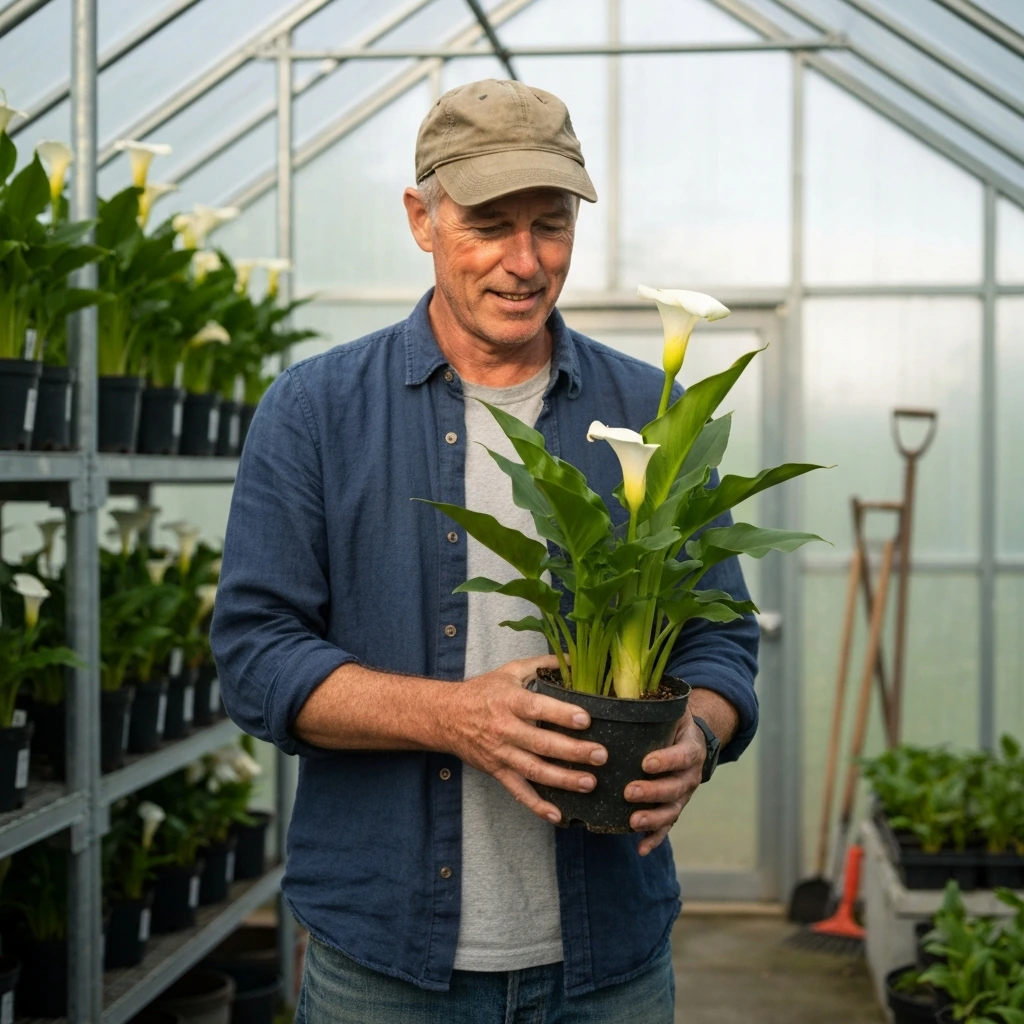
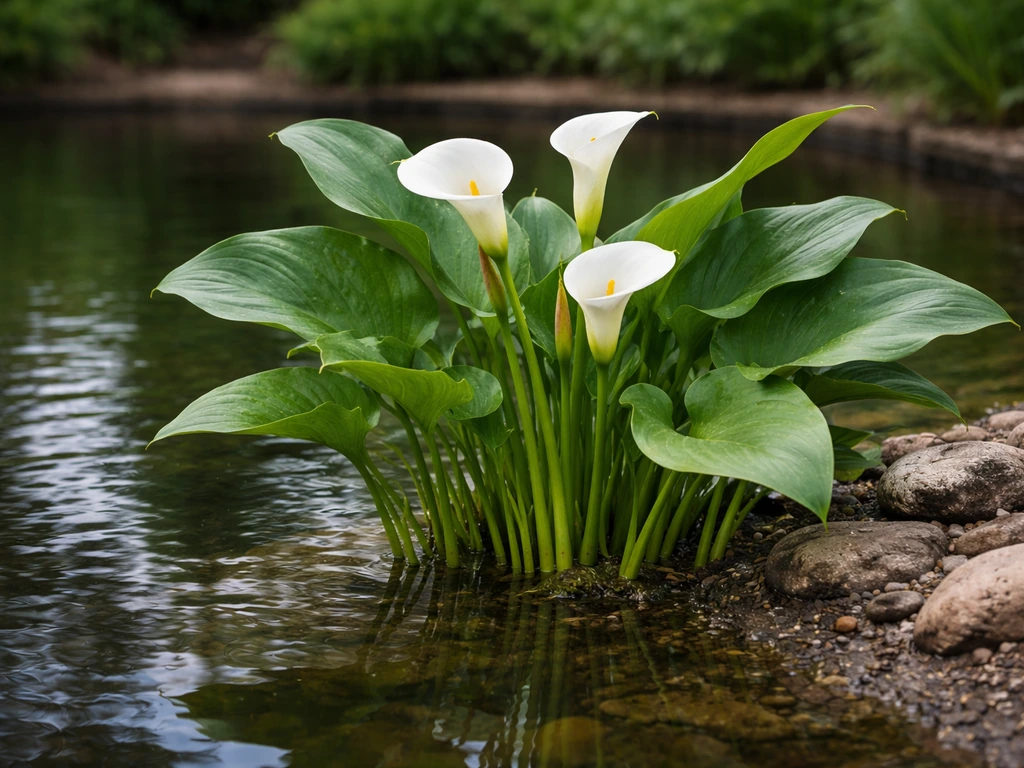
Calla lilies are actually one of the more predictable crops in terms of timing. Both North Carolina State University Extension and the University of Florida IFAS Extension agree: it takes about 8 weeks from planting to flower on most calla lilies. You'll usually see the first arrow-shaped leaves pushing up within 2–3 weeks of planting the rhizome, then the plant grows foliage steadily before sending up the characteristic funnel-shaped flower spathes. Keep them in warm conditions (above 60°F at night ideally) and that 8-week window holds pretty reliably.
Peace lilies operate on a different clock entirely because they don't have a dormant season the way outdoor bulbs do. In good conditions, a healthy peace lily produces new leaves continuously. After repotting, which is often when growth seems to stall, the root system re-establishes within the first two weeks, and visible new leaf growth usually follows in weeks three through six according to Blooming Expert. Flowering is trickier to predict because it's triggered by stress signals (usually a slight dip in temperature or a period of being slightly root-bound) rather than a set number of days. The best move to encourage blooms is making sure the plant gets bright, indirect light.
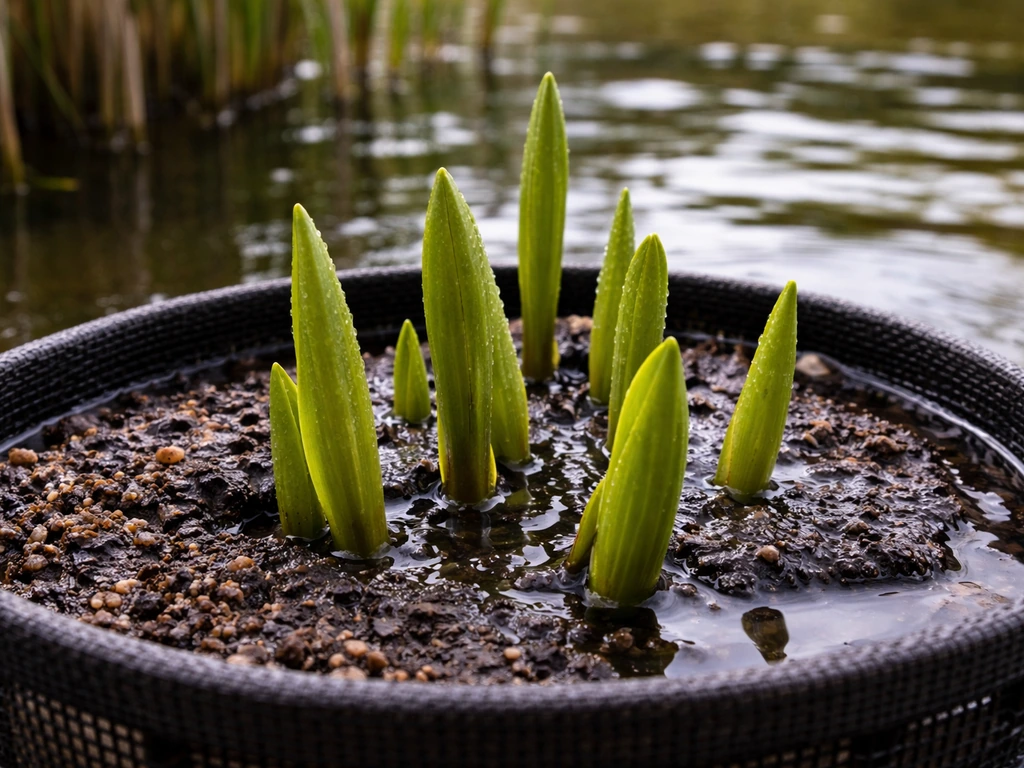
Water lilies are impressively fast out of the gate. Leaf shoots typically emerge within just 1–2 weeks of planting, making them one of the most immediately satisfying lilies to grow. First blooms generally appear within 30–60 days of planting. At peak season, individual leaves on hardy water lilies last about 3–4 weeks before being replaced by new growth, according to the National Park Service's Kenilworth Park and Aquatic Gardens. If you're considering this plant, how long it takes for rain lilies to grow follows a similarly fast emergence pattern after rainfall, for comparison.
Daylilies grown from seed are genuinely slow: UF/IFAS Extension notes they usually take about 2 years from seed to first flowering. This is why almost no home gardener starts daylilies from seed. Buy divisions or potted plants instead, and you'll typically see foliage within a few weeks of planting and blooms in the same season. The crown planting depth matters here: plant it too deep and you delay establishment, sometimes by a full season.
If your lilies are already in the ground or a pot and you want to push growth along, here are the adjustments that actually move the needle, in order of impact:
Before you assume something is wrong with the plant, run through this checklist. Most slow-growth problems have a straightforward fix once you identify the cause.
Container-grown lilies give you more control but also more responsibility. A pot can dry out in a single hot afternoon, and it heats up faster than garden soil in summer, which can stress roots. On the flip side, you can bring pots indoors to protect calla lilies from frost or to give a peace lily a humidity boost in winter. If you're growing Asiatics or daylilies in containers, use a pot that's at least 12 inches deep to give the roots and bulbs enough room. You can also get a better sense of how big Asiatic lilies grow when choosing the right container size.
Climate zone matters enormously for outdoor lilies. In zones 3–5, the growing season is short, so you're working with a compressed timeline. Planting earlier (as soon as the soil is workable) and using season extenders like row cover gives you a meaningful head start. In zones 8–10, some true lily varieties struggle because they don't get enough cold hours to break dormancy properly, while calla lilies and peace lilies thrive outdoors year-round.
Dormancy is probably the most misunderstood part of lily timing for beginners. When Asiatic lily foliage dies back in late summer or fall, the bulb is alive underground but completely dormant. Some gardeners panic and dig them up or overwater trying to revive them. Don't. The bulb needs that rest period to build energy for next season. Mark the spot, leave it alone, and wait for soil to warm again in spring. Similarly, understanding how surprise lilies grow helps illustrate dormancy in action: they send up foliage in spring, die back, then shoot up flowers in late summer with no leaves at all.
One last thing worth mentioning: if your lilies are consistently growing taller than expected, that's often a light issue rather than a variety problem. A plant stretching toward a light source will get leggy and may need staking. There's a good explanation of why lilies grow so tall that goes deeper into this if that's the situation you're dealing with. The short version is that more direct light, positioned correctly, usually solves the problem and gives you a sturdier, more compact plant with better bloom timing.
With true lilies, cold soil is the most common reason. If soil temperatures are still below about 50°F, the bulb stays dormant and you may see no sprouts for several weeks. Check by measuring soil temp at planting depth, not just air temperature.
Look at the storage organ and growth habit. True lilies (Lilium) come from scaly bulbs and die back in winter outdoors. Calla lilies come from rhizomes, peace lilies are houseplants that keep growing, water lilies are aquatic, and daylilies are clumping perennials.
They usually do, but “faster” can mean either earlier shoots or earlier blooms. Some mature bulbs still push first into strong foliage and skip flowers until the following season, especially if light or soil conditions are marginal.
Often you should wait. First shoots can simply take longer to reach the surface. Replanting mid-season can damage roots and bulbs. If the plant has not emerged after a full expected window for your type and temperatures, then consider correcting depth next cycle.
Use type-based expectations plus your local soil warming speed. For example, Asiatic lilies commonly emerge in 2–4 weeks when spring soils are warm enough, while calla lilies are often around 2–3 weeks for leaf emergence and about 8 weeks to flowers. Cold snaps can delay those timelines.
You can help, but you can also stall plants by overdoing it. For bulbs and rhizomes, focus on establishing roots first, use moderate feeding, and avoid heavy nitrogen early if the goal is sturdy growth and reliable blooms. If growth is already stalling, fix moisture and light before adding more fertilizer.
Most outdoor true lilies perform best with at least 6 hours of direct sun. Peace lilies are the exception, they need bright indirect light and direct sun can set them back by stressing leaves and slowing new growth.
Yes. Poor drainage can cause rot in true lily bulbs, and consistently soggy conditions can prevent rhizomes or roots from functioning normally. If water sits or the area stays wet for days, improve drainage or use raised beds and correct planting mix.
It’s normal for the first visible change to be delayed while roots re-establish. Root recovery often happens within about two weeks, with new leaf growth commonly appearing in weeks three through six. Major shifts like low light or cold drafts during that period can extend the stall.
First confirm temperature. Calla lilies are sensitive to cold and generally need warm nighttime conditions (around above 60°F ideally) to keep the usual near-8-week path to flowering. If they look healthy but no buds form, also check for insufficient light and overly dry or soggy medium.
Both can matter. Water lilies typically emerge quickly when water is warm enough, and they also need their roots anchored in the correct underwater soil mix. If shoots are late, test water temperature near the pot and ensure the plant is not floating or sitting too high above the waterline.
You can’t usually compress the biology much. Seed-grown daylilies commonly take about two years to first flowering, but buying divisions or potted starts is how most gardeners achieve same-season blooms. If starting from seed, plan for patience and prioritize strong early foliage.
Do not overwater or dig them up during dormancy. For true lilies, the bulb is alive underground and needs rest to store energy for the next season. Mark the location, keep watering minimal, and wait until soil warms again in spring.
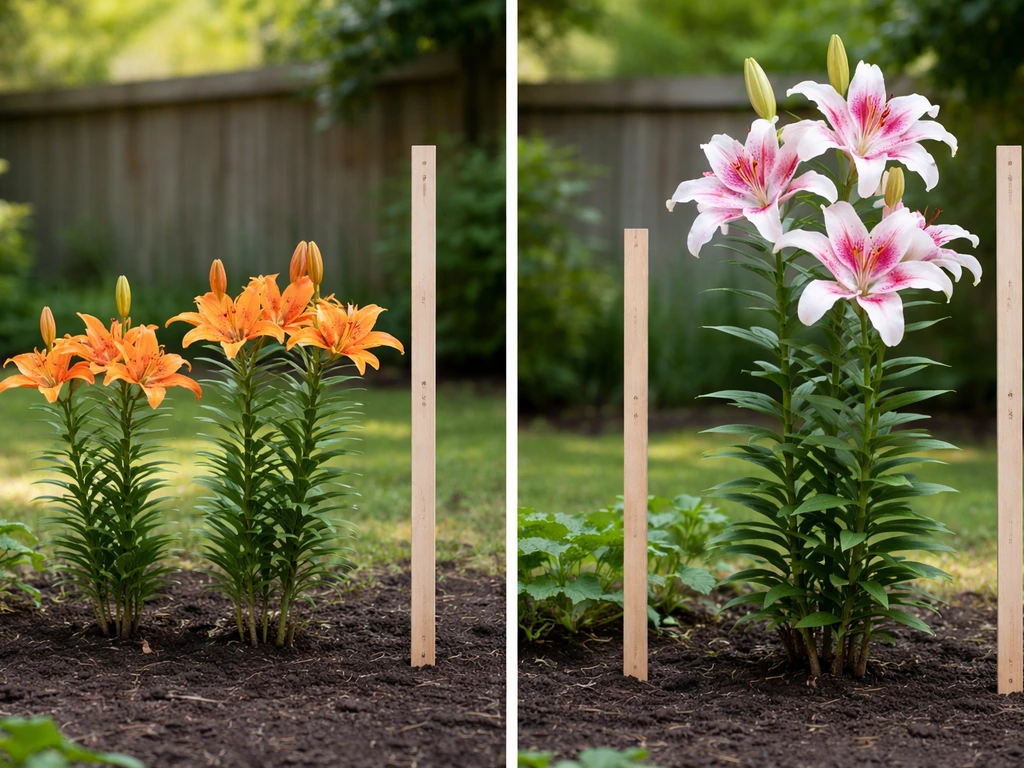
Asiatic vs oriental lilies heights, why they vary, and tips to get mature growth outdoors or in containers.
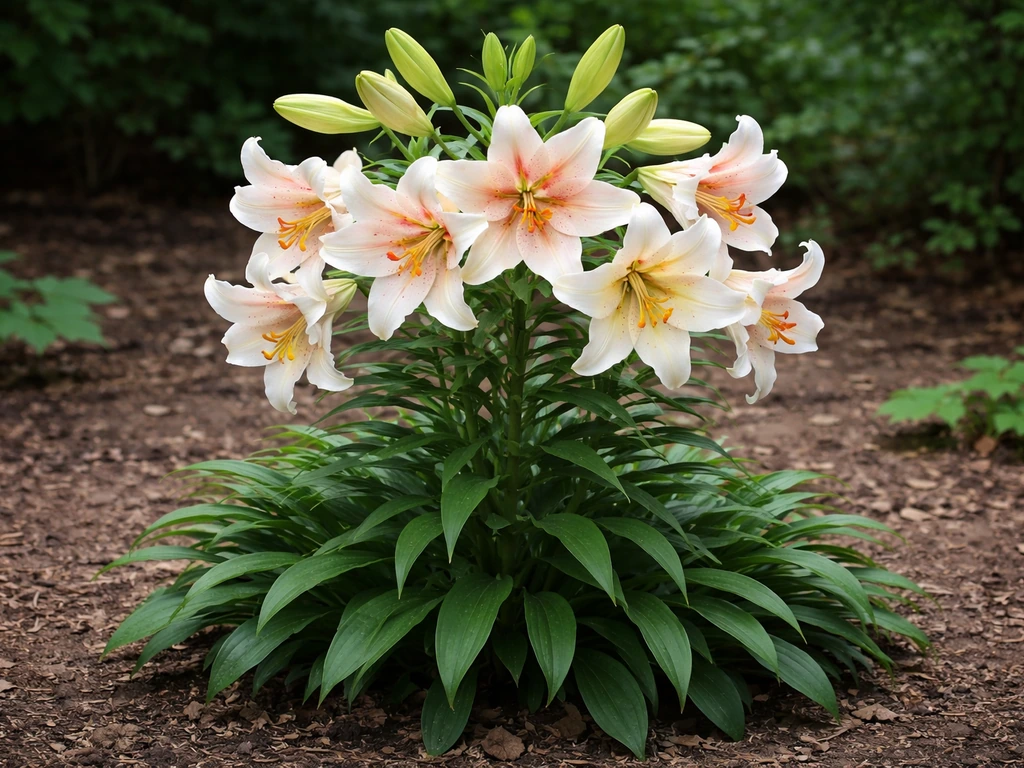
Real lily height ranges plus spread tips, and why varieties, bulbs, light, soil, and climate change growth size.
Yes, with the right setup: water depth, substrate, anchoring, light, and overwinter care for pond or marginal calla lili