
Asiatic lilies typically grow 2 to 4 feet tall at maturity, with a spread of about 12 to 18 inches per plant. That's the short answer. But where your plants land in that range depends almost entirely on the conditions you give them, and plenty of gardeners end up with stunted, floppy, or barely knee-high plants when they expected something bold and showy. This guide walks you through exactly what drives size, when to expect full height, how pots change the equation, and what to do if your lilies just aren't getting there.
How Big Do Asiatic Lilies Grow? Height, Spread, and Tips
Marcus Hendricks
21 Apr 2026
What size to expect from a mature Asiatic lily
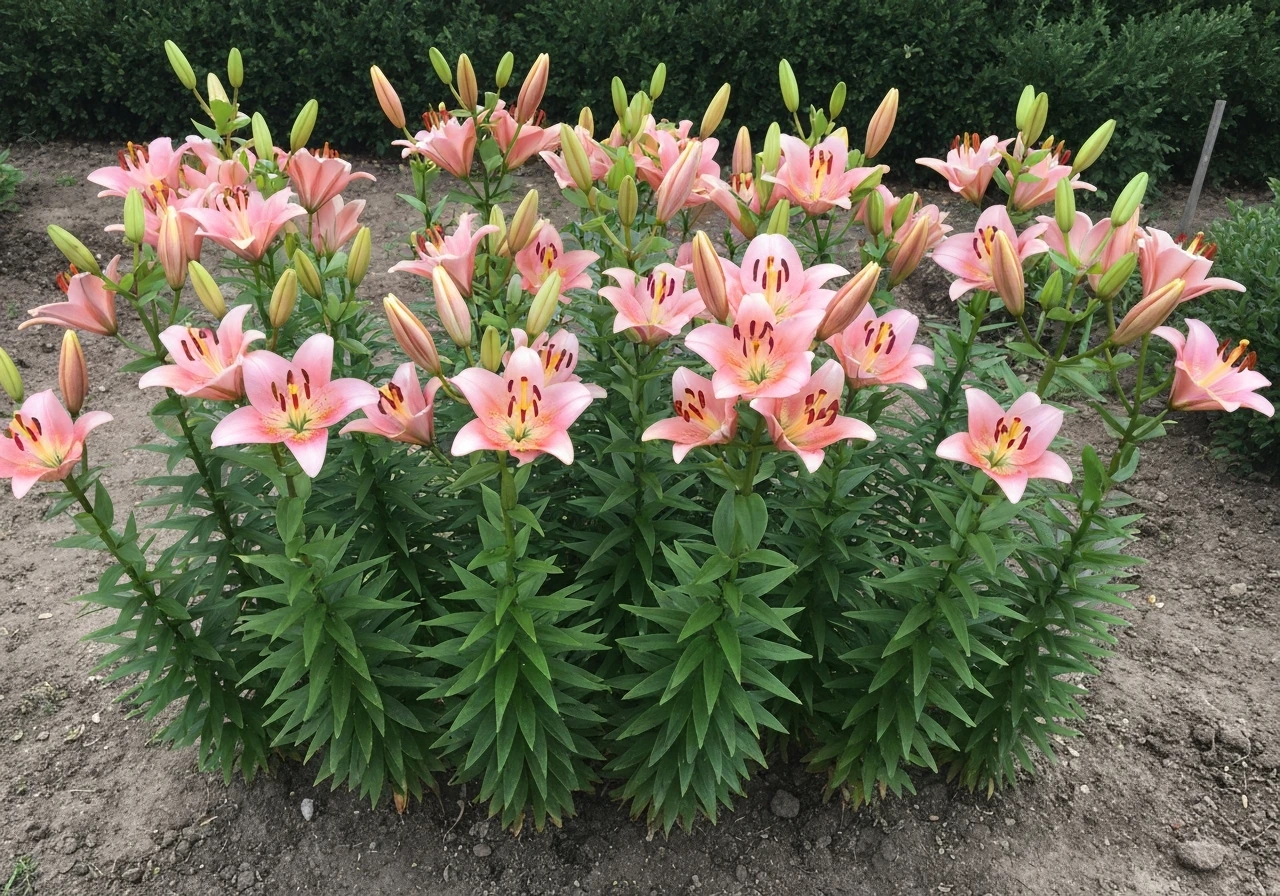
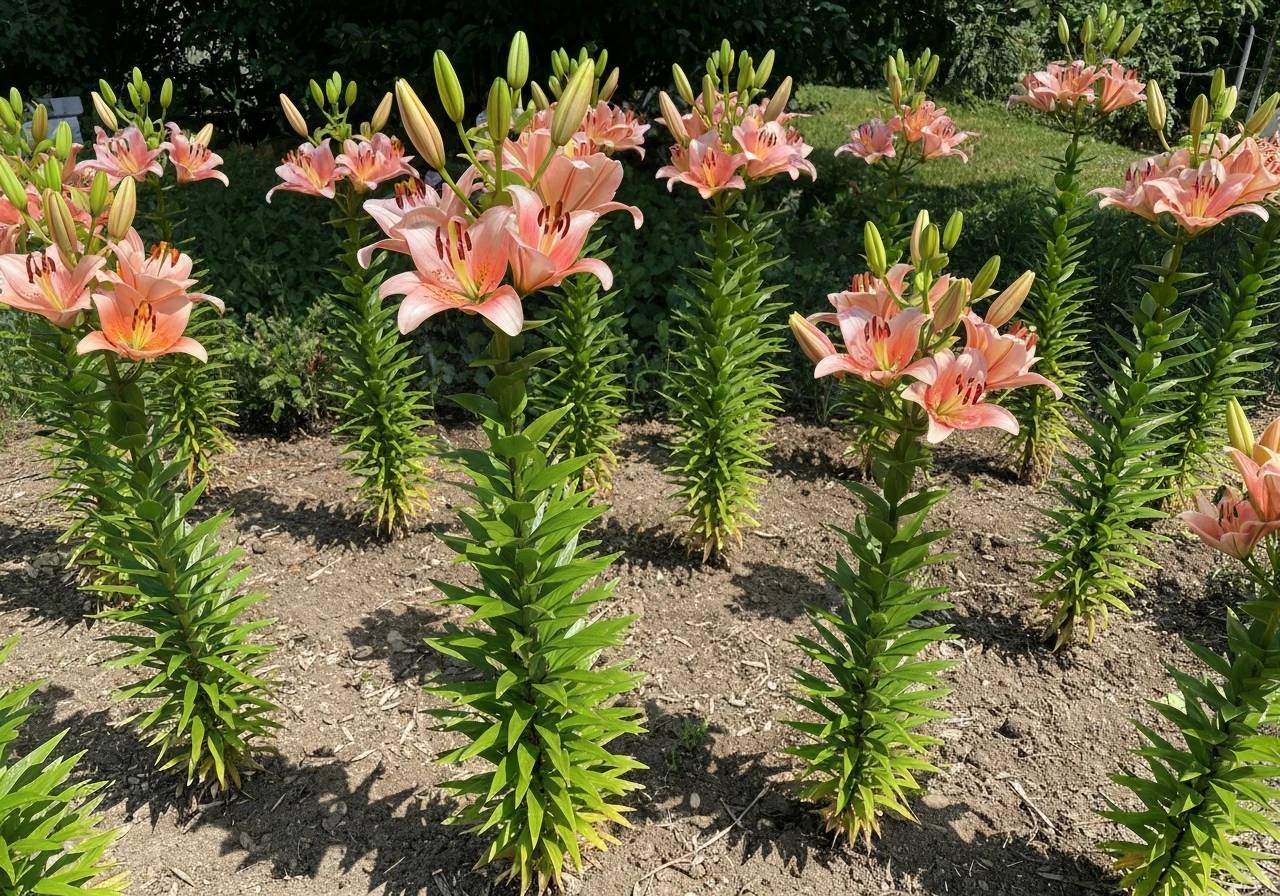
Most Asiatic lily cultivars will top out somewhere between 2 and 4 feet tall, with the sweet spot for garden varieties sitting around 2.5 to 3 feet. Spread (the width each clump takes up) generally runs 12 to 18 inches for a single planting, though an established clump that hasn't been divided in a few years can push wider. Varieties like 'Forever Susan' are a good example of the typical 12 to 18 inch spread you'll see listed on most nursery tags.
It's worth noting that Asiatic lilies are generally on the shorter end of the lily world. Oriental lilies, for instance, can stretch past 5 feet in ideal conditions. If you're comparing Asiatics to other lilies in general, expect them to be compact and early, which is actually one of their best qualities for smaller gardens and mixed borders.
Height varies by cultivar more than almost any other factor. Dwarf Asiatic types bred for container use can stay as short as 12 to 18 inches, while taller garden varieties regularly hit the 3 to 4 foot mark. Before you plant, check the tag or the nursery's listed mature height. If you want the typical mature height at a glance, most Asiatic lilies land in the 2 to 4 feet range. That number is usually accurate when growing conditions are good.
What actually changes how big your Asiatic lilies get
Five things move the needle on size more than anything else: sunlight, spacing, soil drainage, watering consistency, and fertilizer timing. Get these right and you'll hit the top of the cultivar's height range. Get them wrong and your plants will let you know.
Sunlight

Asiatic lilies want full sun, which means at least 6 hours of direct sun per day. If you are wondering about lighter conditions, asiatic lilies can handle some shade, but they perform best with at least several hours of direct sun can asiatic lilies grow in shade. They'll tolerate partial shade and still produce flowers, but the stems get noticeably taller and weaker when they're reaching for light. Botanically that's called etiolation, but practically it just means floppy, leaning stems that need staking. If you're planting in a spot that gets 4 to 5 hours of sun, expect maybe 80% of the plant's potential height, but with less structural strength. The Chicago Botanic Garden puts it well: full sun is preferred, partial shade is workable. I'd add that anything under 4 hours of direct light will give you disappointing results and stems that can't support their own blooms.
Spacing and root competition
Illinois Extension recommends spacing Asiatic lily bulbs at least 12 inches apart. Illinois Extension also provides general bulb-spacing guidance of about 6 to 12 inches apart to allow for spread and future divisions Illinois Extension recommends spacing Asiatic lily bulbs at least 12 inches apart.. Closer than that and the plants compete for water and nutrients, which keeps individual stems shorter and reduces flowering. I've seen gardeners pack bulbs in tight because they want a full, dense look right away, and the plants always suffer for it. If you want density, start at 12 inches and let the clumps fill in over two or three seasons. That approach gives each plant room to develop properly and you'll get better height because of it.
Soil and drainage
This one is non-negotiable. Asiatic lilies need well-drained, loamy soil. If the roots sit in soggy ground, the bulb rots, and a rotting or stressed bulb produces a weak, short stem if it produces anything at all. The North American Lily Society puts drainage at the top of their cultural requirements, and I agree completely. I've lost bulbs to heavy clay soil that held water after a rain, and the survivors in that same bed were noticeably shorter than the same variety planted in an amended, looser bed. If your soil is heavy, mix in compost or coarse grit before planting and raise the bed if needed.
Watering
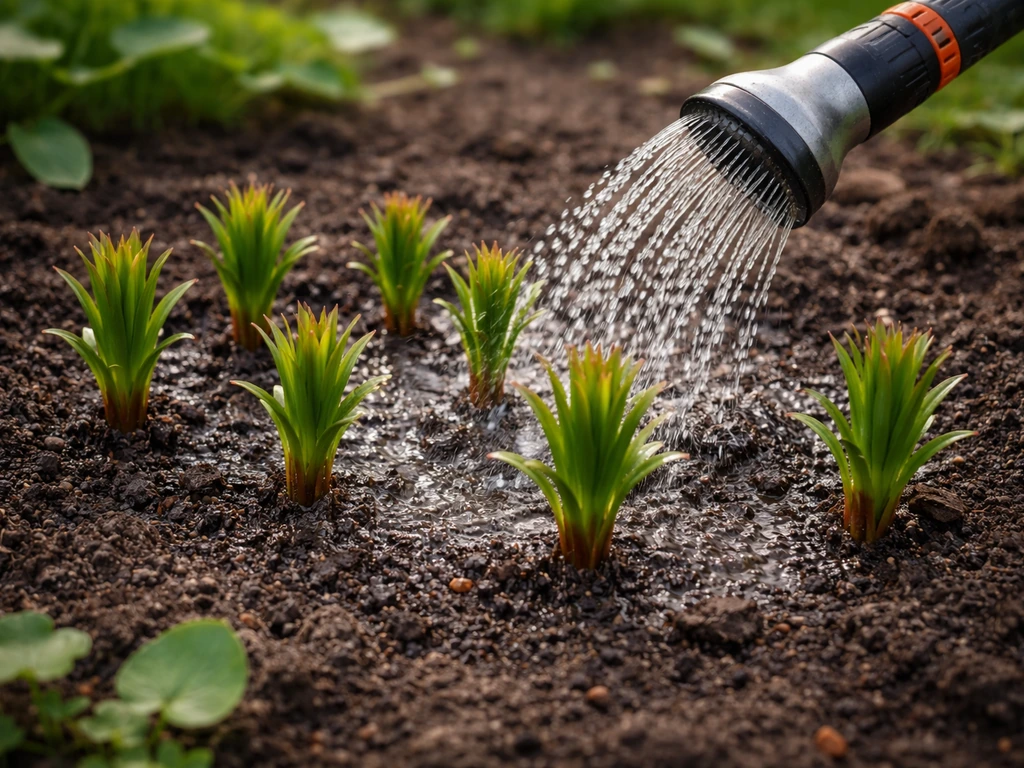
Asiatic lilies have average water needs, meaning consistent moisture during active growth but not soggy conditions. Underwatering during the stem elongation phase (spring through early summer) limits how tall the plant can get, because that's when the cells in the stem are actively dividing and expanding. Keep the soil evenly moist from emergence through bloom. After flowering, you can ease off. Overwatering, on the other hand, is how you kill the bulb, not just limit its size.
Fertilizer timing
Feed Asiatic lilies with a balanced slow-release fertilizer in early spring when shoots first emerge, then follow up with a low-nitrogen, higher-phosphorus feed as buds form. Nitrogen drives leafy, vegetative growth (which you want early on), but too much late in the season pushes soft, weak stem growth instead of strong, upright stems and good blooms. A light topdress of compost at planting time gives the bulbs a solid nutritional foundation without overdoing the nitrogen.
When your Asiatic lilies will reach full height
Asiatic lilies are among the earliest lilies to bloom, typically in June through early July in most temperate garden zones. From the time shoots emerge in early spring, most Asiatic varieties reach their full stem height within 6 to 10 weeks, depending on temperatures and light. If you want to estimate how fast do lilies grow in your specific garden, focus on the temperature, light, and spacing that drive that 6 to 10 week growth window 6 to 10 weeks. The stems elongate quickly once the weather warms, and you'll notice meaningful height increase week by week through May and into June.
One thing that affects timing is how well the bulbs were chilled over winter. The study on Lilium longiflorum ’White Heaven’ found that non-vernalized bulbs produced only leaves and did not flower over more than 15 months bulbs that experience insufficient chilling won’t flower. Research from the International Society for Horticultural Science shows that longer vernalization (cold exposure) for Asiatic hybrid lily bulbs shortens the time to shoot emergence and increases flower count. In plain terms: bulbs that experience a proper cold dormancy period come up faster and perform better than bulbs that got insufficient chilling. In most U.S. growing zones this happens naturally in the ground. If you're in a warmer zone (Zone 9 or warmer), you may need to refrigerate bulbs for 6 to 8 weeks before planting to simulate that chill.
If you're curious how this compares to other lily types, Asiatics are faster than most. Orientals and some other species take longer from emergence to bloom, which is one reason Asiatics are so popular for early season color.
Growing Asiatic lilies in pots vs. in the ground
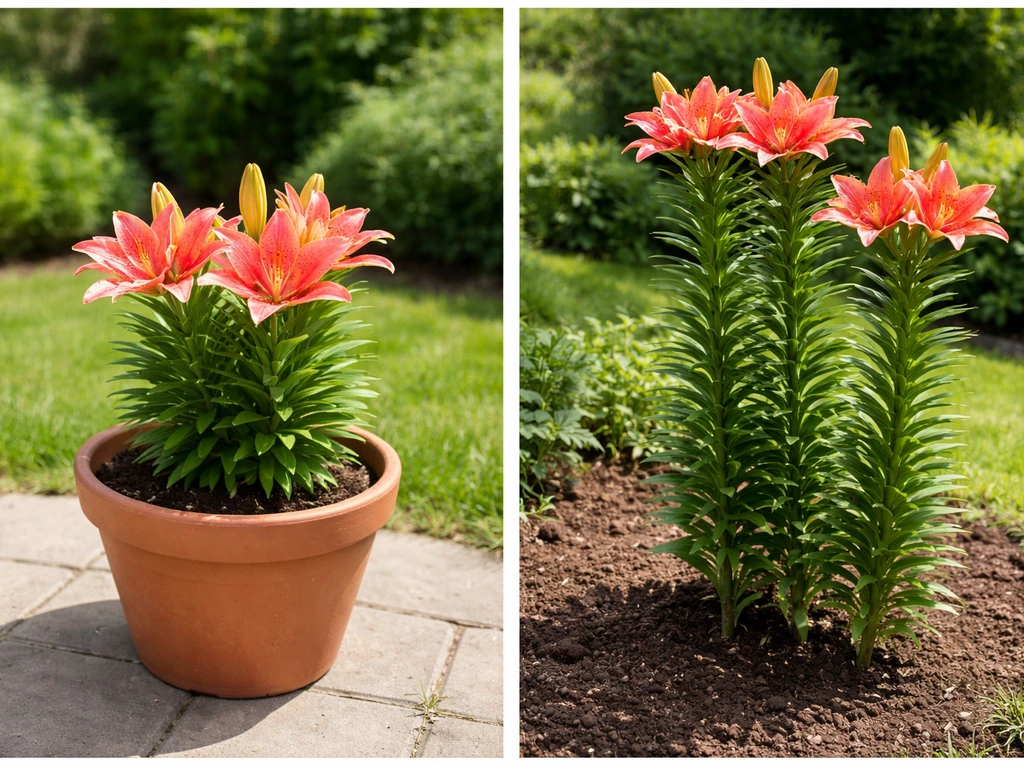
Pot-grown Asiatic lilies almost always end up shorter than garden-grown ones. The two main reasons are restricted root space and reduced light intensity. Even on a sunny patio, a container doesn't give roots the same run they get in open ground, and that limits how much the plant can take up. A variety that hits 3 feet in the garden might top out at 18 to 24 inches in a container.
That said, containers work well if you choose the right cultivar and the right pot. For container growing, look specifically for dwarf or compact Asiatic varieties, which are bred to stay in the 12 to 24 inch range. Use a pot that's at least 12 inches deep to accommodate proper planting depth (bulbs need to go 6 to 8 inches down, per Illinois Extension and other sources), and make sure the pot has drainage holes. A pot without drainage is just a slow-motion bulb killer.
Indoor growing is a different challenge entirely. If you're forcing bulbs indoors or growing them as houseplants, you're fighting both limited root space and light intensity. Most indoor environments, even bright windowsills, don't deliver the 6-plus hours of direct sun Asiatics need. Plants grown indoors under typical household light will be noticeably shorter, paler, and may not bloom well at all. If you want to grow them indoors, use a full-spectrum grow light positioned close to the plant (within 6 to 12 inches) and run it for 14 to 16 hours a day. Even then, manage your expectations: indoor Asiatics are a project, not a slam dunk.
Picking the right cultivar and spacing for your space
Before you buy, think about the space you're working with. A 3 to 4 foot Asiatic lily is a mid-to-back border plant. A dwarf variety at 12 to 18 inches works in the front of a bed, in a rock garden, or in a container on a deck. Mixing heights without planning for them is how you end up with tall plants blocking shorter ones, or with a front border that looks like a wall.
| Cultivar type | Typical mature height | Best use | Spacing |
|---|---|---|---|
| Dwarf/compact (e.g., 'Tiny Bee', 'Tiny Ghost') | 12–18 inches | Containers, front of border | 8–10 inches |
| Mid-size (e.g., 'Forever Susan', 'Grand Cru') | 24–30 inches | Mixed border, mid-bed | 12 inches |
| Tall garden varieties | 3–4 feet | Back of border, cutting garden | 12–18 inches |
For spacing, the 12-inch minimum from Illinois Extension is a solid baseline for mid-size and tall varieties. Dwarf types can be closer, around 8 to 10 inches apart. When in doubt, err on the side of more space rather than less. Cramped bulbs compete, which shrinks the plants and makes them more vulnerable to disease. If you want a fuller look in the first season, plant in groups of three or five bulbs at the right spacing rather than packing individual bulbs tighter.
Also consider how the lilies interact with neighboring plants. Asiatics die back after flowering, leaving a gap in the border. Planting them next to later-emerging perennials (hostas, ornamental grasses, black-eyed Susans) fills that gap and gives the lilies some root-zone shade that can actually help during hot summers.
Why your Asiatic lilies are staying small (and how to fix it)
If your plants are consistently shorter than the cultivar's listed height, something in their environment is holding them back. For rain lilies specifically, the timeline can vary a lot by temperature, light, and whether you are growing from bulbs or seed how long does it take for rain lilies to grow. If you are wondering how do surprise lilies grow, similar factors like light, bulb health, and cold exposure can affect their timing and size. Here are the most common culprits and what to do about each one. If you are troubleshooting “why do my lilies grow so tall,” the same core factors like light, spacing, and bulb health usually explain dramatic height differences.
- Not enough sun: If the bed gets fewer than 6 hours of direct sun, stems will be shorter and weaker. Move the bulbs in fall to a sunnier spot, or trim back overhanging plants that are casting shade.
- Planted too shallow: Bulbs planted less than 6 inches deep don't develop the stem rooting that supports strong growth. Dig and replant at 6 to 8 inches depth in fall.
- Overcrowded bulbs: Clumps that haven't been divided in 3 or more years become congested and the individual stems shrink. Dig, divide, and replant with fresh spacing in early fall.
- Poor drainage or waterlogged soil: Root rot from soggy soil directly limits nutrient and water uptake. Amend the bed with compost and coarse grit, or move to a raised bed.
- Insufficient chilling: In warmer climates, bulbs that didn't get enough cold dormancy come up slow and weak. Pre-chill bulbs in the fridge for 6 to 8 weeks before spring planting.
- Nutrient deficiency: Yellowing or pale stems with weak growth often signals a lack of nutrients. Apply a balanced slow-release fertilizer at shoot emergence and follow up as buds form.
- Bulb damage or age: Old or soft bulbs simply don't have the energy reserves for strong growth. Replace bulbs that feel mushy, are very small, or that have performed poorly for multiple seasons.
- Container too small: Pots under 12 inches deep restrict root development. Repot into a deeper container or plant out into the ground.
One thing worth checking if your Asiatics have been in the same spot for several years: congestion is a surprisingly common size-killer that often gets blamed on other things. Dig up a clump after the foliage dies back and look at how many offsets have formed. If the clump is packed with small bulblets crowding the main bulbs, divide them, let the biggest bulbs dry for a day or two, and replant at proper spacing. You'll often see noticeably taller plants the very next season.
The good news is that Asiatic lilies are genuinely tough plants. Most size problems come down to a few fixable conditions, not disease or some fundamental incompatibility with your garden. Get the sun, drainage, depth, and spacing right, and these plants will reward you with bold, reliable height every season.
FAQ
If my Asiatic lilies grow shorter than the nursery says, is it always my soil or sunlight?
Yes, but only to a point. Asiatic lilies can tolerate partial shade, but they often become leggier and less stable, so the actual top-to-bottom height may still be near the tag, while the stems look weaker and lean. If your site gets under about 4 hours of direct sun, expect a noticeable reduction in both flower quality and usable, upright height.
How do I prevent Asiatic lilies from getting “all leaves” and not the height or flowers I expected?
Count on fewer, smaller blooms even if the plant reaches some height. When fertilizer is too nitrogen-heavy or applied too late, you tend to get lush leaves and slower, weaker flowering stems. A useful rule is early spring for a balanced feed, then switch to a lower-nitrogen, bloom-supporting formula once buds are forming.
My Asiatic lilies have been in the same bed for years, could congestion make them shorter?
Spacing affects plant height mostly through competition underground. Even if each bulb is placed correctly, a clump that is not divided for several years can become congested and produce shorter stems. If your lilies are consistently stunted year after year, divide after the foliage dies back, replant at about 12 inches for standard types, and use your largest bulbs first.
If I fix spacing, watering, or sunlight mid-season, will my lilies catch up to full height?
Watch the timing window. Asiatic lilies usually reach their mature-looking stem height within about 6 to 10 weeks from emergence, so correcting issues early matters. If you discover your mistake late (for example, too little sun or poor drainage after mid-spring), you can still improve flowering, but you likely will not recover the missed height potential fully that season.
Could planting depth be the reason my Asiatic lilies stay small?
Depth can indirectly reduce height, because bulbs that are planted too shallow are more exposed and can produce fewer, weaker stems. Plant bulbs about 6 to 8 inches deep for best performance, especially in climates with colder winters or temperature swings.
Why are my Asiatic lilies much shorter in pots than in the ground?
Yes. Containers restrict root run and often dry out unevenly, which can limit both height and flower count. Use a pot with drainage holes, at least 12 inches deep, and aim for a location that gives as much direct sun as possible. For a strong container outcome, choose compact or dwarf cultivars that are bred to stay around 12 to 24 inches.
Do I need to chill Asiatic lily bulbs in warmer climates to get full size?
It can. In warm regions where bulbs do not get enough winter chilling, shoot emergence and growth can be weaker or delayed. If you are in Zone 9 or warmer, some gardeners refrigerate bulbs for about 6 to 8 weeks before planting to simulate vernalization.
My lilies are tall but fall over, is that the same problem as being too short?
I would treat the “stems are floppy” symptom separately from “height is short.” Etiolation from low light can produce tall-looking, weak stems that still need staking, while true short plants are usually more about drainage, spacing, watering consistency, or bulb quality. If your stems are reaching but leaning, increase sun before you assume it is a nutrition problem.
What’s the best way to water Asiatic lilies if I’m trying to maximize their height?
Not exactly. Underwatering during active stem growth limits how tall the stems can become, while overwatering often causes bulb stress or rot, which can reduce or stop growth entirely. Aim for evenly moist soil while they are actively growing, then reduce water after flowering.
What should I do if my garden soil is heavy clay and my Asiatic lilies are short?
If your soil stays wet after rain, that is a high-probability cause. Heavy clay and poor drainage are one of the fastest routes to weak, short plants because the bulb suffers. Improve drainage with compost and coarse amendments, or raise the planting bed so water clears rather than pooling.
Next Articles
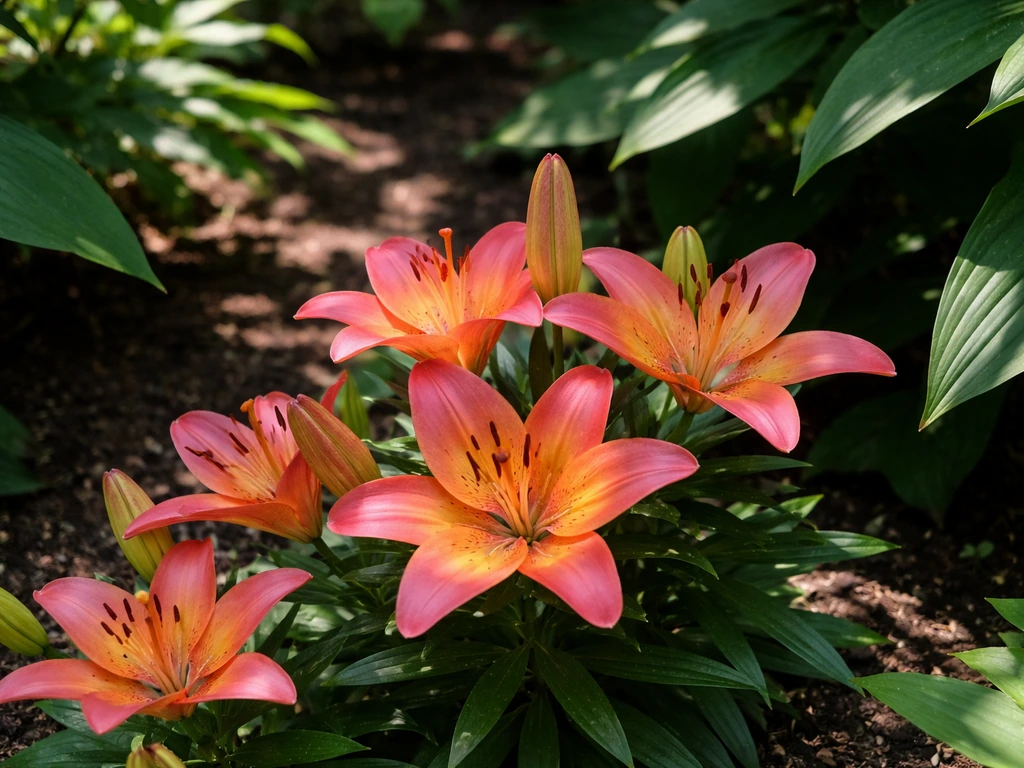
Can Asiatic Lilies Grow in Shade? Sun Needs and Tips
Can asiatic lilies grow in shade? Get sun limits, troubleshooting for weak growth, and tips to place and care for them i
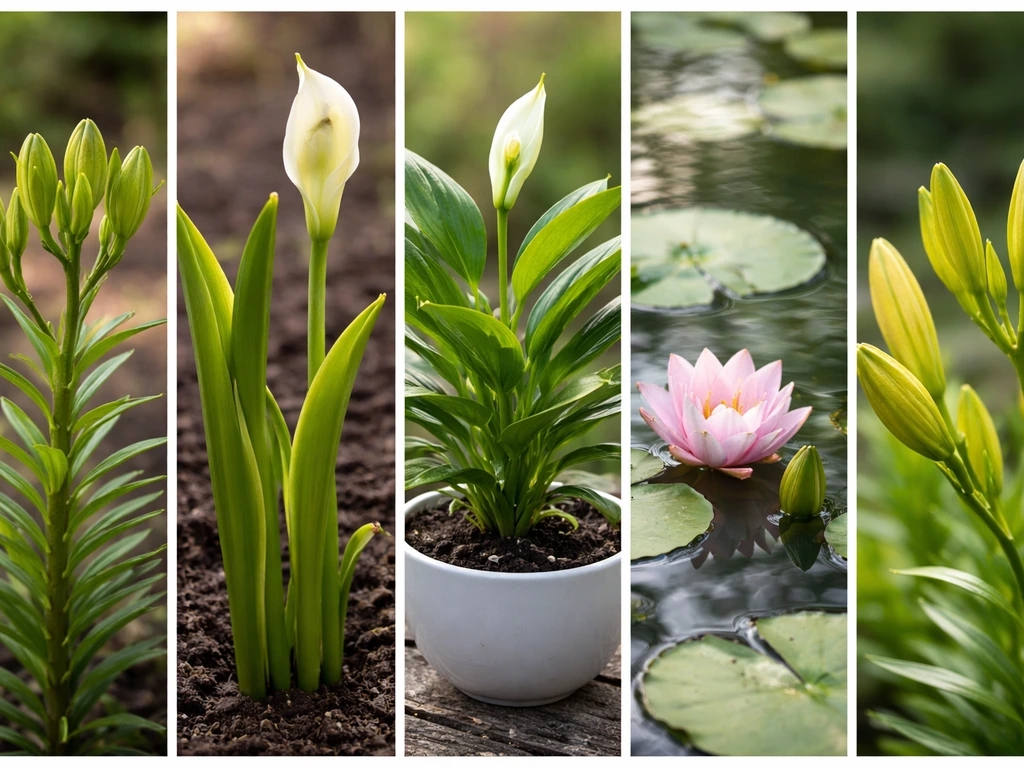
How Fast Do Lilies Grow A Timetable by Lily Type
Growth timelines for Asiatic, calla, peace, water lilies and daylilies, plus fixes for slow growth.
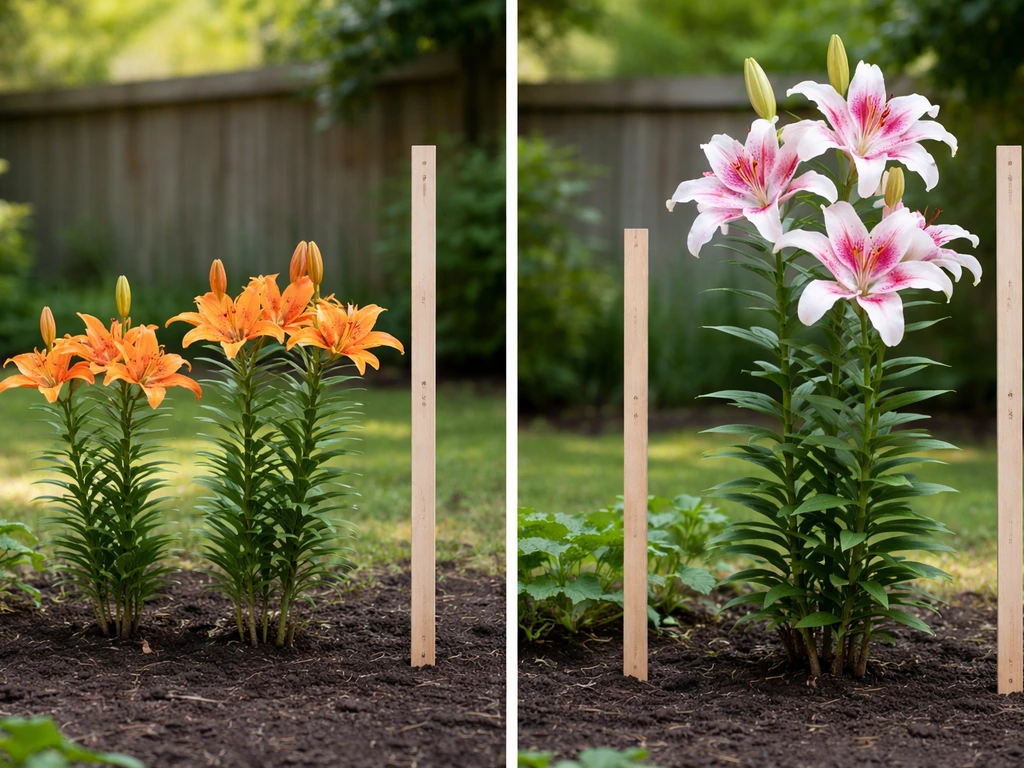
How Tall Do Asiatic Lilies Grow? Plus Oriental Heights
Asiatic vs oriental lilies heights, why they vary, and tips to get mature growth outdoors or in containers.