
From the time you plant a Zephyranthes bulb, you can expect to see the first sprouts in about 1 to 3 weeks under warm conditions, with foliage filling in over the following few weeks. Your first bloom typically arrives 6 to 12 weeks after planting, but here's the catch: once the plant is established, blooms can appear just 2 to 3 days after a heavy rain or a good deep watering following a dry spell.
How Long Does It Take for Rain Lilies to Grow
Marcus Hendricks
27 Apr 2026
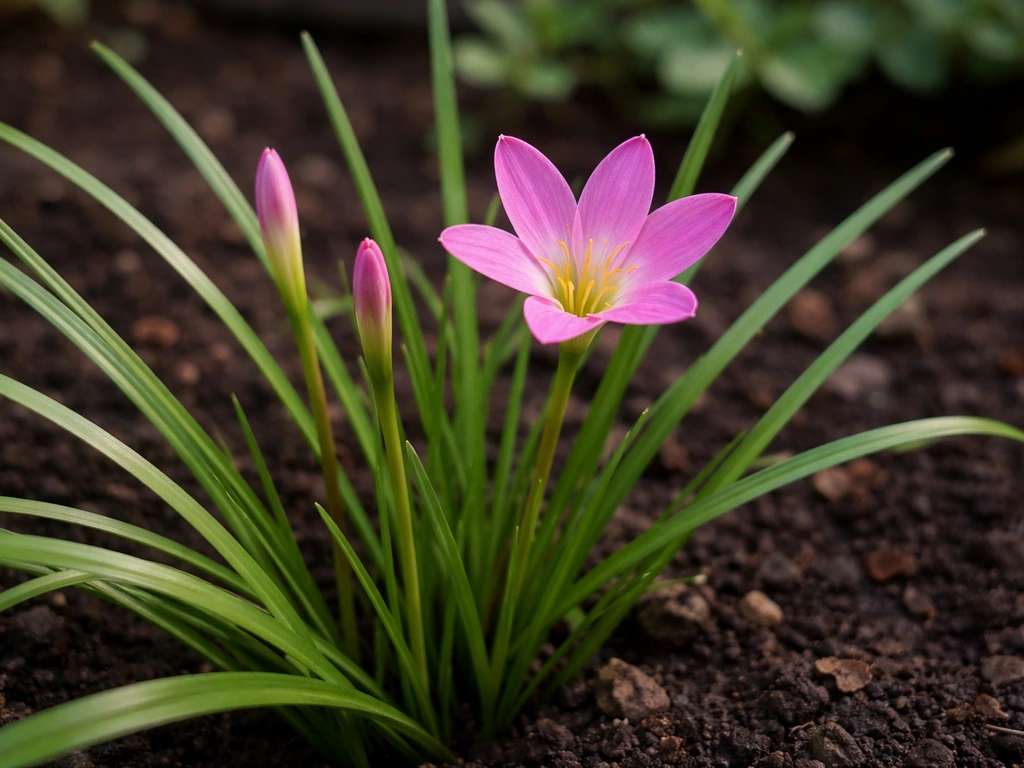
UF/IFAS EDIS also notes that Zephyranthes rain lily blooms tend to appear after heavy rain, continue in successive flushes, and that individual flowers are short-lived, often about a day or two blooms can appear just 2 to 3 days after a heavy rain.
That rapid post-rain response is the whole personality of this plant, and it's what makes timing your watering routine the single most useful thing you can do to get consistent flowers.
Before going further, a quick clarification: this article is specifically about Zephyranthes rain lilies, the bulb-based plants also called zephyr lilies or fairy lilies. They're not the same as calla lilies, daylilies, water lilies, or Asiatic lilies, all of which have very different growth timelines and care requirements. Asiatic lilies have a different growth habit, so their height expectations are different from rain lilies.
If you're also wondering how tall Asiatic lilies grow, the mature height can be quite different from rain lilies. If you're also wondering how big do asiatic lilies grow, the mature height can be quite different from rain lilies. Rain lilies are in a category of their own, and their growth behavior is unlike most other lily relatives.
Quick timeline: sprouting to first bloom
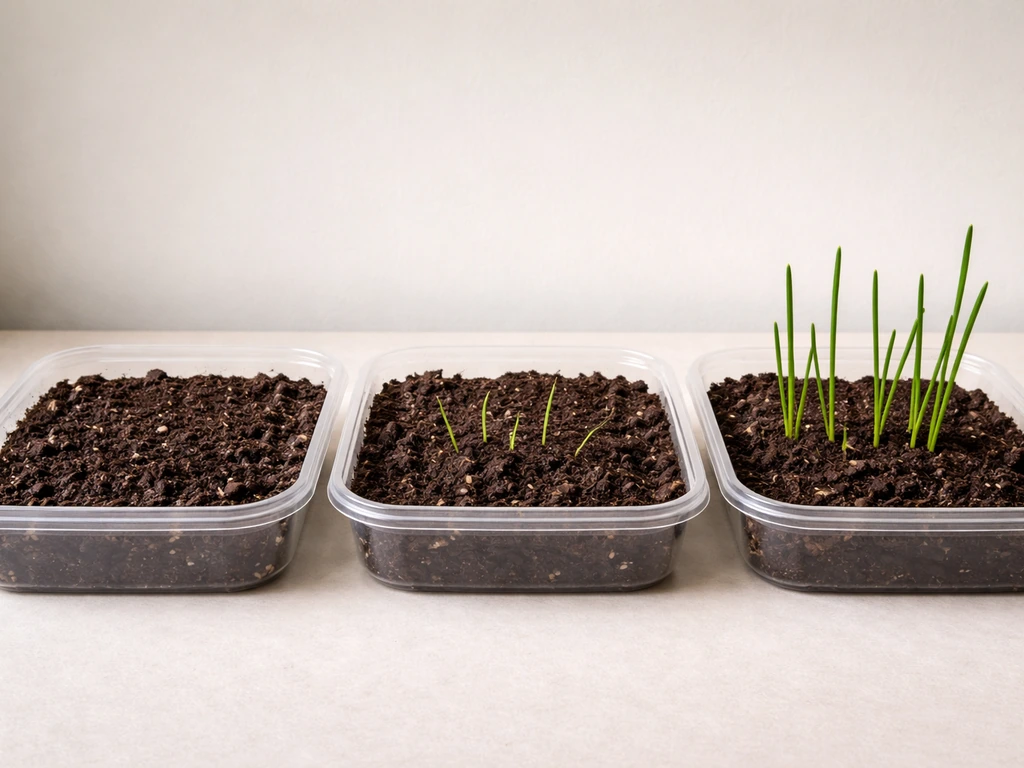
Here's a practical timeline you can use to track where your rain lily is right now and what's coming next.
| Stage | Typical Timeframe | What to Look For |
|---|---|---|
| Planting to first sprout | 1–3 weeks | Thin, grass-like green tips emerging from soil |
| Sprout to established foliage | 3–5 weeks | Upright strap-like leaves, 6–12 inches tall |
| Foliage to first bloom (new bulb) | 6–12 weeks total from planting | Flower stalk appears before or with leaves |
| Post-rain bloom trigger (established plant) | 2–3 days after soaking rain or deep watering | Single funnel-shaped flower per stalk, multiple stalks possible |
| Bloom duration | 1–3 days per individual flower | Multiple waves of blooms through summer and early autumn |
| Full growing season | Spring through early autumn (zones 7B–11) | Repeated bloom cycles tied to rain/dry cycles |
UF/IFAS classifies Zephyranthes overall as a slow-growing plant, and that's accurate for the bulb's long-term establishment. But the bloom trigger is genuinely fast once the plant is settled in. The confusion most people have is expecting continuous, steady growth like you'd see with a daylily. Rain lilies work in bursts: quiet and unremarkable most of the time, then suddenly covered in flowers right after rain.
What affects how fast rain lilies grow
Light
Rain lilies grow best with full sun to partial shade, ideally 4 to 6 hours of direct sunlight per day. Asiatic lilies can tolerate some shade, but they usually bloom best with more light can asiatic lilies grow in shade. More sun generally means more consistent blooming. In very hot climates (zones 9–11), afternoon shade helps prevent the bulbs from baking and actually supports more reliable summer blooms. If you're growing them indoors or in a lower-light spot, expect slower growth and fewer flowers. A south- or west-facing window with at least 4 hours of bright light is the minimum for decent indoor performance.
Temperature
Zephyranthes are rated for USDA zones 7B through 11, which covers a wide range, but they really thrive when soil temperatures are consistently warm, typically above 60°F. Below that threshold, growth slows dramatically and blooms may not appear at all. In zones 7B and 8, you'll get a shorter active season and may need to lift bulbs for winter in colder microclimates. In zones 9 through 11, rain lilies can stay in the ground year-round and may even produce some foliage through winter.
Watering and the rain-bloom connection
This is the big one. The bloom trigger in Zephyranthes is the contrast between a dry period and a sudden heavy watering. Pink rain lilies (Zephyranthes grandiflora) and Zephyranthes reginae both reliably send up flower stalks 2 to 3 days after a soaking rain following dry conditions. If you water consistently and lightly every day, you're actually working against the plant's natural rhythm. The dry-then-soak cycle is what signals the bulb to flower. Wikipedia also highlights that Zephyranthes bulbs can be toxic in parts and explains that the rainlilies' blooming is tightly tied to rainfall after a dry period the dry-then-soak cycle is what signals the bulb to flower. Steady moisture without the dry contrast slows blooming noticeably.
Planting setup: bulb maturity, depth, spacing, soil, and drainage
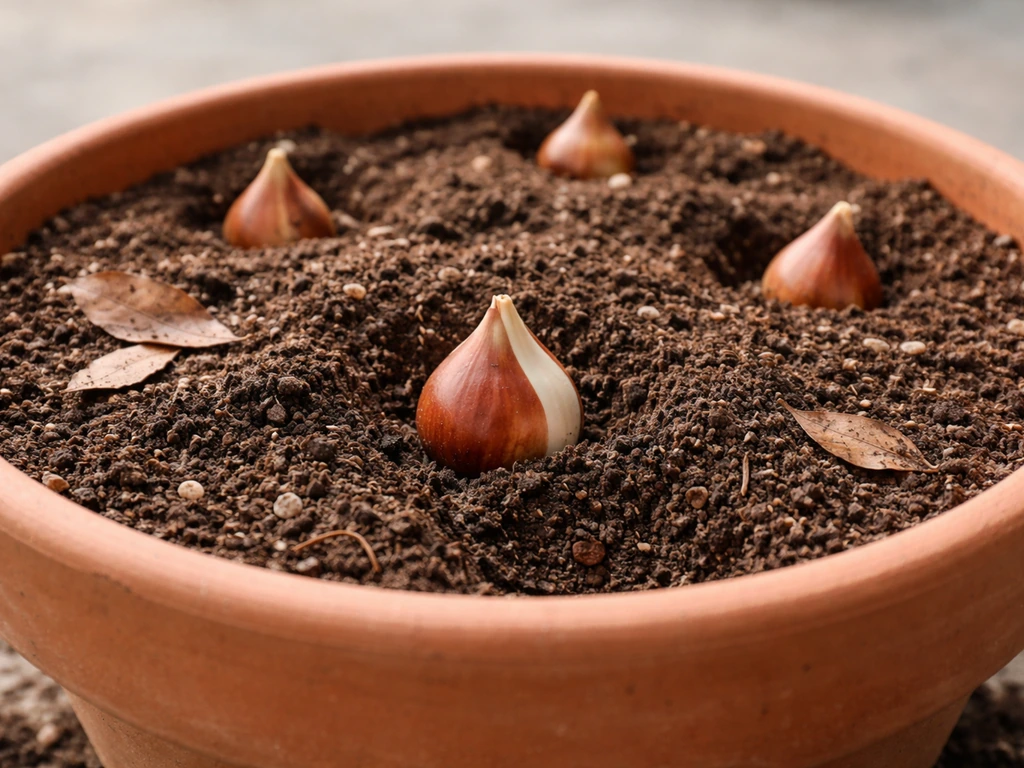
Getting the setup right from the start makes everything else easier. Here's what actually matters when you're putting bulbs in the ground or into a pot.
- Bulb maturity: Larger, plump bulbs bloom faster and more reliably than small offset bulbs. If you're buying bulbs, choose the biggest ones available. Small offsets may take a full growing season before they flower.
- Planting depth: Set bulbs 1 to 2 inches deep with the pointed tip facing up. Planting too deep slows emergence; too shallow and the bulb dries out or gets disturbed.
- Spacing: Space bulbs 3 to 6 inches apart. Rain lilies naturalize and multiply over time, so a little crowding is fine and actually looks better as clumps fill in.
- Soil: Loose, well-draining soil is non-negotiable. Rain lilies will rot quickly in heavy clay or compacted soil that holds water. A mix of garden soil with coarse sand or perlite works well.
- Drainage: Whether in the ground or in a container, drainage holes are essential. Standing water around the bulbs, especially when temperatures drop, is one of the most common ways to lose rain lilies fast.
Water and rain routine: how to mimic rainfall without rot
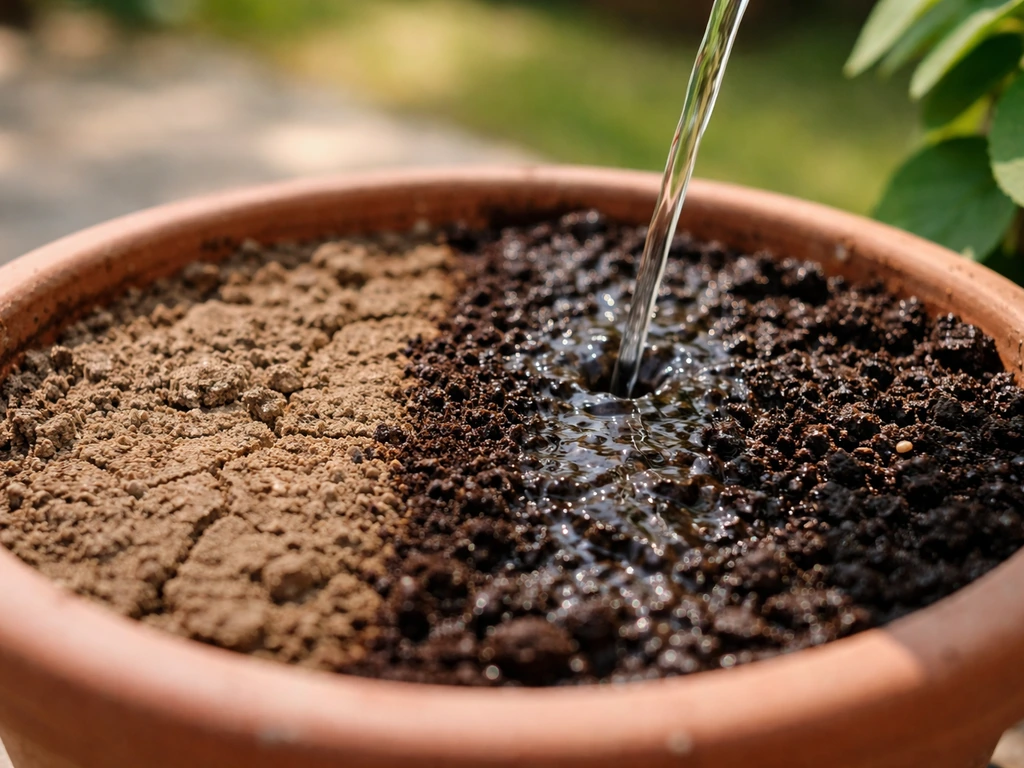
The goal is to replicate a natural rainfall pattern, not to keep the soil consistently moist like you would for, say, a peace lily. Let the top inch or two of soil dry out completely between waterings, then give the plant a deep soak, enough to thoroughly wet the root zone. In active growing season, this might mean watering once every 7 to 10 days in dry weather, then letting it dry out again before the next deep watering.
If you want to trigger blooming on a schedule, extend the dry period to about 2 weeks, then give the plant a genuinely heavy watering, roughly equivalent to an inch of rain. Mark your calendar and check back in 2 to 3 days. Many experienced growers time this deliberately in summer to get waves of blooms through the season. The key difference from accidental watering is intentionality: deliberate dry periods followed by deliberate deep soaks, rather than random light watering.
For container-grown rain lilies, be especially careful. Pots dry out faster than garden beds, which can actually work in your favor, but they can also get waterlogged quickly if drainage isn't excellent. Use a pot with at least one large drainage hole, and don't use a saucer that traps standing water beneath the pot.
Indoor vs. outdoor growing and climate and season timing
Outdoors in zones 7B through 11, rain lilies are at their happiest. Plant in spring after soil has warmed, and expect the main bloom season to run from late spring through early autumn, with multiple bloom flushes tied to your rain or watering cycles. In zone 7B and the lower edge of zone 8, late frosts can damage emerging foliage, so wait until your last frost date has passed before planting.
If you're in a colder zone or want to grow rain lilies indoors, it absolutely works, but you have to compensate for the lack of natural rainfall cycles. Place pots in the brightest spot you have (south or west-facing windows are best), and consciously recreate dry-then-soak cycles rather than watering on a fixed schedule. Indoors, growth will be slower and blooms less frequent than in a sunny outdoor bed, but it's very doable. One thing I've found is that moving container-grown rain lilies outside for the summer and bringing them in before frost gives you the best of both worlds, good blooms outdoors, and easy overwintering indoors.
Unlike some lily relatives (for instance, how surprise lilies handle dormancy is a closely related question worth exploring), Zephyranthes can stay somewhat evergreen in warm zones and go semi-dormant in cooler ones. In zones 9 through 11, the plant may never fully die back. In zones 7B and 8, foliage dies back in winter and re-emerges in spring, similar in behavior to how Asiatic lilies handle cold periods.
Troubleshooting slow growth and no blooms
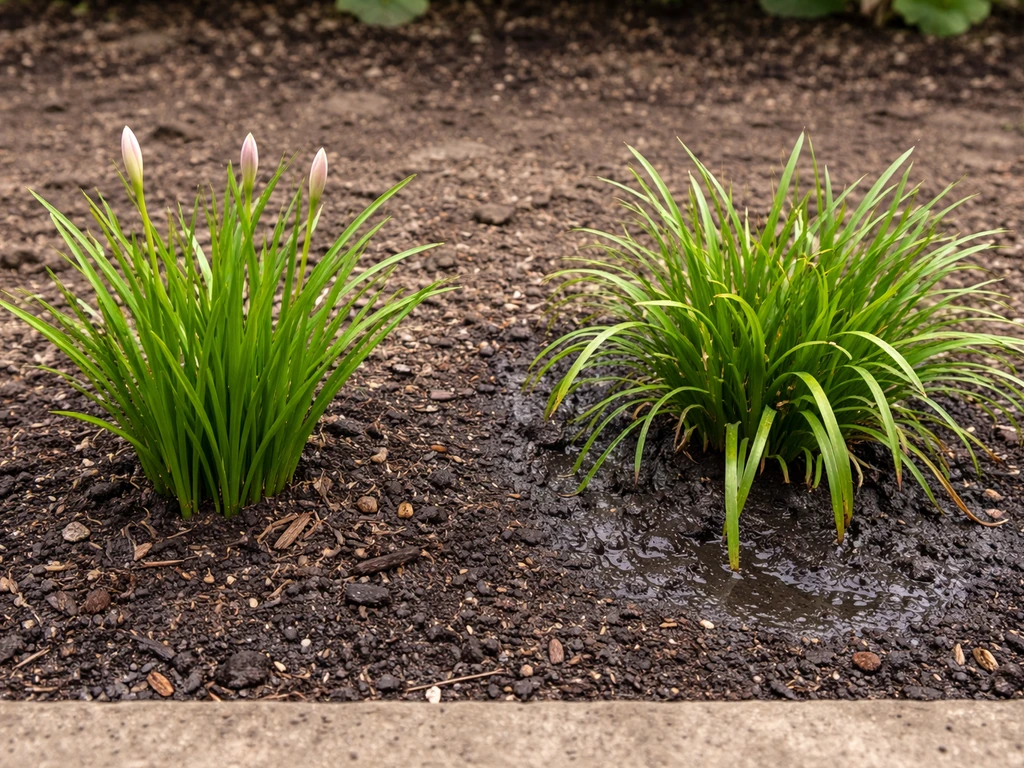
If your rain lily is stubbornly green with no flowers, or barely growing at all, one of a handful of issues is almost always the cause.
- Too much consistent moisture: The most common bloom problem. If you're watering frequently without a dry period in between, the bloom trigger never fires. Back off and let the soil dry out for 10 to 14 days, then soak deeply.
- Not enough light: Below 4 hours of direct sun, expect slow growth and minimal blooming. Move outdoor containers to a sunnier spot, or supplement indoor plants with a grow light.
- Bulbs too small or newly planted: Small offset bulbs often spend their first season just building roots and foliage. Give them one full season before worrying about lack of flowers.
- Planted too deep: Bulbs more than 2 inches deep can be slow to emerge. If you suspect this and nothing has sprouted after 4 weeks in warm soil, carefully dig and reset the bulbs shallower.
- Temperatures too low: If soil temps are below 60°F, growth stalls. This catches a lot of gardeners in early spring when air temps feel warm but soil is still cold.
- Poor drainage causing bulb stress: A bulb sitting in wet soil isn't actively rotting yet, but it's stressed and won't bloom. Check that water moves freely through your soil or container mix.
- Overcrowded clumps: After 3 to 4 years, dense clumps of rain lily bulbs can become so crowded that blooming drops off. Dig, divide, and replant every few years.
How to figure out where your rain lily is right now
If you already have a rain lily growing and you're trying to figure out what stage it's in and what to do next, here's a practical way to assess it today.
- Check the foliage: Thin, just-emerged green tips mean you're 3 to 6 weeks from a potential first bloom. Established strap-like leaves 6 inches or taller mean the plant is ready to bloom and just needs a dry-then-soak trigger.
- Check when you last watered: If the soil is still moist from recent watering, wait. Let it dry out for at least a week, then give a deep soak and watch for flower stalks 2 to 3 days later.
- Check your light situation: Count honest hours of direct sun hitting the plant. Less than 4 hours is a problem. More than 6 hours in a very hot zone may mean afternoon shade would help.
- Check the season and soil temperature: Warm soil (above 60°F) and you're in the active growing window. Cool soil means be patient, not aggressive with watering.
- Check bulb depth if nothing has sprouted: After 4 weeks in warm soil with no emergence, the bulb may be too deep, rotted, or planted upside down. Carefully probe the soil and investigate.
- If blooms have dropped off from a previously productive plant: Dig a small section and look at bulb density. Crowded, tightly packed bulbs in a clump that hasn't been divided in years is likely the issue. Plan to divide after the current season ends.
Rain lilies reward patient, observant growers. The timeline from planting to first bloom is measured in weeks, not months, but the ongoing bloom cycle is all about reading the plant and working with its natural dry-then-soak rhythm rather than against it. The timeline from planting to first bloom is measured in weeks, not months, and if you want a broader comparison on how fast do lilies grow in general, see how fast do lilies grow.
For more detail on typical mature size, check how big do lilies grow for rain lilies. If your rain lilies are getting taller than you expect, the same factors that control bloom timing and growth, like light and the dry-then-soak watering rhythm, can help explain why why do my lilies grow so tall. Get those fundamentals right and you'll have flowers popping up reliably through the whole warm season.
FAQ
Why is it taking longer than 3 weeks for my rain lily sprouts to show up?
Warmth and bulb rest matter as much as calendar time. If soil stays below about 60°F, expect slower sprouting and you may wait longer than 3 weeks for visible growth, with blooms potentially not forming until temperatures rise.
Can I get blooms faster than 6 to 12 weeks after planting?
Yes. After bulbs are settled and you create a dry period, a heavy soak usually produces a bloom response in 2 to 3 days. If you watered lightly during the dry spell, you may trigger foliage instead of flowers.
How deep should I plant rain lily bulbs to avoid slow growth?
If you plant too deep, the plant may grow but delay flowering. As a rule of thumb, keep the bulb close enough that the top is just below the soil surface (typical for bulbs), and avoid burying it much deeper than the bulb's diameter.
What’s the most common watering mistake that slows bloom timing?
Consistent mild watering can suppress the dry-then-soak signaling that Zephyranthes uses. Use the “dry to the top inch or two, then deep soak” pattern, and in containers check moisture more often because they swing from dry to waterlogged quickly.
Should I fertilize rain lilies to speed up flowering?
Over-fertilizing can backfire by pushing leafy growth at the expense of flower bursts. If you feed at all, use a light approach (and pause feeding right before you intentionally create a dry period) so you do not blunt the bloom trigger.
Why do my rain lilies bloom in bursts instead of continuously?
Rain lilies typically bloom in flushes, not steadily. If you want consecutive waves, repeat the dry period followed by a deep watering during the warm season, rather than expecting every day to bring new flowers.
Do rain lilies take longer to grow in my climate, and do they go dormant?
In zones 9 through 11, bulbs may stay in the ground year-round and can keep some foliage through winter, but blooming may slow if there are cooler stretches. In zone 7B and the lower edge of 8, bulbs often need winter protection or lifting in colder, wetter microclimates.
My plant is green but never flowers, what should I troubleshoot first?
If foliage keeps appearing but flowers never do, check for insufficient light first. Indoors or in heavy shade, they may stay green with minimal blooming, so move to the brightest spot you have, ideally with at least 4 hours of direct sun outdoors or bright window light indoors.
Is it normal if I get leaves but no flowers after planting?
It can be normal to see sprouts but miss the first bloom if the bulb is small, newly planted, or the dry period signal never happens. Give it time into the next watering cycle, and focus on creating a real dry contrast followed by a deep soak.
Will moving my container-grown rain lily outdoors speed up growth and blooms?
Yes, but timing is everything. If you move container plants outdoors for summer, adjust gradually to avoid shock, then let the outdoor dry-then-soak rhythm do its job. Bring pots back before frost to prevent cold damage to foliage and bulbs.
How can I tell if my potting setup is causing waterlogging and slow growth?
Poor drainage is a major issue in containers, it can lead to rot and very slow recovery. Use a pot with at least one large drainage hole, empty saucers promptly, and avoid thick, water-retentive potting mixes.
When should I plant rain lilies for the fastest start in my yard?
Plan on late spring for planting so the soil is already warm, then expect the main bloom season to run through warm months. If you plant too early in cooler soils, you might get delayed growth even though the plant is alive.
Next Articles
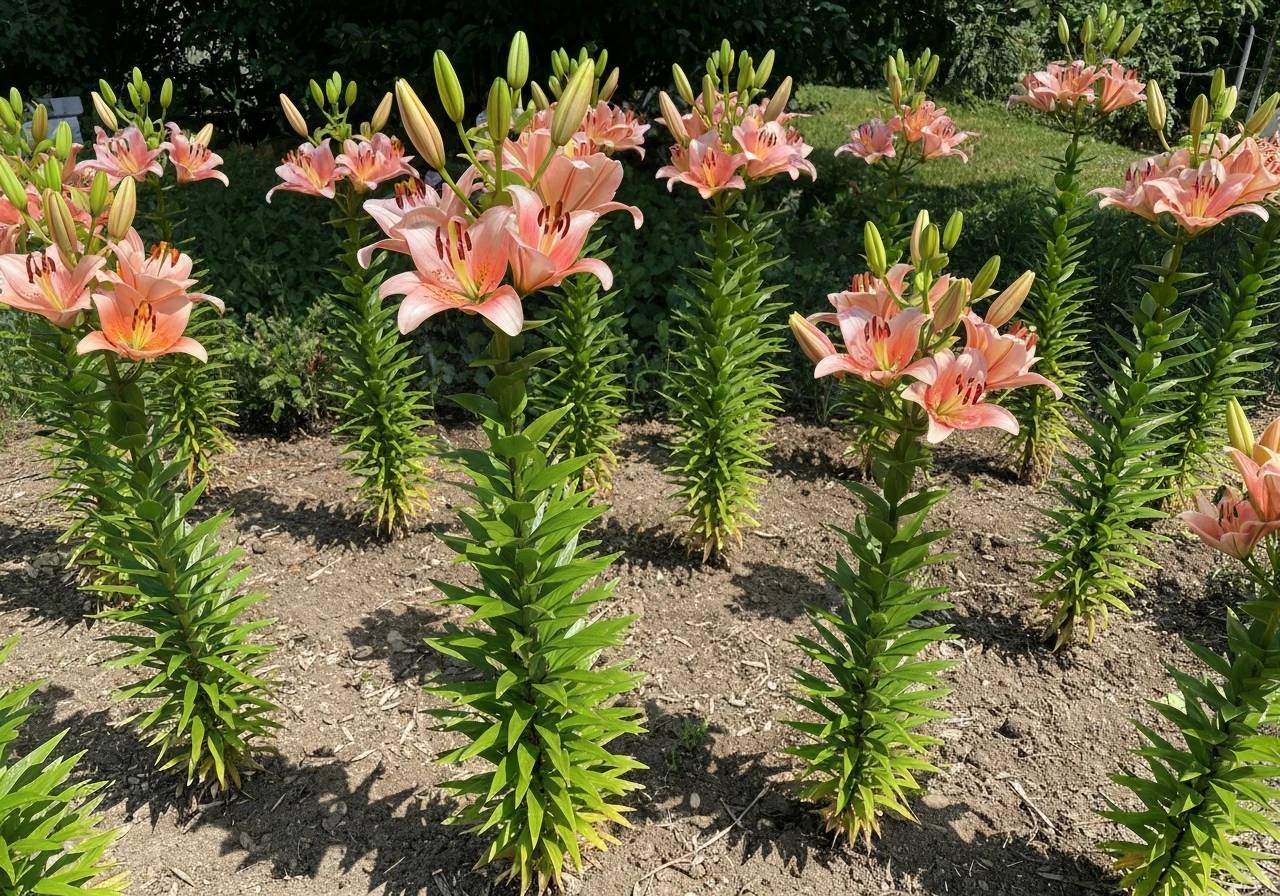
How Big Do Asiatic Lilies Grow? Height, Spread, and Tips
Asiatic lilies reach about 2–4 ft tall; learn spread, timing, and how light, soil, watering, and fertilizer affect size.
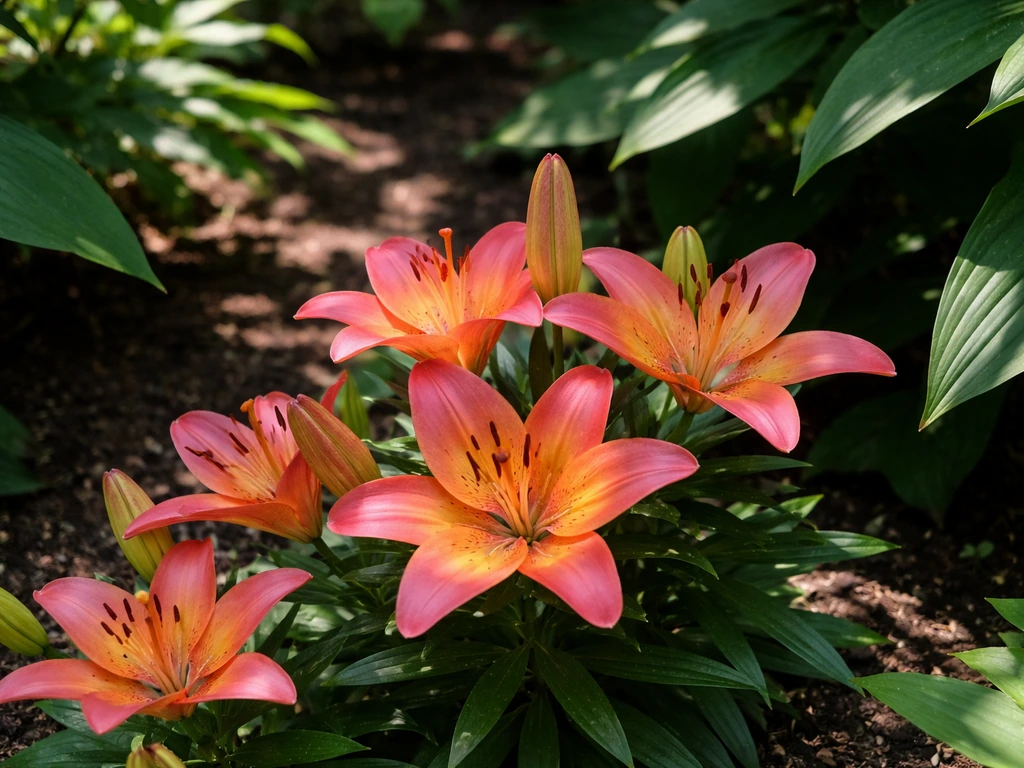
Can Asiatic Lilies Grow in Shade? Sun Needs and Tips
Can asiatic lilies grow in shade? Get sun limits, troubleshooting for weak growth, and tips to place and care for them i
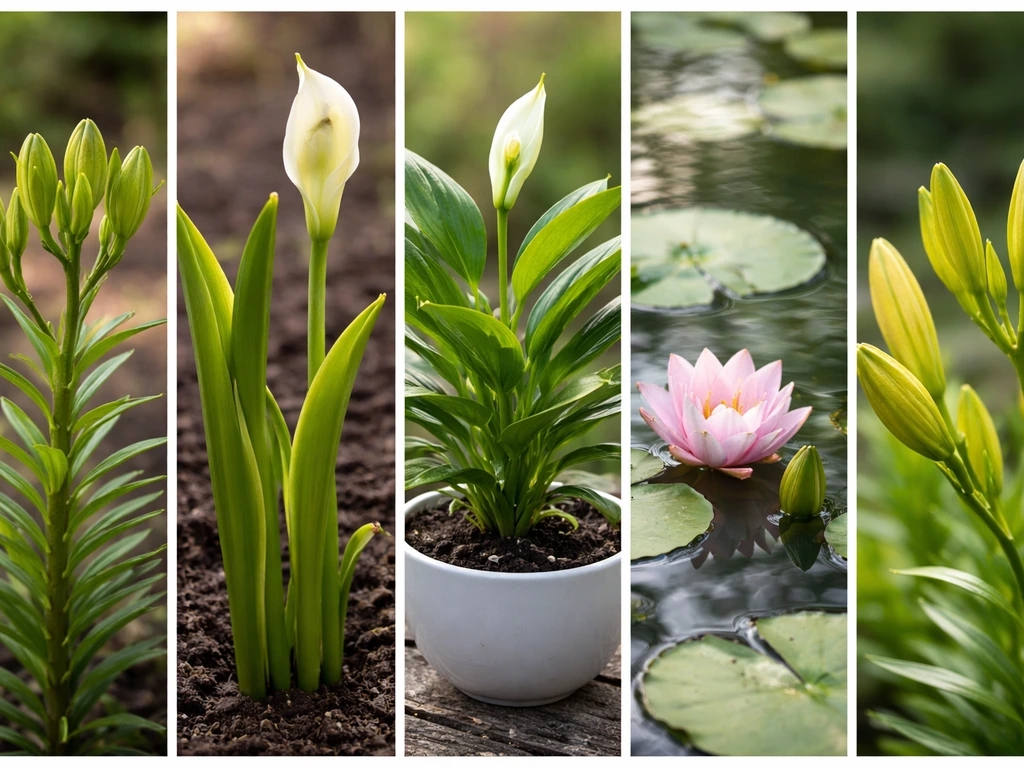
How Fast Do Lilies Grow A Timetable by Lily Type
Growth timelines for Asiatic, calla, peace, water lilies and daylilies, plus fixes for slow growth.