
Lilies grow tall and leggy mostly because they aren't getting enough light. If you’re also wondering how fast lilies grow, the growth rate depends on the light level, temperature, and the specific lily type you have how fast do lilies grow. That's the number one reason, full stop. But too much nitrogen, crowded roots, shallow bulb planting, and even the wrong container can all push a lily into stretching upward in ways that look alarming. The fix depends on which lily you actually have, because a peace lily, a calla lily, and a true Asiatic lily are three completely different plants that just share a name.
Why Do My Lilies Grow So Tall? Causes and Fixes

Marcus Hendricks
27 May 2026
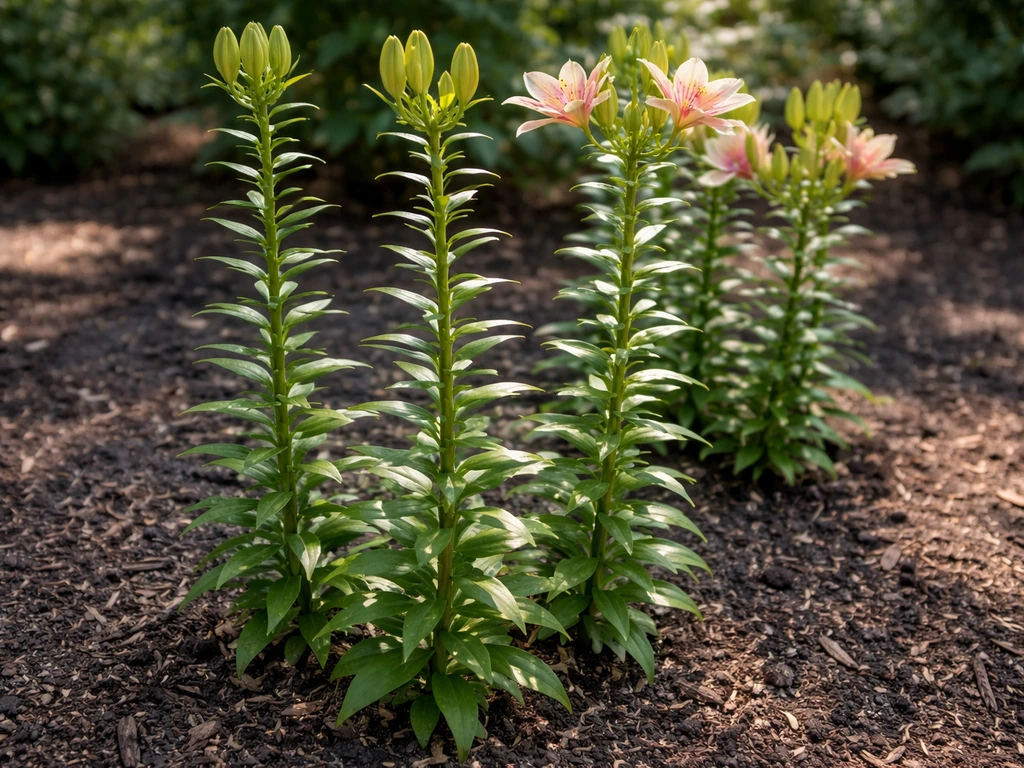
First, figure out which "lily" you're actually growing
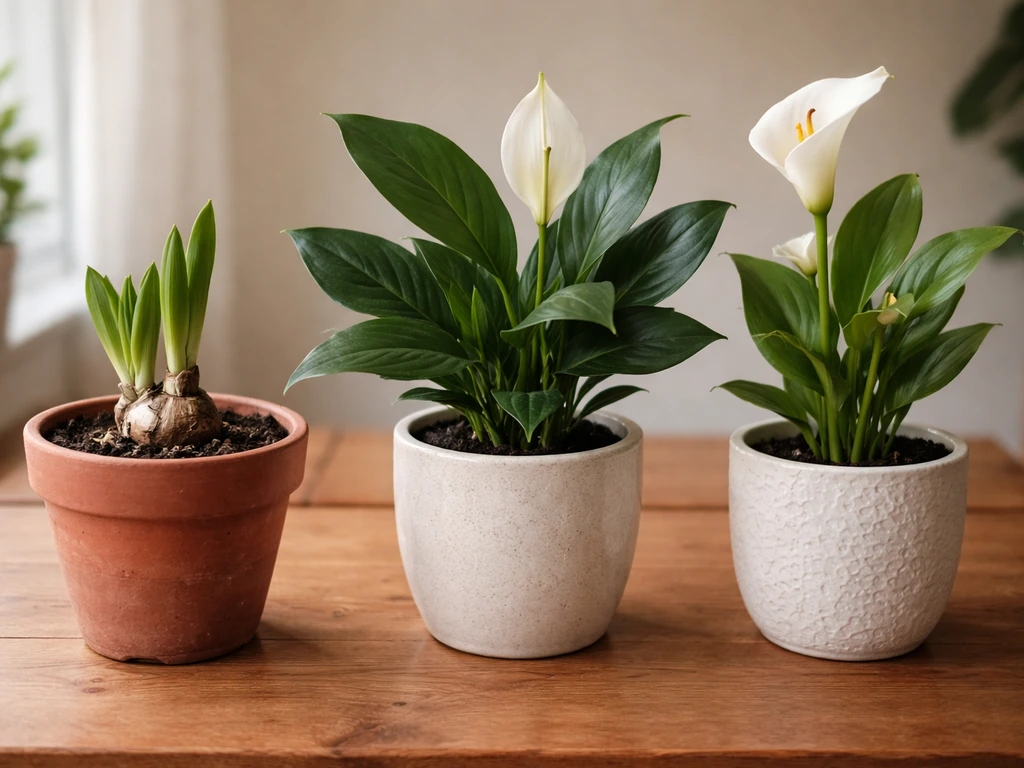
This matters more than most people realize, because the cause of tall or stretched growth is totally different depending on your plant type. There are three common "lily" categories you're probably dealing with.
True lilies (genus Lilium) are the ones that grow from bulbs, produce those classic trumpet or bowl-shaped flowers, and can reach anywhere from about 1 to 6 feet tall depending on the variety. Asiatic lilies, Oriental lilies, and LA hybrids all fall into this group. If you planted a bulb in the ground or a pot and a leafy stalk shot up from it, you almost certainly have a true lily.
Calla lilies (Zantedeschia species) are not true lilies at all. They grow from rhizomes, not bulbs, and you'll recognize them by their arrowhead-shaped leaves, which are solid green or green with silver or white flecks. Their blooms are elegant funnels rather than the open, multi-petaled flowers of true lilies.
Peace lilies (Spathiphyllum) are clumping perennials with large, dark green lance-shaped leaves and white sail-like blooms. That "flower" is technically an inflorescence made up of a white spathe (the hood-shaped petal) wrapped around a cream-colored spadix (the central spike). Peace lilies are almost always grown indoors and don't come from bulbs at all.
Once you know which plant you have, the diagnostic process becomes much clearer. A true lily stretching in your garden bed and a peace lily flopping in the corner of your living room are two different problems with two different solutions.
What "too tall" actually looks like: light stress vs. just being a tall variety
Not all tall lily growth is a problem. Some Asiatic lily cultivars genuinely top out at 3 to 4 feet, and certain true lily varieties can reach 6 feet under perfectly healthy conditions. Before you panic, check whether your plant's height falls within its normal range. If it does, and the stems are thick and upright, you probably just have a naturally tall variety.
Leggy or stressed growth looks different. The telltale signs of light stress (called etiolation) are thin, weak stems that bend or flop, leaves that are spaced farther apart than normal along the stem, and a pale or washed-out green color. The plant is essentially stretching toward any available light source, using up energy reserves without building real structural strength. In peace lilies, this shows up as drooping, oversized leaves and tall stems that can't support themselves. In true lilies, the stem looks spindly rather than sturdy, and the plant may lean dramatically toward a window or light source.
- Thin, weak stems that flop or need support even before flowering
- Pale green or yellowish leaf color along the stem
- Longer-than-normal gaps between leaves on the stalk
- Plant leaning toward a window or light source
- Smaller than expected flowers, or no flowers at all
- Rapid upward growth without corresponding width or leaf density
If you're seeing those symptoms, you're dealing with a fixable problem, not just a tall plant. If the stems are sturdy, the leaves are a healthy deep green, and the plant is simply large, that's likely just normal growth for the variety.
The real causes of overly tall or leggy lily growth
Not enough light
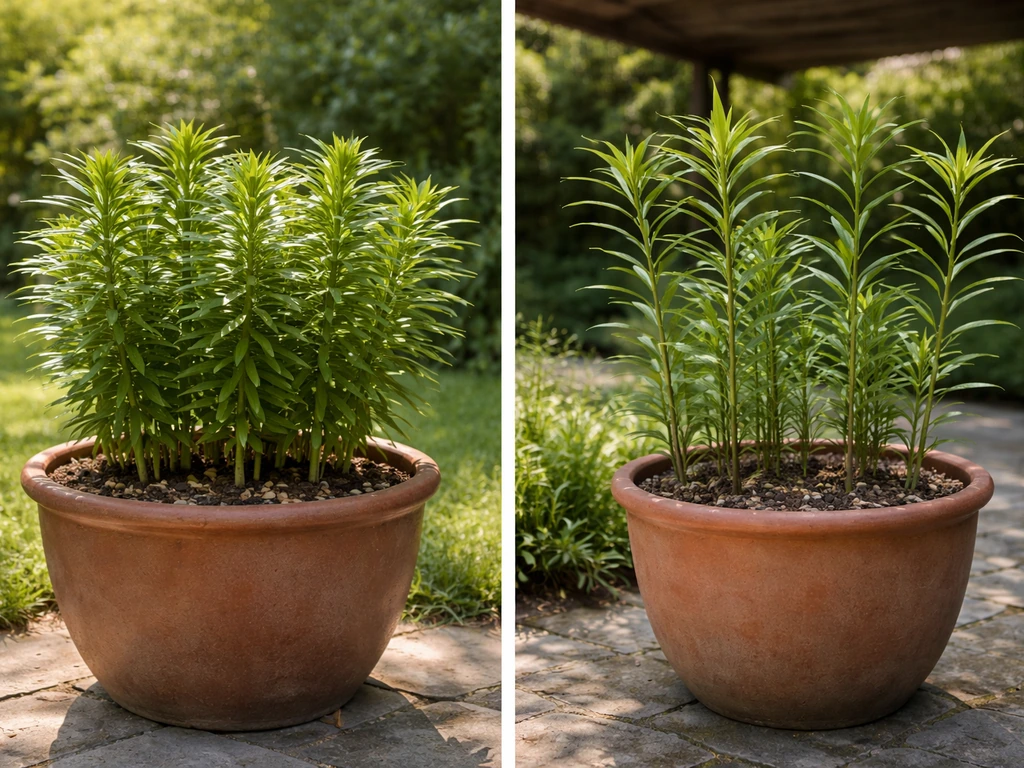
This is the biggest one. True lilies want full sun, ideally 6 or more hours of direct sunlight per day. They'll tolerate partial shade, but anything less than about 4 hours of direct sun and you'll start seeing that stretching behavior. The plant is reaching for what it needs. Peace lilies tolerate low light better than most houseplants, but even they will produce tall, floppy growth in deeply dark rooms. Calla lilies also prefer bright conditions, whether outdoors in full sun or near a bright window indoors.
Too much nitrogen
Nitrogen drives vegetative growth, meaning stems and leaves. If you've been heavy-handed with a high-nitrogen fertilizer (the first number on the bag, like a 20-10-10), your lily may be putting all its energy into growing tall rather than developing strong roots and flowers. For true lilies, a balanced fertilizer with roughly equal nitrogen and potassium ratios works better, especially at the shoot emergence stage. Too much nitrogen is a classic cause of lush, overly tall stems that look impressive but flop over and bloom poorly.
Crowding and competition
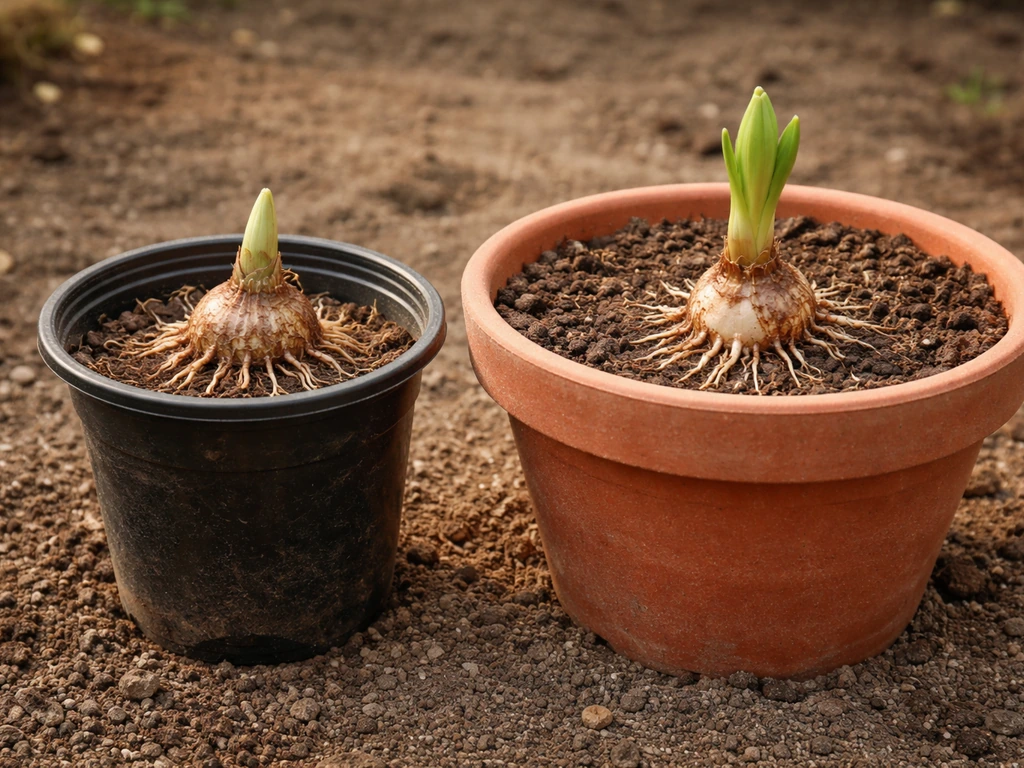
When true lily bulbs are planted too close together, they compete for light and resources, and each plant tends to shoot upward trying to get above its neighbors. True lilies generally need about 12 to 18 inches of spacing between bulbs, and larger bulbs need the higher end of that range. Overcrowded clumps are also more prone to disease and poor airflow, which compounds the problem over time.
Container too small
Roots that are cramped can't anchor the plant properly or take up nutrients efficiently, which stresses the plant and can cause uneven growth. For container-grown true lilies, a single bulb needs roughly a 6-inch pot, while 2 to 3 bulbs do better in an 8 to 10-inch pot that's at least 8 to 10 inches deep. Peace lilies that are heavily root-bound may produce tall, thin growth as the plant strains against its container constraints.
Bulb planted too shallow
True lily bulbs planted too close to the surface don't develop the root structure needed to support tall stems. The general rule is to plant lily bulbs at a depth equal to three times the bulb's diameter. A typical guideline puts most lily bulbs at about 6 inches deep. Shallow planting not only produces less stable stems, but in colder climates it also puts bulbs at greater frost risk.
Temperature and seasonal timing
Warm temperatures combined with low light (common in late spring when days lengthen but your plants are still under tree canopy shade) can trigger rapid, stretched growth. Peace lilies moved from a cool room to a warm sunny spot may also push out fast, tall new growth during the adjustment period. Seasonal flush growth is normal in spring, but if the stems are thin rather than sturdy, light is still the core problem.
Indoor vs. outdoor fixes: where to move your plant today
For true lilies outdoors
If your outdoor true lilies are in a spot that gets less than 6 hours of direct sun, and they're showing leggy symptoms, the fix is repositioning. If they're in a bed that's become shaded by a growing tree or shrub, pruning back overhanging branches can help immediately. If the bed is simply in the wrong spot, plan to dig and move the bulbs after the foliage dies back in fall. Don't try to move actively growing lily stems mid-season if you can help it, as the root disruption will stress the plant further.
For peace lilies indoors
Peace lilies stretched tall and floppy need brighter indirect light. A spot within 3 to 5 feet of a south- or east-facing window usually works well. Direct harsh afternoon sun can scorch the leaves, so filtered light or a north-facing window with good ambient brightness is a good middle ground. If you're moving your peace lily from a dark corner to a brighter spot, do it gradually over a week or two so the plant can acclimate without shock. Sudden bright light after deep shade can cause leaf scorch even on shade-tolerant plants.
For calla lilies (indoors or out)
Calla lilies that are stretched and tall usually need more direct light than they're getting. Outdoors, they do best in full sun in cooler climates and can use some afternoon shade in hot zones. Indoors, place them in the brightest spot you have, ideally right in front of a south- or west-facing window. Like peace lilies, acclimate them gradually if they've been in low light for a long time.
Soil, watering, and bulb depth: the adjustments that actually matter
True lilies need well-draining soil more than almost anything else. Soggy soil leads to bulb rot, and stressed or rotting bulbs push up weak, struggling stems. If you're growing in containers, make sure there are drainage holes and that the pot isn't sitting in a saucer of standing water. Water when the top inch or two of soil dries out, not on a rigid schedule. Overwatering is just as problematic as underwatering for lily bulbs. Rain lilies are usually grown as bulbs, so the timing depends on temperature and when you planted or divided them how long does it take for rain lilies to grow.
If you've been planting bulbs shallow (less than 6 inches for most true lilies), that's worth correcting at replanting time. Plant at a depth of three times the bulb's diameter. A medium-sized lily bulb about 2 inches across should go in at roughly 6 inches deep. Deeper planting gives the roots more to work with and naturally produces more stable, upright stems.
For peace lilies, watering is simpler: let the top inch of potting mix dry before watering, use room-temperature water, and make sure the pot drains well. Peace lilies in soggy media will produce weak, droopy stems that look tall but are actually collapsing. For calla lilies growing from rhizomes, the same drainage principle applies, and planting rhizomes about 4 inches deep in rich, moisture-retentive but not waterlogged soil works well.
Pruning, staking, and when tall growth is perfectly fine
If you have a genuinely tall lily variety (and some Asiatic lilies reach 3 to 4 feet, with other true lily types going even taller), staking is just part of the routine, not a sign of failure. Use bamboo canes or metal stakes inserted close to the stem without piercing the bulb below, and tie the stem loosely with soft garden twine or strips of fabric. Stake early in the season before the stem gets heavy, because trying to support a fully grown flopped stem often damages it.
Pruning true lilies during the growing season is limited. You shouldn't cut back the green stems and foliage until they've fully yellowed and died back naturally, because those leaves are feeding the bulb for next year's growth. What you should do is deadhead spent flowers once the petals drop. Removing the seed heads stops the plant from wasting energy on seed production and channels it back into the bulb. Cut just below the spent flower head, leaving the stem and leaves intact.
For peace lilies, you can cut tall flower stems all the way down to the base once blooming is finished. That won't affect the plant's health and keeps the overall shape tidier. Overly tall leaves can be trimmed back to a reasonable size if they're genuinely floppy rather than just large.
One honest note: if your Asiatic or Oriental lily is tall but sturdy, well-fed, and blooming beautifully, it doesn't need fixing. Some gardeners get concerned because their lilies grew taller than expected, but within the 1 to 6-foot range for true lilies, tall is often just the variety expressing itself. A quick way to sanity-check the problem is to compare your plant's height to typical mature sizes for lilies, since that answers how big do lilies grow for your variety. Compare your plant's height to its labeled mature size before deciding something is wrong.
A comparison of lily types and common tall-growth causes
| Lily Type | Normal Height Range | Most Common Cause of Leggy Growth | Primary Fix |
|---|---|---|---|
| True lily (Asiatic, Oriental, LA hybrid) | 1 to 6 feet (30–180 cm) | Insufficient light (under 4–6 hrs direct sun) | Move to full sun; 6+ hrs daily |
| Calla lily (Zantedeschia) | 1.5 to 3 feet typical | Low light or overcrowding | Brighter spot; thin clumps every 2–3 years |
| Peace lily (Spathiphyllum) | 1 to 4 feet indoors | Deep shade; root-bound container | Bright indirect light; repot if root-bound |
Your prevention plan for next season
If you want compact, sturdy lilies next year, start planning now. Light is the biggest lever, so assess your planting spots honestly. A bed that gets 6 or more hours of direct sun will grow far better true lilies than one shaded by a fence or tree for half the day. If you're in a hot southern climate (zone 8 or warmer), some afternoon shade is actually fine and prevents heat scorch, but morning sun is still important.
When it comes to feeding, switch to a balanced fertilizer or one with equal nitrogen and potassium rather than a high-nitrogen formula. Feed at shoot emergence in spring and again before flowering, but don't overdo it. More fertilizer is not always better, and excess nitrogen produces lush, floppy vegetative growth at the expense of flowers and sturdy stems.
At planting time, go deep. Plant true lily bulbs at three times their diameter in depth, and space them 12 to 18 inches apart. If you're container planting, size up: use pots at least 8 to 10 inches deep with good drainage, and don't cram too many bulbs into a single small pot. In colder zones (5 and below), planting deeper also protects bulbs from hard freezes.
If you consistently struggle with naturally tall varieties in your space, consider choosing compact cultivars from the start. Many Asiatic lily cultivars stay in the 12 to 36-inch range, which is much easier to manage in a home garden border without staking. Check the mature height on the label before you buy, and match the variety to the space you actually have rather than hoping it'll stay small.
- Audit your planting spots now: count actual hours of direct sun each location gets on a clear day
- Mark any spots getting under 4 hours of direct sun as poor candidates for true lilies
- Plan to move crowded or shaded bulbs after foliage dies back in fall
- Switch to a balanced (equal N and K) fertilizer for next spring's feeding
- When replanting, go to the correct depth: 3x the bulb diameter, minimum 6 inches for most true lily bulbs
- Space bulbs 12 to 18 inches apart, with larger bulbs at the farther end of that range
- Choose compact Asiatic cultivars (12 to 36 inches) if staking isn't something you want to deal with
- For container growing, use pots at least 8 to 10 inches deep with drainage holes
Tall lily growth is almost always fixable once you identify whether you're dealing with a light problem, a feeding problem, or just a naturally large variety. Start with light (it's the cause probably 70% of the time), then look at nitrogen, spacing, and depth. Get those four things right and you'll have sturdy, well-supported stems that bloom well instead of stretching and flopping their way through the season. Surprise lilies can be managed in a similar way, starting with the right light and spacing so they do not stretch how do surprise lilies grow.
FAQ
How can I tell if my tall lilies are normal for the variety or actually stressed?
If the stems are tall but thick and the leaves are deep green, it often means the variety is naturally on the taller side or it is reacting to a seasonal growth flush. If you also see thin, pale stems that bend and wide gaps between leaves, that points more to low light (etiolation) than to “normal tall growth.”
My lilies get bright light, but not direct sun for long, could that still make them leggy?
Yes. Bulb-forming true lilies can show light-stretching even when they look “sunny” because of filtered light from trees, a fence, or a nearby building. A practical test is to observe whether the bed gets full direct sun for at least about 6 hours, not just bright light, during the peak summer sun window.
If I reduce fertilizer, will that stop tall, floppy lily growth?
For true lilies, don’t increase shade to “control height.” The growth habit is driven by light level, so reducing light usually makes stems thinner and floppier. Instead, correct light, then only use nitrogen-limited feeding and proper spacing so the plant can build sturdy stems.
Should I stake tall lilies, or is staking just hiding the real problem?
Staking can keep blooms upright, but it does not fix the underlying cause. If you stake after the stem is already flopped, you risk breaking or permanently bending it. Stake early, when stems are still upright, and address light, depth, and crowding at the same time.
Why do my container lilies get tall and weak even though I water regularly?
In containers, a common mistake is using a decorative pot with a matching saucer that holds water, even briefly after watering. That can cause root stress, weak anchoring, and uneven growth that looks like “tall but unstable.” Always ensure drainage holes and empty the saucer after watering.
Can I fix shallow planting or overcrowding without digging them up right now?
If you planted too shallow or too densely, correcting depth and spacing is best done at replanting time, after foliage dies back. Trying to dig up bulbs while actively growing often creates new stress and can set back flowering. Plan the fix for fall, then in the meantime focus on maximizing direct sun and balanced feeding.
What fertilizer mistakes most often make lilies grow too tall and bloom poorly?
Yes, and it often looks like a mismatch between “tall” and “healthy.” Too much nitrogen pushes vegetative growth, so you may see fast height, lots of leaf, delayed or lighter blooms, and weaker stems. Switching to a balanced fertilizer for lily growth (and avoiding high-nitrogen formulas) helps the next cycle.
Could overwatering cause lilies to grow tall, or is it only a light problem?
Very wet soil, not just frequent watering, is the issue. Even with correct watering habits, heavy soil or containers without drainage can keep bulbs oxygen-starved, which weakens stems and can lead to rot. Improve drainage, use a well-draining mix, and water only after the top inch or two dries.
Will planting my bulbs deeper prevent leggy growth, or does depth only affect winter survival?
Yes. True lilies planted less than about three times the bulb diameter deep may still emerge and shoot up, but they usually lack the root structure to support upright stems. Shallow planting also increases frost risk in colder areas, so you can get weaker growth from one season to the next.
What should I do if my lilies keep getting too tall in my garden no matter what I try?
If you’re seeing consistent tall, stretchy growth in the same spot year after year, switch varieties rather than constantly troubleshooting. Check mature height on the label before buying, since many compact Asiatic cultivars stay in a shorter range, and naturally shorter stems need less staking.
Does the advice for tall true lilies apply to calla lilies and peace lilies too?
If your plant is actually a calla lily or peace lily, fertilizer and light targets can differ. Peace lilies tolerate lower light better, but they still stretch into tall, droopy growth in deep shade. Calla lilies generally want brighter conditions than most indoor “low light” setups, so identify which plant you have before changing care.
Can I cut back a tall lily right away to slow growth?
Not always. If stems are sturdy and the plant is within its expected mature height, trimming green foliage during the growing season removes food reserves for next year’s bulb. For true lilies, deadhead only the spent flower heads, then leave leaves and stems until they yellow naturally.
Next Articles
How Do Surprise Lilies Grow? A Step by Step Care Guide
Step-by-step care for surprise lilies: planting, light, watering, soil, bloom timing, growth stages, and fixes for commo
How Long Does It Take for Rain Lilies to Grow
Timeline for Zephyranthes rain lilies from planting to sprouts and blooms, plus fixes for slow or missed flowering.
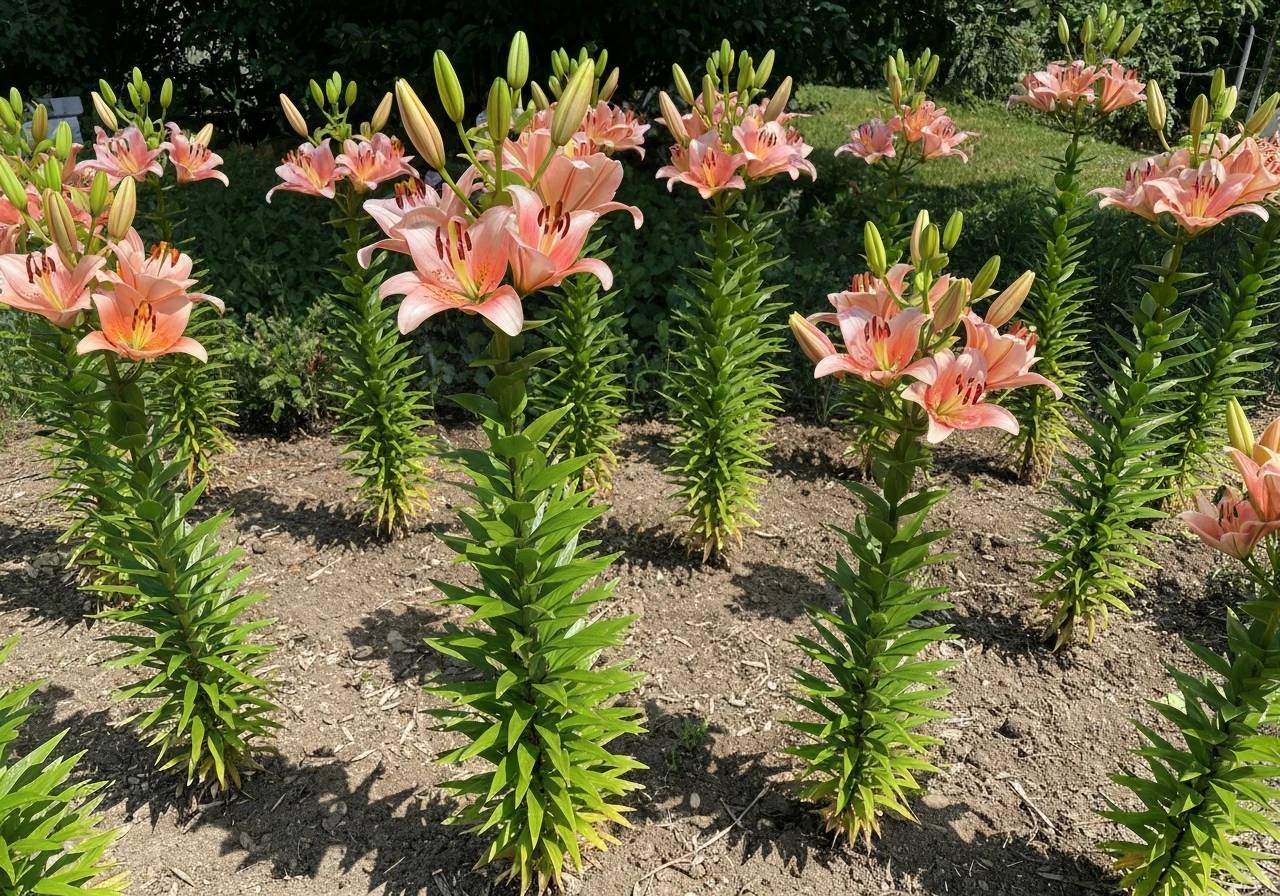
How Big Do Asiatic Lilies Grow? Height, Spread, and Tips
Asiatic lilies reach about 2–4 ft tall; learn spread, timing, and how light, soil, watering, and fertilizer affect size.