
Surprise lilies (Lycoris squamigera) grow in two completely separate phases: strap-like leaves push up in spring, die back completely, and then bare flower stalks shoot up from what looks like empty ground in blank" rel="noopener noreferrer">late summer. That's the whole trick. The leaves and the blooms never appear at the same time, which is why people call them surprise lilies, magic lilies, or resurrection lilies. They're bulb-grown perennials in the amaryllis family, not true lilies, but they behave like reliable garden perennials in USDA zones 5 through 9 when you get the planting depth, drainage, and seasonal watering right. If your lilies are growing unusually tall, it usually comes down to light, watering timing, and whether the plant is using the right growth phase for that height why do my lilies grow so tall.
How Do Surprise Lilies Grow? A Step by Step Care Guide
What surprise lilies actually are (and how their growth cycle works)
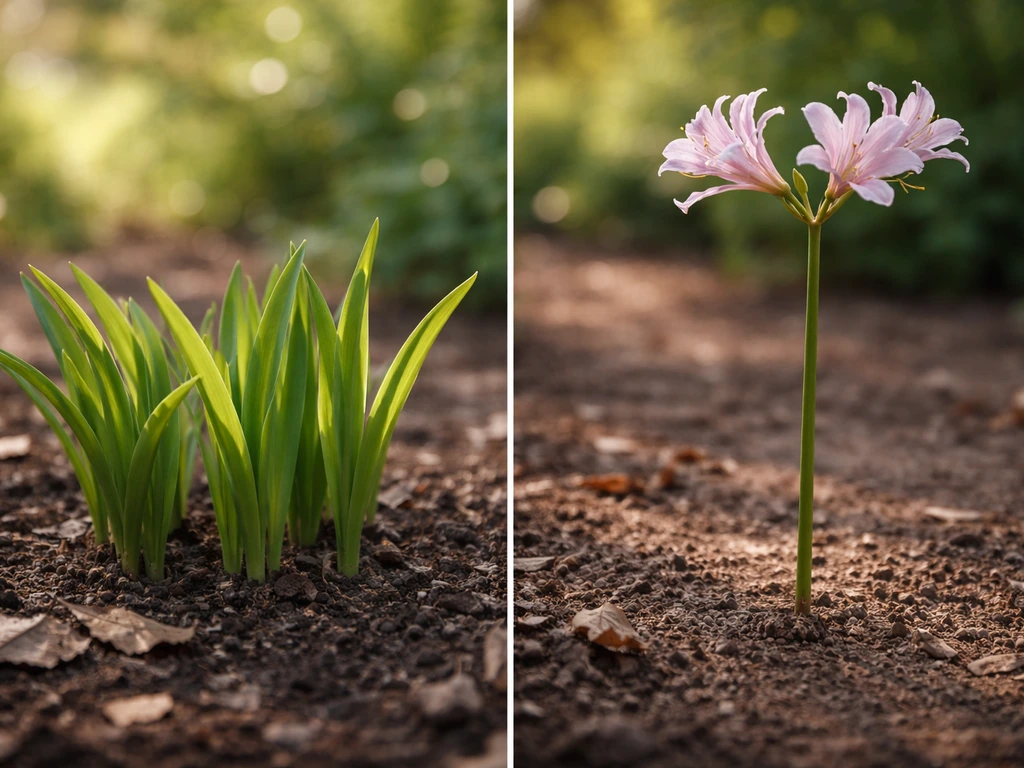
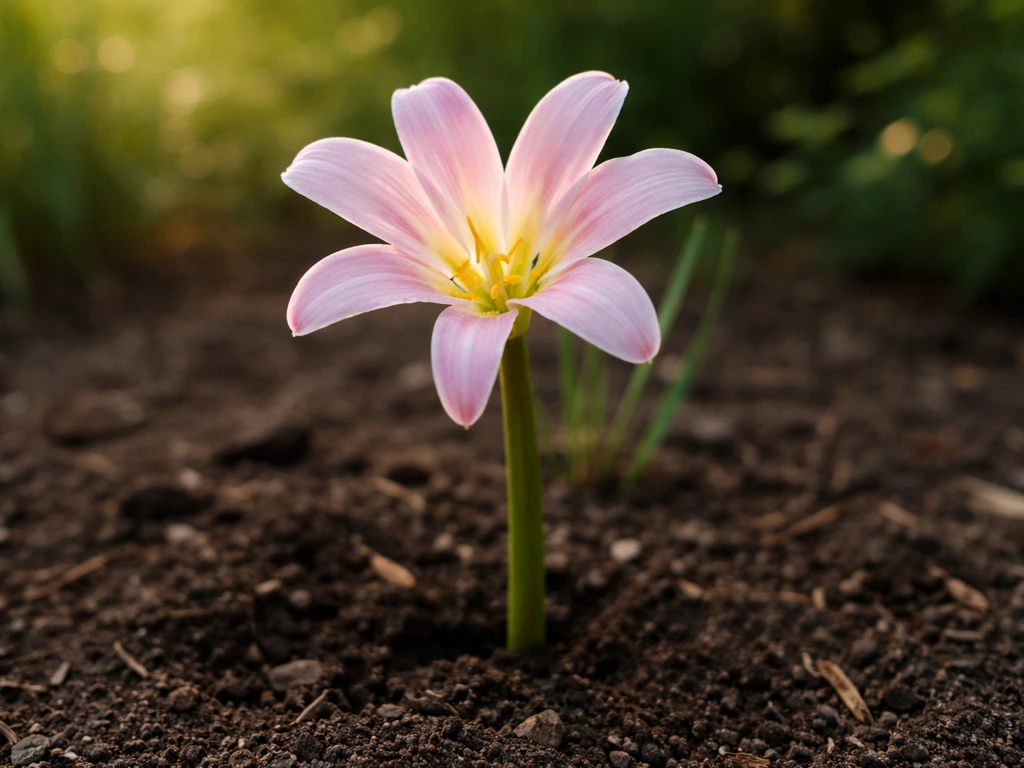
Lycoris squamigera is the species most commonly sold as surprise lily, though you'll also see it labeled magic lily, naked lady, or resurrection lily. It belongs to the Amaryllidaceae family, which puts it alongside amaryllis and daffodils rather than true lilies like Asiatic or Oriental types. Asiatic lilies are true lilies, and many varieties grow to about 2 to 4 feet tall under typical garden conditions. The plant grows from a bulb and has a famously asynchronous lifecycle: foliage emerges first in early spring, grows for several weeks, then yellows and dies back completely. After a period of dormancy, flower stalks emerge in late summer, usually July into early September, bearing clusters of fragrant pink-lilac trumpet blooms. There are no leaves present when the flowers appear. If you're not expecting it, it genuinely does look like the blooms appeared overnight.
Understanding this split cycle matters for everything from watering to troubleshooting. The plant is building energy during the spring leaf phase, storing it in the bulb, then using that stored energy to push up blooms weeks after the foliage is completely gone. Disturbing the bulb between those two phases or overwatering during dormancy is where most gardeners run into trouble.
Light conditions and where surprise lilies thrive
Surprise lilies perform best in full sun to partial shade, and most extension gardens and botanical sources agree on that range consistently. While surprise lilies tolerate partial shade well, Asiatic lilies generally need more consistent bright light to grow well. In practical terms, that means a spot that gets at least four to six hours of direct sun per day. Full sun (six or more hours) works well as long as moisture is adequate during the spring growing phase. Partial shade, meaning dappled light or afternoon shade, suits them just as well and actually helps in hotter southern climates where afternoon sun can stress the spring foliage. Deep shade is where they struggle: too little light during the spring leaf phase means the bulb doesn't build enough energy reserves to push up a bloom stalk later. Unlike Asiatic lilies, which are pretty demanding about full sun all season, surprise lilies have a bit more flexibility, but don't push them into a shady corner and expect reliable flowering.
For outdoor placement, the classic spot is under or near deciduous trees, where spring sunlight filters through before the tree leafs out fully, giving the surprise lily foliage the light it needs. The tree canopy then provides welcome afternoon shade as summer heats up. Avoid planting under dense evergreens where light stays low year-round.
Soil, drainage, and planting depth
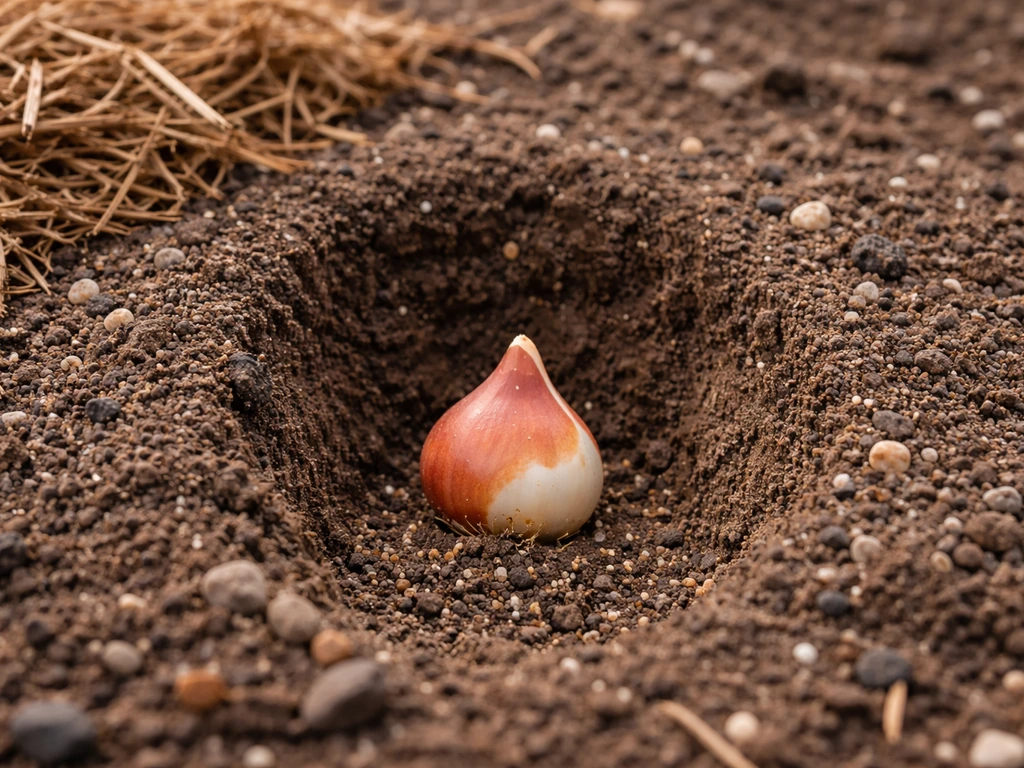
Drainage is non-negotiable with these bulbs. Lycoris squamigera is drought-tolerant once established, which tells you everything about what it cannot stand: sitting in soggy soil. The plant will rot in poorly drained ground, especially during the dormant period when there's no active growth to pull moisture from the soil. Beyond drainage, it's genuinely adaptable. It handles acidic to alkaline pH, clay, sand, silt, or loam. The ideal is organically rich, medium-moisture, well-drained soil, but it will grow in far less perfect conditions as long as water doesn't pool around the bulbs.
Planting depth is where you'll find conflicting advice depending on the source, so let me sort it out. For in-ground planting, NC State Extension and Missouri Botanical Garden recommend burying bulbs 8 to 12 inches deep, spaced about 6 inches apart. Some suppliers suggest a shallower depth with the top of the bulb even with or just below the soil surface. The deeper planting guideline from university extension sources tends to produce better long-term establishment and is the safer choice in colder zones where you need that insulating soil above the bulb. For containers, bury the bulb approximately three times as deep as the bulb is wide. Err toward the deeper end if your winters dip below zone 6 temperatures.
| Planting Factor | Recommendation |
|---|---|
| In-ground depth | 8 to 12 inches deep |
| Spacing | 6 inches apart |
| Container depth | 3x the bulb's width |
| Soil type | Any well-drained soil; organically rich is ideal |
| pH tolerance | Acidic to alkaline |
| Drainage | Essential; will rot in soggy soil |
Watering by season: the most important thing to get right
Surprise lily watering follows the plant's growth stages almost exactly, and getting this wrong is the top reason for rot and failed blooms. During the spring leaf phase, water moderately and consistently. The foliage is actively photosynthesizing and building bulb energy, so the soil should stay evenly moist but never waterlogged. As leaves yellow and die back naturally, start tapering off. Once foliage is fully gone and the plant is dormant, water sparingly. Think of it like keeping the soil barely moist rather than dry as dust, but nowhere near regular garden watering levels.
Late summer is when timing gets interesting. Surprise lilies respond to late summer rains, which is part of what triggers the bloom stalk push. If you're heading into July with a hard drought, start giving the area a moderate drink around the beginning of July to help the bulb build momentum for blooming. This mimics the natural late-summer rain pattern that the plant evolved to respond to. After blooms fade and the plant enters its post-bloom rest period, pull back to sparse watering again until spring foliage returns.
- Spring (active leaf growth): moderate, consistent watering; keep soil evenly moist
- Late spring to early summer (foliage dying back): taper watering as leaves yellow
- Mid-summer dormancy: water sparingly; soil should not be bone dry but not regularly watered
- Late summer bloom trigger: begin moderate watering in early July if drought conditions exist
- Post-bloom rest: reduce to sparse watering until spring
When and how to plant, and what to expect as it grows
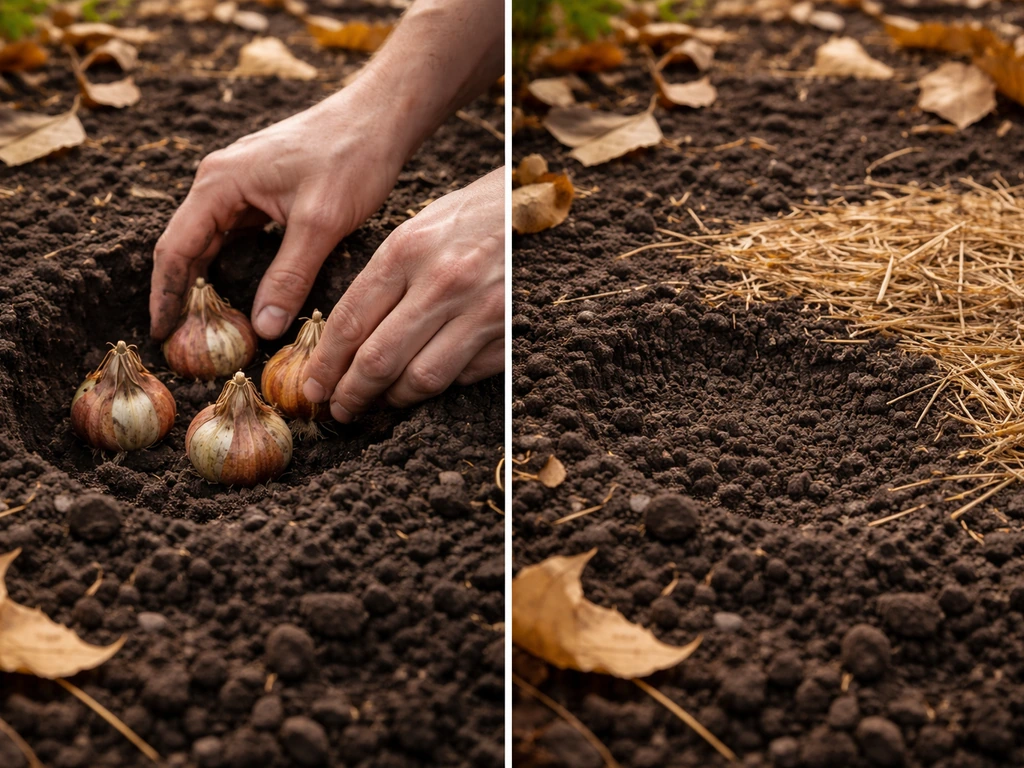
Plant surprise lily bulbs in fall, before the first frost hardens the ground. Fall planting gives bulbs time to establish roots before winter and positions them for a full spring leaf cycle the following year. If you're transplanting established clumps (which is best done right after foliage dies back in early summer), the same principle applies: get them settled in before the soil freezes.
Here's the honest timeline you should expect. With the right conditions, surprise lilies typically grow to about 12 to 18 inches tall how big do lilies grow. In the first year after planting, don't be surprised if you get spring foliage but no blooms. This is completely normal. The bulb is settling in and building energy. Blooms typically arrive reliably starting in year two. In general, the growth timing for rain lilies is also driven by their bulb-to-bloom cycle and seasonal cues Blooms typically arrive reliably starting in year two.. If you're wondering how fast do lilies grow, the key is that surprise lilies grow in two stages, with foliage appearing first and flower stalks coming later from stored bulb energy. Once established, these plants are long-lived and care-free, coming back every year in the right zones without much fuss.
- Fall: Plant bulbs 8 to 12 inches deep, 6 inches apart, in well-drained soil
- Early spring: Strap-like leaves emerge from the soil
- Spring to early summer: Foliage grows, photosynthesizes, and builds bulb energy
- Late spring to early summer: Leaves yellow and die back completely
- Mid-summer: Apparent dormancy; no visible growth above ground
- Late summer (July to early September): Bare flower stalks emerge and bloom
- After bloom: Brief rest period; foliage will return again next spring
Growing surprise lilies indoors vs. outdoors
Surprise lilies are fundamentally outdoor garden plants, and that's where they thrive best. Their asynchronous growth cycle, need for seasonal temperature cues, and drought-tolerant bulb nature all point toward in-ground garden cultivation. That said, you can grow them in containers if you're in a zone colder than 5 and need to bring bulbs inside for winter, or if you simply want them on a patio.
Container growing requires a few adjustments. Use a pot with excellent drainage holes and a well-draining mix. Bury the bulb three times as deep as it is wide. Place the container where it receives at least four to six hours of direct sun per day. During the dormant period, stop regular watering and move the container to a cool, dry location if overwintering indoors. The tricky part of container growing is replicating the temperature fluctuations and light intensity the plant expects outdoors. A south-facing window rarely provides the full sun equivalent these bulbs want during their leaf phase. If you're indoors, the brightest spot you have is the right spot. Outdoors on a sunny patio is always the better option for containers.
For gardeners in zones colder than 5, treat surprise lilies as you would other marginally hardy bulbs: dig them after foliage dies back, let them dry briefly, and store them in a cool, dry place over winter. Replant in spring after frost risk has passed. You'll miss the fall planting timing advantage, but you can still get blooms.
Troubleshooting: no blooms, yellow leaves, and rot
No blooms
This is the most common frustration. If you're seeing spring foliage but no late-summer bloom stalks, work through the likely causes in order. First, is this the plant's first year? It's not unusual for newly planted bulbs to skip blooming entirely in year one. Give it another season. Second, did the spring foliage get enough light? If the leaves were shaded during their growth phase, the bulb didn't build enough energy reserves. Third, did the foliage die back naturally, or did you cut it before it yellowed on its own? Cutting spring leaves early is a classic mistake that starves the bulb. Fourth, check summer watering. A hard drought without supplemental irrigation in early July can prevent the bloom trigger. Finally, consider whether the bulbs have been disturbed. Digging or dividing at the wrong time interrupts the cycle.
Yellowing leaves
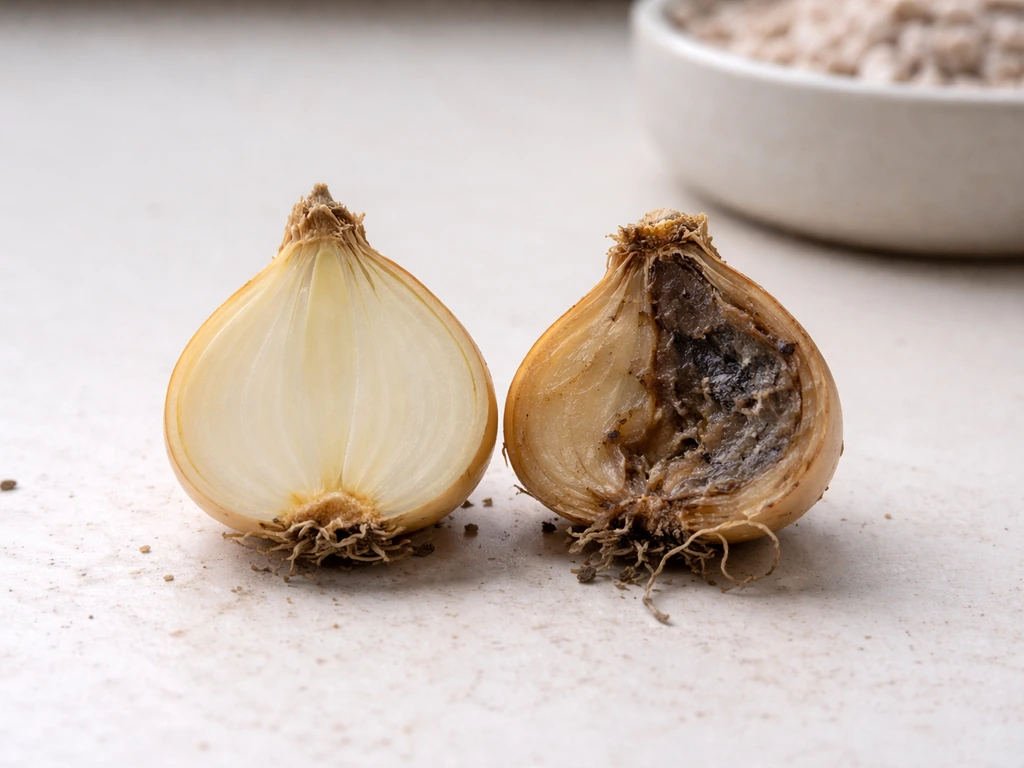
Normal spring-to-early-summer yellowing is just the plant completing its leaf phase. Don't panic. But if leaves yellow early in the spring cycle, smell the soil around the bulb. Yellow leaves combined with a bad smell almost always mean overwatering and root rot. Let the area dry out and check your drainage situation. If rot is present, you may need to dig the bulb, cut away any soft or mushy tissue, dust with a fungicide powder, and replant in better-draining soil.
Bulb rot
Basal and neck rot in bulbs can show up as soft, mushy tissue (bacterial rot) or dry, powdery, or moldy tissue (fungal rot). Both are overwhelmingly caused by poor drainage and overwatering during dormancy. Prevention is far easier than treatment: plant in well-drained soil, taper watering as foliage dies, and don't water heavily during the dormant mid-summer period. If you find rotted bulbs, remove them entirely so the problem doesn't spread to healthy neighbors.
Pests and other issues
Surprise lilies are relatively pest-resistant, which is one of their selling points. Deer and rabbits generally leave them alone because of the toxic alkaloids in the bulb. Slugs can occasionally damage emerging spring foliage; iron phosphate bait is an effective, garden-safe control. Watch for any bulb mite damage if you're storing dug bulbs, which shows up as dusty, corky patches on the bulb surface. Store bulbs in dry conditions with good air circulation to minimize mite risk.
Seasonal care, dormancy, and protecting bulbs in colder zones
In zones 5 through 9, surprise lilies are perennials that handle winter in the ground without intervention. The bulb is dormant and well insulated under soil. In zone 5, a layer of mulch over the planting area in late fall adds insurance against deep freezes, especially in a winter with little snow cover. In zones 6 through 9, they're genuinely fuss-free once established.
The most important seasonal care rule is to leave the spring foliage alone until it dies back completely on its own. This is the hardest part for tidy gardeners. The leaves can look messy as they yellow and flop. Plant something around them, like hostas or ornamental grasses, to camouflage the dying foliage without interfering with it. Do not cut, fold, or tie the leaves before they've fully browned. Every day of photosynthesis during that spring phase is energy going into next summer's bloom.
After blooms finish in late summer, the plant enters a brief post-bloom rest. No additional care is needed. There's no foliage to protect, no deadheading required beyond aesthetics, and the bulb simply waits for spring. If you're in a zone colder than 5 or just want to divide clumps, dig bulbs after the foliage has fully died back and before the ground freezes. Store in a cool, dry, well-ventilated space and replant in fall or early spring. Established clumps that are left undisturbed tend to bloom more prolifically year over year, so only dig and divide when clumps become overcrowded, which typically happens every four to five years.
If you're comparing surprise lilies to other bulb-type plants in this family, the seasonal care rhythm is similar to rain lilies in terms of the summer bloom trigger and the importance of dormancy management. The key difference is that surprise lilies are even more cold-hardy, reliably perennial in zone 5, and more tolerant of dry summer conditions once established. For anyone who's already grown Asiatic lilies or daylilies and wants a true late-summer surprise in the garden, Lycoris squamigera is one of the most rewarding plants you can add, precisely because it does most of the work itself.
FAQ
Can I transplant surprise lilies after I see the flower stalks?
Yes, but only in very specific cases. If you remove or dig the bulbs while spring leaves are still green (or before they have fully yellowed and gone), you interrupt the energy buildup the plant uses for late-summer bloom. The safer times to move bulbs are right after the foliage has completely died back in early summer, or in fall for new planting.
Do surprise lilies bloom the year I divide them?
Not reliably. Surprise lilies often look dormant even when they are preparing for a late-summer bloom trigger, and moving them during active stages can delay or prevent flowering. If you must divide, only do it right after the foliage dies back, and replant immediately in well-draining soil at the deeper end of the planting depth guidance.
Should I water surprise lilies during their dormant period?
You generally should not. Dormant bulbs prefer not to be kept wet, especially from late spring into mid-summer when there is no foliage to consume stored water. If your soil stays cool and wet, reduce watering and focus on drainage. A simple check is whether the area dries out between light waterings.
Why am I getting leaves but no blooms even after the plant seems established?
Not necessarily. If leaves appear but blooms never come, the most common causes are insufficient light during the spring leaf phase, first-year non-blooming (bulbs often settle in before flowering), or a dry early-summer period that prevents the late-summer trigger. Also confirm the bulb is not sitting in waterlogged soil, which can cause internal rot even if leaves initially look normal.
What planting depth is safest in colder climates?
Overplanting too shallow is a common problem in colder areas. If you live near the low end of zone 5 or in a place with freeze-thaw cycles, plant deeper (within the 8 to 12 inch guideline for in-ground bulbs) and add mulch in late fall. For containers, deeper planting is also safer for winter temperature swings.
Can I grow something with surprise lilies to hide the messy spring leaves?
You can, and it can help you hide the dying foliage, but use spacing and timing that do not shade the surprise lily during the spring leaf phase. Avoid burying or disturbing the bulb when you plant companions, and choose plants that tolerate the same dry-into-dormancy rhythm.
How do I know if my bulbs are rotting versus just not blooming yet?
Yes, and it is often the real fix for “mysterious failure.” If the bulbs rot, you will usually see soft or foul-smelling tissue when you dig, and future blooms may never return from that bulb. Replant only healthy bulbs in improved drainage, and remove rotted bulbs so the problem does not spread.
What pests should I watch for on surprise lily leaves and stalks?
They can, especially slugs on fresh spring growth. If you see ragged leaves or missing tips soon after leaves emerge, use iron phosphate bait and reduce hiding spots (like dense ground cover). Deer and rabbits usually avoid bulbs because they are toxic, but local feeding pressure can still vary.
Can I keep surprise lilies indoors to bloom them earlier?
Do not force them indoors for winter bloom. The plant depends on outdoor seasonal cues (temperature fluctuations and light intensity) to run its asynchronous cycle. If you overwinter indoors in a container, keep it cool and dry and place it in the brightest outdoor sun location as soon as the spring cycle should begin.
Is it okay to cut off surprise lily leaves for a neater garden?
If you cut the spring leaves before they fully yellow and die back, you can reduce or delay blooms because you remove the plant’s photosynthetic energy source. If aesthetics are the issue, the better approach is to let leaves finish naturally, then cut only after they are fully browned, or use companions nearby for camouflage.
Do surprise lilies need mulch every winter?
It depends on how cold your winters are and how exposed the site is. In-ground bulbs in zone 5 usually benefit from an insulating mulch layer in late fall, especially with little snow. In zones 6 through 9, they are typically fine with minimal intervention once established.
What should I do if my garden soil stays wet after rain?
In very wet locations, the most reliable approach is improving drainage rather than just “watering less.” If you have persistent standing water after rain, raised beds, incorporating coarse grit or compost carefully, and relocating the bulbs to a drier spot can be more effective than changing watering habits.
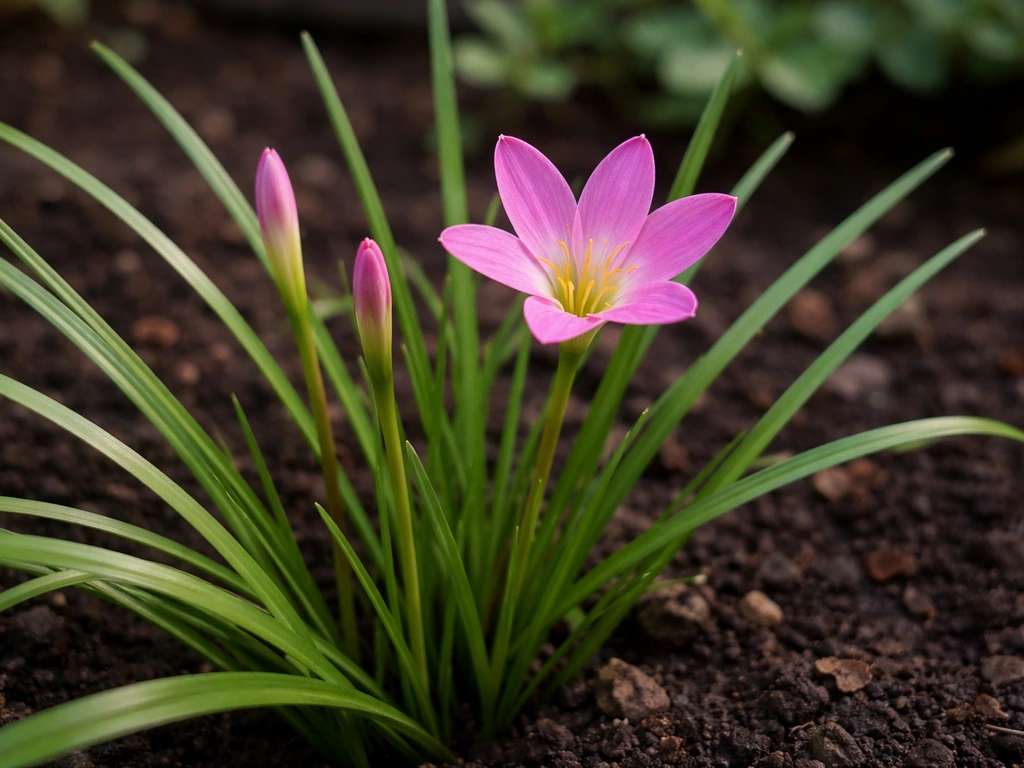
Timeline for Zephyranthes rain lilies from planting to sprouts and blooms, plus fixes for slow or missed flowering.
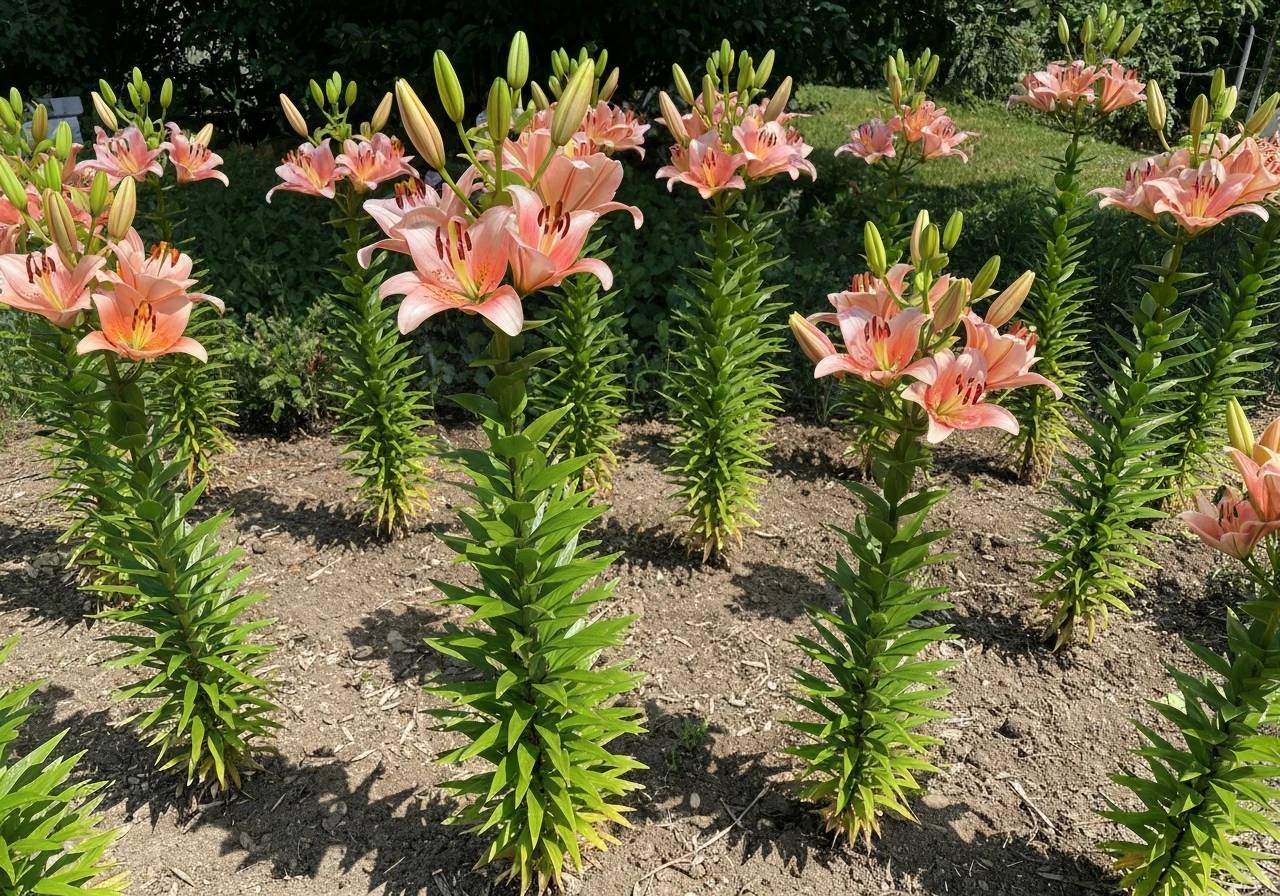
Asiatic lilies reach about 2–4 ft tall; learn spread, timing, and how light, soil, watering, and fertilizer affect size.
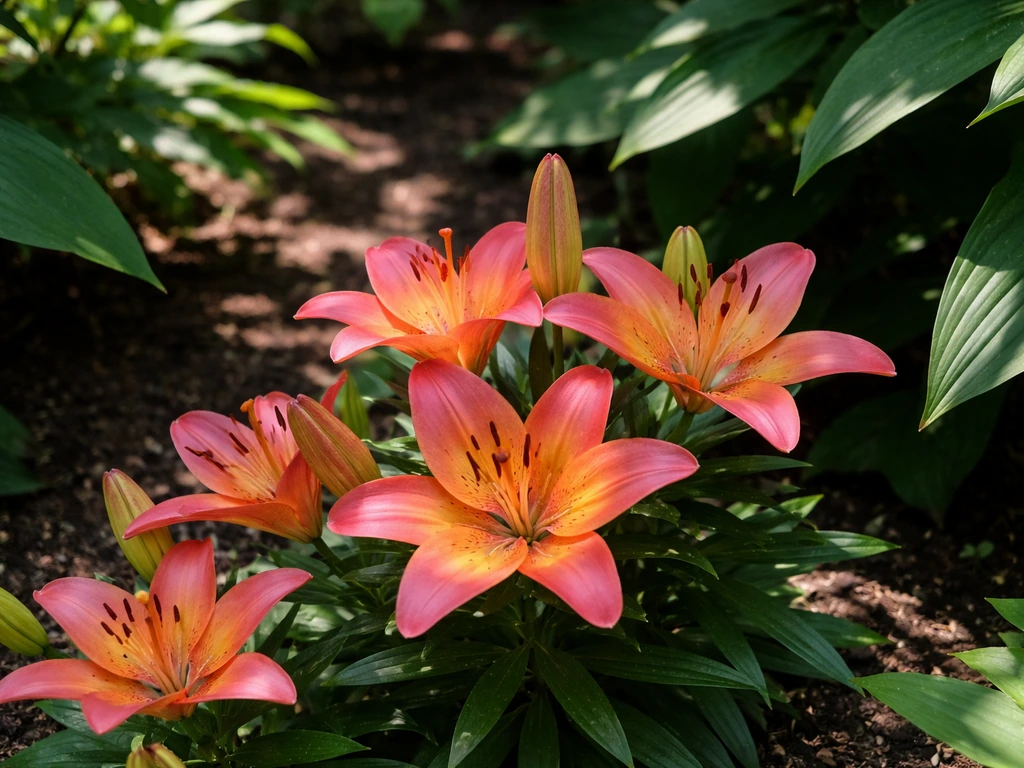
Can asiatic lilies grow in shade? Get sun limits, troubleshooting for weak growth, and tips to place and care for them i