
Lotus flowers grow naturally in shallow, warm, muddy freshwater habitats: ponds, lakes, marshes, and slow-moving rivers across Asia and North America. The sacred lotus (Nelumbo nucifera) is native to a huge swath of territory stretching from northern India through Southeast Asia and East Asia all the way up to the Amur region near Russia. The American water lotus (Nelumbo lutea) covers a different patch of the map entirely, running through the eastern half of the United States down into Mexico, Honduras, and the Caribbean. Both species have the same basic demands: standing or slow-moving fresh water, full sun, warm temperatures, and nutrient-rich mud at their roots. If you can replicate those conditions at home, you can grow lotus just about anywhere.
Where Does the Lotus Flower Grow and How to Grow It
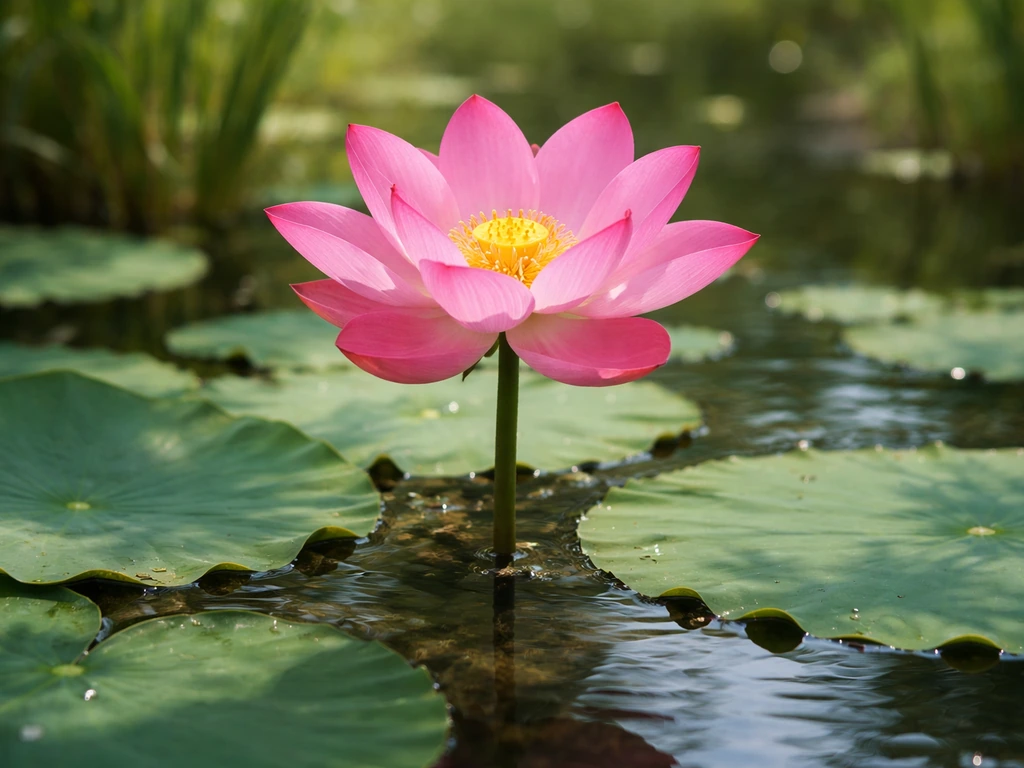
Where lotus naturally comes from
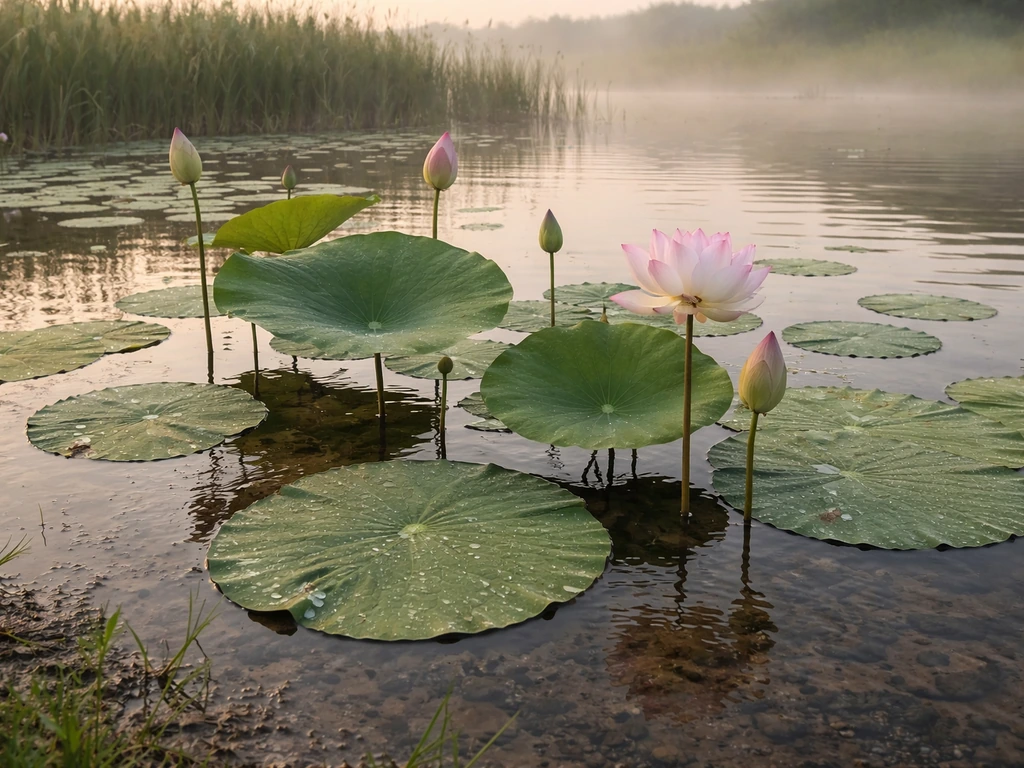
Nelumbo nucifera, the sacred lotus, is probably the species most people picture when they think of a lotus flower. Its native range is remarkably broad, covering central and northern India, northern Indochina, China, Japan, Korea, and stretching north into Russia's Far East near the Amur River. EPPO’s Global Database also documents Nelumbo nucifera’s wide native distribution across Europe and Western Asia into much of Asia, including regions such as Russia’s Far East and areas from India to Indochina, China, and Japan Nelumbo nucifera’s native range is remarkably broad. Russian populations were historically described as a separate species called Nelumbo komarovii, though most botanists now fold them back into N. nucifera. The plant has also been cultivated so extensively across South and East Asia for thousands of years that it can be hard to separate its truly native range from ancient introductions.
On the other side of the world, Nelumbo lutea is the only lotus species native to the United States. Its natural territory runs from Minnesota and Oklahoma down through Florida and then continues into Mexico, Honduras, and the Caribbean. It grows in many of the same wetland conditions as its Asian cousin but tends to have pale yellow flowers instead of the pink-to-white spectrum you see with N. nucifera. If you're curious specifically about where lotus flowers grow in the U.S., N. lutea is the one you'll actually find growing wild in American waterways.
Both species are classified as obligate wetland plants, meaning they evolved specifically to live in water. They are not marginal pond plants that can occasionally get their feet wet. Lotus needs to be in water full-time, rooted in the submerged mud below.
The climate and water conditions lotus needs to thrive
Lotus is fundamentally a warm-climate plant. Nelumbo nucifera thrives in USDA hardiness zones 4 through 10 depending on the variety, though it truly performs best in zones 6 and warmer. The rhizomes can survive cold winters if they stay below the ice line in a pond, but the growing season needs genuine summer heat. Water temperatures below about 60°F (15°C) will stall growth noticeably, and lotus won't bloom without a stretch of consistently warm weather. Think long, hot summers. That's exactly what the plant's native range in tropical and subtropical Asia delivers.
Water quality matters too. Lotus prefers calm, still, or very slow-moving fresh water. It does not do well in fast-moving streams or salty or brackish conditions. The water should be clean enough that it is not loaded with algaecides or chlorine (tap water left to off-gas for 24 hours is fine for containers). Slight acidity to neutral pH (around 6.0 to 7.5) works best. Hard water won't kill it, but soft, slightly acidic water is closer to what the plant naturally encounters in Asian rice paddies and river deltas.
Setting up the right pond or container: soil, depth, and sun
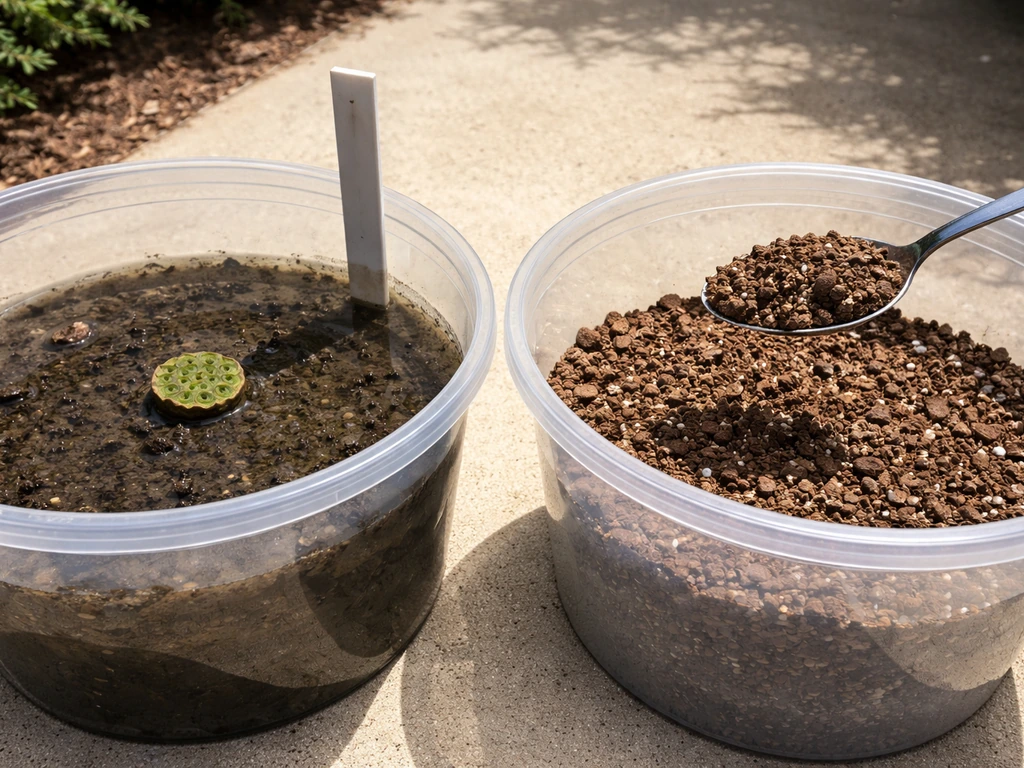
This is where a lot of beginners go wrong, and honestly, I've made most of these mistakes myself. The single most common error is using regular potting mix. Don't do it. Potting soil floats, clouds the water, and rots badly when submerged. What lotus wants is heavy, dense, low-organic clay or loam soil, basically what you'd call garden soil or even straight clay. Some growers use a mix of two parts clay-heavy topsoil to one part sand. The goal is a soil that stays put underwater and won't decompose into a murky mess.
For water depth, aim for 2 to 18 inches of water above the soil surface depending on your lotus variety. Dwarf and mini varieties are happy in as little as 2 to 6 inches of water above the pot rim, which makes them excellent for container setups. Standard and large varieties can handle 12 to 18 inches. Too deep, and the young growing tips struggle to reach the surface. Too shallow in summer heat, and the water can overheat the roots. A depth of about 6 to 12 inches above the soil is a reliable middle-ground target for most home setups.
Sunlight is non-negotiable. Lotus needs a minimum of 6 hours of direct sun per day, and 8 hours is far better. The more sun, the more reliably it blooms. Partial shade might keep the plant alive and producing leaves, but you will get very few flowers. Site your pond or container in the sunniest spot you have. I put mine on the south-facing side of the yard, away from any tree canopy, and the difference compared to a shadier trial spot was dramatic.
Container size also matters more than people expect. A dwarf lotus can get by in a 5-gallon container, but a standard variety wants at least a 15- to 20-gallon tub. Bigger containers buffer temperature swings better, which is especially important in hot climates. Wide and shallow is better than tall and narrow.
Where in the world lotus grows today
The sacred lotus's wild and cultivated range now covers enormous territory. You'll find it growing naturally or semi-naturally in India, Sri Lanka, China, Japan, Korea, Thailand, Vietnam, Cambodia, Indonesia, Australia, and parts of the Russian Far East. It has also naturalized in parts of Europe and North America through human introduction. The American lotus, N. lutea, holds its own range from the Great Lakes states south through the Midwest, the Southeast, and into Central America and the Caribbean.
There are also color-specific varieties with their own distribution stories. If you want to explore the specifics of color forms and their habitats, where white lotus grows is worth a read, since white-flowering forms of N. nucifera have their own regional concentrations in cultivation. Similarly, where blue lotus grows covers a different but related water plant that often gets grouped with true lotus in cultural contexts.
How lotus actually grows: the full growth cycle
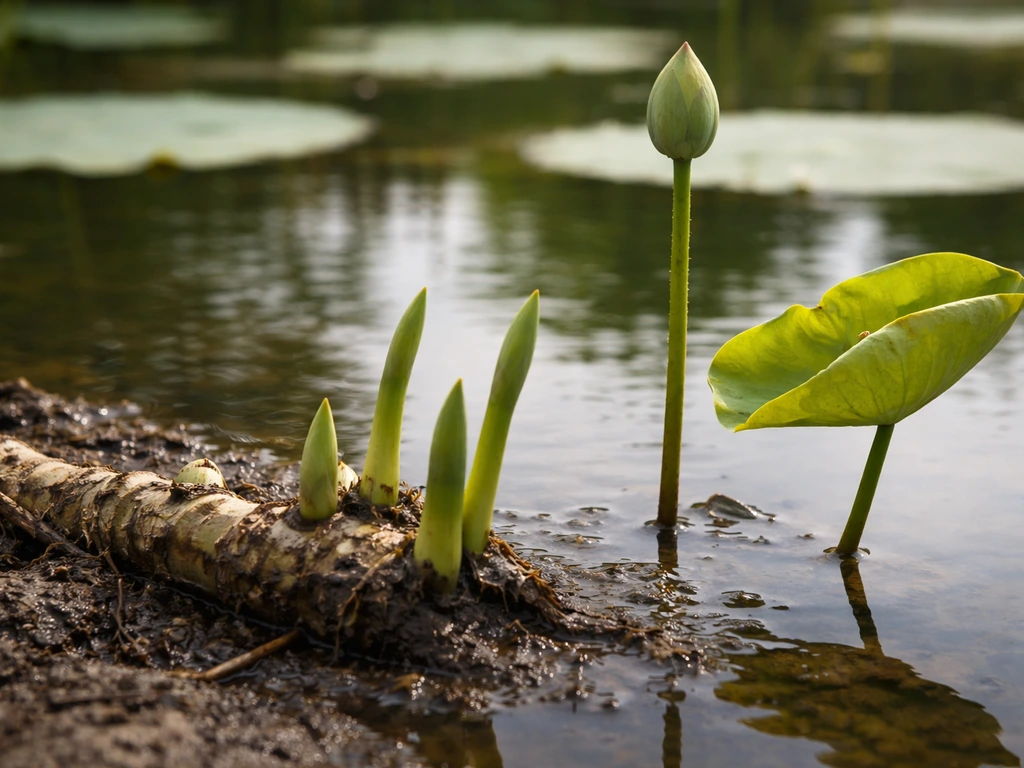
Lotus is a perennial aquatic plant that grows from a thick, starchy rhizome buried in the mud. Each spring, as water temperatures warm past roughly 60°F, the rhizome sends up new growth tips that push to the surface. The first leaves are floating leaves that lie flat on the water, and they are often mistaken for water lily pads. As the plant gains strength, it starts producing aerial leaves on tall stalks that rise well above the water surface. Those large, waxy, round aerial leaves, where water beads and rolls off like mercury, are one of the plant's signature features.
Flower stalks emerge from the rhizome and grow taller than the leaf stalks. Blooms typically appear in midsummer to late summer, and each individual flower lasts about three days before the petals drop and the distinctive seed pod forms. Those seed pods persist on the stalk long after the growing season ends and are commonly used in dried flower arrangements. After the first frost, the aerial parts die back and the rhizome enters dormancy underground. If you're wondering about the full timeline from planting to bloom, how long lotus flowers take to grow breaks down the wait time depending on whether you start from seed or rhizome.
The seed pods are one of the more fascinating parts of the plant. They develop right on top of the flower stalk and gradually turn brown and woody as the seeds mature. Where lotus pods grow explains the pod's development and how they're harvested, which is useful if you want to save seeds or use the pods decoratively.
Growing lotus at home: indoor vs. outdoor
Outdoor growing
Outdoor growing is the default approach and the one that gives you the best results. In zones 6 through 10, lotus can live outside year-round in a pond or large tub as long as the rhizomes stay below any ice that forms. In zones 4 and 5, most gardeners either sink their containers deep enough in the pond to stay below the freeze line, or they pull the container inside (unheated garage or basement) for winter once the foliage dies back. The key is keeping the rhizome moist but not waterlogged during dormancy if you store it indoors.
A backyard pond works beautifully, but you don't need one. A large half whiskey barrel, a galvanized stock tank, or any watertight container that holds 15 to 20 gallons or more will work for a standard lotus. Set it outside in full sun, fill it with clay-heavy soil to about one-third depth, plant the rhizome horizontally just below the soil surface, and slowly fill with water. The plant will do the rest once temperatures warm up.
Indoor growing
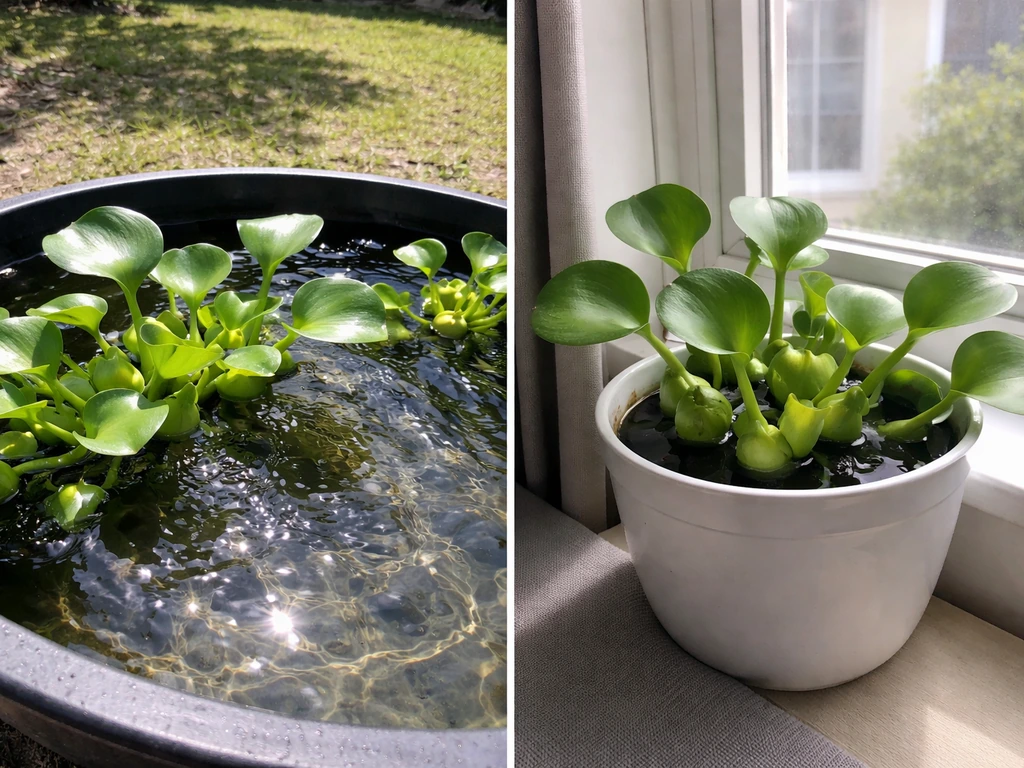
Indoor lotus is possible but genuinely difficult. The main challenge is light. Lotus needs 6 to 8 hours of direct sun, and most indoor spaces simply can't deliver that through a window, especially in winter. If you have a very bright south-facing sunroom or a greenhouse, you might get away with it. Otherwise, you'd need serious supplemental grow lighting (full-spectrum LED at close range, 14 to 16 hours per day) to keep the plant growing and blooming inside. It's a lot of infrastructure for a plant that really just wants to be outside in a pond.
The more practical indoor use case is overwintering. Move the dormant container inside before hard freezes hit, keep it in a cool spot (40 to 50°F is ideal) with the soil just damp, and move it back outside in spring once night temperatures reliably stay above 50°F. Unlike some other water plants, lotus handles this transition well as long as you don't let the rhizome dry out completely or rot in standing water during dormancy. It's worth noting that while lotus and water lilies share similar habitats and setup requirements, they are different plants, and the comparison is similar to the distinction between other aquatic lilies like blue heart lilies, which have their own specific growing needs and environments.
Outdoor vs. indoor at a glance
| Factor | Outdoor | Indoor |
|---|---|---|
| Sunlight | Easy to achieve 6–8+ hours of direct sun | Very hard without a greenhouse or grow lights |
| Temperature | Natural warm season triggers growth and bloom | Must be maintained artificially |
| Blooming reliability | High in zones 6–10 | Low without supplemental lighting |
| Setup cost | Low to moderate (container or pond) | High if grow lights are needed |
| Winter storage | In-pond or garage dormancy | Cool indoor dormancy works well |
| Best for | Most home gardeners | Overwintering or greenhouse growers |
How to get started and pick the right lotus for your area
Start by figuring out your USDA hardiness zone and, more importantly, how many months of genuinely warm weather you get. Lotus needs roughly 4 to 5 months of warm growing season to bloom well. If you're in the southern half of the U.S. or in a warm maritime climate, nearly any lotus variety will work. If you're in zones 4 or 5 with a shorter warm season, stick to varieties described as cold-hardy or early-blooming.
For container growing (the easiest starting point), choose a dwarf or bowl lotus variety. These are bred specifically for smaller containers and can bloom happily in a 5- to 10-gallon tub. Standard varieties can reach 4 to 6 feet tall and are better suited to large ponds or 20-gallon-plus containers. The variety you choose should match your setup, not just your aesthetic preferences.
You can start lotus from a bare rhizome or from seed. Rhizomes are faster and more reliable: you'll often get blooms in the first season. Seeds take longer and require scarification (lightly sanding the hard seed coat) and soaking in warm water until they sprout, then potting up carefully. Either way, source your plants from a reputable aquatic nursery rather than a generic big-box store. Quality rhizomes from a specialist supplier make a real difference in first-year performance.
- Confirm your hardiness zone and number of warm months (4–5 months minimum).
- Choose dwarf varieties for containers under 15 gallons, standard varieties for larger ponds.
- Source bare rhizomes or scarified seeds from an aquatic plant nursery.
- Prepare a wide, shallow container with clay-heavy soil (no potting mix).
- Set up in the sunniest available outdoor spot before planting.
- Plant in late spring once water temperatures exceed 60°F.
- Maintain 6 to 12 inches of water above the soil surface and top up as needed.
Lotus is one of those plants that looks intimidating but is actually quite forgiving once you understand its core requirements: sun, warmth, still water, and heavy soil. Get those four things right and you'll have a plant that rewards you with some of the most dramatic blooms in the garden. The first time you see one of those flowers open at sunrise, three feet above the water on a tall stalk, it makes every bit of the setup worth it.
FAQ
Why can’t lotus flowers grow in my area even if there’s a pond nearby?
In most places, lotus only grows in areas that stay warm enough for a long growing season (roughly 4 to 5 months of summer heat). Even if winter temperatures do not kill the rhizome, you typically will not get reliable blooms unless the water stays above about 60°F (15°C) for weeks at a time.
Do lotus plants die back and how should I protect the rhizome in winter?
Lotus can survive cold winters if the rhizome remains below the ice line, but it cannot handle freezing rhizomes that are exposed. For containers in zones 4 to 5, keeping the container in the pond (deep enough to stay under ice) or storing it indoors with damp soil is usually safer than just moving the pot to a sheltered patio.
Can I grow lotus in a stream, fountain, or fast-moving water feature?
Lotus needs fresh, not salty or brackish water, and it also does poorly in fast-moving streams where the plant cannot settle into stable mud. If your water source is a garden stream, you will need a calm pond basin or a barrier so the lotus sits in slow, still water.
Will lotus work in a container if I have a small pump or aeration system?
Yes, but only if the “water still” requirement is met. With containers, a larger, wider tub is more stable because temperature changes are slower and the soil stays undisturbed. Avoid strong pumps that create ripples over the planted area, since lotus roots prefer quiet conditions.
How can I confirm I have true lotus and not a water lily?
What looks like “lotus” in commerce is sometimes a different plant. Water lilies and other aquatic flowers can share a similar leaf shape, but lotus has aerial leaves on tall stalks and flower stalks that rise well above the foliage, plus it grows from a rhizome in heavy mud.
What should I change if my lotus leaves appear but the plant weakens or rots?
The common sign of “wrong soil” is cloudy water and a mushy or failing rhizome zone. Potting mix floats and decomposes underwater, so switch to clay-heavy garden soil or a dense clay-loam mix, and plant the rhizome horizontally so it is anchored just under the mud.
My lotus grows leaves but no flowers. What are the usual reasons?
If your lotus is not blooming, the most frequent causes are insufficient direct sun (less than about 6 hours), water that stays too cool, or planting a variety that does not match the container size. First test sunlight exposure, then check that the water temperature reaches and stays warm, and confirm the container is large enough for that cultivar.
What do I do if the water gets too warm in summer?
Lotus can overheat in very shallow setups during hot weather. A practical adjustment is to increase water depth gradually (staying within the typical 6 to 12 inch range above the soil for many home setups), and to move the container or add shade to reduce midday water temperature spikes without dropping direct sun too much.
Should I start lotus from seed or rhizome for the best chance of bloom?
Seed-grown plants take longer to establish and usually require scarification of the hard coat and careful warm soaking. Rhizomes are faster and more reliable for first-season blooms, so if you want flowers quickly, starting from a quality rhizome is the safer bet.
How do I overwinter lotus indoors without causing rot or drying out?
In indoor overwintering, the key is to avoid letting the rhizome dry out completely. Keep the container cool (around 40 to 50°F), keep the soil just damp, and prevent prolonged standing water conditions that lead to rot when the plant is dormant.
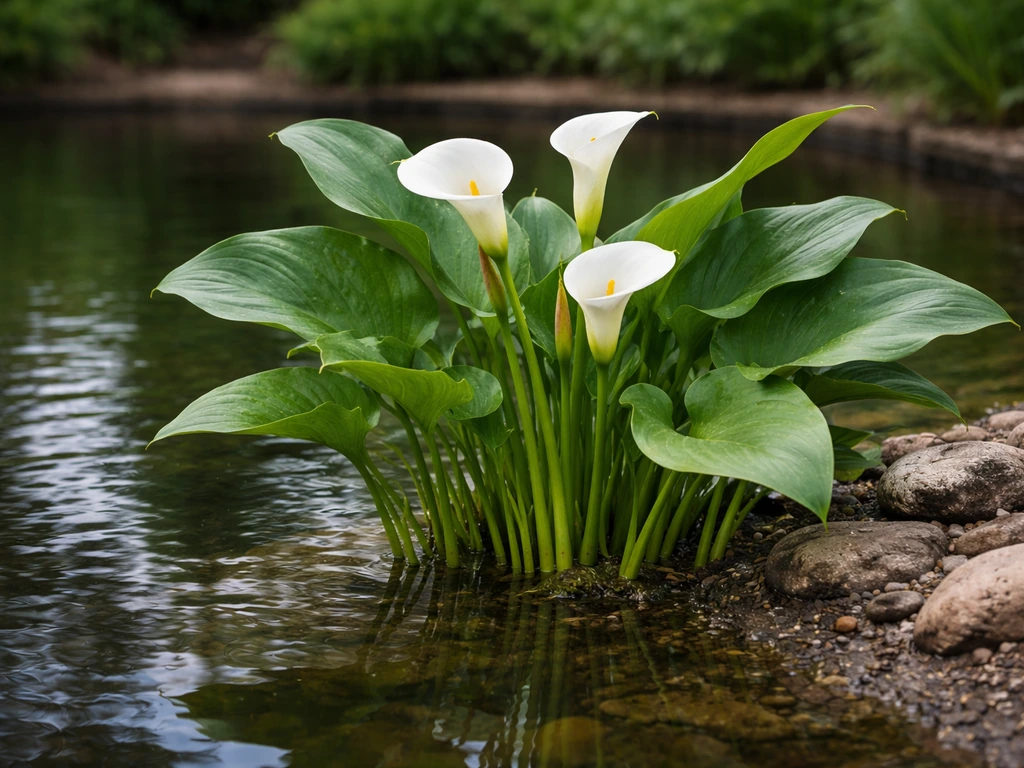
Yes, with the right setup: water depth, substrate, anchoring, light, and overwinter care for pond or marginal calla lili
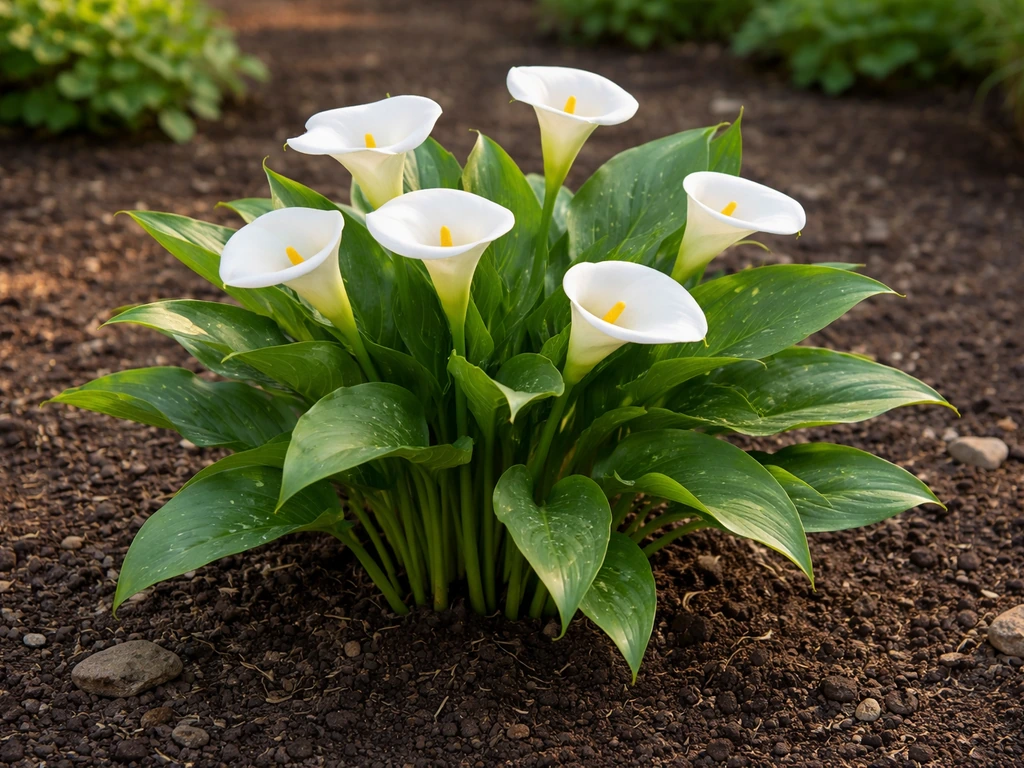
Get a clear answer on are calla lilies hard to grow, plus exact light, temperature, watering, planting, and fixes.
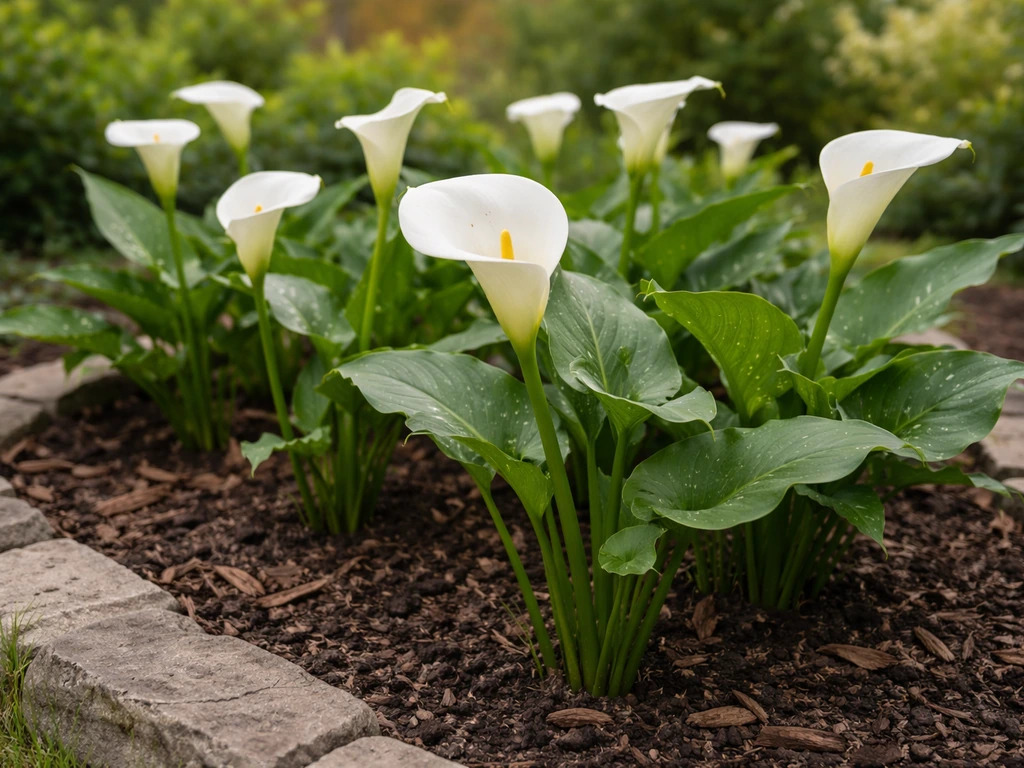
Yes, calla lilies can grow outside. Learn climate, light, soil drainage, planting timing, and fixes for no growth.