
Blue heart lilies most commonly refer to Fritillaria affinis, a bulb native to the Pacific coast of North America, ranging from California north through Oregon and Washington into British Columbia, and stretching east to western Idaho. In the wild, it grows in moist meadows, open woodlands, forest edges, and coastal grasslands. If you're trying to grow one in your garden, you're working with a plant that evolved in cool, wet springs and dry summers, so matching those conditions is the key to keeping it alive and happy.
Where Do Blue Heart Lilies Grow? Habitat and Growing Tips
Marcus Hendricks
4 May 2026
What 'Blue Heart Lily' Actually Refers To
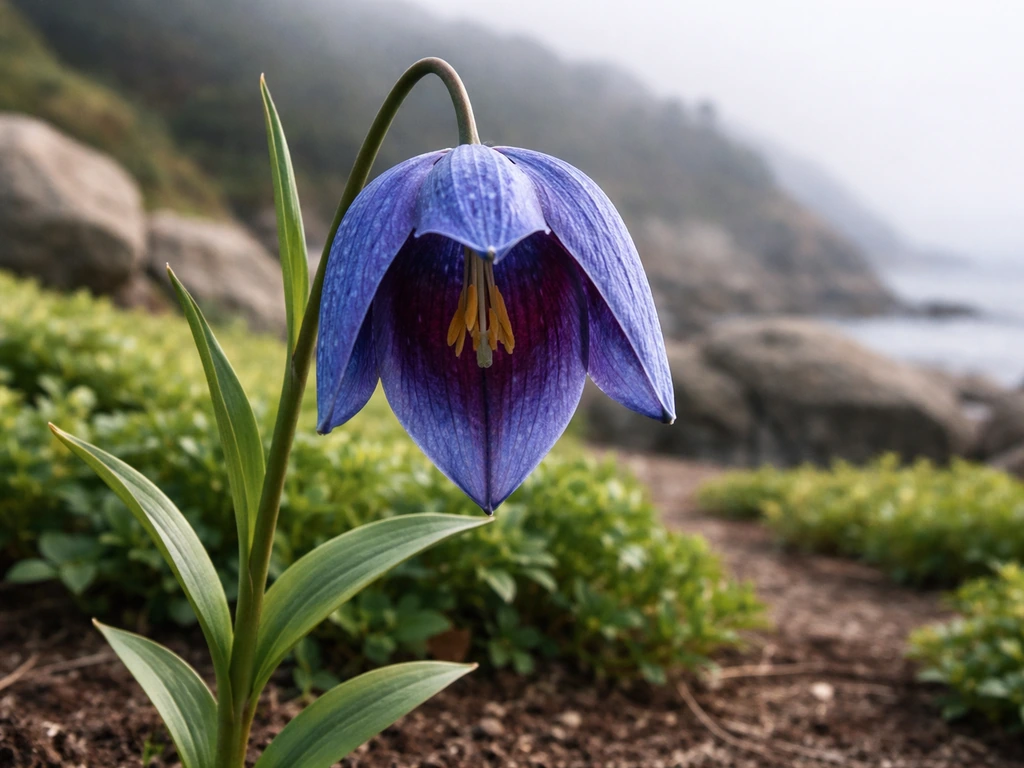
Common names in the plant world are notoriously messy, and 'blue heart lily' is a good example. Online listings, seed shops, and some nurseries use this name loosely, but it almost always points back to Fritillaria affinis. This species goes by several other names too, including checker lily and chocolate lily, so don't be surprised if you see those on labels. When in doubt, look for the scientific name Fritillaria affinis on the plant tag or product description. That's your clearest confirmation you're getting the right plant. Kew's Plants of the World Online recognizes Fritillaria affinis as the accepted name, which is the gold standard for sorting out any naming confusion.
It's worth noting that Fritillaria is not a lotus or a water lily. If you've been browsing related plants like blue lotus or white lotus, those are aquatic species with very different growing requirements. Lotus pods, by contrast, are true aquatic plants that grow in muddy, still water at warm temperatures blue lotus or white lotus. If you're also wondering where lotus flowers grow in the US, that's a different story because lotus prefers warm, still water where do lotus flowers grow in the us. White lotus, on the other hand, is an aquatic plant, so it grows in water rather than on land like Fritillaria affinis. Lotus flowers grow in warm, shallow freshwater wetlands and ponds, very different from terrestrial bulbs like blue heart lily blue lotus or white lotus. Fritillaria affinis is a terrestrial bulb that needs dry summers, not standing water.
Where It Comes From and What That Tells You
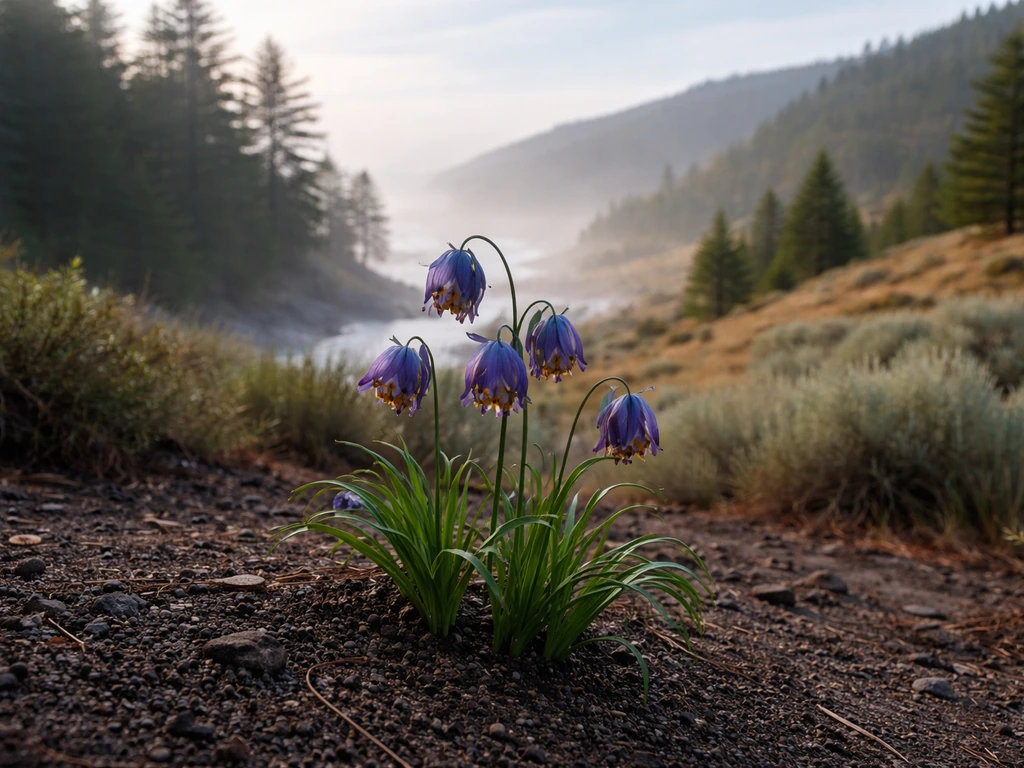
Fritillaria affinis is blank" rel="noopener noreferrer">native along the Pacific coast of North America, from northern California up through British Columbia, and inland to western Idaho. Blue lotus is a different aquatic species, so its growing location is not the same as this plant’s native range native along the Pacific coast of North America. That's a narrow but meaningful range: coastal and near-coastal climates with mild winters, reliable spring rainfall, and reliably dry summers. In the wild, you find it in moist meadows and open woods, which tells you a lot about what it needs. It's not a swamp plant, but it does want moisture when it's actively growing in spring. By summer, it goes fully dormant and wants to be left bone dry.
That summer dormancy is probably the single most important thing to understand about this plant. It's not dying on you in July, it's just sleeping. The bulbs absolutely cannot tolerate wet soil during dormancy, which is why so many gardeners outside the Pacific Northwest struggle to keep them alive. The Pacific Bulb Society notes that Fritillaria bulbs cannot tolerate wet soil during dormancy. The Pacific coast's Mediterranean-style rainfall pattern, wet winters and springs, dry summers, is essentially built into this plant's survival strategy.
Climate and Hardiness: Will It Survive Your Winters?
Fritillaria affinis is generally rated for USDA Hardiness Zones 5 to 9, with some sources pinning it closer to Zone 6a as the cold edge of reliability (tolerating roughly -5°F to -10°F at the low end). That means most of the continental US can technically overwinter the bulbs in the ground. Cold tolerance usually isn't the problem. The problem is summer moisture.
If you're in Zone 6 through 9 and you have hot, humid summers with regular rainfall, the bulbs are very likely to rot during dormancy. Gardeners in the Southeast, Midwest, or anywhere that gets summer thunderstorms need to think carefully about drainage, or plan to lift the bulbs in late spring and store them dry until fall replanting. Gardeners in the Pacific Northwest and coastal California are living in the plant's native zone and can plant and mostly forget.
Light and Water: Indoors vs. Outdoors
Growing Outdoors
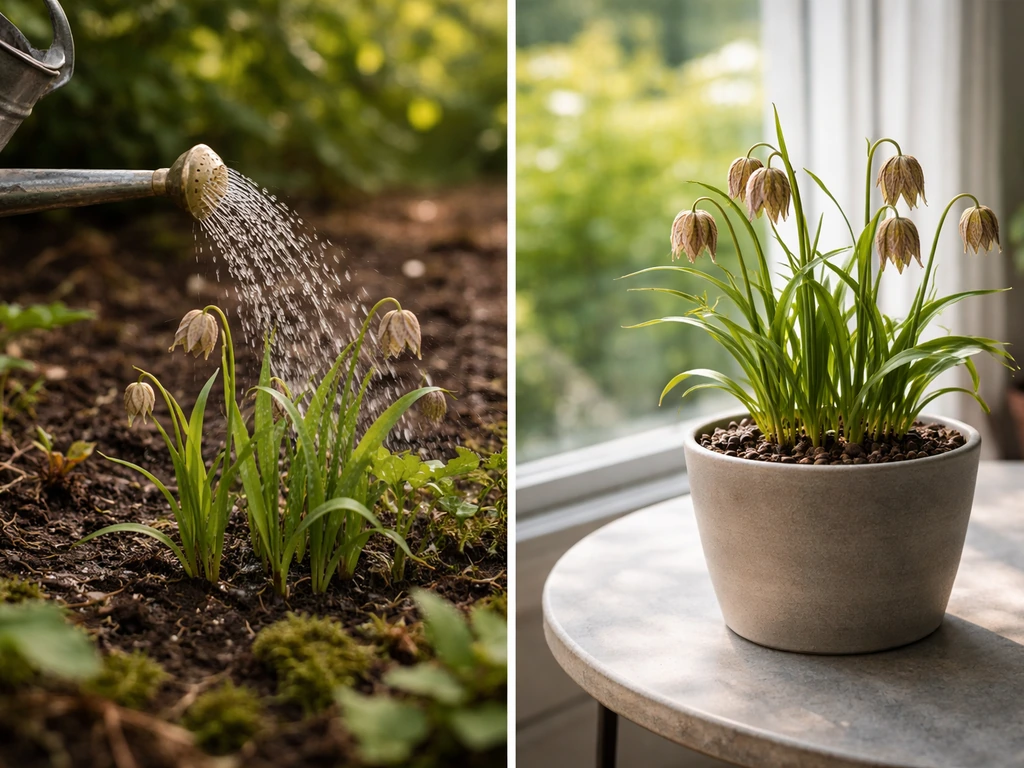
Outdoors, Fritillaria affinis does best in part shade to full sun. In cooler coastal climates, it handles full sun without complaint. In hotter inland areas, it appreciates afternoon shade to protect the foliage during active growth. Aim for at least 4 to 6 hours of light daily during spring when the plant is actively growing. Once it goes dormant in summer, light barely matters since there's nothing above ground.
For watering, follow the plant's natural rhythm. Water regularly during active spring growth when the top inch of soil dries out. When foliage starts yellowing and dying back in late spring or early summer, stop watering entirely. That dry dormancy is non-negotiable. Overwatering in summer is probably the number one way to kill this plant outside its native range.
Growing Indoors or in Containers
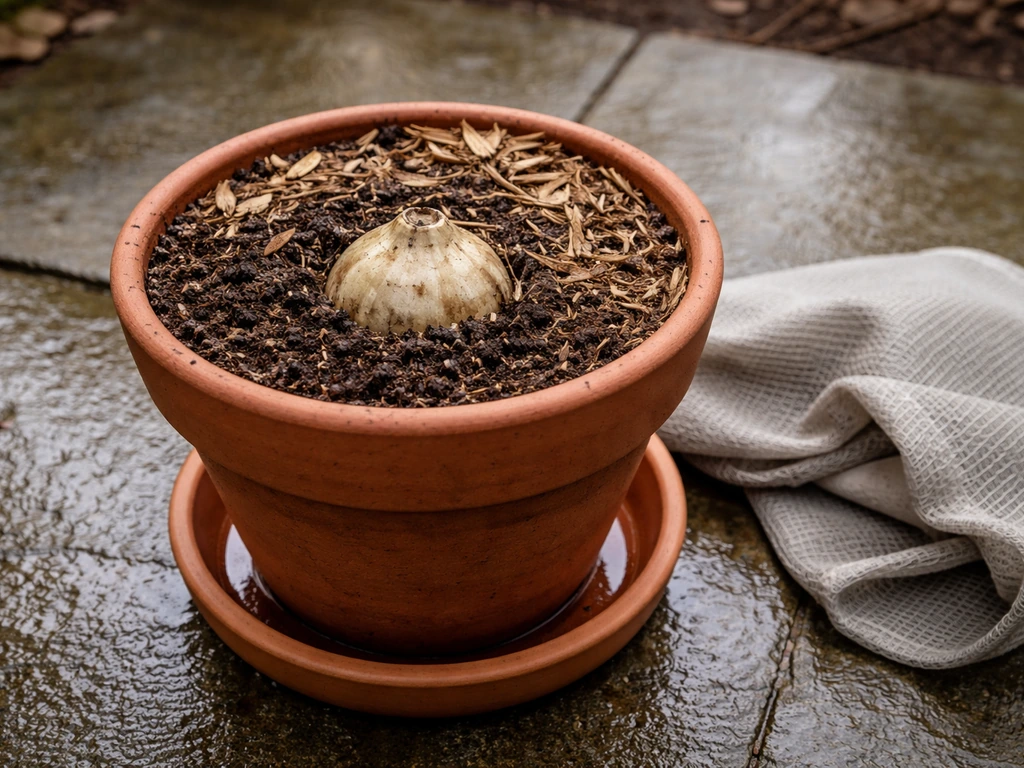
Fritillaria affinis isn't really a houseplant, but growing it in a container does give you a major advantage: you control the summer moisture. A container lets you move the bulb under cover during the wet part of summer, or simply stop watering it without worrying about what your sprinkler system or rain is doing to your garden beds. Use a pot with good drainage holes, bring it somewhere sheltered and dry after the foliage dies back, and resume watering in fall when you'd expect the rains to start. Indoors in spring, place the container in your brightest window or under a grow light for at least 6 hours of bright light daily.
Soil Setup and Planting Conditions
Drainage is everything with this bulb. Fritillaria affinis needs well-drained soil, full stop. If you plant it in heavy clay or anywhere water pools after rain, the bulb will rot. Aim for a slightly acidic to neutral soil pH, somewhere between 5.5 and 7.0. If your native soil is dense, work in coarse sand or fine grit to open it up. Raised beds are a great option in regions with clay soils or high summer rainfall.
There's a useful planting trick that experienced fritillaria growers use: plant the bulb on its side at a slight angle rather than straight up. This helps prevent water from collecting in the hollow of the bulb and rotting it from the inside out. Plant bulbs about 3 to 4 inches deep in fall, after temperatures have cooled but before the ground freezes.
| Condition | What Fritillaria affinis Needs |
|---|---|
| Soil pH | 5.5 to 7.0 |
| Drainage | Excellent — no standing water ever |
| Sun (spring) | Part shade to full sun (4–6+ hours) |
| Watering (spring) | Regular, let top inch dry between waterings |
| Watering (summer) | None — fully dry dormancy required |
| Hardiness zones | 5 to 9 (most reliable in 6–8) |
| Planting depth | 3–4 inches, bulb planted on its side |
| Best planting time | Fall, after first cool temperatures |
How to Actually Find One to Buy
This is where things get a bit tricky. Because 'blue heart lily' is an informal common name, not every nursery uses it. You'll have better luck searching for Fritillaria affinis by its scientific name, or by its other common names: checker lily or chocolate lily. Here's where to look:
- Native plant nurseries along the West Coast (California, Oregon, Washington) are your best bet for healthy, locally sourced stock. California Flora Nursery and Xera Plants are examples of nurseries that carry Fritillaria affinis under its correct name.
- Specialty bulb retailers online often carry fritillarias in the fall planting season. Search for 'Fritillaria affinis bulbs' on sites that specialize in unusual or native bulbs.
- Pacific Bulb Society's website is a free resource for identifying reputable sources and verifying the species you're buying matches the real plant.
- Local native plant sales, often run by land trusts, conservation districts, or botanical gardens in spring and fall, frequently carry regionally appropriate stock and the staff can confirm the exact species.
- General garden centers and big-box stores sometimes carry mixed fritillaria assortments in fall, but labeling is often vague. Always ask for or look up the Latin name before buying.
When you're buying online, a trustworthy listing will show the scientific name Fritillaria affinis clearly, list a hardiness zone range (Zone 5 or 6 through 9), and mention summer dormancy in the care notes. If a listing just says 'blue heart lily' with no Latin name and no dormancy guidance, be cautious. That vagueness is a sign the seller may not know exactly what they're selling, or might be using a catch-all common name for a different plant entirely.
Check These Things Before You Plant
Before you order bulbs or put anything in the ground, run through these steps to confirm this plant is a good match for your yard and region:
- Look up your USDA Hardiness Zone at the USDA Plant Hardiness Zone Map website. Type in your zip code and confirm you're in Zone 5 through 9. If you're outside that range, container growing with indoor winter storage is your only realistic option.
- Think honestly about your summer rainfall. Do you get regular rain from June through August? If yes, plan on either lifting and storing bulbs after dormancy begins, or growing in a container you can keep dry. If your summers are dry (classic Pacific Northwest or coastal California), plant in the ground and don't overthink it.
- Check your soil drainage. Dig a hole about 12 inches deep, fill it with water, and watch how fast it drains. If it's gone in under an hour, you're fine. If it's still sitting there 2 to 3 hours later, you need to amend with grit or consider a raised bed.
- Pick your site based on your local summer heat. If you're in a cool coastal area, a sunny spot works great. If summers are hot where you are, find a spot with morning sun and afternoon shade.
- Confirm the scientific name on any bulb or plant you buy. Ask the nursery directly: 'Is this Fritillaria affinis?' Any reputable seller should be able to confirm that without hesitation.
- Plan your fall planting window. Fritillaria affinis bulbs go in the ground in autumn, ideally when daytime temperatures are consistently below 60°F but before a hard freeze. Mark your calendar based on your local first-frost date.
- Once planted, mark the spot clearly. The bulbs sit dormant underground for months before anything appears in spring, and it's surprisingly easy to accidentally dig them up while planting something else in winter.
If you've worked through that checklist and your conditions line up, you're in good shape. Fritillaria affinis is a genuinely rewarding plant when it's matched to the right environment. The checker-patterned nodding flowers are unlike anything else in a spring garden, and once you nail the drainage and dry-summer routine, the bulbs multiply over the years without much fuss from you. Lotus flowers have a different growth pace than Fritillaria, and the timeline depends on whether you’re starting from seeds or bulbs how long do lotus flowers take to grow.
FAQ
If a nursery sells “blue heart lily,” how do I confirm it is really the right species (Fritillaria affinis)?
It is usually Fritillaria affinis. Because “blue heart lily” is an informal label, confirm the scientific name on the tag or product page, and look for notes that describe summer dormancy with dry soil. If the listing does not mention dry dormancy, it may be a different plant using the same nickname.
My bulbs look fine in spring but they disappear in summer. What usually causes that?
The main reason is wet soil during summer dormancy. In hot, humid regions, rain events and irrigation often keep the bulb too moist once foliage dies back, which leads to rot even if you watered correctly in spring. Your fix is to improve drainage and prevent any watering once the plant starts yellowing.
Should I lift and store blue heart lily bulbs in rainy or humid summers?
Yes. In zones that are reliably cold but have summer moisture problems, lifting the bulbs after dormancy begins and storing them dry until fall planting is a common strategy. Replant in fall once temperatures cool, and avoid reintroducing water until new growth starts.
How much dieback or dormancy should I expect, and when is it normal?
Don’t assume it will behave like other bulbs. Fritillaria affinis typically grows in spring and then goes dormant as temperatures rise and soils dry, so it may look “gone” or bare for a large part of the year. A key sign you are on track is yellowing and dieback in late spring or early summer, followed by no growth until fall or the next spring.
Can I grow Fritillaria affinis indoors or on a patio in a container?
You can, but you must treat it like a dormancy plant, not a continuously watered one. Use a pot with drainage holes, keep it bright during active spring growth, then stop watering after foliage fades and move it under cover so it stays dry through summer.
Does blue heart lily need shade, or is full sun okay?
If you live inland in hotter areas, full sun can scorch foliage while the plant is actively growing, even though the bulb will be fine once dormant. Aim for part shade or afternoon shade to protect leaves, and ensure the planting site stays dry during dormancy.
What soil or site changes matter most if my yard tends to stay wet?
If you have heavy clay or frequent summer rainfall, a raised bed, added coarse grit, or a well-draining bulb patch can make the difference between survival and rot. Avoid low spots where water pools, and consider switching to containers if your garden cannot reliably dry out in summer.
How deep should I plant blue heart lily bulbs?
Planting depth is important, but drainage is more important. As a starting point, many growers place bulbs about 3 to 4 inches deep in fall. If you are in a very wet climate, you may need to go a bit deeper only if your drainage is excellent, otherwise focus on keeping the bulb from sitting in moisture.
Do I need to space bulbs differently to prevent problems as they multiply?
Spacing affects air flow and reduces competition for resources, which can support better flowering over time. A practical approach is to separate bulbs enough that they are not touching and to avoid overcrowding as they multiply, then thin or divide only when dormancy has clearly started or you lift bulbs for storage.
Is fall planting enough, or does the regional rainfall pattern affect when I should plant?
Yes, when you plant in fall and the ground stays dry enough over the next summer dormancy period. For this bulb, the “timing” that matters most is matching the wet spring and dry summer pattern. In areas where summers cannot dry naturally, plan on moving the bulb or lifting it rather than relying only on planting dates.
What are early warning signs that my watering schedule is killing the bulb?
Common signs of wrong moisture timing include lush growth in spring followed by sudden collapse, rotting bulbs when lifted, or bulbs failing to return after dormancy. Also watch for persistent dampness around the planting area after foliage dies back.
If the cold hardiness is okay for my zone, can I still lose bulbs? How does that happen?
Zones 5 to 9 are commonly cited, but the reliable factor is not cold. If your winter is mild and wet, bulbs may also struggle if the soil stays damp for long periods, even outside summer. The best test is whether your soil can dry out fully during dormancy, not whether your winter temperature is within range.
Next Articles
Where Do White Lotus Grow: Habitats and How to Grow Them
Find where white lotus grow naturally and learn how to replicate habitat conditions for thriving home pond cultivation.
How Long Do Lotus Flowers Take to Grow
Get a clear timeline for lotus growth from seed or rhizome, plus tips to speed flowering indoors or outdoors.
Where Does Blue Lotus Grow and How to Grow It
Learn where blue lotus grows in nature and how to match its warm, sunny freshwater habitat with pond or container care.