
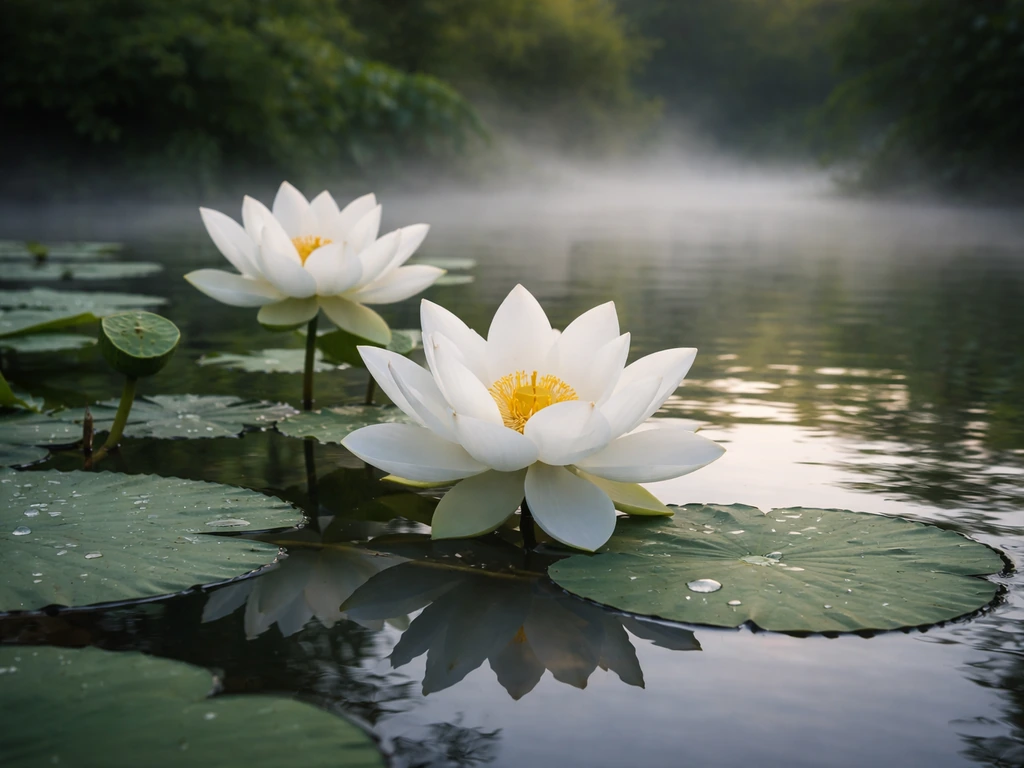
White lotus grows naturally in still or slow-moving freshwater: ponds, lakes, marshes, and sluggish streams. The two species most often called 'white lotus' are Nelumbo nucifera (sacred lotus, native from India and Sri Lanka through East Asia and into northern Australia) and Nelumbo lutea (American lotus, native from Minnesota down to Florida, Oklahoma, Mexico, Honduras, and the Caribbean), which produces creamy white-to-yellow blooms. Both root in rich, silty bottom soil and push their leaves and flowers above the water surface. If you want to grow one at home, you're essentially recreating a warm, sunny, shallow pond with fertile mud at the bottom, and it's more achievable than it sounds.
Where Do White Lotus Grow: Habitats and How to Grow Them
Marcus Hendricks
24 Apr 2026
Native ranges and typical habitats
Nelumbo nucifera is the classic sacred lotus you see in Buddhist iconography, and its native range is enormous: it spans from India and Sri Lanka (growing at elevations up to about 1,400 meters in the southern Himalayas) through northern Indochina, East Asia as far north as the Amur region, island Southeast Asia, New Guinea, and into northern and eastern Australia. Cultivated white-flowered forms like the Nelumbo nucifera cultivar 'Sun on Snow' (listed by the Chicago Botanic Garden for its snowy white petals) are selections from this species and require a large aquatic area to flower well.
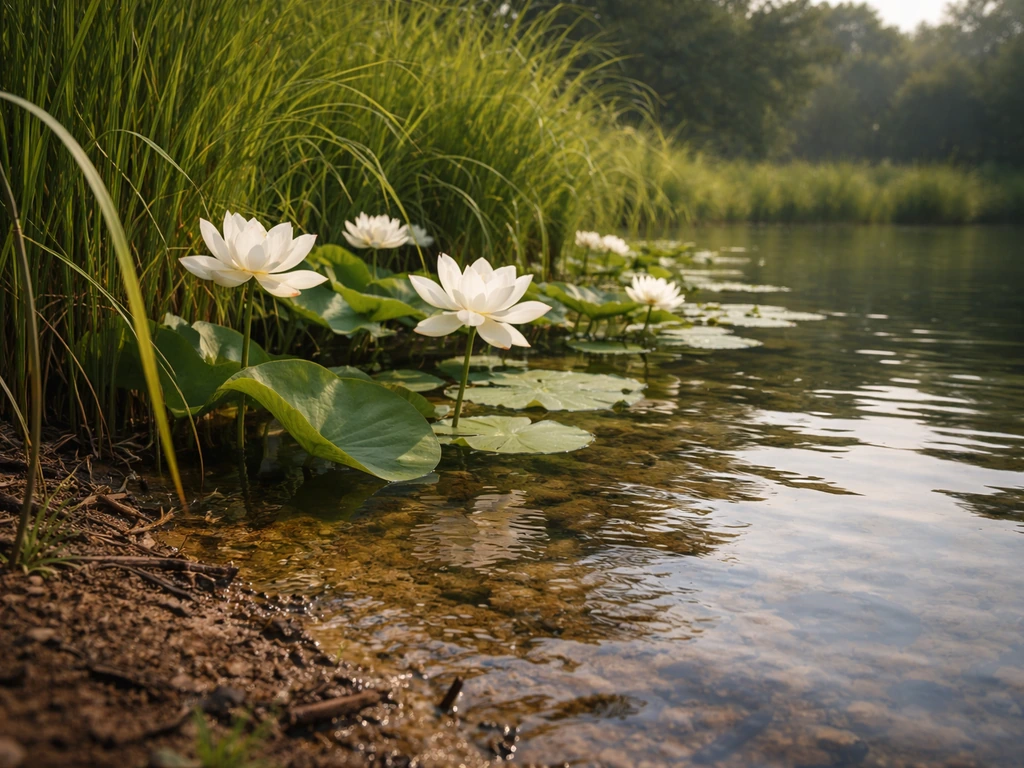
Nelumbo lutea, the American lotus, is native across a wide swath of North America, from Minnesota to Oklahoma and Florida, plus Mexico, Honduras, and parts of the Caribbean. It turns up in ponds, lakes, marshes, and slow streams, growing as an aquatic emergent plant: roots anchored in the bottom, leaves and flowers reaching up above the waterline. Many of the white or cream-toned lotus plants sold at garden centers are actually hybrids between these two species, which is worth knowing because hybrids can inherit cold tolerance from the American parent and ornamental flower quality from the Old World parent.
In the wild, white lotus habitat almost always shares the same profile: calm or barely moving fresh water, fertile muddy substrate, high sun exposure, and warm summers. If you are wondering where the lotus flower grow in nature, look for calm freshwater, fertile muddy bottoms, and lots of sun white lotus habitat almost always shares the same profile. If you’re trying to figure out where lotus pods grow, the best clue is where the lotus itself thrives: calm freshwater with warm sun and muddy, silty bottoms. That's your template.
Water depth, water quality, and seasonal conditions
Getting the water depth right is probably the single most important practical detail for home growers, and it changes as the plant develops. When you first start a lotus from a rhizome, you want shallow water, the UF/IFAS Extension recommends lowering containers into just 6 inches (about 15 cm) of water until growth kicks off. Once the plant is actively growing, you can increase depth gradually.
For full-size sacred lotus, the RHS recommends a final depth of 40 to 60 cm (roughly 16 to 24 inches) of water above the soil surface; smaller cultivars do fine in 15 to 22 cm (6 to 9 inches). American lotus (Nelumbo lutea) can handle anywhere from nearly no standing water up to about 4 feet (1. 2 meters) in the wild, but container growing at shallower depths gives you better control and better flowering.
Water quality matters but lotus is not precious about it. blank" rel="noopener noreferrer">Nelumbo nucifera tolerates mildly acidic water, with a cited pH tolerance of roughly 5.7 to 6.8 according to USGS species data. American lotus is even more forgiving across a range of pH and soil compositions. A hobbyist water-parameter discussion on Reddit also notes blank" rel="noopener noreferrer">managing pH references when keeping hydro setups, which can be relevant as anecdotal context for water-quality handling. What both species dislike is fast-moving, cold, or oxygen-depleted water. Still or very slow-moving fresh water is what they evolved in, so avoid placing containers near strong fountain jets or heavy water circulation.
Seasonally, lotus follows a predictable pattern: active growth and flowering in warm months, dormancy in winter. Interestingly, the flowers of American lotus are thermogenic, they can actually regulate their own temperature as air temperatures shift, which helps them stay warm enough for pollination during cool early-summer days. That's a fascinating adaptation, but for you as a grower it mostly means the plant is tuned to summer heat and will shut down when cold arrives.
Light and temperature: what white lotus actually needs
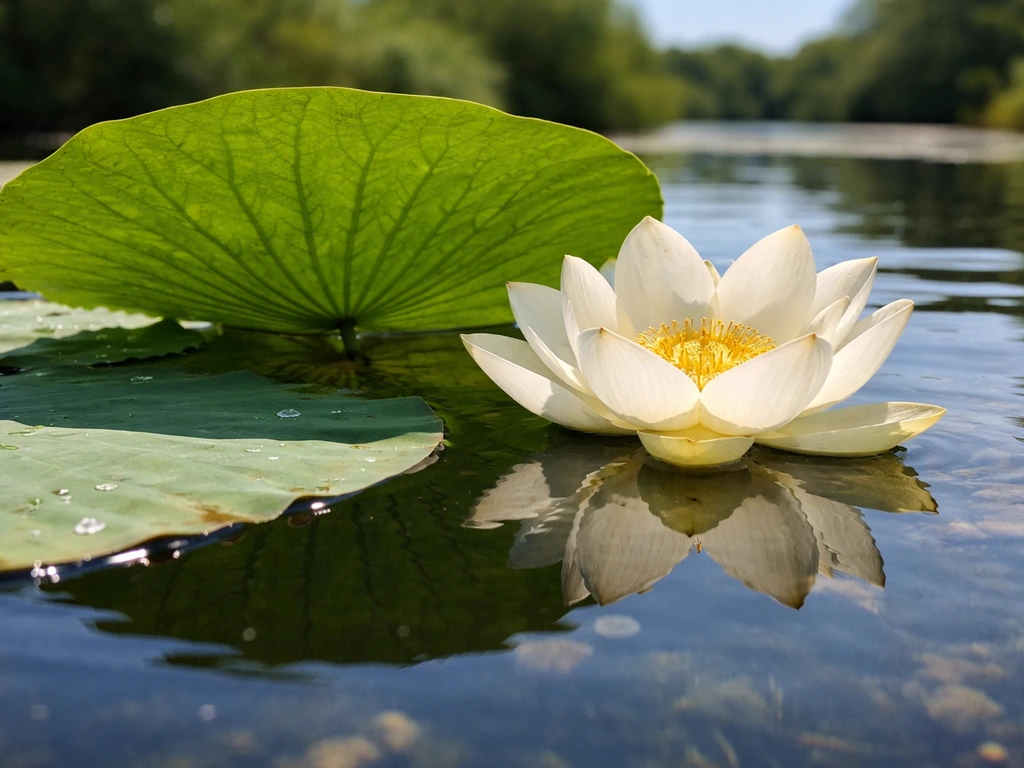
Full sun, all day. UF/IFAS Extension is unambiguous on this: Nelumbo nucifera requires full sun, and the same goes for American lotus. A site with less than 6 hours of direct sun per day will produce weak stems, few or no flowers, and a plant that just sits there looking miserable. I've seen gardeners try to grow lotus in part shade near a tree line and wonder why it never bloomed, the answer is always light. Pick the sunniest spot you have, whether that's a pond corner, a deck, or a patio with a container.
Temperature is equally non-negotiable. The RHS specifies a minimum of 25°C (77°F) for seed germination. For putting an actively growing rhizome into a pond, the Chicago Botanic Garden advises waiting until the water temperature reaches 75°F before adding it. From seed, lotus growth is slower, and most people wait about 2 to 3 years before they see reliable blooms how long do lotus flowers take to grow. Shallow water heats up faster than deep water, which is one reason lotus does so well in shallow ponds and margins, and one reason you should start containers in the warmest, sunniest spot available. Cool water delays growth significantly and can rot rhizomes before they get established.
Setting up your growing area: soil, containers, and planting depth
In the wild, lotus roots into rich, fertile silt, marl, or muck, the kind of thick, nutrient-dense mud found at the bottom of productive ponds. You want to replicate that with a heavy, loamy soil in your container. Avoid regular potting mix; it floats and compacts poorly. Use a heavy garden soil or aquatic planting mix, ideally one that holds nutrients without a lot of organic matter that will decompose and foul the water.
For container planting, the UF/IFAS Extension recommends filling the container only one-quarter to one-half of its depth with soil to ensure good rhizome development and flower production. Place the rhizome horizontally, barely covered, and then lower the whole container into just 6 inches of water at first. As growth begins and leaves reach the surface, you raise the water level or lower the container progressively. If your pond is too deep, use bricks or blocks to raise the container to the right depth.
One very important warning from UF/IFAS: lotus is extremely aggressive once established. If you let it root directly into the pond bottom, it will spread and is nearly impossible to remove. Always use containers, even in a natural pond. This keeps the plant manageable and makes overwintering much easier.
| Detail | Nelumbo nucifera (Sacred Lotus) | Nelumbo lutea (American Lotus) |
|---|---|---|
| Starting water depth | 6 inches (15 cm) until growth begins | Just covered in water until growth begins |
| Final water depth | 16–24 inches (40–60 cm); 6–9 inches for small cultivars | 0 to 4 feet (0–1.2 m); shallower preferred in containers |
| Soil type | Rich silt, loam, or aquatic mix | Tolerates wide range; fertile loamy soil preferred |
| Light | Full sun | Full sun |
| Minimum water temp to plant | 75°F (24°C) | 75°F (24°C) |
| Seed germination temp | 77°F (25°C) minimum | Similar warm temperatures required |
| Container fill depth | One-quarter to one-half of container depth | One-quarter to one-half of container depth |
Climate suitability: where you can grow white lotus outside (and when to bring it in)
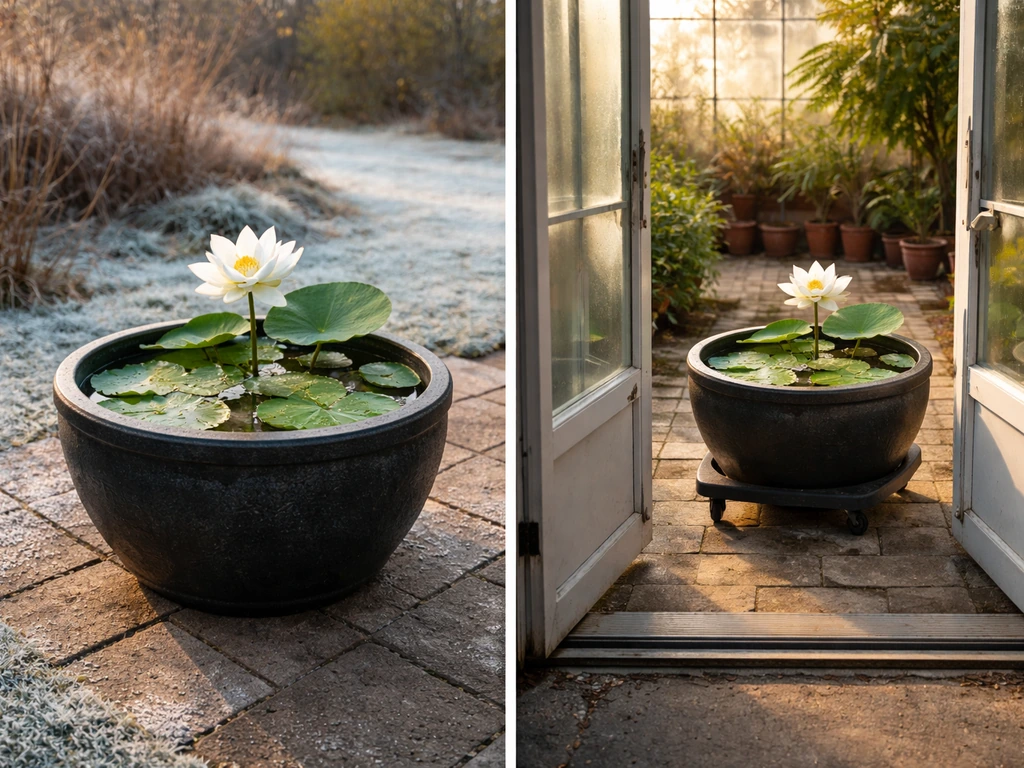
White lotus is a warm-climate plant at heart, but it's more cold-adaptable than people expect, especially the American lotus and hybrid cultivars. Nelumbo lutea is native to Minnesota, which tells you it can survive cold winters as long as the rhizomes don't freeze solid. In the ground or in a deep enough pond (where the water doesn't freeze to the bottom), American lotus rhizomes survive and re-emerge in spring. Sacred lotus and most white-flowered cultivars are less cold-hardy and need more attention in colder climates.
For outdoor growing, here's a practical breakdown by situation:
- Warm climates (USDA zones 8–11, or anywhere with long, hot summers and mild winters): both species can stay outdoors year-round in a pond or large container. Sacred lotus thrives here with minimal intervention.
- Temperate climates (zones 5–7): American lotus and cold-tolerant hybrids can overwinter outdoors if rhizomes stay below the freeze line. Keep containers in a pond deep enough not to freeze solid, or move them to a frost-free garage or shed.
- Cold climates (zones 4 and below): Container growing is your best option. The RHS recommends gradually reducing the water level in autumn, then removing the container and overwintering rhizomes in frost-free conditions, keeping them just moist — not waterlogged, not dried out.
- Indoor growing: The RHS describes growing Nelumbo nucifera in an indoor pool in full light under glass. This works but requires a very sunny conservatory or greenhouse with high light levels. A north-facing window won't cut it.
The key trigger for bringing plants back outside in spring is water temperature, not just air temperature. Wait until your pond or container water hits 75°F before reintroducing an actively growing plant. Putting it out too early into cold water stalls growth and risks rhizome rot.
If you're curious how white lotus compares to other lotus types in terms of range and growing conditions, the American lotus and blue lotus have quite different native distributions and climate needs, worth checking if you're deciding between species for your garden. Blue heart lilies have their own preferred habitat, so knowing where they naturally grow can help you mimic the right light and soil conditions where do blue heart lilies grow. If you're also wondering where does blue lotus grow, its native distribution is different from the American lotus and can change the climate you should target.
How to find white lotus near you: wild vs. cultivated
In the wild, Nelumbo lutea is the one you're most likely to spot in North America. Look for it in ponds, lake margins, and sluggish backwaters across the eastern and central US, from Minnesota south through the Gulf states and into Mexico. In many parts of the US, the American lotus (Nelumbo lutea) is the easiest type to find growing in ponds, lake margins, marshes, and slow streams. The flowers are creamy white to yellow, with large circular leaves that shed water dramatically. If you see what looks like a lotus growing in a natural wetland in North America, it's almost certainly Nelumbo lutea rather than a sacred lotus, which is mostly cultivated here.
Sacred lotus (Nelumbo nucifera), including white-flowered cultivars, is introduced in many places outside its native range through water gardening. The USFWS notes it spreads via horticulture, so what looks like a wild population in a US pond may well have started as a garden escapee. This matters when you're trying to verify what you're looking at.
To find white lotus to observe or purchase, here are your most practical options:
- Botanical garden water features: Public gardens like the Chicago Botanic Garden actively grow and label lotus cultivars including named white varieties. Visiting in summer (peak bloom is typically July through August) is the best way to see confirmed cultivars in person.
- Aquatic nurseries and water garden specialists: These are your best source for purchasing rhizomes or container-grown plants. Look for cultivars specifically labeled as white-flowered Nelumbo nucifera selections, or ask about cold-tolerant hybrids if you're in a northern climate.
- iNaturalist: Searching the platform for Nelumbo nucifera or Nelumbo lutea with location filters shows you where other observers have photographed plants near you — useful for spotting both wild populations and ornamental plantings.
- University extension identification tools: Tools like Texas A&M's AquaPlant database help you confirm whether a plant you've spotted locally is actually a lotus versus a lookalike aquatic species.
- Local wetland surveys: Your state's DNR or conservation department often maintains records of native Nelumbo lutea populations. These are worth checking before you go searching, especially if you want to see wild American lotus rather than garden varieties.
One last practical note: if you're buying, make sure you know whether you're getting a species plant or a hybrid cultivar. Hybrids bred from Nelumbo lutea crosses can offer better cold tolerance, and named white cultivars like 'Sun on Snow' are specifically selected for flower color and performance in ornamental settings. Either way, get the rhizome into warm, sunny, shallow water as early in the warm season as possible, and your white lotus will do the rest.
FAQ
How can I tell which “white lotus” I’m actually buying?
“White lotus” in garden centers can mean Nelumbo nucifera, Nelumbo lutea, or hybrids. If you want the plant type that matches your climate, look for the exact Latin name or cultivar in the listing, because hybrids may handle cold better than sacred lotus but still need full sun.
What’s the most common depth mistake when starting lotus from a rhizome?
Lotus can be planted in the wrong container depth without obvious problems at first. If you keep rhizomes too deep early on, the leaves may stall for weeks, and the rhizome can rot in cool water. Start with shallow water (about 15 cm) until active growth, then increase gradually.
Can I grow white lotus directly in my pond bottom?
Yes, lotus can be grown in a natural pond, but you should not let it root directly into the bottom. Use a container or built-in pond basket, or you may lose control because established lotus spreads and is difficult to remove.
Why does store potting mix often fail for lotus containers?
Thin silt and muck are good in the wild, but in containers the equivalent is heavy, nutrient-holding substrate. Avoid lightweight potting mix because it floats, compacts poorly, and can foul water when organic material breaks down.
What should I do if my lotus is in the water but not growing yet?
Cold doesn’t just slow growth, it also changes how fast rhizomes use stored energy. If the water stays cool, you can get rot before you see leaves. A practical approach is to wait until the pond or container water reaches about 75°F (24°C) before placing a rhizome or putting plants back outside.
Why does my lotus stay leafy but never bloom?
If it has leaves but no flowers, the usual cause is insufficient light. Aim for full sun, roughly 6 hours of direct sun as a minimum guideline, because weak stems and poor flowering are classic signs of part shade.
Will white lotus come back after winter in my area?
American lotus and some hybrids are more tolerant of cold than sacred lotus, but survival still depends on whether rhizomes freeze solid. In colder climates, keep containers deeper or protect them so the water does not freeze to the bottom, since freezing can kill the rhizome.
Does the thermogenic nature of lotus flowers mean they handle cool weather better?
Thermal regulation (thermogenic blooms) helps the flower persist through cool early-summer nights, but it does not replace the plant’s need for warm-season growth. If your summers are short or cool, prioritize faster-starting stock and full-sun placement to give it time to establish.
How do I recover a lotus that seems to be rotting?
If you see brown, mushy tissue at the rhizome or the plant stalls right after planting, the likely cause is cool, oxygen-poor, or rapidly circulating water plus being too deep too soon. Fixes include moving to full sun, returning to shallow starting depth, and reducing strong jets or heavy circulation near the container.
How long should it take for white lotus to bloom in a container?
Lotus often takes multiple seasons to bloom, especially from seed. If you started with a small rhizome, expect faster results, but if you started from seed, it is common to wait about 2 to 3 years for reliable flowering under the right warmth and light conditions.
Next Articles
How Long Do Lotus Flowers Take to Grow
Get a clear timeline for lotus growth from seed or rhizome, plus tips to speed flowering indoors or outdoors.
Where Does Blue Lotus Grow and How to Grow It
Learn where blue lotus grows in nature and how to match its warm, sunny freshwater habitat with pond or container care.
Where Does the Lotus Flower Grow and How to Grow It
Discover where lotus grows naturally and how to set pond, mud, sunlight, and temperature for home blooms.