
If you plant a lotus rhizome (tuber) in spring under good conditions, you can expect your first blooms in roughly 60 to 90 days. That puts you somewhere between two and three months from planting to flowers, assuming you give it warm water, plenty of sun, and the right container setup. Growing from seed takes considerably longer: most lotus seedlings won't bloom until their second season. That's the short answer, but the real timeline depends heavily on a few variables you can actually control, so let me walk you through all of it.
How Long Do Lotus Flowers Take to Grow
Marcus Hendricks
21 Apr 2026
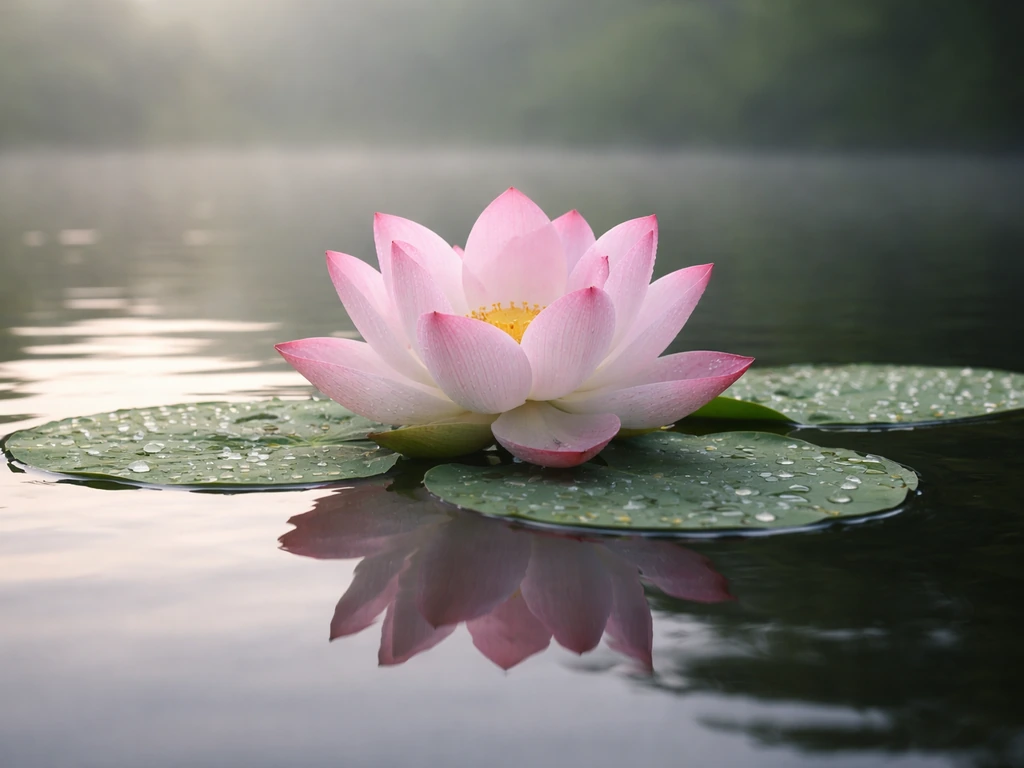
Quick answer: how long until your first lotus blooms
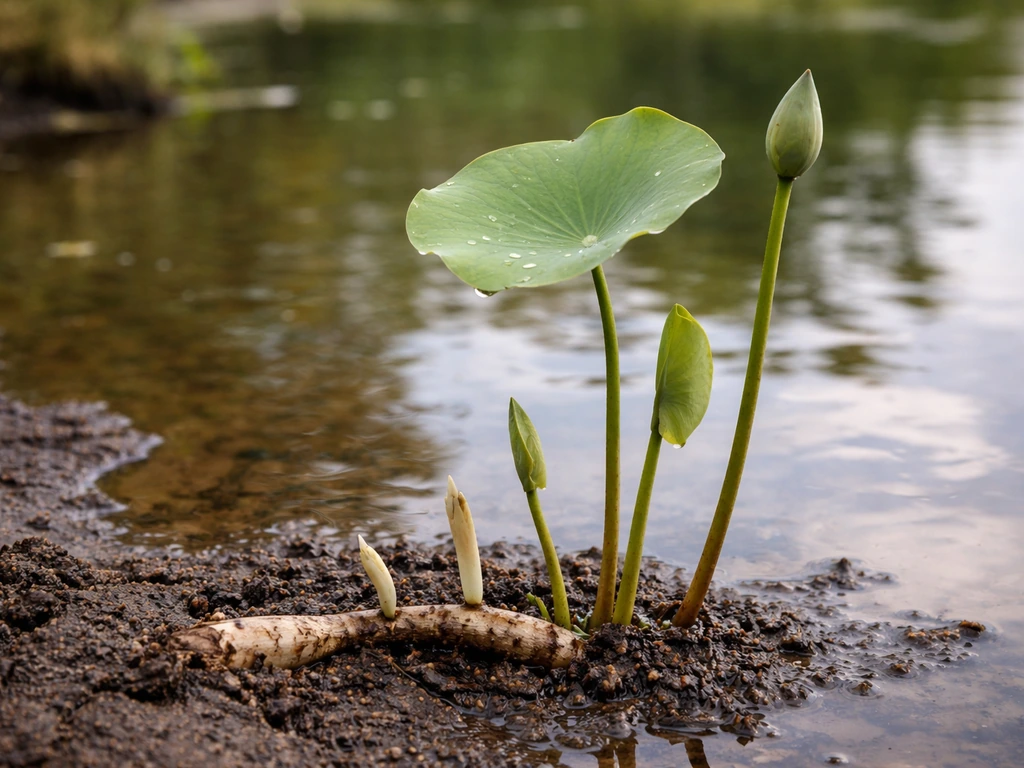
For rhizomes or tubers planted in spring, research puts the window at 45 to 90 days to first flowering, with 60 to 65 days being a common benchmark under natural outdoor conditions. A peer-reviewed study on early-flowering cultivars found some varieties hit first bloom around 62 to 70 days after planting, which lines up well with that 60-day estimate you'll see cited most often. For seeds, expect to wait through an entire growing season before seeing a single flower, and in many cases you won't get blooms until the plant's second year. If you're hoping for flowers this summer, planting a rhizome is the only reliable path.
Seeds vs. rhizomes: two very different timelines
This is the single biggest fork in the road when it comes to timing, so it's worth being direct about it. Planting a rhizome (sometimes called a tuber) that was produced the previous year gives you the best shot at blooms within a single season. The plant already has stored energy and an established root structure, so it can put that energy toward flowering rather than building itself from scratch. Growing lotus from seed, on the other hand, means the seedling spends most of its first season just getting established. Seedlings rarely bloom until the following season, which effectively means you're looking at a 12-plus-month wait if you start from seed today.
| Planting Type | Typical Time to First Bloom | Notes |
|---|---|---|
| Rhizome / tuber (previous year's growth) | 45–90 days (60–65 days typical) | Best approach for blooms within a single season |
| Seed | Often 12+ months (second season) | Seedlings rarely bloom in year one; requires full establishment first |
If you're already committed to seeds, that's fine, but go in knowing you're playing a long game. Scarify the hard seed coat (nick or sand it lightly) and keep the germination water warm. You'll get interesting foliage and a good root system building up this year. Just don't be discouraged when no flowers appear by fall.
What actually controls how fast lotus grows
Temperature is the biggest driver, and I can't stress this enough. Lotus wants warm conditions, not just room temperature. For vegetative growth and movement toward reproduction, the ideal range is roughly 84 to 90°F (29 to 32°C) during the day and 77 to 81°F (25 to 27°C) at night. Below those thresholds, the plant slows down noticeably. Rhizomes can't tolerate temperatures below about 41°F (5°C) without damage, so in cooler climates every cold snap is essentially hitting a pause button on your growth clock.
Sunlight is the second major factor. Lotus is a full-sun plant and means it seriously. You need at least 6 hours of direct sun daily, and more is better during the growing season. Blue heart lilies are grown in similar warm, sunny conditions and are typically found in temperate to subtropical regions where do blue heart lilies grow. If you are also comparing related aquatic plants, you may want to check where does blue lotus grow as a similar region and climate guide. Day length also matters: flowering tends to begin as days lengthen past around 13 hours, which happens naturally in late spring and early summer across most of the US. If your plant is sitting in part shade or getting interrupted sun from a fence or building, expect the bloom timeline to stretch out.
Water depth plays a subtler but real role. Lotus can technically grow in water up to 18 inches deep, but deeper water requires more energy from the plant. In spring and cool climates especially, keeping water shallow helps because shallow water warms up faster, giving the roots the heat signal they need to push growth. A good rule of thumb: start with just 2 to 4 inches of water over the soil surface during early establishment, then gradually increase to 6 to 12 inches as the plant takes off. Don't plunge a newly planted rhizome into 18 inches of cold water and wonder why nothing is happening.
The best home setup to hit that 60–90 day target
Container size and soil
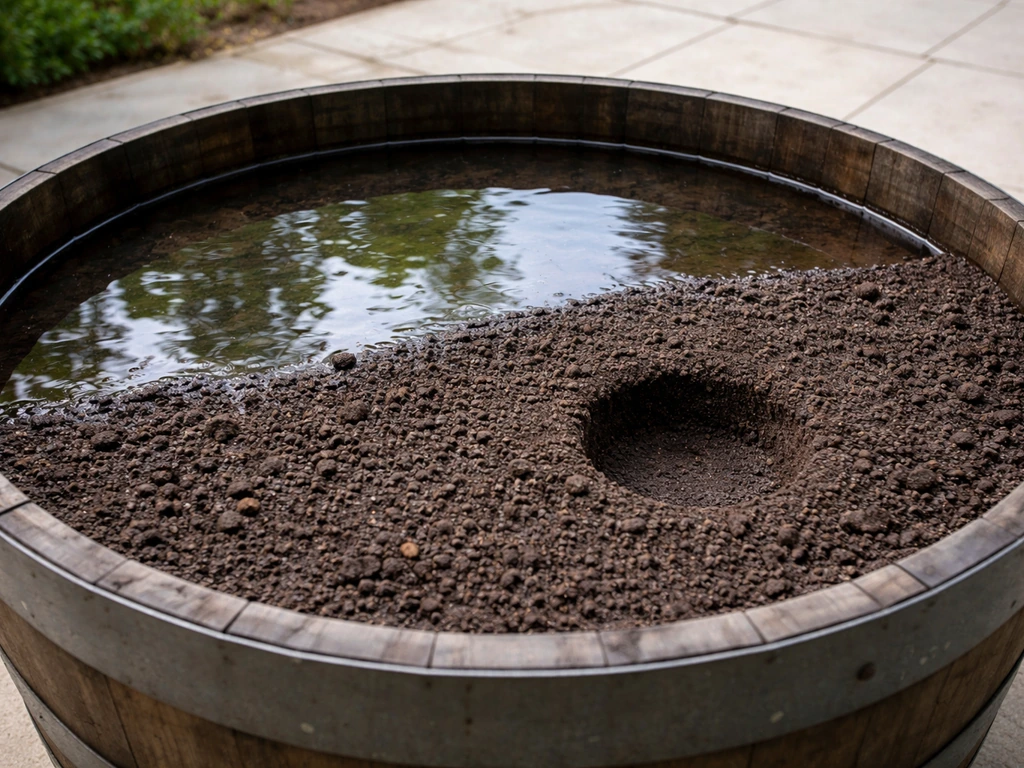
Lotus likes room to spread, and a cramped container will slow it down. A wide, shallow container (think large tub or half whiskey barrel style) works better than a tall, narrow one. Use heavy clay-based soil or a specialized aquatic planting mix, not regular potting soil, which floats. Plant the rhizome horizontally near the soil surface with the growing tip pointing upward and slightly exposed. Keep at least 2 to 4 inches of water over the soil at all times so the root zone stays submerged but the growing tip can reach the water surface quickly.
Water temperature and quality
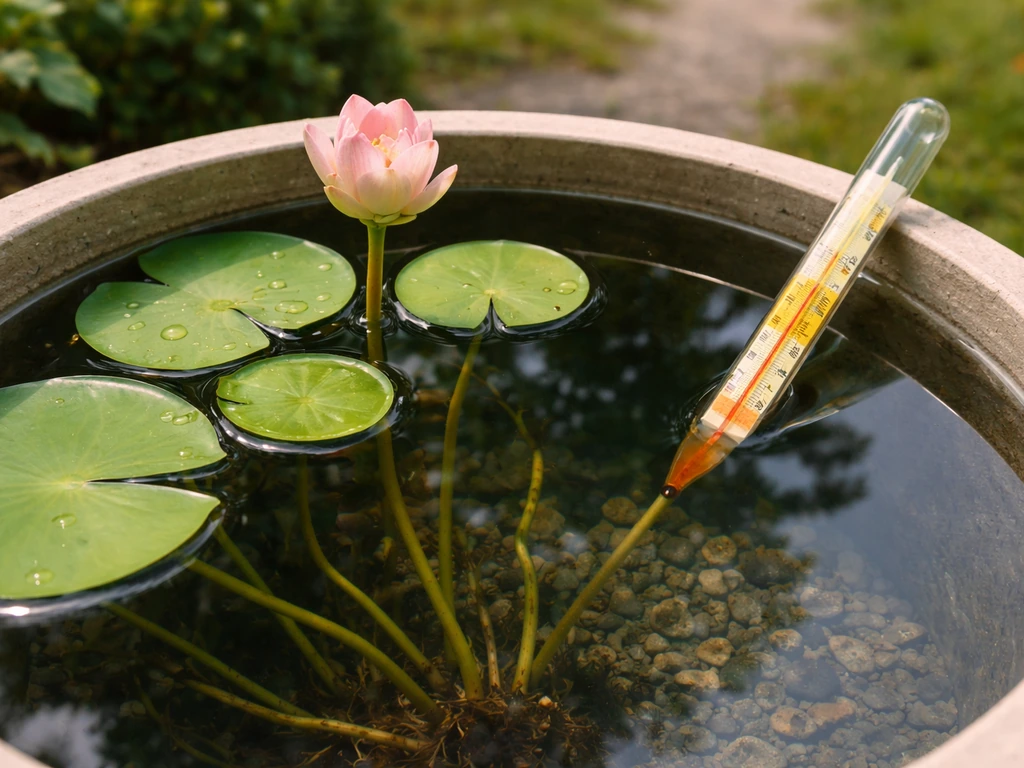
Still, warm water is what lotus wants. Avoid placing your container where it gets shaded or where cold water from a hose regularly drops the temperature. If you're starting early in the season indoors, a heating mat under the container can make a real difference in pushing early growth. Lewis Ginter Botanical Garden specifically recommends this approach: keep a potted tuber indoors on a heating mat in a sunny spot to get a head start before moving it outside for the main growing season.
Fertilizing the right way
Don't fertilize immediately after planting. Wait until you see at least two aerial leaves growing up out of the water before you introduce any fertilizer. Starting too early can burn a delicate new root system and actually set you back. Once the plant is clearly in active growth, use aquatic fertilizer tablets placed around the root mass at the bottom of the pot, not dropped in the water column. During active growth, fertilize every two weeks. As water temperatures climb above 72°F, that bi-weekly schedule becomes even more important for keeping continuous blooming going.
Troubleshooting: why your lotus is growing slowly
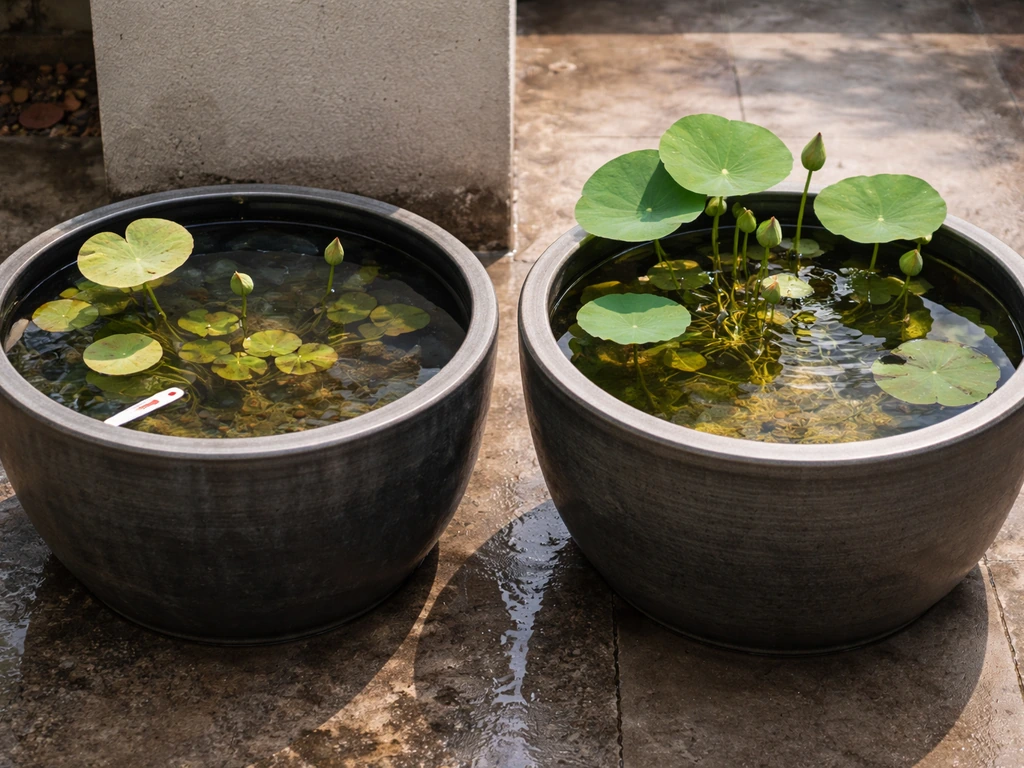
If you're past the 90-day mark with no signs of buds, run through this checklist before assuming something is permanently wrong.
- Water temperature too cold: If your water is consistently below 70°F, the plant is essentially idling. This is the most common culprit in cool-climate gardens and early-season plantings. Shallow water, a dark container, and a sunny south-facing spot all help raise temperature.
- Not enough sun: Are you actually hitting 6+ hours of direct sun? Partial shade extends the timeline significantly. Move the container if needed.
- Water too deep too soon: Starting in deep water robs the plant of the warmth it needs to establish. Pull back to 2 to 4 inches over the soil and let it build momentum first.
- Fertilized too early: If you fertilized before aerial leaves appeared, you may have stressed the roots. Stop fertilizing, change a portion of the water, and wait for visible leaf growth before resuming.
- Planted a seed instead of a rhizome: If so, you're simply in the long-game category. No troubleshooting needed, just patience through this season.
- Rhizome damage: Lotus rhizomes are fragile. A broken tip means a slower or failed start. If you damaged the growing tip during planting, the plant may need to push a secondary growth point, which adds weeks.
- Poor water circulation or stagnant conditions: Still water in a small, hot container can get oxygen-depleted. A small pump or partial water changes every week or two help keep things healthy.
One thing I've learned the hard way: if you're in a cooler zone and your outdoor water temperature just isn't getting warm enough consistently, no amount of fertilizer fixes that. Temperature is the throttle. Everything else is secondary.
Indoor vs. outdoor lotus: what to expect depending on your climate
Sacred lotus (Nelumbo nucifera) is rated for USDA hardiness zones 5 through 10, which covers most of the continental US. But hardiness just means the rhizome can survive winter in that zone; it says nothing about how much warm growing season you actually have to work with. If you're in zone 5 or 6, you might have only 3 to 4 months of water temperatures warm enough to push lotus toward bloom. That makes the 60 to 90 day window tight but achievable if you start the rhizome indoors on a heating mat in late March or early April and move it outside once water temperatures stabilize above 65°F.
In zones 8 through 10, you have a much longer warm season and lotus will often bloom reliably by midsummer with minimal intervention. Growers in Florida or the Gulf Coast can even push for multiple bloom cycles in a single season with consistent fertilizing. The further north you are, the more the indoor head-start strategy matters, and the more realistic you need to be about bloom timing potentially slipping toward the tail end of summer.
Fully indoor lotus is possible but genuinely challenging. The plant needs very high light intensity, warm water, and space that most indoor setups can't provide long-term. A sunny south-facing window plus a heating mat can work as a temporary staging area, but for sustained bloom production you really want this plant outside in full sun during the warmest months. If you're curious about where lotus grows naturally and which regional climates suit it best, that's worth exploring separately, as the native range of different lotus varieties tells you a lot about what they want from their environment. Lotus grows best in warm, sunny regions with still or slow-moving water, so knowing the climates it naturally prefers helps answer where it grows where lotus grows naturally. If you are trying to figure out where lotus flowers grow in the US, start by looking at the plant's natural native range and the climates it prefers where lotus grows naturally. It helps to know the regional native range, including where white lotus grow in the wild where lotus grows naturally. If you want the quick geography answer, look at where lotus grows naturally across regions and climates where does the lotus flower grow.
Quick checklist: are you on track?
Use this as a quick gut-check before you start worrying about why nothing is happening yet.
- Planted a rhizome (not a seed) from the previous year's growth
- Rhizome placed horizontally near soil surface with tip pointing up and slightly exposed
- Water is 2 to 4 inches above the soil surface during early establishment
- Container receives at least 6 hours of direct sunlight daily
- Water temperature is consistently at or above 70°F (ideally 84–90°F during the day)
- Waited for two aerial leaves before starting fertilizer
- Using aquatic fertilizer tablets placed near the root mass, not floating in the water column
- Fertilizing every two weeks once actively growing and water is above 72°F
- Not in a zone or season where cold snaps regularly drop water temperature below 50°F
If you can check off most of those, you're set up for blooms within that 60 to 90 day window. If several are missing, prioritize temperature and sunlight first. Those two alone account for most slow-growth complaints I've seen from home gardeners, and fixing them costs nothing.
FAQ
If I start my lotus indoors, does that make it bloom faster outside?
Yes, but it changes the expectation. If you start a rhizome indoors on a heating mat early (late winter or early spring), you may shorten the time from “outdoor planting to bloom,” but you still typically need warm, stable water and long enough day length for buds to actually form.
Can my pot or container size slow down how long lotus flowers take to grow?
Pot size mainly affects how quickly growth accelerates, not the fundamental day-to-day timeline. A cramped container can delay leaf expansion and make flowering later even if temperature and sun are right, so prioritize a wide tub with enough room for the rhizome to expand horizontally rather than a deep pot.
What should I check first if my lotus is past the 90-day mark but looks healthy?
Cold water interruptions can cost you more time than a lack of fertilizer. If you notice bud delay after a few cool weeks, check your water temperature consistency (for example, overnight drops or cold hose top-ups) because lotus slows noticeably below its warm thresholds even when days are sunny.
Does USDA zone tell me how long lotus flowers will take to bloom in my yard?
It can, especially if you plan to keep it outdoors year-round. Lotus can survive winter in USDA zones 5 to 10, but in the colder part of that range you may not have enough warm months for flowering reliably, so many gardeners in zone 5 and 6 treat bloom as a timing problem and use an indoor head start.
Should I keep fertilizing if my lotus already started making leaves but no buds yet?
For rhizomes, avoid fertilizing until you see at least two aerial leaves, then feed on the bottom around the root mass. Once buds appear, keep fertilizer consistent during active growth, but stop regular feeding as the plant slows down, otherwise you can weaken roots late in the season.
Will deeper water make it take longer for lotus flowers to appear?
Yes. Lotus can tolerate some depth, but deeper water takes more energy, especially early. If you keep water too deep during establishment, you may get leaves but slower flowering, so start shallow (about 2 to 4 inches over the soil) and increase as growth picks up.
How does rhizome placement affect bloom timing?
Not usually. If the growing tip is buried too deeply or not positioned correctly (tip facing upward), the plant may spend extra time reorienting or delay emergence, which pushes the bloom window later. Place the rhizome horizontally near the soil surface with the growing tip slightly exposed.
Why does my seed-grown lotus take so long compared with what I hear about rhizomes?
It depends on the plant type. Seed-grown lotus often shows foliage in the first season but commonly delays flowering until the next year, so expecting a first flower on a similar schedule to rhizomes is one of the most common reasons people feel “something is wrong.”
Can partial shade change how long lotus takes to flower?
If the plant is repeatedly getting less than full sun, the timeline stretches. Lotus generally needs at least 6 hours of direct sun daily, and interruptions (shade from a fence, trees, or moving shadows) can delay buds even if temperatures look ideal.
Next Articles
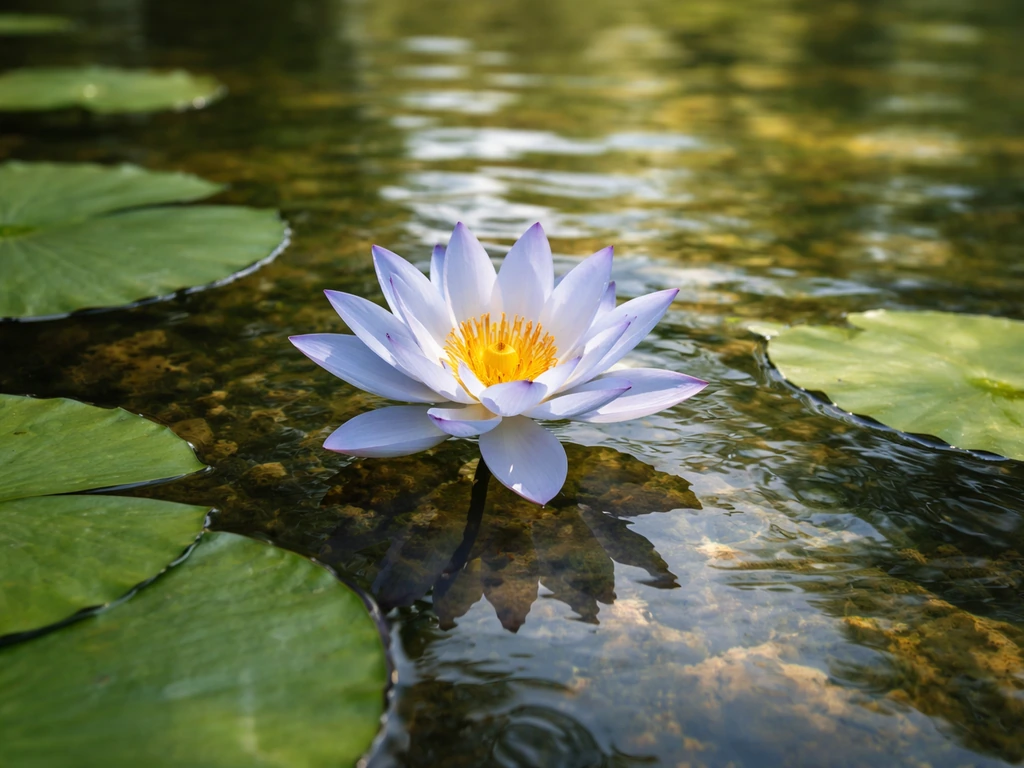
Where Does Blue Lotus Grow and How to Grow It
Learn where blue lotus grows in nature and how to match its warm, sunny freshwater habitat with pond or container care.
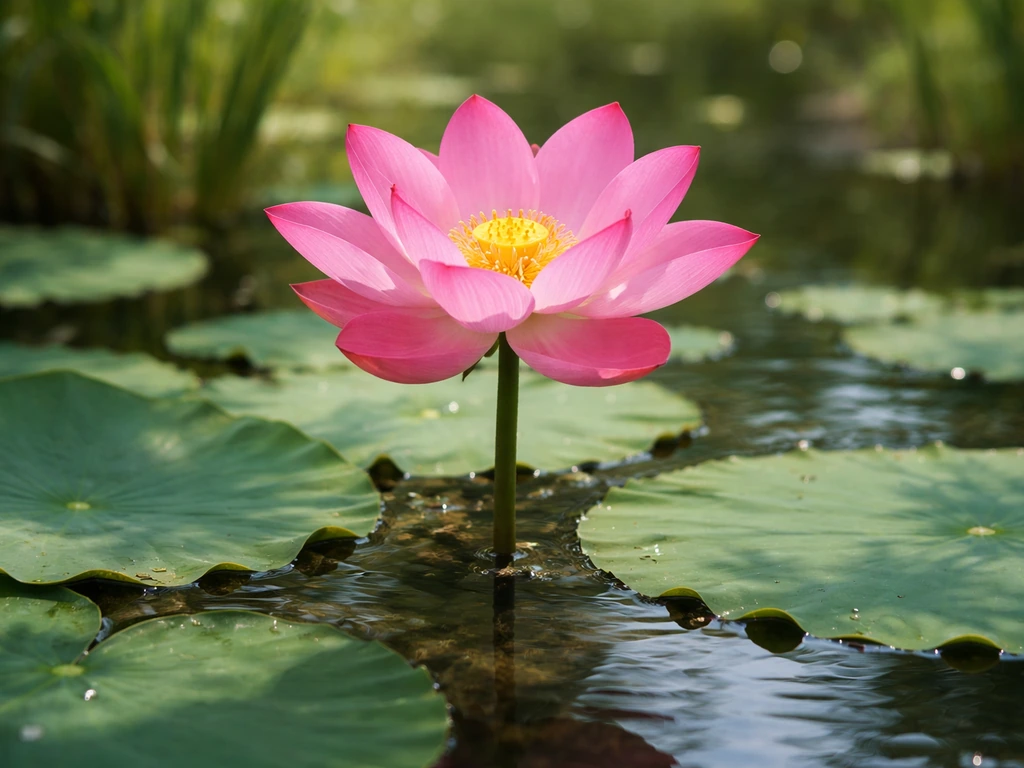
Where Does the Lotus Flower Grow and How to Grow It
Discover where lotus grows naturally and how to set pond, mud, sunlight, and temperature for home blooms.
Can Calla Lilies Grow in Ponds? How to Set Up Successfully
Yes, with the right setup: water depth, substrate, anchoring, light, and overwinter care for pond or marginal calla lili