
Lotus pods grow on lotus plants (Nelumbo nucifera and related species) rooted in the muddy, shallow beds of ponds, lakes, slow-moving rivers, marshes, and wetlands across warm-temperate to tropical climates. In the wild, that means places like the rice paddies and shallow lakes of Asia and northern Australia.
Where Do Lotus Pods Grow? Habitat and Planting Guide
Marcus Hendricks
21 May 2026
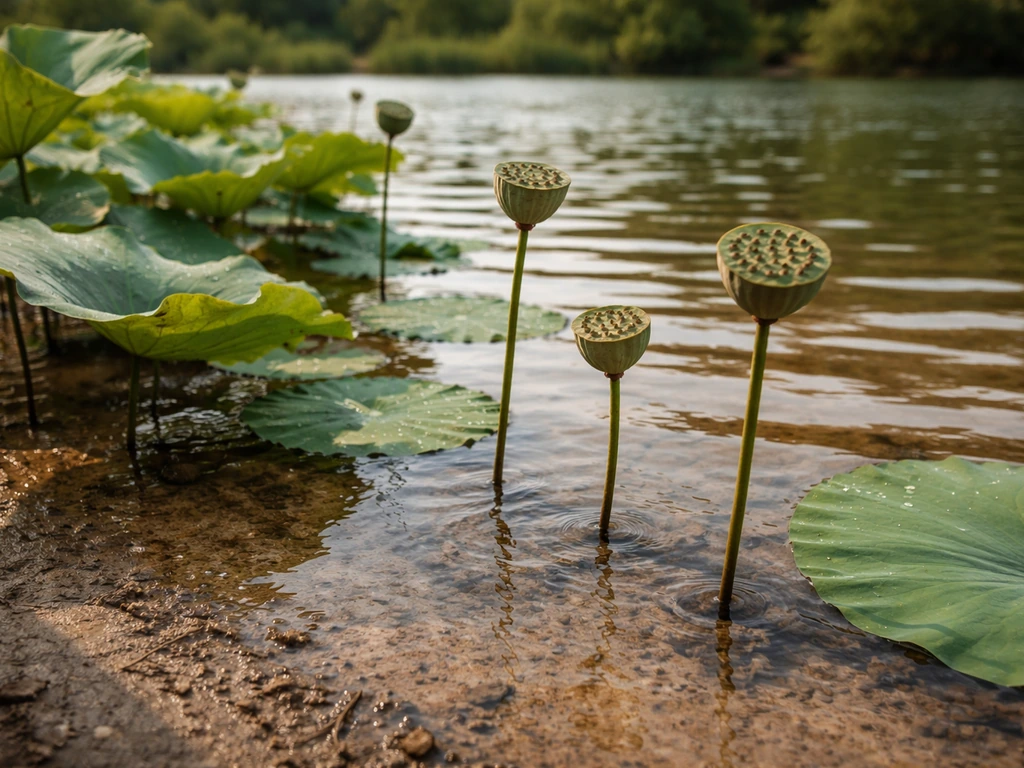
In cultivated settings, you'll find them in backyard ponds, container water gardens, and public aquatic gardens anywhere the plant gets full sun, warm water above 75°F (24°C), and a proper muddy or clay-rich growing substrate. Blue heart lilies grow best in warm, sunny freshwater habitats with consistently wet, muddy or clay-rich substrate backyard ponds, container water gardens, and public aquatic gardens. No mud, no real warmth, no full sun? No pods.
Where lotus plants naturally call home
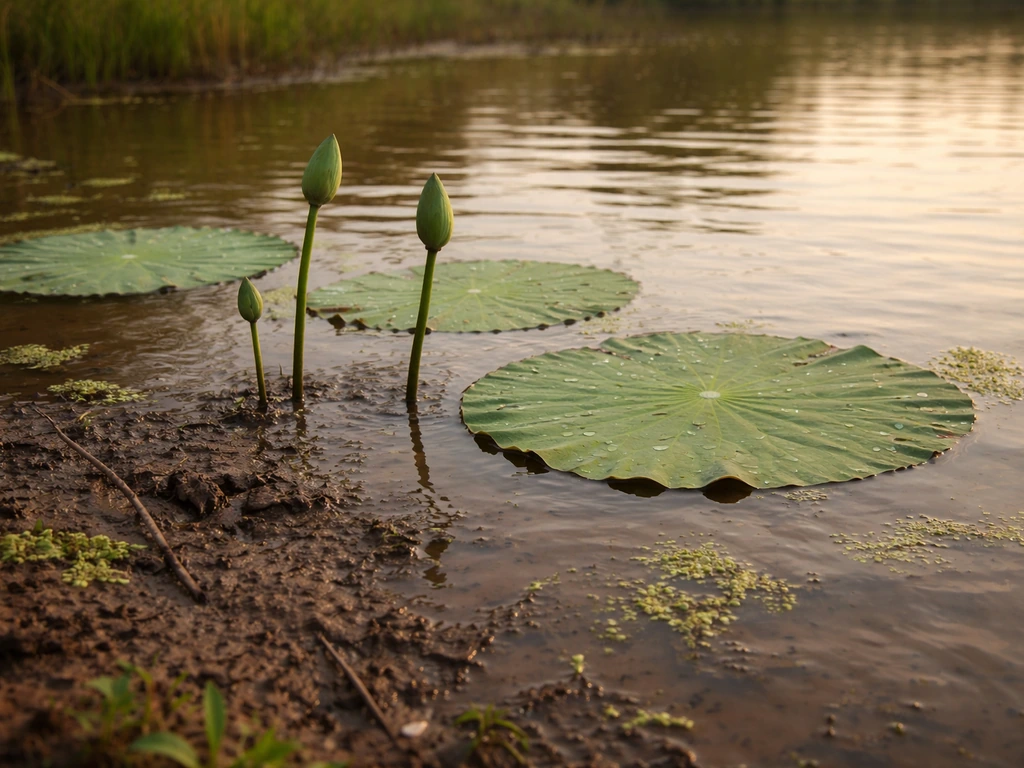
In the wild, sacred lotus (Nelumbo nucifera) is a plant of still or very slow-moving freshwater. Its classic habitat is shallow ponds, floodplain lakes, lagoons, marshes, swamps, and the backwaters of reservoirs where the water is calm and the bottom is soft and muddy. It's also found along the edges of slow rivers and in freshwater tidal areas. The key feature across all these spots is a muddy substrate that the plant can anchor its rhizomes into, combined with water that doesn't move fast enough to uproot it.
The plant's stalks and large circular leaves rise from that muddy soil and ascend through still water, which is why you'll never find lotus in a fast-running creek. Missouri Botanical Garden describes it perfectly: stalks and leaves ascending from muddy soil in still waters. The distinctive seed pods, which form right in the center of the flower and harden into that iconic watering-can-head shape, are the result of successful flowering in exactly these conditions.
Geographic range and climate conditions
Nelumbo nucifera has one of the broadest native ranges of any aquatic plant. It's native across a huge swath of Asia: India, China, Japan, Korea, Myanmar, Nepal, parts of Southeast Asia, and even into northern Australia. Its range extends into Eastern Europe and Western Asia in places like Ukraine and the Caucasus region, and into the Russian Far East. It has also naturalized in parts of Europe and North America, where populations sometimes establish themselves well beyond their original planting sites.
For gardeners, the practical climate frame is USDA hardiness zones 5 through 10. That's a wide range, but there's a catch: surviving winter and actually blooming and setting pods are two different things. In zones 5 and 6, the rhizomes can survive if protected, but the growing season may be too short or too cool to reliably produce flowers and mature pods. The sweet spot for pod production is zones 7 through 10, where the warm season is long enough for the plant to flower and allow the seed pod to fully develop and dry out before cold returns.
Water depth, soil type, and growing substrate
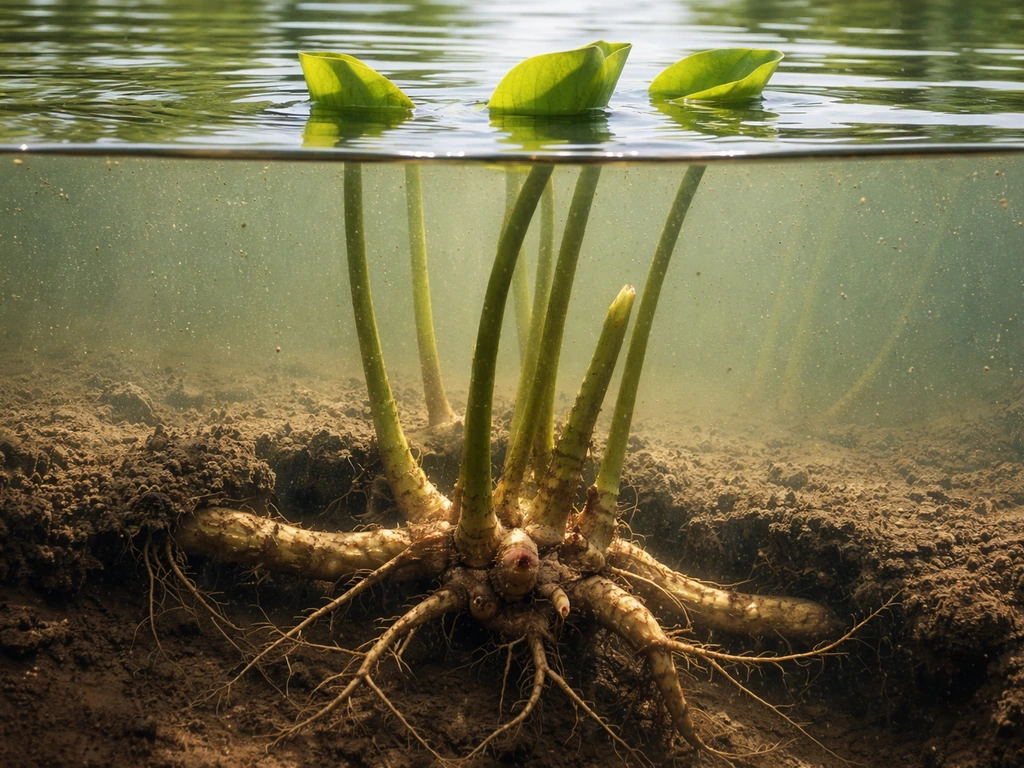
Depth matters more than most people realize. In natural habitats, lotus grows in water roughly 30 cm to 1 meter deep (about 1 to 3 feet). For home ponds and containers, the guidance narrows considerably. New plantings prefer shallow water, about 5 to 15 cm (2 to 6 inches) over the soil, because shallow water warms up faster and encourages establishment. Once the plant is established and actively growing, you can increase depth to around 30 to 45 cm (12 to 18 inches) over the soil.
The soil situation is where a lot of gardeners go wrong. Lotus does not want rich, organic potting mix. In fact, highly organic soil can cause the rhizomes to rot. What it actually wants is a heavy, clay-based substrate, something close to what it grows in naturally: muddy lake bottoms.
A practical home mix is one part loam, one part leaf mold or well-aged compost, and one part clay soil. If you're container growing, aim for about 3 to 5 inches of this mix in the bottom of the pot, and keep the soil fully submerged at all times, with at least 2 to 4 inches of water sitting over the top of the soil. That 'soil always under water' principle is non-negotiable.
For containers specifically, a wide, shallow vessel works best: around 2 feet across and 7 to 10 inches deep. Lotus spreads laterally through its rhizomes, so width matters more than depth. The shallow design also helps the water warm up in spring, which kicks off growth earlier.
Sunlight, temperature, and seasonal timing
Lotus is a full-sun plant, no exceptions. You need at least 6 hours of direct sunlight daily, and more is better. Partial shade will keep the plant alive but will almost certainly prevent it from flowering, which means no pods. In my experience, spots that seem sunny in spring get more shade than you'd expect once surrounding trees leaf out, so scout your location carefully before committing.
Temperature is equally critical. Lotus needs blank" rel="noopener noreferrer">water temperatures above 24°C (75°F) to grow vigorously and flower. Below that threshold, it just sits there. Blooms typically appear in summer, with the lotus flower opening in the morning and closing in the afternoon over roughly a five-day period. After the petals drop, the seed pod begins forming in the center of what was the flower. At Kenilworth Aquatic Gardens in Washington D.C., for example, blank" rel="noopener noreferrer">lotus flowers run from June through mid-September. The pods follow the blooms, so plan on pods developing through late summer and into fall.
In cooler climates, the timing crunch is real. If the plant doesn't bloom until August because it took most of the summer to warm up, the pods may not have enough time to fully mature and dry before cold weather shuts everything down. This is one of the main reasons gardeners in zones 5 and 6 struggle to get pods even when they get flowers.
Where to find lotus pods today: wild vs. cultivated
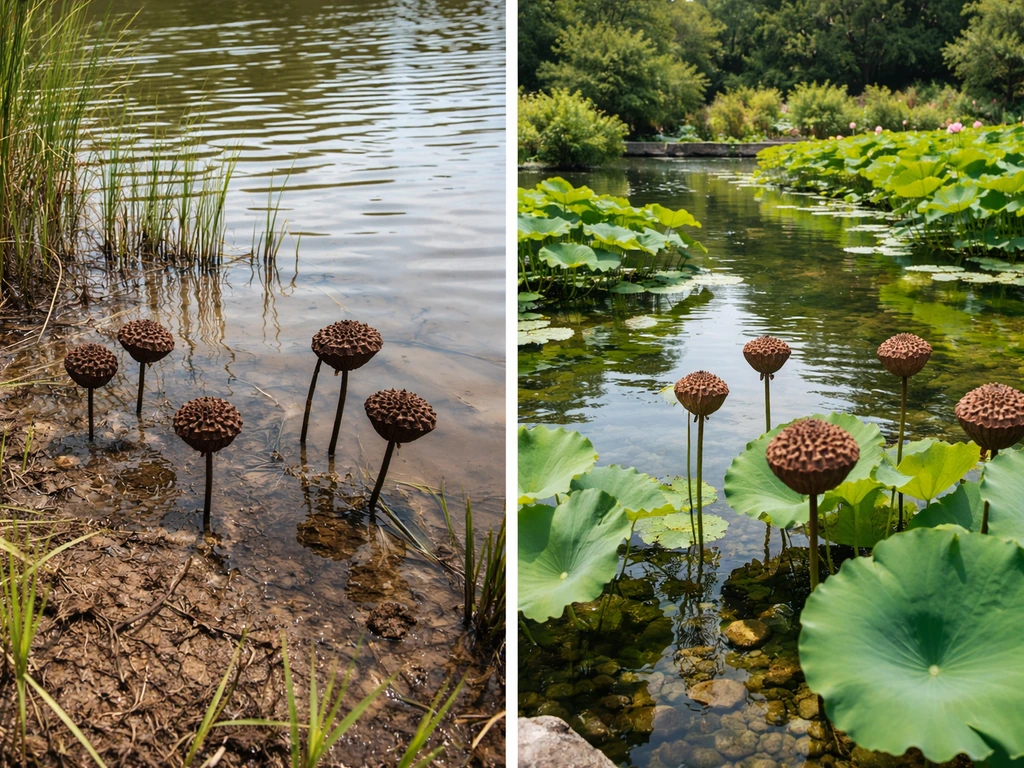
In the wild, your best bet for spotting lotus pods in North America is along the edges of warm, shallow lakes, marshes, and slow rivers in the southeastern and south-central United States, or at naturalized sites in other warm regions. You can often find lotus in the warm southern and southeastern U. S. , especially along slow, shallow waterways warm, shallow lakes, marshes, and slow rivers in the southeastern and south-central United States.
Lotus has established naturalized populations well outside its original native range: there's a documented population at South Colwell Pond in New York's Lakeview Wildlife Management Area, for instance, showing how far it can spread. In Asia, you'd find pods in abundance across wetlands, temple ponds, and agricultural water features from India to Japan.
For cultivated pods, public botanical gardens with aquatic collections are your most reliable viewing option. Kenilworth Aquatic Gardens in Washington D.C. is one of the most famous examples in the U.S., with lotus ponds producing flowers and pods through summer and into fall. Many state botanical gardens and arboretums with water garden sections also display lotus. If you just want to see what the pods look like without growing your own, that's where I'd start.
Growing lotus for pods at home
If you want pods in your own yard or on your patio, here's the honest checklist. Get all of these right and you will very likely get pods. Miss any one of them and you probably won't.
- Choose the right location: full sun, minimum 6 hours daily, all summer long.
- Use a wide, shallow container (roughly 2 feet across, 7 to 10 inches deep) or a dedicated pond with still water.
- Fill the container with 3 to 5 inches of a clay-heavy soil mix: loam, aged compost, and clay soil in roughly equal parts. Avoid standard potting mix.
- Plant tubers or rhizomes into the soil and cover with 2 to 4 inches of water over the soil surface immediately. Keep the soil underwater at all times.
- As the plant establishes, you can gradually increase water depth to 12 to 18 inches over the soil.
- Make sure water temperatures reach and stay above 75°F (24°C) during the growing season.
- Do not remove spent flowers. The seed pod develops from the center of the flower after the petals fall. Deadheading kills your chance at pods.
- In zones 5 and 6, overwinter rhizomes indoors or in a protected frost-free spot to preserve them for next season.
One thing I'd add from hard experience: lotus is slow to establish in year one. Don't panic if you get minimal flowering the first season. Year two is usually when plants really hit their stride and start producing pods reliably. Patience matters here more than with almost any other aquatic plant.
Container vs. in-ground pond: a quick comparison
| Feature | Container Growing | In-Ground Pond |
|---|---|---|
| Best for | Patios, small spaces, zone 5-6 gardeners who need to overwinter | Zones 7-10, established water gardens |
| Water control | Easy to manage depth and temperature | Harder to control, but mimics natural habitat more closely |
| Pod production | Very possible with proper setup | Excellent when conditions match |
| Winter care | Bring container indoors or to frost-free garage | Mulch or allow to go dormant in zone 7+ |
| Soil management | You control the mix completely | Natural muck can work but may need amendment |
For most home gardeners, containers are the smarter starting point. You control the soil, the depth, and you can move the plant if your sun situation isn't ideal. Once you know the plant well and have a permanent pond spot that ticks all the boxes, transplanting to an in-ground setup makes sense.
Why you might not be finding pods (common mistakes and misconceptions)
This is probably the most useful section if you already have a lotus plant and it's not producing pods. Here are the real culprits.
- You're growing a water lily, not a lotus. This is more common than you'd think. Water lilies and lotus both grow in ponds and both have beautiful flowers, but they're completely different plants. Water lily flowers sit on or just above the water surface, and their leaves float flat. Lotus leaves are large, circular, and peltate (the stem connects to the center of the leaf, not the edge), and they rise well above the water on tall stalks. Water lilies do not produce lotus seed pods, period. If you're looking for that iconic wavy seed pod and only have water lilies, you won't find it.
- Not enough sun. This is the most common issue. Six hours is the minimum; eight or more is better. A spot that gets afternoon shade is usually not enough for reliable blooming and pod set.
- Water is too cold. If your pond or container water doesn't consistently reach 75°F (24°C) in summer, the plant won't flower vigorously. This is especially common in cool or cloudy summers in the northern parts of zones 5 through 7.
- You removed the spent flowers. The seed pod forms directly from the center of the flower after the petals drop. If you're tidying up the pond and pulling off old blooms, you're removing the pods before they can develop. Leave them alone.
- The plant is in its first year. Year-one lotus plants often produce few or no flowers, especially if they went in late or grew slowly. The rhizome needs to establish before it has the energy to bloom and pod reliably.
- Water depth is wrong. Too deep and the plant struggles to warm up and establish. Too shallow in an exposed, sunny spot can also stress the plant in summer heat. The sweet spot for established plants is 12 to 18 inches of water over the soil.
- Wrong soil. Highly organic or fertilizer-rich potting mix can cause rhizome rot and poor growth. Stick with the clay-heavy mix described above.
- The season ended too early. In short-season climates, even if the plant blooms, pods may not fully develop and dry out before autumn cold sets in. This is a climate limitation, not something you can easily fix without moving to a warmer zone or using season-extension strategies like growing in a container that can be placed in a sunroom or greenhouse in early spring.
It's also worth knowing that if you're exploring the broader lotus family, different varieties and related species (including some used in the blue lotus and white lotus traditions) may have slightly different growth habits and climate preferences. If you're wondering where do white lotus grow, start by looking at the same warm, full-sun freshwater conditions where Nelumbo nucifera thrives white lotus traditions. So, where does blue lotus grow, and what conditions does it need compared with the more common sacred lotus? The seed pods of Nelumbo nucifera are the most widely recognized, but understanding which lotus you're actually growing is the first step to knowing what to expect from it.
FAQ
Can lotus pods grow in a fast-moving stream if the water is warm enough?
Usually no. Lotus needs still or very slow water so it can anchor rhizomes in soft mud. Even if the temperature is right, moving current can loosen plants, expose rhizomes, and prevent stable flowering. Choose a pond, marshy edge, or very calm backwater instead.
Do lotus pods require pollinators, or will pods form automatically after flowering?
In many gardens, pods do form after flowering as long as the plant reaches full warmth and you keep conditions stable. However, a lack of insect activity can reduce successful pollination in some settings, especially isolated containers. If your plants flower but never set pods, try positioning near other flowering aquatic plants or ensure the site isn’t too isolated.
How deep should the water be when the lotus is small versus established?
For new plantings, keep shallow water so the plant warms and settles, about 2 to 6 inches over the soil. Once it is actively growing, you can increase to roughly 12 to 18 inches over the soil. If you start too deep, growth often stalls and pods rarely follow.
What’s the most common soil mistake that stops lotus pods?
Using rich, highly organic potting mix. Too much organic material can trigger rhizome rot. Use a heavy, clay-based muddy substrate (for example, a loam plus leaf mold plus clay balance), and keep the soil fully submerged at all times.
If my lotus makes flowers but no pods, what should I check first?
Sun and temperature are the first suspects. Confirm you have at least 6 hours of direct sun, then check that water stays above 75°F (24°C) long enough for pods to mature. Next, ensure the substrate is clay-heavy and not staying exposed or drying at the top.
Why might my lotus flower late in the season and still fail to produce pods?
Late flowering often means the pods do not have enough warm time to develop and dry before cold arrives. This is especially common in cooler zones where the plant may survive winter but the season is too short for full pod maturity. If flowering starts after mid-summer, consider moving the container to the warmest, sunniest spot you can.
Can I grow lotus pods in a winter-free climate with no freezing, but still fail to get pods?
Yes. Avoid assuming that mild winter equals pod success. If summer water temperatures stay below the mid-70s F (around 24°C) or the plant gets partial shade, the plant may survive but won’t reliably flower and set pods. Pod production depends on the warm season, not only survival.
How can I tell whether my plant will produce the classic watering-can-shaped seed pods?
First confirm you’re growing Nelumbo (commonly sacred lotus). Different lotus types can have slightly different flowering and seed behavior, and some look-alikes are not true Nelumbo. If you can, verify the plant label, then expect pods only from Nelumbo nucifera or close relatives under warm full-sun conditions.
Next Articles
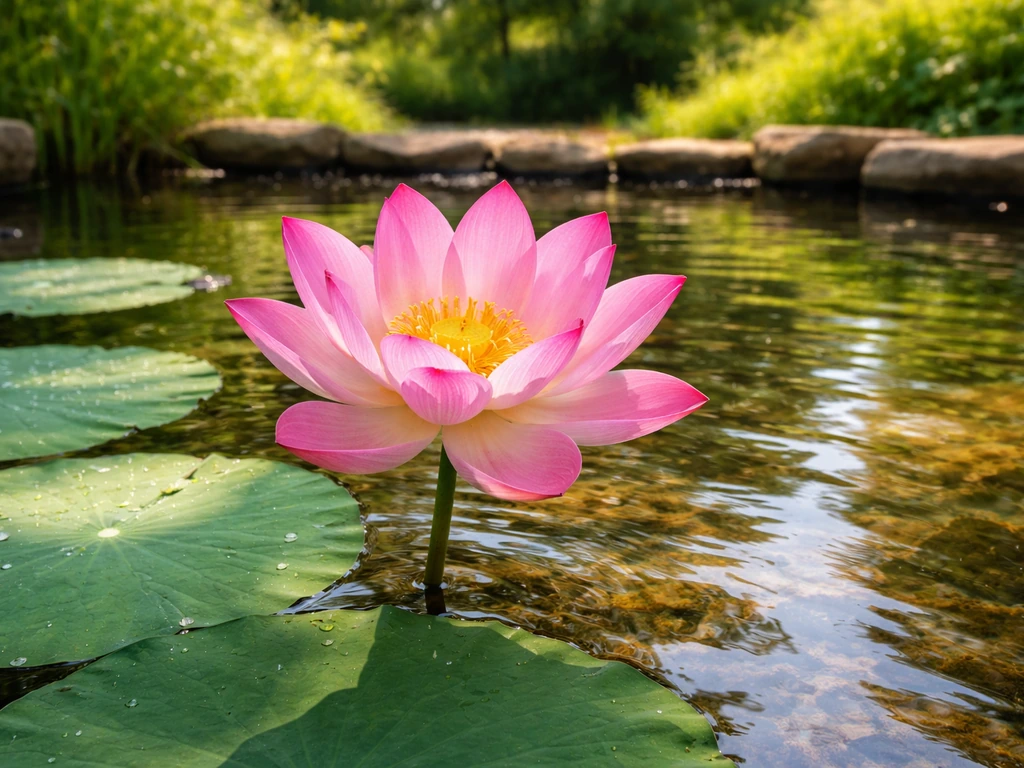
Where Do Lotus Flowers Grow in the US and How to Grow Them
Learn where lotus grows in the US and how to grow it at home with climate, pond setup, and winter care tips.
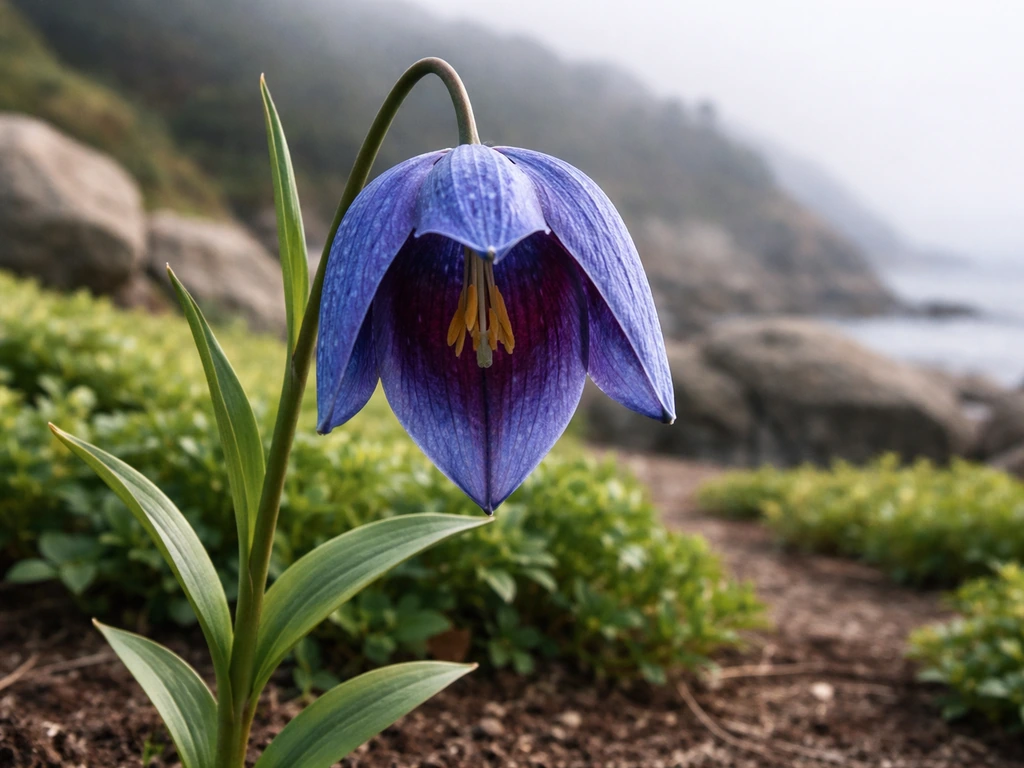
Where Do Blue Heart Lilies Grow? Habitat and Growing Tips
Find where blue heart lilies grow and how to replicate their native habitat with light, water, soil, and setup tips.
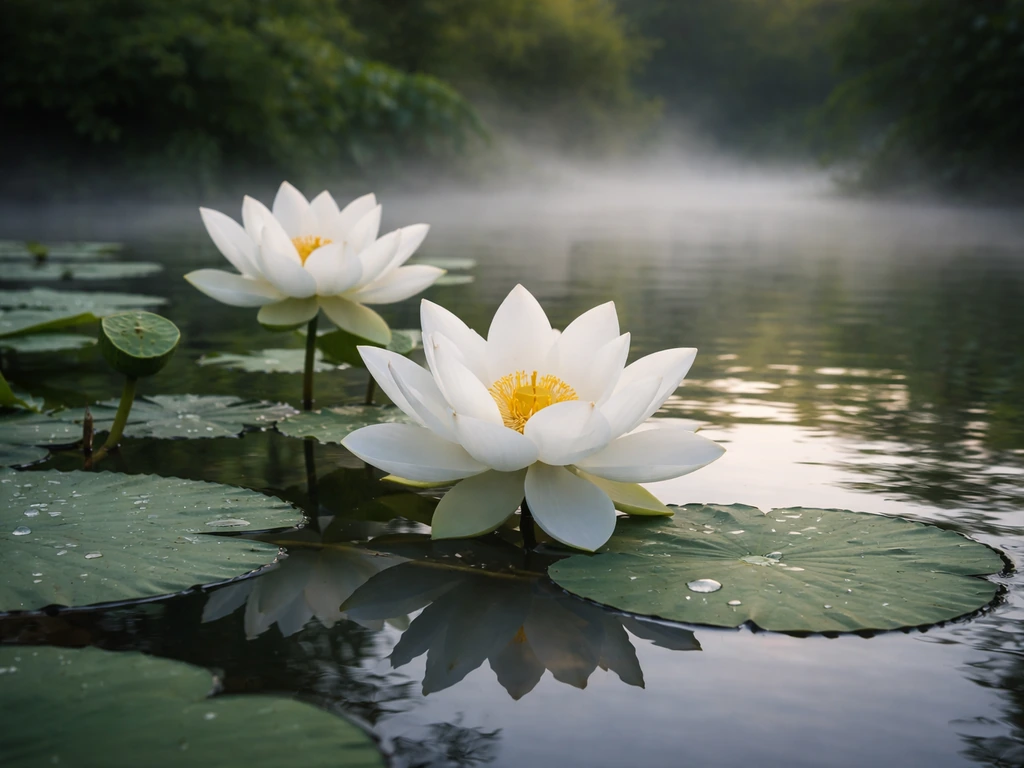
Where Do White Lotus Grow: Habitats and How to Grow Them
Find where white lotus grow naturally and learn how to replicate habitat conditions for thriving home pond cultivation.