
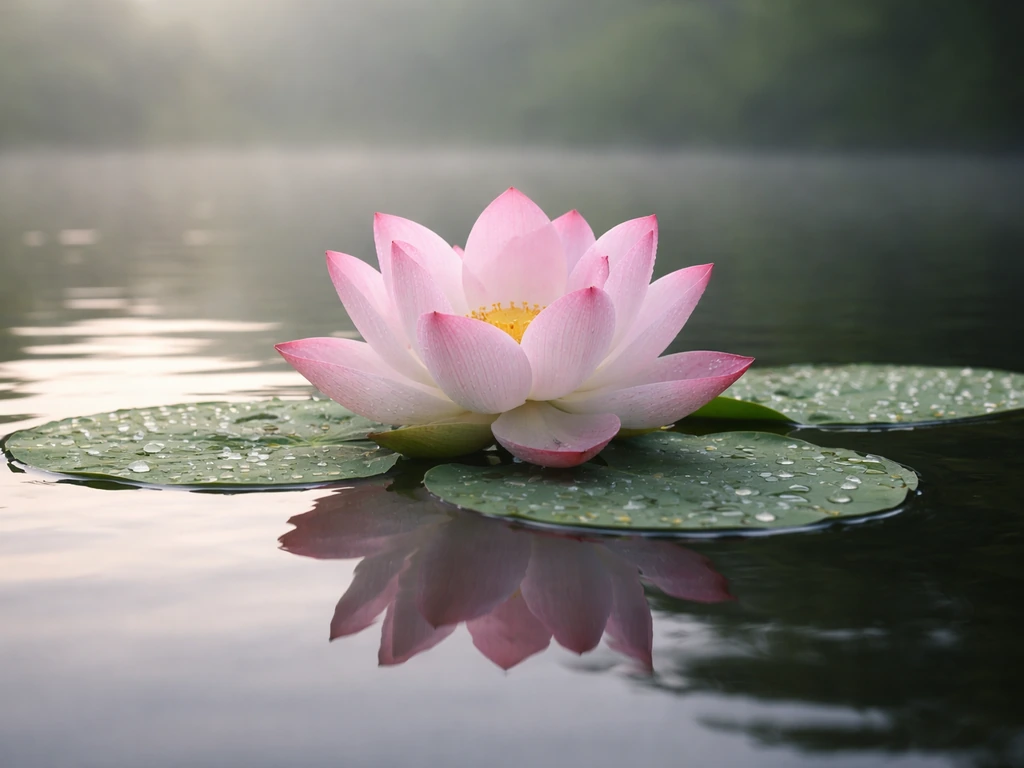
Lotus flowers grow naturally across a wide swath of the United States, from the Southeast all the way up through the Midwest and into the Northeast, and gardeners successfully grow them in every region of the country with the right setup. The native American yellow lotus (Nelumbo lutea) is the species you'll most often find in wild ponds, lakes, and wetlands from Florida to Texas and north to Wisconsin and Maine. The ornamental sacred lotus (Nelumbo nucifera) is the one with the big pink or white blooms you see in water gardens, and it's been escaping cultivation and naturalizing across the eastern half of the US for decades. Either way, if you have full sun, still or slow-moving water, and warm enough summers, you can grow lotus.
Where Do Lotus Flowers Grow in the US and How to Grow Them
Marcus Hendricks
14 May 2026
US native vs ornamental lotus: which one are you actually asking about?
There are two lotus species that matter in the US context, and they're worth distinguishing because they behave differently and suit different goals.
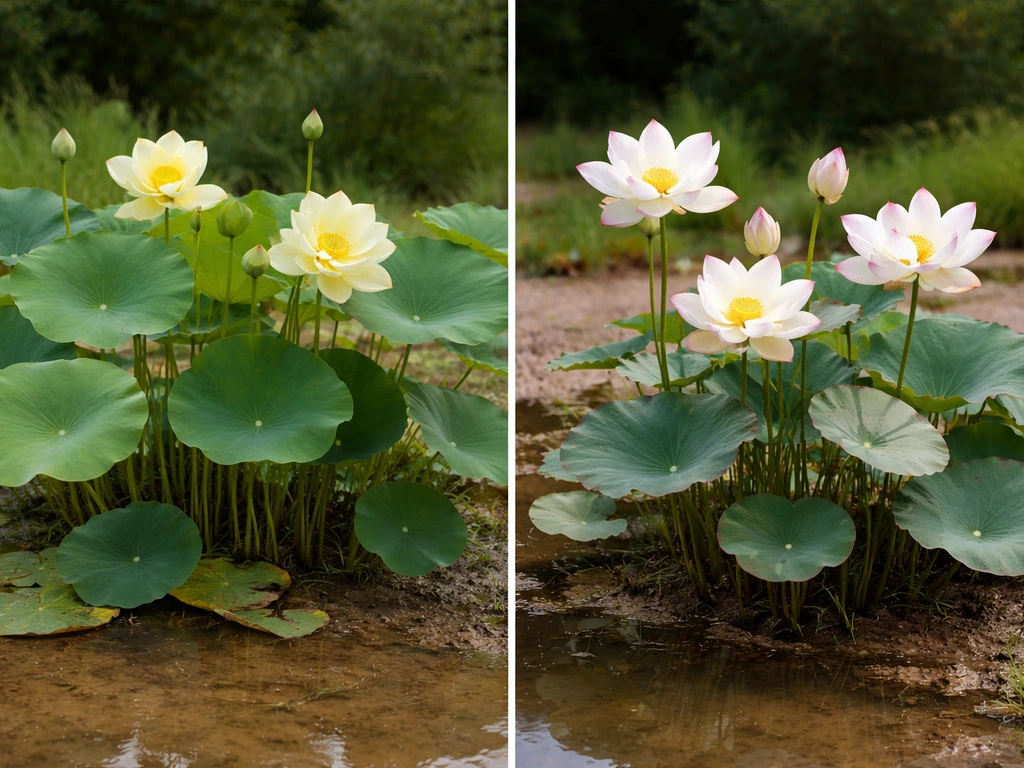
Nelumbo lutea, the American yellow lotus, is the only lotus truly native to the United States. It produces pale yellow flowers and grows wild in ponds, oxbow lakes, marshes, and slow streams from Florida to Texas and as far north as Ontario. It's remarkably cold-tolerant, handling USDA Zones 4 through 11 (some sources extend that to Zone 2), which means it can survive winters in the Midwest and Northeast as long as its rhizomes are anchored in mud below the ice line. If you've spotted lotus growing wild in a lake or wetland anywhere in the eastern or central US, it's probably this species.
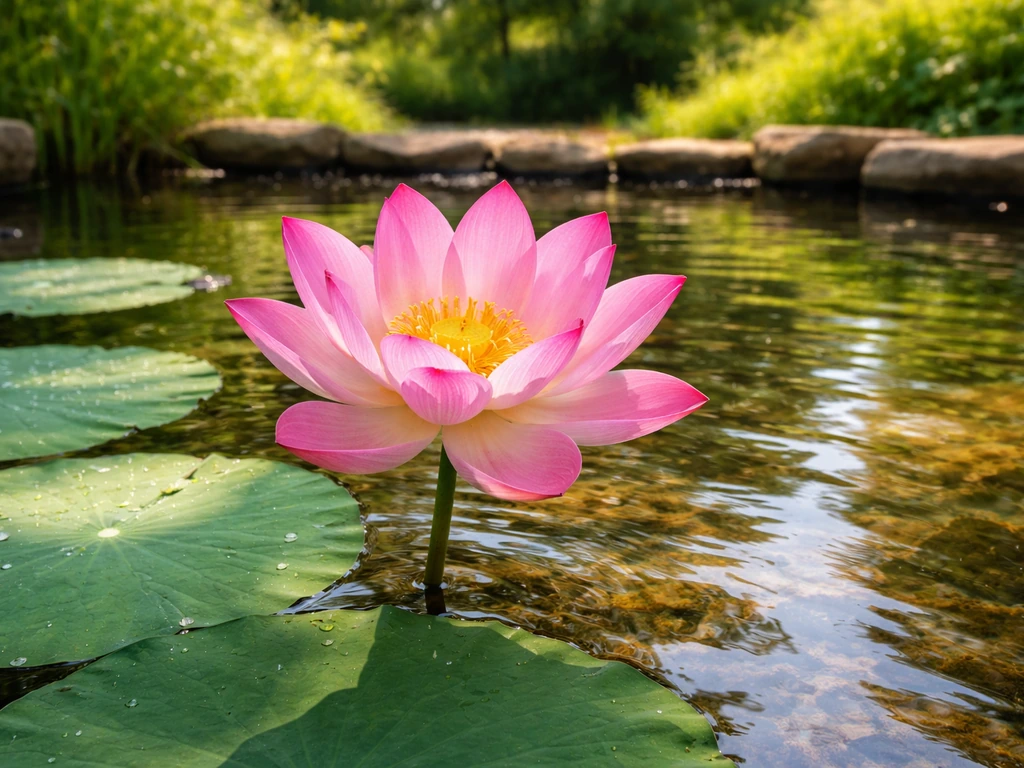
Nelumbo nucifera, the sacred or Indian lotus, is the one most water gardeners are after. It's not native to North America, but it's been introduced as an ornamental and has escaped cultivation throughout the eastern half of the US. UF/IFAS (FPS424) notes that sacred lotus (Nelumbo nucifera) is not native to North America It's not native to North America. This is the species with the dramatic pink, white, or deep rose blooms you see on lotus tubers sold at nurseries and water garden suppliers. It's less cold-hardy than the native yellow lotus, though its tubers can survive brief cold snaps if protected underwater. Most of the ornamental cultivars sold in the US are hybrids or selections of this species.
When people search for where lotus grows in the US, they usually mean one of two things: where they can go see it growing naturally (usually N. If you're wondering where does the lotus flower grow, start by looking at native hotspots and then check whether your local climate and water conditions match what lotus needs where lotus grows in the US. lutea), or whether they can grow it at home (usually N. nucifera or a hybrid). This article covers both.
Natural habitats and the climate zones lotus prefers
Lotus is a wetland plant at heart. In the wild, it roots in the mud at the bottom of shallow ponds, lakes, oxbow lakes, sloughs, slow-moving streams, and freshwater marshes. It does best in still or slow-moving water roughly 0.3 to 1 meter deep (about 1 to 3 feet), with a soft mud or silt bottom where its rhizomes can spread. It is not a plant for fast-moving rivers or deep reservoirs.
The non-negotiable requirement is full sun. Lotus wants at least 6 hours of direct sun per day, and it truly thrives with 8 hours or more. Shaded ponds are a dead end for this plant. Temperature matters just as much as light: active growth kicks in when water temperatures hit around 70°F, and the plant won't bud or bloom much in cold water even if air temperatures are warm. Summer heat is lotus's best friend.
Climate-zone wise, the American yellow lotus covers an enormous range, Zones 4 through 11, which includes most of the continental US. Sacred lotus and its ornamental cultivars are a bit pickier and do best in Zones 5 through 10, though with protection they can be grown even in colder zones as container plants brought indoors. The key factor isn't just the zone number but whether summers are long and warm enough to produce blooms before the plant has to go dormant.
State-by-state hotspots: where lotus actually shows up in the wild
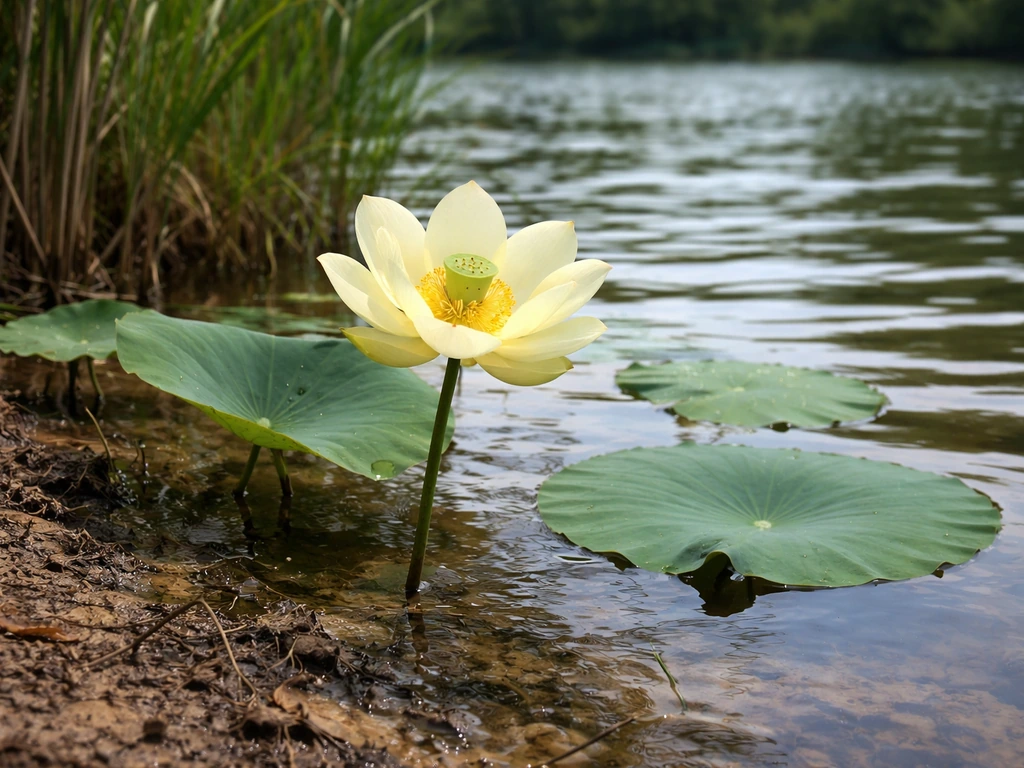
The American yellow lotus has a documented native range covering much of the eastern and central United States. Penn State Sea Grant describes its range as extending from Maine and Wisconsin south through Florida and west to Texas. Here are some of the regions and specific locations where it's well-documented:
- Pennsylvania: Wildwood Lake in Harrisburg (Dauphin County) holds the oldest known record of N. lutea in the state and is described as having an excellent-quality, densely growing population. Lake Wilhelm in Mercer County and Pymatuning Reservoir in Crawford County are other named examples.
- Wisconsin: The Wisconsin DNR recognizes a distinct natural community called the American lotus-lily marsh, dominated by N. lutea, showing how dense these populations can get in Midwestern wetlands.
- Missouri: American lotus is a common sight in oxbow lakes, sloughs, and backwater ponds along the Missouri and Mississippi rivers, where still water and mud bottoms give it ideal conditions.
- Minnesota: N. lutea appears in local watershed management zones, including the Riley-Purgatory-Bluff Creek watershed district, where it's documented in area water systems.
- The Southeast (Florida, Georgia, the Carolinas, Alabama, Mississippi): Lotus thrives in the warm, shallow wetlands across this region, and wild populations are common in coastal plain ponds and freshwater marshes.
- Texas: The native yellow lotus grows in ponds, oxbows, and bayous, particularly in east Texas where conditions mirror the broader southeastern habitat.
- The Mid-Atlantic (Virginia, Maryland, Delaware): Both the native yellow lotus and escaped sacred lotus populations appear in freshwater tidal wetlands and pond systems.
Sacred lotus (N. nucifera) has also been found in the wild across the eastern US as an escaped ornamental, tracked by the USGS Nonindigenous Aquatic Species database across multiple states. The USGS Nonindigenous Aquatic Species database tracks the sacred lotus as an escaped ornamental found in multiple states across the eastern US. If you're in a warm-climate state and spot lotus with large pink or white flowers in a public waterway, it may well be the sacred lotus that has jumped a garden fence somewhere upstream.
How to check whether lotus will work in your yard
Before you buy tubers, run through these four conditions for your specific spot. Getting all four right is the difference between a plant that blooms every summer and one that sits there looking sorry.
- Sun: Count the hours of direct sun hitting your pond or container location on a typical summer day. Lotus needs a minimum of 6 hours, and 8 or more is better. If trees, fences, or buildings shade the spot for most of the afternoon, lotus will struggle to bloom regardless of everything else you do right.
- Water depth and temperature: Lotus roots in mud with 2 to 4 inches of water over the soil surface as a minimum, and most varieties do well up to about 18 inches. Deeper than that slows blooming. More importantly, check your summer water temperatures. You want it hitting 70°F before expecting serious growth. Ponds in shadier or northern locations may stay too cool well into summer.
- Winter hardiness: Look up your USDA hardiness zone. If you're in Zone 5 or warmer, outdoor overwintering in a pond is very doable for the native yellow lotus and many N. nucifera cultivars, provided the rhizomes stay below the freeze line. In Zones 4 and colder, you'll need a plan for either deep pond protection or bringing containers indoors.
- Still or slow water: Running water, strong fountains, or fast streams are not lotus territory. The plant needs calm water and a mud or soil substrate to anchor its rhizomes. Container ponds, backyard ponds with minimal circulation, and calm natural water features all work well.
If you're in the upper Midwest, the Northeast, or the mountain West and worried about cold, don't give up yet. The next section covers strategies that make lotus viable well outside its natural comfort zone.
Growing lotus successfully: outdoor ponds, containers, and water gardens
Lotus is genuinely flexible once you understand what it needs. There are three main ways to grow it in the US, each with its own advantages depending on your climate.
In-ground ponds (warmest, lowest-maintenance option)
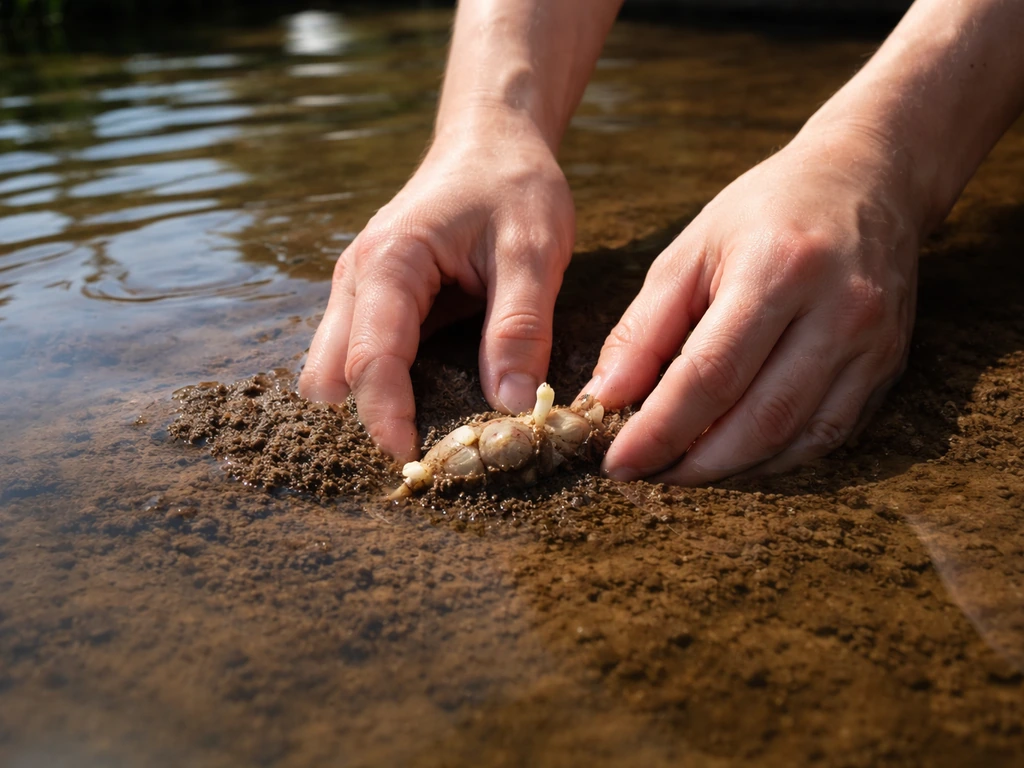
If you're in Zone 6 or warmer and have a sunny, still pond with a muddy bottom, you can plant lotus directly and largely leave it alone. It will go dormant in winter, die back to its rhizomes, and re-emerge in spring when water temperatures climb back into the 50s and 60s°F. In warmer zones (8 through 11), the growing season is long enough that lotus can put on an impressive show from early summer well into fall. The downside of in-ground pond planting is that lotus spreads aggressively via rhizomes, so without containing it, a single plant can take over a small pond in a few years.
Container pond (best for most US gardeners)
Growing lotus in a large container (think a wide, shallow pot or half-barrel) sunk into a pond or set in a sunny spot is the method most home gardeners in the US use, and it works well everywhere from the Carolinas to Michigan. Use a wide, low pot rather than a deep one, since lotus rhizomes grow horizontally. Plant in heavy clay or loam soil (not potting mix, which floats), cover the soil with 2 to 4 inches of water, and set the whole container in the sunniest spot you have. In spring, pulling the container out of the pond and setting it in full sun speeds up the plant's waking process, since the shallow water in the pot warms faster than pond water.
Cold-climate overwintering strategies
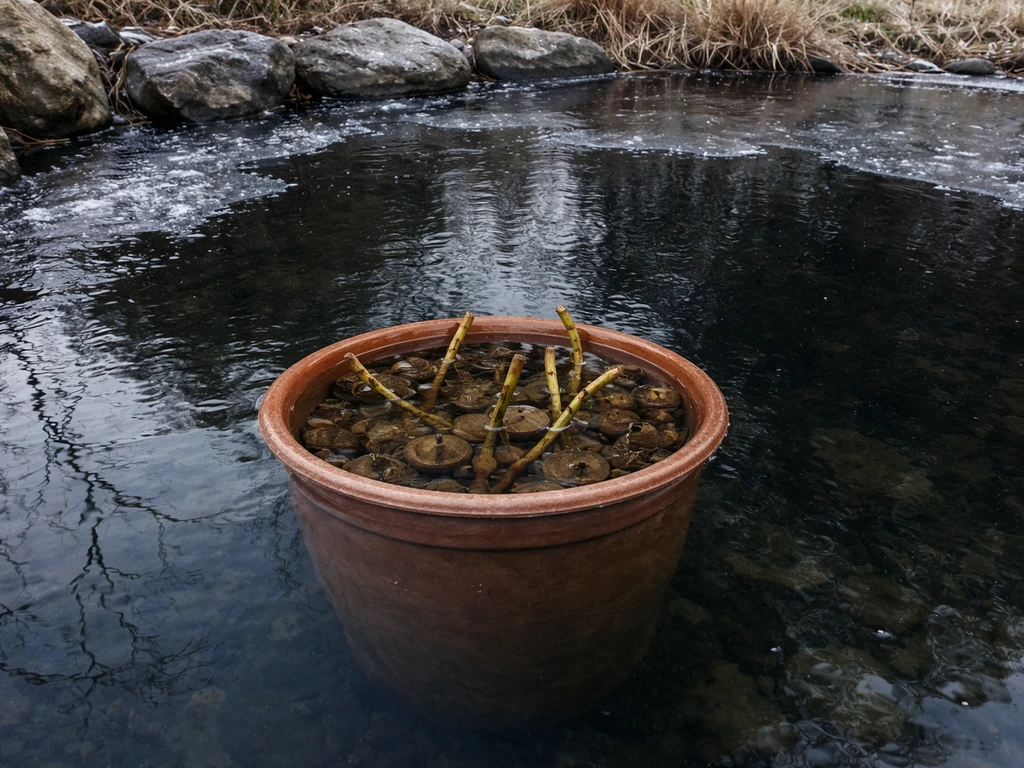
If you're in Zone 5 or colder, you have two solid options. First, leave the pot in the deepest part of your pond over winter: if the pond doesn't freeze solid and the tubers stay insulated under water and mud, many cultivars will survive even in Michigan or Minnesota. Second, pull the container out in late fall before a hard freeze, cut back the dead foliage, and store it in a cool garage, basement, or root cellar at 35 to 50°F. Keep the soil barely moist, not waterlogged, until you're ready to return it to the pond in spring when water temperatures are back in the 50s°F. Both methods work; the in-pond method is less work, the indoor method gives you more control.
Why lotus fails: common problems and quick fixes
I've heard from a lot of gardeners who bought lotus tubers in spring full of excitement and ended up with a pot of mud six weeks later. Usually, it comes down to one of these issues:
| Problem | Likely Cause | Fix |
|---|---|---|
| No growth after planting | Water too cold (below 70°F) or tubers planted too deep in soil | Wait for warmer water; tubers should sit just under the soil surface, not buried deep |
| Leaves but no blooms | Not enough sun, or water too deep forcing energy into upward growth | Move to a sunnier spot; reduce water depth to 2–6 inches over soil |
| Plant looks weak or yellowing | Too much shade, poor soil nutrition, or pot too small for root spread | Fertilize with aquatic plant tablets; use a wider, shallower pot; increase sun exposure |
| Tubers rot over winter | Stored too wet or too warm indoors, or frozen solid in a shallow pond | Store at 35–50°F in barely moist (not wet) conditions; move pond containers deeper before freeze |
| Plant takes over the pond | N. lutea or large cultivar planted without containment | Always plant in a container, even in natural ponds, to control rhizome spread |
| Blooms drop fast or look small | Heat stress from shallow water overheating in direct sun, or wrong cultivar size for container | Slightly increase water depth; choose a dwarf or bowl lotus cultivar for small setups |
One honest note: lotus can be slow to establish the first year. That slow start is why many lotus growers want to know how long do lotus flowers take to grow before they can expect blooms slow to establish. It's not unusual to get only a few leaves and no blooms in year one, especially if you're in a cooler climate with a shorter growing season. Don't panic. If the plant is alive going into winter, year two is usually when it really takes off.
Where to buy lotus and how to pick the right one for your region
Sourcing lotus is easier now than it was a decade ago. Your best options are specialty water garden nurseries (many ship nationwide), aquatic plant retailers online, and local pond supply stores in spring. Big-box stores occasionally carry lotus tubers in late spring, though selection is limited and quality varies.
Choosing the right cultivar matters almost as much as sourcing from a reputable seller. Here's a practical framework:
- Cold climates (Zones 4–6): Lean toward Nelumbo lutea (American yellow lotus) or cold-tested N. nucifera hybrids. The native yellow lotus is genuinely tough and will reward you with less fussing over winter protection.
- Warm climates (Zones 7–11): Almost any N. nucifera cultivar or hybrid will perform well. You have the widest selection, including large statement varieties with blooms up to 12 inches across.
- Small ponds or containers: Choose dwarf or 'bowl lotus' varieties that top out at 1–2 feet. Full-size sacred lotus can hit 5–6 feet and will overwhelm a small setup.
- Large ponds or water gardens: Standard or large-flowered cultivars suit big water features. American yellow lotus is also excellent for naturalizing in larger ponds.
- First-time growers: Start with a well-reviewed hybrid from a water garden specialist. Avoid bargain-bin tubers with no cultivar name listed; they're often inferior quality or mislabeled.
When you buy, look for firm, plump tubers with at least one growing tip intact. Shriveled, soft, or broken tubers rarely establish well. Order in early to mid-spring so you can get the plant into warm water before the season slips away.
If you want to explore beyond the standard pink sacred lotus, it's worth knowing that there are white lotus varieties, blue lotus species (from different botanical families), and the dramatic seed pods that come after blooming, each with their own growing quirks and locations where they thrive. Blue heart lilies are typically grown in warm, sunny conditions in wet, well-drained soil or shallow water, with similar climate needs to other lilies blue lotus species. If you are wondering where does blue lotus grow, the answer depends on which blue species you mean and the climate it prefers blue lotus species. Once you get one lotus growing well, it's easy to see why so many water gardeners end up with a whole collection.
FAQ
If I don’t know which lotus I’m seeing, how can I tell American yellow lotus from sacred lotus?
Look at the flower color and pattern, American yellow lotus typically has pale yellow blooms, sacred lotus has larger pink, white, or deep rose blooms. Also consider location, a lotus in the wild in the central or northern US is more likely American yellow lotus, while dramatic pink lotus in public waterways in warmer eastern states is often sacred lotus escaped from gardens.
Can lotus grow in Florida and still bloom, even if my water isn’t perfectly still?
It needs slow or still water, but it does not have to be totally motionless. Light circulation is fine if it is not a strong current, for example water garden pumps that create gentle movement are usually okay as long as the plant still receives full sun and the bottom stays muddy or silty.
What’s the minimum water depth for lotus in the US, if I have a shallow pond?
Lotus commonly does best when water is roughly 1 to 3 feet deep, but shallow setups can work if the tubers stay covered and the water does not warm too little in early season. If your pond gets very shallow during late summer or dries down, use a container approach so the tubers remain consistently submerged.
Will lotus grow in a river, canal, or fast stream if the area is sunny?
Usually no, fast water is a dealbreaker because it can prevent the rhizomes from establishing in soft mud and can mechanically disturb emerging growth. For flowing areas, use a contained pot or a pond-like still basin rather than planting directly into the current.
Do lotus flowers need still, freshwater, or will they tolerate brackish water near the coast?
Lotus is generally grown in freshwater conditions, brackish water tolerance is not something most home growers can count on for reliable blooms. If you are near the coast, test your water, and aim for low salinity so the plant can form healthy rhizomes and buds.
What should I do if my lotus looks alive but never blooms the first year?
That is common, especially in cooler areas or when the tuber is newly planted. Keep it in full sun, confirm the tuber is covered by 2 to 4 inches of water above the planting medium in a container, and do not disturb it after spring planting, many gardeners see real bloom growth in year two when temperatures and rooting stabilize.
How cold can lotus handle, and does that differ for containers versus in-ground?
American yellow lotus is the most cold-tolerant and can survive winters when rhizomes are anchored in mud below the ice line. For sacred lotus and many ornamental cultivars, the risk is higher, in-pond overwintering may still work if the pond does not freeze solid, otherwise pulling containers and keeping them in the 35 to 50°F range with barely moist soil provides more control.
If my pond freezes over, what’s the best winter strategy?
First, check whether it freezes solid at the bottom. If it stays insulated enough that tubers remain under mud and water, in-pond overwintering can work. If the bottom freezes, move to the indoor storage option (cool, 35 to 50°F) or use a container method that prevents tubers from being exposed to hard-freeze conditions.
Why are my lotus leaves turning yellow or stalling even though it gets sun?
The most common causes are bottom conditions and temperature. Lotus needs a soft mud or silt substrate, potting mix can float or create poor rooting, and cold water slows growth, even with warm air. Make sure the water warms in spring before expecting strong leaf growth, and verify the tuber is not sitting above the waterline.
Can I plant lotus in a raised bed or muck tray instead of a pond?
Yes, as long as you can keep the crown and rhizomes consistently submerged in warm, sunlit water and provide a muddy, heavy substrate for horizontal rhizome growth. A tray or lined container can work, but you must still meet the full-sun and slow-water requirements, and it must be protected from freezing exposure in winter.
Next Articles
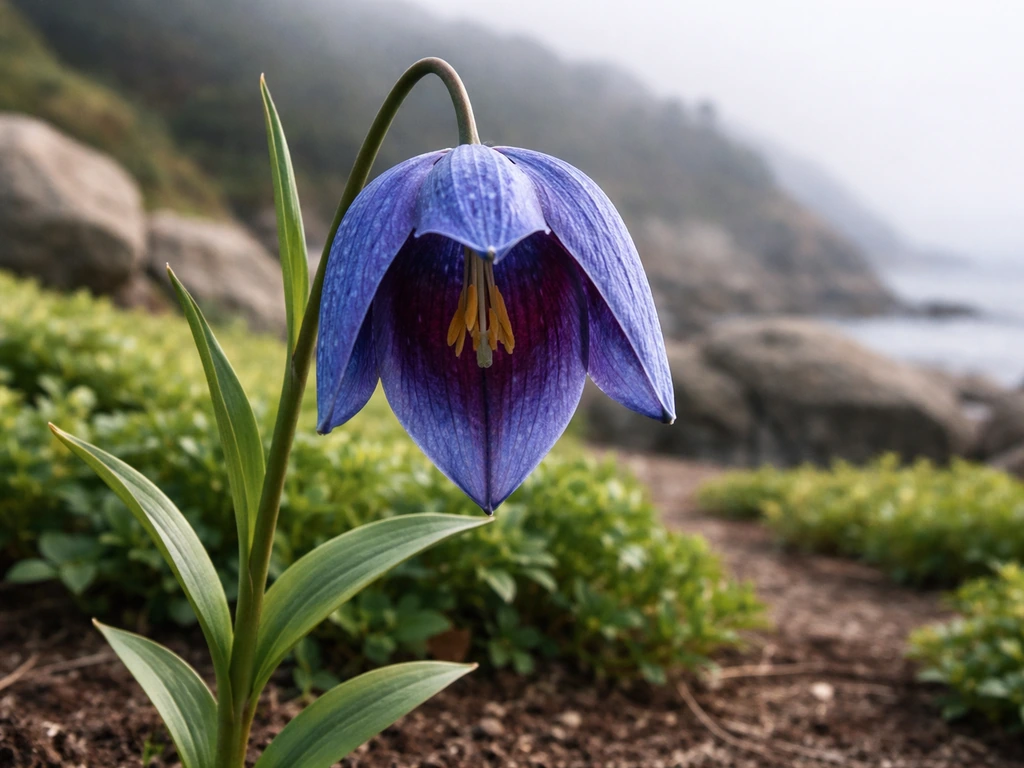
Where Do Blue Heart Lilies Grow? Habitat and Growing Tips
Find where blue heart lilies grow and how to replicate their native habitat with light, water, soil, and setup tips.
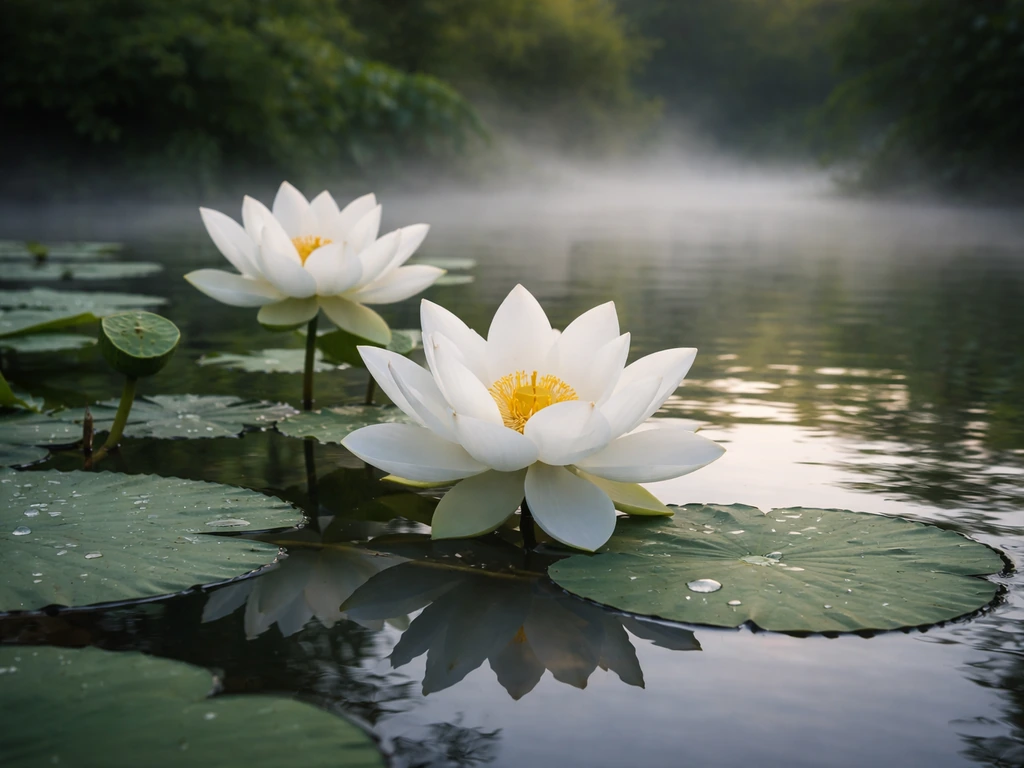
Where Do White Lotus Grow: Habitats and How to Grow Them
Find where white lotus grow naturally and learn how to replicate habitat conditions for thriving home pond cultivation.
How Long Do Lotus Flowers Take to Grow
Get a clear timeline for lotus growth from seed or rhizome, plus tips to speed flowering indoors or outdoors.