
Yes, lotus flowers grow in mud. That's not just a poetic detail about their symbolism. It's the literal condition their roots need to survive. The rhizomes sit anchored in soft, waterlogged, oxygen-poor sediment at the bottom of ponds or shallow lakes, while the stems push upward through the water and the leaves and flowers emerge well above the surface. If you're trying to grow lotus at home and wondering whether you need actual mud, the short answer is: something close to it, yes.
Do Lotus Flowers Grow in Mud? How to Grow Them
Marcus Hendricks
6 Apr 2026
What 'mud' actually means for lotus growing
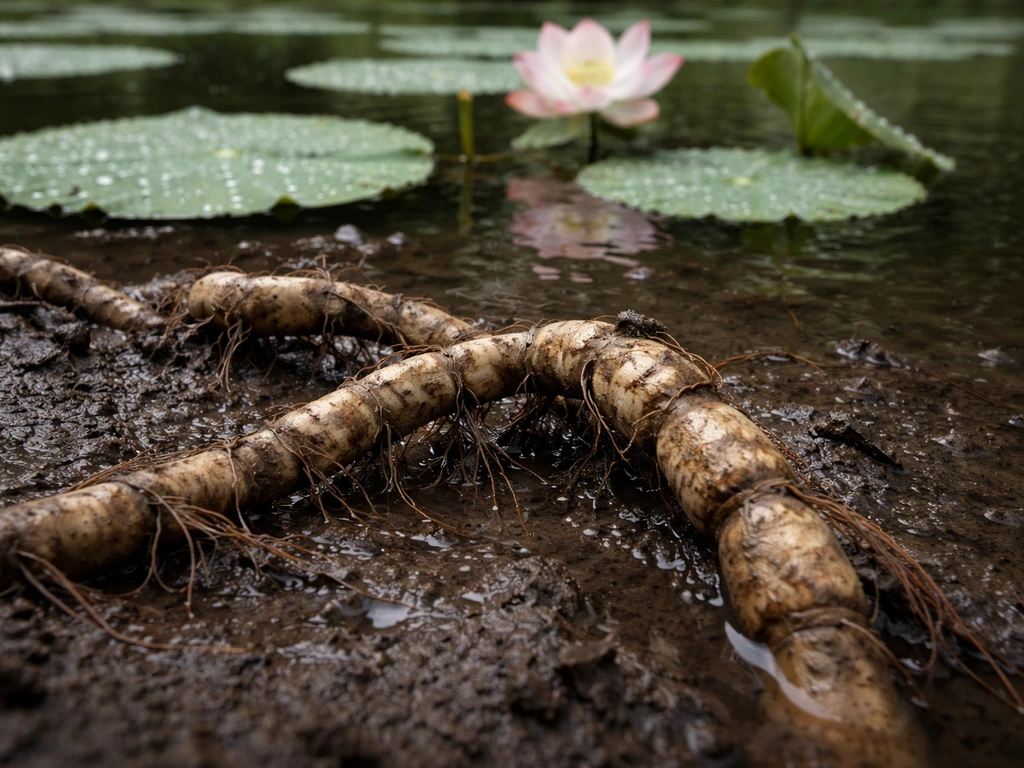
When gardeners ask whether lotus grows in mud, they usually mean one of two things: does it need the silty, clay-heavy muck at the bottom of a pond, or can they get away with regular potting mix? The distinction matters. Lotus rhizomes naturally sit in fine, dense, anaerobic sediment, the kind of soft mud you'd pull your boot out of at a lake margin. This isn't the same as the fluffy, well-draining potting soil you'd use for tomatoes. Heavy garden clay or aquatic planting soil (the kind sold specifically for water plants) is much closer to what lotus wants.
Standard bagged potting mix is actually a problem. It's too light, floats when submerged, doesn't hold rhizomes in place, and drains too freely to maintain the wet, dense conditions lotus expects. If you're setting up a container, use a heavy loam or aquatic soil, or simply dig up some actual pond silt if you have access to it. The goal is to replicate that dense, waterlogged bottom-of-a-pond texture.
How lotus grows in nature: mud at the bottom, flowers at the top
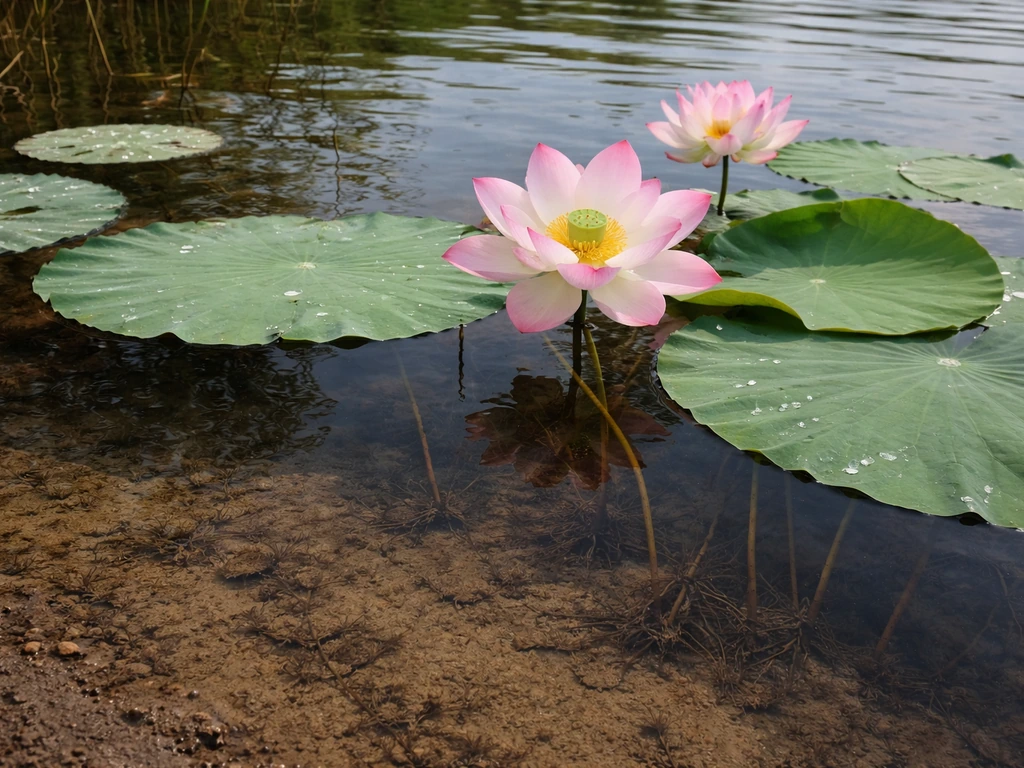
In the wild, lotus (Nelumbo nucifera, the sacred lotus, and Nelumbo lutea, the American yellow lotus) grows in still or very slow-moving freshwater. Think shallow lakes, ponds, river margins, and flooded fields. The rhizomes are fully submerged in the bottom mud, extending horizontally through the sediment to anchor the plant and absorb nutrients. Above that, long petioles push leaves and eventually flowers up out of the water. The leaves float or stand erect depending on the growth stage, and the blooms can rise a foot or more above the waterline.
American lotus is commonly found in muddy, shallow waters along lake margins, and it can grow in water depths reaching up to 6 feet, though it tends to thrive in shallower conditions where light still reaches the growing rhizome zone. If you've ever wondered whether lotus flowers grow in swamps, the honest answer is that swampy, still, muddy environments are very close to ideal lotus habitat.
Why lotus specifically needs muddy sediment
This is the part most beginners skip, and it's worth understanding because it explains a lot of common growing failures. Lotus rhizomes have a sophisticated internal gas-canal system that channels oxygen from the leaves down through the petioles and into the rhizome, even when the rhizome is buried in oxygen-poor mud. The leaves have large stomata that actively regulate this internal air movement, essentially piping oxygen to the roots so the plant can survive in anaerobic sediment where most other plants would suffocate.
This system also drives the formation of aerenchyma, which is spongy air-space tissue inside the roots that helps distribute oxygen through the plant's structure in low-oxygen conditions. In other words, lotus is engineered for muddy, oxygen-poor environments. It doesn't just tolerate that sediment, it depends on the internal plumbing that evolved alongside it. The dense, nutrient-rich mud also provides a steady supply of minerals that the rhizomes absorb directly, supporting the enormous energy output needed to push up those dramatic stems and blooms.
This is also why a lotus plant cannot grow in the desert: without still, warm, muddy water, the entire physiological system breaks down. No mud means no anchoring, no nutrient uptake, and no rhizome function.
Setting up at home: pond or container
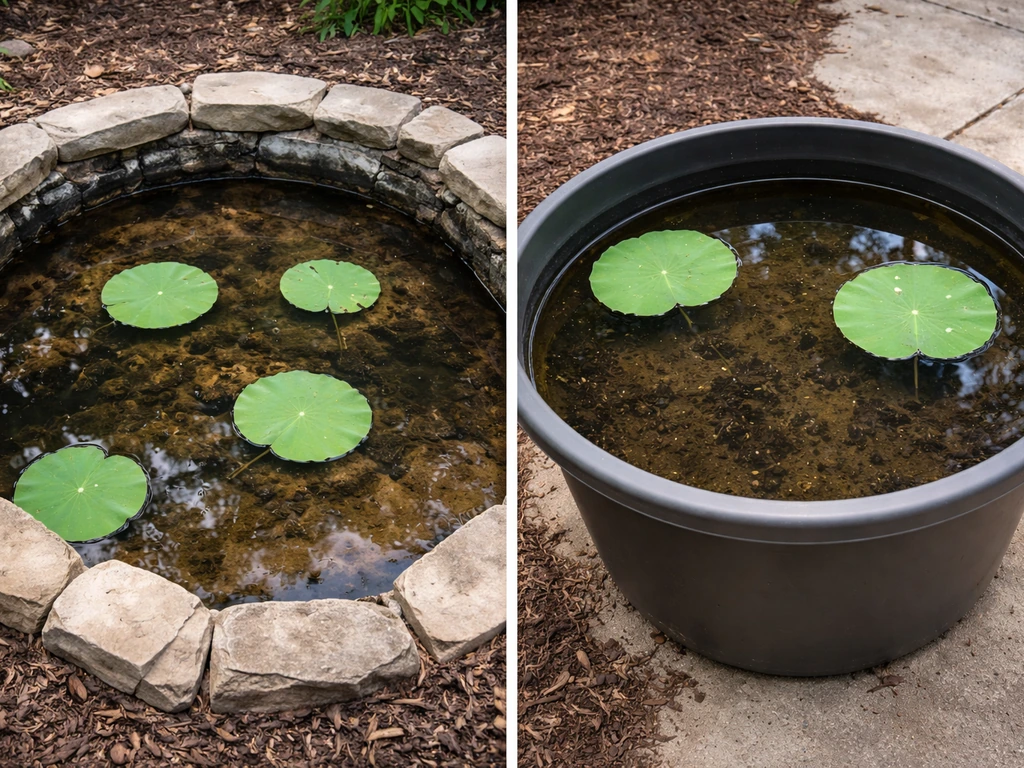
You have two realistic options for replicating muddy lotus conditions at home: a dedicated garden pond or a large container. Both work well, but the container approach is actually easier to manage for most home gardeners, and it prevents lotus from spreading invasively into a natural pond or waterway, which is a real concern given how aggressively rhizomes can expand. In the wild and in ponds, American lotus spreads mainly through thick rhizomes that grow along the pond bottom, and it can become a nuisance by covering ponds aggressively rhizomes can expand.
For containers, you want something large, at least 15 to 20 gallons for most varieties, though dwarf types can work in smaller pots. Growing lotus flowers in containers also makes water depth management much more straightforward during the critical establishment phase.
Fill the container one-quarter to one-half of its depth with heavy aquatic soil or loam, then place the rhizome at the edge of the container horizontally, with the growing tip pointing toward the center. Don't bury the growing tip, just barely cover the rhizome body with a thin layer of soil and weigh it down gently with a small rock if it wants to float. The rhizome needs to grow horizontally across the top of the sediment layer, not straight down into deep substrate. Getting this placement wrong is one of the most common beginner mistakes.
How deep to bury the rhizome, and how to manage water depth
Keep the rhizome just under the soil surface, an inch or two at most. Then, when you first lower the planted container into water, keep the water depth at about 6 inches over the top of the container until you see active growth beginning. This shallow-start approach prevents the young plant from being overwhelmed by water pressure before it has a chance to establish. UF/IFAS notes that growth of Nelumbo lutea depends on factors including soil composition and water depth. Once leaves are actively pushing up and the plant is clearly rooted, you can gradually increase the water depth.
The minimum water depth for established lotus should not drop below 30 cm (about 12 inches), and lotus won't even germinate at temperatures below 13°C (55°F), so timing your setup to coincide with warming spring water is important. Too much water during establishment is one of the more counterintuitive ways to kill lotus: it can effectively drown the young rhizome by cutting off oxygen before the plant's internal aeration system is fully functional. This is also worth keeping in mind if you're curious about whether lotus can grow on land, since the rhizome's oxygen needs are tightly tied to water depth management.
Substrate choices side by side
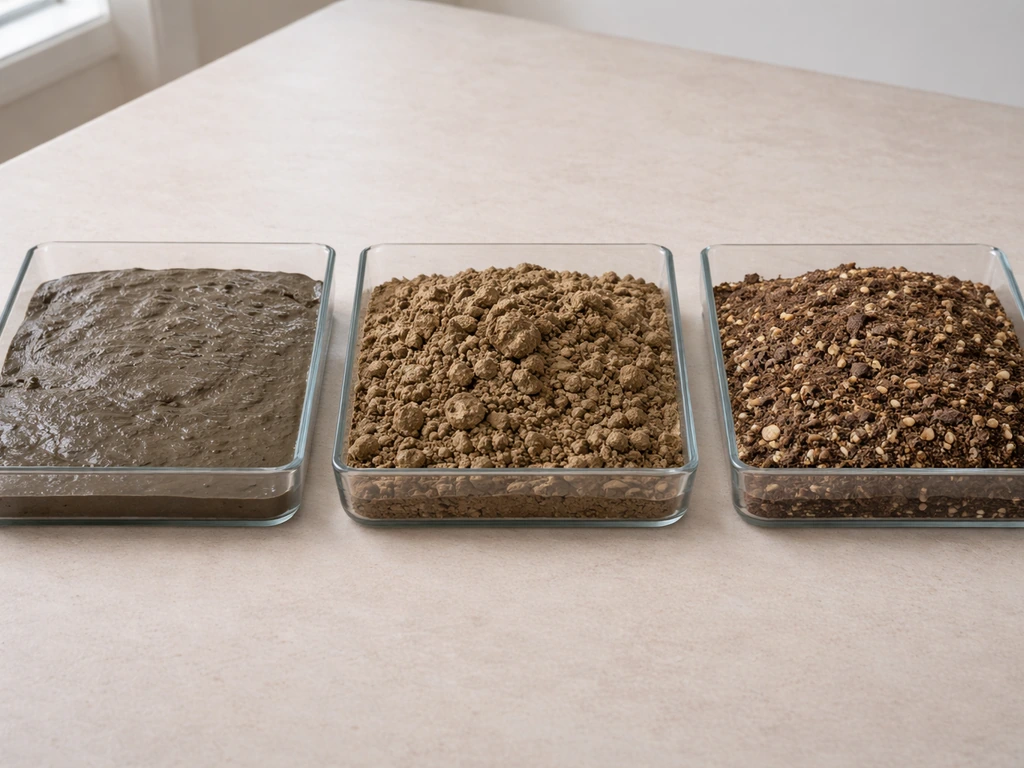
Choosing the right growing medium is probably the most important variable you control. Here's how the common options compare:
| Substrate Type | Texture/Density | Nutrient Content | Suitability for Lotus | Notes |
|---|---|---|---|---|
| Pond silt/natural mud | Dense, fine, heavy | High | Excellent | Best match for natural conditions; hard to source cleanly |
| Heavy clay loam | Dense, moderately heavy | Moderate | Very good | Widely available; add aquatic fertilizer tabs for nutrients |
| Aquatic planting soil | Dense, formulated | Moderate to high | Very good | Purpose-made for water plants; consistent results |
| Garden topsoil (non-sandy) | Variable, moderate density | Moderate | Acceptable | Avoid if it contains bark, perlite, or other floaty additives |
| Standard potting mix | Light, airy | Moderate | Poor | Floats when submerged; doesn't anchor rhizomes properly |
| Coarse sand | Gritty, heavy | Very low | Poor alone | Can be mixed with clay to improve drainage without losing density |
The recommendation: go with heavy clay loam or a purpose-made aquatic planting soil if you're using a container. If you're planting directly into a garden pond and have access to genuine pond silt or mud, use it. Avoid anything labeled as 'premium' or 'enriched' potting mix, since the amendments that make those mixes great for terrestrial plants actively work against lotus.
Fertilizing once the plant is established
Lotus grown in containers will eventually exhaust whatever nutrients are in the substrate, especially in the first full growing season. For mature plants in a 15-gallon container, fertilize every 20 days with 1 to 2 teaspoons (4 to 8 grams) of a complete water-soluble fertilizer like a 20-10-20 formula. American lotus tolerates a wide range of pH and soil compositions, so you don't need to obsess over precise soil chemistry, but nutrient availability does drop off significantly in inert substrates over time. Aquatic fertilizer tablets pushed into the soil near (but not touching) the rhizome are another clean option for pond setups.
Mixing lotus with other water plants
If you're planning a pond setup, you might wonder whether lotus can share space with other plants. It can coexist with water lilies, though they compete for light and space, and the lotus will usually win that competition given enough time. If you want to explore that option, there's practical guidance on growing water lilies and lotus together that covers spacing and management. For gardeners who also grow terrestrial plants nearby, it's worth knowing that the combination rules change entirely once you leave the water, similar to how growing lilies and irises together requires attention to moisture and root competition in a shared bed.
When your lotus isn't thriving: common problems and fixes
Rhizome rotting instead of rooting
This is the most common failure, and it usually comes down to one of three things: water too deep during establishment (stick to 6 inches until you see active growth), substrate too loose or too wet without being muddy (switch to heavy aquatic soil), or the rhizome was already damaged or soft when planted (always start with a firm, healthy rhizome with visible growing tips). Rotting often looks like mushy, dark discoloration spreading from one end of the rhizome. At that point, remove the affected portion with a clean cut and see if the healthy section will recover.
Leaves yellowing or staying small
Yellow leaves usually point to either nutrient deficiency (start the 20-day fertilizing schedule) or water depth that's too great for the current growth stage. If your leaves are coming up but staying small and pale, the plant may be working too hard to push stems through too much water. Back off to a shallower depth temporarily. Also check that the plant is getting full sun, lotus wants at least 6 to 8 hours of direct sunlight daily to bloom and grow vigorously.
No growth at all after planting
If nothing is happening weeks after planting, the most likely culprits are cold water (below 13°C/55°F, lotus simply won't move), too-deep initial water covering the rhizome before it's rooted, or a buried growing tip. Lotus rhizomes placed growing-tip-down or buried too deeply often just sit there and eventually rot. Dig it up carefully, reposition it horizontally at the soil surface with the tip just barely covered, drop the water back to 6 inches, and wait for genuinely warm temperatures before expecting any action.
Water going murky or green
Algae blooms are common in lotus containers because the warm, nutrient-rich, still water is also a great algae habitat. This won't hurt the lotus directly, but it can compete for nutrients. Keep the container in full sun (algae paradoxically tends to be outcompeted by vigorous lotus canopy cover once the plant matures), avoid over-fertilizing, and don't disturb the sediment more than necessary since stirring releases nutrients that feed algae. In an outdoor pond, a small, slow-moving bubbler positioned away from the lotus can help without disrupting the still conditions the rhizomes prefer.
The core takeaway is straightforward: lotus needs mud because its entire biology is built around anchoring into dense, nutrient-rich, oxygen-poor sediment while venting air from above the waterline down to its roots. Replicate that layered system at home, rhizome in heavy soil, shallow water to start, full sun, warm temperatures, and you'll give it exactly what it's looking for.
FAQ
Can I use beach sand or regular garden soil instead of pond silt for lotus mud?
Usually no. Sand and most loose soils drain too fast and do not hold the dense, waterlogged sediment texture lotus rhizomes need. If you cannot get pond silt, use heavy clay loam or purpose-made aquatic planting soil, and avoid anything that turns to a gritty, airy layer when submerged.
How do I know if my lotus container is “too muddy” or “not muddy enough”?
If the medium stays cohesive and dense when you press it gently, it is likely close to the target. If it looks fluffy, separates easily, or the rhizome can move around, it is probably too light. Also, if water clears quickly and the substrate behaves like potting mix, you likely need heavier soil.
What water depth should I keep after the first leaves appear?
Once you see active growth and the plant is clearly anchored, you can gradually increase depth. A practical approach is to raise the water level a little every few days while watching leaf health. Do not immediately jump to deep water, because young rhizomes are still establishing their internal oxygen transport.
Do lotus plants need fertilizer if my pond already has fish or decaying plants?
They may need less, but do not assume nutrients are adequate. Fish waste can be highly variable, and once lotus starts producing leaves, it may still need supplemental feeding in containers because the substrate exhausts sooner. If leaves are pale or growth slows, switch to the fertilizer schedule rather than adding more organics indiscriminately.
Can I start lotus from seed instead of rhizomes, and does mud still matter?
Mud is still part of the success equation, but seed-starting is more sensitive to temperature and water quality. Seeds require warm, stable conditions before planting into sediment, and the seedling stage is easier to damage if water is too deep or cold. Rhizomes are generally more reliable for home growers.
Will lotus still grow in muddy water if the water is moving, like near a waterfall or strong filter outflow?
It can struggle. Lotus is adapted to still or very slow-moving freshwater, where rhizomes remain in oxygen-poor sediment without being disturbed. Strong flow can pull the rhizome upward, erode the sediment layer, or reduce the stable conditions needed during establishment.
What’s the best way to prevent lotus from escaping a container into a pond?
Use a container with no drainage gaps into surrounding water and place it on a stable surface. If your pond setup is open and the container can shift, anchor it so it cannot tip. Even with a contained pot, rhizomes can sometimes travel through openings, so check seams and any spill paths.
My rhizome looks firm but nothing sprouts for weeks. Should I remove it and replant?
First verify two conditions: water temperature (it needs to be consistently warm, not below about 13°C/55°F) and rhizome placement (growing tip should be near the soil surface, growing horizontally, not buried upside down). If both are correct, give it time, because cold water and incorrect tip depth are the most common reasons for “sitting there” before any growth.
How do I fix rotting rhizomes beyond just cutting off the mushy part?
After you remove the affected section, replant the remaining rhizome in heavier, denser aquatic soil and keep the initial water depth at about 6 inches. Use a clean cut, avoid touching with contaminated tools, and do not increase water depth quickly. Rot often comes from cold conditions, too-deep initial water, or the growing tip being buried.
Why is there a lot of algae in my lotus container, and will it starve the lotus?
Algae blooms usually indicate nutrients and light are available, and sediment is being stirred or disturbed. Algae does not typically “poison” lotus, but it can compete for nutrients early on. Keep the container in strong sun for lotus, avoid over-fertilizing, do not disturb the sediment, and consider a gentle mechanical setup away from the lotus if algae becomes persistent.
Can lotus survive frost, and do I need to do anything before winter?
In many climates, frost will kill above-water growth and can harm rhizomes if the pond water freezes solid. For container plants, many gardeners relocate the container to a protected, non-freezing area or move it to deeper water where it will not fully freeze. Plan based on your typical winter temperatures and whether your water surface stays ice-free.
Next Articles
Can Calla Lilies Grow in Ponds? How to Set Up Successfully
Yes, with the right setup: water depth, substrate, anchoring, light, and overwinter care for pond or marginal calla lili
Are Calla Lilies Hard to Grow? Easy Guide for Success
Get a clear answer on are calla lilies hard to grow, plus exact light, temperature, watering, planting, and fixes.
Can Calla Lily Grow Outside? Outdoor Care by Climate
Yes, calla lilies can grow outside. Learn climate, light, soil drainage, planting timing, and fixes for no growth.