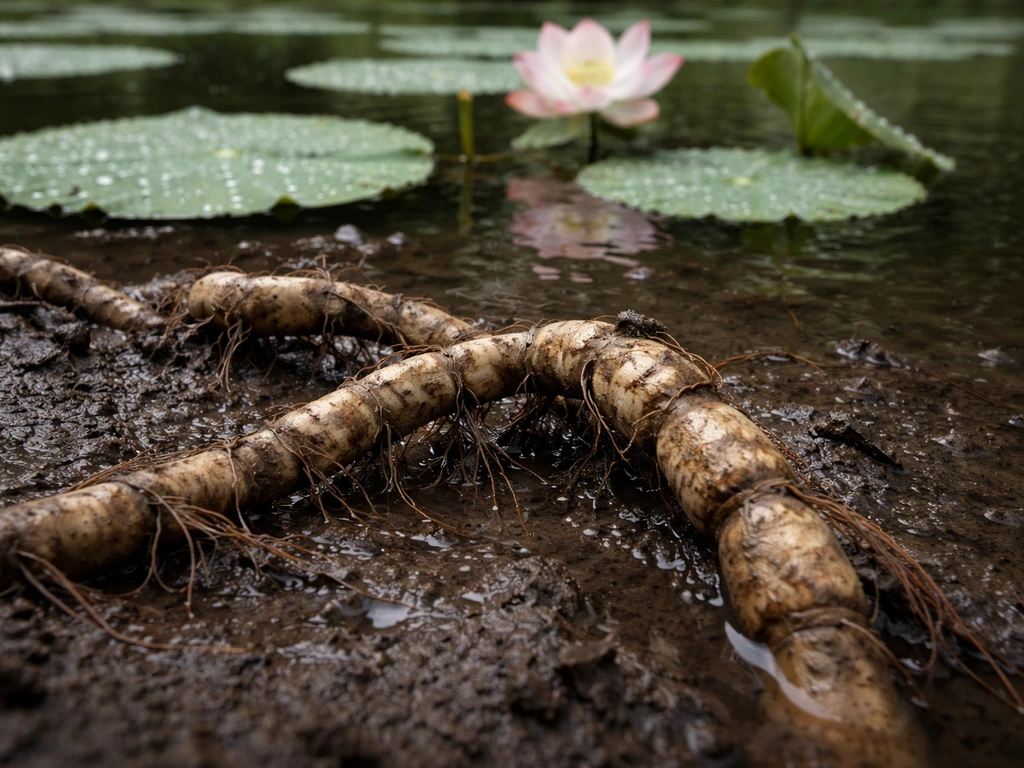
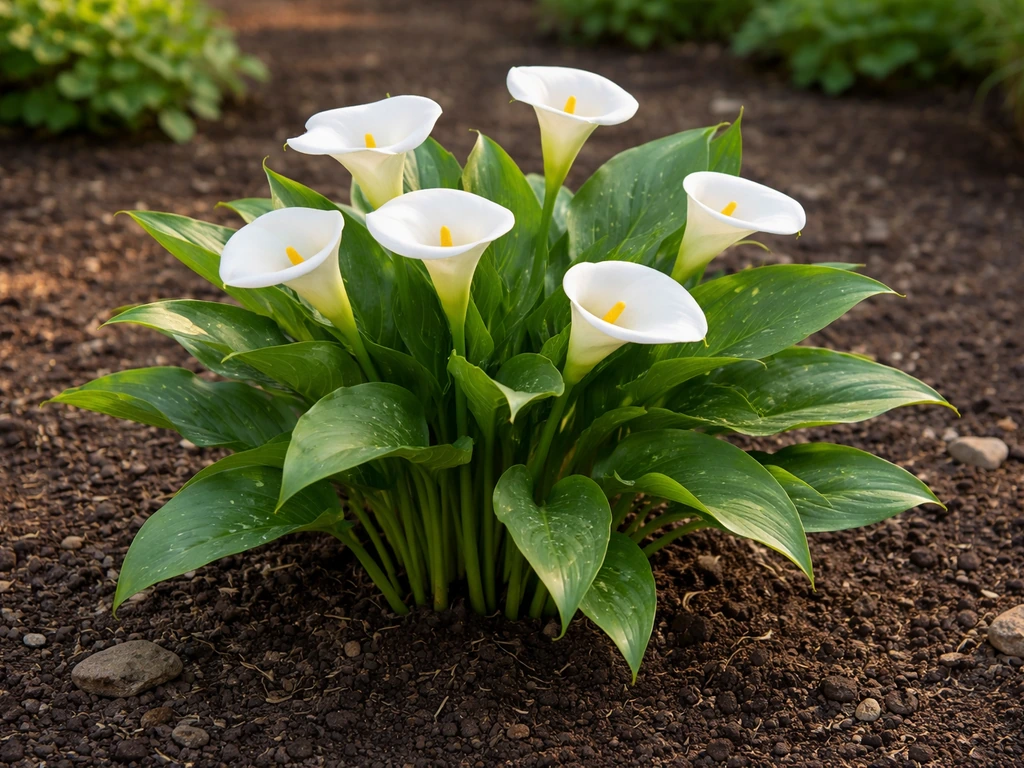
Mississippi State University Extension notes that American lotus spreads mainly through thick rhizomes along the pond bottom). However, there's a catch most beginner gardeners run into: the swamp has to have the right water depth, full sun exposure, warm temperatures, and a rich muddy substrate. Get any of those wrong and your lotus will sulk, fail to flower, or rot.
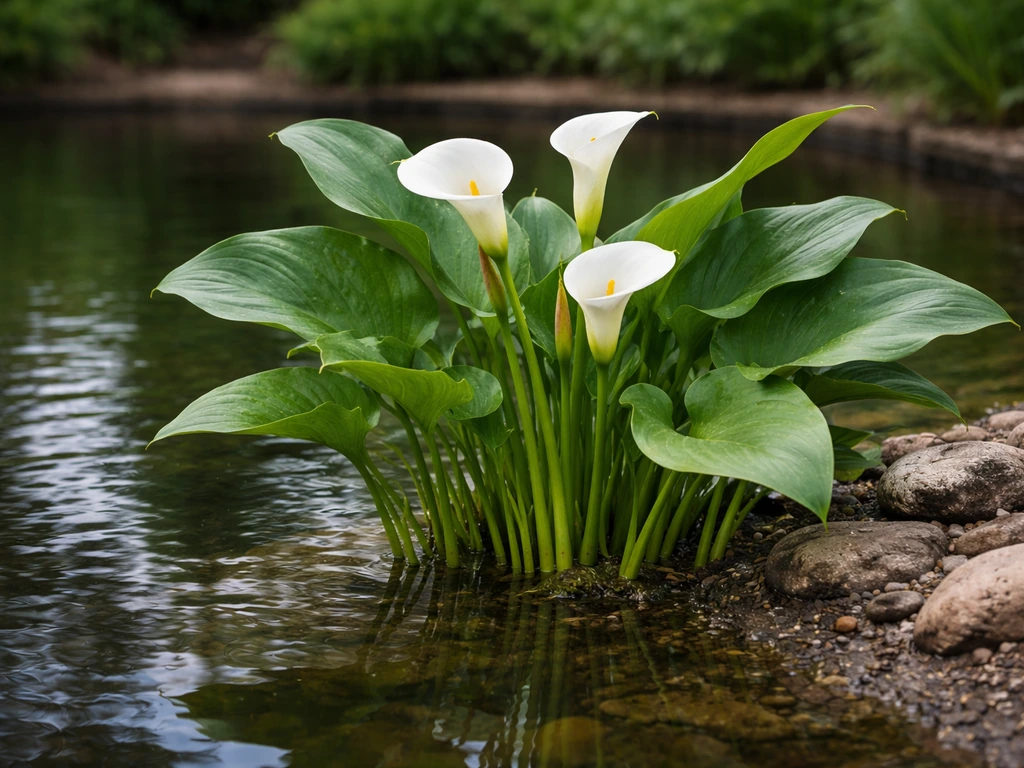
Also worth noting early: if you're searching for lotus but picturing a plant with floating lily-pad leaves, you might actually be thinking of a water lily (Nymphaea). SLELO’s invasives resource notes that lotus identification can be confused with native pond-lily species.
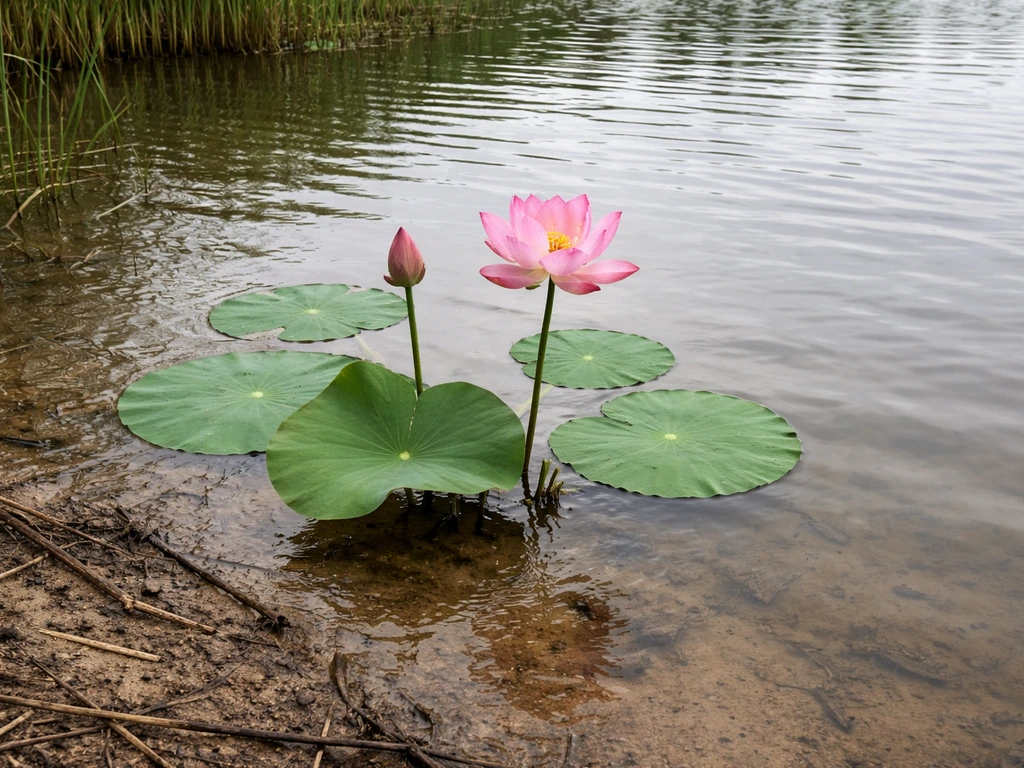
Lotus leaves stand up above the water surface rather than floating on it. They're related in vibes, but very different in habit and requirements.
What 'swamp' actually means for lotus
Not every swampy area is created equal. Lotus is perfectly at home in still or slow-moving water like lake margins, shallow ponds, and marshy flats. What it cannot handle is fast-flowing current, which will dislodge rhizomes and stress the plant constantly. So if your 'swamp' is more of a moving stream or a drainage ditch with regular flow, lotus is not your plant. If it's a still, murky backwater with minimal current, you're in business.
Water depth matters a lot here. The minimum standing water depth for lotus is around 30 cm (12 inches). The sweet spot for American lotus in a pond or wetland setting is roughly 3 feet (90 cm) of water over a soil layer at least 8 to 12 inches deep. Nelumbo lutea has been found growing in water as deep as 6 feet, but flowering and vigorous growth are much better in shallower depths. So a true swamp that's waist-deep or shallower, with calm water and thick bottom mud, is close to ideal. A flooded forest with 4 to 5 feet of standing water and dense root competition from trees is a different story, and lotus would struggle there.
Stagnant versus moving water is worth thinking about more carefully. Lotus does fine in the stagnant water common to natural swamps. It does not need oxygenated, flowing conditions the way some aquatic plants do. That said, completely stagnant water with no oxygen exchange at the surface and very high turbidity (like a heavily polluted pond) can still create problems. Natural swamp water that just sits still? Fine. Anaerobic sludge with no sunlight penetration? Pushing it.
Ideal lotus growing conditions
Sunlight is the single biggest factor most people underestimate. Lotus needs full sun, which means at least 8 hours of direct sunlight per day. Shade from trees, buildings, or tall vegetation will give you big healthy leaves and zero flowers. I've seen gardeners blame their soil, their water, their climate, everything except the fact that their pond sits under a canopy of oaks. If your swampy spot doesn't get 8 solid hours of sun, don't expect flowers no matter what else you do right.
Temperature is the other non-negotiable. Lotus is a warm-season plant that needs heat to perform. For propagation, seeds need a minimum of 25 degrees Celsius (77 degrees Fahrenheit) to germinate well. When transplanting actively growing plants into a pond, wait until the water temperature reaches at least 75 degrees Fahrenheit before placing them in. Cold water stunts growth dramatically and can cause rhizomes to rot before they ever establish. If you're in a climate with long, warm summers (USDA zones 5 through 10 for American lotus, depending on overwintering method), you have a real chance at success. Cooler zones need extra effort at the tail end of the season.
Water quality matters too, though lotus is more tolerant than you might think. It evolved in muddy, nutrient-rich water and doesn't need crystal-clear pond conditions. What it does need is a lack of strong chemical pollution and relatively stable water levels during the growing season. Fluctuating water levels at the wrong time can expose rhizomes, stress the plant, and encourage rot. If you're curious how lotus compares to water lilies in these conditions, the differences come down to depth preference and growth habit, something worth exploring if you're considering whether water lily and lotus can grow together in the same space.
Soil and planting setup
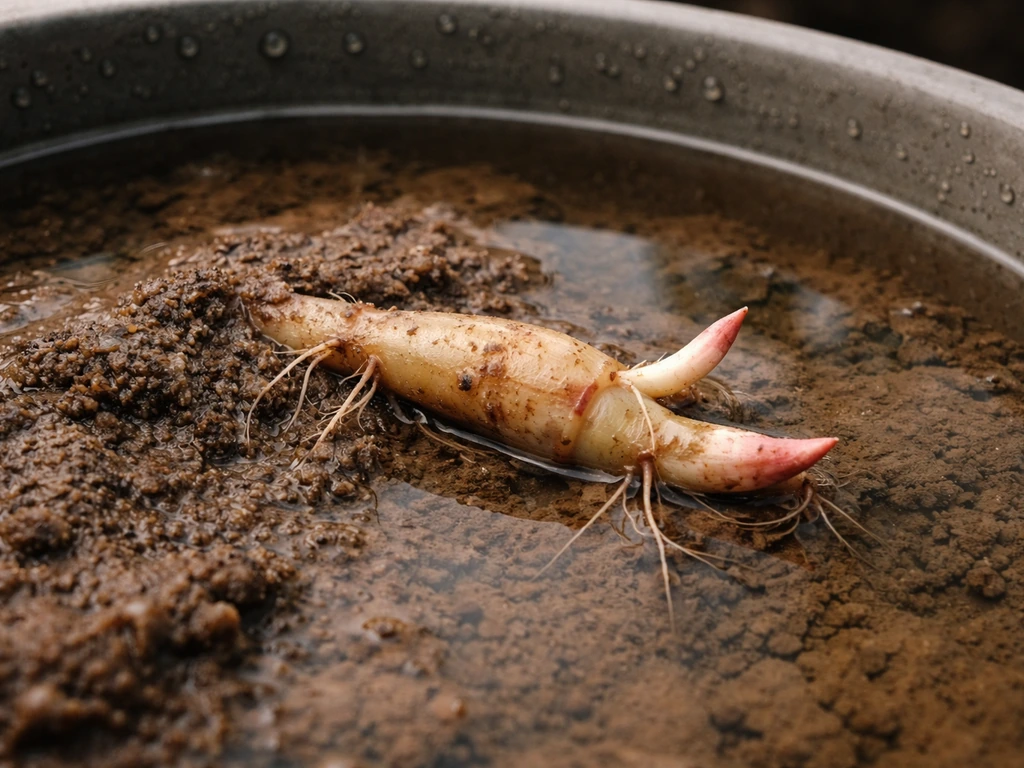
Lotus roots into the bottom substrate, and the quality of that substrate directly affects how well it flowers. The ideal soil for lotus is a rich, fertile, soft silt loam or clay loam. Think classic pond mud or swamp muck: heavy, nutrient-rich, and waterlogged. This is exactly what lotus evolved to root into. Sandy or gravelly substrates drain too freely and don't hold nutrients. Straight potting mix will float away or decompose in ways that create problems. Lotus growing in mud is not a quirk of the plant, it's a core requirement.
For container planting, which is the most practical setup for most home gardeners, there are a few firm rules. The container must have no drainage holes. Drainage holes will let out the heavy silt you pack in, and they'll also prevent you from maintaining the water level the plant needs. Once the container is planted, maintain at least 2 to 4 inches of water over the top of the soil surface at all times. This keeps the rhizome submerged and the soil consistently saturated, mimicking exactly what a lotus would experience rooted in a shallow swamp bed.
For in-ground or natural pond planting, the approach recommended by the International Waterlily and Water Gardening Society is actually to use a pot sunk beside or into the pond rather than planting directly into the pond bottom. This containment method prevents the lotus from spreading aggressively (it can become invasive in open water systems) while still giving it a genuine wetland environment. The pot rim sits at or just below the water surface level, and the lotus grows up into open water just as it would in a natural swamp.
Container versus in-ground: which setup is right for you?
| Setup | Best for | Water depth control | Spread risk | Overwintering ease | Effort level |
|---|
| Container in pond/water garden | Most home gardeners, small ponds, patios | Easy to adjust | Low, contained | High, can remove pot | Moderate |
| Pot sunk in-ground beside pond | Gardeners with natural wetland edges, larger setups | Moderate, tied to water table | Low, contained | Moderate | Moderate |
| Direct planting in natural pond bottom | Large naturalized ponds, native habitat restoration | Difficult to control | High, spreads freely | Low, hard to retrieve | Low initially, high long-term |
For most home gardeners, container planting wins. You get full control over soil quality, water depth, and overwintering. For those with a genuine natural wetland and no invasive-plant concerns, direct planting can work beautifully, but understand that lotus spreads by rhizome and can take over a small pond within a few seasons.
How to plant and grow lotus in wetland-like spaces
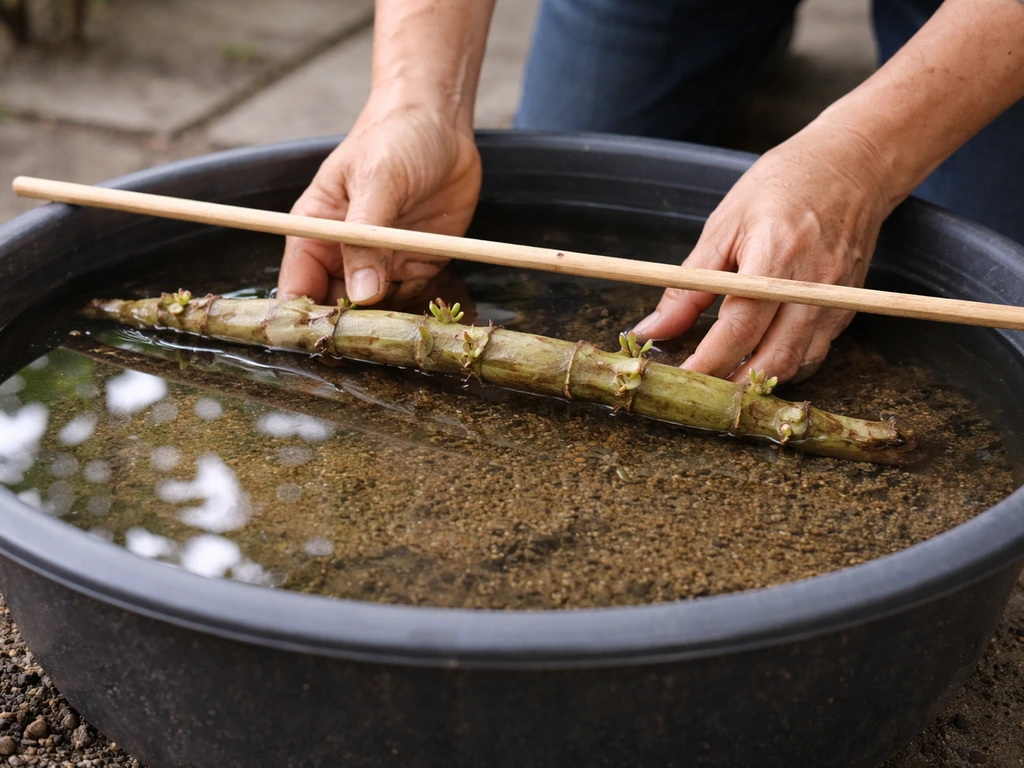
Before you do anything else, confirm that your location gets at least 8 hours of direct sun daily and that your water temperatures are reliably reaching 75 degrees Fahrenheit in summer. Without those two things, everything else is a waste of effort. Once you've confirmed the basics, here's the practical process:
- Choose a wide, shallow container (at least 18 to 24 inches across for most varieties) with no drainage holes. Fill it about two-thirds full with heavy garden clay or a silt loam mix. Avoid regular potting soil.
- Lay the rhizome horizontally just below the soil surface. The growing tip is fragile, so handle it carefully and point the tip upward or at a slight angle. Cover lightly with soil, leaving the tip just barely exposed.
- Add water slowly until you have 2 to 4 inches over the soil surface. At this early stage, keep the water shallow to let the water warm up quickly. Cold water over a newly planted rhizome invites rot.
- Place the container in its permanent sunny position before the plant gets large. Moving a container with established growth risks snapping off the fragile growing shoots.
- As growth progresses and the plant gets established, gradually raise the water level up to 6 to 12 inches over the soil. In a natural pond setup, this mimics the lotus moving from the shallow swamp edge into slightly deeper water.
- Feed with a slow-release aquatic fertilizer formulated for water plants once the plant is actively growing. Avoid fertilizers that can pollute your water or trigger algae blooms.
If you're setting up in a natural wetland area rather than a container, the same depth principles apply. Position your planting in a spot where the water sits between 12 and 36 inches deep, the bottom substrate is soft and muddy, and there's no significant current. One thing to keep in mind: lotus is an emergent plant, meaning its leaves and flowers grow above the water surface. If you're wondering whether lotus grows on land as opposed to in water, the answer is that it's truly aquatic and cannot survive in dry soil.
If you're just starting out and not sure whether growing lotus is even feasible in your yard or region, it helps to get a full picture of what the plant needs before investing in a setup. Understanding whether you can grow lotus flowers in your specific situation will save you a lot of frustration before you dig anything up.
Troubleshooting: what goes wrong and how to fix it
Slow growth or no flowers
This is almost always a sun problem. Check how many hours of direct light the plant is actually getting, not estimated, but timed. If it's under 8 hours, move the container or accept that you'll get foliage without flowers. Water depth is the second suspect: a study on Nelumbo nucifera seedlings found that very shallow water culture produced poor growth and no flowering at all. If your container or planting spot has less than 12 inches of water, try deepening the setup. Nutrient-poor substrate is the third cause, and it's easy to fix by replanting into richer, heavier soil or adding aquatic fertilizer tabs.
Yellowing leaves
Yellow leaves can mean a few things. Early in the season, it's often just the plant adjusting to its environment after planting. If the yellowing continues through mid-summer, suspect nutrient deficiency (especially iron or nitrogen) or water quality issues. In containers, the substrate can become exhausted after a season or two, so refreshing the soil mix every couple of years keeps the plant performing. If only older leaves are yellowing while new growth looks healthy, that's usually normal leaf senescence and nothing to worry about.
Rhizome rot
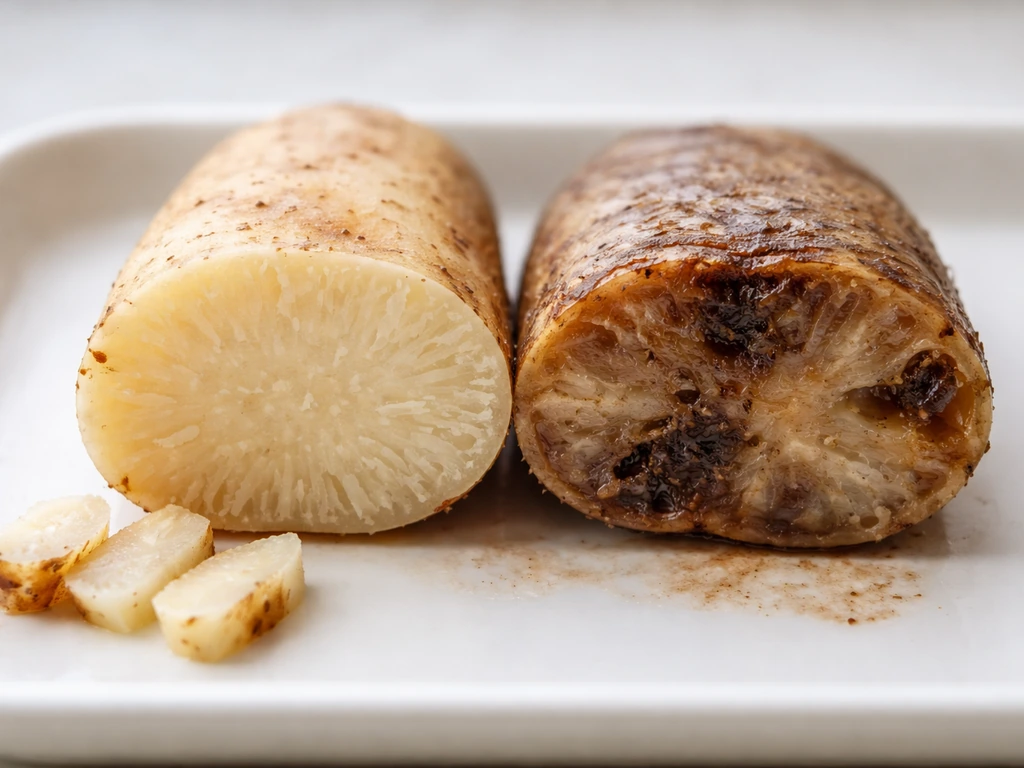
Rot is one of the most common failure modes, especially for beginners, and it almost always comes from one of two causes: planting when the water is too cold, or planting the rhizome too deep so it stays cold and oxygen-deprived. Keep the water level low (just covering the soil) until the plant is actively sprouting and the water has warmed up. If you're in a climate where the water never really warms up, lotus is going to struggle regardless of everything else. The environment simply can't provide what the plant needs, which is also why, as this article on why a lotus plant cannot grow in the desert explains, extreme dry heat is just as fatal as cold waterlogged conditions for the wrong reasons.
Pests
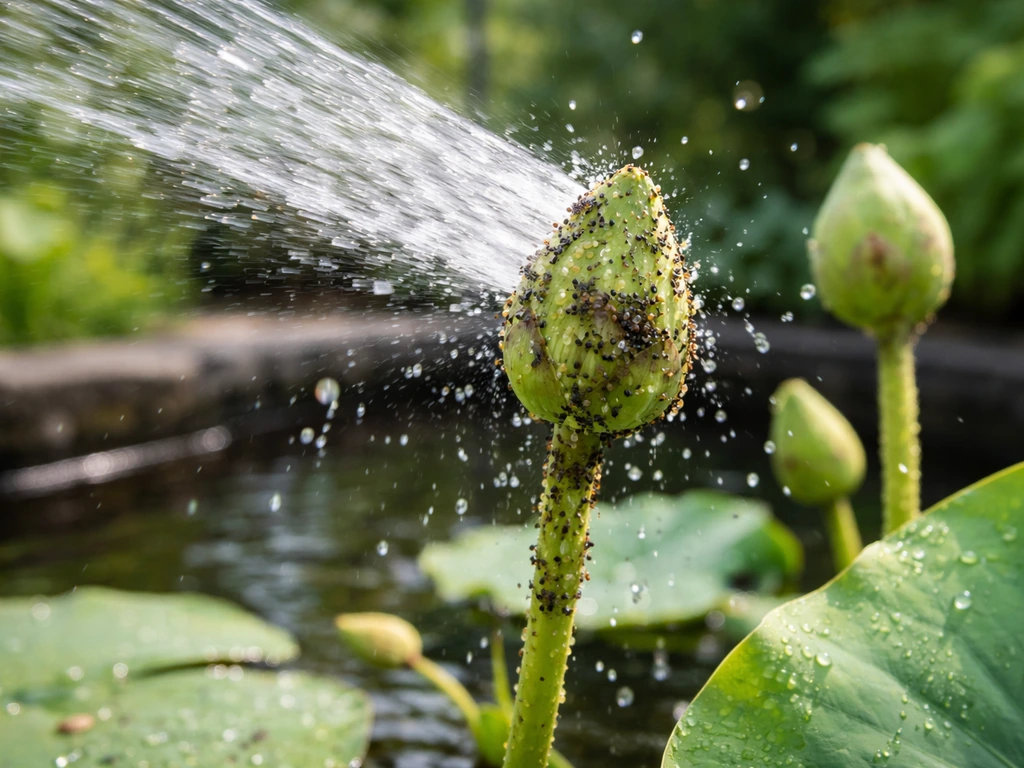
Lotus isn't hugely pest-prone, but a few things will find it. Aphids cluster on new growth and flower buds, especially in hot, dry spells. A strong spray of water knocks them off without chemicals, which is important since you don't want pesticides going into your pond water. Spider mites can be a problem during hot, dry summers, showing up as fine webbing on the underside of leaves and a generally dusty, unhealthy look to the foliage. Snails and slugs will munch the large leaves, particularly on container plants near garden beds. Removing them by hand or using iron phosphate-based bait around the container rim is effective and safe for aquatic environments.
Winter survival
This is where many gardeners lose their lotus, and it's entirely preventable with a little preparation. The golden rule: the crown must never freeze solid. For container-grown lotus in colder zones, the standard approach is to reduce the water level gradually as temperatures drop in autumn, then move the container to a frost-free location for winter and keep the rhizome just moist (not soaking wet, not bone dry).
For in-ground or natural pond lotus in milder climates, leave the rhizomes in place as long as the water won't freeze solid around them. If there's any risk of a hard freeze reaching the rhizomes, either bring containers inside or insulate the pond thoroughly with burlap and leaves. In spring, once water temperatures climb back to 75 degrees Fahrenheit, return the container to the pond and begin increasing the water depth again.
One pairing worth knowing about: lotus and irises both appreciate wet feet and can sometimes share a marginal planting area around a pond. If you're planning a broader wetland garden and want to mix companion plants, understanding whether lilies and irises can grow together helps you design a space that works for multiple plants at once, rather than optimizing for lotus alone and leaving everything else to chance.