
Yes, you can absolutely grow lotus flowers at home, and they're more forgiving than most people expect once you understand one key thing: lotus are aquatic plants that want full sun, warm water, and heavy soil. Do lotus flowers grow in swamps, too? They grow best in shallow, sun-warmed water rather than in permanently muddy, stagnant swamp conditions. Get those three right and you'll have blooms. Get them wrong and you'll spend a summer staring at a bucket of muddy water. The method you use to start your plant matters a lot too, so let's start there.
Can You Grow Lotus Flowers From a Bloom or Seeds?
Marcus Hendricks
27 Apr 2026
Can you grow lotus from a flower? What actually works vs what doesn't
If you're holding a cut lotus bloom or a vase of lotus flowers you picked up at a market or florist, I'll be straight with you: you can't propagate a new lotus plant from that flower. Cut lotus blooms don't root. Unlike some plants where you can stick a stem cutting in water and watch roots appear, lotus doesn't work that way. The bloom itself has no ability to generate a new plant, and the cut stem is already finished as far as reproduction goes.
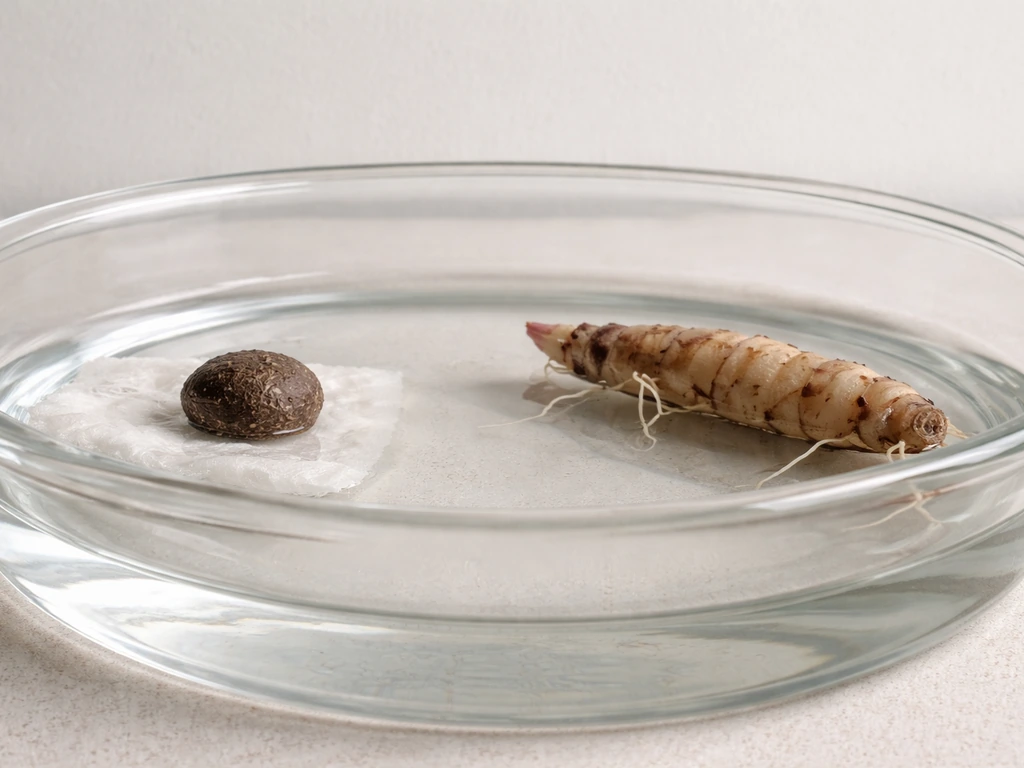
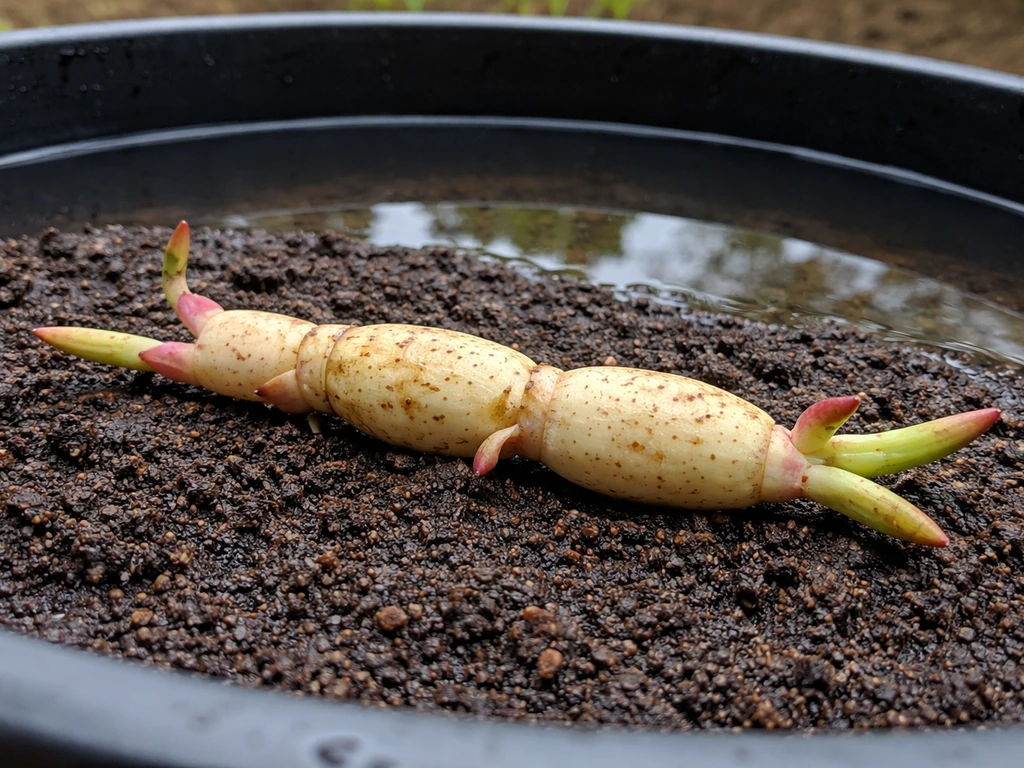
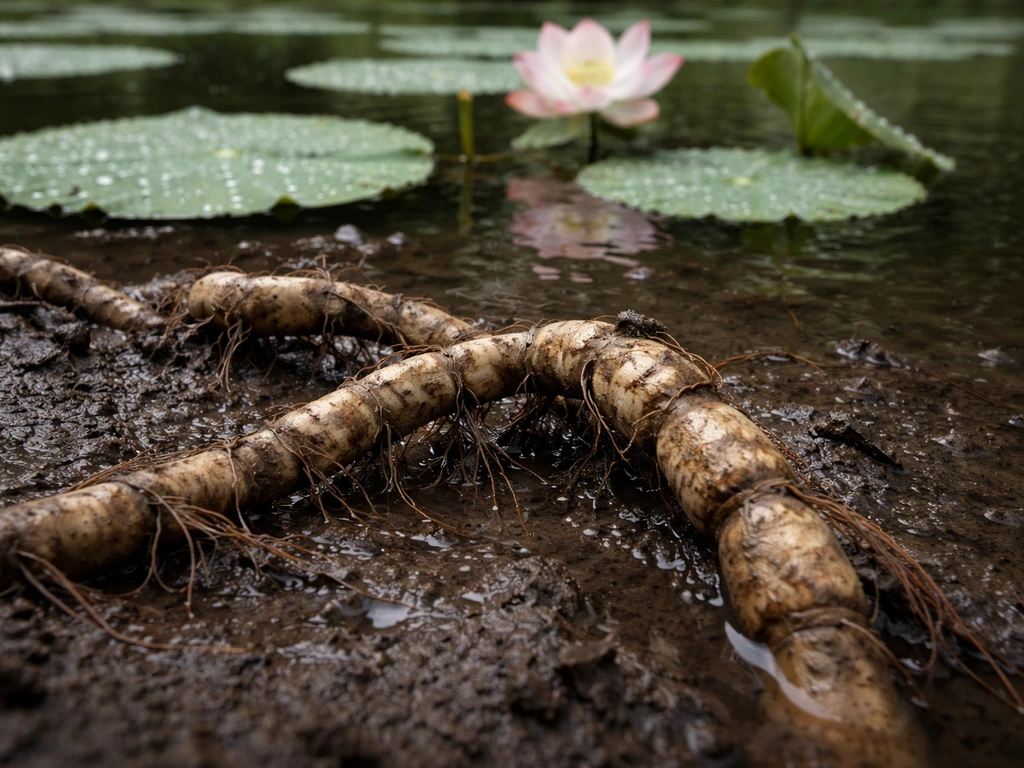
What does work is either the seed or the tuber (the rhizome, which looks like a pale, banana-shaped root). Seeds produce viable plants but take more patience. Tubers are the fastest route to a flowering plant. If your lotus bloom has a seed pod attached and the seeds inside are dark, hard, and ripe, those seeds can actually be used to start new plants. That's the one scenario where a flower gives you a real head start.
So to be clear: flower cuttings, no. Ripe seeds harvested from a bloom's seed pod, yes. Purchased tubers or starter plants, also yes and the easiest of all.
Starting lotus at home: seeds vs cut blooms vs purchased starters
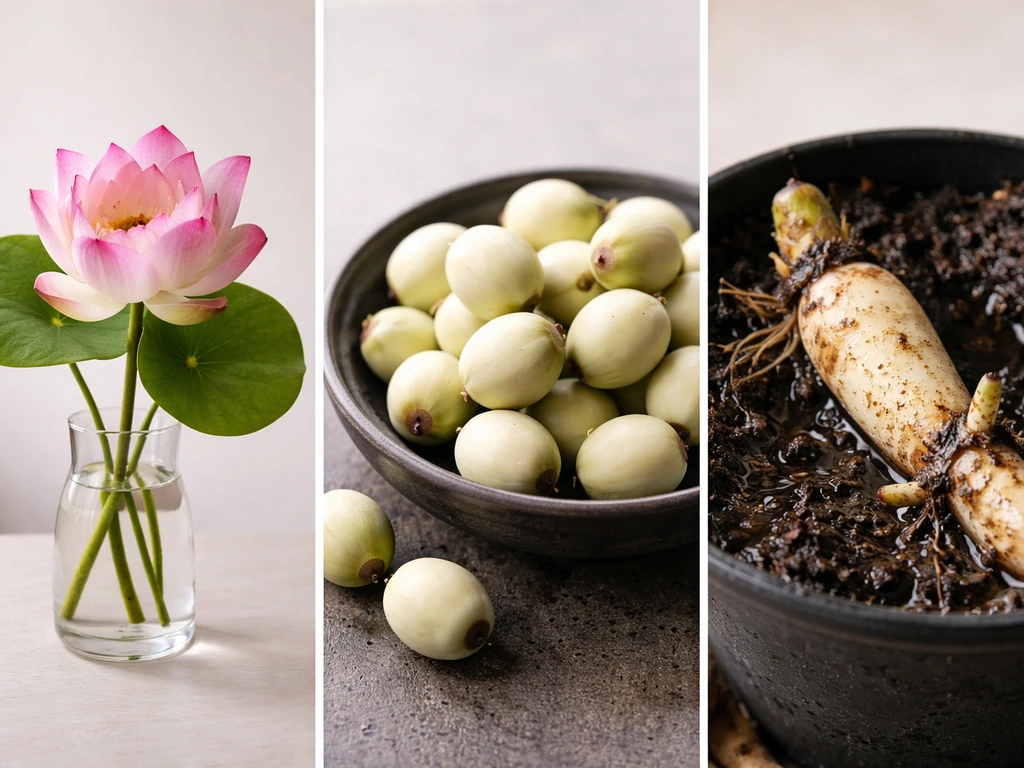
Here's a quick comparison of your three realistic starting points so you can figure out exactly where you stand today.
| Starting Material | Does It Work? | Time to First Bloom | Difficulty | Best For |
|---|---|---|---|---|
| Cut flower from florist/market | No — cannot propagate | N/A | N/A | Arrangements only |
| Ripe seeds from a seed pod | Yes — with scarification | 2–3 seasons typically | Moderate | Patient growers, cheap start |
| Purchased tuber (rhizome) | Yes — most reliable | Same or following season | Easy | Beginners wanting blooms fast |
| Purchased potted starter plant | Yes — quickest results | Same season if warm enough | Easiest | Anyone wanting guaranteed success |
Seeds are rewarding but require a few extra steps. Lotus seeds have an incredibly hard coat that prevents water from getting in, which means they won't germinate unless you break that coat first. This process is called scarification. The most effective method is acid scarification, where you carefully nick or sand the pointed end of the seed until you just reach the inner layer, then soak the seeds in warm water at around 25°C (77°F). Under good conditions, germination can happen in as few as 4 to 6 days, with some studies reporting germination rates around 78% using this method. You can also file or sand the seed coat with sandpaper as a safer DIY alternative to acid treatment.
Tubers are the way I'd tell most people to start. You can buy them from water garden nurseries or online in spring, and they look a bit like thick, knobby sausages. Handle them gently because the growing tip at the end breaks off easily and that's where your whole plant comes from. Plant the tuber correctly and you'll often see leaves within a few weeks.
Light and temperature needs for lotus success (indoor vs outdoor)
Lotus is a full-sun plant, full stop. Why a lotus plant cannot grow in the desert comes down to its need for warm, sunlit water and heavy soil that stays consistently wet full-sun plant. [It needs at least 6 hours of direct sunlight per day to grow well](https://www. gardenia.
net/plant/nelumbo-nucifera), and 8 or more hours to bloom reliably. This is one of the most common reasons beginners fail: they put their lotus in a spot that gets partial shade and then wonder why it produces leaves but no flowers. Unlike peace lilies, which tolerate low indoor light, lotus will just sit there and sulk in anything less than strong direct sun.
Unlike peace lilies, which tolerate lower light indoors, can lilies and irises grow together is a useful question to compare plant compatibility and site needs in a shared water garden.
This makes growing lotus indoors genuinely difficult. Most indoor spaces simply don't provide enough light intensity, even near a south-facing window. If you're set on trying indoors, you'd need a high-output grow light setup and enough warmth to keep the water temperature comfortable. It's possible but not practical for most home gardeners. Outdoors on a sunny patio, deck, or in a pond is where lotus really thrives.
Temperature matters just as much as light. Lotus germinates and grows actively when temperatures are above 13°C (55°F), but it really kicks into gear and flowers in warm summer conditions. It's classified as a summer-flowering plant, which tells you everything about its preference for heat. In cooler climates, that means your growing window is roughly late spring through early fall. Lotus is generally hardy in USDA zones 5 through 11, though plants in colder zones need protection over winter (more on that below).
Water depth, containers, and substrate setup
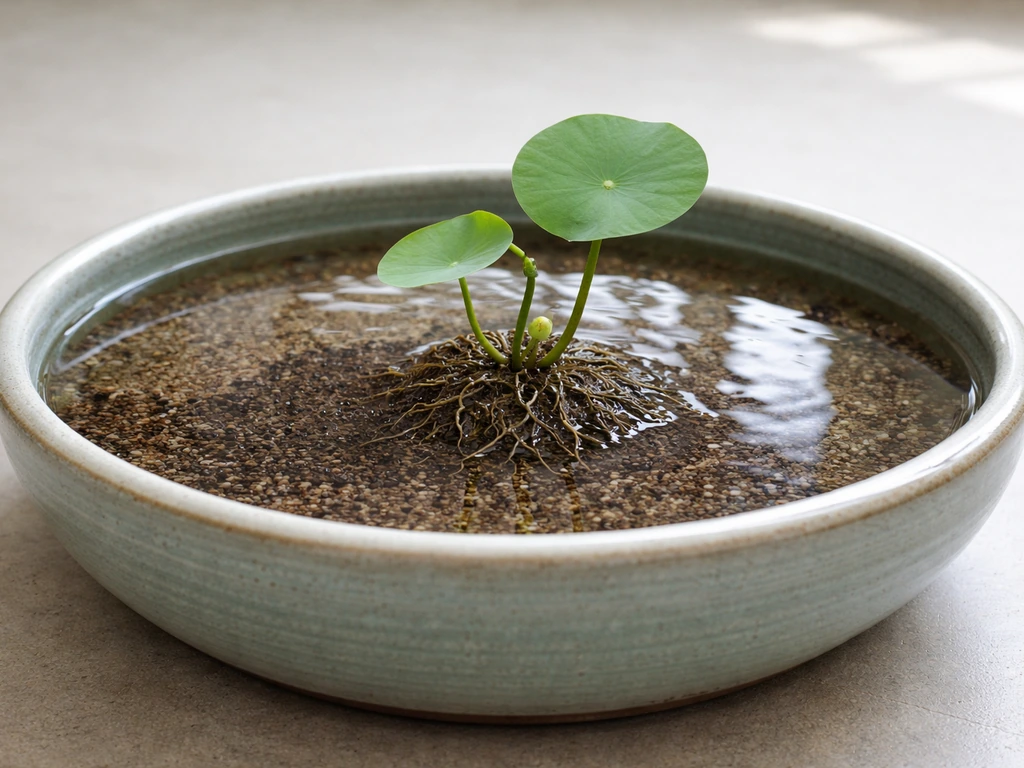
Lotus is aquatic, but it doesn't want to be drowned in deep water, especially when it's getting established. Lotus can be grown on land in containers, as long as you keep the roots submerged in heavy, consistently wet soil and provide full sun Lotus is aquatic. When you first plant a tuber or seedling, keep the water level just 2 to 3 inches above the soil surface. As the plant establishes and sends up stronger growth, you can gradually raise the water level. The minimum recommended depth once established is about 12 inches (30 cm) of water above the soil.
For containers, use a wide, shallow pot rather than a tall, narrow one. A container that's at least 18 inches wide and 10 to 12 inches deep gives roots room to spread. No drainage holes, obviously, since you need to hold water. Large plastic storage totes, half-barrels lined with plastic, or purpose-built aquatic pots all work well.
Soil is where a lot of people make a critical mistake. Regular potting mix floats. Seriously, if you fill a container with bagged potting soil and add water, it'll billow up and make a mess. Lotus needs heavy soil, ideally a clay-loam mix, plain garden clay, or a purpose-made aquatic planting mix.
Some growers use a simple ratio of heavy clay soil with a thin layer of sand or pea gravel on top to keep things from floating. This kind of clay and sand (or similar) substrate guidance also appears in water-garden planting instructions for water lilies and deep-water aquatics [Some growers use a simple ratio of heavy clay soil with a thin layer of sand or pea gravel on top to keep things from floating. ](https://watergardenparadise. com.
au/forms/waterlily-deepwateraquatics_planting. pdf). The goal is substrate that stays put when water is added and when fish or movement disturbs it.
Step-by-step: germinating and planting lotus (what to do today)
If you're starting from seed
- Scarify the seed: Use fine sandpaper or a nail file to sand the pointed end of each seed until you see a slightly lighter layer beneath the hard dark coat. You only need to break through the outer shell, not sand deeply into the seed.
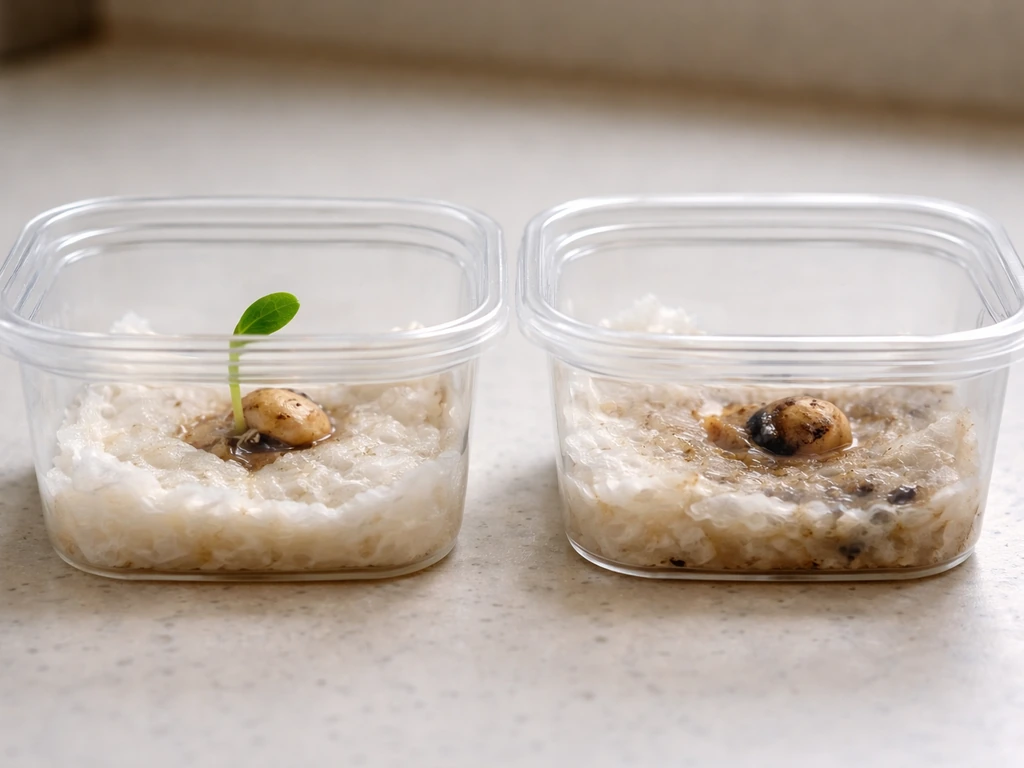
- Soak the seeds: Place scarified seeds in a clear container of warm water (around 25°C / 77°F). Set this somewhere warm and bright. Change the water daily to prevent stagnation.
- Watch for sprouting: You should see seeds swell and a small sprout emerge within about 4 to 7 days. Once the sprout is an inch or two long, it's ready to plant.
- Plant into substrate: Fill your container with heavy clay soil or aquatic planting mix. Press the sprouted seed gently into the top layer of soil, sprout pointing up, and cover lightly. Don't bury it deep.
- Add water carefully: Slowly fill to just 2 to 3 inches above the soil surface. Don't flood too deep early on.
- Place in full sun outdoors: Put the container in the sunniest spot you have. Keep water warm and topping up as it evaporates.
If you're starting from a tuber
- Prepare your container: Fill with heavy clay or aquatic mix, leaving a few inches at the top.
- Lay the tuber horizontally: Place it gently on the soil surface or press it shallowly into the top inch of soil. The growing tip must be free and pointing upward or outward — do not bury the tip.
- Firm soil around the body of the tuber: Leave the tip exposed. Some growers place a small stone over the body of the tuber to keep it from floating up while the tip remains free.
- Add water slowly to 2 to 3 inches above soil: Use a gentle pour or use your hand to diffuse the water so you don't disturb the tuber.
- Place in full sun: Outdoors is best. Keep the water level consistent and watch for the first leaf stems to appear, usually within 1 to 3 weeks in warm conditions.
Care routine: feeding, algae control, and daily/weekly checks
Once your lotus is established and producing leaves, it's a relatively low-maintenance plant. Here's what your ongoing routine should look like.
Feeding
Use aquatic fertilizer tablets, not liquid fertilizer. Liquid fertilizers dissolve into the water column and encourage algae more than they feed your lotus. Push 2 to 3 tablets about 4 inches away from the newest emerging leaves, down into the soil. Do this every 3 weeks through the growing season. Stop feeding entirely in late summer or early fall as the plant prepares to go dormant.
Algae control
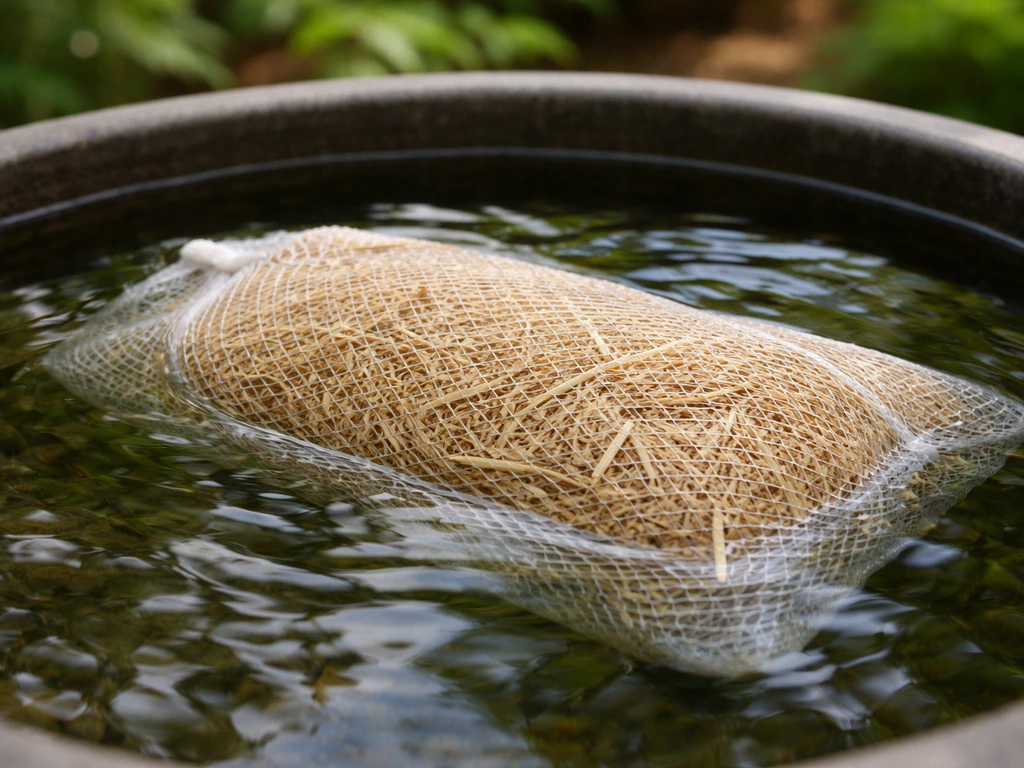
Algae is a fact of life in any warm, sunny water garden. The best natural control method is barley straw, which you can buy in small bales or mesh bags designed for water gardens. As it decomposes, it releases compounds that inhibit algae growth. The catch: it takes 6 to 8 weeks to start working, so add it early in the season. Don't overdose it either because too much barley straw decaying in the water can reduce oxygen levels, which matters if you have fish. Once your lotus canopy fills in and shades the water surface, that alone helps slow algae considerably.
Weekly checks
- Top up water levels as evaporation reduces depth, especially in hot weather
- Remove any yellowing or dead leaves by cutting them at the base below the water surface to prevent rot
- Check that fertilizer tablets haven't surfaced or floated
- Monitor for pests like aphids on leaf surfaces — knock them off with a gentle water spray
- Watch water clarity and add barley straw if algae is increasing
Troubleshooting and common failures (no sprout, rot, weak growth)
Seeds aren't sprouting
If your seeds have been soaking for more than 10 days and nothing is happening, the seed coat probably wasn't scarified enough. Pull them out and sand the pointed end again more aggressively until you can see the lighter interior layer. Also check water temperature: if it's below 20°C (68°F), germination slows dramatically. Warm the water up.
Tuber or seedling is rotting
Rot usually happens when the water is too cold, the water is stagnant and low-oxygen, or the tuber was damaged during planting. Make sure your water is warm and that you haven't buried the growing tip. If you notice soft, dark, mushy areas on the tuber, cut them off with clean scissors and dust the cut end with powdered sulfur or allow it to dry briefly before replanting.
Leaves are growing but no flowers appear
This is almost always a light problem. Lotus needs full sun to bloom, and if it's only getting 4 to 5 hours, it'll grow leaves but won't put energy into flowers. Move the container to a sunnier spot. Overfeeding with nitrogen-heavy fertilizer can also push leaf growth at the expense of blooms, so stick to aquatic fertilizer tablets at the recommended rate and spacing.
Water depth is wrong
Too shallow and the water overheats and evaporates too fast. Too deep early on and a young plant can't reach the surface easily. Start at 2 to 3 inches above soil for new plants and raise to 6 to 12 inches as the plant matures. Established plants in ponds should have at least 12 inches of water above the soil in the pot.
Weak or stunted growth
If leaves are small, pale, or the plant just looks unhappy, suspect either insufficient sun, cold water temperature, or nutrient deficiency. Check all three. Also confirm you're not using regular potting mix that has broken down and compacted, this can suffocate roots. If the soil looks like mush with no structure, consider repotting into proper heavy clay-based aquatic substrate.
Overwintering and long-term care to get repeat blooms
Lotus is a perennial, which means with the right care, the same plant will come back and bloom year after year. How you handle winter depends on where you live.
In warmer climates (roughly zones 8 through 11), lotus may stay partially active year-round or enter a light dormancy. You don't need to do much except reduce or stop feeding and let it rest. In zones 6 and 7, the plant will go fully dormant in fall as temperatures drop. The tubers can survive winter underwater as long as they don't freeze solid. If your container is in a pond, move the entire pot to the deepest part of the pond where the water won't freeze through, ideally keeping it below the frost line.
If you're in zone 5 or colder and you have a container pond or a shallow water feature that could freeze solid, you have two options. Move the container into an unheated but frost-free garage or basement for winter, keeping the soil just barely damp. Or bring the container indoors and store the tuber in a bucket of barely moist soil in a cool (not freezing) location. The key warning here: lotus tubers can withstand below-freezing temperatures when they're submerged in mud or water, but if you remove them from water and let them dry out in freezing air, they'll die. Don't let that happen.
In spring, once nighttime temperatures are consistently above 10°C (50°F), bring your container back out, top up the water, and resume fertilizing when new growth appears. Within a few weeks, you'll see the familiar round leaves emerging again. Lotus that have been growing in the same container for a few years will eventually fill the pot completely with rhizomes, at which point it's time to divide and repot in fresh substrate. This is actually a great time to share starter tubers with other gardeners.
If you're curious whether lotus would work in your specific outdoor setup alongside other water plants, the relationship between lotus and water lilies in shared containers is worth exploring separately since they have some overlapping but also competing needs. To help you decide, look at whether can water lily and lotus grow together in the same container and what water depth and sunlight each one needs.
FAQ
Can you grow lotus flowers from a store-bought lotus flower in water or on soil?
No. Cut blooms and vase flowers generally cannot be used to start new plants, they do not root or generate a viable new plant. The only exception is when the flower includes a ripe seed pod with fully mature seeds you can harvest and scarify.
How can you tell if the lotus seeds from a pod are actually usable?
Usable seeds are typically dark, hard, and fully ripe inside the pod. If the seeds look pale, soft, or incomplete, they usually fail to germinate even after scarification. When in doubt, wait until the pod has matured on the plant before harvesting seeds.
What’s the safest way to scarify lotus seeds at home if I don’t want to use acid?
File or sand the pointed end until you can see the lighter inner layer, avoid cutting too deeply into the embryo. Then soak in warm water around 25°C (77°F) and change the water daily to reduce fungus and bacteria while germination gets started.
Do lotus seeds need to be planted, or can they just float while they germinate?
For best results, scarified seeds should be soaked first to kick-start germination, then placed so the roots can anchor in heavy, water-holding substrate. Floating and leaving them unsupported often leads to poor root establishment or the seed drying out around the edges.
Why is my lotus growing leaves but not blooming even though it’s alive?
Most often it is not getting enough direct sun (you need at least 6 hours, and 8+ helps reliability). A second common cause is nitrogen-heavy feeding that pushes vegetative growth. Stick to aquatic fertilizer tablets placed in the soil near new growth, and stop feeding in late summer to early fall.
How deep should the water be for a newly planted tuber or seedling?
Start with the water only 2 to 3 inches above the soil surface for new plants so the emerging leaves can reach light. Once established, increase gradually, and aim for about 12 inches of water above the soil for established growth.
Can I keep lotus in a pot with drainage holes and just water it regularly?
Usually no. Lotus needs consistently wet, submerged roots, and drainage holes make it much harder to keep the soil saturated and reduce the risk of roots drying. If you need a container system, use one without drainage and keep the root zone underwater as the plant matures.
What’s the fastest way to get flowers if I’m starting from scratch?
Starting with purchased tubers is generally the quickest route to flowering. Seeds can work, but they require scarification, warm water, and more patience before you see leaves and flowering.
How do I prevent algae without harming oxygen levels, especially if I have fish?
Use barley straw early, it takes weeks to start working, and avoid overdosing because excessive decay can reduce oxygen. A practical approach is to use the recommended amount for your water volume, then monitor fish behavior and water clarity as the season progresses.
My tuber looks damaged or smells bad, can I still save it?
If you see soft, dark, mushy areas, remove the rot with clean scissors. Dust the cut end with powdered sulfur or let it dry briefly before replanting, then keep water warm and avoid burying the growing tip because damage there often stops growth.
Can lotus survive winter if temperatures briefly drop below freezing?
Yes if it stays submerged and the water does not freeze solid. The key is preventing exposure to freezing air while the tuber is out of water. If a container could freeze through, overwinter the pot in a frost-free space or protect it by moving it to deeper water that stays liquid.
Should I divide lotus rhizomes every year?
Not necessarily. Divide when the pot becomes filled with rhizomes and growth slows or overcrowds, often after a few years. Use fresh heavy substrate when repotting to avoid the soil structure breaking down and compacting over time.
Next Articles
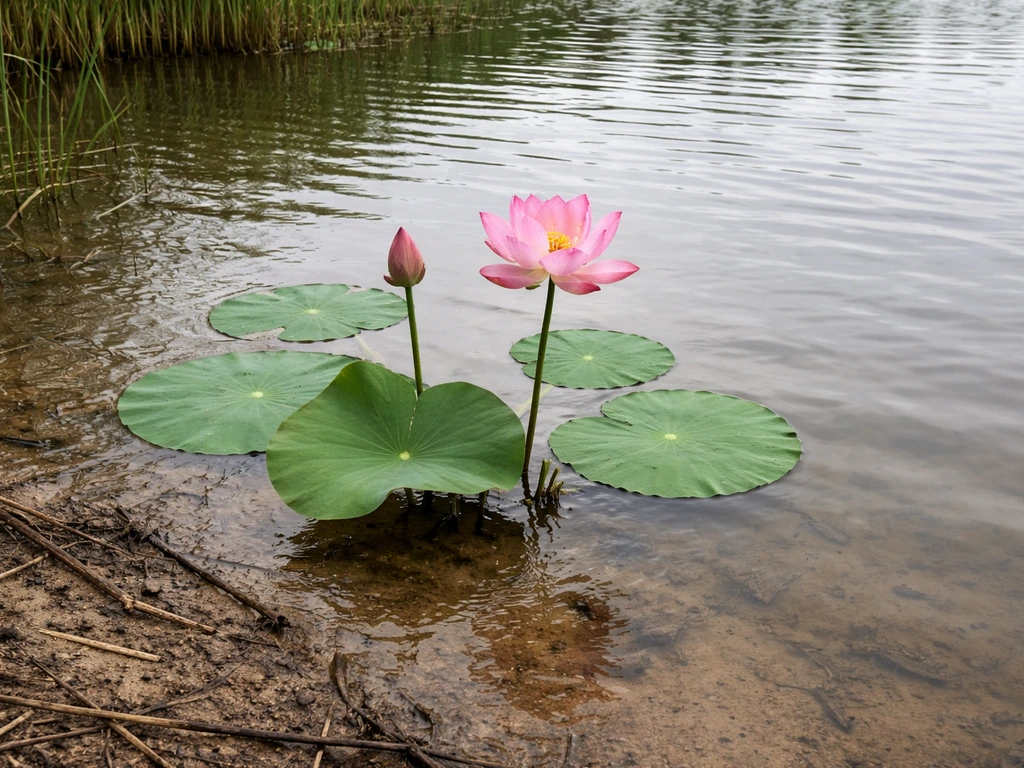
Do Lotus Flowers Grow in Swamps? Swamp Planting Guide
Learn if lotus grows in swamps, how to plant for depth, sun, warm temps, and fix rot, weak blooms, and cold.
Do Lotus Flowers Grow in Mud? How to Grow Them
Yes, lotus grows in muddy sediment: learn why, how to plant rhizomes, depth, substrate, and fix common problems.
Can Calla Lilies Grow in Ponds? How to Set Up Successfully
Yes, with the right setup: water depth, substrate, anchoring, light, and overwinter care for pond or marginal calla lili