The short answer: it depends on which ember lily you actually have
Yes, ember lilies can regrow year after year, but only if you have the right plant and give it the right conditions. Here's the catch: "ember lily" is not a single, universally agreed-upon plant name. Depending on where you encountered the term, you might be dealing with a true perennial lily bulb, an annual flower sold under a catchy cultivar name, or even a crop item inside the Roblox game Grow a Garden, where the Ember Lily is listed as a prismatic in-game crop and not a real-world plant at all. Knowing which one you have is step one, because the regrowth story is completely different for each.
Wait, is your ember lily a real plant or a game item?
If you found the term "ember lily" while playing Grow a Garden on Roblox, that's a game item, a prismatic-rarity crop you collect inside the game. It doesn't correspond to a bulb you plant in your backyard, so there's no soil, dormancy cycle, or overwintering involved. If that's your situation, regrowth in the game depends entirely on the game's mechanics, not on anything gardening-related.
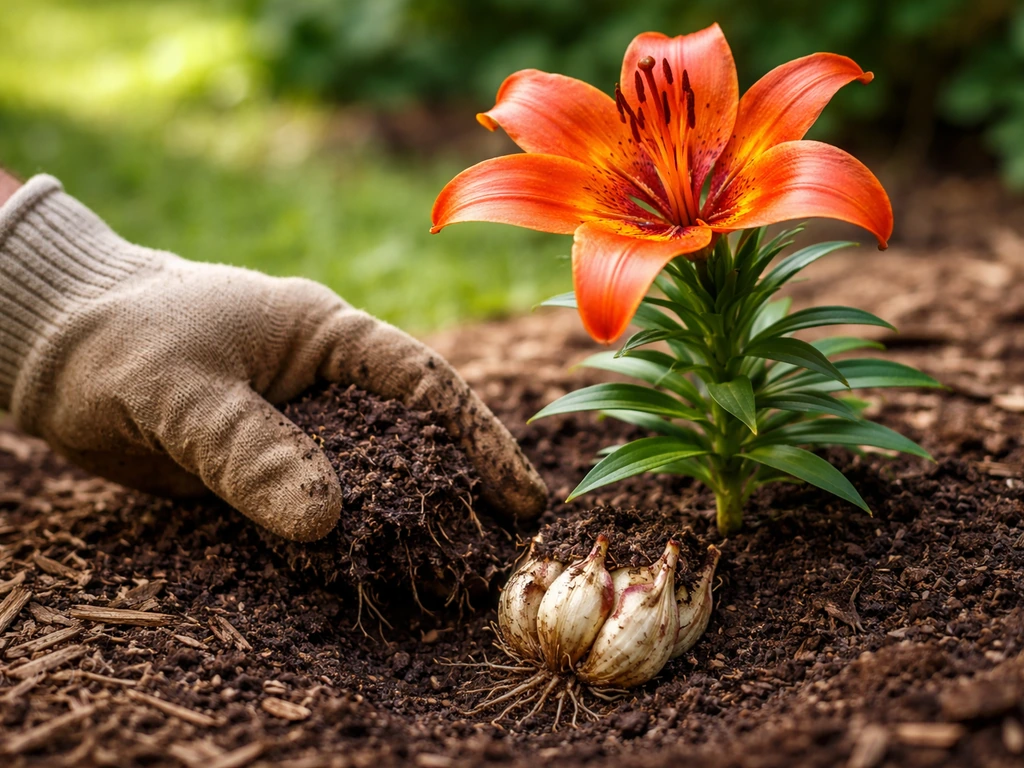
If you're asking about a real garden plant sold under an "ember" name, you're most likely dealing with one of two things. The first is Asiatic Lily 'Ember' (genus Lilium), a true lily that grows from a bulb, returns year after year in the right climate (typically Zone 8 and milder), and behaves like any classic perennial lily. The second possibility is something like Helichrysum 'Ember Glow' (a strawflower), which is sold as an annual and does not regrow from a bulb the following season. Identifying your plant before you do anything else saves a lot of wasted effort.
- Check the plant tag or receipt for a genus name: if it says Lilium, it's a true lily bulb and should regrow.
- Look at the root system: true lilies grow from scaly bulbs that look layered, like a loose artichoke.
- If the tag says "annual" or the plant came in a small 4-inch pot already blooming, it may be a non-bulb variety that won't return.
- If you bought seeds or a starter in a game context, that's Grow a Garden (the game) and garden advice doesn't apply.
How true lilies actually regrow: bulbs, dormancy, and the signs of life
True lilies (Lilium) are perennial bulb plants. Every year they follow the same cycle: they shoot up in spring, bloom in summer, then the foliage dies back and the bulb goes dormant underground through winter. The bulb isn't dead during dormancy, it's just resting and storing energy for next year's growth. This is an important distinction, and it's one I've had to explain to a lot of nervous first-time growers who are convinced their plant has died just because the stems turned brown in September.
To check if your bulb is still alive after dormancy, dig carefully around the base (don't go straight down or you'll slice through it). A living bulb feels firm and plump, maybe slightly papery on the outside. A dead or rotting bulb will feel mushy, hollow, or smell sour. If it's firm, congratulations, your ember lily is alive and just waiting for warmer soil temperatures to push up new shoots. This is the same basic evaluation you'd run on any bulb-forming lily, which is something I cover in more depth when talking about whether lilies in general grow back.
What to do right after your ember lily blooms
The post-bloom window is honestly where most gardeners lose the plot. They either cut everything down immediately (bad idea) or just walk away and ignore the plant entirely (also not great). Here's what actually works.
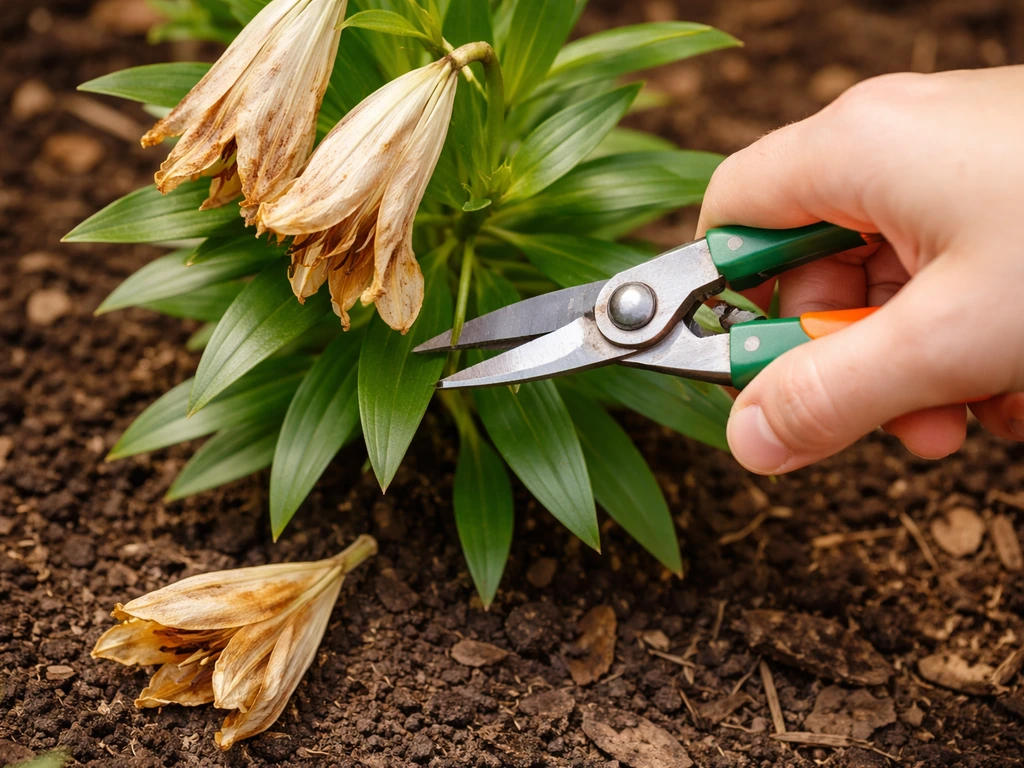
First, deadhead the spent flowers by snipping off the faded blooms. This stops the plant from putting energy into forming seeds, which is energy it should be directing back into the bulb instead. But here's the critical part: do not cut the stem or the leaves. Leave everything else standing. The foliage is actively photosynthesizing and pumping sugars back down into the bulb, rebuilding its reserves for next year. University of Missouri Extension is direct about this: cut off old blooms, leave the stem and leaves completely intact until they die down naturally in fall. If you cut the foliage early, you're essentially starving the bulb heading into winter, and you'll wonder why it didn't come back.
A lot of people also ask whether a lily can bounce back even after the petals have already dropped on their own. The answer is generally yes, as long as the foliage is still green and healthy, and lilies do continue to regrow after petals fall off provided the bulb still has enough stored energy. That's why protecting that foliage matters so much.
- Remove faded flowers immediately after bloom ends (deadheading).
- Leave all stems and leaves standing until they yellow and die back naturally.
- Give the plant a balanced slow-release fertilizer (like a 10-10-10) after blooming to help replenish the bulb.
- Keep watering at a moderate, consistent rate through the foliage dieback period.
- Once foliage is completely brown and dead, cut it back to ground level.
Getting the basics right: light, water, soil, and planting depth
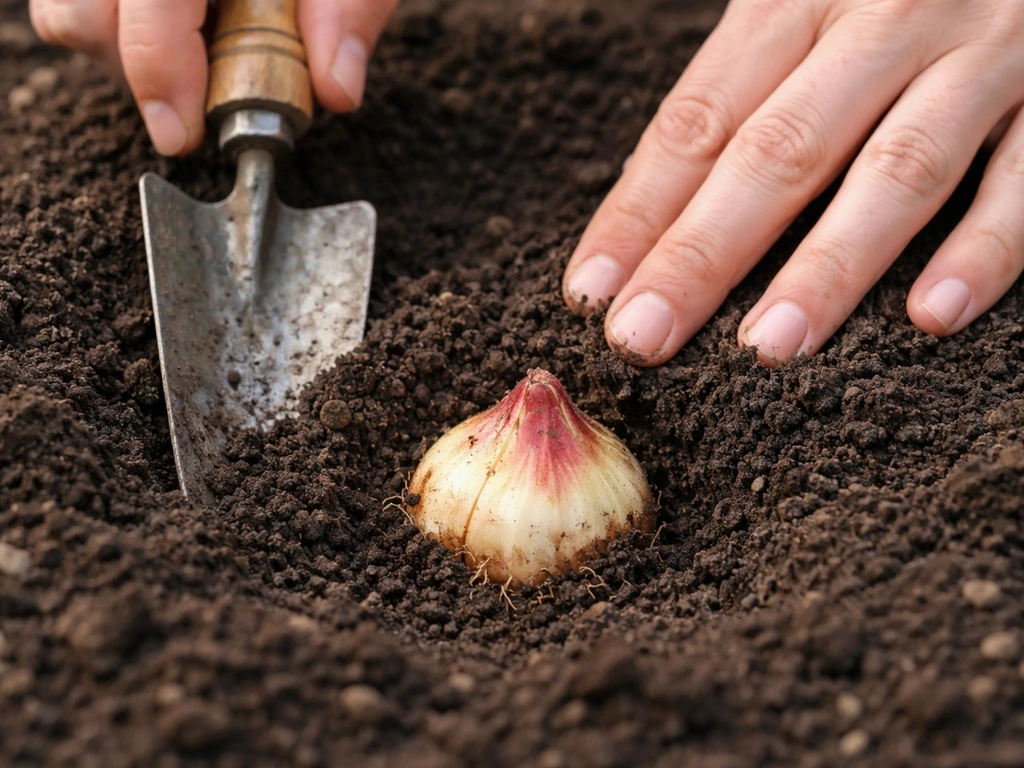
True lilies, including Asiatic varieties like 'Ember,' want full sun. I'm talking at least six hours of direct sunlight per day, with eight hours being ideal. If your ember lily is planted in a shady corner, don't be surprised when it struggles to come back strong the following year. A weak, shade-grown lily puts less energy into the bulb at the end of the season, and a poorly fueled bulb is less likely to survive winter or bloom again. The rule is simple: full sun produces the most reliable returns.
Soil is where I see the most preventable failures. True lilies need well-draining soil, and they hate sitting in soggy ground. Fusarium basal rot is one of the most common reasons lily bulbs don't return, and it thrives in waterlogged conditions. If your garden has clay-heavy soil or low spots that stay wet after rain, amend with coarse sand and compost before planting. Average-to-loamy soil with good drainage is the sweet spot.
Planting depth is another factor that quietly determines whether a bulb establishes and keeps returning. The standard guidance from multiple extension sources is to plant bulbs at a depth of about 2. 5 to 3 times the height of the bulb itself. So if your bulb is 2 inches tall, it should be planted roughly 5 to 6 inches deep.
Planting too shallow exposes the bulb to temperature swings and frost heave. Planting too deep exhausts the bulb before it can reach the surface. Get the depth right, and you give the bulb its best shot at returning every year.
This principle works for most lily types, and if you're curious whether lilies can push through more challenging conditions, there's an interesting angle on whether lilies will grow through rocks that gets into just how determined these bulbs can be.
| Care Factor | What Ember Lily Needs | Common Mistake |
|---|
| Light | Full sun, 6-8 hours per day | Planting in shade or partial shadow |
| Soil | Well-draining, loamy or amended clay | Heavy clay or low-lying wet spots |
| Watering | Consistent moisture, never waterlogged | Overwatering or letting bulb sit in standing water |
| Planting Depth | 2.5-3x the height of the bulb | Too shallow (frost damage) or too deep (exhaustion) |
| Post-Bloom Foliage | Leave intact until fully yellow and brown | Cutting stems and leaves right after flowering |
Cold climates, hot summers, and container growing
Asiatic Lily 'Ember' is generally listed as hardy to around Zone 8, which means if you're gardening in colder zones, the bulb may not survive winter in the ground without some protection. In Zones 6 and 7, you can often overwinter lily bulbs in the ground by mulching heavily over the bed after the first frost. A 3 to 4 inch layer of straw or shredded leaves insulates the soil and prevents the freeze-thaw cycling that heaves bulbs out of the ground.
If you're in Zone 5 or colder, the safest approach is to dig the bulbs after the foliage dies back in fall, brush off the soil (don't wash them), let them air dry briefly, and store them in a paper bag or open container (never sealed, as that traps moisture and causes rot) with dry peat moss or vermiculite. Store them somewhere that stays cool but doesn't freeze, like an unheated garage or basement, through winter. Kansas State Extension is specific about this: avoid sealed containers and protect bulbs from conditions that would cause rot or freeze damage. Replant in spring once soil temperatures warm above 50°F.
If you're growing ember lilies in containers, there's an extra risk you need to know about. Pots have a much smaller thermal mass than the ground, so the soil inside freezes much faster and much deeper in cold weather. A pot left outside can freeze the bulb completely solid and kill it, even if the same bulb would have survived just fine planted in the ground. Melinda Myers recommends moving containers into an unheated garage or shed when cold weather hits. This one step prevents most container bulb losses, and it's worth doing even if the forecast only shows a few nights below 28°F.
For indoor or forced-bulb situations, the regrowth calculus is different. Bulbs that have been forced to bloom indoors (like Easter lilies in pots) need a cold period and a recovery window before they'll reliably re-bloom. Chicago Botanic Garden also emphasizes giving forced bulbs a specific cold storage period, such as about 13 to 14 weeks in a refrigerator or cold location, before moving them to a cool room for proper bloom timing [a cold period and recovery window](https://www. chicagobotanic.
org/plant-information/forcing-tulips). University of New Hampshire Cooperative Extension notes that timing controlled cold storage correctly is what determines whether forced bulbs come back into bloom the following season. This is a different scenario from hardy outdoor lilies, but it matters if your ember lily spent time as a houseplant or was a gift plant grown indoors.
You might also find it helpful to explore how peace lilies handle root and growth challenges for contrast, since they're a completely different plant type that behaves very differently in containers.
When they don't come back: what went wrong and how to fix it
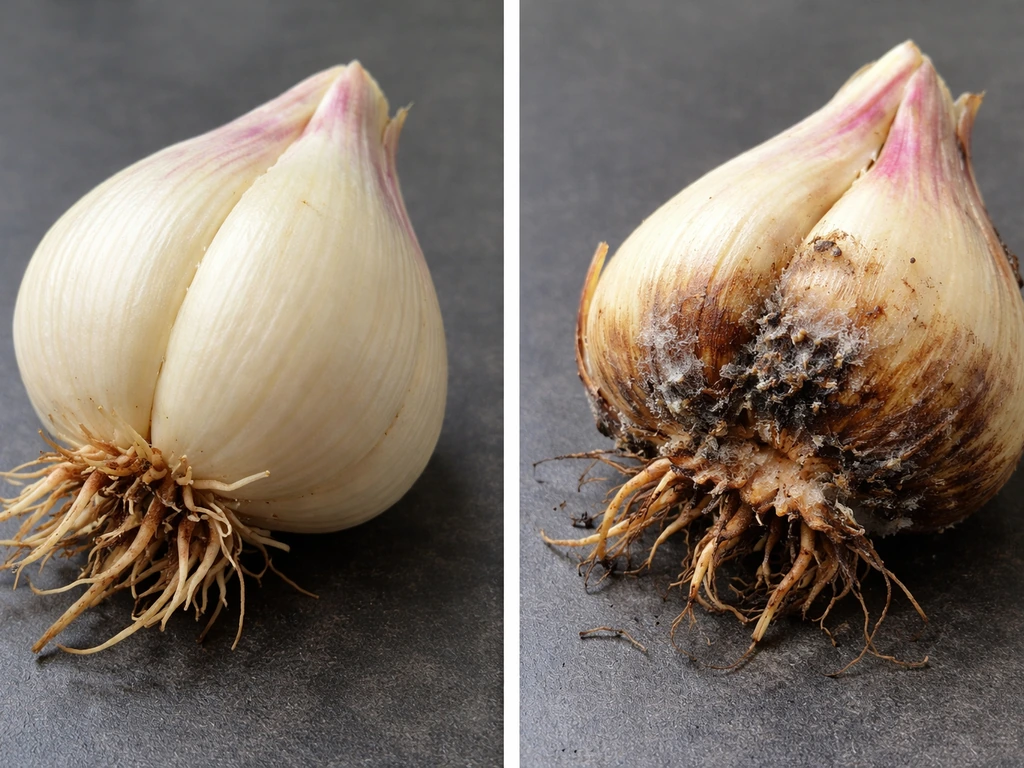
I've had lily bulbs not return, and it's always traceable to one of a handful of causes. The most common is basal bulb rot from Fusarium, a fungal disease that attacks the base of the bulb when the soil stays wet for too long. If you dig up a bulb and find it mushy and brown at the base, that's the culprit. The fix for future plantings is improving drainage, not just hoping for a drier summer. Raise the bed by a few inches, work in coarse grit or perlite, and don't plant in areas where water visibly pools after rain.
If the bulb looks physically fine but just isn't emerging in spring, the first thing to check is timing. Lilies are slower than you think in cold springs. Wait until soil temps hit 55 to 60°F before you panic. If it's late spring and still nothing, the bulb may have frozen during winter (especially in containers), been planted too shallow, or lost too much energy because the foliage was cut back prematurely after last year's bloom.
It's also worth knowing that other types of lilies face similar issues, and the solutions often overlap. The patterns for whether liberty lilies regrow in Grow a Garden style setups follow much of the same logic when it comes to real-world bulb care and seasonal management.
Quick troubleshooting guide
| Symptom | Most Likely Cause | What to Do |
|---|
| Bulb is mushy or smells sour | Fusarium basal rot from waterlogged soil | Discard affected bulb, improve drainage before replanting |
| No shoots by late spring | Bulb frozen in container OR planted too shallow | Check bulb viability by digging; adjust depth or bring containers in next fall |
| Shoots emerge but plant is weak and small | Foliage was cut early last year, robbing bulb of energy | Let foliage die back fully this year; feed with balanced fertilizer after bloom |
| Plant blooms once then never returns | Annual variety (not a true Lilium bulb) | Confirm plant identity; replace with a true Lilium cultivar if perennial return is the goal |
| Bulb firm but no bloom | Insufficient light or bulb needs division | Move to full sun location; divide crowded bulbs in fall |
Your practical checklist for reliable ember lily regrowth
If you want your ember lily to come back reliably, here's the sequence I'd follow from planting through dormancy and back again.
- Confirm you have a true Lilium bulb (firm, scaly, layered) and not an annual or a game item.
- Plant at 2.5 to 3 times the bulb's height in depth, in well-draining loamy soil, in full sun.
- Water consistently but never let the bulb sit in standing water.
- After blooming, deadhead flowers but leave all stems and foliage standing until they die back completely on their own.
- Feed with a balanced fertilizer after bloom to replenish bulb energy for next year.
- In Zone 8 and warmer: mulch the bed with 3 to 4 inches of straw after first frost and leave bulbs in the ground.
- In Zone 7 and colder: dig bulbs after foliage dies back, store in open containers with dry peat in a cool (not freezing) space, replant in spring.
- If growing in containers: move pots into an unheated garage or shelter before hard freezes hit.
- In spring, wait until soil temps are above 55°F before worrying that shoots haven't appeared.
- Dig and check bulb firmness if emergence is very late. Firm equals alive; mushy equals start fresh.
The bottom line is that a true Asiatic Lily 'Ember' is genuinely a reliable perennial when you give it what it needs: full sun, good drainage, the right planting depth, and foliage that's allowed to do its job after bloom. Get those things right and it'll come back for you every year without much fuss.