
If you are searching for the Liberty Lily in the context of 'Grow a Garden,' you are almost certainly asking about a Roblox game, not a garden bed. In the Roblox idle game Grow a Garden, the Liberty Lily is a limited-time, Rare-tier crop tied to the 4th of July Event. It is a multi-harvest crop, which means yes, it does regrow and produce multiple yields after your first harvest. In real-world gardening, there is no widely recognized cultivar officially called the 'Liberty Lily,' but the name points toward a true lily hybrid, and those behave as perennials: they come back year after year when grown in the right conditions. This guide covers both angles so you can get useful answers no matter which situation you are in.
Does the Liberty Lily Regrow in Grow a Garden? Care Tips

Marcus Hendricks
14 May 2026
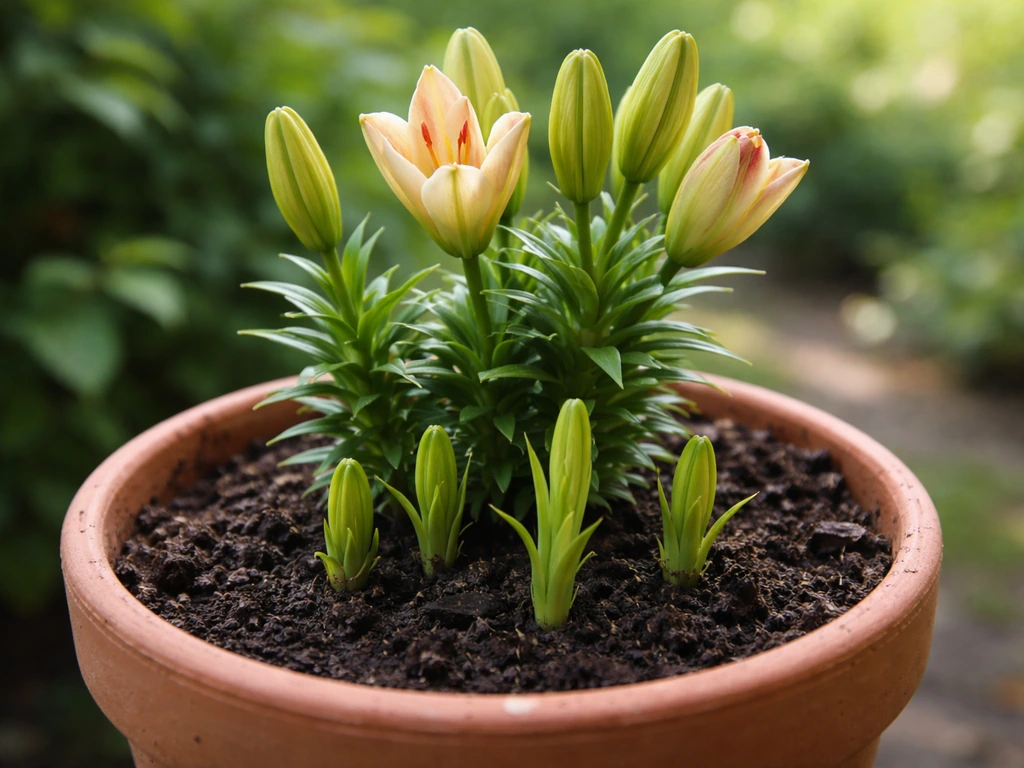
What the Liberty Lily Actually Is (and What 'Grow a Garden' Means)
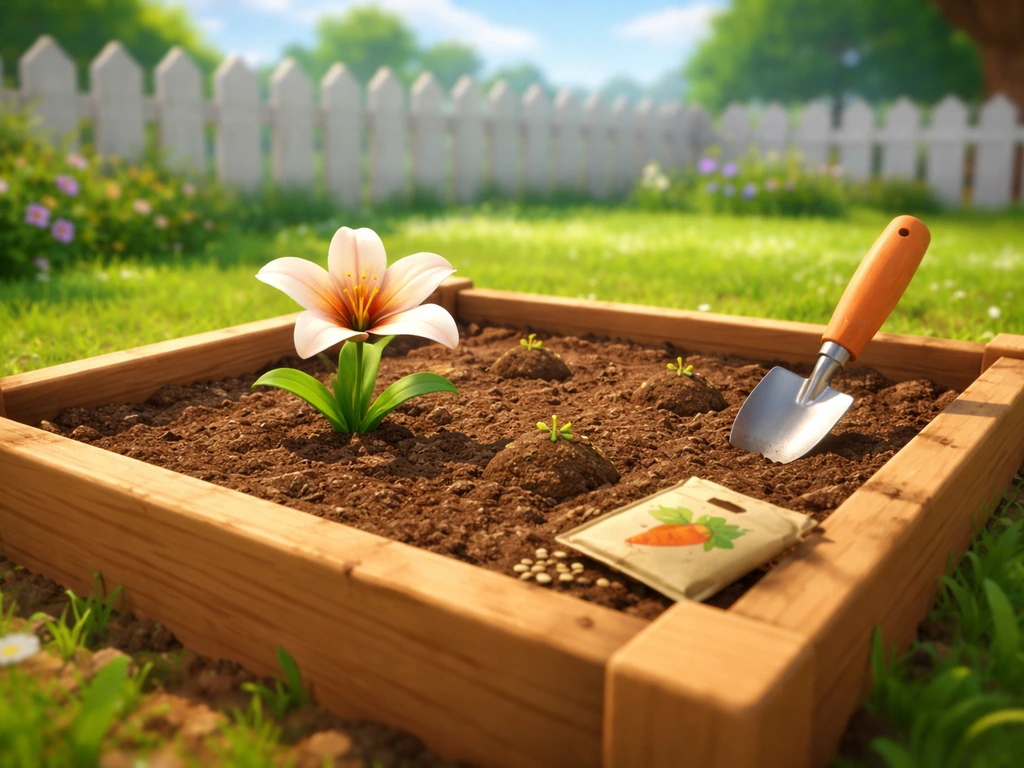
In the Roblox game Grow a Garden, the Liberty Lily is a seasonal, event-exclusive flower crop. PCGamesN’s Grow a Garden flower list includes “blank" rel="noopener noreferrer">Liberty Lily” as a flower crop tied to the game, which supports it being a crop name rather than a specific horticultural cultivar. You buy Liberty Lily seeds from the 4th of July Merchant for 650,000 Sheckles (or 519 Robux), and it is only available during the 4th of July Event window. In the Liberty Lily entry for Grow a Garden, it is described as a limited-time Rare-tier multi-harvest crop obtained by buying Liberty Lily seeds from the 4th of July Merchant for 650,000 Sheckles (or 519 Robux) blank" rel="noopener noreferrer">You buy Liberty Lily seeds from the 4th of July Merchant for 650,000 Sheckles (or 519 Robux). The plant is described as having striking red and white petals with a cone-shaped center, fitting its patriotic theme. Because it is classed as a multi-harvest crop in the game, it keeps producing after each harvest rather than disappearing after one yield. That is the direct answer for the game context.
In real-world gardening, 'Liberty Lily' is not a standardized cultivar name you will find in most nursery catalogs. It may refer to a patriotic-themed lily sold by specialty growers, or it could describe an Asiatic or Oriental lily hybrid marketed under that name. For practical purposes, if you have a plant labeled Liberty Lily in your garden, treat it as you would any true lily (Lilium species): a bulb-forming perennial that can return each season with the right care. The advice below maps directly to that scenario.
Does the Liberty Lily Regrow After Blooming?
In Grow a Garden: yes, it is explicitly a multi-harvest crop. Plant it, let it grow, harvest, and it produces again without needing to replant. In the Roblox game Grow a Garden, Liberty Lily is treated as a multi-harvest crop, so it can produce again after you harvest. The number of harvests you can get is tied to the event timeline, so use your seeds while the 4th of July Event is active.
In real-life gardening: true lilies are perennials, not annuals. They are not a one-and-done plant. After the flowers fade, the bulb stays alive underground and, if you care for the foliage correctly through the rest of the season, it will store enough energy to push up new stems and flowers the following year. I have had Asiatic lily bulbs come back reliably for six or seven years in a row with minimal fuss. The key word is 'if': the bulb needs to do its post-bloom work before you cut anything down, and the growing conditions have to be right for it to bother coming back.
What to Do After the Flowers Fade to Trigger Regrowth
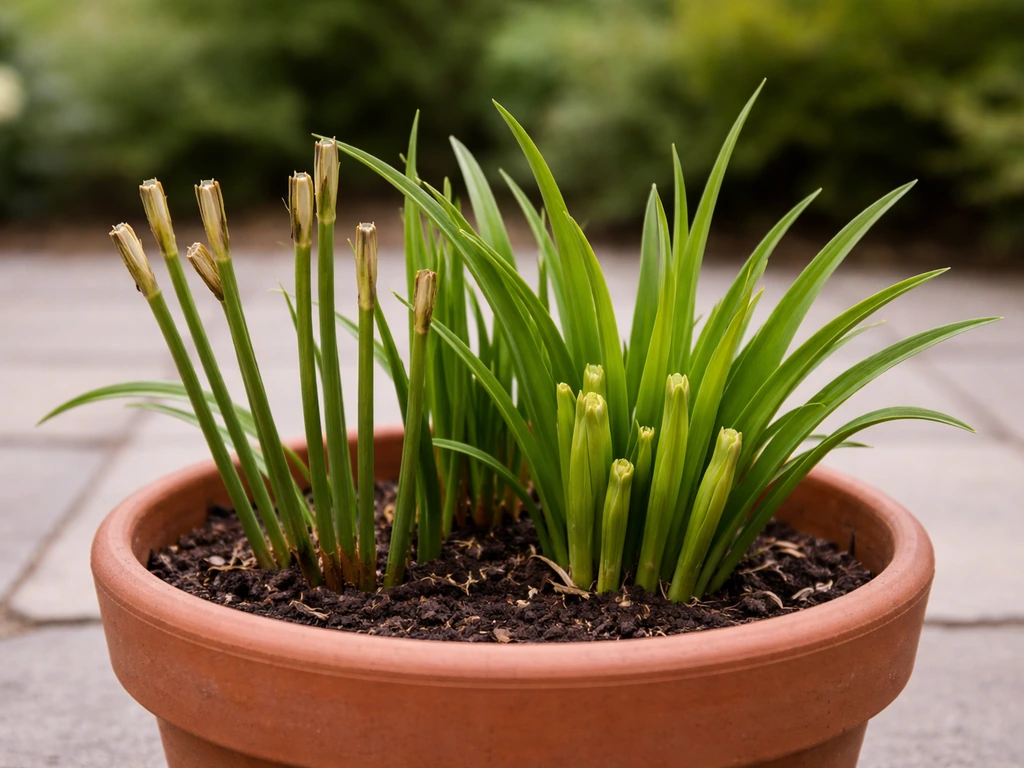
This is where a lot of gardeners go wrong. Once lily blooms drop, the instinct is to cut the whole thing back. If you are wondering specifically about whether lilies grow back after the petals fall off, the key is what you do with the stem and leaves next Once lily blooms drop. Do not do that. The stem and leaves are still photosynthesizing and pushing sugars down into the bulb for next year's bloom. Cutting the foliage too early is one of the fastest ways to get a lily that simply does not return.
- Deadhead spent flowers immediately: snap or cut off the seed pods right after petals fall. You do not want the plant spending energy on seed production when you need that energy in the bulb.
- Leave the stem and all foliage standing until it turns yellow and begins to die back naturally. This usually takes 6 to 8 weeks after blooming ends.
- Once the foliage is fully yellow or brown, cut the stem back to about 2 to 3 inches above the soil line. Do not yank it out.
- Mark the spot so you do not accidentally dig up the bulb during other garden work in autumn.
- Add a light layer of compost or balanced slow-release fertilizer (5-10-10 works well) around the base just after bloom to start recharging the bulb.
Light, Soil, and Water: Getting Conditions Right for Regrowth
True lilies are not complicated, but they do have specific preferences that directly affect whether they come back strong or just limp along. Get these three right and regrowth almost takes care of itself.
Light
Lilies want full sun: at least 6 to 8 hours of direct sunlight per day. The tops of the plants need sun; the base of the stems and the bulbs actually prefer to stay cool and shaded. A classic trick is to plant low-growing perennials or ground covers around the base of your lilies to shade the soil without blocking light to the bloom. Less than 6 hours of sun and you will see weak stems, fewer flowers, and bulbs that gradually lose the energy to return.
Soil
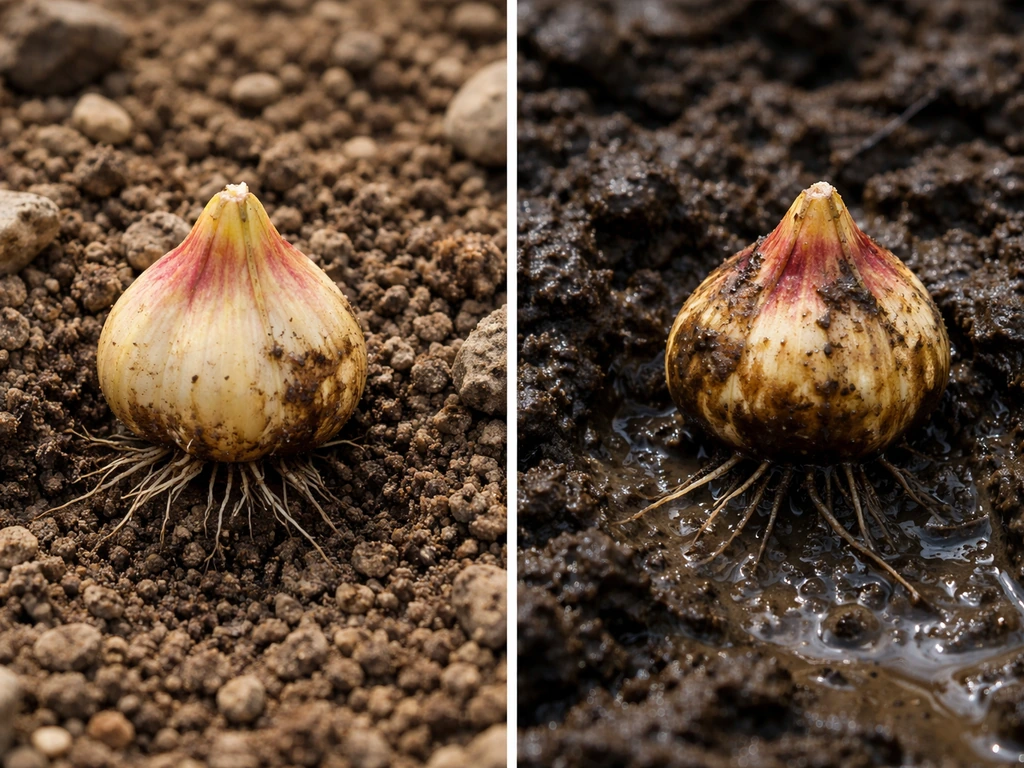
Drainage is non-negotiable. Lily bulbs sitting in wet soil will rot, and a rotted bulb is not coming back. If you have lilies in rocky ground, make sure the roots still get well-draining soil and enough room to establish, because they typically do not grow through solid rocks on their own will lilies grow through rocks. You want loose, well-draining soil with a slightly acidic to neutral pH, roughly 6.0 to 7.0. If your native soil is heavy clay, amend it with coarse sand and compost before planting. Bulbs should be planted at a depth of about 3 times the diameter of the bulb, which typically works out to 4 to 6 inches deep for most lily varieties. Shallow planting means poor anchoring and more vulnerability to temperature swings.
Water
Water consistently but never let the bulb zone stay waterlogged. About 1 inch of water per week during the growing season is a good baseline. Water at the base, not over the foliage, to reduce fungal disease risk. After the plant dies back in autumn, you can ease off watering significantly since the dormant bulb needs much less. If you are in a rainy climate, make sure your planting site drains well enough that standing water does not pool after heavy rain.
Indoor vs. Outdoor Care and Climate Limits
Most true lilies are outdoor plants and are cold-hardy in USDA Zones 4 through 8. In those zones, you can leave bulbs in the ground through winter and expect them to return in spring. In Zone 3 or colder, you will need to dig the bulbs after the foliage dies back, store them in a cool, dry place (think a paper bag in a garage or basement at around 35 to 50 degrees Fahrenheit), and replant them in spring after the last frost date.
In warmer climates, Zone 9 and above, lilies can struggle because they need a period of cold dormancy to reset and rebloom. If you are in a warm zone and your lily bloomed once but never returned, lack of winter chill is likely the culprit. You can try refrigerating the bulbs for 6 to 8 weeks before replanting to mimic winter, but honestly, some lily varieties just are not well-suited to tropical or subtropical conditions.
Growing lilies indoors in containers is possible but trickier. You need a pot that is at least 12 inches deep for proper bulb development, well-draining potting mix, and a spot that gets at least 6 hours of bright indirect to direct light (a south-facing window or a supplemental grow light). Indoor lilies often need to be moved outdoors or given an artificial cold period in winter to trigger regrowth the following season. Unlike peace lilies, which are a completely different plant and genuinely thrive indoors year-round, true lilies are at their best outside. If you are wondering about a peace lily without roots, the plant will usually struggle to survive because it depends on living roots for water uptake and stability.
Why Your Liberty Lily Might Not Regrow (and How to Fix It)
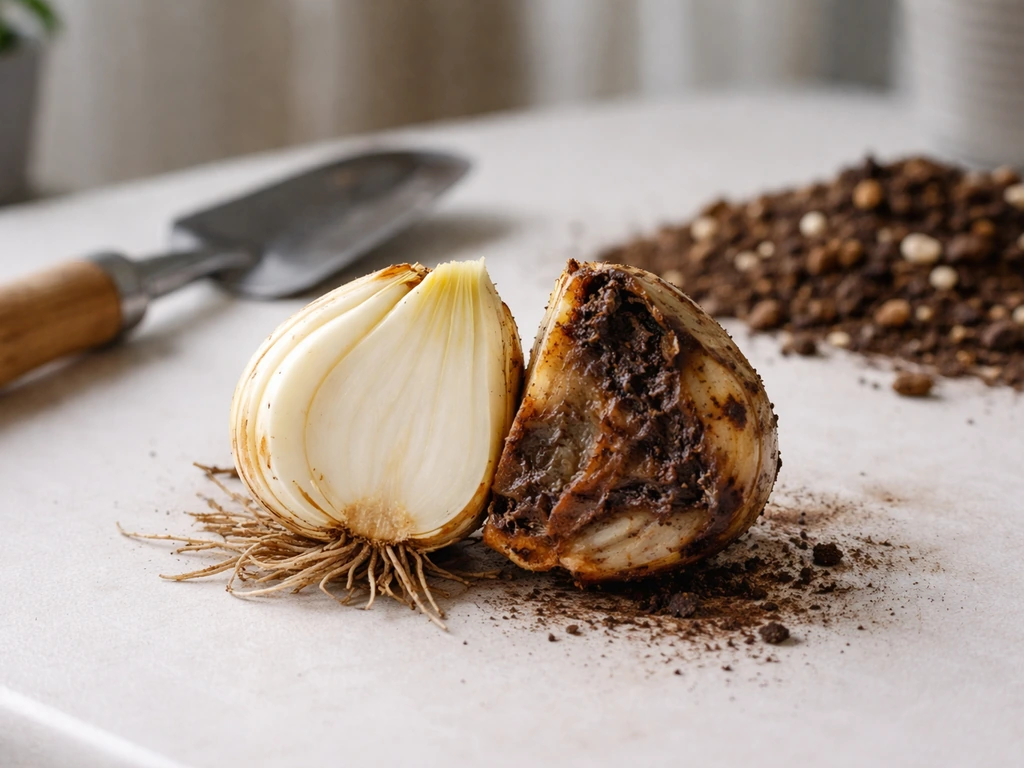
If your lily bloomed once and never came back, or if it came back weak with no flowers, here are the most common reasons:
| Problem | Likely Cause | Fix |
|---|---|---|
| No new growth in spring | Bulb rotted from poor drainage or wet soil | Dig and inspect the bulb; replant in a raised bed or amended soil with better drainage |
| Foliage returns but no flowers | Bulb energy depleted, often from cutting foliage too early the previous year | Let foliage fully die back naturally; fertilize after bloom with a low-nitrogen, high-phosphorus fertilizer |
| Plant never returned after first year | Wrong hardiness zone or insufficient winter protection | Mulch bulbs with 3 to 4 inches of straw or shredded leaves before first frost; in Zone 3 or colder, dig and store bulbs |
| Weak, floppy stems | Insufficient sunlight (less than 6 hours per day) | Relocate to a sunnier spot; transplant bulbs in early autumn |
| Bulb looks healthy but growth is slow | Planted too shallow or too deep | Replant at 3x the bulb diameter depth, typically 4 to 6 inches |
| Yellowing foliage mid-season | Overwatering or nutrient deficiency | Check drainage; apply a balanced fertilizer and reduce watering frequency |
One honest failure I can share: I once cut back a lily bed in mid-July because the spent blooms looked untidy, thinking the plant was done for the season. The following spring, half the bulbs did not come back. The ones that did came back noticeably smaller. That one impatient tidying session set me back two full growing seasons. Let the foliage do its job.
Practical Next Steps You Can Take Right Now
Here is how to map this to wherever you are in the growing season today, in mid-May:
- In Grow a Garden (Roblox): check whether the 4th of July Event is currently active. If the event is running, buy your Liberty Lily seeds from the 4th of July Merchant, plant them, and harvest repeatedly since it is a multi-harvest crop. If the event is not active, you will need to wait for it to return.
- If you have a real lily labeled Liberty Lily: check where it is in its growth cycle right now. In mid-May in most of Zones 5 to 7, lilies should be actively growing and pushing up stems toward their summer bloom. Make sure the bed is not waterlogged after spring rains.
- If it has already bloomed and you missed deadheading: remove any remaining seed pods now and let the foliage stand. Do not cut anything green.
- If you are not sure whether your bulb survived winter: gently probe the soil around where the bulb should be. A firm, solid bulb with visible growth nodes is alive. A mushy or hollow bulb is gone; replace it.
- If you are planning to divide or repot: wait until autumn after the foliage fully dies back. Dividing bulbs mid-season interrupts energy storage and reduces the chance of a strong return next year.
- Mark your calendar for 6 to 8 weeks after bloom to cut back foliage, and for early autumn to mulch the planting area with 3 to 4 inches of protective mulch before your first frost.
Regrowth questions come up across many lily types. If you are also growing other varieties and wondering about their return behavior, the same post-bloom foliage care rules apply broadly, though specific hardiness and light needs shift by species. The pattern is consistent: protect the bulb, feed it after bloom, give it the right conditions, and it comes back. Neglect any one of those steps and you are basically starting over from scratch each year.
FAQ
If I harvest a Liberty Lily in Roblox, do I have to replant afterward for it to regrow?
No. In Grow a Garden, it is treated as a multi-harvest crop, so after each harvest it keeps producing again. The main constraint is timing, you must take advantage of it during the 4th of July event window, because the crop is event-exclusive.
In Roblox Grow a Garden, what happens if the 4th of July event ends while my Liberty Lily is still growing?
Event crops are limited by the event availability, so if the event window closes you may lose the chance to get additional harvests on plants that have not reached their next yield. Plan to harvest on schedule during the active event period rather than waiting for a later date.
For a real lily labeled “Liberty Lily,” do I need to dig up the bulbs every year?
Usually no. For most true lily types in suitable cold-hardy zones, you can leave bulbs in the ground year-round. You only need to dig and store in colder-than-recommended zones, or if your conditions are too wet or you are overwintering tender stock.
How long should I leave lily foliage after blooms fade before trimming anything?
Leave the stem and leaves intact until the plant naturally starts dying back. The foliage is what powers the bulb for next year. If you tidy too early (even mid-season), you can end up with weak growth or no flowers the following spring.
What if my lily grows leaves but never flowers the next year, will it still regrow after that?
It can, but often it signals an energy deficit. Common causes are too little sun, poor drainage that stresses the bulb, or cutting foliage early. Improve light and protect post-bloom foliage, then give it at least one full growing season to rebuild.
Can I cut the spent flower only (deadhead) but keep the rest of the stem and leaves?
Yes, deadheading the flower portion is fine as long as you do not remove the stem and leaf mass prematurely. Keep the leaves working because that is the part that feeds the bulb. If you remove the whole stem, you remove the plant’s ability to store energy.
Does planting lilies too deep or too shallow affect whether they come back?
Yes. Shallow planting can lead to temperature swings, weaker anchoring, and less reliable regrowth. A practical rule is about three times the bulb diameter for planting depth (often roughly 4 to 6 inches for many common lily types), adjusted for your soil conditions.
What drainage problems most commonly cause lilies to fail to regrow?
Waterlogged soil and slow-draining clay are the biggest culprits. If bulbs sit in standing water after rain, they can rot and will not return. If your soil stays wet, amend before planting and consider raised beds or containers with excellent drainage.
If my area is warm (Zone 9 and above), can I still get lilies to regrow reliably?
Sometimes, but regrowth can be inconsistent because many lilies need winter chill. If your bulbs do not naturally get enough cold, you can try a controlled cold period (for example, refrigerating bulbs before replanting), but some varieties still may not perform well in tropical or subtropical climates.
Can I grow lilies indoors year-round and expect them to regrow outside-season?
They can grow indoors, but getting dependable regrowth usually requires mimicking seasonal cues. Most true lilies are best outdoors, and indoor setups often need a winter cold period or later transition outdoors to trigger the next cycle. Without that, you may get foliage but limited or no return flowering.
What’s the easiest way to troubleshoot why my lily did not come back after one season?
Check three things in order: sunlight (was it getting at least 6 to 8 hours), soil moisture (did the bulb ever sit wet), and foliage timing (did you remove leaves or stems too early). Those three factors most directly determine whether the bulb can store enough energy to return with blooms.
Next Articles
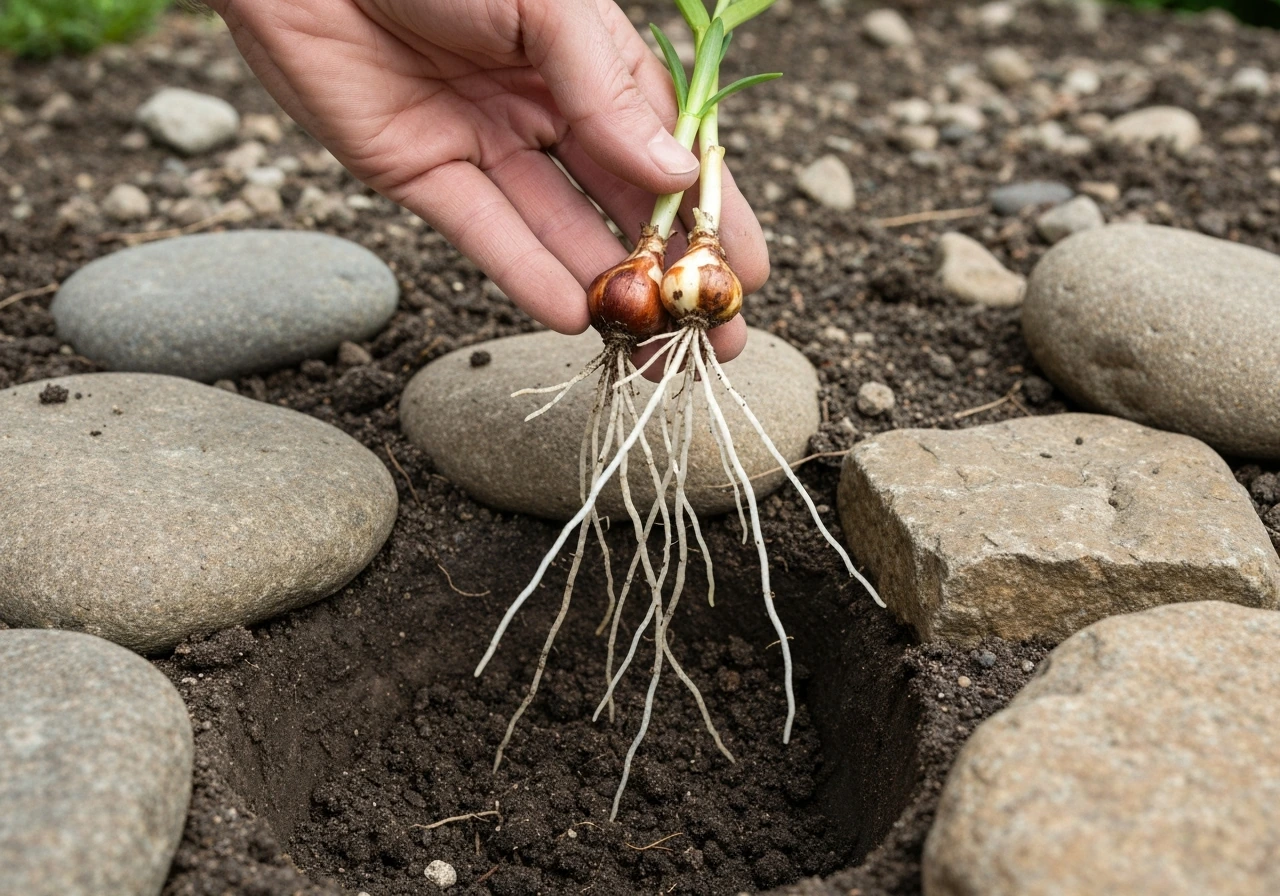
Will Lilies Grow Through Rocks? What to Do in Rocky Soil
Learn if lilies can grow through rocks, why roots won’t break stone, and how to plant for blooms in rocky soil.
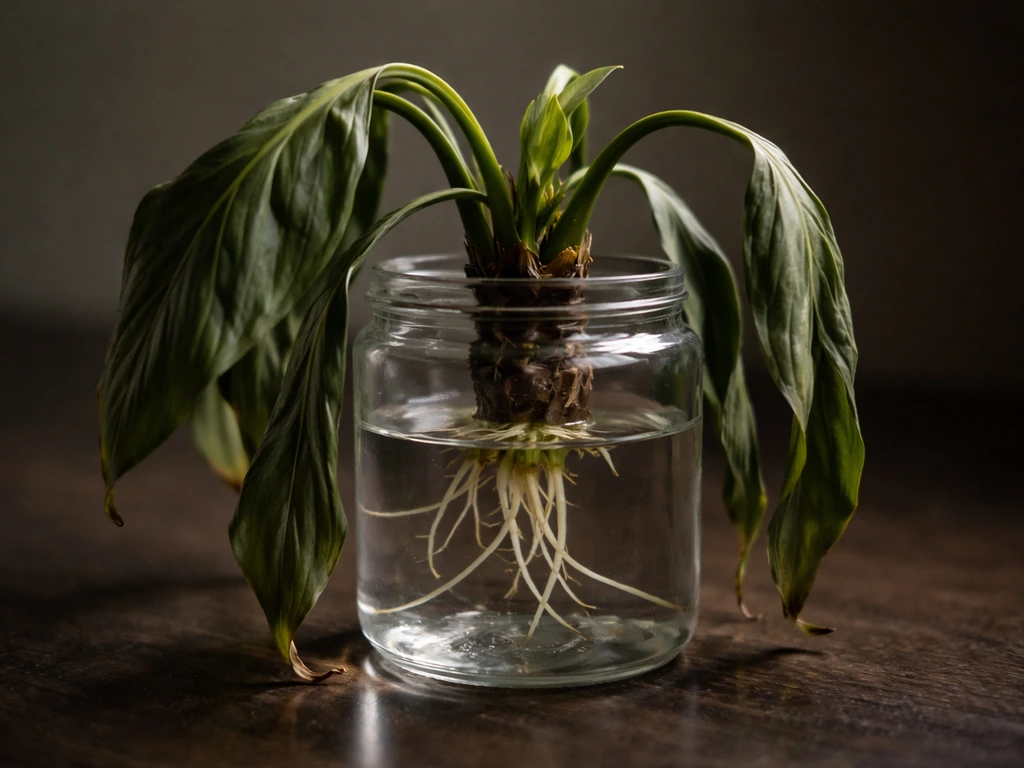
Can a Peace Lily Grow Without Roots? How to Recover It
Can a peace lily regrow without roots? Learn when it survives, how to root in water or mix, and recovery steps.
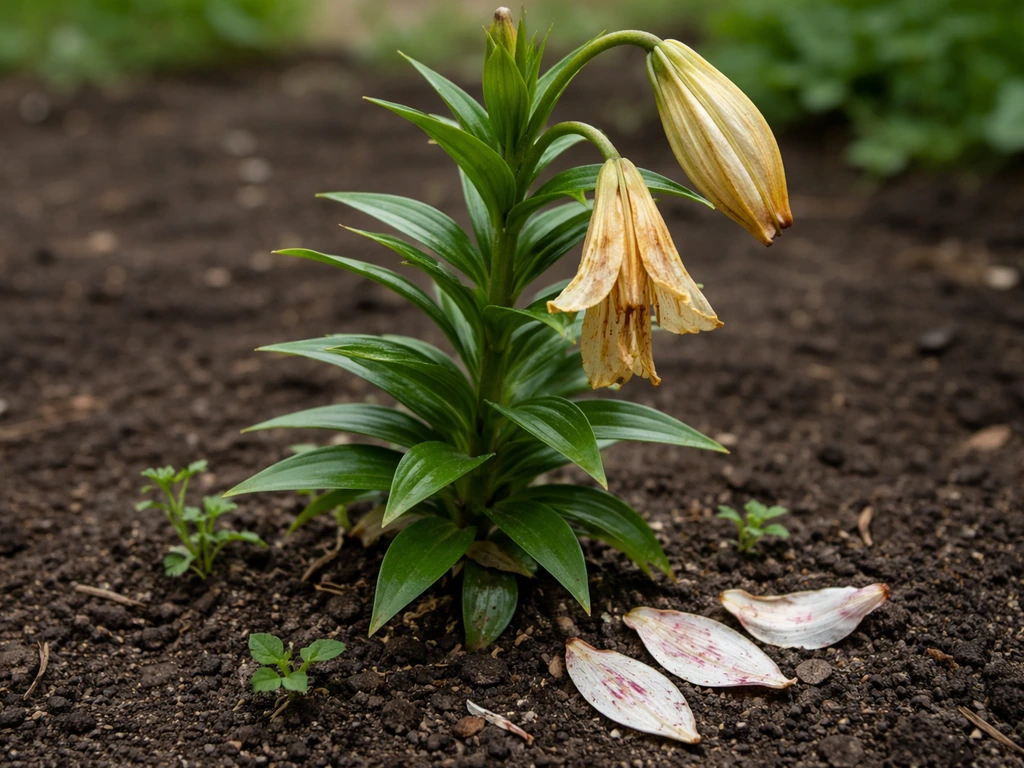
Do Lilies Grow Back After Petals Fall Off? Timing and Care
Learn if true lilies regrow after blooms fade, timing for new shoots, and post-bloom care to boost next flowers.