
Lilies can grow in rocky ground, but not by punching through solid stone. What actually happens is that the roots grow around rocks, finding gaps, pockets of soil, and crevices to work into. Whether that works for you depends on how much soil is between and under those rocks, what lily type you're planting, and how you prep before you put a single bulb in the ground.
Will Lilies Grow Through Rocks? What to Do in Rocky Soil
Marcus Hendricks
6 May 2026
What's physically possible: can lily roots and bulbs get through rocks?
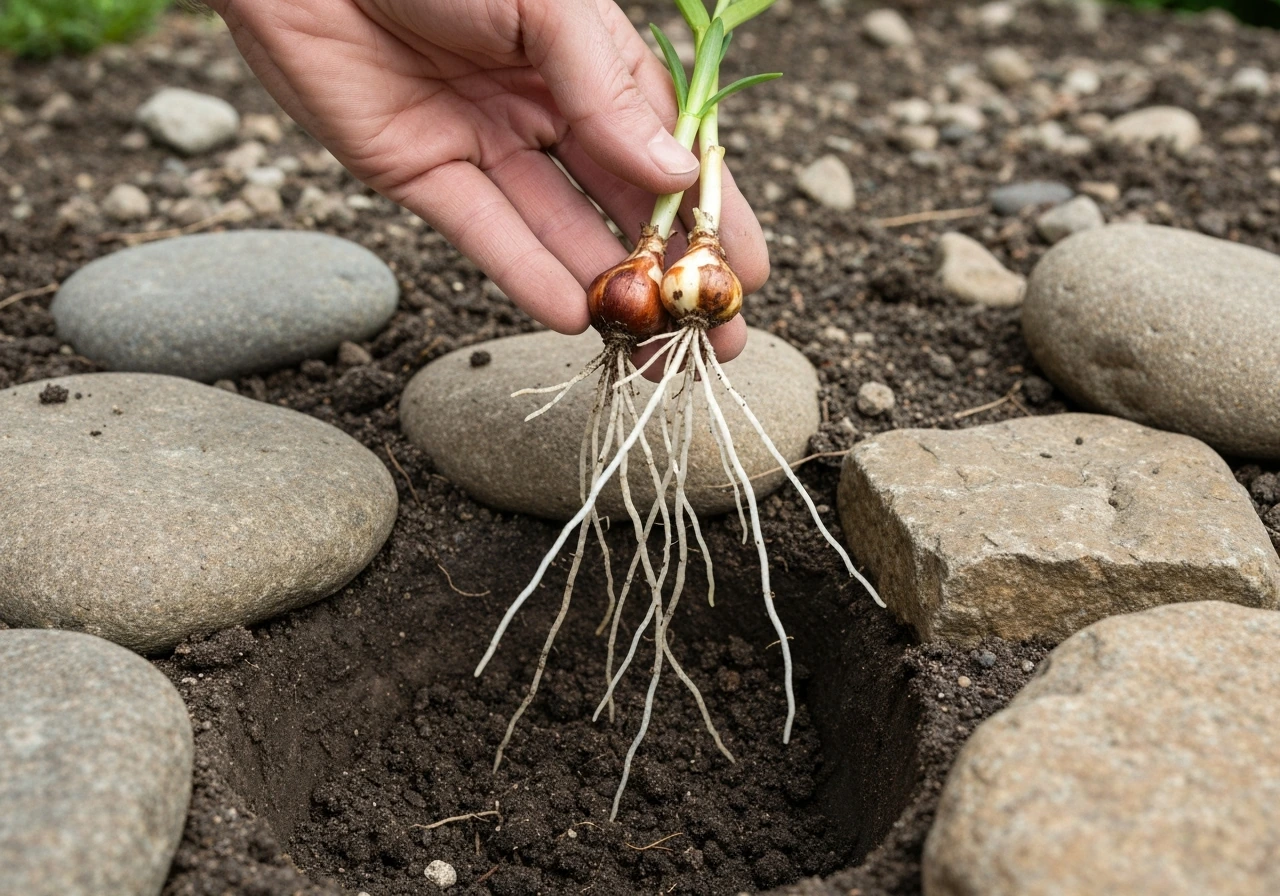
Lily roots don't drill through rock. That's the honest answer. What they do is navigate around obstacles, seeking out pockets of loose soil and moisture. True lilies (Asiatic, Oriental, trumpet types) have two distinct root systems: the basal roots that anchor the bulb and pull moisture from depth, and the stem roots that form above the bulb on the underground portion of the stem. Both systems need loose, workable soil to function. When rocks are densely packed with no soil between them, neither root type can spread, and the plant struggles or fails outright.
In nature, some Lilium species actually grow in cliff habitats with shallow, skeletal, mineral-dominated soils that form in rock fissures and debris pockets. So rocky ground isn't automatically a death sentence. What matters is whether there's enough loose organic material in the gaps for roots to colonize. If your rocky bed has decent soil filling the spaces between stones, lilies can do surprisingly well. If it's mostly solid rock with a thin dust layer on top, you'll need to create a planting pocket.
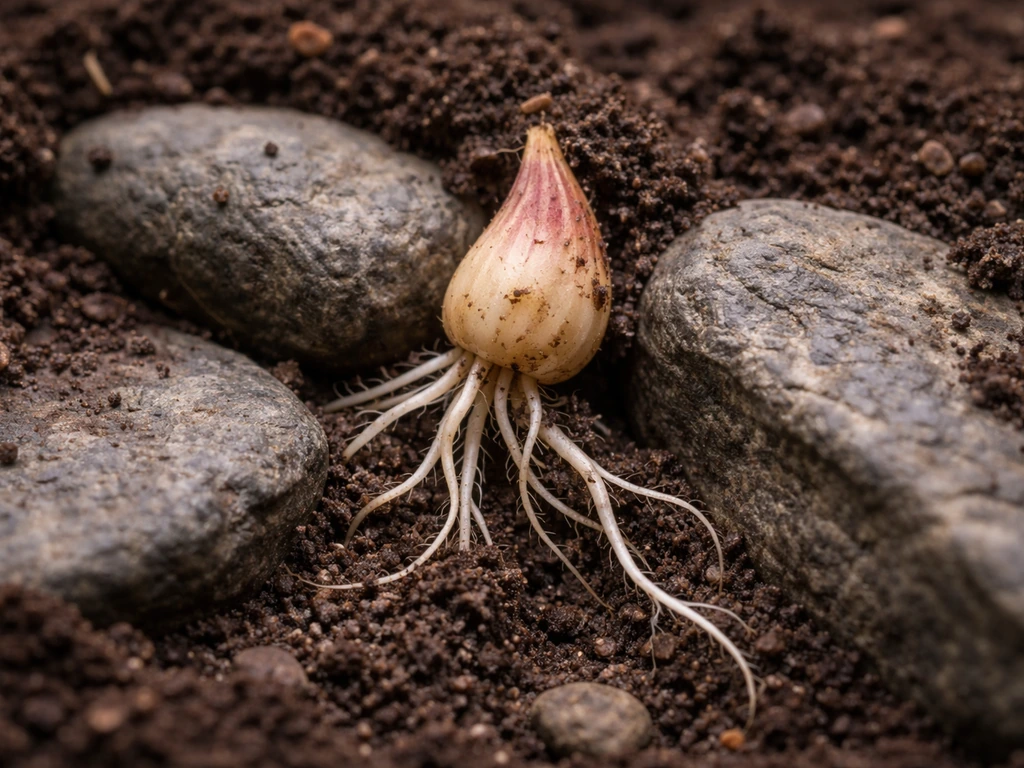
One more physical reality worth knowing: lily bulbs don't stay perfectly static in the soil. The contractile root system can actually blank" rel="noopener noreferrer">pull a bulb slightly deeper over time in looser soils, shifting toward its preferred depth. In geophytes like lilies, contractile roots help adjust the depth of bulbs or corms in the soil as they develop blank" rel="noopener noreferrer">The contractile root system can actually pull a bulb slightly deeper over time. In rocky ground, that adjustment is impossible, which is one more reason you want to nail the right depth from the start rather than hoping the plant self-corrects.
How to plant lilies near or between rocks for the best rooting
Planting depth is non-negotiable, and this is where rocky ground causes the most problems. For Asiatic lilies, you need at least 2 inches of growing mix above the bulb and 1 inch below. Oriental lilies want to sit about 3 inches below the soil surface. The general rule across most true lily varieties is to plant about 2.5 to 3 times the height of the bulb deep, which usually puts you somewhere between 4 and 8 inches down. Spacing should be 5 to 6 inches apart at minimum. If your rocks only allow 2 or 3 inches of soil depth, you simply don't have enough room, and you need to either remove some rock or build up the bed.
When planting between existing rocks, the most important thing is eliminating air pockets around the bulb and roots. Pack soil carefully around each bulb so it makes full contact with the growing medium. Air gaps around a lily bulb lead to failed root establishment, and in rocky ground where you can't always feel every void, this takes deliberate effort. Work loose soil in from the sides and gently firm it as you go.
One genuinely useful tactic for rock gardens: position your lily bulbs on the north side of a large rock so the roots stay in shade. Rock gardens drain fast and heat up quickly, and having a large stone shade the root zone helps keep moisture from evaporating too fast while still letting the stem and blooms reach full sun. This is an old rock-garden trick that really does make a difference.
After you plant, mark every bulb location with a stake or label. Lily shoots in spring are brittle and easy to snap off if you're working around the bed. In a rocky area where you might be moving stones, losing track of a bulb location is an easy mistake with an expensive consequence.
Soil needs when growing lilies in rocky ground
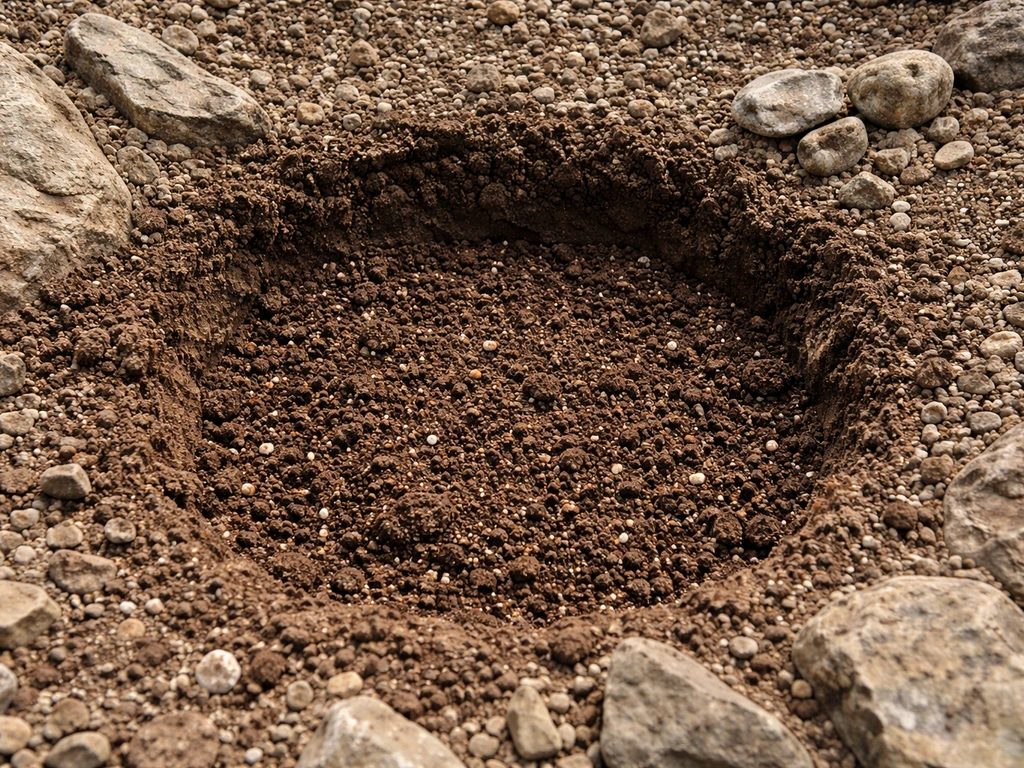
True lilies want soil that's moist, well-drained, and porous, with a slightly acidic pH between 5.8 and 6.4. The porous part is actually where rocky ground can work in your favor, because solid rock under a planting pocket creates excellent drainage. The problem is that pure gravel or densely packed rock with almost no organic matter provides nothing for roots to feed on. You need a real growing medium in the spaces where the bulb and its roots will live.
If you're creating a planting pocket in rocky ground, dig out an area roughly 12 inches wide and deep enough to hit your target planting depth plus a couple of inches. Fill it with a mix of quality garden soil, compost, and coarse grit or perlite to keep drainage sharp. This creates a soil island the roots can colonize before eventually pushing into the surrounding rock gaps on their own. Avoid heavy clay amendments, and never use straight potting mix that retains too much water against the bulb.
Fresh air exchange in the soil matters more than most gardeners realize. Moisture trapped in a closed rocky pocket with no airflow creates anaerobic conditions that rot bulbs fast. The coarse grit in your mix isn't just about drainage; it keeps the soil structure open so air can move around the roots. Think of it as the soil breathing.
Light and moisture: how rocks change the equation
Most true lilies do best in a spot with at least partial sun, and many prefer full sun for the bulk of the day while tolerating some shade. That part of the equation usually isn't a problem in a rocky garden. The tricky part is moisture. Rocks absorb heat during the day and radiate it back at night, which speeds soil drying around lily bulbs. Rocky beds also drain faster than regular garden beds, meaning the soil between stones can dry out quickly between rains, especially in summer.
Lilies need consistently moist soil during active growth and flowering. They're not drought plants. Daylilies (Hemerocallis) are the outlier here: established daylilies cope with drought reasonably well, though flowering can drop off when they're stressed. Do lilies grow back after petals fall off, and how does that compare to daylilies Daylilies (Hemerocallis) are the outlier here. If your rocky bed tends to dry out fast, daylilies are a more forgiving choice than Asiatics or Orientals, which really do want reliable moisture. For true lilies in rocky beds, you'll likely need to water more often than you would in a standard garden border, and drip irrigation aimed at the root zone is better than overhead sprinkling, which can promote fungal disease.
On the flip side, if water collects and sits in a low rocky area after rain, that's a serious problem. Standing water near lily bulbs is a fast path to basal rot and botrytis. If your rocky spot has a low point where puddles form, either redirect drainage before planting or pick a different location entirely.
Which lily type actually works in rocky ground?
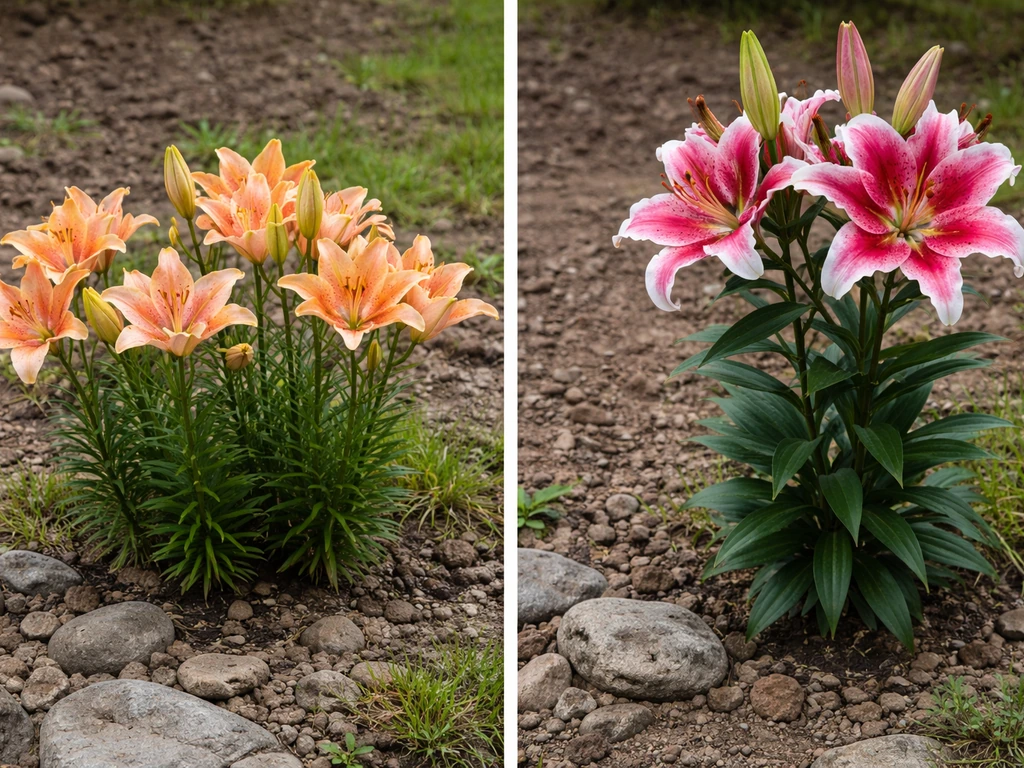
Not all plants called lilies behave the same way in rocky ground, and getting this straight will save you a lot of frustration. Here's how the main types break down:
| Lily Type | Rocky Ground Suitability | Key Requirement | Notes |
|---|---|---|---|
| Asiatic Lilies | Good with prep | Well-drained, slightly acidic soil; 4-6 inch depth | Best true lily for rocky beds; tolerates more sun and heat than Orientals |
| Oriental Lilies | Possible with prep | Consistent moisture; 3+ inches below surface | More fussy about moisture; watch for drying in rock beds |
| Trumpet/Easter Lilies | Good with prep | Average moisture, well-drained soil, full sun to part shade | Fairly adaptable; good all-around rocky bed candidate |
| Daylilies (Hemerocallis) | Excellent | Full sun or partial shade; drought tolerant once established | Most forgiving lily type for rocky, dry conditions |
| Calla Lilies (Zantedeschia) | Poor | Rich, moist soil; consistent water | Needs reliable moisture; poor drainage in rocks causes failure |
| Peace Lilies (Spathiphyllum) | Not suitable outdoors | Indoor shade plant; tropical humidity needs | Not an outdoor garden plant; rocky beds don't apply |
| Water Lilies (Nymphaea) | Not applicable | Aquatic growing medium | Grown in ponds/containers with water, not soil beds |
Daylilies are honestly the best starting point if your rocky bed is on the dry or fast-draining side. They're tough, adaptable, and will come back reliably year after year with minimal fuss. Asiatic lilies are your best bet if you want classic true lily blooms in a rocky setting, as long as you prep the planting pocket properly. Peace lilies are a completely different plant: they're tropical indoor plants that need shade and humidity, and they have no place in a rocky outdoor bed. If you've seen peace lilies mentioned alongside other lily types on this site, that's because the name causes a lot of confusion, but the growing requirements couldn't be more different.
Common problems in rocky lily beds and how to fix them
No shoots emerging in spring
If you planted bulbs and nothing appeared, the most likely culprits are planting too shallow (especially in rocky ground where you couldn't get to the right depth), air pockets around the bulb that prevented rooting, or a bulb that was already compromised before it went in. Check the depth of your planting pocket first. If the bulb was sitting less than 3 inches down, it may have dried out or rotted over winter. Also check whether you marked the spot accurately, because in rocky ground it's easy to confuse where you actually planted.
Weak or stunted growth
Weak stems and poor flowering usually point to insufficient soil volume, poor nutrition, or inconsistent moisture. In rocky ground, the planting pocket may simply be too small for the root system to develop properly. If the bed has been dry and you haven't been supplementing rainfall, that's likely the issue. Top-dress around the planting area with compost and increase watering frequency during active growth and bloom time.
Rot at the bulb base
Basal rot is usually caused by a combination of waterlogged soil, poor drainage, and sometimes a pre-existing fungal infection on the bulb. In rocky ground, this tends to happen in low spots where water collects between stones. Start with disease-free bulbs from a reputable source, make sure your soil mix contains enough coarse material to drain freely, and never plant in a spot where water visibly pools after rain. If you've already lost a bulb to rot, don't replant in the same pocket without removing and improving the soil there first.
Gray mold (botrytis)
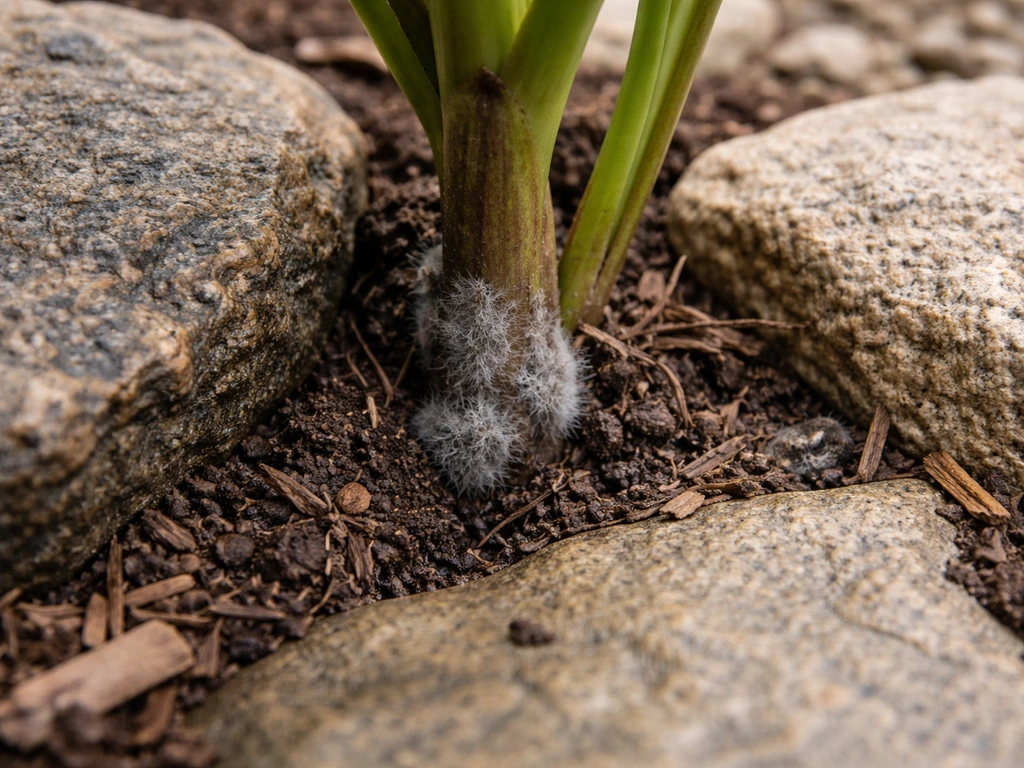
Botrytis shows up as grayish fuzz on leaves and stems, and it loves wet, humid conditions. In rocky beds where water can sit in crevices near the stem, the conditions are ripe for it. Avoid overhead watering, improve airflow around plants by not overcrowding, and remove any affected plant material quickly. The spores spread easily through wind and water splash.
Soil drying out too fast
If your rocky bed loses moisture quickly and your lilies are wilting between waterings, a few fixes help. First, apply a layer of organic mulch (not more gravel) over the soil surface between the rocks to reduce evaporation. Second, position bulbs where a large rock shades the root zone from afternoon sun. Third, consider shifting to daylilies in the driest areas and reserving better-prepared, moisture-retentive pockets for your Asiatic or Oriental varieties.
Plant today: a step-by-step plan for rocky ground
- Identify your lily type first. If you're planting true lilies (Asiatic, Oriental, trumpet), proceed with steps below. If you're considering peace lilies, grow them indoors. If you want something forgiving for a very rocky, dry spot, start with daylilies instead.
- Scout your rocky bed for planting pockets. Look for areas with at least 8 to 10 inches of soil depth between or beneath rocks. Avoid any low spots where water collects after rain.
- Dig a planting hole about 12 inches wide and deep enough to sit the bulb at the correct depth: 4 to 6 inches for most Asiatic lilies, about 3 inches below surface for Orientals, following the 2.5x-to-3x-bulb-height rule when in doubt.
- Mix your backfill: combine quality garden soil, compost, and coarse perlite or horticultural grit in roughly equal parts. This gives you nutrition, drainage, and air movement all at once. Target a pH between 5.8 and 6.4.
- Place the bulb with the pointed end up and the basal roots facing down. Set it at the correct depth, then pack your soil mix firmly around it, eliminating air pockets as you go. Add at least 1 inch of mix beneath the bulb before setting it down.
- If possible, position the bulb on the north-facing side of a larger rock so the root zone gets some shade while the stem grows toward sunlight. This reduces moisture loss in fast-draining rocky beds.
- Water thoroughly right after planting until water drains freely from the pocket. This settles soil and eliminates any remaining air gaps.
- Mark every bulb location immediately with a stake or label. Lily shoots are brittle in spring and easy to accidentally damage when you're moving stones nearby.
- Apply a layer of organic mulch (straw, shredded bark, or leaf mold) over the soil surface between rocks to retain moisture. Avoid piling it directly against the emerging stem.
- Set a watering schedule: true lilies need consistently moist soil during growth and bloom. In rocky beds that drain fast, check moisture every few days and supplement rainfall as needed. Drip irrigation at the base is ideal over overhead watering.
Rocky ground doesn't have to mean no lilies. It just means you do a bit more work upfront to give roots somewhere to go. Get the depth right, eliminate air pockets, keep moisture consistent, and choose the right variety for how dry or well-drained your spot actually is. If you are wondering about a Liberty Lily specifically, the regrowing behavior depends on how you plant it and whether the bulb survives winter in your climate Liberty Lily regrow. Daylilies will reward you with almost no fuss; Asiatic lilies will reward you handsomely if you put in the prep. Either way, the answer to whether lilies will grow through rocks is: not through them, but absolutely around them, with your help.
FAQ
How much soil between rocks is enough for true lilies to succeed?
Aim for a real planting medium, not just a dusting of topsoil. If you can only reach a shallow layer, plan a soil pocket that gives your target depth (typically 4 to 8 inches total depending on variety) plus at least a couple inches below the bulb. If the gaps between stones are mostly hollow with very little organic material, roots will struggle even if drainage is good.
What’s the best way to create a planting pocket if I can’t remove many rocks?
Dig out to a minimum of about 12 inches wide and deep (to your target depth plus a bit extra), then backfill with a structured mix: quality garden soil plus compost for biology, and coarse grit or perlite for open structure. Keep the pocket’s walls and base mixed, so drainage and airflow stay consistent, not just in the top inch.
Can I plant lilies directly into gravel without adding compost or soil?
Usually no. Gravel-only or “mostly rock” conditions provide almost no nutrients and can also dry out too fast for consistent moisture during bloom. Use gravel only as an ingredient for drainage, not as the main body of the pocket. The bulb zone should be in a workable mix that stays moist but never waterlogged.
How often should I water lilies in rocky beds, and how do I tell when to water?
In rocky ground, frequency is driven by how fast the pocket dries. Check 2 to 3 inches down in the planting mix, water only when it’s starting to dry there, and avoid a pattern of light daily watering. Drip at the root zone works best because overhead wetting can raise the risk of fungal issues.
Will adding mulch help, or can it trap moisture and rot bulbs in rocks?
Mulch helps reduce evaporation, but keep it modest and breathable. Use organic mulch over the soil surface in the pocket area, avoid piling it directly against the bulb, and do not seal the pocket with heavy materials that restrict airflow. If your bed stays wet after rain, focus on drainage first rather than relying on mulch.
What happens if I plant lilies at the wrong depth because the rocks limit me?
If you are too shallow, bulbs can dry out more easily or rot, especially over winter. If you are too deep for your conditions, shoots may be weak or delayed. In rocky beds, don’t assume the plant will self-correct, since contractile roots can’t pull bulbs deeper in compact rock. Fix depth at planting when possible.
Can I relocate a lily after it sprouts if it was planted in rocky ground?
You can, but it’s high-risk. Once established, lilies are sensitive to root disturbance, and in rocky pockets the roots may have grown around stones in hard-to-predict ways. If you must move it, do it soon after sprouting, lift a larger root mass than you think you need, and replant at the same depth in a properly prepped pocket.
Why do my lilies emerge but then fail, even though the depth seems right?
Air pockets around the bulb are a common culprit, especially in rock gardens where voids are hard to see. Another frequent issue is uneven moisture in the pocket, where one side stays drier or wetter. When replanting, pack growing mix firmly around the bulb and ensure the pocket mix includes coarse material to keep it aerated but consistently moist.
How can I prevent basal rot and botrytis if my rocky spot sometimes puddles?
Don’t plant in a place where water visibly pools after rain. If you can’t change the grade, redirect runoff before planting. For existing plants, avoid overhead watering, improve airflow by not overcrowding, remove affected tissue quickly, and consider spacing adjustments to reduce humidity around stems.
Are there specific lily types better for rocky, dry conditions?
Daylilies are generally the most forgiving for dry or fast-draining rock beds. Among true lilies, Asiatic lilies tend to be more workable in less-perfect moisture as long as you prep a proper planting pocket. Orientals often demand more steady moisture, so prioritize moisture management if you choose them.
Is a “Liberty Lily” treated the same way as other lilies in rock gardens?
The regrowth behavior depends on whether the bulb survives the winter and how it’s planted. In a rocky bed, the same depth and drainage principles still matter, but if your climate causes winter dieback, you may not get reliable return. If you’re unsure, treat rocky conditions as a survival risk and consider building a deeper, well-aerated pocket with a consistent moisture plan.
Next Articles
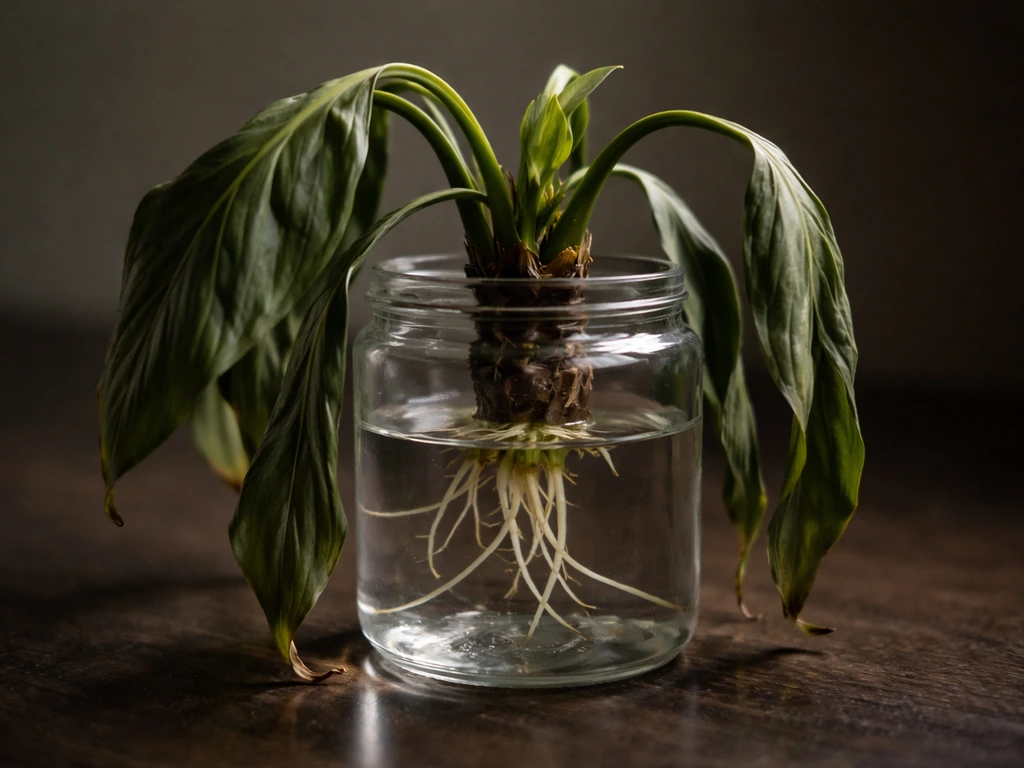
Can a Peace Lily Grow Without Roots? How to Recover It
Can a peace lily regrow without roots? Learn when it survives, how to root in water or mix, and recovery steps.
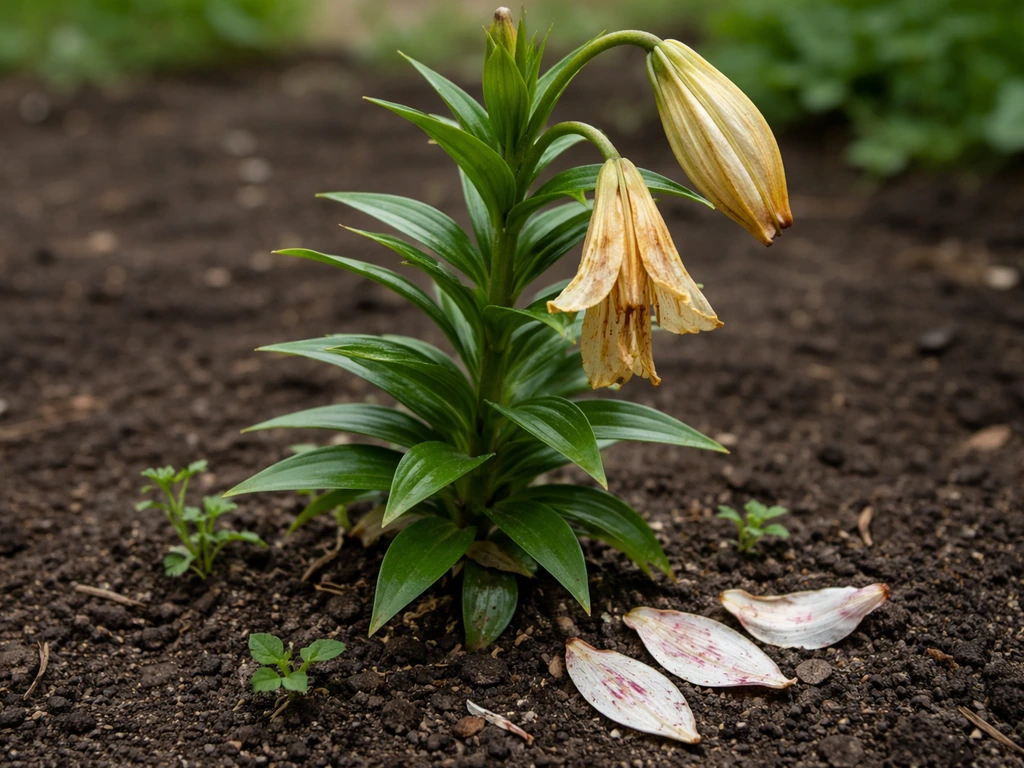
Do Lilies Grow Back After Petals Fall Off? Timing and Care
Learn if true lilies regrow after blooms fade, timing for new shoots, and post-bloom care to boost next flowers.
Do Lilies Grow Back? How to Cut, Care, and Get Blooms
Learn if lilies grow back after cutting or death, plus exact tips for true lilies vs calla lilies and regrowth care.