
Yes, most lilies grow back, but the details depend heavily on which type of lily you're growing and how you treat the plant after it blooms. True garden lilies (the Lilium family, including Asiatics and Orientals) come back from their bulbs season after season. Calla lilies (Zantedeschia) regrow from rhizomes and will return reliably as long as you protect those rhizomes through winter. The short version: don't rip out the plant after it stops blooming, because what you do (or don't do) in the weeks after flowering is what determines whether you see flowers again next year.
Do Lilies Grow Back? How to Cut, Care, and Get Blooms

Marcus Hendricks
8 Apr 2026
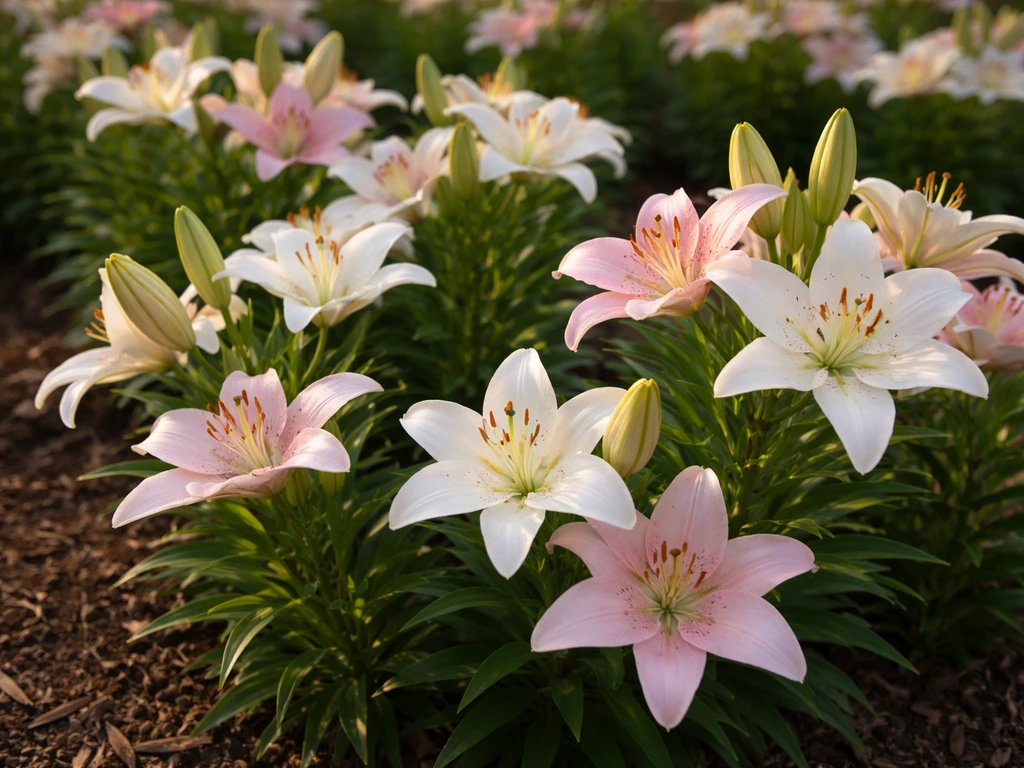
Quick answer by lily type
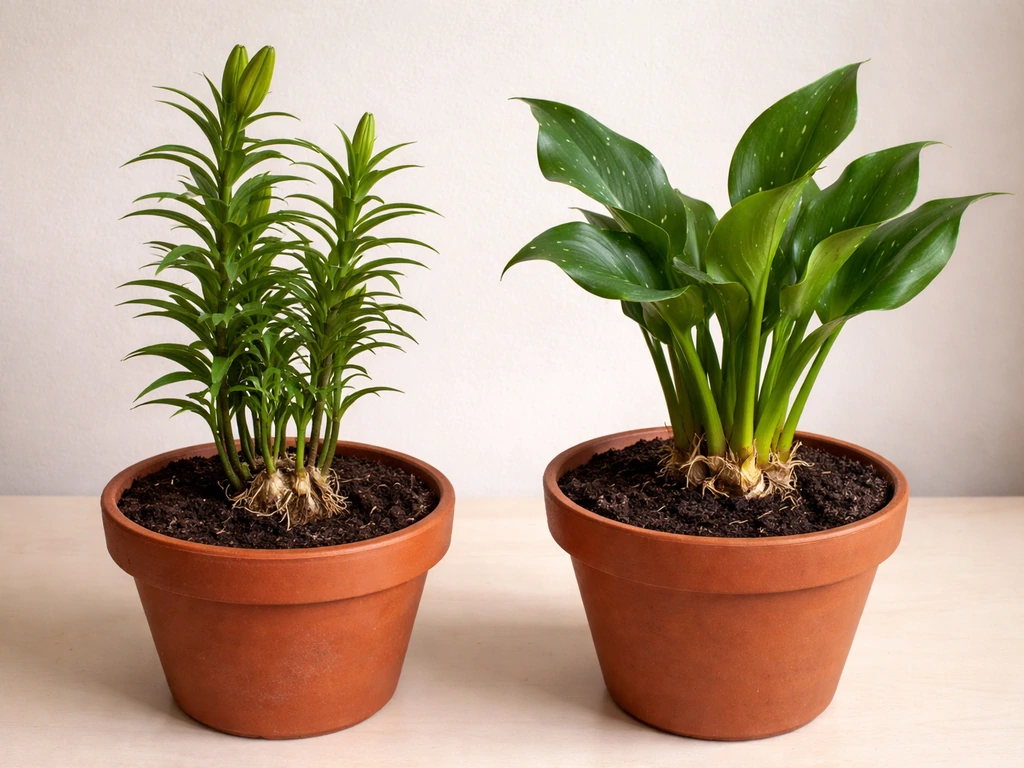
True lilies (Lilium) are perennial bulb plants. If you grow Asiatic lilies, Oriental lilies, or similar Lilium varieties, those bulbs will stay in the ground and send up new growth next spring, assuming your climate is within their hardiness range. Asiatic lilies are cold-tough, handling down to USDA Zone 3. Most Oriental lilies are comfortable down to Zone 4. Both groups generally do well through Zone 8, and mulching helps protect the root zone in borderline climates. These are reliable returners when grown in the right conditions.
Calla lilies are a completely different plant. They're not true lilies at all. Zantedeschia is rhizomatous, not bulb-forming, and it behaves differently: it blooms, the flowers fade, the foliage eventually dies back, and the rhizome goes dormant. In warm climates (Zone 8 and above for most varieties, though some sources list them as marginally hardy around Zone 6), you can leave the rhizomes in the ground year-round. In colder zones, you need to dig them up and store them indoors over winter or they'll rot or freeze. So the answer to 'do calla lilies grow back' is yes, but only if you keep those rhizomes alive through the cold months.
What 'grow back' actually means here
When gardeners ask if lilies grow back, they usually mean one of two things: will the plant return next season from the same root system, or will the plant produce more flowers this season after the first ones fade. These are very different questions and it's worth sorting them out.
For true lilies, regrowth from the bulb next season is the main event. A healthy Lilium bulb stores the energy it needs to push up new stems and flowers each year. The foliage that remains after flowering is doing the photosynthesis work that replenishes the bulb for next season. The University of Washington horticulture library similarly advises deadheading spent lily flowers while leaving the foliage as long as it stays green, so the plant can direct energy back to the bulb. If you cut all the green stems down right after bloom, the bulb doesn't get that energy input and next year's flowers will be weaker or might not appear at all. This is the single biggest mistake I see people make with lilies.
As for whether a true lily will produce more blooms on the same stem this season, the answer is generally no. Each stem blooms once. What you can do is deadhead (remove the spent flower heads) to redirect the plant's energy away from seed production and back into the bulb. what happens after lily petals fall off matters more than most people think, because that post-bloom window is when the bulb is doing its most important work for the following year.
For calla lilies, 'growing back' typically means the rhizome surviving dormancy and sending up new growth the following spring or growing season. Individual spent blooms won't regenerate new flowers on the same stalk, but a healthy rhizome that's well-fed going into dormancy will produce multiple blooms the next season.
Will lilies grow back after cutting?
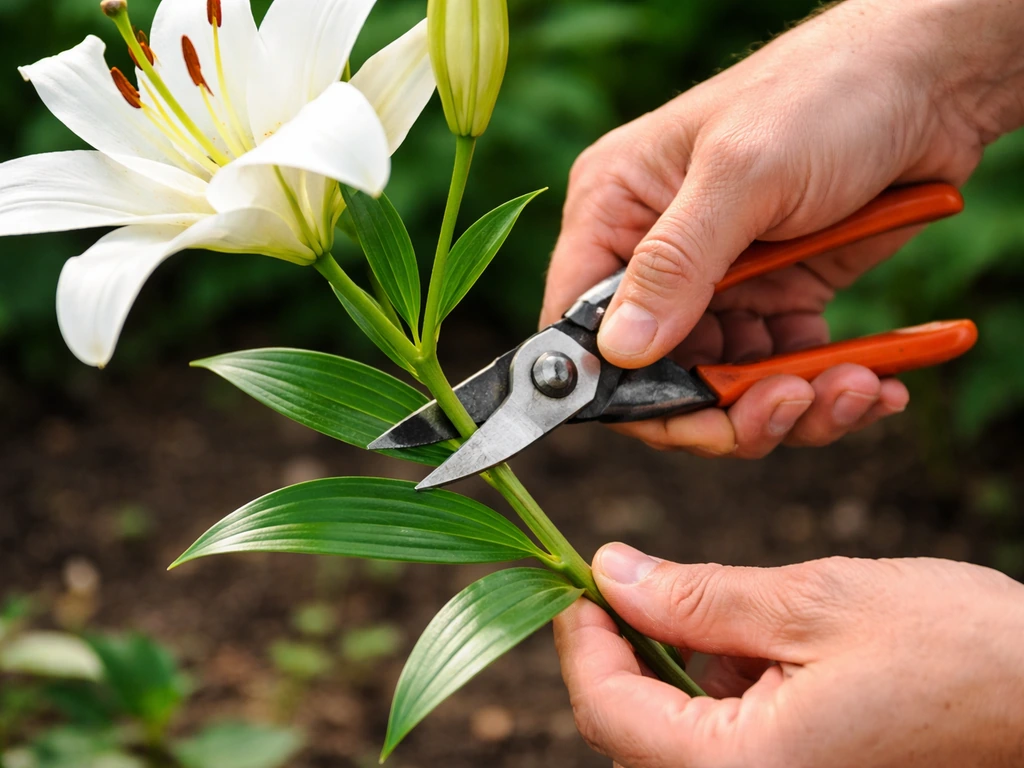
Yes, lilies will grow back after cutting, provided you cut them correctly. The key rule for true lilies is this: never remove more than two-thirds of the stem. Longfield Gardens, a well-regarded bulb source, recommends leaving at least one-third of the stem behind when harvesting lily flowers for a vase. That remaining stem and its leaves continue feeding the bulb through photosynthesis. Strip the whole stem and you've essentially starved the bulb of the energy it needs to bloom next year.
Here's how I approach cutting lilies without wrecking next year's show:
- Cut in the morning when stems are most hydrated.
- Use clean, sharp scissors or pruners. Dirty blades can introduce fungal or bacterial problems to the cut stem.
- Cut at an angle to help water drain off the cut surface.
- Leave at least one-third of the stem and all the attached leaves on the plant.
- After the remaining flowers on the stem finish blooming, snip off the spent flower heads (deadhead) but leave the stem and foliage standing until they naturally yellow.
- Remove seed pods as soon as they form. Seed production drains energy from the bulb, and you want that energy going underground instead.
For calla lilies, cutting the flower stem near the base after it fades is actually encouraged. The foliage should stay in place so it can continue supporting the rhizome. Think of the leaves as solar panels charging the battery underground.
What to do after your lilies die back
True lilies (Lilium) after bloom
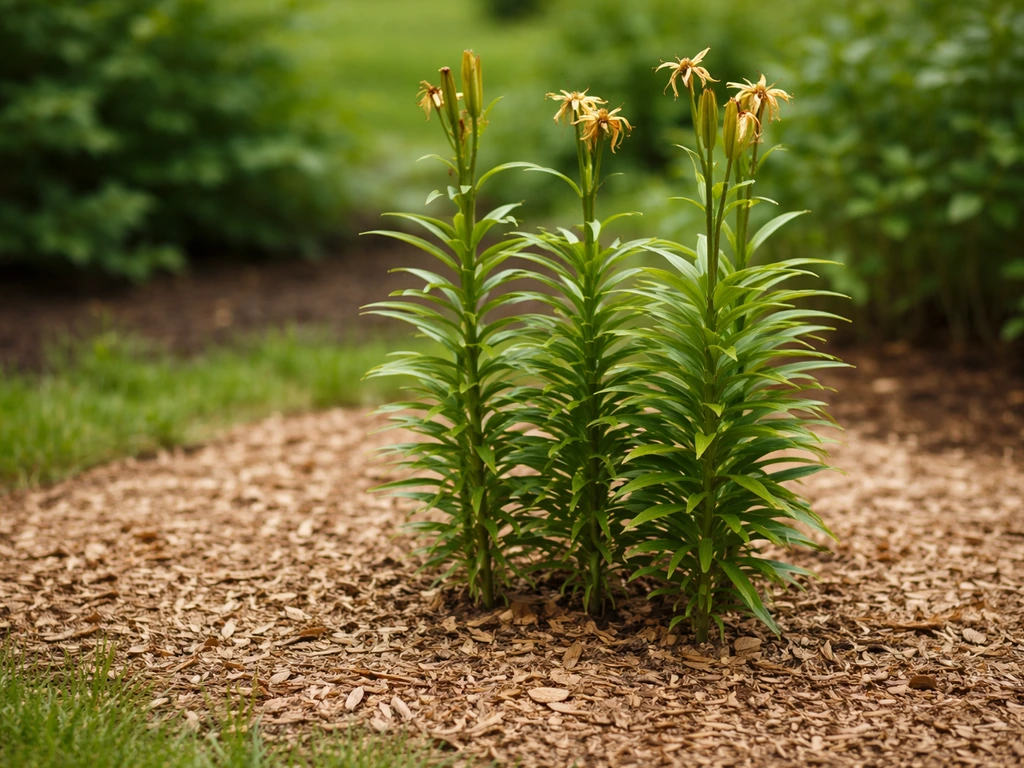
Once a true lily finishes flowering, the plant enters a gradual wind-down. Your job during this period is mostly restraint: don't cut anything green. Leave the foliage on the plant until it turns yellow and starts to die back on its own. This is the Illinois Extension's standard advice, and it's good advice. The bulb is still actively pulling energy from those leaves. Once the foliage yellows and collapses naturally, you can cut the stems down to a few inches above ground. In most climates, the bulbs stay in the ground year-round and don't need to be dug up at all.
After cutting down the dead foliage, a light layer of mulch over the planting area helps insulate the bulbs through winter and keeps soil temperatures more stable. Come spring, new shoots will push up through the mulch without any help from you.
Calla lilies after bloom
Calla lily care after flowering has a few more steps. After the blooms fade, remove the dead flower stalks by cutting them near the base. Then keep watering the plant for several more weeks. This post-bloom watering period is important because the leaves are still feeding the rhizome, building up resources for next season. Eventually the leaves will start to yellow and die back, and that's your signal to slow watering and let the plant move into dormancy.
If you're in a climate where the ground freezes (Zone 7 and colder for most calla varieties), you need to dig up the rhizomes before hard frost. Wait until the foliage has completely died back, then lift the rhizomes carefully. Shake off excess soil, let them cure in a dry, airy spot for a few days, and then store them in a box with a barely damp medium (peat or vermiculite works well) at around 50 to 60°F. NDSU extension materials recommend storing tender calla lily rhizomes around 50 to 60°F for room storage conditions, and about 50°F when storing in a peat moss or sawdust medium. Some sources recommend keeping stored rhizomes on the cooler side, around 40 to 50°F, as long as the space is frost-free and dry. The critical thing is keeping them dry. Overly moist conditions in cool storage are the main cause of rhizome rot, which is how most people lose their calla lilies over winter.
Growing conditions that decide whether lilies return
Regrowth isn't just about what you do after bloom. The conditions you maintain all season long are what actually determine whether your lilies thrive year after year. Get these wrong and even perfectly cut, perfectly stored lilies will underperform.
Light
True lilies need full sun, meaning at least 6 hours of direct sunlight per day. Less than that and the bulb doesn't build enough energy to bloom well the following year. Calla lilies are a bit more flexible and can handle partial shade, but they bloom best with 4 to 6 hours of sun. If your lilies are struggling to return after a season or producing fewer flowers each year, insufficient light is the first thing I'd check.
Watering
Consistent moisture during the growing season supports bulb and rhizome development, but standing water is the enemy. Waterlogged soil around true lily bulbs promotes fungal problems and root rot. For calla lilies, wet soil in cool conditions is particularly dangerous and increases rhizome rot risk significantly. The rule of thumb: keep soil evenly moist during active growth, water less after foliage starts dying back, and make sure drainage is genuinely good year-round.
Soil and drainage
Both types of lily prefer loose, well-draining soil with decent organic matter. Compacted clay soil holds water around the bulbs and rhizomes longer than either plant tolerates well. If you're planting in heavier soil, amend with compost and consider raised beds or containers. One thing that surprises some gardeners: whether lilies can push through rocky soil is a real question, since rocky or compacted ground can physically block emerging stems in spring, which looks like the bulb didn't survive winter even when it did.
Indoor vs outdoor and when to expect regrowth
Outdoor-grown true lilies in the ground will almost always return on their own schedule, pushing up new growth in spring when soil temperatures warm. Gardeners in Zones 3 through 8 can generally expect reliable annual regrowth without lifting bulbs. Mulching in colder zones helps protect the bulbs through hard freezes.
For calla lilies grown outdoors, the story changes by climate. In Zone 8 and warmer, rhizomes can overwinter in the ground and will regrow in spring. In cooler zones, you're digging them up each fall. If you're growing callas in containers, the process is a little easier: you can bring the whole pot indoors, let the plant go dormant, and store the pot in a cool, dry, frost-free space without disturbing the rhizomes at all.
Indoor lily growing is a different situation entirely. A pot-grown peace lily, for example, doesn't go dormant the same way, and its regrowth patterns depend more on consistent care than seasonal cues. If you're curious whether something as fundamental as root damage affects regrowth potential, how a peace lily survives without roots is a genuinely interesting case that shows how resilient some lily-type plants can be when given the right conditions indoors.
For gardeners who enjoy games like Grow a Garden and are wondering about regrowth mechanics for in-game lily varieties, the rules differ from real horticulture. If you're specifically trying to figure out whether ember lilies regrow in Grow a Garden or how the liberty lily regrows in Grow a Garden, those are covered separately since the game mechanics don't always follow real plant biology.
True lilies vs calla lilies: a quick comparison
| Feature | True Lilies (Lilium) | Calla Lilies (Zantedeschia) |
|---|---|---|
| Root type | Bulb | Rhizome |
| Hardiness zones (in ground) | Zones 3–8 (Asiatic); Zones 4–8 (Oriental) | Zones 8+ reliably; marginal around Zone 6–7 |
| Needs lifting in cold climates? | No, bulbs stay in ground | Yes, lift rhizomes before hard frost |
| Post-bloom foliage care | Leave until naturally yellowed; do not cut green foliage | Continue watering until leaves die back, then reduce water |
| Deadheading | Remove spent flower heads; leave stem and foliage | Remove spent flower stalks near base; keep leaves |
| Cutting for vases | Leave at least 1/3 of stem on plant | Cut stalks at base after bloom fades |
| Main failure mode | Cutting foliage too early starves bulb | Rhizome rot from wet/cold storage or waterlogged soil |
| Storage temp (if lifted) | Not typically needed | 50–60°F in dry medium; some sources say 40–50°F |
My recommendation: if you want low-maintenance perennial lilies that return reliably without digging, plant Asiatic lilies in a well-drained spot with full sun and let them do their thing. If you love the look of calla lilies and live somewhere cold, plan on treating them as an annual labor of love that requires fall digging and spring replanting. The results are worth it, but you need to go in with realistic expectations.
Why your lilies didn't grow back (and how to fix it)
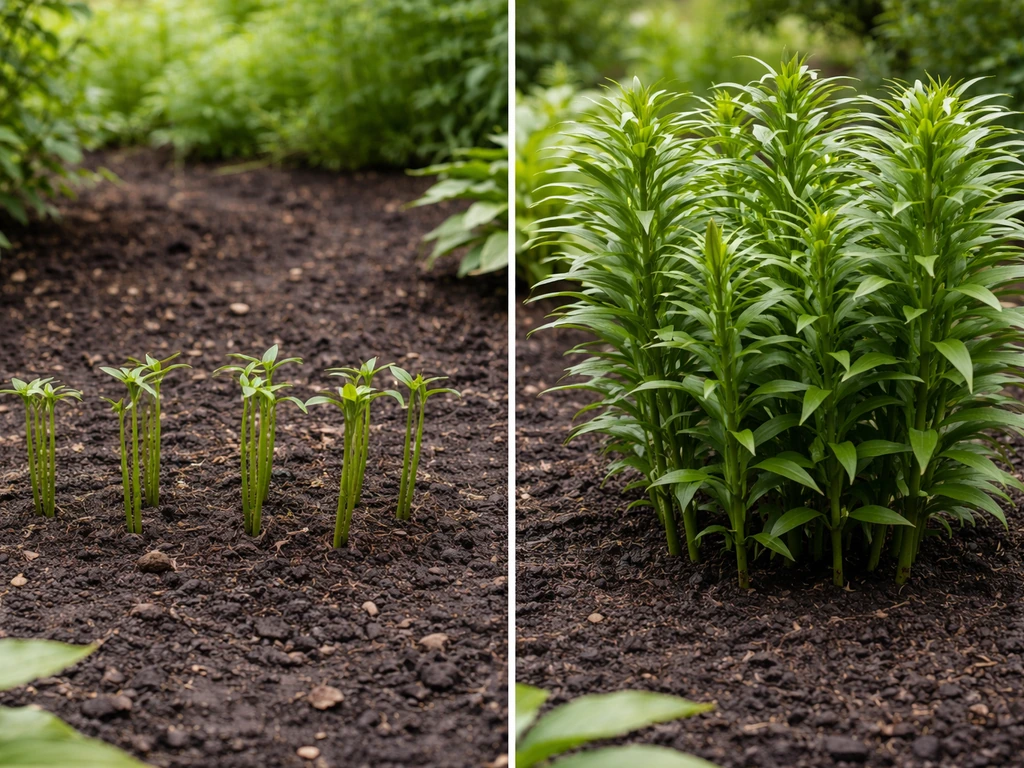
If you had lilies last year and they didn't return, here are the most likely reasons:
- You cut the foliage too early. This is the number one mistake. If you trimmed the stems and leaves while they were still green, you robbed the bulb of the photosynthesis it needed to store energy for spring. The bulb may still be alive but too weak to bloom.
- The bulb or rhizome rotted. Poor drainage, waterlogged soil, or leaving calla rhizomes in cold wet ground over winter causes rot. Dig one up and check: a healthy bulb is firm and solid; a rotten one is soft, squishy, or discolored.
- You didn't leave enough stem when cutting for vases. Harvesting lily stems all the way to the ground removes the plant's ability to feed the bulb. Remember the one-third rule.
- The plant is in too much shade. Lilies that don't get enough sun can't build enough energy to bloom reliably year after year. They may still produce green growth but flowers thin out.
- The rhizomes froze. Calla lily rhizomes left in the ground in Zone 7 or colder through a hard freeze won't survive. If you didn't dig them up, this is almost certainly what happened.
- Storage conditions were wrong. Calla rhizomes stored in wet or very cold conditions over winter will rot before spring. Aim for cool, dry, and frost-free storage.
- The bulbs are overcrowded. True lily bulbs multiply over the years, and after 3 to 5 seasons, crowded bulbs compete for resources and flowering declines. Digging and dividing clumps in fall every few years resolves this.
If you're troubleshooting a specific situation, like a plant that produced leaves but no flowers, or one that came back for two years and then stopped, the answer is almost always in one of those categories above. Work through the list and you'll usually find the culprit.
One last thing worth knowing: even a badly managed lily bulb will sometimes surprise you. I've had Asiatic lily bulbs that I completely neglected, left in poor soil with minimal water, and they still pushed up a few blooms the next spring. These are resilient plants. Give them the basics and most of them will reward you with years of flowers.
FAQ
How long should I leave the green leaves on true lilies after they stop blooming?
For true Lilium, leaves should stay in place until they fully yellow and start collapsing on their own. If you wait, the bulb can finish photosynthesis and store energy, which is the main reason regrowth is weak when gardeners remove foliage too early.
If I cut lilies for bouquets, will they still grow back next year?
Yes, but only up to a point. True lilies still need enough leaf area to recharge the bulb, so cutting more than about two thirds of the stem (including most of the leaves) can reduce next year’s flower count or delay flowering.
Can I get a second round of blooms from the same true lily stem?
Not usually on the same stem. After a true lily blooms, that stem typically doesn’t produce a second flush. You can deadhead spent flowers to reduce seed energy use, but the next flowers come from new growth arising later from the bulb.
What should I do if my true lily comes back but makes no flowers?
If your lily returns but makes only foliage, first check light and post-bloom leaf care. The most common pattern is insufficient sun (less than about 6 hours for true lilies) or foliage cut back too early, both of which prevent the bulb from building enough reserves to form buds.
Do calla lily flowers regrow after they fade, or only the plant regrows?
With calla lilies, “growth” depends on rhizomes surviving dormancy, not on the flower stalk. Individual blossoms won’t regenerate on the same stalk, but healthy rhizomes can produce multiple blooms the following season.
Should I cut everything back immediately after lily flowers finish?
It usually won’t be helpful, and it can set the plant back. For true lilies, cutting or removing green parts right after flowering reduces the energy the bulb needs. For callas, the leaves after bloom still support rhizome storage, so you generally wait until the foliage dies back naturally.
How wet should the soil be while lilies are trying to regrow for next season?
For true lilies, aim for even soil moisture during active growth, and then ease off after the foliage starts dying back. Overwatering or poorly draining soil increases fungal and root-rot risk, which can look like the bulb “died” even when it was actually rot.
What’s the most common hidden reason lilies don’t come back?
If your lilies repeatedly fail to return in otherwise suitable conditions, check drainage at the planting depth. Bulbs and rhizomes hate standing water, so improving drainage (amending with compost plus ensuring water flows away, or using raised beds) often fixes the problem better than changing fertilizers.
If my lily bulb survived but didn’t appear in spring, could the soil be the issue?
Often yes, they can look gone if the stems were blocked or delayed by hard or compacted soil, especially in spring. In rocky or heavy ground, stems may fail to emerge even if the bulb survived, so improving soil structure can prevent “false losses.”
Do I need fertilizer after my lilies bloom to make them return?
Fertilizing right after bloom is usually less important than leaf care, because the bulb’s energy is being produced through photosynthesis. If you feed at all, do it during active growth and avoid heavy feeding late when you want the plant to wind down naturally.
Can I leave calla lily rhizomes in the ground in winter, or do I need to dig them up?
Sometimes, but it’s risky if the ground is wet and cold. For calla lilies in freezing areas, dig only after the foliage is fully dead, cure briefly in a dry airy spot, and store with barely damp (not wet) medium so the rhizome doesn’t rot.
How can I tell whether my calla lily failed from storage rot versus winter cold damage?
A good rule for troubleshooting calla lilies is to separate rhizome failure from “wrong timing.” If you dug too early, stored too wet, or froze rhizomes, they may not regrow. If they were stored dry enough but still didn’t sprout, check that storage temperatures stayed frost-free and that the rhizomes weren’t damaged.
Next Articles
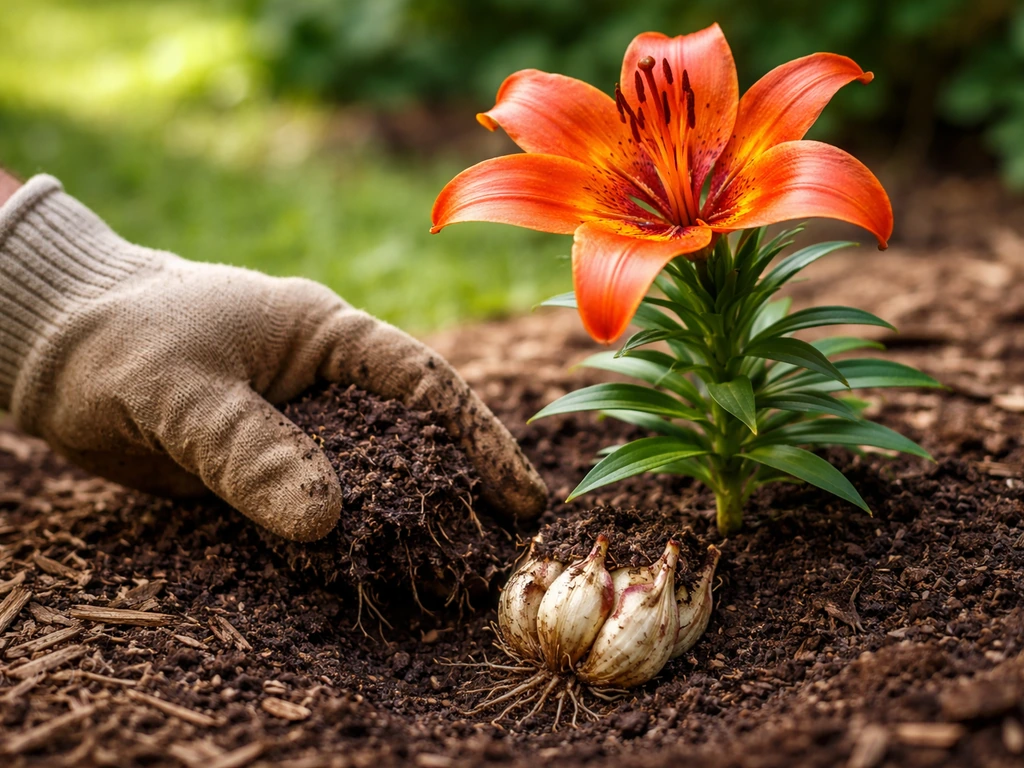
Do Ember Lilies Regrow in Grow a Garden? How to Get Them Back
Get ember lilies to regrow: check if bulbs return, after-flowering care, winter tips, and fix common regrowth failures.
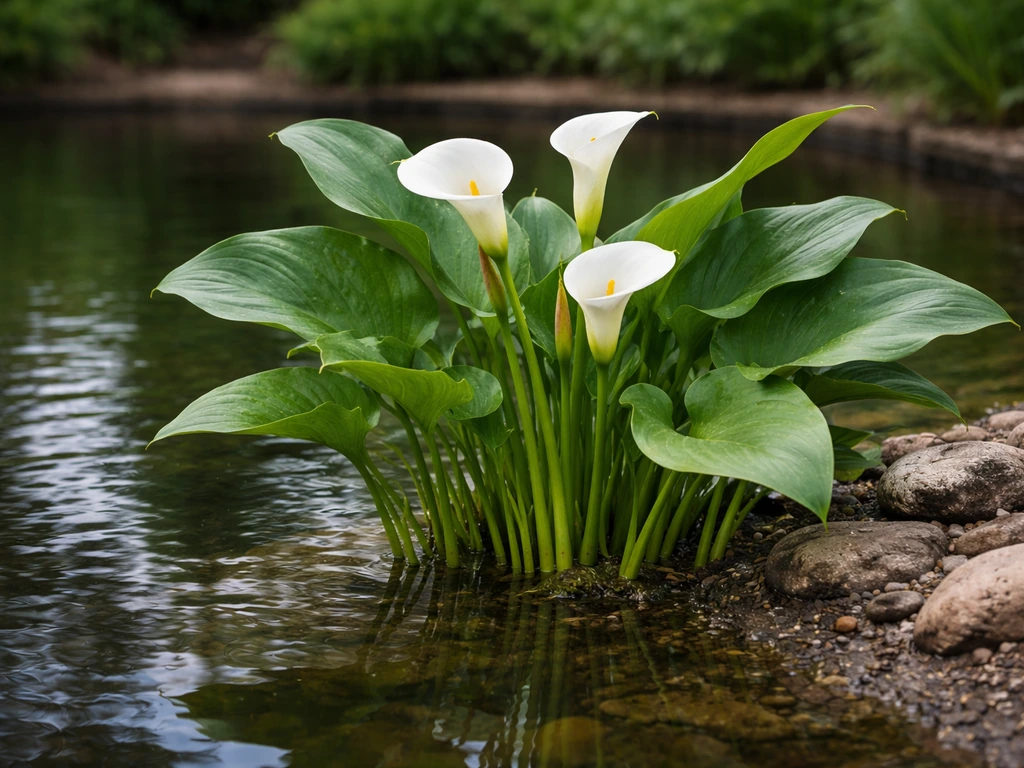
Can Calla Lilies Grow in Ponds? How to Set Up Successfully
Yes, with the right setup: water depth, substrate, anchoring, light, and overwinter care for pond or marginal calla lili
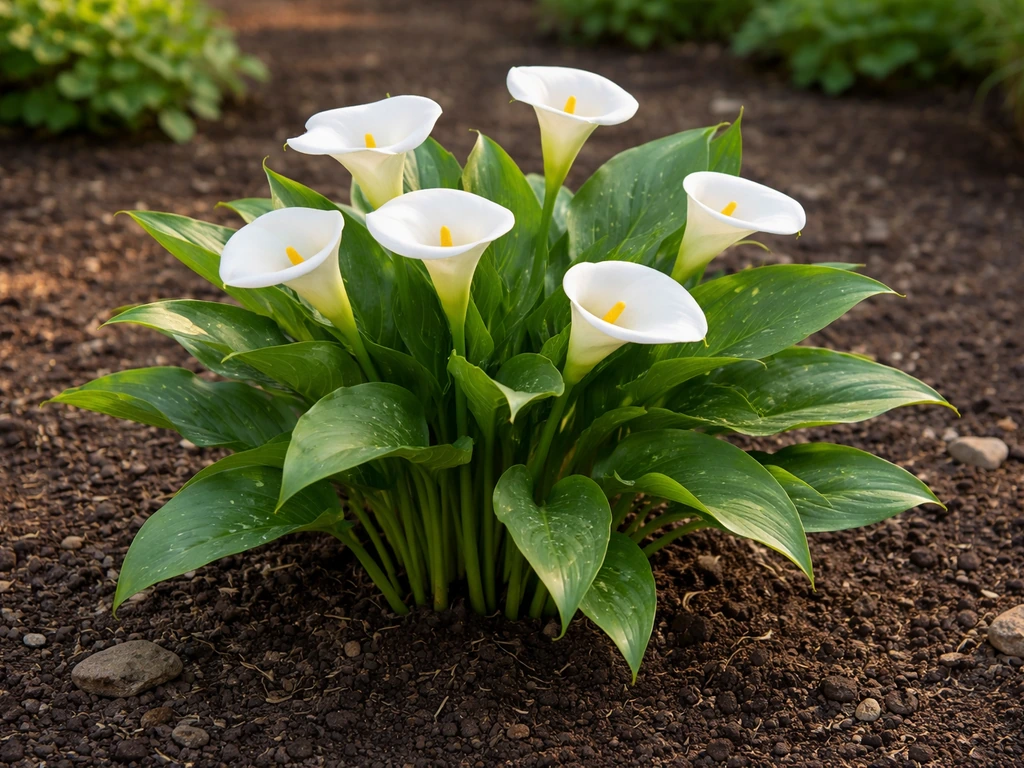
Are Calla Lilies Hard to Grow? Easy Guide for Success
Get a clear answer on are calla lilies hard to grow, plus exact light, temperature, watering, planting, and fixes.