
Yes, lilies absolutely grow back after their petals fall off. The flower fading is not the end of the plant. It is actually the beginning of one of the most important phases in the whole growing cycle. What happens next depends almost entirely on how you treat the plant in those weeks after bloom. Get it right and you will have flowers again next season. Get it wrong and you will be wondering why your bulbs never bounced back.
Do Lilies Grow Back After Petals Fall Off? Timing and Care

Marcus Hendricks
14 Apr 2026
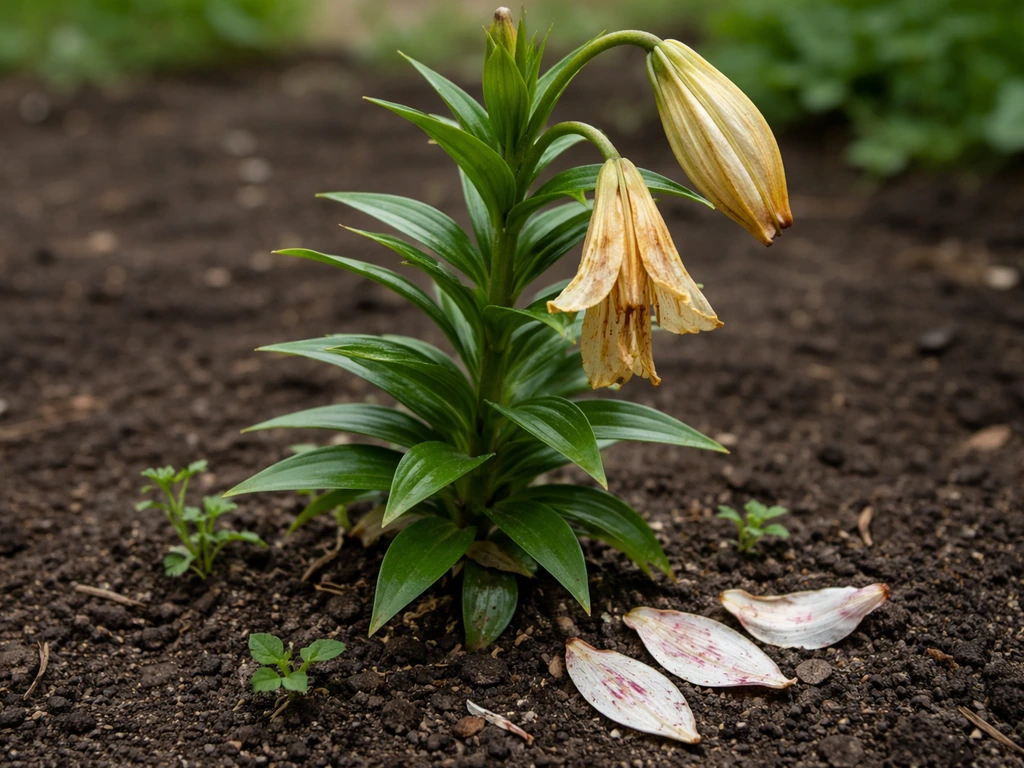
What actually happens after lily petals fall
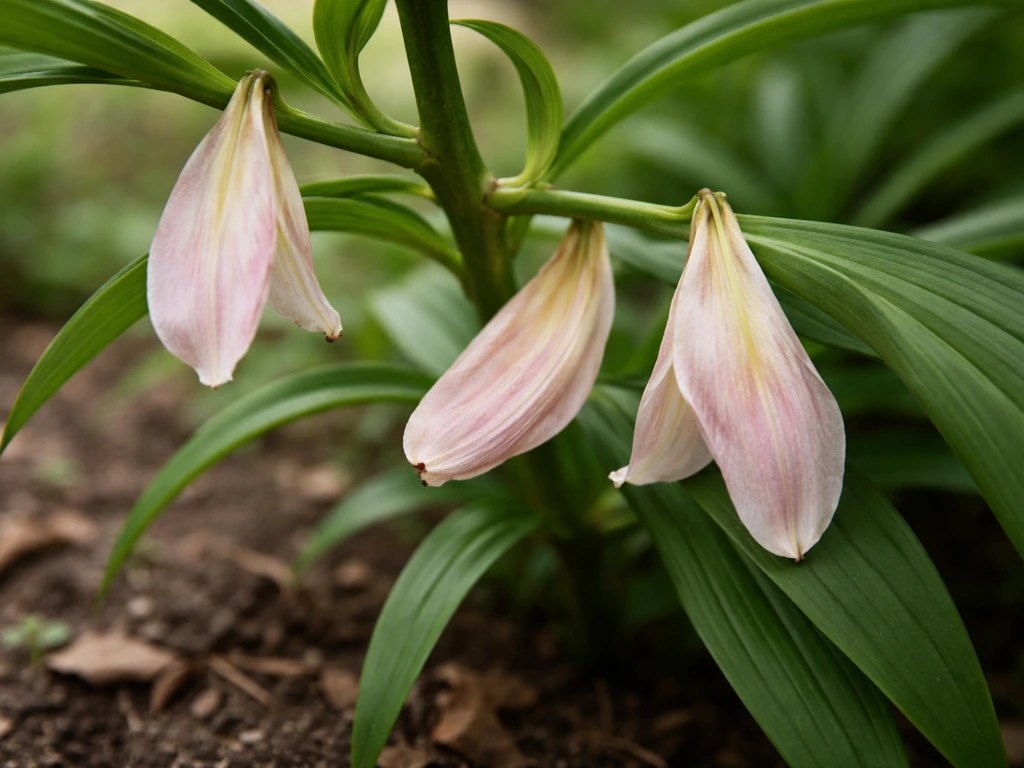
When a true lily (Lilium, think Asiatic, Oriental, or Easter lily) drops its petals, the bulb underground is still very much alive and working. The green leaves and stem that remain are not just decorations. They are actively photosynthesizing and pumping energy back down into the bulb, building up the reserves that will fuel next year's flowers. Think of the post-bloom phase as the plant's savings account deposit. The more energy it stores now, the bigger the payoff next spring or summer.
The bulb itself will often produce small offset bulblets over time, as Oriental hybrid lilies are known to do. So the plant is not just surviving after bloom. It is quietly expanding its colony underground, which means you can actually end up with more plants than you started with if you let it do its thing.
The key signs that your lily is on track after flowering: the leaves stay green for several more weeks, the stem remains upright and firm, and the plant shows no signs of wilting or yellowing prematurely. If all that is happening, you are in good shape. The bulb is eating well.
How long until you see new blooms
For true lilies grown outdoors, you are generally looking at a full year between bloom cycles. Asiatic lilies typically flower in early to midsummer. After the petals drop, the plant spends the rest of summer loading up the bulb, then goes dormant in fall, winters underground, and comes back in spring to bloom again the following summer. Oriental lilies follow a similar pattern but bloom a bit later in the season, usually mid to late summer.
Easter lilies (Lilium longiflorum) are a little different because they are forced to bloom in late winter or early spring for the holiday market, which is not their natural schedule. Once you plant one outdoors after the holiday, it will typically re-bloom in midsummer the following year, which is when it actually wants to bloom. So the wait from a faded Easter lily in April to its next flowers outdoors can be 14 to 15 months. That is normal and worth the wait.
Daylilies (Hemerocallis) operate on a faster and more continuous schedule. Each individual flower lasts just one day, but a single plant can produce dozens of flowers over a bloom period that lasts several weeks. Once the whole plant is done for the season, it dies back in winter and comes back the following spring, often blooming again within 10 to 12 months from the previous cycle's peak.
Post-bloom care that actually makes a difference
Deadheading: do it, but do it right
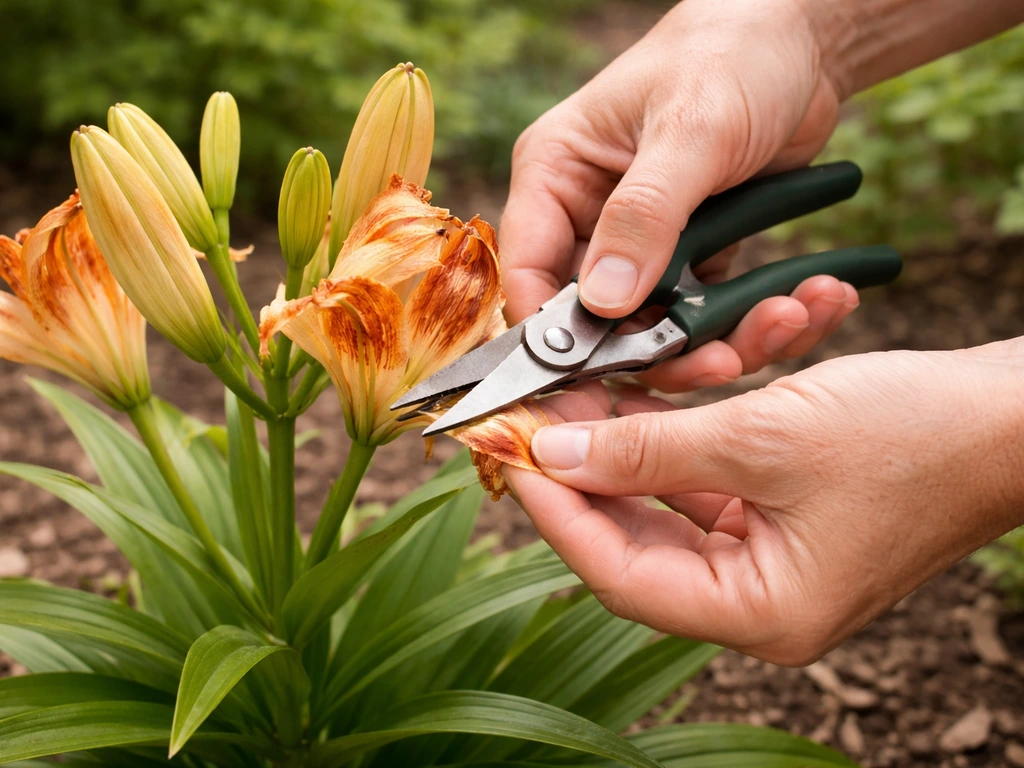
blank" rel="noopener noreferrer">Remove the spent flower heads as soon as petals drop. Leaving them in place triggers the plant to start forming seeds, which is an enormous energy drain that robs the bulb of reserves it needs for next year. Snap or cut off the seed pod at the base of the flower, but leave the stem and all the leaves completely alone. The stem is still green and still working. University of Missouri Extension is very clear on this: blank" rel="noopener noreferrer">cut off old blooms but leave the stem and leaves intact and do not cut the stem until it dies down in fall.
Watering after bloom
Keep watering consistently after the flowers are gone. The plant still needs moisture to support the photosynthesis happening in those leaves. Do not ease off just because the show is over. Continue watering until the top growth starts to die back naturally, then you can gradually reduce frequency as the plant goes dormant. Cutting water too early is one of the most common mistakes I see, and it starves the bulb right when it needs to be building up stores.
Feeding after bloom
Keep fertilizing through the post-bloom period. A balanced fertilizer or one slightly higher in potassium helps support bulb development and root health after flowering. K-State Extension recommends continuing to water and fertilize until the top growth dies down completely. Do not stop feeding just because the plant looks less exciting. The work happening underground is invisible but critical.
When and how to cut back the foliage
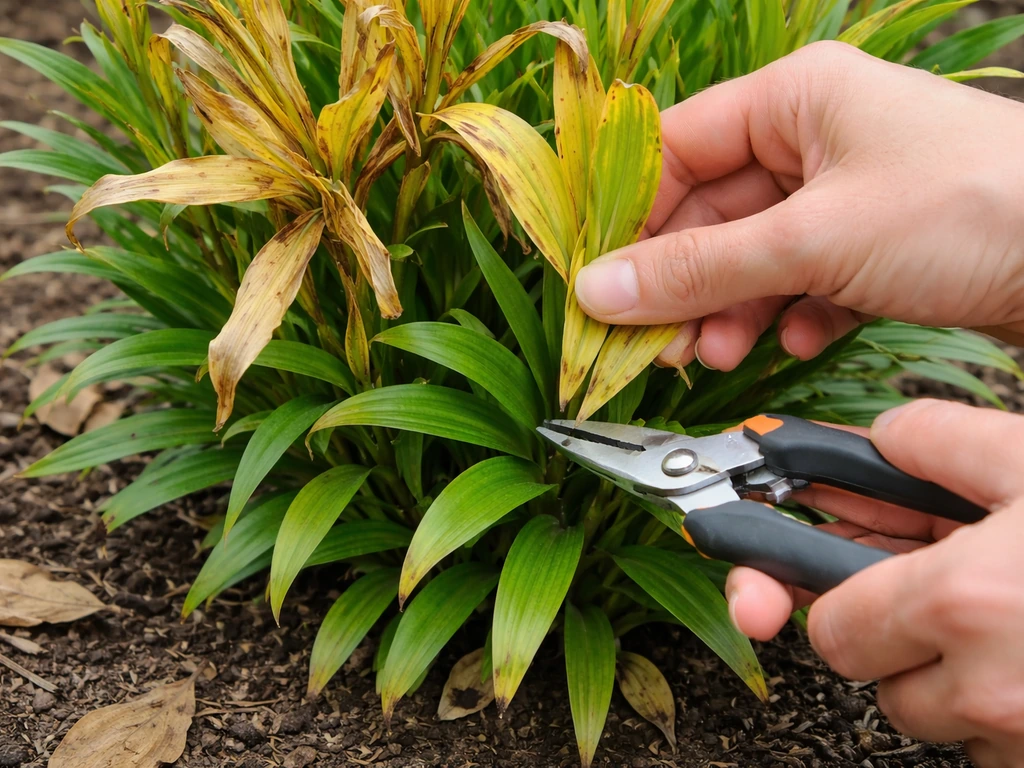
This is where a lot of gardeners make a costly mistake. Cutting back green foliage early feels tidy, but it is essentially cutting off the plant's food supply. Wait until the leaves and stems have turned fully yellow or brown before you touch them. At that point, cut them back to a couple of inches above ground level. If even a little green remains, wait another week or two.
For most Asiatic and Oriental lilies in temperate climates, that yellowing and die-back happens naturally in early to mid-fall. Easter lilies planted outdoors after the holiday will typically die back by late summer or fall. Texas A&M AgriLife Extension advises cutting back only once leaves and stems have browned and died back, and to cut just above any healthy leaf tissue as growth declines. Cutting into a still-green stem damages the plant's ability to flower the following year. I have done it by accident while tidying up the garden and paid the price with missing blooms the next season.
One more thing worth knowing: if you are gardening in rocky or gravelly ground, whether lilies can grow through rocks is a legitimate concern. Bulbs can handle some grit but they need loose enough soil to expand and produce offsets, so make sure your cutback and dormancy routine accounts for any soil structure challenges in your bed.
Variety matters: what to expect from each type
The word "lily" gets used very loosely, and different types behave completely differently after bloom. Here is a quick comparison so you know what you are actually dealing with.
| Lily Type | True Lily? | Regrows After Bloom? | Bloom Cycle | Post-Bloom Action |
|---|---|---|---|---|
| Asiatic Lily (Lilium) | Yes | Yes, annually | Early-midsummer, once per season | Deadhead, keep foliage green, cut back in fall |
| Oriental Lily (Lilium) | Yes | Yes, annually | Mid-late summer, once per season | Same as Asiatic; do not rush foliage cutback |
| Easter Lily (Lilium longiflorum) | Yes | Yes, annually outdoors | Midsummer when naturalized | Remove spent blooms, leave stem until fall die-back |
| Daylily (Hemerocallis) | No | Yes, repeatedly per season | Weeks-long bloom period, each flower lasts 1 day | Snap off spent flowers and seed pods daily |
| Peace Lily (Spathiphyllum) | No | Yes, with proper care | Seasonal, indoors year-round | Remove spent spathes, maintain humidity and indirect light |
| Calla Lily (Zantedeschia) | No | Yes, from rhizome | Spring-summer outdoors | Remove spent flowers, reduce water as foliage dies back |
| Water Lily (Nymphaea) | No | Yes, ongoing in season | Summer, continuous in water | Remove spent blooms before seeds drop into water |
Asiatic lilies
Asiatic lilies are the most beginner-friendly true lily. They bloom once per season in early to midsummer, go dormant in fall, and come back reliably the following year. They need at least six hours of direct sun daily and well-draining soil. After bloom, follow the standard post-bloom routine above and they will reward you year after year. If you want to understand the broader question of whether lilies grow back in general, Asiatic lilies are the best example to start with because they are so consistent.
Peace lilies
Peace lilies are not true lilies at all. They are Spathiphyllum, a tropical plant that grows from a root mass rather than a bulb. After the white spathe (the flower-like hood) fades, cut the spent flower stalk off at the base. Peace lilies can rebloom multiple times a year indoors if given bright indirect light, consistent moisture, and humidity above 50 percent. One thing that surprises many growers is that a peace lily can even survive without a full root system under the right conditions, which tells you how resilient these plants are. Unlike true lilies, they do not go dormant in winter.
Calla lilies
Calla lilies grow from rhizomes and bloom in spring through summer. After the flowers fade, remove the spent blooms and continue watering until the foliage naturally yellows and dies back. In USDA zones 8 and warmer you can leave the rhizomes in the ground year-round. In colder zones, dig them up in fall, let them dry for a few days, and store them in a cool dry place until spring. They are reliably perennial when managed correctly.
Daylilies
Daylilies are workhorses. Each flower lasts only one day, but a mature clump can have dozens of buds opening over several weeks. Snap off each spent flower head and any forming seed pods daily or every other day. This redirects energy into producing more flowers rather than setting seed. Many daylily cultivars will produce flowers for three to six weeks if you keep up with deadheading. After the whole bloom period ends, the plant stores energy through summer and fall before dying back in winter. If you have been growing a specific cultivar and are curious about how re-growth patterns apply to named varieties, the principles around how the liberty lily regrows in a garden setting are a useful reference point for how named daylily and lily-type plants behave after bloom.
Water lilies
Water lilies bloom continuously through the warm season and need consistent deadheading to stay productive and keep algae in check. The Missouri Botanical Garden recommends removing spent flowers frequently, and specifically advises removing seed heads once the seed pod dips below the water surface, before seeds can disperse and cause problems in the pond. Water lilies grow from rhizomes submerged in containers at the bottom of a pond, typically at a depth of 12 to 18 inches for most hardy varieties. They go dormant in winter in cold climates but return each spring.
Ember lilies and specialty varieties
Some specialty varieties and game-inspired lily types have their own quirks when it comes to regrowth. If you are working with a named cultivar in a specific garden setup, it helps to know the rules for that particular type. For example, the specifics of how ember lilies regrow in a grow-a-garden context follow the same general principles of post-bloom energy storage but may have unique timing or environmental triggers worth understanding.
Why your lily might not come back (and how to fix it)
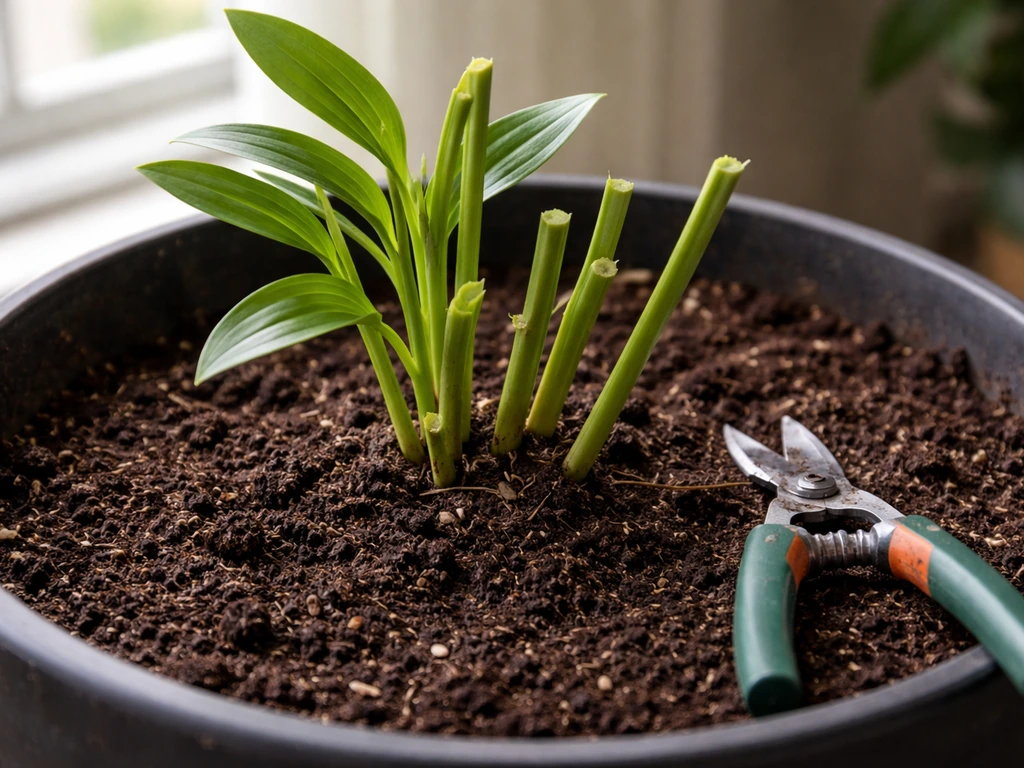
If your lily did not rebloom or the plant came back without flowers, one of the following is almost certainly the reason:
- Foliage was cut back too soon: If you cut the stems and leaves while they were still green, the bulb did not get enough time to recharge. The fix is to simply wait longer next season, until stems and leaves are fully yellow or brown.
- Not enough sun: True lilies need at least six hours of direct sun daily. In shadier spots the bulb builds up less energy and may skip flowering. Move bulbs to a sunnier location in fall when you can dig and replant.
- Overcrowding: Bulbs that have been in the ground for several years multiply and can get too crowded, competing for nutrients and space. Dig and divide every three to four years, usually in fall.
- Under-watering or over-watering after bloom: Letting the soil dry out completely during post-bloom, or keeping it waterlogged, both stress the bulb during its critical storage phase. Aim for consistently moist but well-draining soil.
- No fertilizer after bloom: If you stopped feeding when the flowers faded, the bulb did not get the nutrients it needed to build next year's flower bud. Resume feeding next year and continue through late summer.
- Cold damage to bulbs: In zones colder than the bulb's hardiness range, unprotected bulbs can freeze and die over winter. Mulch heavily in fall (three to four inches of mulch over the planting area) or dig and store bulbs indoors.
- Planted too shallow or too deep: True lily bulbs generally want to be planted two to three times their own diameter deep. Too shallow and they dry out or freeze. Too deep and they struggle to push growth up in spring.
- Pots without drainage: Container lilies that sit in water-logged soil quickly rot the bulb. Always use pots with drainage holes and never let them sit in standing water.
What you can do right now to get blooms back
If your lily just finished blooming and you are reading this today, here are the most impactful things you can do immediately:
- Remove any remaining spent flower heads but leave every bit of green stem and foliage in place. Do not be tempted to tidy up the plant beyond that.
- Check your watering routine. If the soil around your lily has been dry, water it deeply today and set a reminder to check moisture every few days going forward.
- Feed the plant with a balanced fertilizer (something like 10-10-10 or a bulb-specific formula) and plan to continue feeding every two to three weeks until the foliage starts to yellow in fall.
- If the plant is in a pot, check that the pot has drainage and that water is not pooling at the bottom. Repot into a larger container if the roots look crowded.
- Note the date so you know when to expect natural die-back in your climate. Set a reminder for mid to late fall to check foliage color before cutting anything back.
- If your plant is in a low-light spot, start planning a move for fall. Mark the location of the bulbs now so you can find and relocate them once they go dormant.
- If you are in zone 6 or colder and you have not mulched your lily bed in previous years, plan to apply three to four inches of mulch over the planting area once the stems die back this fall.
The bottom line is that lilies are genuinely resilient plants. A bulb that bloomed once has everything it needs to bloom again next year. Your only job after the petals fall is to stay out of the way, keep the leaves fed and watered, and resist the urge to cut anything green. Do those things consistently and you will almost certainly be rewarded with flowers again next season.
FAQ
Should I cut off the stem right after the petals fall off?
No. For true lilies, keep the stem and all leaves until they fully yellow or brown in fall. Cutting earlier removes stored energy the bulb needs to set next year’s blooms. If you want to neaten the plant, you can remove only the spent flower and seed pod portion, leaving the foliage intact.
What if the leaves are turning yellow soon, can that still lead to next year’s flowers?
A little yellowing late in the season can be normal, but premature yellowing while the weather is still warm often signals stress (too little water, poor drainage, or root disturbance). If the foliage is still greenish at least several weeks after bloom, you are usually on track. If it collapses quickly, focus on consistent watering and avoid fertilizing lightly or stopping early.
Do lilies need deadheading, or can I leave the spent blooms on the plant?
Deadheading matters for energy. Leaving spent blooms encourages seed formation, which diverts resources away from bulb reserves. Remove the spent flower head promptly and if a seed pod begins to form, snap or cut it off at the base, while leaving the stem and leaves untouched.
Can I transplant or divide lilies right after flowering to spread them?
It’s risky immediately after bloom because the plant is actively restoring bulb reserves. If you must move a true lily, wait until the foliage has mostly died back, then dig and divide. Dividing while leaves are still green can reduce the chance of flowering next season because the bulb has less time to recharge.
What fertilizer should I use after the petals fall off, and when should I stop?
Use a balanced fertilizer, and a potassium-leaning option is beneficial for bulb development. Continue feeding until the top growth naturally dies down and the foliage is fully brown. Stopping too early is common, and you will often see weaker or missing blooms the following year.
How much should I water after the lilies stop blooming?
Keep watering consistently so the green leaves can photosynthesize and support bulb storage. Avoid letting the soil fully dry out right after bloom. Then gradually reduce watering as the foliage begins to die back for dormancy, rather than cutting off abruptly.
Do lilies in containers need the same post-bloom care as outdoor lilies?
Yes, but containers dry out faster, so consistent moisture is more important. Continue watering and fertilizing through the post-bloom phase, and do not let the pot completely dry while the foliage is still green. Also ensure the pot drains well, because lilies do not benefit from waterlogged soil even during the recharge period.
My “lily” is a peace lily or daylily, will it regrow the same way after petals fall?
Not exactly. Peace lilies do not grow from true bulbs and they do not follow the same post-bloom dormancy pattern, and they can rebloom indoors with bright indirect light and proper moisture. Daylilies bloom in waves and have individual flowers that die quickly, so regular deadheading of flower heads helps keep the plant producing more buds rather than diverting energy to seeds.
If I cut green leaves by accident, will my lily still bloom next year?
Often it can, but it depends how much foliage you removed. A small accidental nick is usually recoverable, but removing a large portion of green leaves or cutting stems too early reduces the bulb’s ability to store energy. The best next step is to leave the remaining foliage alone and continue watering and feeding until it naturally yellows in fall.
Why did my lily not rebloom, even though I left the leaves alone?
The most common causes are insufficient light, poor soil drainage, or stress from hot/dry conditions during the recharge weeks. Also check whether you planted a true lily versus a look-alike, because some types have different timing or dormancy. Finally, remember that forced Easter lilies planted outdoors after the holiday may take about a year or more to bloom again.
Can bulbs grow through rocky or gravelly beds without problems after bloom?
They can, but the soil still needs enough looseness for roots to function and for offsets to expand. In rocky beds, the post-bloom routine still matters because the plant needs room to recharge, so avoid deep cutting into the bed near the bulb when you do fall cleanup, and make sure drainage is not restricted by compacted grit.
Next Articles
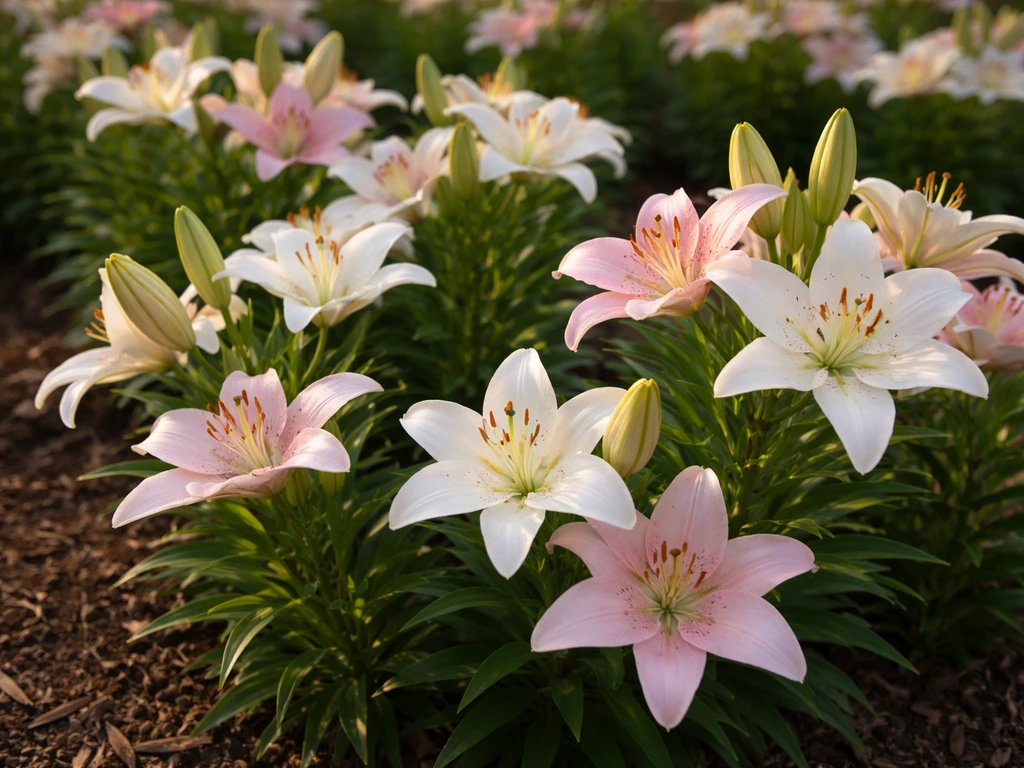
Do Lilies Grow Back? How to Cut, Care, and Get Blooms
Learn if lilies grow back after cutting or death, plus exact tips for true lilies vs calla lilies and regrowth care.
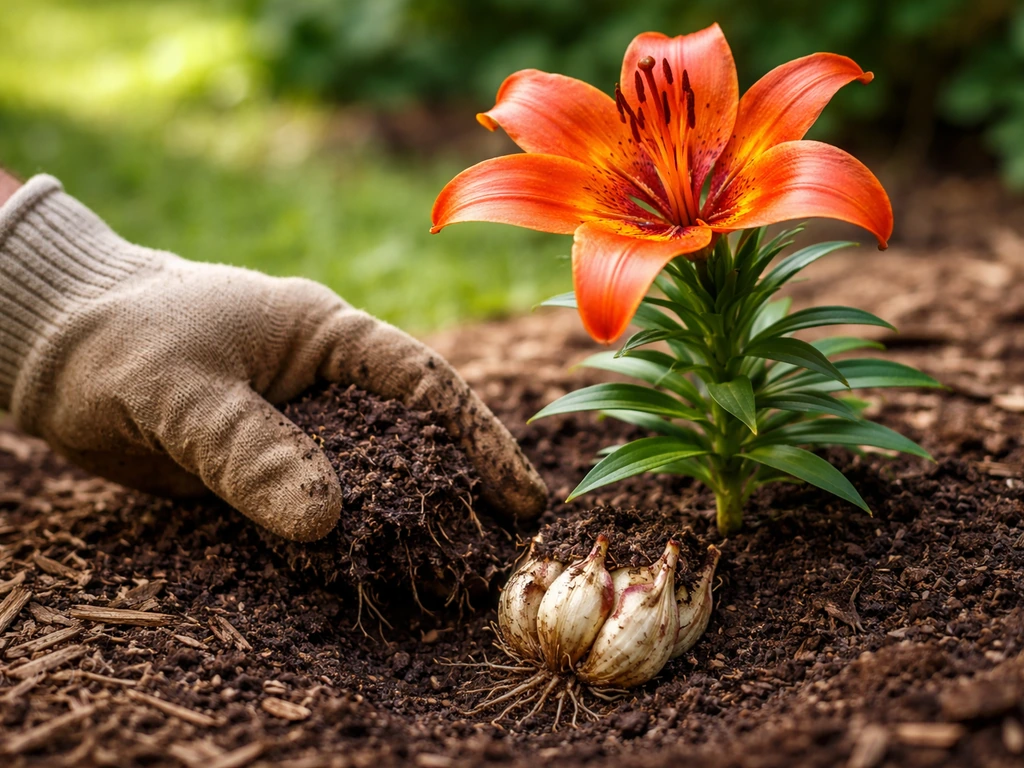
Do Ember Lilies Regrow in Grow a Garden? How to Get Them Back
Get ember lilies to regrow: check if bulbs return, after-flowering care, winter tips, and fix common regrowth failures.
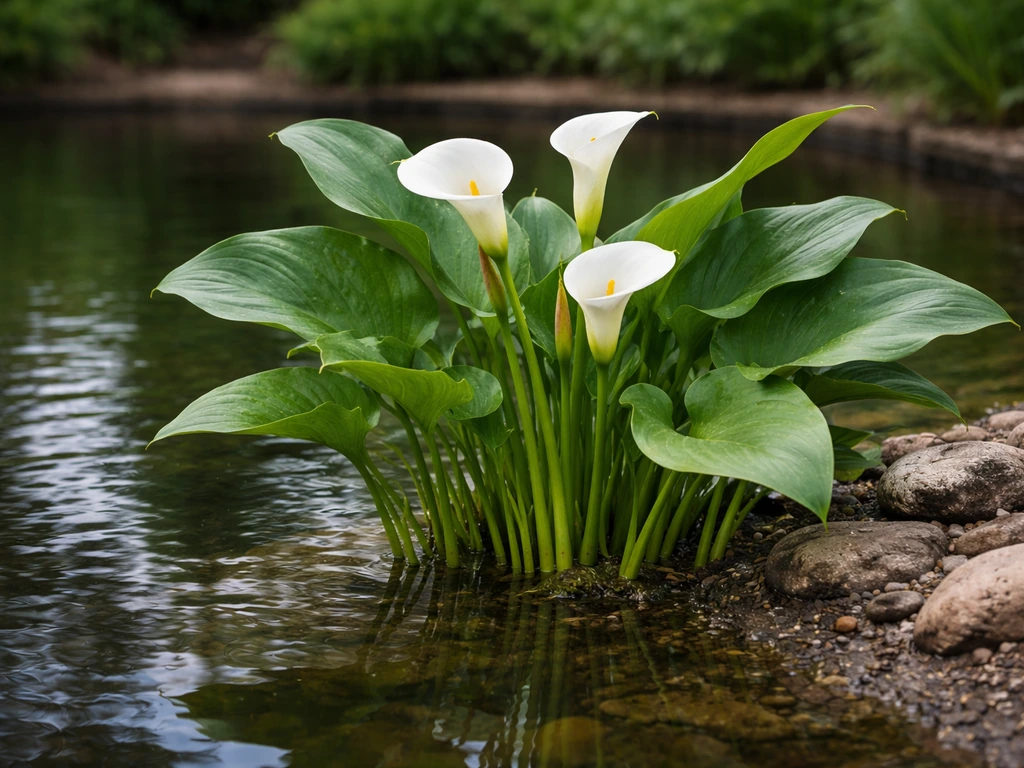
Can Calla Lilies Grow in Ponds? How to Set Up Successfully
Yes, with the right setup: water depth, substrate, anchoring, light, and overwinter care for pond or marginal calla lili