
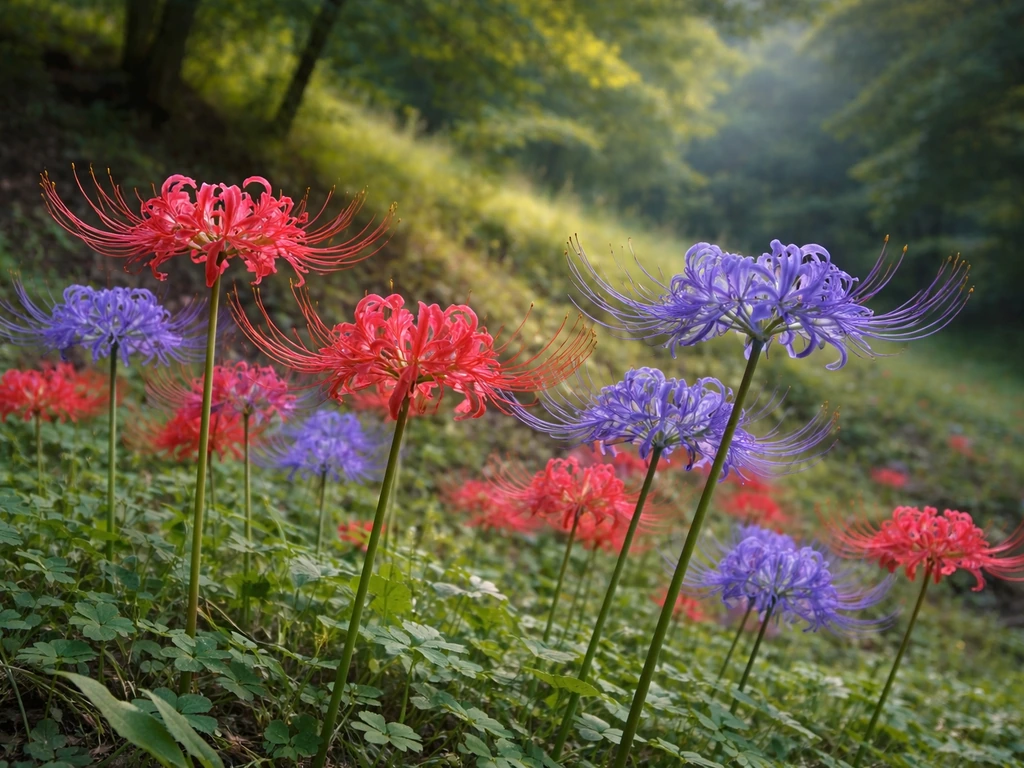
Spider lilies grow naturally across East Asia, particularly China and Japan, in habitats that tend to be warm-temperate, moderately moist, and partially shaded. In the garden world, they've spread far beyond that original range, and you'll find them naturalized across parts of the American South, too. The short answer: if you're in USDA zones 6 through 10, there's almost certainly a spider lily variety that can thrive in your yard.
Where Do Spider Lilies Grow Blue and Red Locations
Marcus Hendricks
3 Apr 2026
Natural habitat and wild range
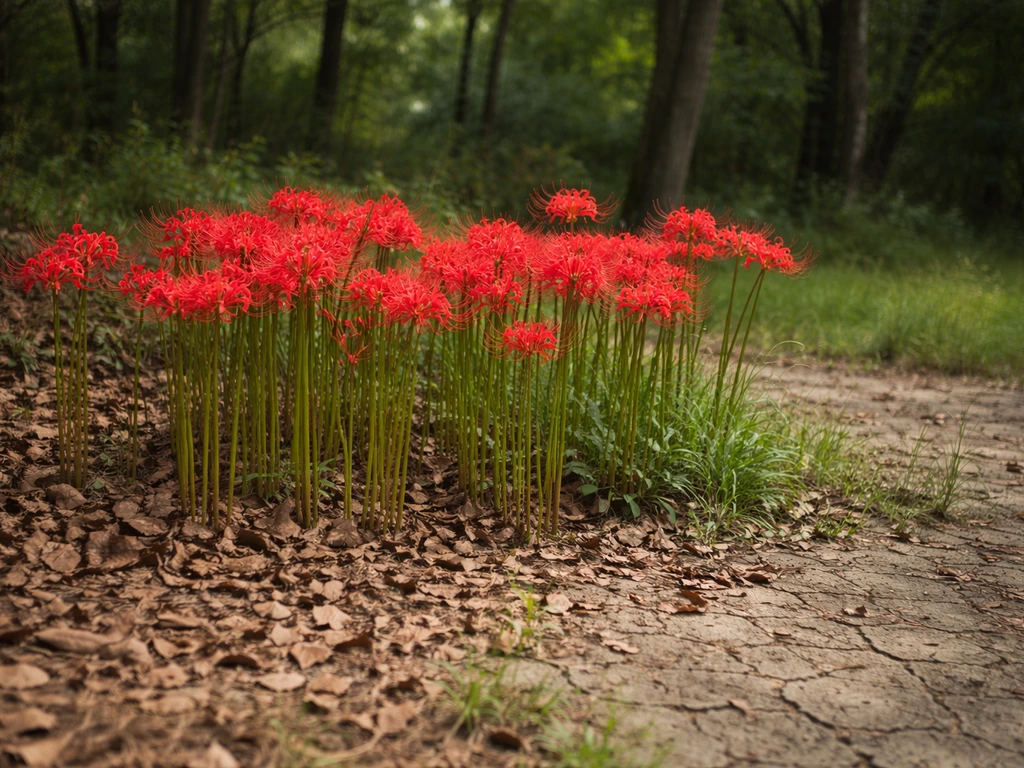
The most commonly grown spider lily, Lycoris radiata (the red spider lily), is native to China, with Anhui Province being one documented origin point. It was introduced to Japan centuries ago and naturalized so thoroughly on Honshu that most people think of it as a Japanese wildflower. From there it made its way to North America, and today it grows wild in parts of the southeastern United States, including blank" rel="noopener noreferrer">North Carolina, Texas, and Oklahoma.
In the wild, spider lilies tend to show up in places with a distinct dry season followed by a wet one. Think woodland edges, rice paddy borders, and roadside embankments with decent drainage. They're geophytes, meaning they store energy in bulbs and go dormant during dry spells, which is a big clue about the conditions they need you to replicate in the garden. They're not swamp plants, but they're not desert plants either. Moderate, seasonal moisture is their thing.
Do spider lilies grow wild anywhere outside Asia?
Yes, they do, and more commonly than most people realize. In the American South, red spider lilies have naturalized in old cemeteries, along roadsides, and around abandoned homesteads. That's not a coincidence. They were planted ornamentally, went untended, and persisted anyway because the climate matched their preferences closely enough. If you're in the Southeast and you've ever driven past a cluster of those bright red, spidery blooms in late summer, you were probably looking at naturalized Lycoris radiata.
There's actually a persistent cultural association between these flowers and death, which is why they show up so often in old graveyards. If you're curious about the mythology behind that, the idea that spider lilies grow on dead bodies is a real piece of folklore worth understanding before you plant them, especially if you're gardening with kids who might ask questions.
Where blue spider lilies grow
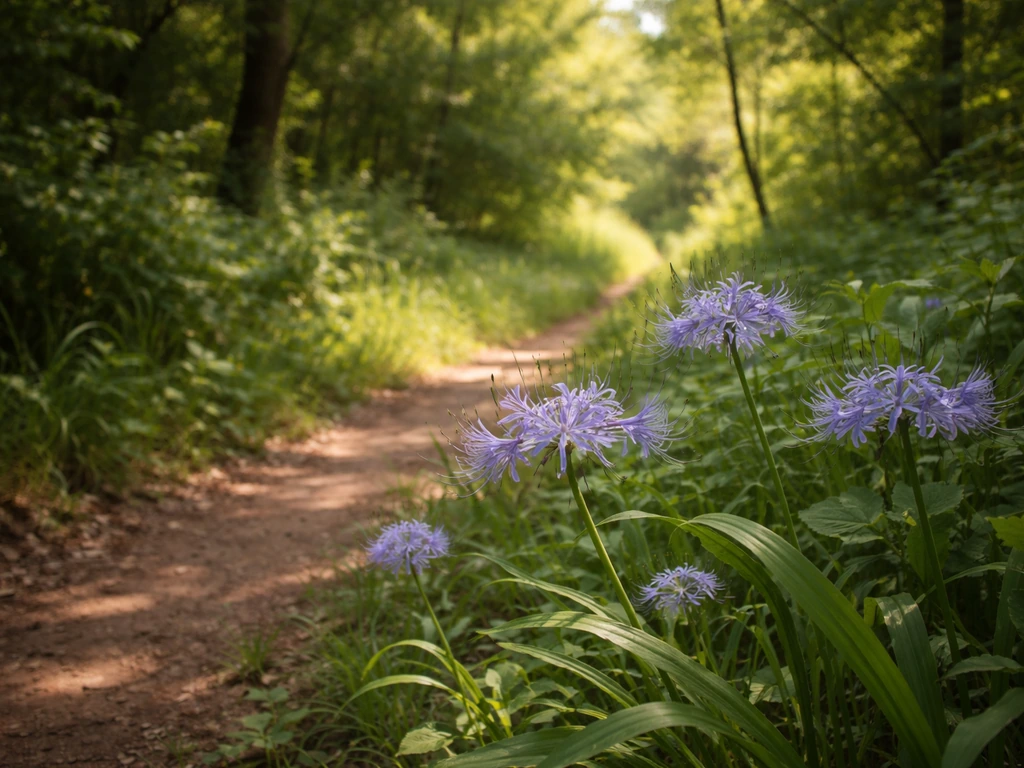
Here's where things get a little complicated. "Blue spider lily" isn't a single well-defined species the way red spider lily is. In gardening circles, the term usually refers to either Scilla peruviana (which produces bluish-purple clusters and is sometimes sold under that common name), Agapanthus varieties, or certain Lycoris species with cooler-toned blooms. The plants most commonly sold as blue spider lilies tend to come from Mediterranean or southern African origins, not East Asia.
What that means practically: blue spider lilies generally prefer a similar warm-temperate climate but tolerate slightly more sun and a longer dry period in summer. They're well-suited to USDA zones 8 through 11, thrive in full sun to partial shade, and do best in well-drained soil. Think coastal California, the Gulf Coast, or similar climates. They're less cold-tolerant than Lycoris radiata, so if you're in zone 7 or colder, you'll want to treat them as container plants you bring indoors over winter.
One thing both blue and red spider lilies share is a preference for being left undisturbed once planted. Don't dig them up every year. They actually bloom better after a few seasons of settling in.
Where red spider lilies grow
Red spider lilies (Lycoris radiata) are the more cold-hardy option between the two, reliably perennial in USDA zones 6 through 10. They're comfortable in the American South and lower Midwest, as well as coastal Pacific Northwest gardens with mild winters. They bloom in late summer to early fall, often sending up their bright red, strap-petaled flowers before any leaves appear, which is one of the strangest and most striking things about them.
In their natural habitat in China and Japan, red spider lilies grow at the edges of forests and along waterways, in spots with morning sun and afternoon shade. They handle humidity well, which is part of why they naturalized so easily in the American Southeast. They don't love prolonged freezes, but a brief zone 6 winter (down to around -10°F/-23°C) typically won't kill established bulbs if they're well mulched.
For Texas gardeners specifically, red spider lilies are a solid choice. The climate there maps well to their natural range, and spider lilies grown in Texas often naturalize and spread on their own once established.
Blue vs. red spider lily: a quick comparison
| Feature | Red Spider Lily (Lycoris radiata) | Blue Spider Lily (various) |
|---|---|---|
| Native origin | China, naturalized in Japan and SE USA | Mediterranean / southern Africa (varies by species) |
| USDA zones | 6–10 | 8–11 |
| Sun preference | Partial shade to full sun | Full sun to partial shade |
| Cold hardiness | Moderate (down to zone 6 with mulch) | Lower (zone 8 minimum outdoors) |
| Soil needs | Well-drained, loamy | Well-drained, sandy or loamy |
| Moisture | Moderate, seasonal dry period | Tolerates longer dry spells |
| Bloom time | Late summer to early fall | Late spring to summer (varies) |
| Dormancy | Yes, distinct dry dormancy | Yes, summer dormancy common |
If you're choosing between the two and live in zone 7 or colder, go with red. If you're in a warm, dry-summer climate like southern California or coastal Texas, blue spider lilies can be a stunning choice, but you'll need to plan for container growing if winters dip below 20°F.
How to match your garden to their needs
Sun and shade
Both types prefer partial shade during the hottest part of the day, especially in zones 8 and above. Aim for a spot that gets 4 to 6 hours of morning sun and dappled or filtered afternoon shade. In cooler climates (zones 6 and 7), full sun is fine. I've seen red spider lilies planted under deciduous trees do particularly well because the canopy opens up in late summer just as the flowers emerge.
Soil and drainage
This is the big one. Spider lilies rot in waterlogged soil, full stop. They need well-drained, loamy or sandy soil. If your garden has heavy clay, amend it with coarse grit or perlite before planting, or build a raised bed. Plant bulbs about 3 to 4 inches deep with the neck just at or slightly above the soil surface. Good drainage replicates the sloped or elevated terrain they often occupy in the wild.
Water
Water regularly during the growing season (fall through spring for red spider lilies), then ease off significantly in summer when the plants go dormant. Overwatering dormant bulbs is the most common way people kill them. Think of summer as their rest period: dry and warm is exactly what they expect. Resume watering when you see new growth emerging in late summer or early fall.
Outdoor vs. indoor growing: what your climate decides
If you're in zones 6 through 10, red spider lilies can almost certainly stay outdoors year-round with minimal fuss. Blue spider lilies are trickier: zones 8 through 11 outdoors, and anything colder than that means container growing is your best bet. The good news is spider lilies adapt reasonably well to containers as long as you get the drainage right. A terracotta pot with drainage holes and a gritty potting mix works well.
That said, growing spider lilies indoors full-time is a different challenge than overwintering them. If you're considering making it a permanent indoor plant, there are some important trade-offs to understand. The piece on growing spider lilies indoors covers those trade-offs in practical detail, including the light requirements and dormancy management that trip most people up.
One honest note: spider lilies are not the most forgiving plants for beginners, but they're not brutal either. Whether spider lilies are hard to grow really depends on whether your climate and soil conditions are even close to their natural habitat. If they are, they practically take care of themselves. If they're not, you'll be fighting an uphill battle.
How to check zone compatibility and find the right variety
Start by confirming your USDA hardiness zone. The USDA Plant Hardiness Zone Map (available on the USDA website) lets you enter your zip code and get your exact zone in about 30 seconds. Once you know your zone, use the table above to decide whether red or blue spider lilies are the right call for outdoor planting.
- Look up your USDA zone by zip code on the USDA Plant Hardiness Zone Map.
- If you're in zones 6–10, shop for Lycoris radiata (red spider lily) bulbs from a reputable bulb supplier. Look for fall-planted bulbs available in late summer.
- If you're in zones 8–11 and want blue spider lilies, search for Scilla peruviana or Agapanthus varieties depending on the look you're after, and confirm the species before buying.
- If you're in zone 5 or colder, plan for container growing and bring pots indoors before the first hard frost.
- Amend your soil for drainage before planting: mix in coarse sand or perlite if you have heavy clay.
- Plant bulbs at the right time: red spider lily bulbs go in late summer (August to September in most zones) so they can establish before blooming in fall.
One more thing worth knowing before you commit: spider lilies don't bloom right away. It often takes a full year or two after planting for the bulbs to settle in and produce flowers. How long spider lilies take to grow and bloom is something a lot of new growers don't expect, and it's why patience is honestly the most important thing you can bring to growing them.
If you're sourcing bulbs locally, check with native plant societies or regional nurseries. Because red spider lilies have naturalized across the Southeast, local growers sometimes sell divisions at very low cost, which is both budget-friendly and more likely to give you bulbs already adapted to your specific regional conditions. That's a much better start than an import shipped from overseas.
FAQ
If spider lilies are native to East Asia, why do I keep finding them in my region without planting them?
Spider lilies can appear in lawns or beds when they were originally planted ornamentally and then escaped into nearby “rough” habitat. Look for them along fence lines, old property edges, cemeteries, and road embankments, since those spots often have seasonal drainage (wet in the cool months, drier in summer) that matches their dormancy cycle.
What’s the most common reason spider lilies won’t grow where they “should”?
In many yards, they fail even when the climate seems right, because soil stays wet too long after rains. The most reliable fix is to improve drainage before planting (raised bed, coarse grit mixed into the top layer, and avoiding low spots where water collects), since bulb rot is usually the limiting factor, not cold.
How deep should I plant spider lily bulbs in my garden?
Avoid planting bulbs too deep, especially in heavy clay or in areas that get winter rains. A good target is about 3 to 4 inches deep, with the bulb neck at or slightly above the soil surface, then add mulch for insulation without creating a constantly damp “blanket.”
Can I leave spider lilies outside all year in my zone, or should I plan for overwintering?
You can often keep them outdoors year-round in zones 6 to 10 if the soil drains well, but blue types are the ones that routinely cause trouble in colder areas. If your winter lows regularly dip near or below 20°F (-7°C), plan for container overwintering or protect bulbs heavily, because blue spider lilies are generally less cold-tolerant than Lycoris radiata.
Do spider lilies need to be divided or moved regularly like other bulbs?
When people say spider lilies prefer to be left alone, the practical meaning is you should not lift bulbs every year and you should minimize root disturbance when weeding. If you must relocate them, do it during the dry dormancy period for your area, and expect weaker blooming the first season after transplanting.
How do I water spider lilies correctly during their dormancy period?
Yes, but use the right kind of “dry.” During dormancy, water sparingly or not at all depending on your rainfall, and never keep soil continuously saturated. Resume watering when new growth signals the next active cycle, since overwatering dormant bulbs is the fastest path to loss.
What’s the easiest way to grow blue spider lilies in colder climates using containers?
Container culture works best for blue spider lilies and for colder sites, but success depends on drainage more than pot size. Use a terracotta or other porous container with drainage holes, a gritty potting mix, and keep the pot dry during dormancy, then move it back to bright light when growth starts.
If my spider lilies do not bloom the first year, how can I tell whether they are actually established?
Spider lilies can take a year or two to bloom after planting, but you can still judge “health” earlier by watching for leaf emergence and then going dormant again. If you see no growth for a full season, recheck drainage and planting depth before digging immediately, since the bulbs may be settling.
How fast do spider lilies spread once they become established?
They usually naturalize by forming clumps over time, but spread is often slow in the first couple of years. In good conditions, you may notice new shoots and a gradually widening patch, especially when the bulbs are undisturbed and soil moisture follows a dry-summer, wetter-cool-season pattern.
Why do spider lilies bloom with little or no foliage on them?
Usually, not right away. Many spider lilies bloom before leaves emerge, so a “leafless flowering” phase can look alarming if you expect typical bulb behavior. It is normal for flowers to appear in late summer to early fall for red Lycoris radiata, while leaves follow later or in a different timing window depending on local conditions.
Next Articles
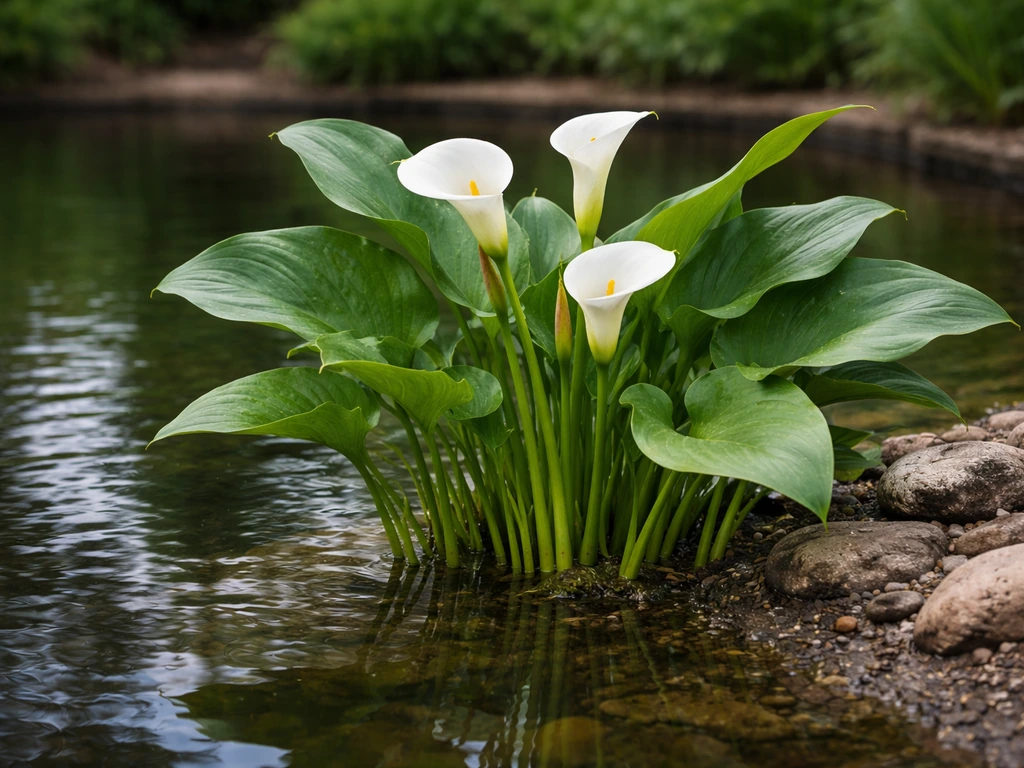
Can Calla Lilies Grow in Ponds? How to Set Up Successfully
Yes, with the right setup: water depth, substrate, anchoring, light, and overwinter care for pond or marginal calla lili
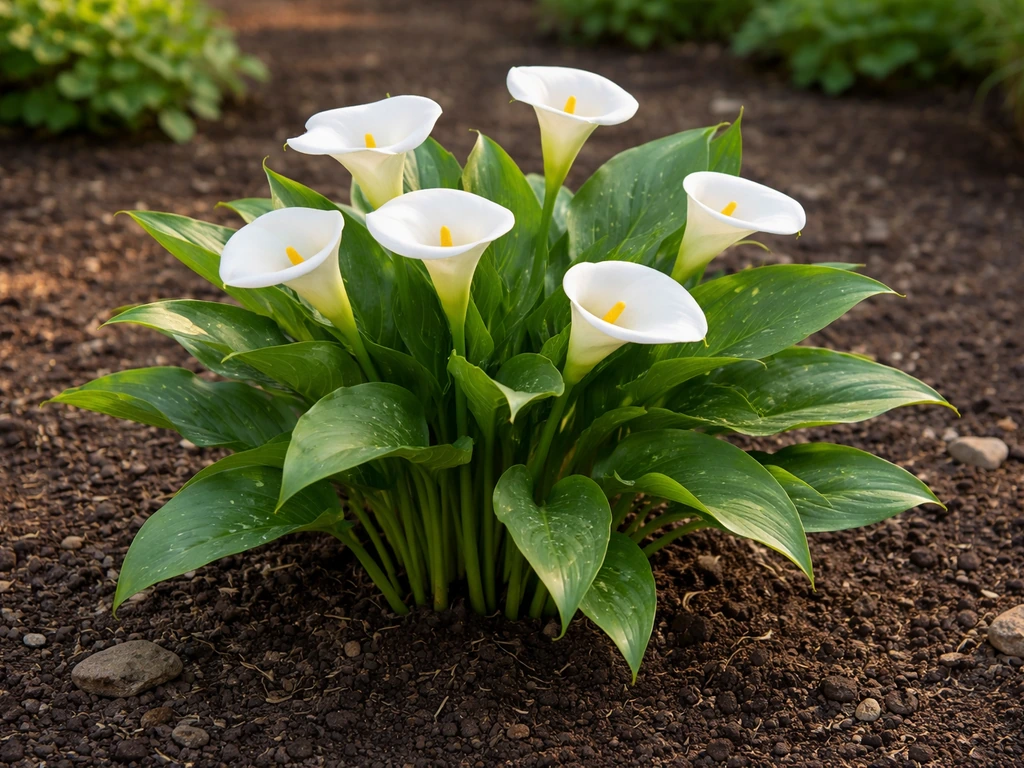
Are Calla Lilies Hard to Grow? Easy Guide for Success
Get a clear answer on are calla lilies hard to grow, plus exact light, temperature, watering, planting, and fixes.
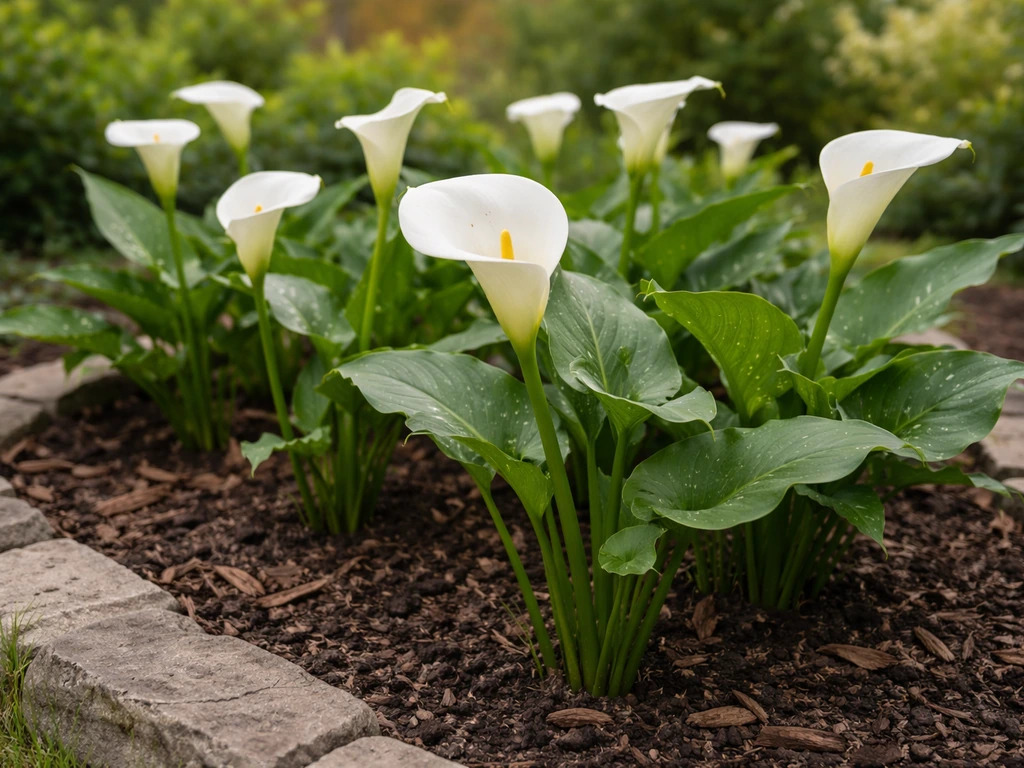
Can Calla Lily Grow Outside? Outdoor Care by Climate
Yes, calla lilies can grow outside. Learn climate, light, soil drainage, planting timing, and fixes for no growth.