
Spider lilies are not hard to grow, but they do have one or two quirks that trip up beginners. The short version: if you're in USDA zones 7–10, you plant the bulbs, mostly ignore them, and they reward you with those wild, spidery blooms every fall. The main ways people fail are overwatering, planting too deep, and disrupting the bulbs' natural dormancy cycle. Get those three things right, and spider lilies are genuinely low-maintenance plants.
Are Spider Lilies Hard to Grow? Easy Guide to Success
Marcus Hendricks
18 Apr 2026
How hard are spider lilies for beginners, really?
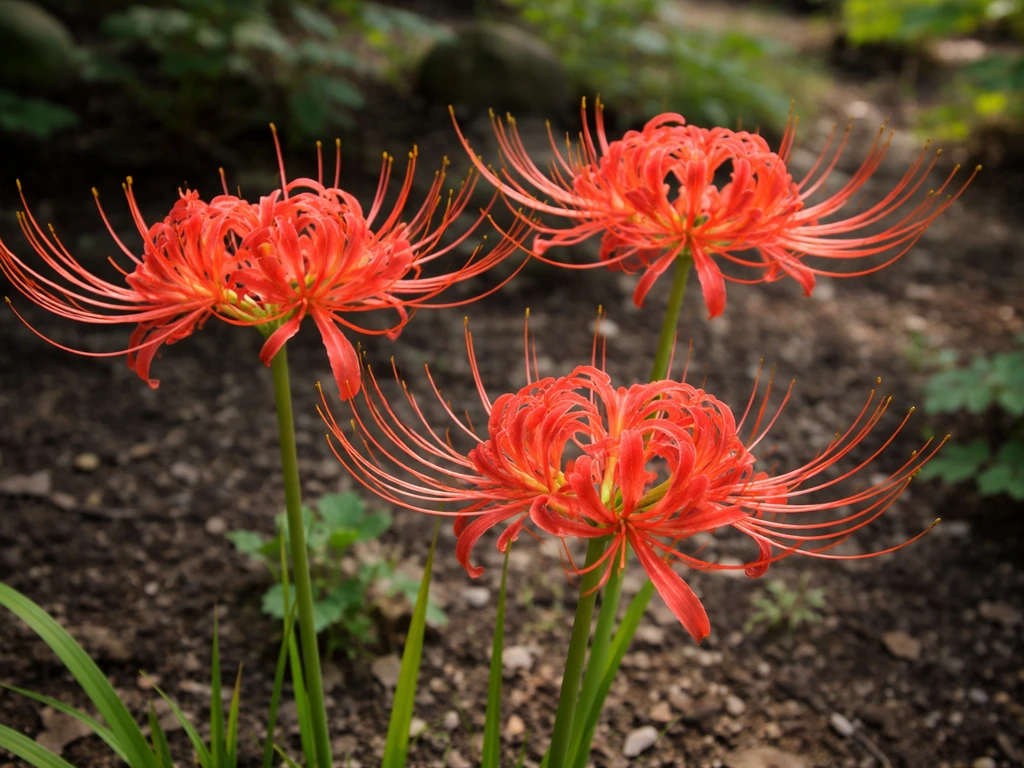
Honestly, most spider lilies sit somewhere in the middle of the difficulty scale. blank" rel="noopener noreferrer">The red spider lily (Lycoris radiata) is the most common species you'll find, and it's forgiving once it's settled in. Lycoris squamigera, sometimes called the naked lady lily, is even easier and is often recommended as the best starting point if you're new to the genus. Some other Lycoris species, though, can be quite difficult to establish and bloom reliably, so if you're struggling, it's worth double-checking which species you actually have.
The biggest beginner frustration is usually a plant that grows healthy green foliage but never flowers. This is almost always a cultural issue, not a sign that the plant is inherently hard. Once you understand the unusual growth cycle (foliage in winter, dormancy in summer, blooms in fall with no leaves present), a lot of the confusion clears up.
The growing conditions that make or break spider lilies
Light
Spider lilies do best in partial shade to full sun, ideally around 4 to 6 hours of direct sunlight per day. In hotter climates (zones 9–10), some afternoon shade is genuinely helpful and prevents the foliage from scorching. In cooler zones (7–8), a spot with more sun will help the bulbs build up the energy they need to flower. Under dense, full-day shade, blooming becomes unreliable.
Soil and drainage
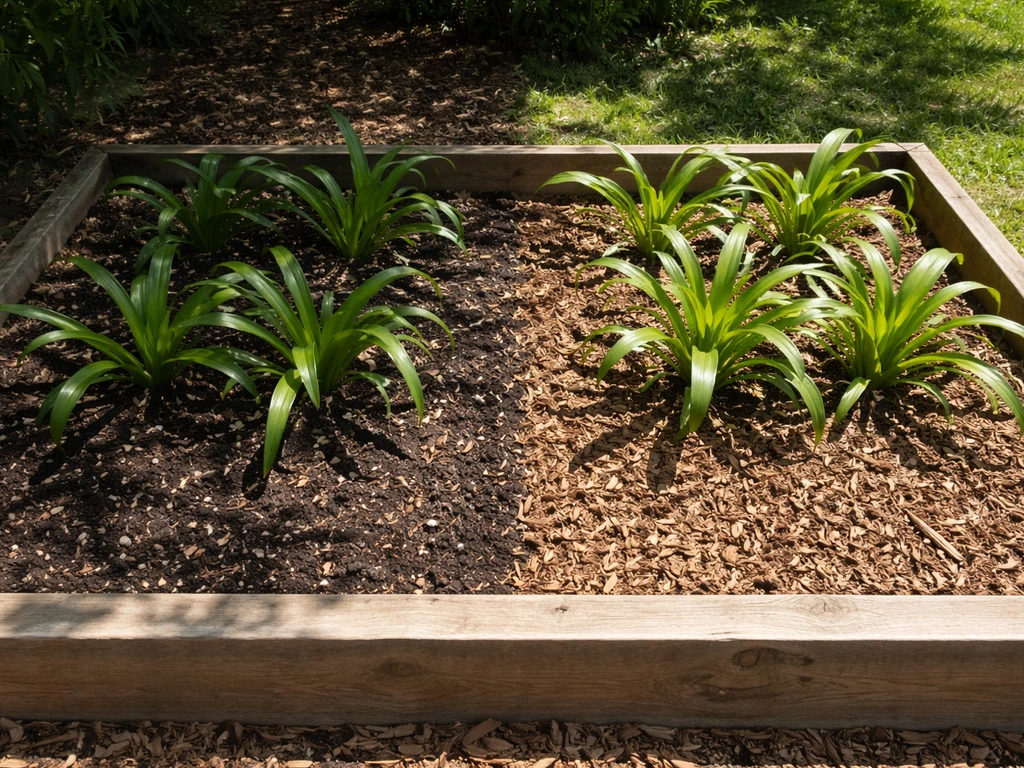
This is where spider lilies are non-negotiable: drainage is everything. They need well-draining soil, and they will rot in consistently wet or waterlogged conditions. Sandy loam or a loamy garden soil amended with coarse sand or perlite works well. Heavy clay soil is a real problem. If your yard has clay, raise the bed by 4 to 6 inches, or plant in containers where you control the mix completely. A slightly acidic to neutral pH (around 6.0 to 7.0) is ideal, but they're reasonably tolerant of minor pH variation.
Watering and fertilizing: keep it simple
During the active foliage period (typically late fall through late spring), water spider lilies when the top inch of soil feels dry. They like consistent moisture while the leaves are actively growing, but never soggy roots. A deep watering once or twice a week is usually enough depending on your climate and rainfall.
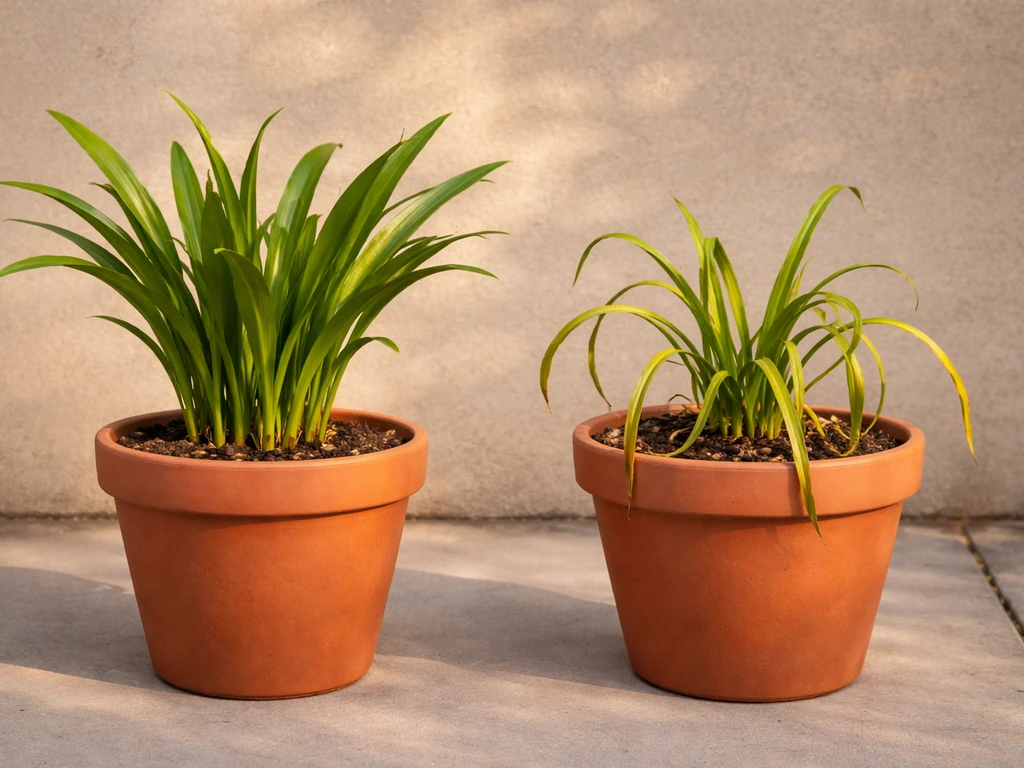
Once the foliage dies back and the plant goes dormant in early summer, stop supplemental watering almost entirely. This dry dormancy period is critical. Many growers accidentally kill their bulbs by continuing to water through summer out of habit. If you're growing in a rainy climate, this is when raised beds or containers really earn their keep.
For fertilizing, less is more. Apply a balanced, low-nitrogen bulb fertilizer (something like a 5-10-10 or 5-10-5 formula) in early fall just before or as bloom spikes emerge, and again in late fall when the foliage is actively growing. Avoid high-nitrogen fertilizers, which push leafy growth at the expense of blooms. One or two light applications per year is all they need.
Planting spider lily bulbs: timing, depth, and spacing
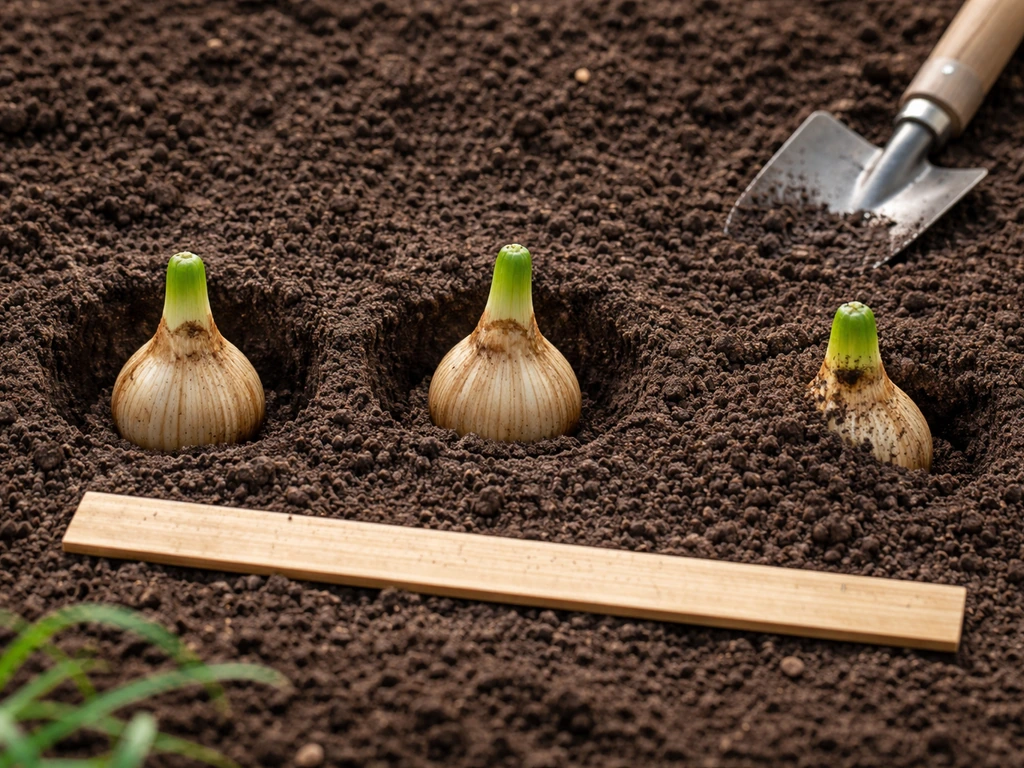
Spider lilies grow from true bulbs (not corms, despite what some sources say loosely). The best time to plant or divide them is during their summer dormancy, roughly late July through early September. Planting in fall or winter while they're active tends to stress the bulbs and delay flowering.
Depth matters a lot here. Plant the bulbs so the neck of the bulb (the narrow top portion) is just at or slightly above the soil surface, about 1 to 2 inches deep at most. Planting too deep is one of the most common reasons spider lilies refuse to bloom. Space bulbs 6 to 8 inches apart to allow for clumping over time. They actually bloom more prolifically when slightly crowded, so resist the urge to spread them out too much. Once planted, leave them alone. Spider lilies dislike being moved or disturbed, and it often takes a full year or two after transplanting before they'll flower again. After transplanting, give spider lilies some time, since they can take a full year or two before they flower again how long do spider lilies take to grow.
Climate and where spider lilies grow best
blank" rel="noopener noreferrer">Lycoris radiata is reliably hardy in USDA zones 7–10, with some sources rating it as narrow as zones 8A–10A for truly cold-hardy performance. Spider lilies are native to parts of Asia and are commonly grown in warm temperate regions with mild winters USDA zones 7–10. If you're in zone 6 or colder, you can still grow spider lilies, but you'll need to mulch heavily before the first frost or lift the bulbs and store them indoors over winter in a cool, dry spot. Zones further north than 6 make outdoor growing impractical without serious protection.
Whether to grow them outdoors or indoors is mostly a question of your climate. In zones 7–10, outdoor growing is easy and the most natural option. If you're wondering whether spider lilies work as indoor plants, the honest answer is that they can be grown in containers indoors, but they need a real dormancy period and bright indirect light at minimum. Growing them purely as houseplants long-term is tricky. For readers in Texas specifically, the warm climate through much of the state makes outdoor growing viable, though the far west and panhandle regions may need the same cold-climate precautions.
Common problems and how to fix them
| Problem | Most Likely Cause | What to Do |
|---|---|---|
| No flowers (foliage looks healthy) | Bulbs planted too deep, or not enough dry dormancy in summer | Dig and replant bulbs shallower (neck at surface); stop all summer watering |
| Yellow or dying foliage in summer | Normal dormancy, not a problem | Do nothing, let it die back naturally |
| Yellow, mushy foliage during growing season | Root rot from poor drainage or overwatering | Dig bulbs, remove rotted portions, replant in better-draining soil or raised bed |
| Bulbs rotting in ground | Waterlogged soil, especially in summer | Improve drainage, raise beds, or move to containers |
| No growth at all after planting | Bulbs disturbed or planted at wrong time | Be patient through one full cycle; newly transplanted bulbs often skip a year |
| Sparse or no rebloom after first year | Overcrowding or insufficient light | Divide crowded clumps every 3–4 years; move to a brighter location |
The number one question I hear is 'my spider lily has leaves but no flowers.' Nine times out of ten, this traces back to planting depth or summer moisture. Dig one bulb, check the depth, and examine the roots. If the roots look white and firm, the plant is healthy but may just need the dry rest period it never got. If the roots are brown and soft, drainage is the culprit.
A step-by-step plan to get spider lilies blooming fast
- Choose the right species first. If you're a beginner, start with Lycoris squamigera or a named Lycoris radiata variety. They're the most forgiving. Avoid obscure species until you've had a success or two.
- Pick the right site. Find a spot with 4 to 6 hours of sun, good air circulation, and critically, soil that drains freely after rain. If water pools there for more than an hour after heavy rain, choose a different spot or build a raised bed.
- Amend the soil before planting. Mix coarse sand or perlite into your planting area to improve drainage. You want loose, friable soil, not dense or compacted ground.
- Plant during dormancy (late July to early September). Set bulbs with the neck at or just barely below the soil surface, no deeper than 1 to 2 inches. Space them 6 to 8 inches apart.
- Water in after planting, then leave them alone. Give them one good watering to settle the soil. After that, hold back until fall growth appears.
- Feed lightly in early fall. As bloom spikes or foliage emerges, apply a low-nitrogen bulb fertilizer once. Repeat lightly when foliage is actively growing.
- Go completely dry in summer. Once the foliage yellows and dies back (usually late spring to early summer), stop watering. This dormancy cue is what triggers fall flowering.
- Don't move them. After planting, resist the urge to dig, divide, or relocate for at least two to three years. Let them establish and naturalize. Clumps that are slightly crowded actually flower better.
- If you're in zone 6 or colder, mulch heavily in late fall (3 to 4 inches of straw or shredded leaves over the planting area) to protect bulbs from hard freezes.
Spider lilies take a little patience in the first year or two, but once they're established in a spot they like, they come back reliably with almost no intervention. The payoff, those dramatic red spidery blooms shooting up out of bare ground in early fall, is well worth the learning curve. If you nail the drainage and respect the dry summer dormancy, you're most of the way there. Spider lilies are sometimes associated with the idea of growing on dead bodies, but in reality they grow from bulbs in soil and need the right light, drainage, and dormancy conditions.
FAQ
My spider lily grows leaves but never flowers, what should I troubleshoot first?
If your spider lily has foliage but no blooms, check planting depth and summer moisture first. Many growers keep watering through the dry season, or they plant too deep, which both prevent flowering even when leaves look healthy. A quick test is to dig one bulb and inspect whether the roots are firm (usually indicates the bulb is alive but missing the dry rest period) or brown and soft (usually indicates rot from poor drainage).
How should I water spider lilies during the dry summer dormancy?
Don’t treat spider lilies like typical summer-blooming bulbs with frequent watering. During active growth, water when the top inch dries, but once the foliage starts dying back and the plant enters summer dormancy, stop supplemental watering almost completely. In rainy climates, raised beds or a container with dry drainage prevent the most common “habit watering” deaths.
What’s the best way to grow spider lilies in heavy clay soil?
In heavy clay, the fastest way to reduce failure is to raise the planting area by 4 to 6 inches and ensure water flows away from the bulb zone. If your soil stays wet after rain, skip in-ground planting and use a container so you can control a sandy loam mix. Good drainage matters more than minor fertilizer differences.
Will spider lilies bloom normally after dividing or transplanting?
Spider lilies usually do best with minimal soil disturbance. Expect reduced or delayed blooming after transplanting, commonly 1 to 2 years, because the bulb needs time to re-establish roots and rebuild energy. If you must move them, do it during summer dormancy and avoid repeatedly dividing or relocating every season.
How deep should spider lily bulbs be planted to ensure they bloom?
For most beginners, the safest depth is shallow, where the bulb neck is at or slightly above the soil line. Aim for about 1 to 2 inches deep at most (varies slightly with bulb size), because planting deeper is one of the most common reasons for no flowers. If you already planted too deep, the practical fix is to adjust depth during the next summer dormancy.
Can spider lilies be grown indoors in containers, and how do I manage dormancy?
Yes, but the key is creating dormancy and not letting the bulb sit wet. Use a well-draining container mix, place the pot where it gets bright light, and water lightly only during active leaf growth. Then withhold water during the dormancy window, and keep the container dry and cool enough that the bulb is not exposed to rot-prone wetness.
What fertilizer should I use, and when is the best time to fertilize spider lilies?
You can fertilize, but overfeeding is a common mistake. Use a low-nitrogen bulb fertilizer, apply in early fall near the start of bloom spike emergence or just before, and then again in late fall when leaves are actively growing. Avoid high-nitrogen lawn fertilizers because they can promote more foliage with fewer blooms.
Could the reason my spider lily is struggling be the species, not my care?
If you suspect you have the wrong Lycoris species, it can explain poor establishment. Lycoris radiata is often the most reliable for beginners, while other species may be less forgiving or slower to bloom. When troubleshooting, confirm the species if possible, and don’t assume every Lycoris will behave identically in your climate.
How do I tell if the problem is drainage versus normal seasonal changes?
Do not keep the bulbs soaked during winter or whenever rainfall is frequent. Even if spider lilies can handle some seasonal moisture, consistent waterlogging is the trigger for rot. If drainage is borderline, improve it rather than compensating with less fertilizer or more watering.
What should I do if I live in a colder zone than the recommended range?
In colder zones, you can try outdoor growing with extra insulation, but success depends on how wet and cold your winters are. If you are below the recommended range, the more reliable approach is to lift bulbs during dormancy and store them indoors in a cool, dry place, then replant when conditions warm up.
Next Articles
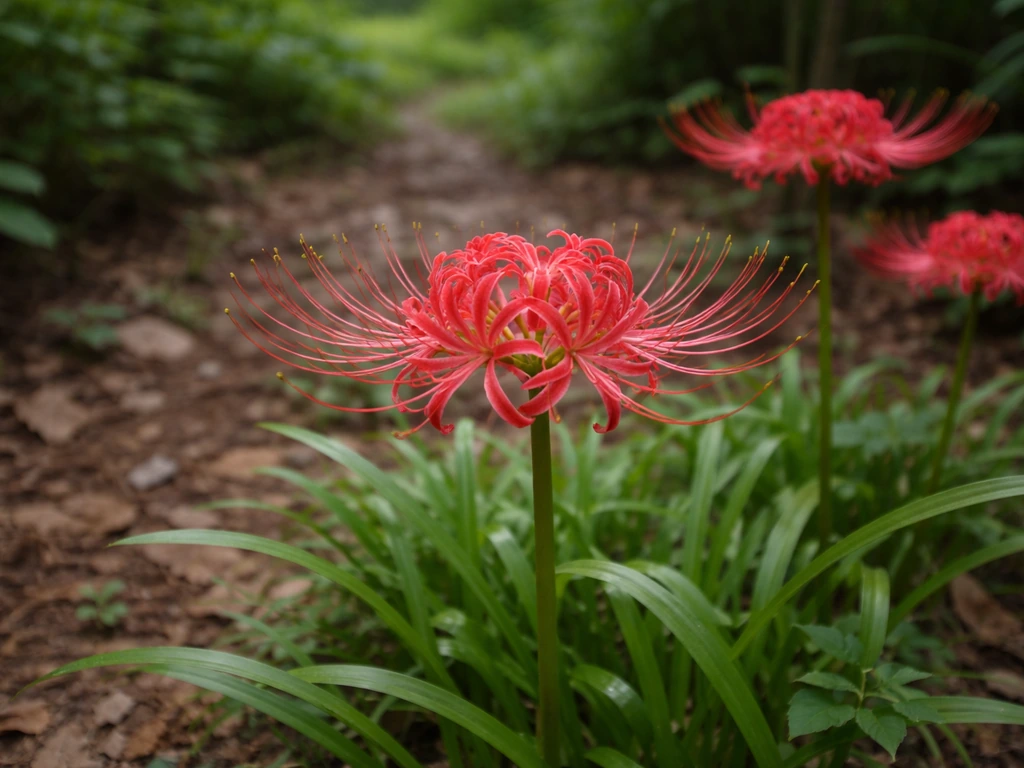
Do Spider Lilies Grow on Dead Bodies? Facts and Care
Do spider lilies grow on dead bodies? Myth vs real Lycoris biology, plus care, planting tips, and troubleshooting.
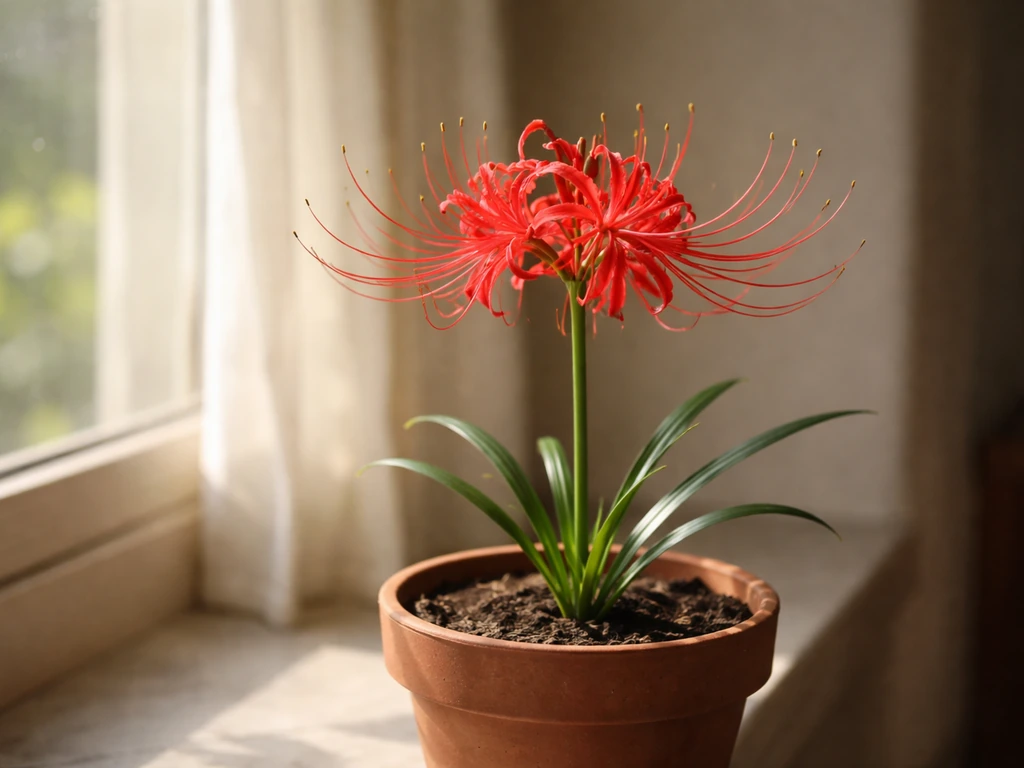
Can You Grow Spider Lilies Indoors? How to Succeed
Step-by-step guide to grow spider lilies indoors, including red spider lily needs, watering, light, pot, and re-bloom ti
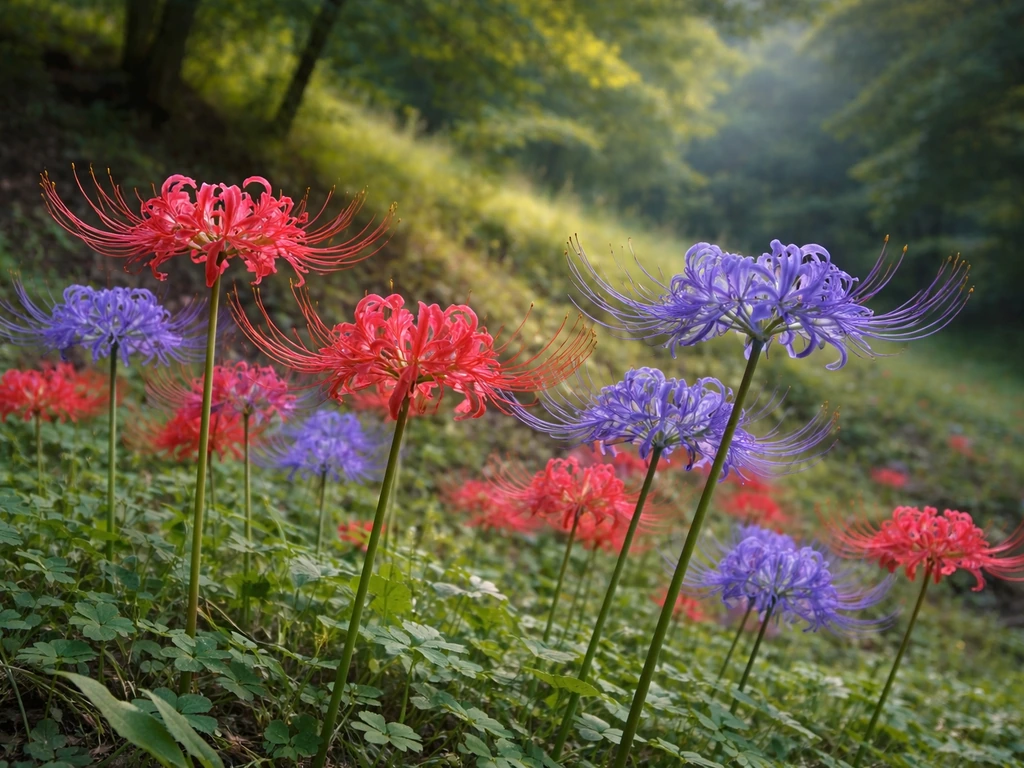
Where Do Spider Lilies Grow Blue and Red Locations
Learn where spider lilies grow naturally and how blue and red types differ by region, climate, and habitat needs.