
Yes, you can grow spider lilies indoors, including the red spider lily (Lycoris radiata) that most people are asking about. It takes a bit more intentional setup than just dropping a bulb in a pot on a windowsill, but it is genuinely doable in a home environment. The keys are bright light, excellent drainage, respecting the plant's dormancy cycle, and not overwatering. Get those four things right, and you will have a healthy plant that has a real shot at reblooming.
Can You Grow Spider Lilies Indoors? How to Succeed
Marcus Hendricks
10 Apr 2026
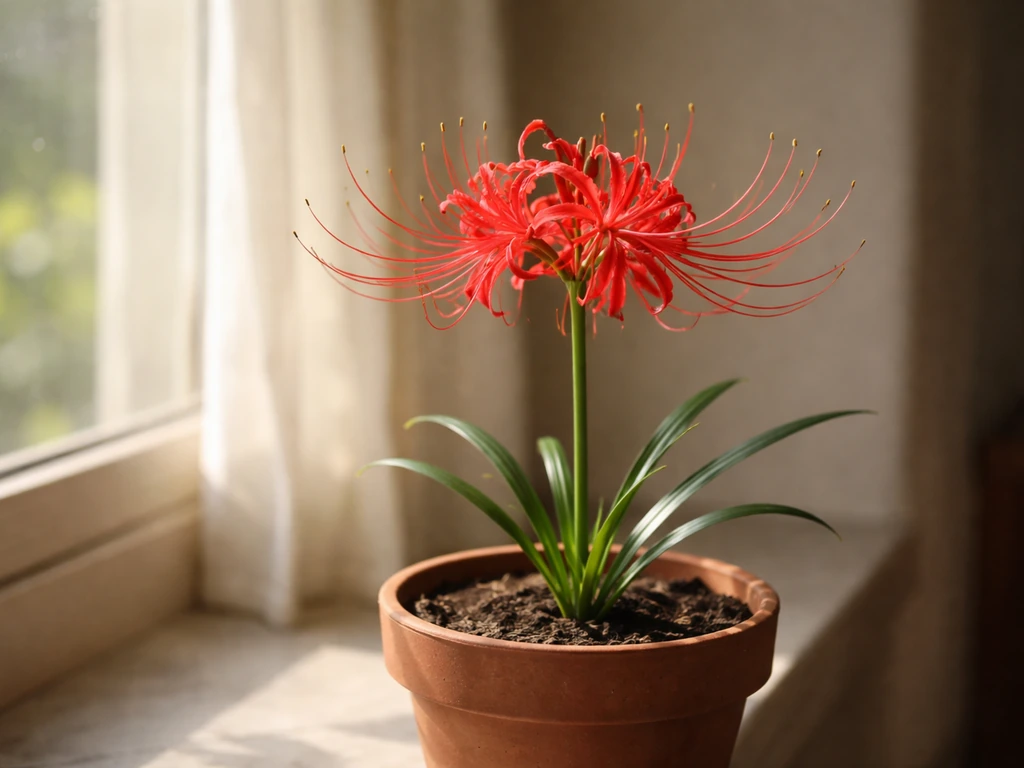
Can spider lilies actually survive and thrive indoors?
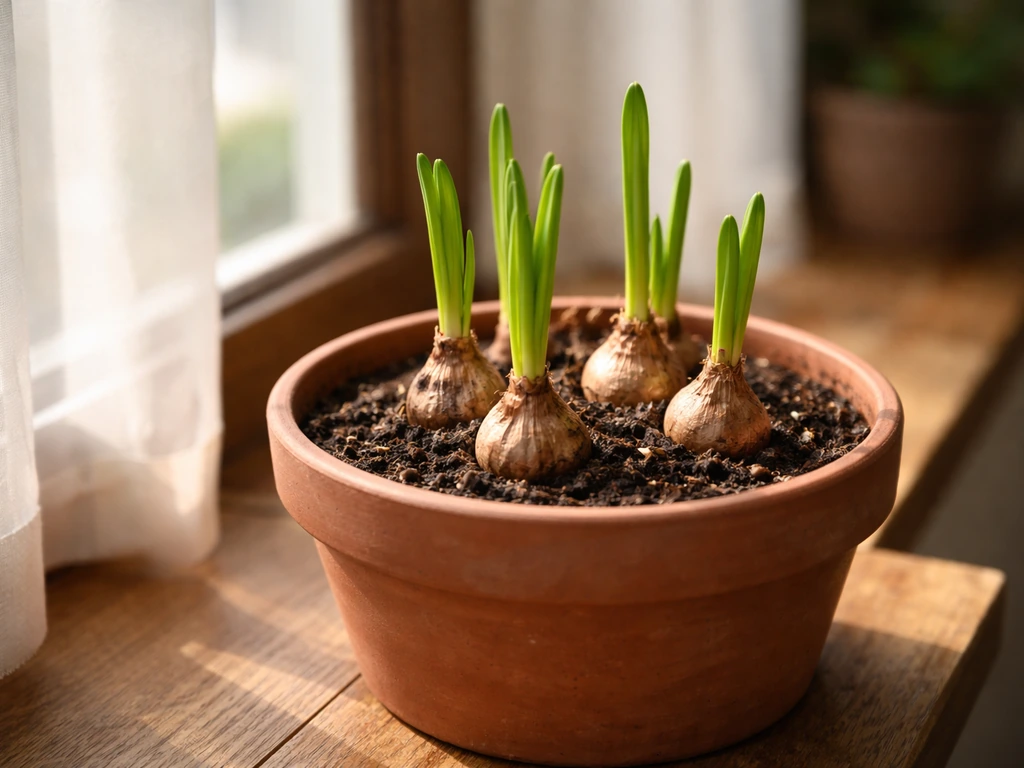
Spider lilies are not the easiest houseplants, but they are far from impossible. The main challenge is that Lycoris radiata evolved with distinct seasonal cues: a warm, wet foliage period in late fall through early spring, a dry summer dormancy, and then a burst of fall flowering triggered by cooling temperatures and moisture. Indoors, you have to consciously simulate those cues instead of relying on nature to do it for you. If you're wondering are spider lilies hard to grow, the honest answer is that they're moderate in difficulty, and growing them indoors adds one extra layer: managing the seasonal rhythm yourself.
The red spider lily specifically is the variety most commonly grown as a container plant, and it handles pot culture reasonably well as long as you give it a deep enough container and don't disturb the bulbs unnecessarily. One thing worth knowing early: these plants strongly dislike being moved or repotted frequently. Pick your spot and your container thoughtfully, and plan to leave them alone for several years.
Light and placement: how much sun you actually need
This is where a lot of indoor attempts fail. Spider lilies want full sun for best flowering and bulb health, which outdoors means at least 6 hours of direct light. Indoors, that translates to your brightest possible window, almost always a south-facing exposure, with unobstructed glass. An east or west window can work for keeping the foliage alive, but it typically won't be enough to drive reliable reblooming. If your home doesn't have great natural light, a grow light positioned 12 to 18 inches above the foliage for 12 to 14 hours a day will bridge the gap.
The foliage phase (roughly late fall through late spring) is when light really matters for building up bulb energy. Think of this period like a solar charging session: the more good light the leaves get, the more fuel is stored in the bulb for fall flowering. Skimp on light during the foliage phase and you'll get weak, floppy leaves and no flowers. I've seen this happen firsthand when pots get shuffled to a dim corner during winter because the plant 'looked done.' It is very much not done at that point.
Temperature, humidity, and the dormancy rhythm you need to respect
Red spider lilies have a distinctive seasonal pattern that research has confirmed in detail. Flower bud differentiation happens across a temperature range of about 10 to 30°C (50 to 86°F), with an optimal window of around 20 to 25°C (68 to 77°F). The trigger for flowering is a combination of temperature shift, day length, and humidity changes, not just one factor on its own. That is important for indoor growers to understand: simply cooling the room a bit in late summer is not always enough on its own, but it is a meaningful piece of the puzzle.
To understand how long spider lilies take to grow and bloom, keep in mind that after a bulb's foliage dies back in late spring to early summer, the plant enters a dry summer dormancy that typically runs from mid-spring to mid-summer. During this period, the bulb should be kept dry and cool, ideally around 45°F if you can manage it (a basement or cool garage works). If you can't get that cool, aim for the coolest spot in your home and just stop watering almost entirely. Then, in late summer, mimic the seasonal rain cue by resuming moisture and moving the pot back to warmth and bright light. Growli’s care guide also advises letting the bulb go blank" rel="noopener noreferrer">bone-dry during summer dormancy, then resuming moisture when active growth returns. Flower scapes typically emerge before or without foliage in early to mid-fall.
For humidity, average household levels (40 to 60 percent relative humidity) are generally fine during the foliage period. You don't need to run a humidifier for these plants. During dormancy, keeping humidity low around the pot is actually beneficial because it reduces rot risk around the resting bulbs.
Potting setup: container, drainage, and growing mix
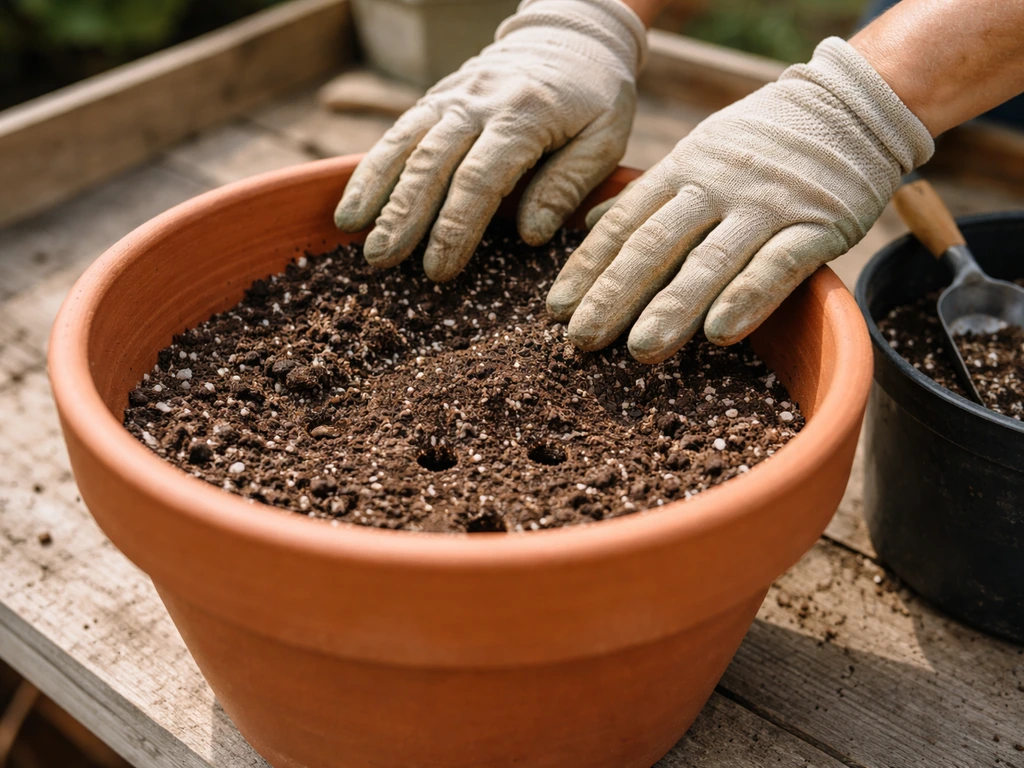
Container choice
Depth is the non-negotiable here. The Pacific Bulb Society recommends a container depth equivalent to a 2-gallon tree pot, roughly 15 inches tall. This matters because Lycoris radiata has long roots and needs room to anchor. A shallow decorative pot might look appealing, but it will stunt the roots and reduce flowering performance significantly. For width, a pot that's at least 10 to 12 inches across gives you room to plant two or three bulbs with proper spacing without overcrowding. Terracotta is a great choice because it breathes and helps prevent waterlogging, which is one of the biggest indoor risks.
Drainage
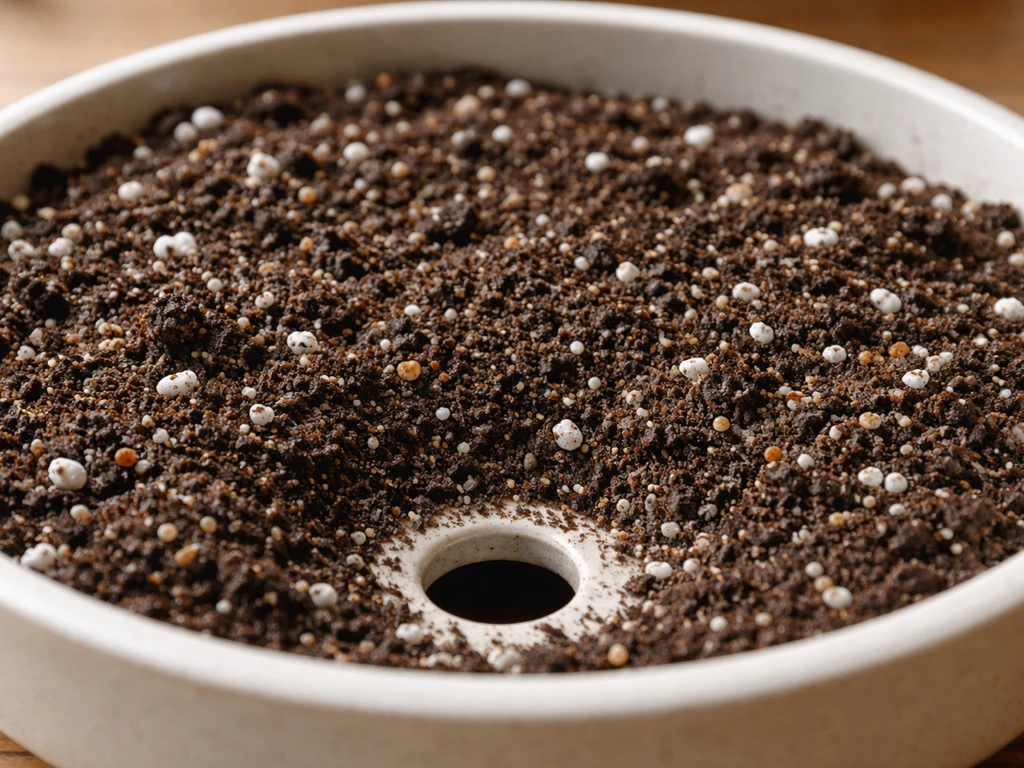
There must be at least one large drainage hole, and ideally several. Root rot is the number one killer of indoor spider lilies, and it happens fast in soggy soil. Do not use a pot with no drainage and 'try to be careful.' Use a pot that drains freely, place it on a saucer, and empty the saucer after watering. A layer of coarse gravel or perlite at the very bottom of the pot (about an inch) adds an extra buffer.
Growing medium
Red spider lily does best in loose, well-drained, slightly acidic soil. A good indoor mix is two parts quality potting soil, one part perlite, and one part coarse horticultural sand. This keeps it airy and fast-draining without going completely dry between waterings. Avoid dense, moisture-retaining mixes marketed for tropical houseplants. Those mixes stay too wet for bulbs and invite rot and fungus gnats. If you want to keep it simple, a cactus/succulent mix blended 50/50 with standard potting soil is a reasonable shortcut.
Planting the bulbs: depth, spacing, and what to do first
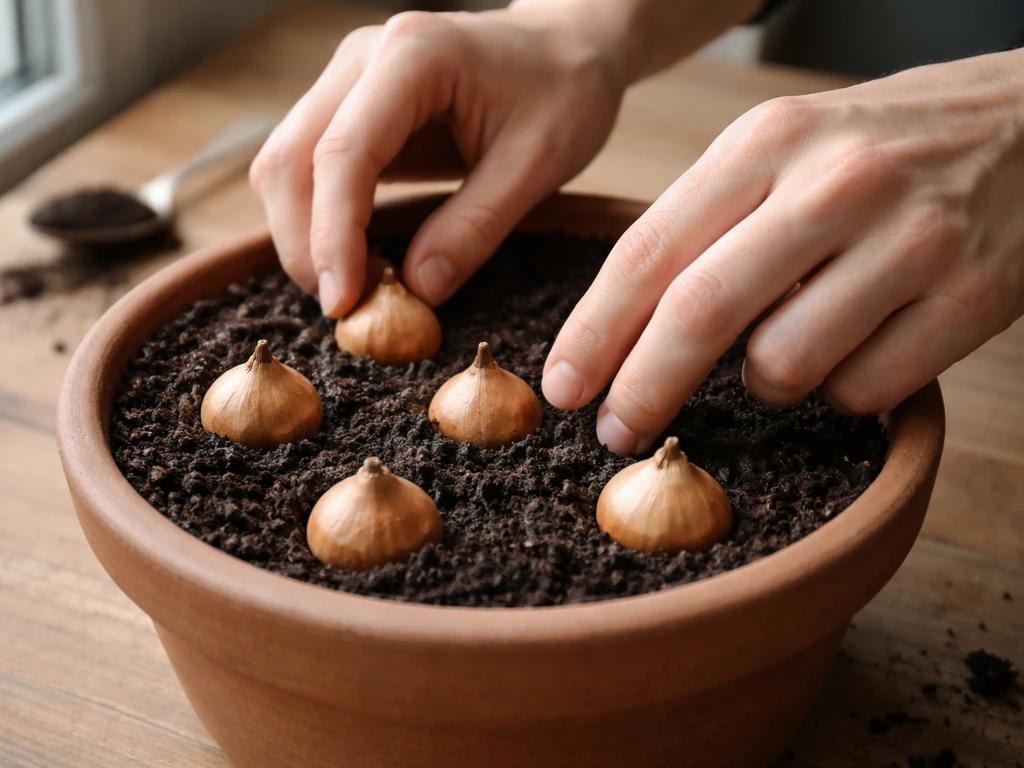
Planting guidance for L. radiata varies slightly by source, but the practical consensus for container growing is to plant with the neck of the bulb just at or just slightly below the soil surface, with the tip no more than 2 to 3 inches deep. Old House Gardens also advises planting red spider lilies in fall so the bulb neck sits about 1 inch beneath the surface, alongside its spacing guidance plant with the neck of the bulb just at or just slightly below the soil surface. Some guides say 4 to 6 inches for in-ground planting, but containers change the equation a bit since pots warm and dry faster than garden beds. The 'three times as deep as the bulb is wide' rule is a safe general guide if you're unsure. Space bulbs about 9 inches apart if planting multiples.
Timing matters. The best window to pot up new bulbs or offsets is late spring through summer, which aligns with the dormant phase. If you're starting with dormant bulbs, pot them up, water lightly once to settle the soil, then hold off on regular watering until you see root activity or the first hint of a flower scape emerging in late summer or early fall. If you're working with offsets from an existing plant, handle them gently and replant promptly, as exposed bulbs dry out quickly.
- Fill your deep pot with the drainage layer and prepared mix, leaving about 3 to 4 inches of room at the top.
- Set bulbs in position with the neck at or just above the soil surface.
- Fill in around bulbs and firm gently, leaving about an inch of space below the pot rim for watering.
- Water lightly just once to settle the soil, then stop.
- Place the pot in a cool, dry location until late summer when you begin the active growth cycle.
Watering and fertilizing: a stage-by-stage schedule
The single most important thing to understand about watering spider lilies indoors is that their needs change dramatically depending on growth stage. There is no consistent 'water every X days' rule that works year-round. You have to follow the plant's phases.
| Growth Stage | Timing (approximate) | Watering | Fertilizing |
|---|---|---|---|
| Dormancy | Mid-spring to late summer | Almost none; check monthly and water only if medium is bone dry | None |
| Flower scape emergence | Late summer to early fall | Resume moderate watering; keep moist but not soggy | Light balanced feed once (e.g., 10-10-10 at half strength) |
| Active foliage growth | Fall through early spring | Keep evenly moist; water when top inch of soil is dry | Balanced or low-nitrogen fertilizer every 4 to 6 weeks |
| Foliage yellowing/senescence | Mid to late spring | Gradually reduce; stop when foliage is fully yellow | Stop fertilizing |
During the foliage period, the goal is consistent moisture, not wetness. Water thoroughly when the top inch of soil is dry, let it drain completely, and do not let the pot sit in standing water. During dormancy, the bulbs tolerate and actually benefit from near-dryness. A common bulb-culture guideline is to coordinate watering with dry versus active-growth periods, since bulbs rely on stored food that can reduce how often you need to feed them in certain phases coordinate watering with dry vs active-growth periods. Overwatering a dormant bulb is how rot starts. For fertilizing, a balanced granular fertilizer worked into the top of the soil in fall, or a diluted liquid feed every month during the foliage phase, gives the bulbs what they need to build energy for the next flowering cycle without overstimulating leafy growth at the expense of flowers.
Troubleshooting common indoor problems
Weak, floppy, or no foliage
This is almost always a light problem. If your foliage looks pale, stretches toward the window, or flops over, the plant is not getting enough direct light. Move it to a brighter spot or add a grow light. If there is simply no foliage emerging at all after the expected late summer/fall window, the bulb may have rotted during dormancy (check by gently pressing the bulb through the soil, a firm bulb is healthy, a squishy one is not) or it may need a few more weeks. New bulbs sometimes take one full cycle before they produce much visible growth.
Rot and soggy soil
Root rot from overwatering or poor drainage is the most common reason indoor spider lilies fail. If you notice yellowing that looks wilted rather than the expected seasonal senescence, or if the soil smells musty, pull back on watering immediately and check drainage. If rot has set in on a bulb, carefully remove it, cut away any soft, discolored tissue with a clean knife, dust the cut with powdered sulfur or cinnamon (a natural antifungal), and let it dry for a day or two before repotting in fresh, dry mix.
Pests to watch for
The three pests most likely to show up on indoor spider lilies are fungus gnats, spider mites, and mealybugs. Fungus gnats are a sign of soil that's staying too wet, and the fix is to let the top layer of soil dry out more between waterings and use yellow sticky traps to catch adults. Spider mites thrive in dry, warm conditions: look for fine webbing on leaf undersides and treat with insecticidal soap or a neem oil spray. Mealybugs cluster at leaf joints and look like small white cotton tufts; dab them with rubbing alcohol on a cotton swab or use a diluted neem solution. Check new plants carefully before bringing them near your other houseplants.
Timing issues: flowers that never come
If your plant leafs out and grows fine but never flowers, the most likely culprits are insufficient light during the foliage phase (not enough energy stored in the bulb) and insufficient dormancy cues in summer (too warm, too much water, or too much disturbance). You can also run into this if you're moving the pot around frequently, which these plants hate. Understanding where spider lilies grow naturally gives helpful context: in their native range they experience distinct wet and dry seasons, and your indoor setup needs to mimic that contrast to trigger reliable flowering.
Getting your indoor spider lily to rebloom (realistic expectations)
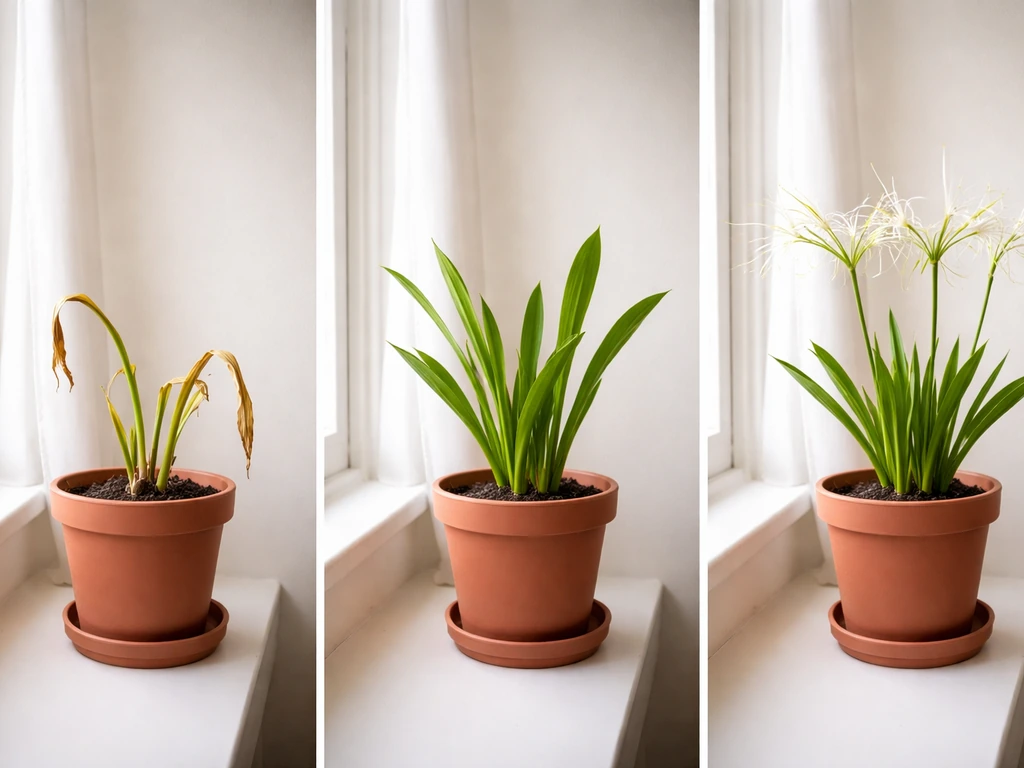
Reblooming indoors is possible but requires patience and consistency. The flowering trigger for L. radiata is a combination of factors: temperature shift toward cooler conditions in late summer, reduced moisture followed by a resumption of watering, and adequate light during the preceding foliage phase. Research confirms that bud differentiation and flowering are driven by this interplay of temperature differential, photoperiod, and humidity, which means you need to recreate those environmental shifts deliberately.
Here's the practical indoor rebloom protocol. After foliage yellows and dies in spring, move the pot to the coolest, driest spot you have, ideally somewhere that gets down to 45 to 55°F in summer (a basement or unheated garage during summer nights works well). Water almost nothing from May through July. In late July to early August, move the pot back to warmth and bright light, water moderately, and watch for flower scapes. The scapes emerge on bare leafless stems and can appear within a few weeks of this late-summer moisture reset. After flowering, foliage will follow and the active growth phase begins again.
Be honest with yourself about year one: freshly potted bulbs may take a full season or even two before they flower reliably indoors. The bulb needs time to settle, establish roots, and build reserves. Don't give up after the first cycle if you get foliage but no flowers. Keep the light consistent, respect the dormancy, and the odds improve significantly in year two and beyond. Research on related Lycoris species confirms that storage temperature and duration during the dormant period directly influence flower quality and timing, so the cool-dry summer phase is not optional if you want indoor reblooming.
It's also worth noting the cultural lore around this plant: do spider lilies grow on dead bodies is a real question people ask, rooted in the plant's association with graveyards in Japan and China. That mythology comes from the fact that spider lilies were traditionally planted around burial sites, partly because their toxic bulbs deter burrowing animals. It has nothing to do with your indoor growing success, but it's a reminder that these are fascinating, culturally rich plants worth the effort.
Red spider lily versus other spider lily types: does it change the indoor approach?
For practical indoor purposes, the care described in this article applies directly to the red spider lily (Lycoris radiata), which is the variety most people are asking about and the most widely available. If you happen to be working with a yellow or white Lycoris species, the fundamentals are similar, but some species have slightly different dormancy depth requirements and cold tolerance. For gardeners in warmer regions, it's worth noting that spider lilies grown in Texas and similar climates often stay in the ground year-round, but those same plants can absolutely be transitioned to container culture using this same framework.
Your indoor spider lily checklist and next steps
Before you buy bulbs or start setting up a pot, run through this quick checklist to see if your home conditions are actually suitable.
- Bright light: Do you have a south-facing window with unobstructed sun, or can you set up a grow light? If neither, indoor spider lilies will struggle.
- Deep container: Can you source a pot at least 15 inches deep with solid drainage holes? Shallow pots are a dealbreaker.
- Seasonal temperature range: Can you provide a cooler, drier storage location (45 to 55°F) during summer dormancy? A basement or cool garage helps enormously.
- Patience: Are you okay with potentially one or two seasons before reliable flowering? This is not an instant-gratification plant.
- Watering discipline: Can you commit to nearly zero watering during dormancy and resist the urge to 'just check' the bulbs every week?
If you checked those boxes, here's what to buy and set up. Get a terracotta pot that's at least 15 inches deep and 10 inches wide with drainage holes. Mix your growing medium: two parts potting soil, one part perlite, one part coarse sand. Source bulbs from a reputable supplier in late spring or early summer. Plant with the bulb neck just at soil level, water once to settle, then wait in a cool spot until late summer. When you resume watering in August, move the pot to your brightest light. During the foliage phase, water when the top inch of soil is dry, fertilize lightly every four to six weeks, and give the plant all the sun it can get. Come spring, reduce and then stop watering as foliage yellows. Repeat the cycle. That's the whole system, and it genuinely works.
FAQ
Can you grow spider lilies indoors without a dormancy period?
Not reliably. If you keep them warm and lightly watered year-round, they may leaf out but usually skip or delay flowering. Even if you do not hit exactly 45°F, you still need a clearly drier and cooler (relative) summer rest, and then a brighter, moister reset in late summer.
What is the best window size and depth for indoor spider lilies if I want multiple bulbs?
Go deeper than most decorative pots. Aim for about 15 inches of container depth (about 10 to 12 inches wide for one bulb cluster). If you plant several bulbs, use at least around 9 inches between bulbs so roots have room to anchor, overcrowding tends to reduce flower scapes.
How do I tell the difference between normal dormancy and root rot indoors?
In dormancy, foliage naturally yellows and dies back in late spring to early summer, and the soil should be kept near-dry. Root rot is more likely when foliage collapses while still green or when the soil smells musty and the bulb feels squishy. A firm bulb at the surface (checked gently) is a better sign than a soft one.
Should I keep water in the saucer under the pot?
No. Use a saucer only to catch runoff, then empty it after watering. Standing water in the saucer quickly turns a well-draining setup into a soggy one, which is one of the fastest paths to rot.
Can I use a self-watering planter or wick system for spider lilies?
Usually not. Spider lilies require stage-specific watering, and wick or reservoir systems can keep the mix too moist during dormancy. If you insist on using one, you must be able to fully stop water delivery during the dry summer rest and confirm there is free drainage and airflow around the pot.
How often should I water during the foliage phase?
Water based on dryness, not a calendar. Water thoroughly when the top inch dries out, then drain completely. If the pot stays wet or heavy, slow down, because indoor containers cool and dry differently than outdoor beds.
What should I do if my spider lily grows pale, floppy leaves but still looks alive?
That pattern points to insufficient direct light during the foliage phase. Move it to the brightest south window you have or add a grow light, but keep the plant steady during the day and avoid frequent pot shuffling, which can prevent flowering even when leaves survive.
Do grow lights replace the need for full sun?
They can, if the setup gives enough intensity for the foliage period. Place the light close enough (often 12 to 18 inches above leaves) and run it long enough (roughly 12 to 14 hours daily). The goal is to build bulb reserves, so weak light output is a common reason for foliage without flowers.
How do I mimic the late-summer flower trigger if my home never gets that cool?
Try to create the biggest practical contrast you can. Place the pot in your coolest, driest area in late spring to midsummer and stop regular watering, then shift it back to warmth and bright light in late July or early August while resuming moderate watering. If your temperatures never approach the mid 40s to mid 50s, flowering may take longer or be less consistent, but the cooling and drying sequence still matters.
Is it safe to repot spider lilies indoors to refresh soil?
Usually avoid frequent repotting. Spider lilies dislike disturbance, so repot only when necessary, and do it when they are dormant or right as dormancy is underway (late spring to summer). When changing mix, keep bulb depth consistent and minimize handling of the roots.
What soil mix should I avoid for container spider lilies?
Avoid dense, moisture-retaining mixes intended for tropical plants. They stay wet too long around bulbs, which increases rot risk and fungus gnat problems. A faster-draining blend with perlite and coarse sand gives a safer moisture swing.
Should I fertilize during dormancy?
No. Fertilize during the foliage phase only, when the plant is actively charging the bulb. In dormancy, skip feeding and keep moisture low, since nutrients plus moisture can encourage rot rather than flowering preparation.
Why did my spider lily leaf out but never send a flower scape?
The two most common causes are low light during the foliage period and weak dormancy cues in summer (too warm, too wet, or frequent movement). If you also pot it in too shallow a container, root anchoring can be poor, which further reduces the odds of scapes.
Are fungus gnats always a sign of overwatering?
In spider lilies, they strongly suggest the soil is staying too wet, but check your drainage and drying pattern too. Let the top layer dry more between waterings, ensure the pot has free drainage, and use sticky traps for adults while you correct the moisture conditions.
Can spider lilies grow indoors if I start with dormant bulbs?
Yes, but the early routine matters. Pot them, water lightly once to settle the mix, then hold off on regular watering until you see root activity or first signs of scapes in late summer to early fall. If you continue watering heavily after potting, dormant bulbs are more likely to rot.
Next Articles
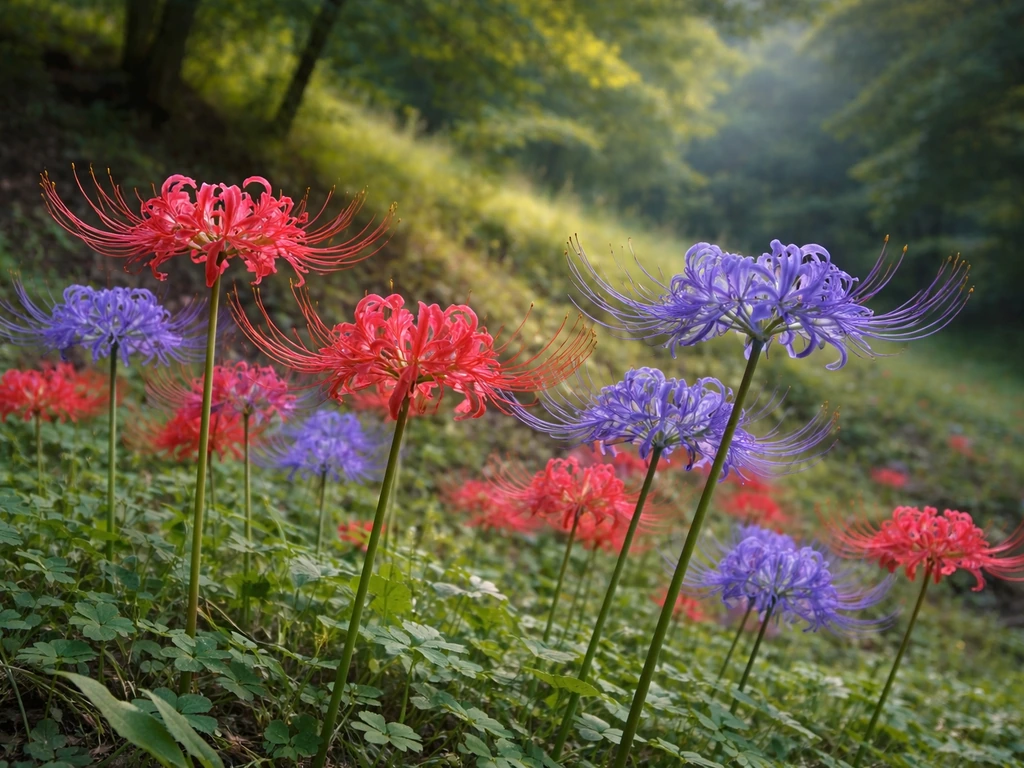
Where Do Spider Lilies Grow Blue and Red Locations
Learn where spider lilies grow naturally and how blue and red types differ by region, climate, and habitat needs.
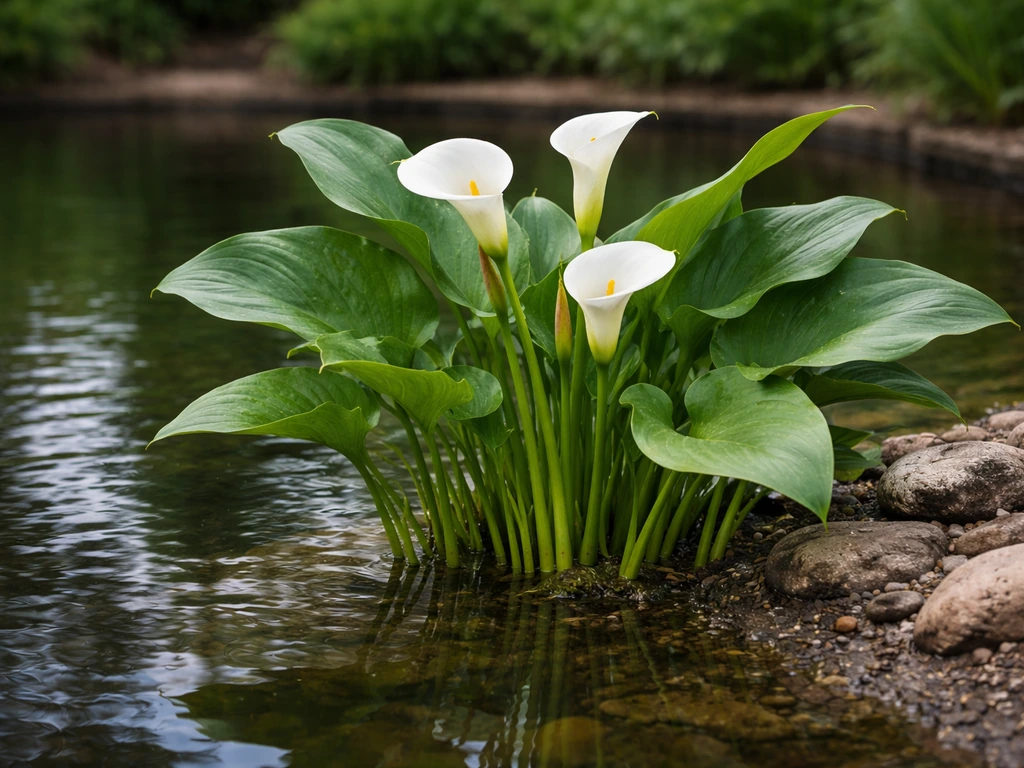
Can Calla Lilies Grow in Ponds? How to Set Up Successfully
Yes, with the right setup: water depth, substrate, anchoring, light, and overwinter care for pond or marginal calla lili
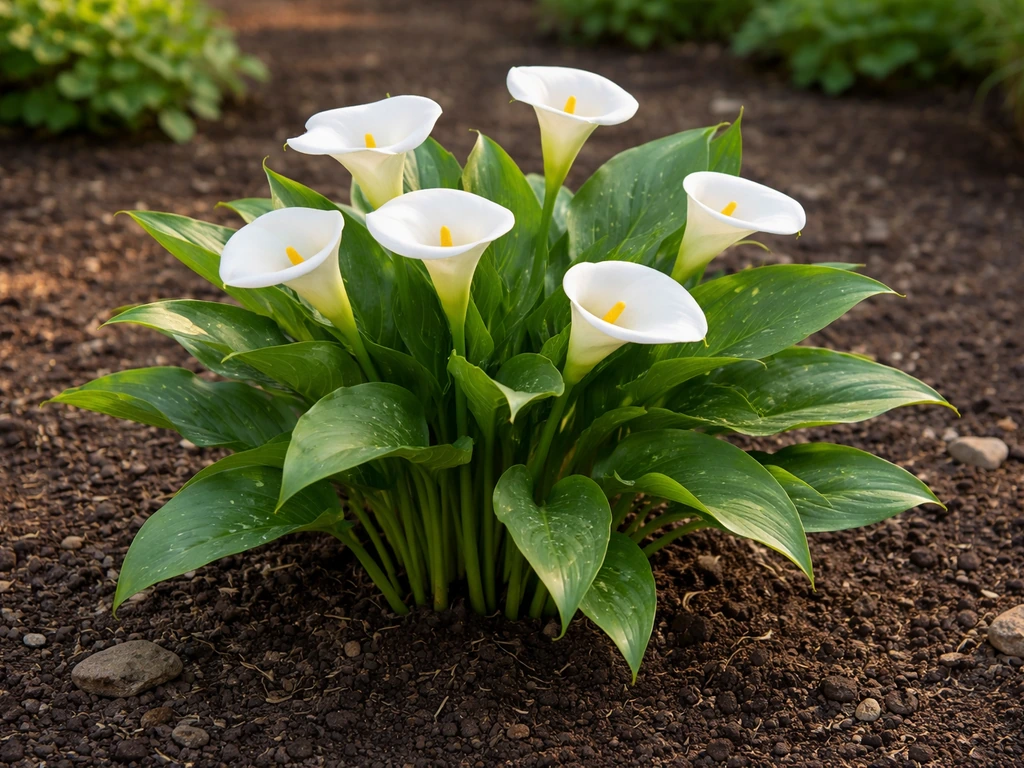
Are Calla Lilies Hard to Grow? Easy Guide for Success
Get a clear answer on are calla lilies hard to grow, plus exact light, temperature, watering, planting, and fixes.