
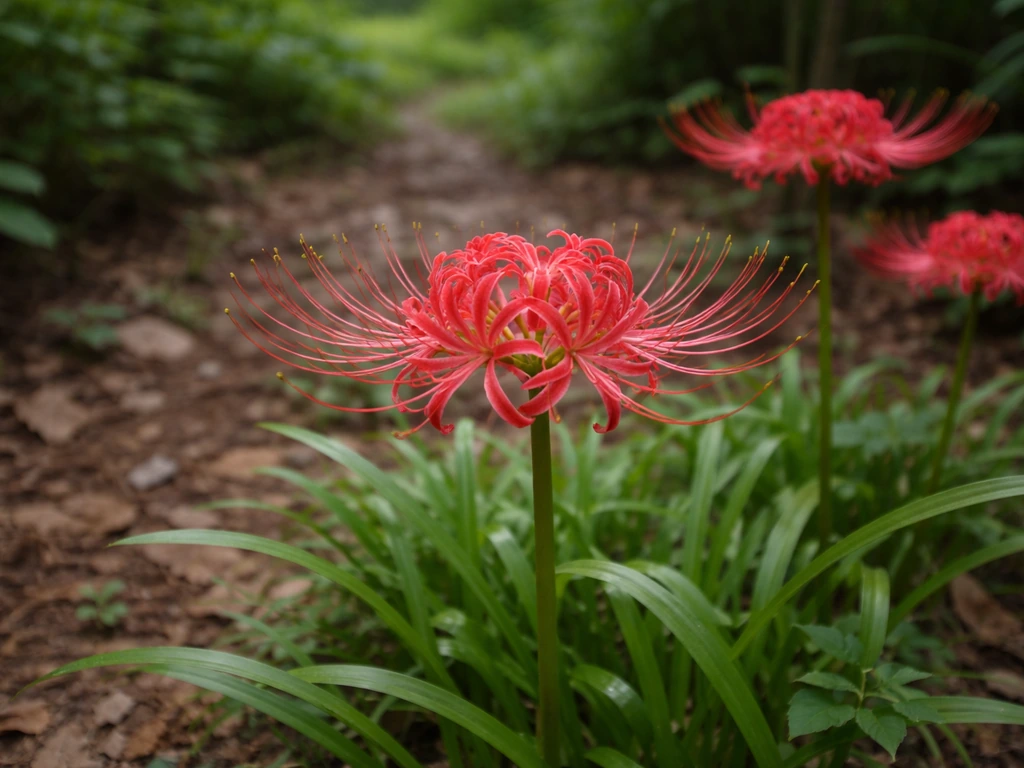
Yes, red spider lilies can absolutely grow in Texas, and in most parts of the state they thrive with very little fuss. The plant we're talking about is Lycoris radiata, a bulbous perennial that blooms late summer into fall on dramatic leafless stalks before sending up its foliage in autumn. It is winter hardy down to USDA Zone 5b, which means every corner of Texas, from the Panhandle (Zone 6) to the Rio Grande Valley (Zone 10), falls well within its survivable range. If you have a sunny or partly shaded spot with decent drainage, you can almost certainly plant these bulbs and expect blooms.
Can Spider Lilies Grow in Texas? Red Spider Lily Care Guide
Marcus Hendricks
22 Apr 2026
What 'red spider lily' actually means (and why it matters)
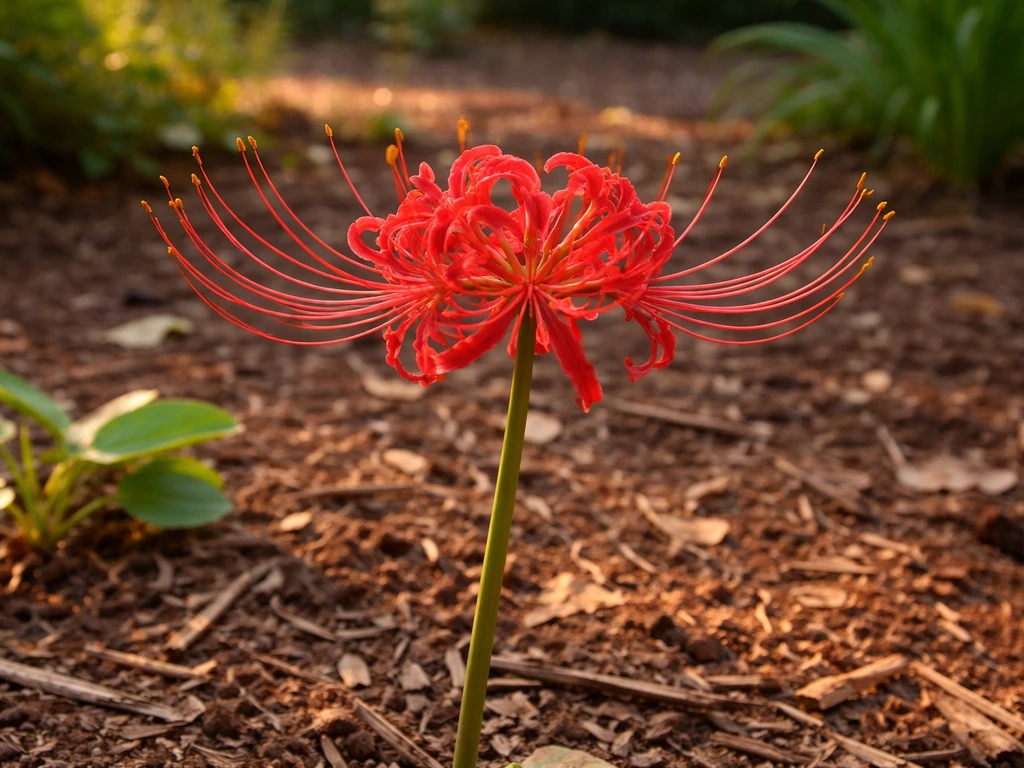
The name 'spider lily' gets applied to a few different plants, so it's worth pinning down exactly which one you're working with before you go any further. Red spider lily is Lycoris radiata, a member of the Amaryllidaceae family. It's sometimes sold as 'red magic lily' or just 'spider lily,' but the red form is almost always L. radiata.
A related species, Lycoris squamigera, is also called spider lily and produces pink flowers, but it has different hardiness characteristics and a different leaf habit. For this guide, we're focused on L. radiata, the classic red-blooming spider lily that you see lighting up Texas gardens every fall. One heads-up: [all parts of Lycoris radiata contain alkaloid compounds and are toxic if ingested](https://www.
sciencedirect. com/science/article/pii/S0735675725000828), so keep that in mind if you have pets or young kids digging around your beds.
The Texas conditions that decide whether yours will succeed
Texas is actually a pretty ideal state for L. radiata, but the climate variables still matter. Here's how each one plays out for this plant specifically.
Heat
Lycoris radiata genuinely loves heat and handles Texas summers better than most bulbs. The catch is that the plant is dormant all summer, which means the bulbs are sitting in the ground during your hottest, often wettest months. Hot soil alone is not the problem. Hot, wet soil during dormancy is the fastest path to bulb rot. If your beds stay soggy through July and August, you will lose bulbs. Heat plus good drainage is the formula that works.
Winter cold
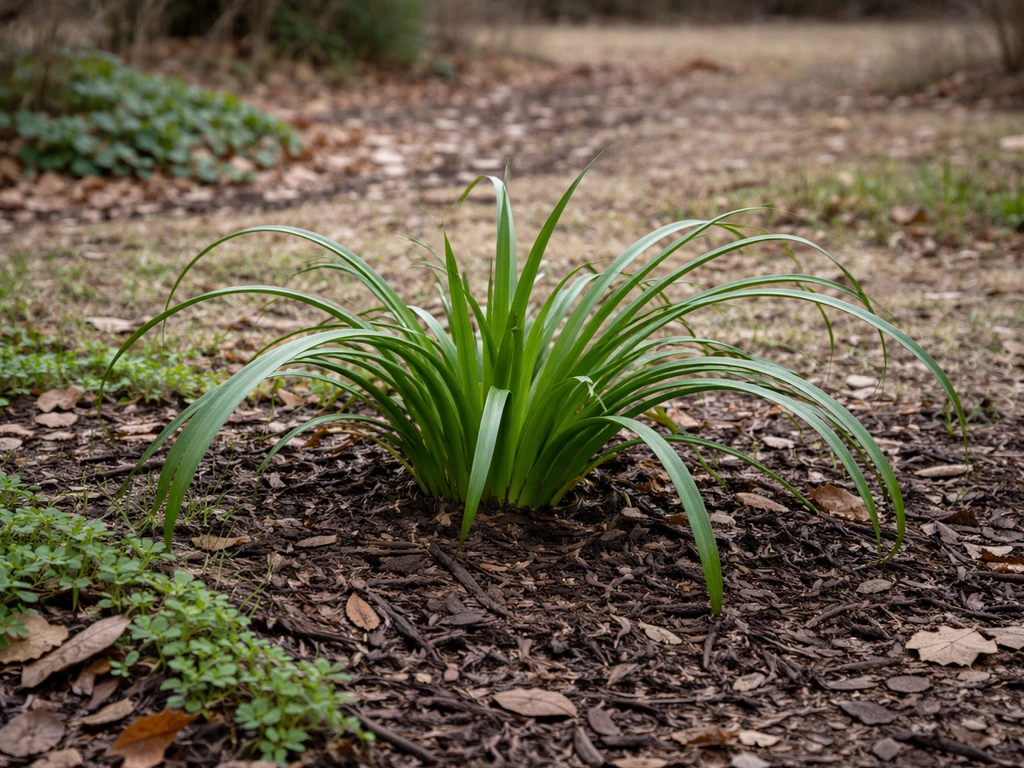
Here's the part that surprises most Texas gardeners: unlike a lot of bulbs, Lycoris radiata needs to keep its leaves through winter. After the fall blooms fade, the plant sends up its foliage in late autumn and holds it all the way through until late spring, when it dies back and goes dormant. Those leaves are working, feeding the bulbs for next year's flowers.
A hard freeze that repeatedly 'fries' the foliage will stress the bulbs and reduce or eliminate next season's blooms. North Texas (Zone 7 to 7b) and the Panhandle (Zone 6) are the areas where this is a real consideration. In Zone 6 specifically, heavy mulching over the root zone is recommended to protect both the bulbs and the foliage base from the worst cold snaps.
Sun and humidity
L. radiata does well in full sun to part shade. In Central and South Texas, where summer heat is punishing, a site that gets some afternoon shade during the hottest months is actually ideal. Humidity is generally a non-issue for this plant. Texas humidity does not stress it, but it does increase rot risk if drainage is poor, so the two concerns reinforce each other.
Picking the right spot in your yard
For most Texas gardeners, a site on the south or east side of your house, or under the canopy edge of a deciduous tree, works beautifully. You want at least 4 to 6 hours of direct sun per day. Avoid the north side of buildings entirely, where the lower winter sun angle will reduce the light your foliage gets during its active winter growth period. Morning sun with afternoon shade is a particularly good combination for Central Texas and South Texas gardeners because it keeps the soil from baking during dormancy while still giving the foliage plenty of light in fall and winter.
The other major siting rule is elevation and airflow. Anywhere that water pools after rain is off the list. A gentle slope, a raised bed, or a spot near the roofline drip edge (where the soil drains quickly) will serve these bulbs far better than a flat, compacted lawn area. Don't plant in a depression or at the base of a slope where runoff collects.
Soil, drainage, and your watering plan
L. radiata wants organically rich, moist but well-drained soil. In practice, that means loosening your planting area to about 12 inches, working in compost or aged organic matter, and making sure water moves through rather than sitting. If your native soil is heavy clay (common across much of Central and North Texas), amending with coarse sand and compost is worth the effort before planting.
Watering follows the plant's seasonal cycle, and this is where a lot of gardeners go wrong. Water regularly during active growth: that's fall through late spring, when the foliage is up and the bulbs are building energy. When foliage dies back in late spring and the plant goes dormant for summer, back off significantly. You want the soil to be on the dry side through the dormant period, not bone dry and cracked, but definitely not moist.
If you have an irrigation system running on a regular summer schedule, your spider lilies will likely rot before they ever get a chance to bloom. If you were wondering about myths like spider lilies growing on dead bodies, it is not something these plants do in real life. Consider putting them on a separate zone or skipping irrigation in that bed from roughly June through August.
When and how to plant
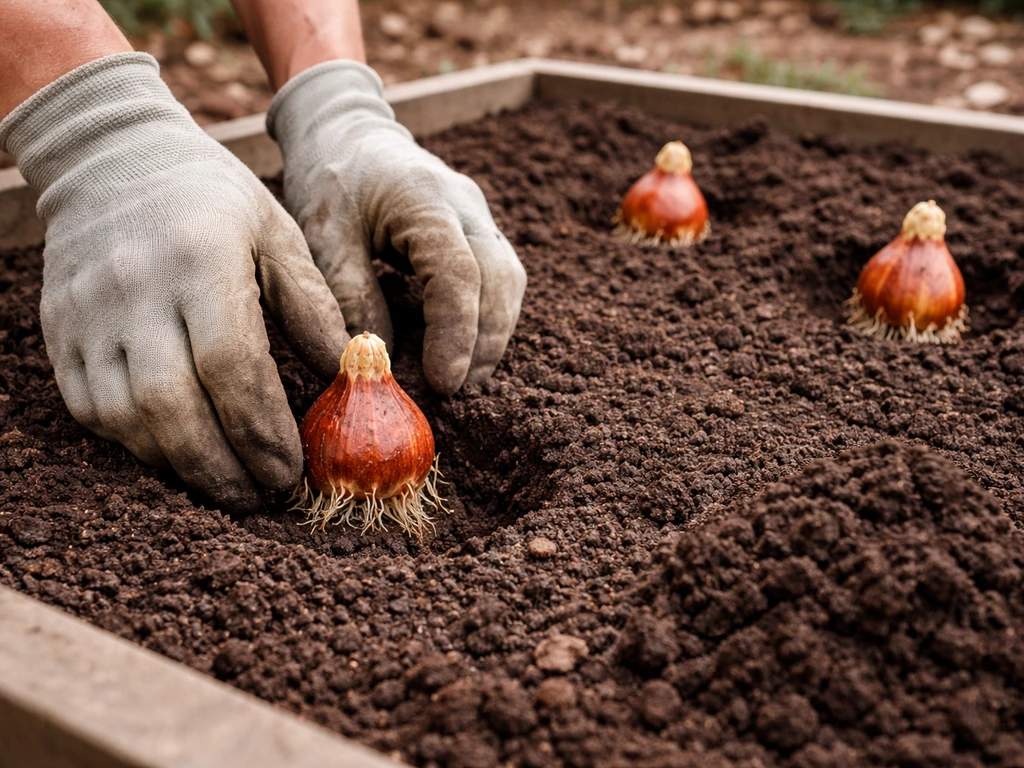
The ideal planting window in Texas is late summer to early fall, roughly August through September. Lycoris radiata is listed in University extension guidance as suitable for late summer to early fall blooming, with a fall-flowering pattern. This lines up with the plant's natural emergence pattern and gives bulbs time to establish before they send up their first blooms. You may actually see flowers the first fall after planting, though many bulbs take a full season or two to settle in before performing reliably.
Planting depth matters more than most people realize with Lycoris bulbs. The standard guidance is 4 to 6 inches deep with the neck of the bulb positioned just at or slightly above the soil surface. A practical rule of thumb is to plant at a depth of 2 to 3 times the diameter of the bulb. Space bulbs about 8 to 9 inches apart. Planting too deep is a common mistake that delays or prevents blooming. Too shallow and the bulbs are vulnerable to freezes and disturbance. When in doubt, err toward the shallower end of the range, especially in South Texas where hard freezes are rare.
Container vs. in-ground: the best approach by Texas region
For the majority of Texas, in-ground planting is the better long-term option. These plants multiply and naturalize over time, and a well-established clump in good soil will outperform a potted plant within two to three years. That said, containers have a real advantage in specific situations. You can also grow spider lilies indoors if you can mimic their light and seasonal dormancy needs.
| Texas Region | USDA Zone | Best Approach | Key Notes |
|---|---|---|---|
| South Texas / Rio Grande Valley | 9–10 | In-ground | Excellent conditions; drainage is the main concern; plant in raised beds if soil is heavy |
| Central Texas (Austin, San Antonio) | 8–8b | In-ground | Near-ideal; protect from summer waterlogging; afternoon shade helpful |
| East Texas | 8–9 | In-ground | High humidity means drainage is critical; amend clay soils before planting |
| North Texas (DFW area) | 7b–8 | In-ground with mulch | Mulch 2–3 inches over root zone in winter; foliage may get frost-burned in hard winters |
| West Texas / Panhandle | 6–7 | Container or in-ground with heavy mulch | Coldest zone in Texas; containers can be moved to shelter; heavy mulch is essential in-ground |
| Texas Hill Country | 7b–8b | In-ground | Rocky, well-drained soil is actually great for these bulbs; amend with compost |
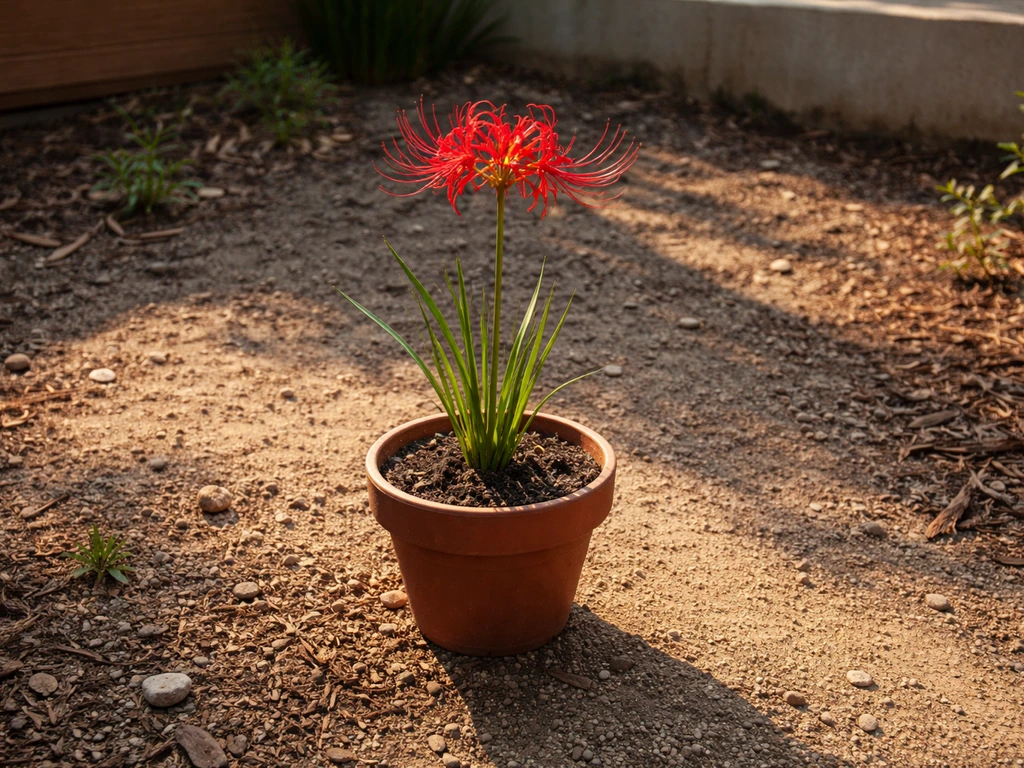
If you're in the Panhandle or higher elevations of West Texas and want to play it safe, containers are a smart choice. Use a well-draining potting mix, choose a pot that is at least 12 inches deep, and plant at the same depth guidelines as in-ground. The advantage is that you can move the container to a sheltered spot (an unheated garage or covered porch is enough) during hard freezes. You'll need to be more disciplined about the summer dry-down in a container because pots hold heat and moisture differently than ground soil.
Why spider lilies fail in Texas (and how to fix it)
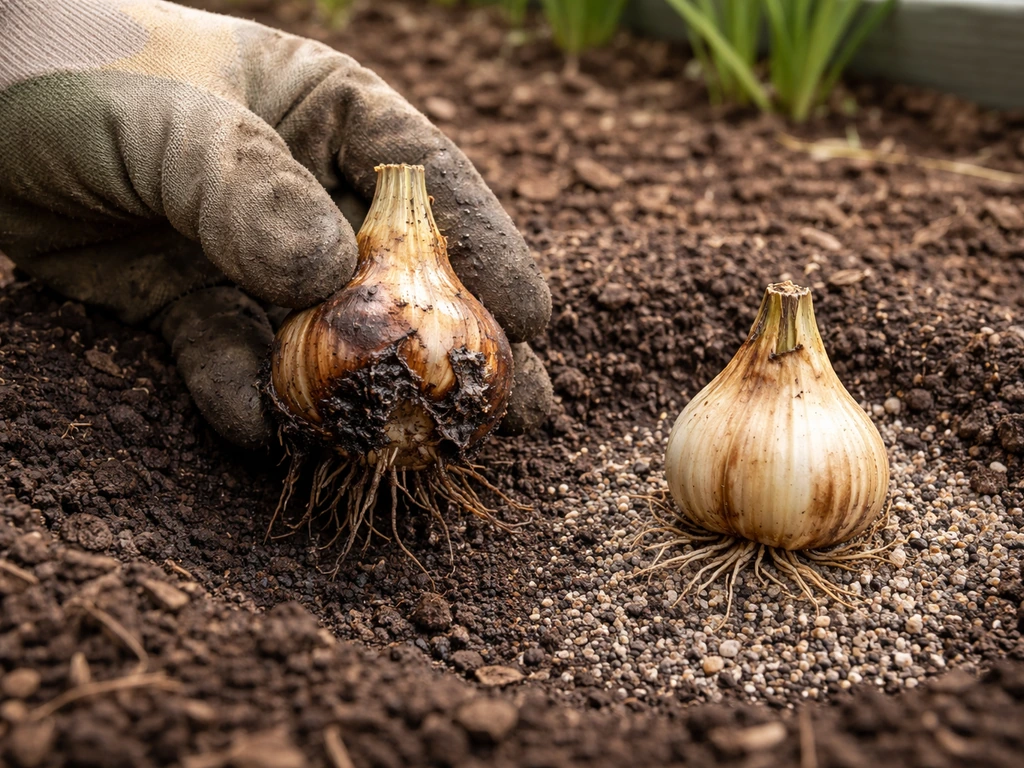
The most common failure I hear about from Texas gardeners comes down to a handful of repeat problems. Most of them are fixable once you know what to look for. If you still wonder, “are spider lilies hard to grow?”, the key is getting their dormancy-friendly watering and drainage right.
- Rot from summer overwatering: The number one killer. The bulbs are dormant and need dry conditions in summer. If your irrigation is hitting this bed through July and August, back it off immediately. If you've already lost bulbs to rot, improve drainage before replanting and cut irrigation during dormancy.
- Wrong planting depth: Too deep delays or prevents blooming indefinitely. If you planted at 6 or more inches and have foliage but no flowers after two full seasons, try digging and replanting at a shallower depth with the neck just at the soil surface.
- Winter foliage damage in North Texas: If hard freezes repeatedly damage the winter leaves, the bulbs may produce foliage but skip flowering. Apply 2 to 3 inches of mulch over the bed in late fall to buffer soil temperature and protect the base of the leaves. This is especially important in Zone 6 to 7.
- North-facing or low-light site: Foliage needs winter light to feed the bulbs. If your plant keeps its leaves but never flowers, insufficient light during the leaf-active period is a likely cause. Move bulbs to a sunnier, south-facing spot.
- Planting at the wrong time: Planting in spring or early summer, when many bulbs go on sale, puts L. radiata into the ground during the wrong part of its cycle. Buy and plant in late summer (August to September) for the best establishment.
- Disturbing established clumps: These bulbs bloom best when left alone. Digging, transplanting, or dividing too frequently will reduce flowering for a season or two. If you need to divide, do it in late spring just as the foliage dies back, then replant promptly.
Maintenance, what to expect, and your next steps
Once established, red spider lilies are genuinely low-maintenance. You'll see blooms appear on bare stalks in August or September, before any leaves are visible. Those flowers are the show. After blooming, the leaves emerge in late autumn and stay green all winter, which is actually a nice quality in a Texas winter garden. The foliage dies back in late spring and the plant goes quiet for the summer. Do not cut back the foliage while it is still green, even if it looks untidy. Those leaves are the plant's only opportunity to store energy for next fall's flowers.
Established clumps will naturalize and multiply over the years, producing more and more blooms with little intervention. Fertilizing once in early fall when blooms appear, and again when new foliage emerges, with a balanced bulb fertilizer will keep them performing at their best. Mulch the bed in late fall, especially in North Texas, and refresh that mulch each year.
If you're wondering how long it takes to get to a fully established, freely blooming clump, plan on two to three seasons. Typically, you can expect your spider lilies to take about two to three seasons to become fully established and reliably bloom spider lilies take to grow. The first year is often modest. By year three, a well-sited clump in decent Texas soil will reward you every single fall without you having to do much at all. If you're curious about what the full growth timeline looks like from bulb to bloom, the details of how long spider lilies take to grow from planting through establishment are worth understanding before you set your expectations.
Your quick checklist: can you plant now and what do you do next?
- Check your USDA zone: If you're in Zone 6 (Panhandle) through Zone 10 (deep South Texas), this plant is viable for you. Zone 6 needs extra mulching and possibly container growing.
- Assess your site: Do you have a spot with 4 to 6 or more hours of sun that does not pool water after rain? If yes, you're ready to plant in-ground. If no, fix drainage or plan for a container.
- Check the calendar: The ideal planting window is August through September. If it's currently spring or early summer, source your bulbs now so you have them ready for late summer planting.
- Prepare your soil: Loosen to 12 inches, add compost, and confirm water drains through rather than sitting. In clay-heavy soils, add coarse sand as well.
- Plant at the right depth: 4 to 6 inches deep, neck just at the surface, spaced 8 to 9 inches apart.
- Set up your watering plan: Water regularly fall through late spring when foliage is active. Reduce to nearly nothing from late May through August during summer dormancy.
- Mulch in North Texas: Apply 2 to 3 inches of mulch over the bed each fall to protect foliage and bulbs from hard freezes.
- Leave them alone: Resist the urge to dig or divide until the clump has been in the ground at least three years. That patience is what turns a modest planting into a spectacular fall display.
FAQ
Can spider lilies grow in Texas if my soil stays wet in summer even after I add compost?
They usually will not, because the biggest killer is bulb rot while the plant is dormant. If water pools for more than a day or two after rain, you will likely need a raised bed (or an improved drainage path) rather than just soil amendments. Aim to make the planting area drain faster than the surrounding ground and avoid planting in low spots or near downspouts that dump onto the bed.
Do I need to water spider lilies during July and August in Texas?
No, you should generally reduce watering to near zero during dormancy (late spring through summer) so the bulbs stay on the dry side. If you have an irrigation system, stop it in that bed for roughly June through August, then resume only when foliage growth restarts in fall. If you are unsure, check soil moisture a few inches down before watering.
My spider lily leaves got nipped by a freeze, will next year’s blooms still happen?
You might still get blooms, but repeated hard freezes that “burn” the foliage can reduce flower count. In North Texas and the Panhandle, keep protection simple and consistent: apply mulch over the root zone after the first real cold snaps, and avoid removing it too early. Do not cut off living, green foliage during winter, since it is feeding the bulb.
How do I tell Lycoris radiata from other plants sold as “spider lily”?
Confirm the product tag or label because “spider lily” can refer to different Lycoris species and even unrelated ornamentals. Lycoris radiata is the classic red, leafless late-summer to fall bloomer. If your plant produces pink flowers or has a notably different leaf habit, it may not match the care timing described for Texas growth.
Should I cut the spider lily leaves after they look messy in winter?
No. Leave the leaves in place while they remain green, even if they look tattered. They stay and work through winter and into late spring, storing energy for the next fall’s flower stalks. Cutting them early can delay blooming for a season or two.
Why did my spider lilies bloom poorly or not at all this fall?
The most common Texas causes are drainage problems during summer dormancy, watering on an irrigation schedule, planting too deep, or freezing that repeatedly damages the foliage base. Review planting depth (about 4 to 6 inches, neck at or slightly above soil) and check whether the bed stays too moist in July and August.
Is it better to plant spider lilies in the ground or in a container in Texas?
For most of Texas, in-ground is more reliable long-term because the bulbs naturalize and the soil dries and cools more evenly than a pot. Containers can be helpful in the Panhandle or higher elevations where you can move the pot to shelter during hard freezes. If using a container, use a deep pot (at least 12 inches) and be stricter about summer dry-down.
How do I avoid spider lilies failing when I plant bulb clumps that have been moved or split?
Transplanted bulbs often need time to re-establish, so expect reduced blooms for at least one season. Handle gently, keep bulbs at the same planting depth as before, and do not disturb the planting area during the dormant summer. After planting, prioritize drainage and avoid summer irrigation rather than trying to “help” them with extra water.
Are spider lilies toxic to pets or kids in Texas gardens?
Yes. Lycoris radiata contains alkaloid compounds in all parts of the plant, so ingestion can be dangerous. If you have pets that dig or kids who may handle bulbs, use physical deterrents (like netting or mulched barriers) and discourage digging in the bed rather than relying on taste or observation.
When will my Texas spider lilies start multiplying and filling out?
A newly planted clump often takes two to three seasons to become reliably full and freely blooming. Multiplication is gradual, and flower output may start modestly in the first fall. If blooms never increase after three years, reassess drainage and summer dryness rather than increasing fertilizer.
Next Articles
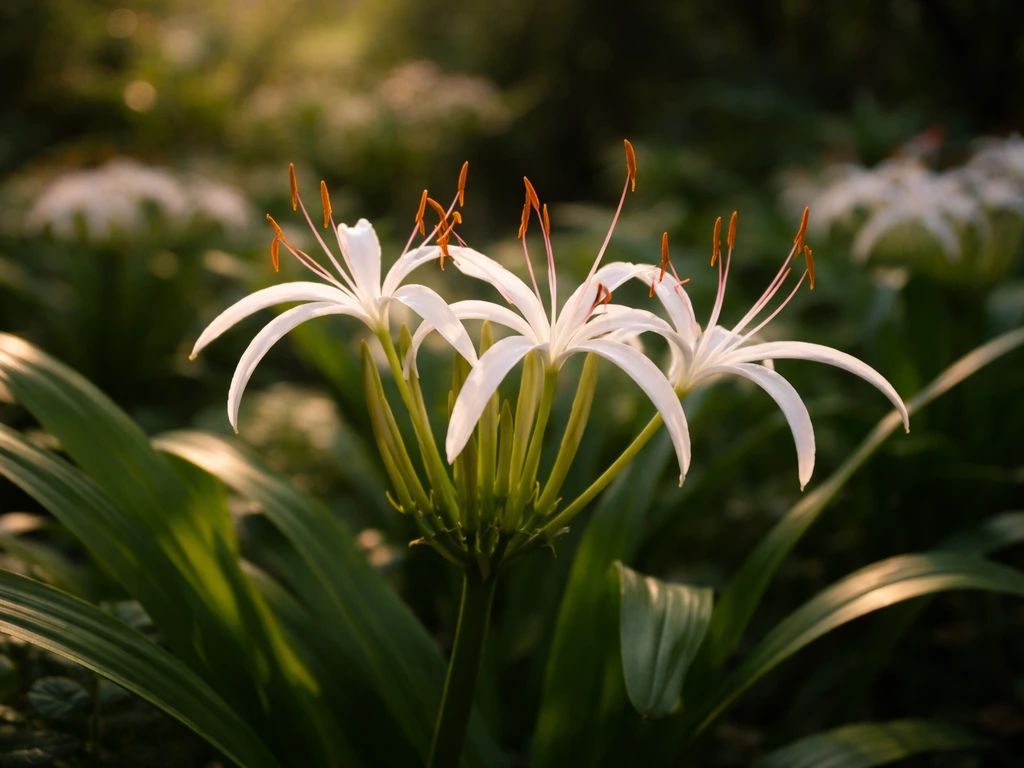
How Long Do Spider Lilies Take to Grow and Bloom?
Timeline for spider lilies from planting to bloom, plus light, soil, watering tips, and fixes for slow growth
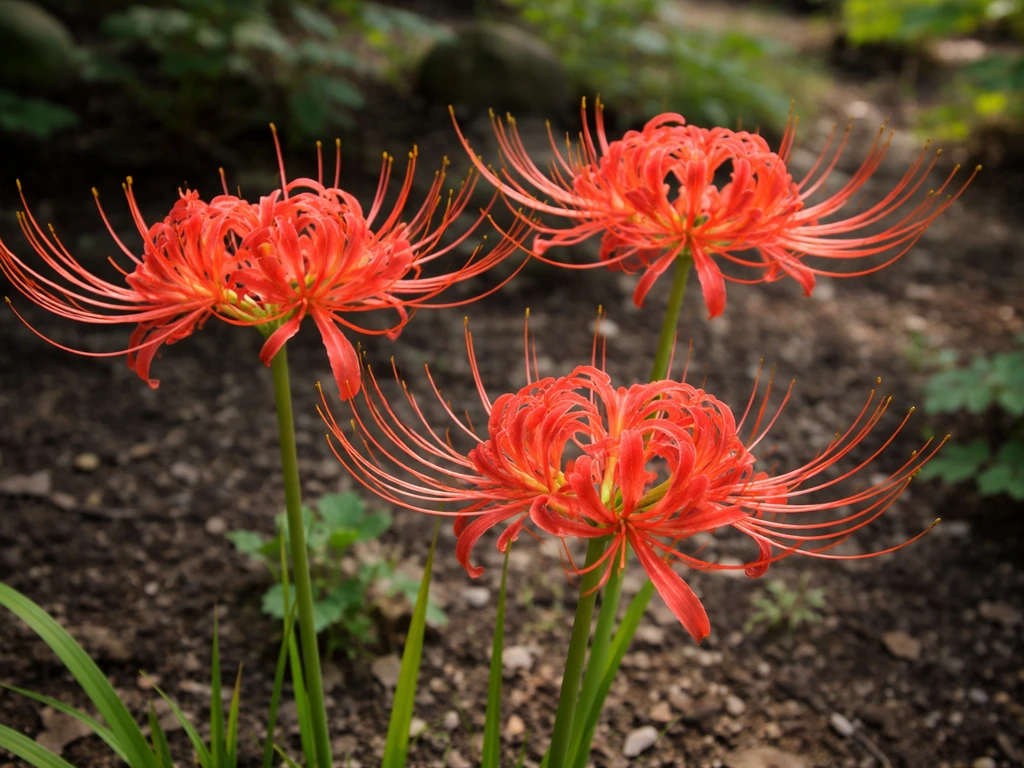
Are Spider Lilies Hard to Grow? Easy Guide to Success
Get an easy, practical plan for growing spider lilies, including light, drainage, watering, planting, and fixes for bloo
Do Spider Lilies Grow on Dead Bodies? Facts and Care
Do spider lilies grow on dead bodies? Myth vs real Lycoris biology, plus care, planting tips, and troubleshooting.