
Here's the direct answer: if you're growing Lycoris radiata (the classic red spider lily), expect to wait 1 to 2 full years after planting before you see your first flowers. Once established, blooms appear reliably every late August to early September. If you have Hymenocallis or a Crinum that's been sold as a spider lily, the timeline is faster and the bloom season is different. The species you have changes everything, so let's figure that out first before talking timing.
How Long Do Spider Lilies Take to Grow and Bloom?
Marcus Hendricks
20 Apr 2026
Which spider lily do you actually have?
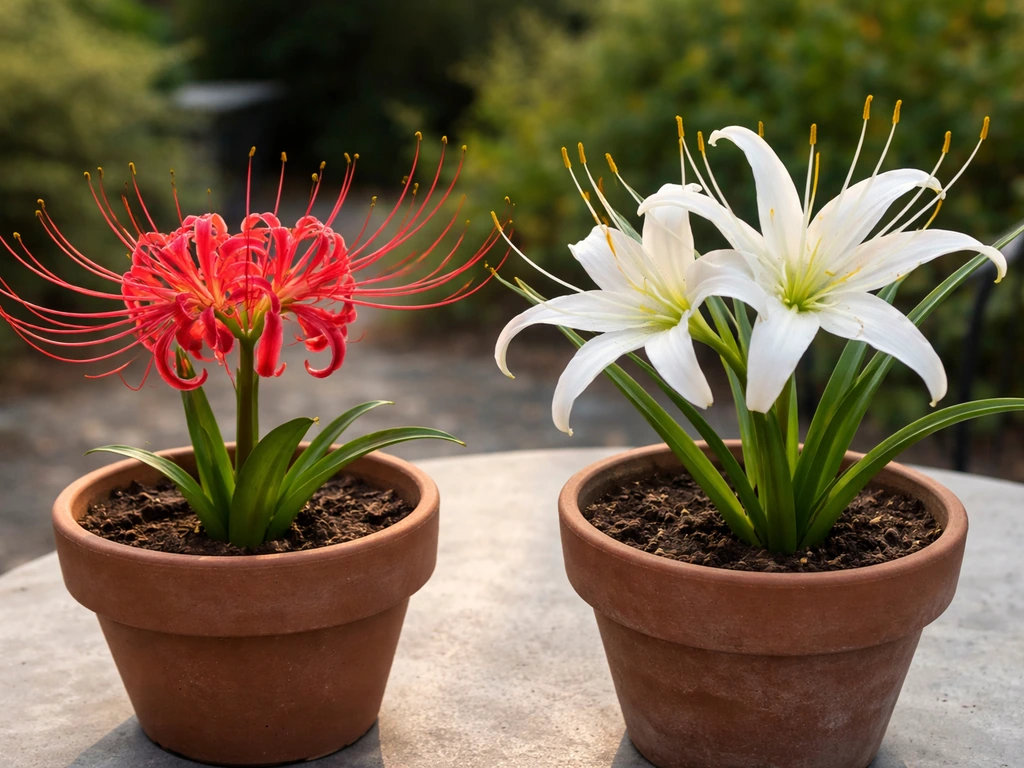
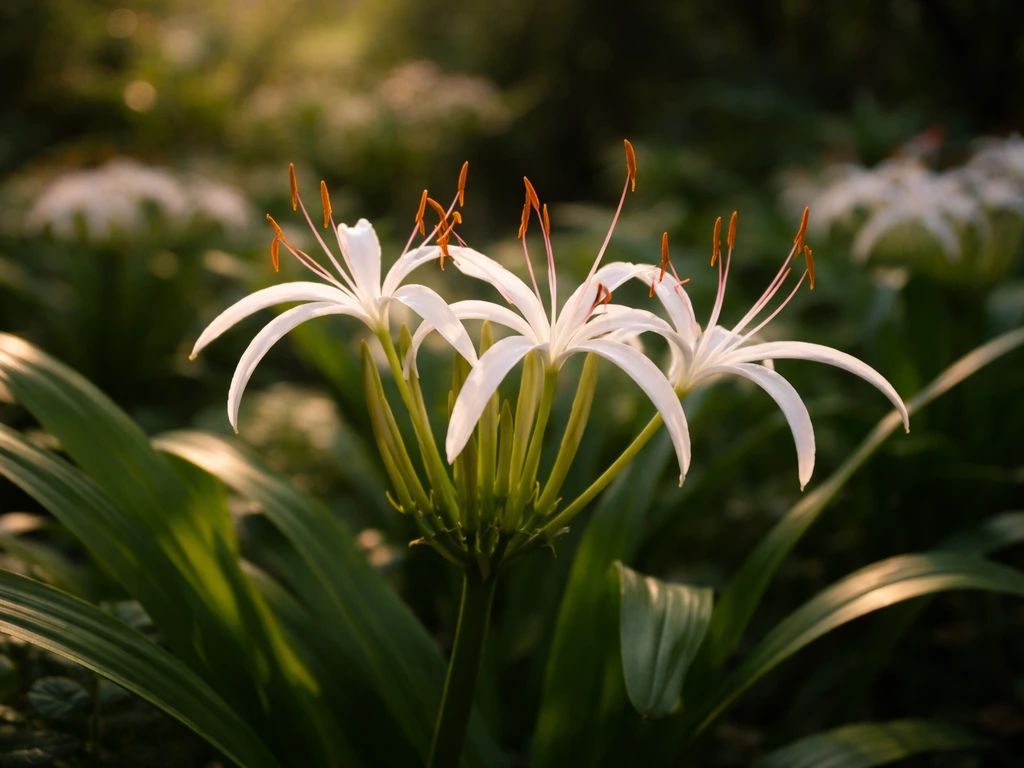
"Spider lily" is one of those common names that gets slapped on several completely different plants, and I've seen experienced gardeners frustrated for years because they were following advice for the wrong genus. The three you're most likely to have are Lycoris (especially Lycoris radiata, the red spider lily, or Lycoris sprengeri, the electric blue spider lily), Hymenocallis (a tropical or semi-tropical bulb also widely sold as spider lily), or Crinum (sometimes called swamp lily or spider lily in the nursery trade).
The easiest way to tell if you have a Lycoris is to watch what it does in late summer: the flower stalk shoots up from bare ground with zero leaves in sight. The leaves come later, after the flowers fade. This "naked ladies" habit is the Lycoris signature. Hymenocallis, by contrast, has strap-like leaves present when it blooms and tends to flower in spring or summer depending on conditions. Crinum americanum, another species that carries the spider lily label in the South, starts blooming as early as April. Getting this identification right is the foundation for everything that follows, because growth timelines, care requirements, and bloom windows are genuinely different across these groups.
The real growth timeline from bulb to bloom
Lycoris radiata and Lycoris sprengeri
Plant a Lycoris radiata bulb this spring and there's a real chance you'll see nothing happen the first fall. That's not a failure, that's just how this plant works. Multiple horticulture extension sources, including Texas Master Gardener documentation and advice from the San Francisco Chronicle's garden desk, confirm that red spider lily bulbs typically need 1 to 2 years in the ground before they produce their first bloom.
The bulb is spending that time building energy reserves and getting its roots settled. Once it decides to flower, though, it's dramatic: scapes shoot up in late August to early September, reach full bloom within days, and then the leaves emerge afterward to fuel next year's cycle. Lycoris radiata scapes can shoot up as late summer transitions into early fall, with flowering often from late August through the fall period late August to early September scapes shoot up.
Lycoris sprengeri (the electric blue spider lily) follows a similar late summer to early fall bloom window, generally August through September. Planting depth matters here: most sources recommend setting the bulb so the neck sits about 4 to 6 inches deep, with 10 to 15 inches of spacing between bulbs. One seller specifies about 2 to 3 inches of soil above the bulb neck specifically, so aim for that range and don't plant them too deep or you'll delay flowering further.
Once flowers do emerge on Lycoris, the bloom cycle from first scape appearance to full flower is fast. Lycoris squamigera, a close relative sometimes sold under the spider lily umbrella, goes from emergence to full bloom in about four to five days. Radiata is similarly quick once it decides to go. The whole flowering event lasts roughly two to three weeks before the flowers drop and the foliage comes up.
Hymenocallis and Crinum
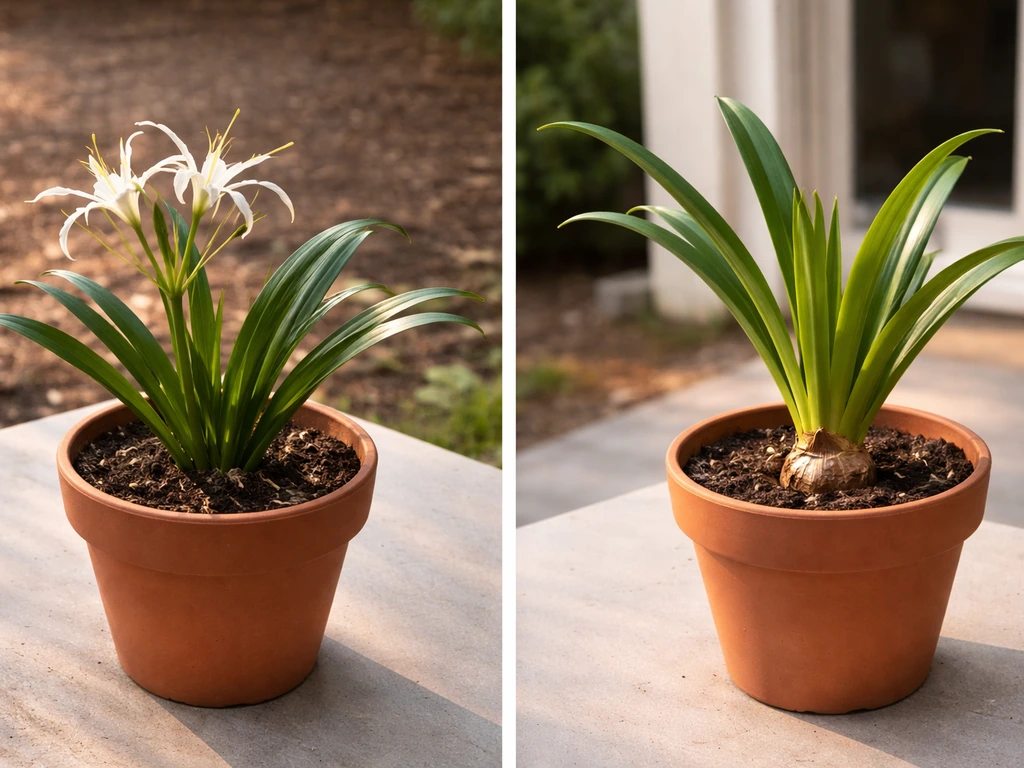
Hymenocallis spider lilies are generally faster to establish and more willing to bloom in their first or second season, especially in warm climates. Crinum americanum can start its bloom cycle as early as April in the Deep South. Neither of these has the same dormancy drama as Lycoris. If you're in a warmer region and your spider lily is blooming in spring rather than late summer, you almost certainly have a Hymenocallis or Crinum rather than a Lycoris.
| Species | Common Name | Typical First Bloom After Planting | Bloom Season | Leaves vs. Flowers |
|---|---|---|---|---|
| Lycoris radiata | Red Spider Lily | 1 to 2 years | Late August to September | Flowers appear before leaves |
| Lycoris sprengeri | Electric Blue Spider Lily | 1 to 2 years | August to September | Flowers appear before leaves |
| Hymenocallis spp. | Spider Lily / Peruvian Daffodil | Often first season | Spring to summer | Leaves present at flowering |
| Crinum americanum | Swamp Lily / Spider Lily | Often first or second season | April onward | Leaves present at flowering |
What actually controls how fast they grow
Temperature is the biggest lever for Lycoris
Research on Lycoris radiata specifically identifies ambient temperature as the factor that most strongly affects scape development. The plant goes through a summer dormancy period, and how that dormancy unfolds, based on the temperatures it experiences in the preceding weeks, directly determines whether and when a scape will shoot up. This means a cooler-than-average late summer can shift your bloom date, and a very hot extended summer can either advance or delay it depending on the specific temperature thresholds. It also explains why this plant is genuinely climate-sensitive: growers in zones 6 to 9 are in the sweet spot, while those pushing it in zone 5 or zone 10 often struggle with irregular blooming.
Light
Lycoris radiata thrives in full sun to partial shade, but part shade is often its preferred spot in hot southern gardens where afternoon sun can stress it. Hymenocallis crassifolia, per NC Extension documentation, is also listed as tolerating full sun or partial shade. A minimum of 4 to 6 hours of direct sun per day is a reasonable target for most spider lily types. In shadier spots you'll get healthy foliage but flowering becomes sporadic. I've seen Lycoris planted under a tree canopy that leafed out beautifully every fall but never once flowered in four years. Light matters.
Soil, drainage, and watering
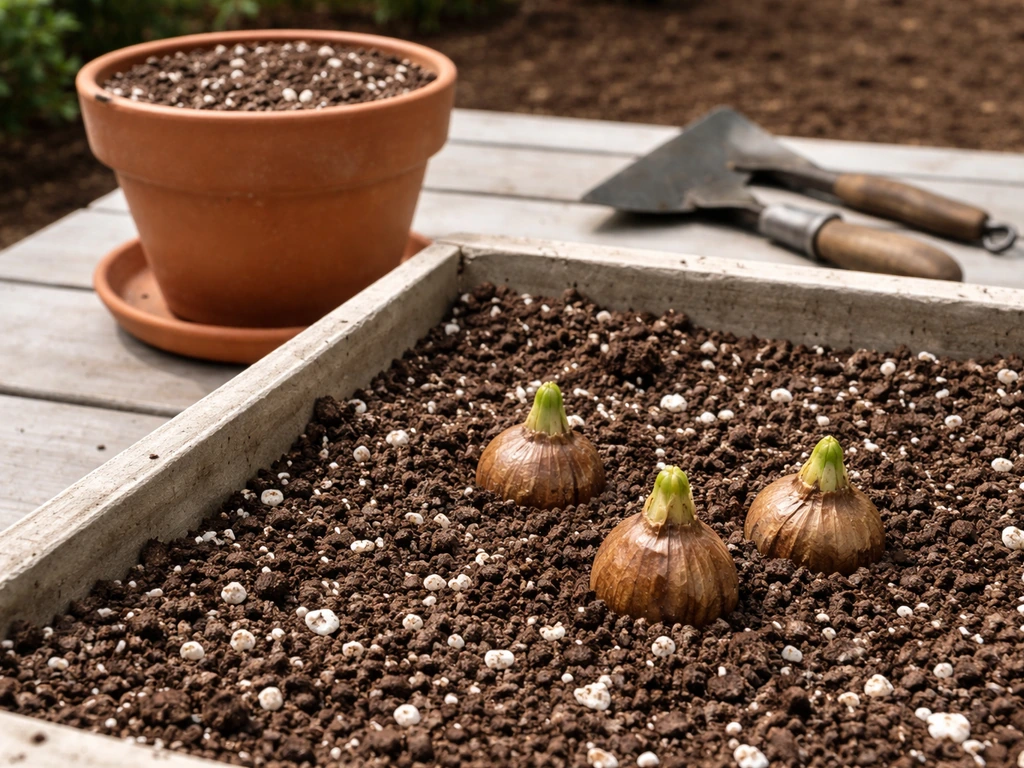
Poor drainage is probably the single fastest way to kill a Lycoris bulb before it ever gets a chance to bloom. These bulbs want well-draining, moderately fertile soil. They're not drought-loving, but they absolutely cannot sit in waterlogged soil, especially during their summer dormancy period. Sandy loam or loamy soil amended with some organic matter is ideal. For Crinum, Clemson's care guidance calls out the need for additional watering specifically during the flowering period to keep buds from drying out before they open, so watering rhythm matters differently by species: consistent moisture for Crinum at bloom time, but drier conditions tolerated by Lycoris through dormancy.
Indoor vs. outdoor growing: the timing really does change
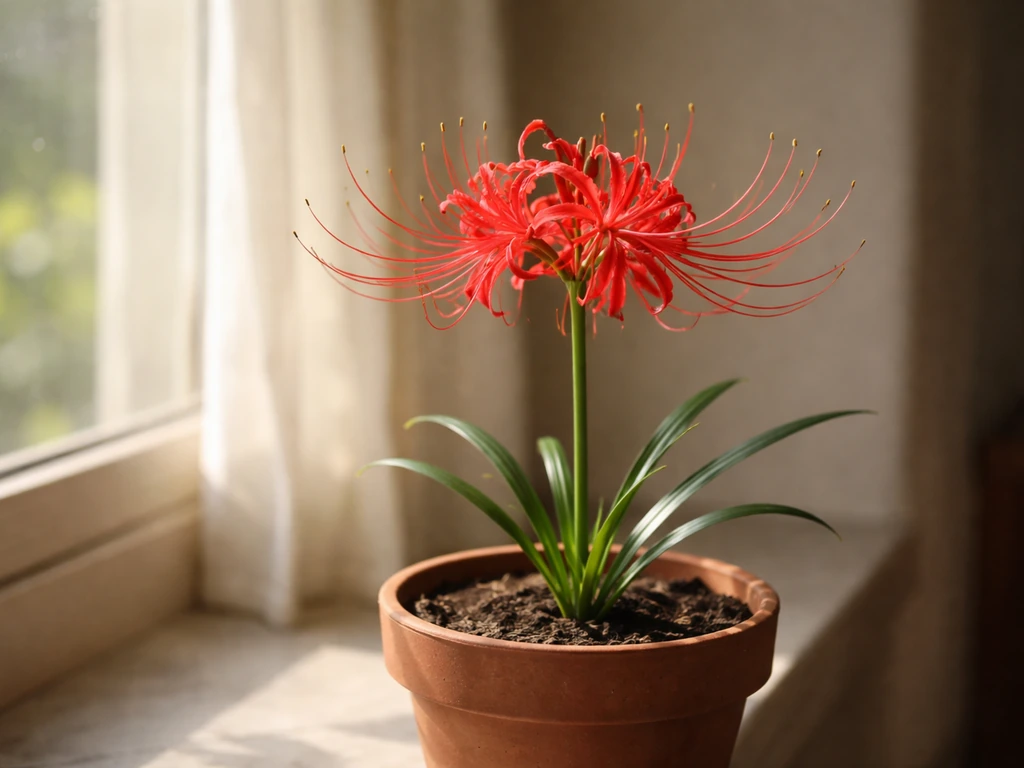
Growing spider lilies indoors is genuinely trickier, mostly because Lycoris depends on seasonal temperature cues to trigger its dormancy and then its bloom cycle. Indoors, you don't get the natural summer heat drop and fall temperature shift that tells the bulb to send up its scape. I've talked to growers who kept Lycoris in pots indoors for three years and got leaves every year but never a single flower. The solution isn't to give up on indoor growing, but to understand that Lycoris really wants to experience an outdoor summer and fall cycle at least partially. Moving the pot outside during summer and back in before a hard freeze is a workable compromise in colder zones.
Hymenocallis handles indoor pot culture better. It doesn't have the same hard dormancy trigger, and with good bright light (a south-facing window giving 5 or more hours of sun, or supplemental grow lighting) it can bloom in containers. If you're curious about the full picture of indoor spider lily growing, that topic deserves its own deep look, but the short version is: Lycoris is a commitment to outdoor seasonality, while Hymenocallis is far more forgiving indoors.
Outdoors, timing is most reliable in USDA zones 6 through 9 for Lycoris radiata. The Chicago Botanic Garden plant finder for Lycoris sprengeri lists zone information to guide outdoor hardiness USDA zones 6 through 9. In warmer zones, the plant may struggle to get the temperature cues it needs. In colder zones, hard freezes can damage bulbs if they're not mulched or moved. Hymenocallis and Crinum lean more tropical and are generally happiest in zones 7 through 11 outdoors year-round.
How to speed up growth and get to that first bloom faster
You can't force Lycoris to bloom in year one, but you can absolutely give it every advantage to bloom reliably in year two rather than year three. Here's what actually makes a difference:
- Plant at the right depth. For Lycoris, the top of the bulb neck should sit about 2 to 3 inches below the soil surface. Planting too deep delays emergence; too shallow and the bulb is vulnerable to drying out and temperature extremes.
- Choose the right spot from the start. Full sun to light afternoon shade with at least 4 to 6 hours of direct sun per day. South-facing beds with good air circulation are ideal.
- Amend your soil before planting. Work in compost to improve drainage and add a bit of fertility, but don't go heavy on nitrogen. Too much nitrogen feeds the foliage at the expense of flowers.
- Give them space. For Lycoris, 10 to 15 inches of spacing between bulbs prevents competition and allows airflow. Overcrowding is a very common reason established clumps stop blooming.
- Don't disturb them. Once planted, Lycoris really dislikes being moved. Every time you dig and replant, you reset the clock by at least a year. Pick the right spot and leave them alone.
- Fertilize lightly in fall after flowering. A low-nitrogen, phosphorus-forward fertilizer applied when the leaves emerge (after blooming) helps the bulb store energy for next year's flowers.
- Skip seeds if you want flowers soon. Growing from seed takes many years to reach first bloom and isn't the practical path for most home gardeners. Start with established bulbs every time.
Why your spider lily isn't blooming (and how to fix it)
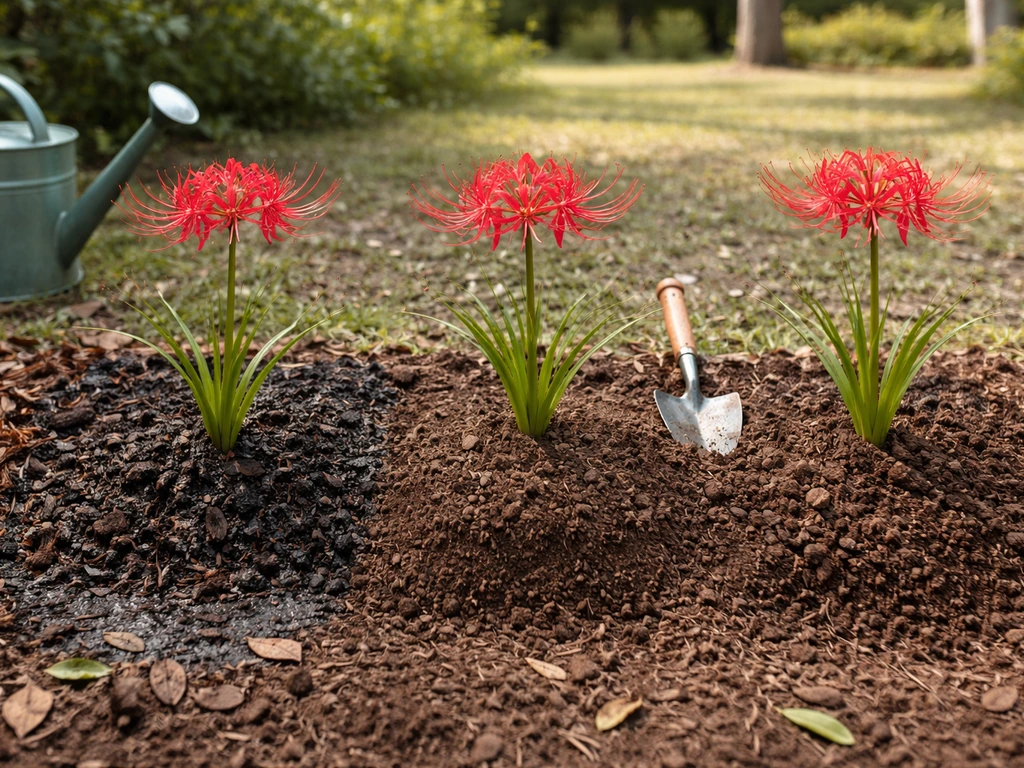
If you've had a spider lily in the ground for more than two years with no flowers, something in the environment is off. Here are the most common culprits, in rough order of how often I see them:
- Too much shade: This is the number one silent killer of spider lily flowering. Lycoris and Hymenocallis both need real sun. If your planting spot has filled in with tree canopy since you planted, that's almost certainly the problem.
- Overcrowding: Lycoris naturalizes and forms clumps over time, and once those clumps get congested (usually after 4 to 5 years), bloom quality drops sharply. Dig and divide in summer while dormant, then replant at proper spacing.
- Planting too deep: Bulbs planted deeper than 4 to 6 inches may keep putting up foliage but never trigger properly for bloom. If you're not sure, dig carefully and check your depth.
- Poor drainage or root rot: A bulb that's been sitting in soggy soil is probably already damaged. If the foliage looks yellow and mushy, you likely have rot. Dig it up, trim any soft tissue, dust with sulfur, and replant in a better-draining spot.
- Cold or heat stress: Outside of zones 6 to 9, Lycoris rarely blooms reliably without intervention. Too-cold winters damage the bulb; too-warm winters and springs mean it never gets the temperature cues it needs.
- Nutrient imbalance: High nitrogen encourages lush leaves and suppresses flowering. If you've been feeding with a balanced or high-N lawn fertilizer, switch to a low-nitrogen bloom fertilizer.
- Moved or disturbed too recently: If you dug and replanted in the past year or two, the clock has reset. Be patient.
- Wrong species for your climate: If your spider lily has never bloomed and you're in zone 10 or zone 5, you may simply have the wrong species for your conditions. This is worth researching before you invest more seasons in a lost cause.
One more thing worth mentioning: if you're growing spider lilies and wondering whether your specific region is a good fit, or whether these plants would work well in a Texas garden specifically, those are genuinely useful questions to dig into separately. If you want to know whether spider lilies can grow in Texas, the key is matching the right species to local heat and cold swings Texas garden. Climate compatibility, especially for Lycoris in hot or cold extremes, can make or break your success regardless of how well you nail everything else.
The bottom line is that spider lilies reward patience and punish impatience. Spider lilies are not a sign of any decomposition either, so they do not grow on dead bodies do spider lilies grow on dead bodies. Get the species identification right, plant at the correct depth in a sunny well-drained spot, leave them alone, and most of the time they'll deliver one of the most striking late-season bloom displays you'll see in a garden. The first two years are just the price of admission.
FAQ
Can I force spider lilies to bloom sooner than 1 to 2 years?
Yes, but only for some “spider lily” types. Lycoris (especially radiata) usually needs a full establishment period because temperature-driven dormancy has to run its course, so year-one blooms are uncommon. Hymenocallis and Crinum can bloom earlier because they are less dependent on that exact dormancy sequence, so the best “fastest” strategy is confirming which genus you actually have.
My spider lily is growing leaves, but no flowers yet, is it doing anything wrong?
Do not judge progress by leaves alone for Lycoris. Lycoris typically sends up the flower stalk first, then produces foliage after the blooms fade, so a bulb can be on track even if it looks leafless while it flowers. For non-Lycoris types, leaf presence during bloom is more typical, which makes correct identification especially important.
How much spacing do spider lily bulbs need to bloom well?
Spacing is mostly about preventing overcrowding and improving airflow, which can reduce rot risk in damp soil. For Lycoris sprengeri, a common guideline is roughly 10 to 15 inches between bulbs, and planting too close can also cause weaker scapes once they finally emerge.
What’s the most reliable way to grow Lycoris spider lilies in a colder climate?
If you keep Lycoris indoors year-round, the most common issue is missing the outdoor temperature cycle that triggers dormancy and the scape timing. A practical compromise is to move the pot outside for the whole summer and early fall, then bring it in before hard freezes. If you live where summers are mild or winters are mild too, you may need to plan around more natural seasonal cues.
What are the most common reasons spider lilies never bloom after several years?
Yes, especially if the plant is in the wrong genus for your expectation. Lycoris that gets too much shade may stay vegetative and flower sporadically, and consistent soggy soil can kill bulbs before they ever mature. Also, if you planted at an incorrect depth (particularly for sprengeri), you can delay flowering even when the bulb is otherwise healthy.
Should I mulch spider lily bulbs for winter, and how does it affect blooming?
Mulch can help in colder zones, but use it thoughtfully. For Lycoris, the bigger risk is freeze damage or waterlogged conditions during dormancy, so choose a well-drained mulch setup rather than packing soil tightly over the bulbs. If you are in a wet climate, prioritizing drainage often matters more than adding extra mulch thickness.
If my Lycoris has had no flowers for more than two years, should I dig it up?
Often, yes. A bulb that has been in place for multiple seasons without flowers is usually experiencing an environmental mismatch, not a dead bulb. Before digging, check drainage, confirm you have the right genus based on whether it blooms with “naked” stalks from bare ground, and consider whether sun and temperature cues match your region.
How should watering differ between Lycoris, Hymenocallis, and Crinum during bloom season?
For most spider lilies, the healthiest approach is to water based on the flowering pattern of the genus. Lycoris tolerates drier dormancy periods, while Crinum guidance emphasizes keeping moisture consistent during the flowering period so buds do not dry out before opening. If you water like a drought-tolerant plant year-round for Crinum, you can reduce bloom quality.
How can I tell which plant I actually have when the nursery label says “spider lily”?
The quickest way to troubleshoot is to identify the genus by timing and foliage behavior. Lycoris tends to flower from bare ground with little to no leaf presence, then leaves appear afterward. Hymenocallis usually keeps strap-like leaves during bloom and often flowers in spring or summer, while Crinum can start early (sometimes April in the South).
Next Articles
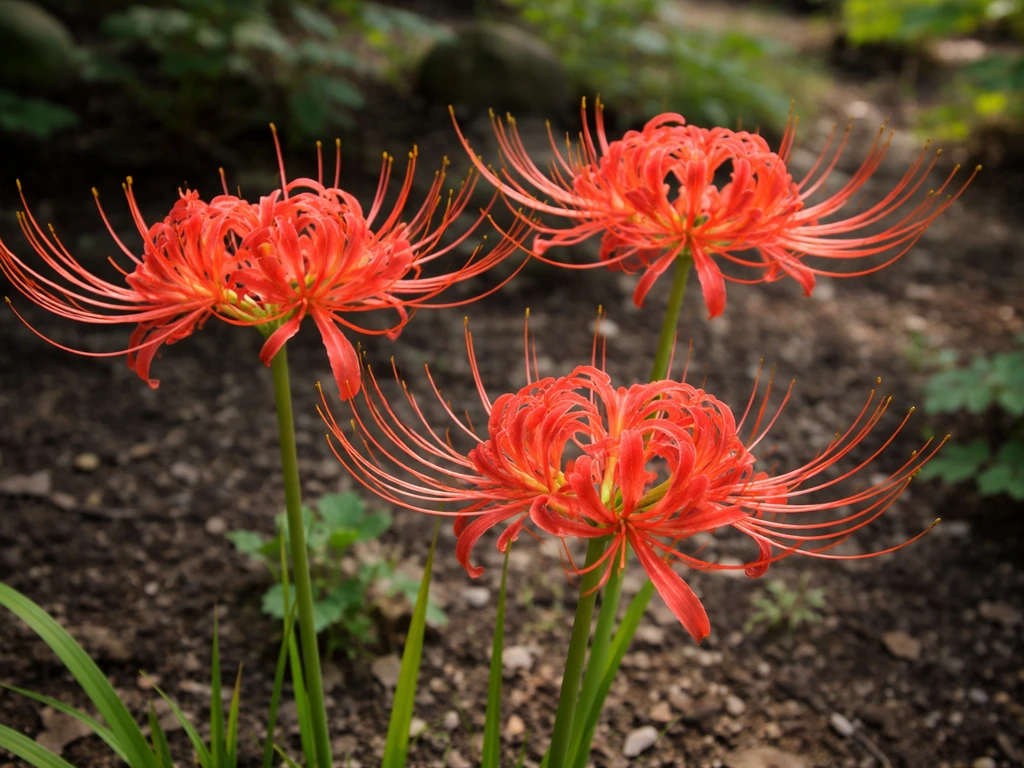
Are Spider Lilies Hard to Grow? Easy Guide to Success
Get an easy, practical plan for growing spider lilies, including light, drainage, watering, planting, and fixes for bloo
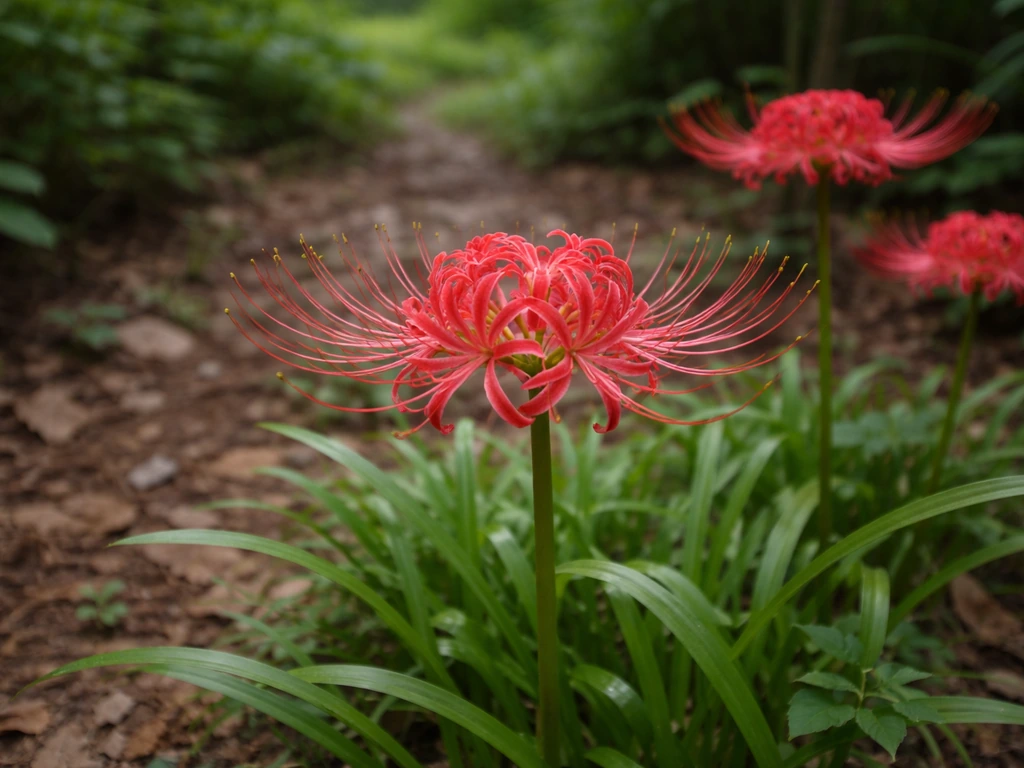
Do Spider Lilies Grow on Dead Bodies? Facts and Care
Do spider lilies grow on dead bodies? Myth vs real Lycoris biology, plus care, planting tips, and troubleshooting.
Can You Grow Spider Lilies Indoors? How to Succeed
Step-by-step guide to grow spider lilies indoors, including red spider lily needs, watering, light, pot, and re-bloom ti