
Flame lily is a name attached to two very different plants, and which one you mean completely changes where it grows and how you grow it. The two plants are Clivia miniata (a shade-loving South African woodland plant also called bush lily, Natal lily, or fire lily) and Gloriosa superba (a climbing tuber from tropical Africa and Asia that scrambles through grasslands and forest edges).
Where Does the Flame Lily Grow and How to Grow It
Marcus Hendricks
2 May 2026
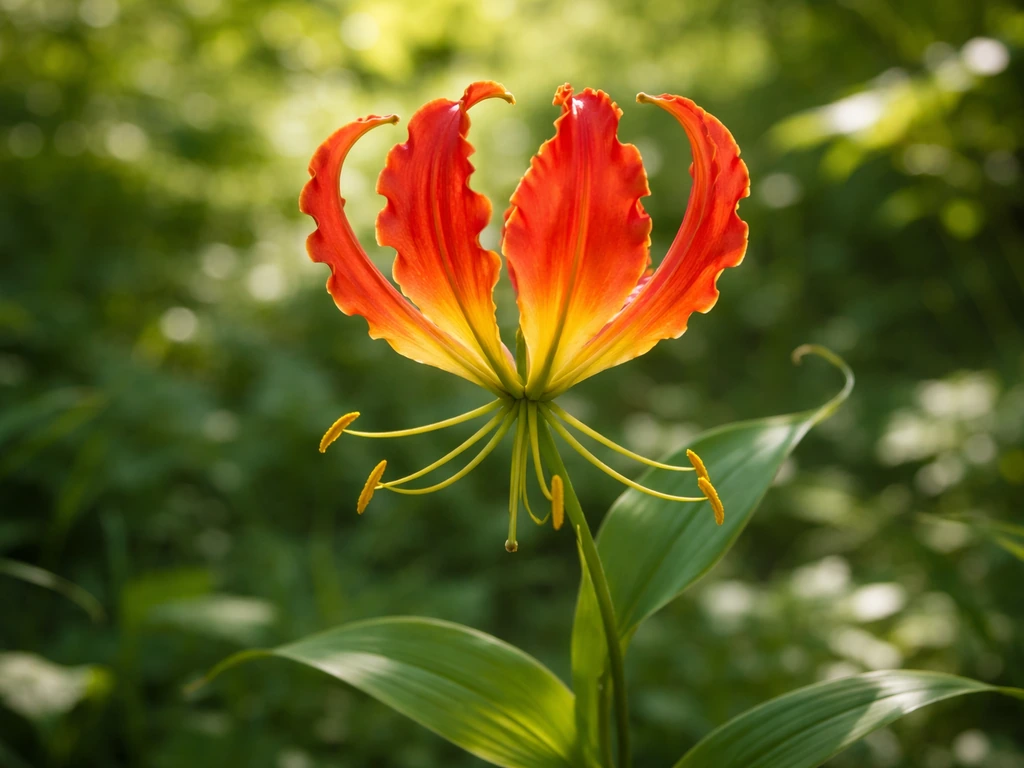
In a Reddit identification thread for this plant, a user discussion concluded that Clivia miniata is the likely match when the plant is photographed Clivia miniata (a shade-loving South African woodland plant also called bush lily, Natal lily, or fire lily). Both are sold under the "flame lily" label, so before you pick a spot in your garden, you need to know which one you actually have.
Which plant is actually called "flame lily"?
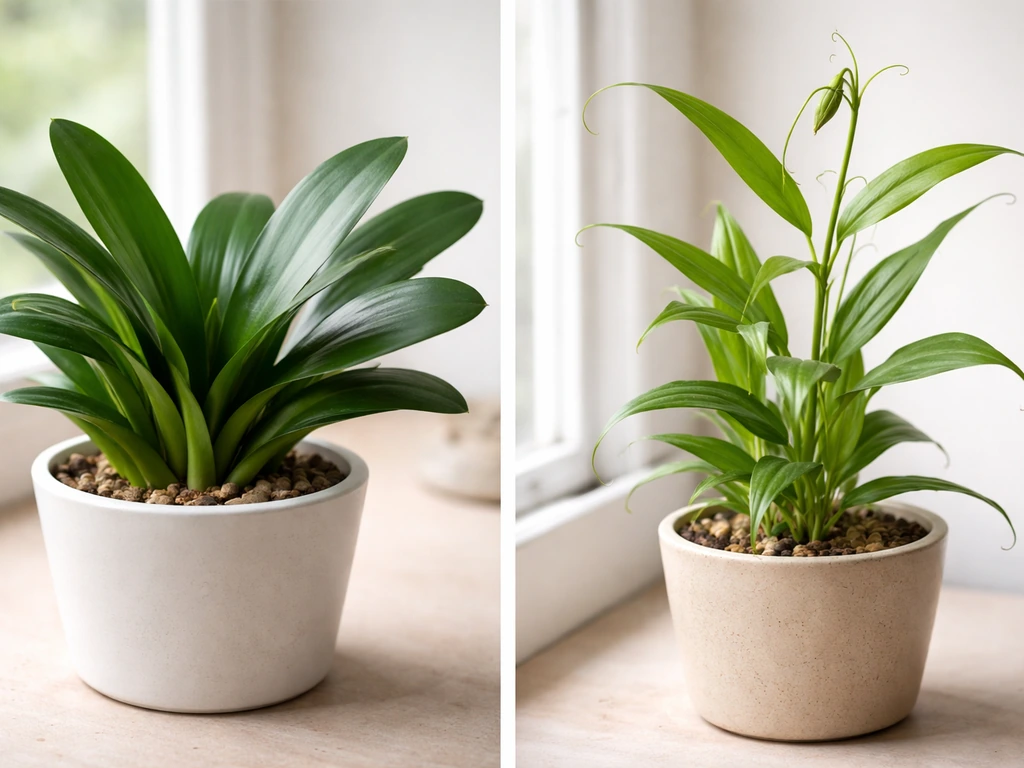
This is where a lot of gardeners go wrong, and I don't blame them. The name "flame lily" gets used loosely, and it applies most commonly to two distinct species. Clivia miniata goes by flame lily, fire lily, bush lily, September lily, and Natal lily depending on where you buy it. It's a stemless perennial with strappy leaves and clusters of orange-red trumpet flowers.
Then there's Gloriosa superba, sometimes called the glory lily or flame lily, which is a climbing geophyte (tuber-forming plant) with dramatic reflexed petals in red and yellow. It twines up through other plants using leaf-tip tendrils. These two plants look nothing alike, need different conditions, and confusing them leads to dead plants. If you bought something labeled "flame lily" at a garden center in the U.
S. , it's more likely to be Clivia miniata, which is commonly sold as a houseplant. If you ordered tubers online or got them from a tropical plant enthusiast, it's probably Gloriosa superba. The rest of this guide covers both, so you can match your plant to the right growing conditions.
It's also worth noting that the "fire lily" name overlaps with these plants, so if you're researching fire lilies separately, you may find yourself in familiar territory.
Where these plants come from naturally
Clivia miniata's native range
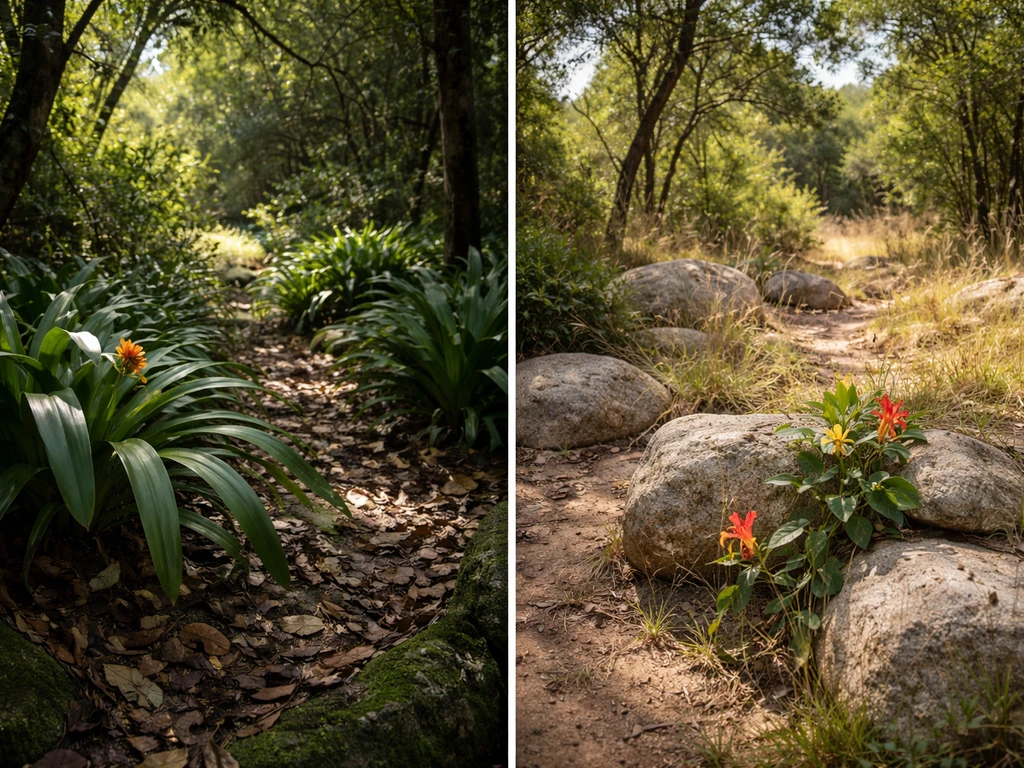
blank" rel="noopener noreferrer">[Clivia miniata is native to South Africa](/lily-and-lotus-habitats/where-do-white-lilies-grow), specifically the Eastern Cape, KwaZulu-Natal, and Mpumalanga provinces, as well as Eswatini (formerly Swaziland). It grows in forest understories, always under tree cover, in deep leaf mold on the forest floor. If you are asking where do wild lilies grow, the native ranges for each “flame lily” tell you the best match for your conditions. It never grows in open sun in the wild.
In the wild, blank" rel="noopener noreferrer">Clivia miniata occurs naturally in the forests of KwaZulu-Natal, Eastern Cape, Mpumalanga, and Swaziland. The climate in its native range is a summer-rainfall pattern: wet and warm in summer, drier and cooler in winter.
That seasonal rhythm is baked into how the plant grows, and it matters a lot for how you water it.
Gloriosa superba's native range
Gloriosa superba has a much wider native footprint. In South Africa it grows across the Eastern Cape, KwaZulu-Natal, Mpumalanga, Limpopo, and North West provinces. Beyond South Africa, it [extends through tropical Africa, into India, and across Southeast Asia](https://powo. science.
kew. org/taxon/urn:lsid:ipni. org:names:535953-1). For Gloriosa superba (the true fire lily), it grows naturally across tropical Africa and parts of Asia, including India and Southeast Asia where do fire lilies grow.
It grows at elevations from about 20 meters up to 2,230 meters, and it's found in bushveld, coastal dunes, woodland, thicket, grassland, savanna edges, and even rainforest margins. Unlike Clivia miniata, it can handle a range of light environments. Like Clivia miniata, it follows a summer-growing, winter-dormant pattern: the aerial stems die back completely in the dry season, and the tuber sits dormant underground until the rains return.
Light and temperature: what each plant actually wants
| Condition | Clivia miniata (flame lily / bush lily) | Gloriosa superba (glory lily / flame lily) |
|---|---|---|
| Light preference | Filtered shade or indirect light; never direct full sun | Semi-shade to full sun; tolerates a range |
| Temperature range | 41°F to 84°F (5°C to 29°C) for outdoor growth | Tropical to subtropical; frost-free growing season required |
| USDA outdoor zones | Zones 9–11 in-ground year-round | Zones 8–12 as perennial; zone 7 and colder with tuber lifting |
| Frost tolerance | No frost tolerance; cold damages leaves | No frost tolerance; tuber dormancy must be frost-free |
| Dormancy/rest need | Reduced watering in winter; cool rest triggers blooming | Full dormancy in dry/winter season; tuber inactive |
For Clivia miniata, shade isn't optional. It evolved under forest canopy, and direct sun will scorch its leaves and stress the plant. A north-facing porch, a spot under a big tree, or a bright room well away from a south-facing window all work well. For Gloriosa superba, you have more flexibility. It climbs and scrambles through other vegetation in the wild, so it's used to partial shade lower down and more sun at the tips. A fence or trellis in a spot with morning sun and afternoon shade is a classic setup.
Water and soil: matching the native moisture pattern
Both plants come from summer-rainfall climates, which tells you the single most important watering rule: water generously in the growing season (spring through summer), then ease way off in winter. Getting this backward is the most common way to lose these plants.
Clivia miniata watering and soil
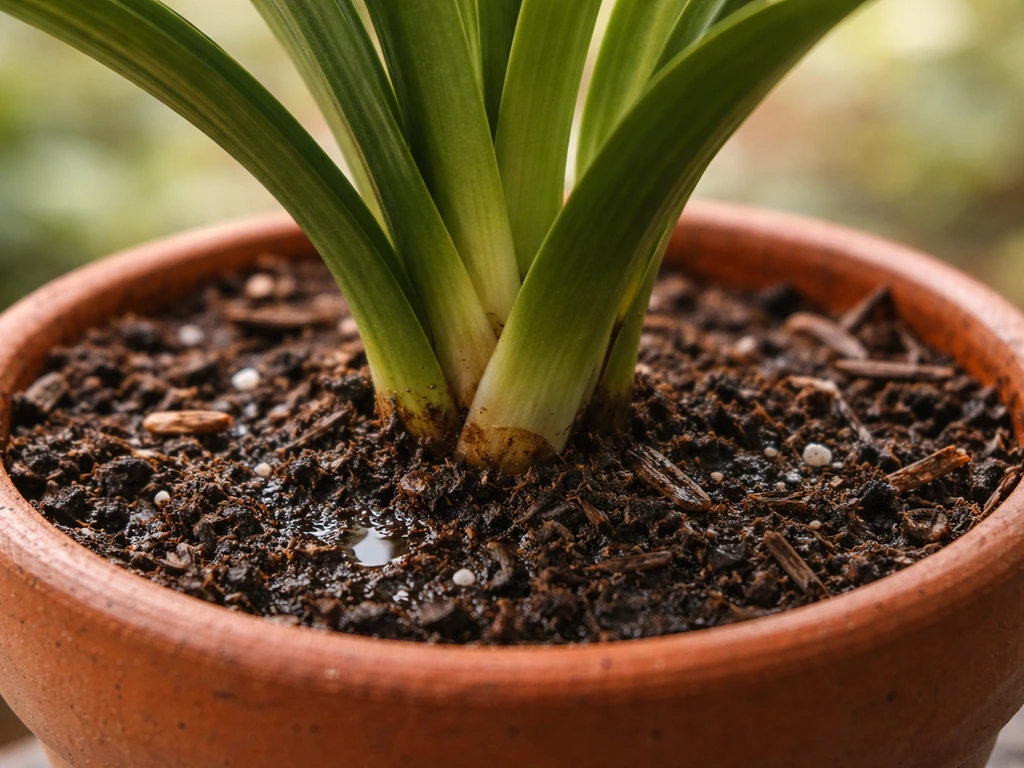
Clivia miniata grows in leaf mold in the wild, which means it likes a rich, well-draining mix that holds some moisture but never stays soggy. In containers, water thoroughly when the top inch of potting mix dries out during the growing season. In winter, cut watering back significantly and let the plant rest in a cool spot. Constantly wet soil causes root rot, and I've seen people lose beautiful specimen plants this way because they kept watering through December. A mix of good potting soil with extra perlite works well. These plants actually like being slightly root-bound, so don't rush to repot.
Gloriosa superba watering and soil
Gloriosa superba is a geophyte, meaning it stores energy in a tuber and depends entirely on good drainage during dormancy. The tuber rots quickly if left in wet soil over winter. During the growing season, water regularly and keep soil evenly moist but not waterlogged. Once the stems die back in autumn, stop watering almost entirely.
If you're in a winter-rainfall climate or a cold climate, the tubers must be kept dry through dormancy. The best soil is well-drained, rich in organic matter, and slightly acidic to neutral in pH. Raised beds, sandy loam amended with compost, or container mixes with plenty of drainage grit all work. If water pools near your planting spot after rain, find a different spot or grow in a container with drainage holes.
Outdoor vs. indoor growing: where you actually live matters
Here's the practical breakdown by climate zone. If you're in the U.S., check your USDA Plant Hardiness Zone before you plant anything in the ground.
Clivia miniata outdoor range
Clivia miniata can stay in the ground year-round in USDA zones 9 through 11. That covers coastal California, southern Florida, Hawaii, and the warmest parts of the Southwest and Gulf Coast. In these areas, plant it in deep shade under trees or on the south side of a building with good overhead cover. In zones 8 and below, it needs to come indoors for winter or be grown as a houseplant full-time. Anywhere frost is a regular event, treat it as a container plant.
Gloriosa superba outdoor range
Gloriosa superba is more cold-tolerant in the sense that it goes dormant, but the tuber still can't survive a hard freeze in the ground. It grows as a perennial in zones 8 through 12. In zones 7 and colder, you can still grow it outdoors as a summer plant: plant the tubers in spring after the last frost date, enjoy the climbing display through summer and into early autumn, then dig the tubers before the first frost and store them in a cool, frost-free location until the following spring. Florida gardeners in the warmer zones can often leave tubers in the ground year-round, though good drainage is non-negotiable in Florida's wet season.
Growing indoors
Clivia miniata is genuinely excellent as a houseplant and is probably more commonly grown indoors than out in much of the U.S. Give it bright indirect light, a cool room in winter (around 50°F to 55°F triggers blooming), and reduce watering from late autumn through late winter. It will reward you with a flush of orange-red blooms in late winter or early spring. Gloriosa superba is less commonly grown indoors long-term because it's a vigorous climber that wants space, but you can start tubers indoors 4 to 6 weeks before your last frost date to get a head start, then move the pot outside once temperatures are reliably above 50°F.
Does your garden actually match? A quick site check
Before you plant, run through this quick check. It takes five minutes and will save you from putting a plant in the wrong spot.
- Find your USDA Plant Hardiness Zone at the USDA website using your zip code. Zone 9 or above means Clivia miniata can stay in the ground. Zone 8 or above means Gloriosa superba can overwinter in the ground if drainage is excellent.
- Check your light. Walk your planting area at 10 a.m., noon, and 3 p.m. on a clear day and note whether the spot is in sun or shade. Clivia miniata needs shade all three times. Gloriosa superba can handle some direct sun but appreciates afternoon shade in hot climates.
- Test your drainage. Dig a hole 12 inches deep, fill it with water, and check back in an hour. If water is still sitting there, your drainage is poor and you need to amend heavily or use a raised bed or container.
- Check your soil. If it's heavy clay, both plants will struggle in the ground. Mix in compost and coarse grit, or go straight to containers.
- Consider your microclimate. A spot next to a south-facing wall, under roof overhang, or sheltered by large shrubs can push your effective zone up by half a zone or more. If you're right on the zone 8/9 border, a sheltered microclimate can make in-ground Clivia miniata feasible.
Living outside the ideal range: what to do
If your climate doesn't naturally match either plant's native conditions, you still have solid options. Most gardeners outside zones 9 to 11 grow Clivia miniata as a houseplant year-round, moving it to a sheltered patio in summer when nighttime temperatures stay above 50°F. It handles this transition well and often blooms beautifully when it gets that cool winter rest indoors.
For Gloriosa superba in cold climates, the lift-and-store method is reliable: let the stems die back naturally in early autumn, carefully dig the tubers (they're fragile and the tips break easily), shake off the soil, and store them in a paper bag with dry peat or vermiculite in a cool room that stays above freezing, ideally around 50°F to 60°F. Bring them back out in spring.
Note that Gloriosa superba tubers need at least six to eight weeks of dormancy rest, but you don't want them to dry out completely and shrivel during storage or they may not sprout. Check them monthly and mist lightly if they look shrunken.
Container growing tips for both species
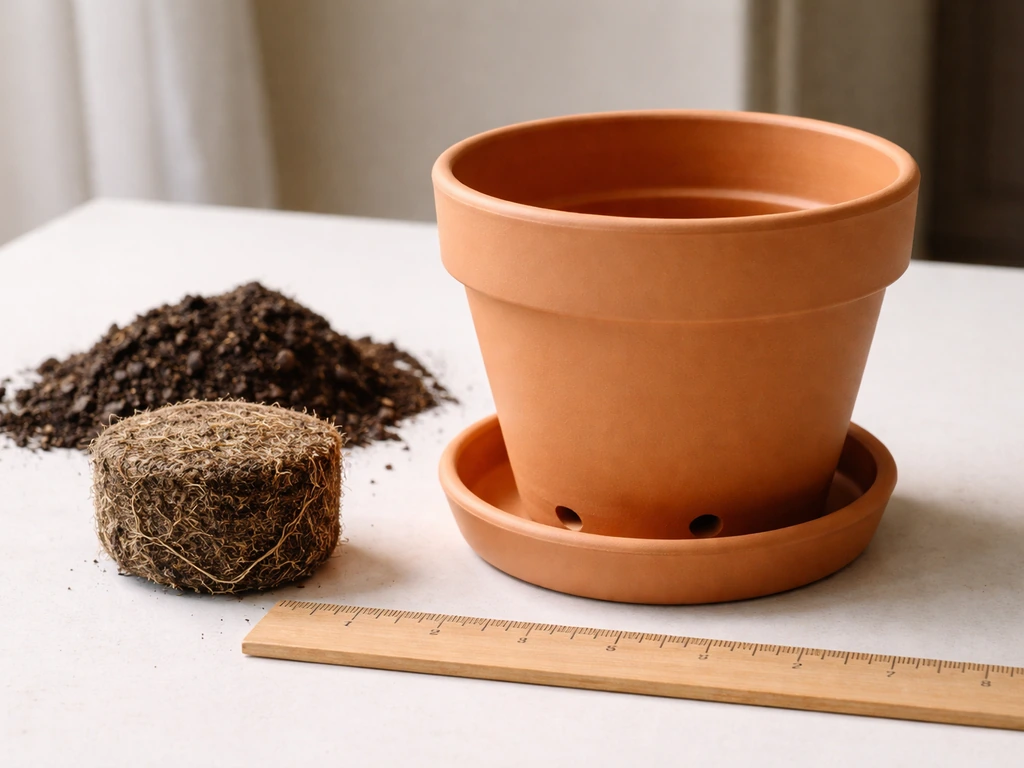
- Use a pot with drainage holes. Both plants will rot in standing water.
- For Clivia miniata, choose a pot that's only slightly larger than the root ball. It blooms better when slightly root-bound.
- For Gloriosa superba, plant the tuber horizontally about 4 inches deep in a container at least 12 inches wide with a trellis or stake for support.
- Use a well-draining mix: standard potting soil mixed with perlite or coarse sand at roughly a 2:1 ratio works for both.
- Move containers to a sheltered indoor spot before nighttime temps drop below 50°F in autumn.
- In winter, reduce watering for Clivia miniata and stop watering almost entirely for Gloriosa superba tubers in storage.
A final note on picking your plant
If you're a beginner or you want something low-maintenance that stays manageable indoors, Clivia miniata is the easier choice. It doesn't need a trellis, it tolerates neglect better than most flowering houseplants, and it reliably blooms every year with minimal fuss once you nail the winter rest period.
Gloriosa superba is more dramatic and a real showstopper on a fence or trellis in summer, but it asks more of you: careful tuber handling, precise drainage, and timely lifting if you're in a cold climate. Both are worth growing, and both come from a part of the world that shapes their habits in ways that directly translate into how you care for them.
Once you understand the summer-wet, winter-dry rhythm of their native South African habitat, most of the care decisions make intuitive sense. If you’re wondering where rose lilies grow, focus first on matching that native climate and moisture rhythm where do rose lilies grow.
FAQ
I have a plant labeled “flame lily” at a nursery, how can I tell which one it is before I worry about where it grows?
Check for the growth habit. Clivia miniata forms a rosette of strappy leaves from ground level and does not climb, while Gloriosa superba grows as a twining plant from a tuber and has tendrils that latch onto nearby supports. If it came as a potted houseplant with straplike leaves, it is usually Clivia; if it arrived as a tuber for planting outdoors or in a large pot, it is likely Gloriosa.
Can either flame lily grow in full sun if I have a hot, dry climate?
Clivia miniata will struggle in direct sun because it evolved under forest canopy, so morning sun is usually the safe limit and afternoon sun can scorch it. Gloriosa superba tolerates more light, but still performs best with partial shade at the base and more sun at the growing tips, and it needs consistent warmth during growth.
What happens if I water on a normal schedule year-round instead of following the summer-wet, winter-dry rhythm?
Clivia miniata can rot slowly or develop decline if kept wet in winter, and Gloriosa superba is much less forgiving because the tuber rots quickly in dormancy. For Gloriosa, once stems die back you should almost stop watering, keeping the tuber dry enough that it does not stay damp for weeks.
If I live in a winter-rainfall area, can I leave Gloriosa superba in the ground?
Often not, unless you have reliably fast drainage and no water pooling. In winter-rainfall climates, Gloriosa’s dormancy risk becomes tuber rot, so many gardeners use raised beds, very sandy soil, or containers to keep the tuber dry during the months when aerial growth is absent.
How dry should Gloriosa tubers be during storage, and what if they shrivel?
They need to stay dry enough to prevent rot, but not so dry that they fully desiccate. If tubers look shrunken, lightly mist or dampen the storage medium just enough to increase humidity, then recheck weekly. The goal is firmness, not powdery dryness.
Are these plants safe to plant outdoors year-round in my USDA zone?
Use the zone guidance in the article as a baseline, but also consider microclimates. A spot that stays cold longer or gets soggy after storms can fail even in a suitable zone. If you have frequent freezing and thaw cycles, treat it as a container or use lift-and-store even when the zone looks acceptable.
Can I grow either flame lily from seed, and does that change where it grows?
Seed-grown plants still need the same seasonal moisture pattern as their wild counterparts, because their dormancy and light needs are tied to the species. However, Gloriosa from seed can take longer to reach flowering size, so most people start with tubers for predictable results and faster establishment.
My Clivia blooms but not reliably each year, what is usually the cause?
The winter rest conditions usually determine bloom timing. If the room stays too warm in winter or you keep watering too heavily during the rest period, it may delay or skip flowering. Aim for a cool winter rest and reduce watering enough that the mix is not consistently damp.
How close can I plant Clivia miniata and Gloriosa superba together without competing?
Clivia miniata is fairly compact and tolerates being slightly root-bound, so tight grouping in shared shade can work if each plant has its own drainage and you are not overwatering. Gloriosa needs space for climbing, airflow, and targeted sunlight at the tips, so overcrowding can reduce flowering and increase disease risk.
Next Articles
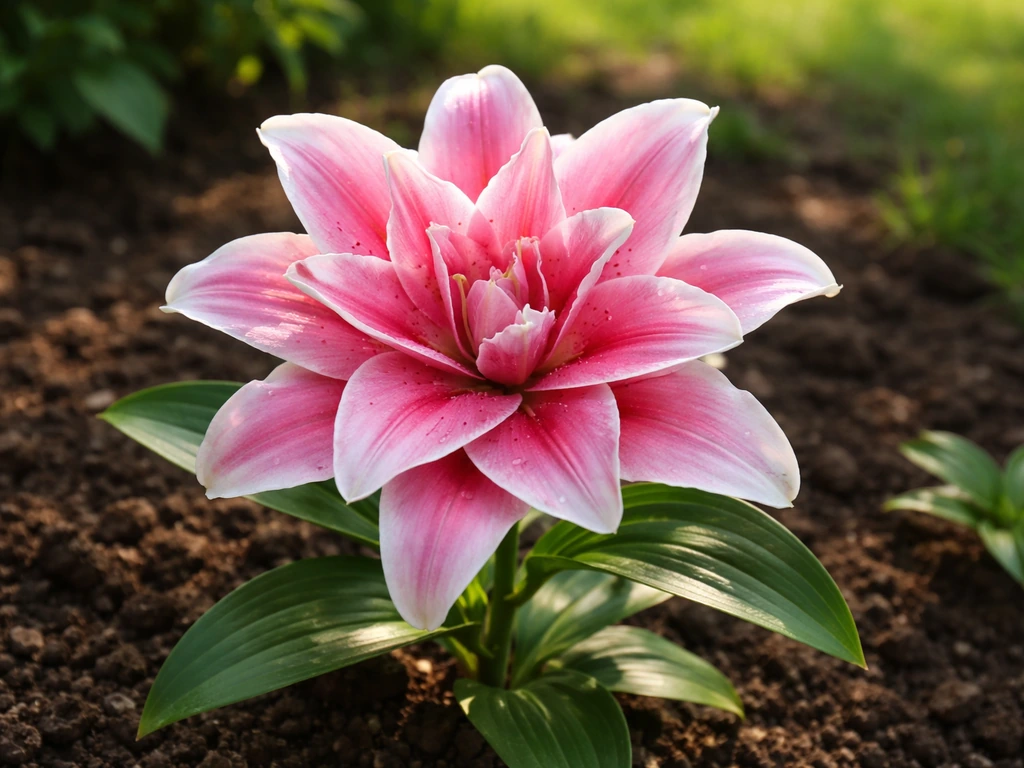
Where Do Rose Lilies Grow Best? Zones, Sun, Soil, Care
Discover where rose lilies grow best by zone, sun, soil, and moisture, plus steps to fix poor sites
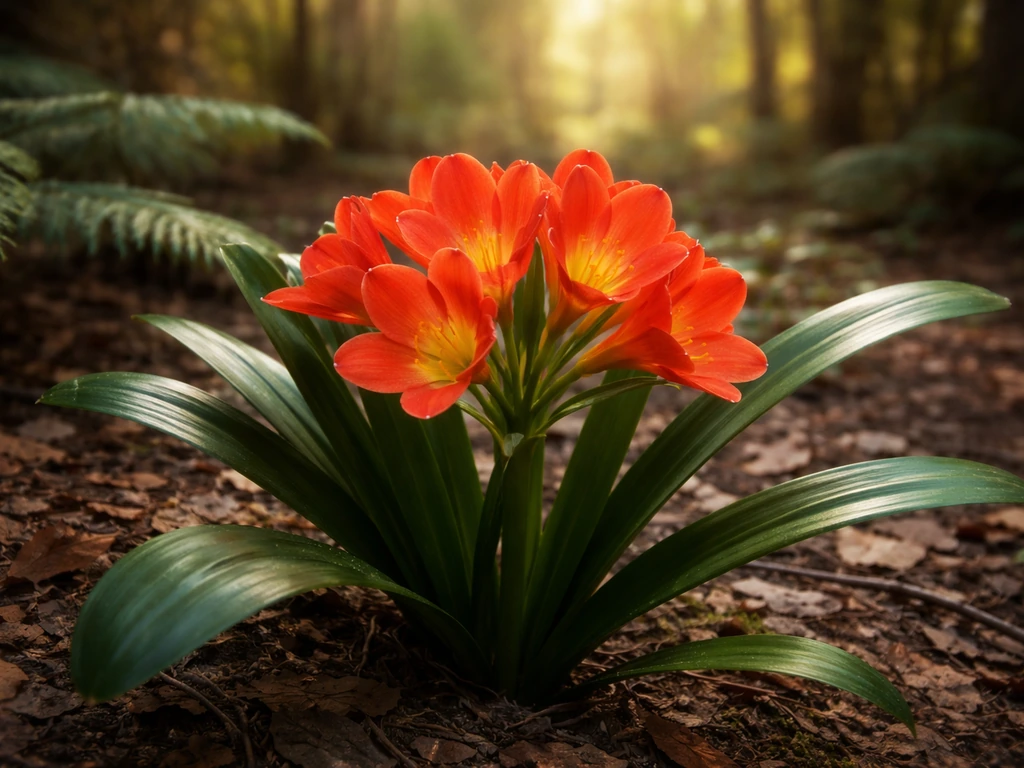
Where Do Fire Lilies Grow and How to Replicate It
Discover where fire lilies grow naturally and how to match light, soil, moisture, and climate for successful planting.
Where Do White Lilies Grow? Zones, Soil, and Planting Guide
Where white lilies grow best: hardiness zones, light, soil, drainage, and a yard checklist for true lilies vs lookalikes