
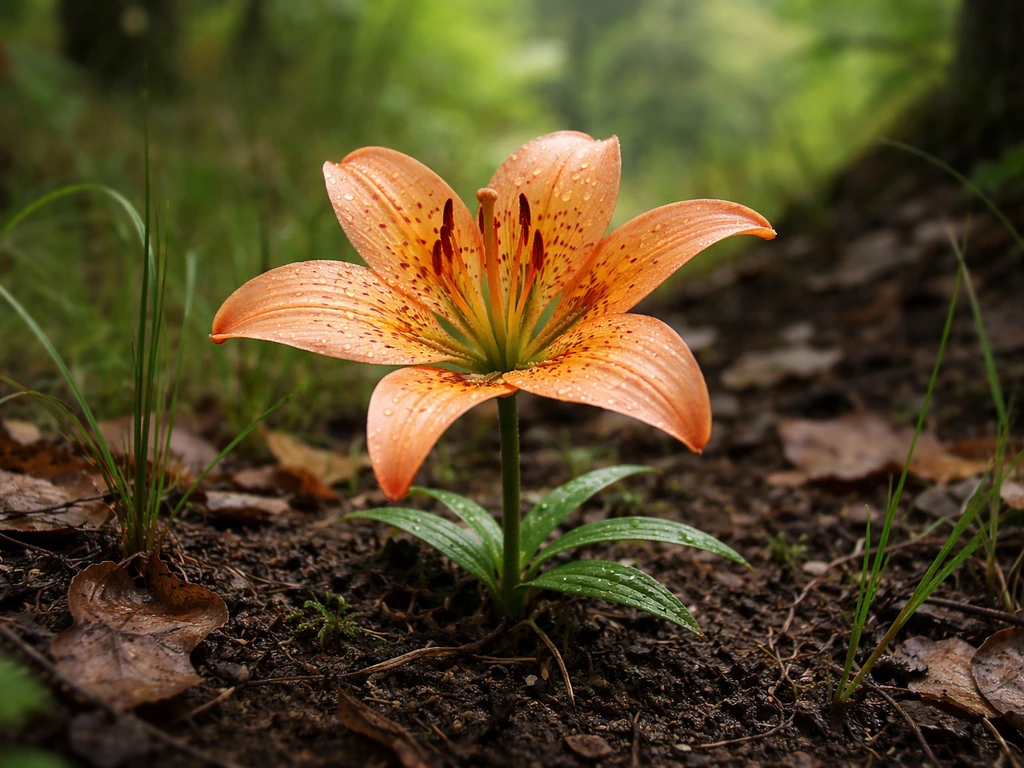
Fire lilies grow natively in the warm, shaded woodlands of South Africa and Eswatini, and if you want to grow one successfully at home, you need to replicate those exact conditions: filtered light, well-drained slightly acidic soil, seasonal watering, and frost-free temperatures. If you are asking specifically where flame lily grows, note that it is a different species with its own native range and growing conditions. If you are trying to figure out where white lilies grow, compare your conditions with the native light, soil, and seasonal rainfall patterns for your plant. The tricky part is that "fire lily" is a name slapped onto several completely different plants, so before you dig a hole or buy a pot, it helps to know which fire lily you're actually dealing with.
Where Do Fire Lilies Grow and How to Replicate It
Which plant are we actually talking about?
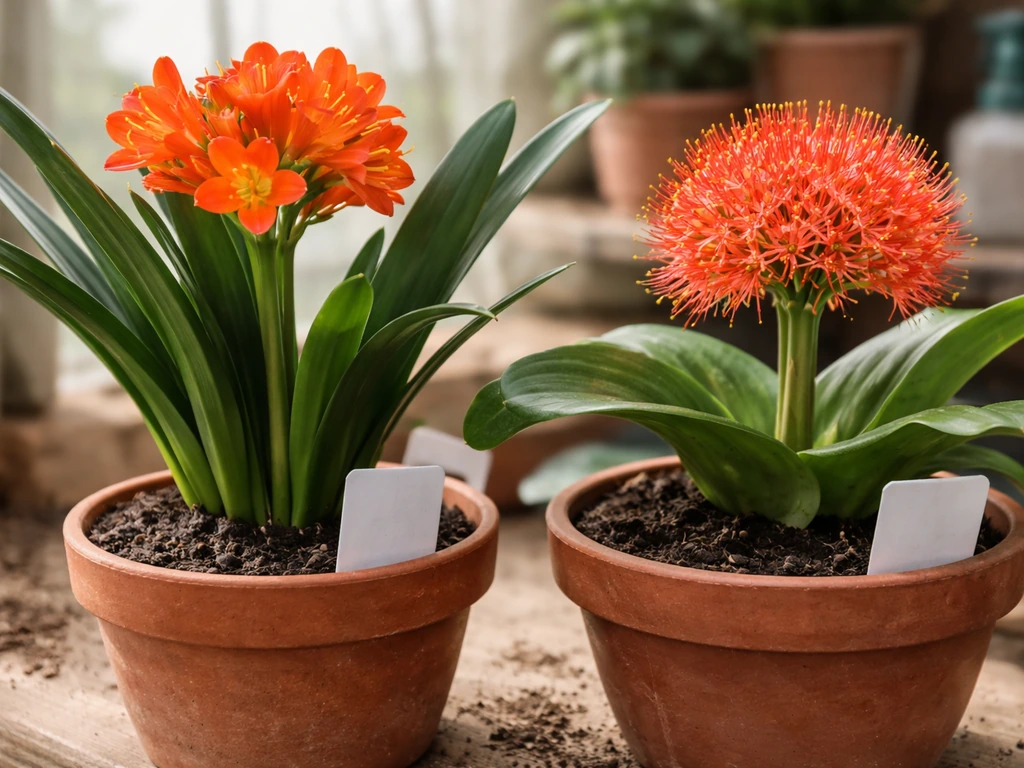
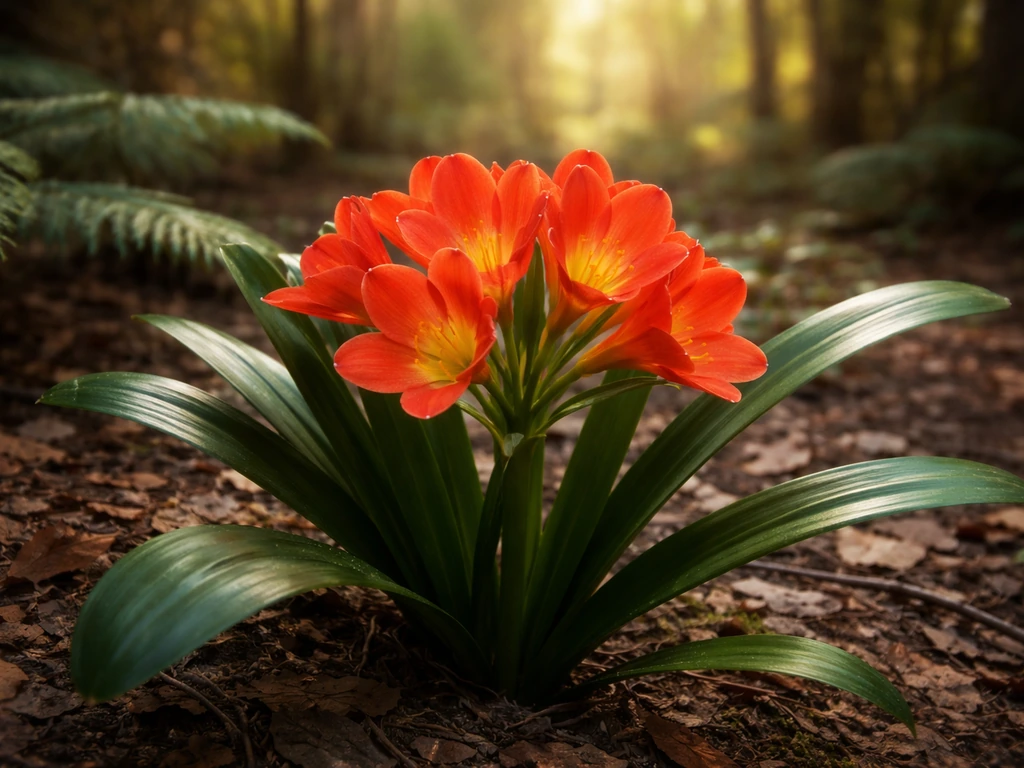
"Fire lily" is one of those common names that causes genuine confusion because it gets applied to more than one plant. The species most widely sold and labeled as fire lily in UK and US horticulture is Clivia miniata, sometimes called Natal lily or bush lily. If you've bought something called a fire lily from a garden center or received one as a houseplant, there's a very good chance this is what you have. It has broad, strap-like leaves that form a dense clump, and it produces clusters of trumpet-shaped orange or yellow flowers on a tall stalk. It does not look like a classic lily flower.
The other plant that carries the fire lily name is Cyrtanthus ventricosus, a bulbous South African plant from a completely different lineage. Cyrtanthus is more closely associated with post-fire flowering in the wild (hence the name), while Clivia miniata earned the trade name through its fiery orange blooms. The USGS publication “Smoke-induced flowering in the fire-lily Cyrtanthus ventricosus” discusses smoke as a flowering cue for this fire-lily species [Cyrtanthus is more closely associated with post-fire flowering in the wild](https://www. usgs.
gov/publications/smoke-induced-flowering-fire-lily-cyrtanthus-ventricosus). If your plant produces nodding, tubular red flowers from a narrow bulb and appears after fire or disturbance in the landscape, you may be dealing with Cyrtanthus. For most home gardeners in the UK, US, and Europe though, Clivia miniata is the one to focus on, and that is the plant this article centers on.
It is worth knowing that flame lily (Gloriosa superba) is yet another separate species that sometimes gets lumped into fire lily conversations, though that one is a true climber with very different care needs.
Where fire lilies come from naturally
Clivia miniata is native to a specific corridor of southeastern Africa: the Eastern Cape, KwaZulu-Natal, and Mpumalanga provinces of South Africa, plus Eswatini (formerly Swaziland). This is not a desert plant or a tropical rainforest plant. It occupies the middle ground: subtropical and warm-temperate woodland, growing underneath tree canopies where direct sun rarely reaches the forest floor. Think dappled shade, leaf-litter-rich soil, and seasonal rainfall patterns rather than constant moisture.
The New York Botanical Garden specifically describes Clivia's native environment as low-light woodland settings, which tells you almost everything you need to know about its light preferences. These woodlands have warm, humid summers and dry, mild winters. Temperatures rarely if ever drop to freezing. That seasonal contrast, wet and warm in summer, dry and cool in winter, is actually what triggers the plant to bloom. If you just water it consistently year-round and keep it warm, you may get beautiful foliage and zero flowers.
Native habitat vs. where they grow today in gardens
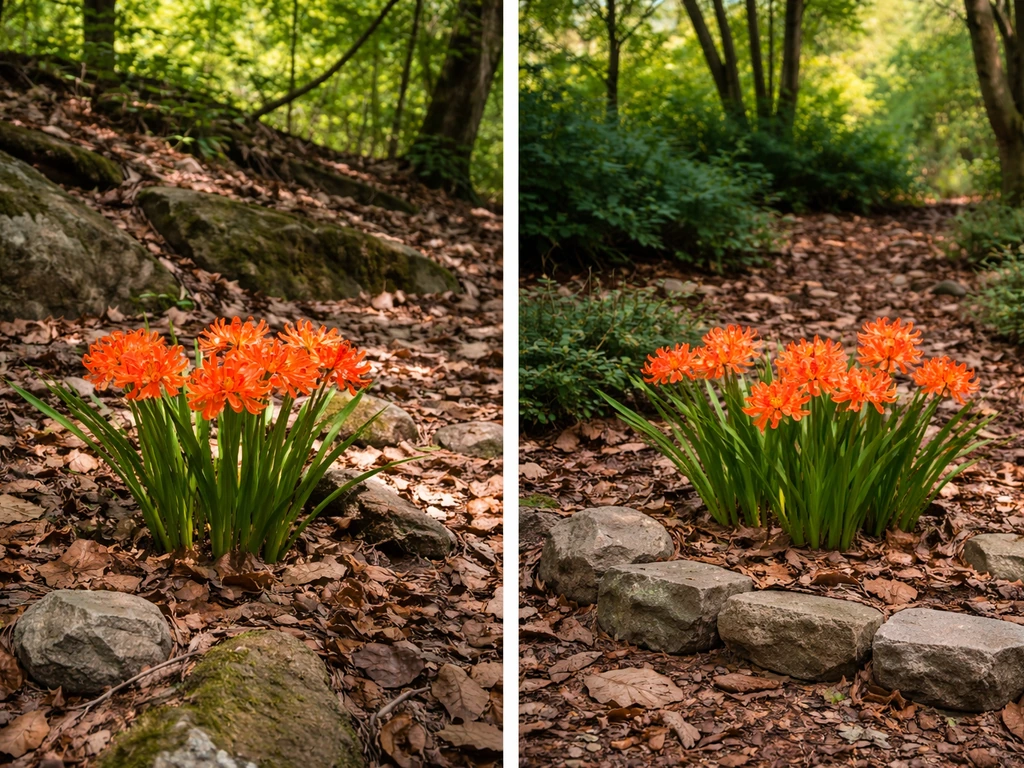
In their native range, fire lilies grow as understory plants under trees and alongside rocky slopes where leaf litter accumulates and drainage is naturally good. They are not bog plants. They experience seasonal dry periods that are genuinely dry, not just slightly drier.
In cultivated settings around the world, Clivia miniata has traveled far beyond South Africa. In USDA zones 9b through 12, it grows outdoors year-round in sheltered garden beds, often under the canopy of larger shrubs or trees, mimicking its native woodland understory. You will find it commonly used as a landscape plant in coastal California, Florida, New Zealand, Australia, and Mediterranean climates.
In cooler climates, including most of the UK and the majority of the US, it is grown as a houseplant or a container plant that spends summers outside and comes back indoors before the first frost. Unlike tiger lilies or wild lilies that tolerate a wider range of outdoor conditions, Clivia miniata is genuinely frost-tender and does not survive hard winters in the ground.
If you specifically mean tiger lilies, you can find them in a wider range of outdoor habitats depending on the variety.
Light: this is where most growers get it wrong
Because it evolved under a tree canopy, Clivia miniata wants bright indirect light or partial shade, not full sun. UF/IFAS Extension recommends growing it at around 25% shade, which in practice means a spot that gets filtered or dappled light rather than direct midday sun. The NYBG confirms this: low light, woodland settings. Logee's, a specialist grower, recommends eastern, western, or northern exposures for container plants, which naturally gives you softer morning or afternoon light without the intensity of a south-facing window.
Direct harsh sun scorches the leaves and stresses the plant. I have seen it happen with a plant left in a south-facing window through a hot July. The leaves bleach and develop papery patches that never recover. If you are growing it outdoors in a warm climate, plant it under a tree or on the north side of a wall. Indoors, a bright east-facing windowsill is close to ideal. A spot that gets three to four hours of gentle morning sun followed by shade for the rest of the day replicates the woodland understory well.
Soil, drainage, and moisture: the seasonal rhythm matters
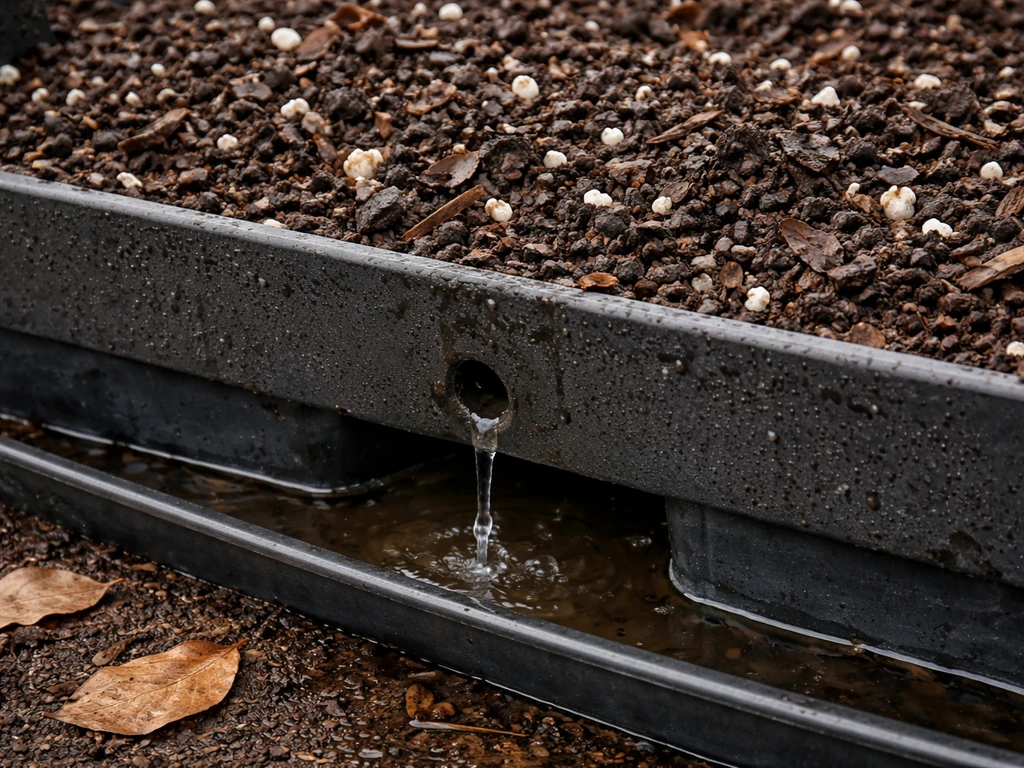
Clivia miniata prefers a slightly acidic soil with a pH of around 5 to 6, according to NYBG guidance. In a garden bed, a woodland-style mix with organic matter and good drainage hits this naturally. In containers, a good-quality peat-based or coir-based mix with added perlite for drainage works well. The key word throughout every reliable source is drainage. NYBG notes that poor drainage is one of the main triggers for repotting problems, meaning the roots suffer when the soil stays wet too long.
The moisture rhythm is just as important as the soil itself. During spring and summer, water regularly but moderately, keeping the compost damp but not wet. BBC Gardeners World is clear on this distinction: damp, not wet. In winter, the plant needs to slow down, and NYBG says you should let it pretty much dry out during this rest period. This dry winter rest is what mimics the seasonal dry period in its native habitat, and it is what tells the plant to form flower buds. If you keep watering heavily through winter, you will likely end up with a perfectly healthy, leafy plant that stubbornly refuses to flower.
What growing zones work and how to check yours
Outdoor year-round growing of Clivia miniata works reliably in USDA hardiness zones 9b through 12. That covers the warmest parts of California, Florida, the Gulf Coast, Hawaii, and similar climates. In zone 9b, winter lows typically sit around 25 to 30°F, which is borderline for Clivia: it can survive with a sheltered position and some protection, but a hard freeze will damage or kill it. UF/IFAS Extension flags cold injury beginning below 50°F (10°C), labeling it as Tender II, which is a useful reminder that even cool nights can stress this plant.
If you are in zone 9a or colder, treat it as a container plant. Bring it indoors when nighttime temperatures start dropping toward 50°F in autumn. In the UK, virtually the entire country falls outside the outdoor growing range for permanent beds, so the standard approach is a cool but frost-free greenhouse, conservatory, or well-lit indoor space for winter, with the option to move the plant to a sheltered patio in summer.
| USDA Zone | Winter Low (approx.) | Can Grow Outdoors Year-Round? | Practical Approach |
|---|---|---|---|
| Zones 10–12 | Above 30°F / -1°C | Yes, reliably | Plant in shaded garden bed; water seasonally |
| Zone 9b | 25–30°F / -4 to -1°C | Possible with shelter | Sheltered spot; mulch heavily; monitor frost |
| Zone 9a | 20–25°F / -7 to -4°C | Not reliably | Container plant; bring indoors before first frost |
| Zones 8 and below | Below 20°F / -7°C | No | Permanent houseplant or container plant; outdoors only in summer |
The bloom trigger: why a cool dry winter is non-negotiable
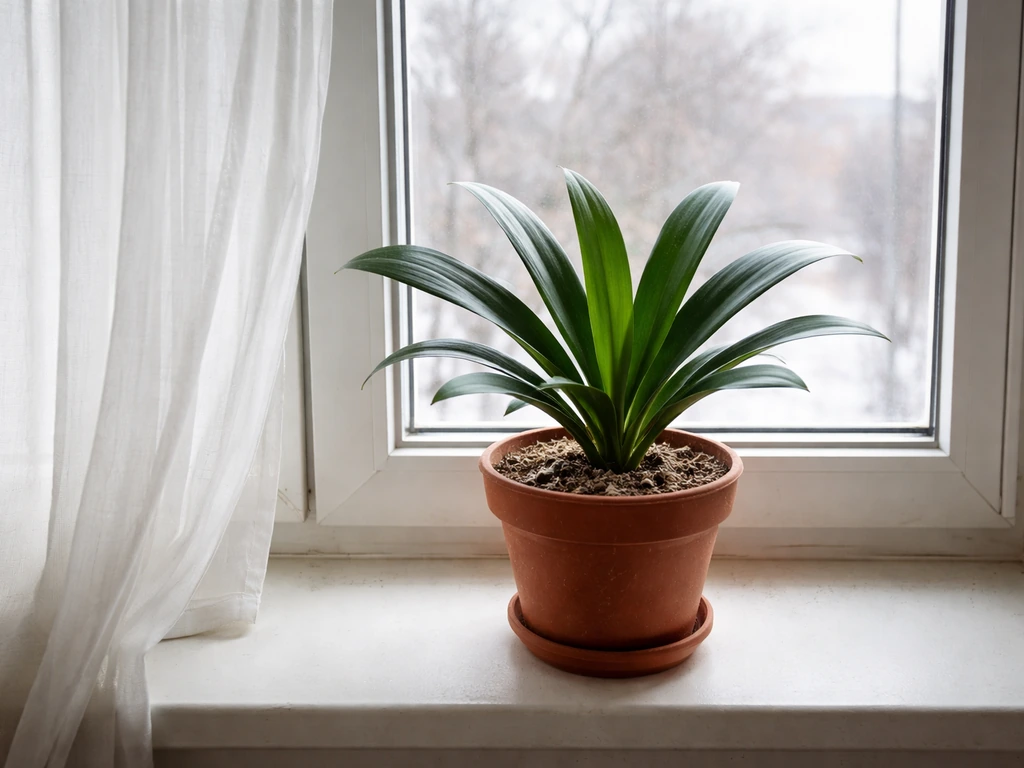
Here is the detail that makes or breaks flowering for most growers. UF/IFAS Extension specifies that Clivia miniata needs 8 to 10 weeks of temperatures between 50 and 60°F (10 to 16°C) in fall and early winter to set flower buds. During this period you should also be withholding water and keeping the plant in that cool, slightly dry state. This period directly mirrors the mild, dry winter the plant experiences in South Africa's KwaZulu-Natal region.
If you keep your plant in a warm centrally heated living room all winter and water it regularly, it will not experience the cue it needs. Move it to a cool spare room, a porch, or a greenhouse that runs cool but stays above freezing, cut back the watering dramatically, and wait.
Outdoor vs. indoor growing: setting up for success
Outdoor setup in suitable climates
In zones 9b and warmer, plant Clivia miniata in a spot that replicates its woodland understory origins. Under a tree canopy or on the shaded side of a building works well. The soil should be well-drained with added organic matter; avoid heavy clay without amendment. Water regularly through spring and summer, and then ease off dramatically as temperatures drop in autumn. Leave the winter rest period as dry and cool as your climate naturally provides. In genuinely tropical zones (11 and 12), the temperature contrast is less dramatic, so some growers artificially reduce watering to compensate and encourage flowering.
Indoor and container setup
- Choose a pot with good drainage holes and use a well-draining mix with perlite added; Clivia actually blooms better when slightly root-bound, so do not over-pot.
- Place it in a bright east or west-facing window, or a few feet back from a south-facing window where it gets bright indirect light rather than direct sun.
- Water regularly through spring and summer, letting the top inch of soil dry out slightly between waterings. Keep the compost damp, not saturated.
- In early autumn, move the plant to a cooler space: around 50 to 60°F (10 to 16°C). A cool bedroom, enclosed porch, or conservatory works. Cut watering back significantly.
- Maintain this cool, dry rest for 8 to 10 weeks. Resume normal watering when you see a flower spike emerging, usually in late winter or early spring.
- Once flowering is done, move it back to its regular bright spot and resume the summer watering schedule.
The container approach is how most growers outside of warm climates succeed with fire lilies, and honestly, it works very well. The plant stays manageable in size, you have full control over its light and temperature, and a well-established container specimen that goes through a proper rest period can produce spectacular flower clusters year after year.
Is a fire lily right for your growing situation?
If you have a bright spot indoors that does not bake in direct sun, and you can manage a cool dry rest period in autumn and winter, you can grow a fire lily almost anywhere in the world. The plant is more forgiving than its frost-tender reputation suggests, as long as you respect the seasonal rhythm. If you are in a warm zone and have the right outdoor conditions, it makes a stunning low-maintenance shade garden plant.
If you are in a cold climate and want outdoor lilies with less fuss, tiger lilies or wild lilies may be more naturally suited to your garden, since they handle cold winters in the ground without any special treatment. To see where wild lilies grow, it helps to look at each species, because their native ranges can differ a lot.
For indoor growers who want drama and color from a shade-tolerant plant, though, Clivia miniata is genuinely hard to beat.
The bottom line: fire lilies grow naturally in warm, shaded South African woodlands with seasonal dry winters and well-drained soil. If you are also wondering where do rose lilies grow, use the same approach of matching native light and seasonal moisture patterns to your climate and setup. Match those conditions, give the plant its cool rest in autumn, and keep it out of harsh direct sun. Do that, and it will reward you with those vivid orange flower clusters that earned it the fire lily name in the first place.
FAQ
How can I tell whether my “fire lily” is Clivia miniata or something else?
Look at the flower and plant form. Clivia miniata has strap-like leaves in a dense clump and produces clusters of trumpet-shaped orange or yellow flowers on a tall stalk. Cyrtanthus tends to have narrower bulbs and nodding tubular red flowers, and Gloriosa superba is a climber with very different foliage and flowers.
What light level should I aim for if my home has only south-facing windows?
Avoid direct midday sun because it can scorch and permanently damage leaves. Use a bright east window, or filter the sun with a sheer curtain and place the pot a bit back from the glass. If the plant still bleaches, move it to a shaded room corner with bright indirect light.
Why does my fire lily make leaves but never flowers?
The most common cause is skipping the cool, slightly dry winter rest. Clivia needs about 8 to 10 weeks around 50 to 60°F (10 to 16°C) in fall and early winter, plus reduced watering. Continuous warmth plus regular watering often results in foliage with no bud formation.
How dry is “dry” during the winter rest?
Let the pot mix dry out substantially between waterings, and in a cool rest period you may only need small amounts occasionally to prevent the mix from becoming bone dry for weeks. The key is to avoid heavy soaking, because wet, cool conditions increase the risk of rot.
Do I need to fertilize, or can I focus only on watering and light?
Fertilize lightly during active growth, typically spring through summer, because excess fertilizer without adequate seasonal rest usually does not improve flowering. Stop or reduce feeding during the cool, dry rest period and resume after you see new growth.
What soil should I use in containers, and is peat-based always best?
Use a fast-draining mix with good aeration, and the exact base (peat or coir) is less important than drainage and structure. Add perlite or pumice to keep the roots from staying wet, and avoid dense mixes that hold water like heavy garden soil.
How do I know if my container is draining well enough?
After watering, the pot should drain quickly through the bottom holes, and you should not see standing water in the saucer for long. If the mix stays wet for many days, repot into a chunkier mix and check that the pot has adequate drainage holes.
Should I repot my fire lily immediately if it was just bought?
Usually no. Wait until you can observe its growth cycle, especially if it is between bloom and rest. Only repot if the roots are overcrowded, the mix is poorly drained, or the plant is clearly unstable, and choose a time when you can still provide the correct light and winter rest afterward.
What temperature can Clivia tolerate outdoors, and what should I do in borderline weather?
Clivia is frost-tender. In zone 9b it may survive outdoors with protection, but hard freezes can damage it. If nights approach damaging cold, move the pot to a sheltered spot or indoors, and avoid watering right before a cold snap.
My plant gets morning sun but harsh afternoon sun, should I change anything?
Yes, afternoon intensity is often what causes leaf scorch. Aim for gentle morning light followed by shade for the rest of the day, or shift the plant to an east or north exposure. If you must keep it near a bright window, use distance from the glass and filtration to reduce direct rays.
Can I grow fire lilies outdoors in climates that are very humid or rainy?
Yes, but prioritize drainage over everything. In humid, rain-prone areas, use raised beds or gritty mixes, keep plants under canopy if possible, and avoid waterlogged soil. During winter, mimic the dry rest period even if your climate is wet (for containers, shelter or cover the pot to stop constant soaking).
What pests or problems should I watch for?
The most frequent issue is root or crown rot from staying wet. Watch leaves for sudden yellowing or mushy bases, and ensure the pot mix dries between waterings. Scale and mealybugs can also occur indoors, so inspect leaf joints and wipe or treat early.
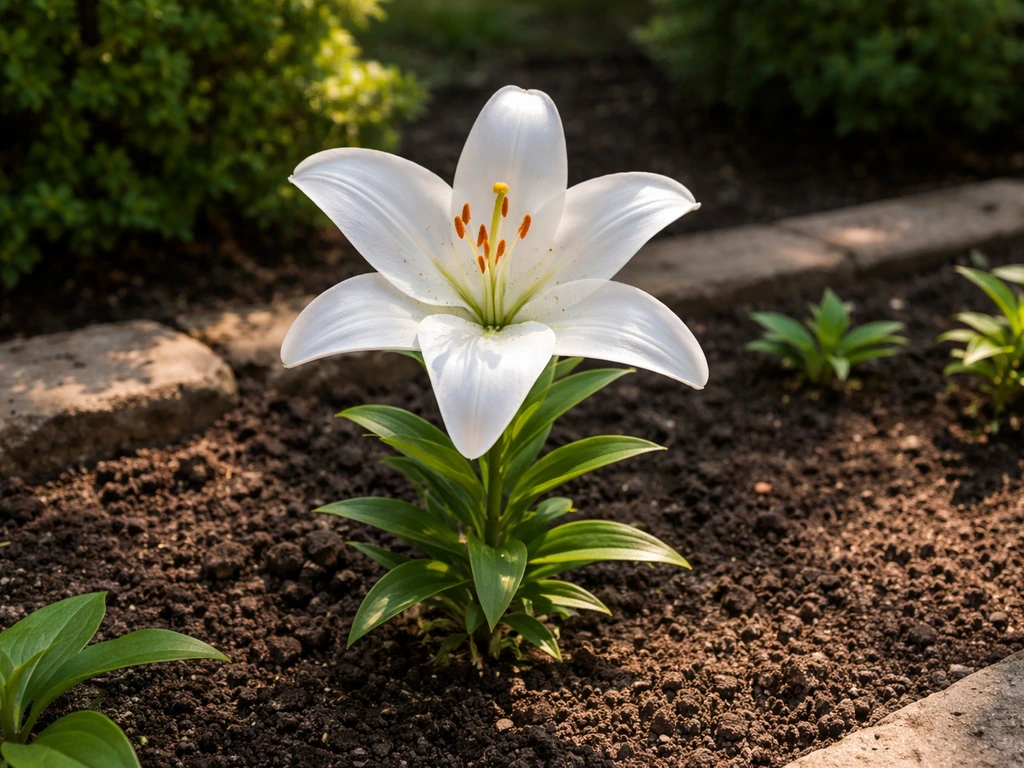
Where white lilies grow best: hardiness zones, light, soil, drainage, and a yard checklist for true lilies vs lookalikes
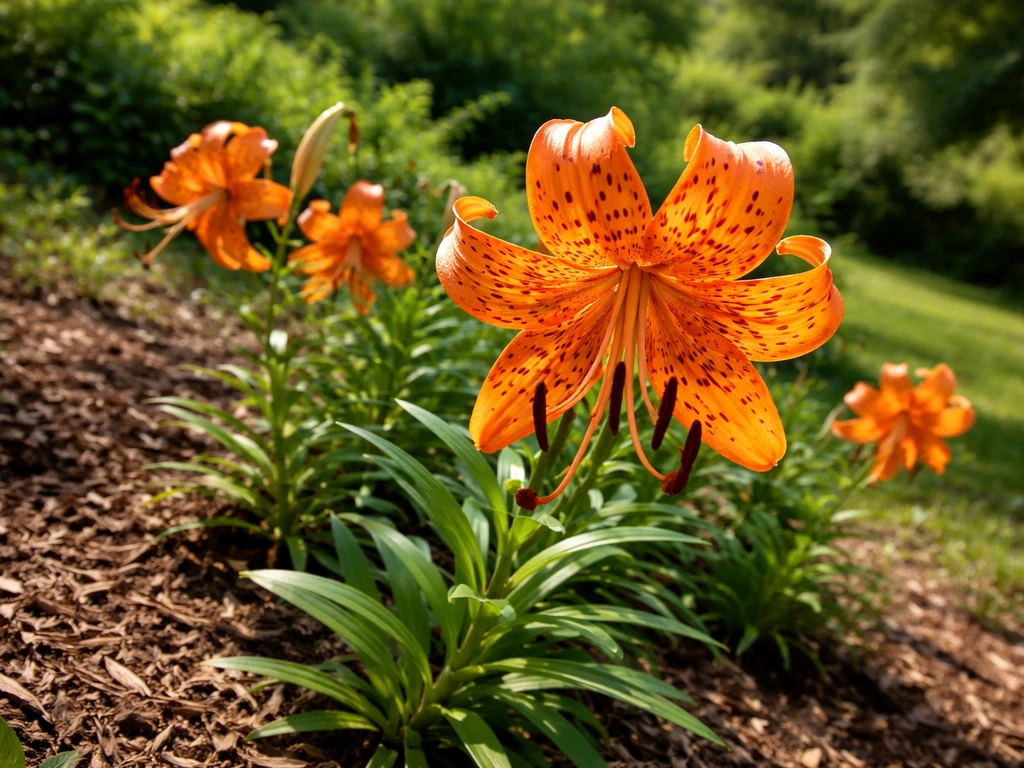
Discover where tiger lilies grow naturally and best in gardens, plus light, soil, drainage, planting depth, and care tip
Find where wild lilies grow by region, habitat, soil and moisture, then match local native lilies for better cultivation