
White lilies grow best in well-drained, moderately fertile soil with full sun to partial shade, in USDA hardiness zones roughly 4 to 9 depending on the specific variety. But before you run outside with a trowel, the single most important thing to nail down is which white lily you actually mean. The answer changes quite a bit depending on that.
Where Do White Lilies Grow? Zones, Soil, and Planting Guide
Marcus Hendricks
13 Apr 2026
First, which "white lily" are you talking about?
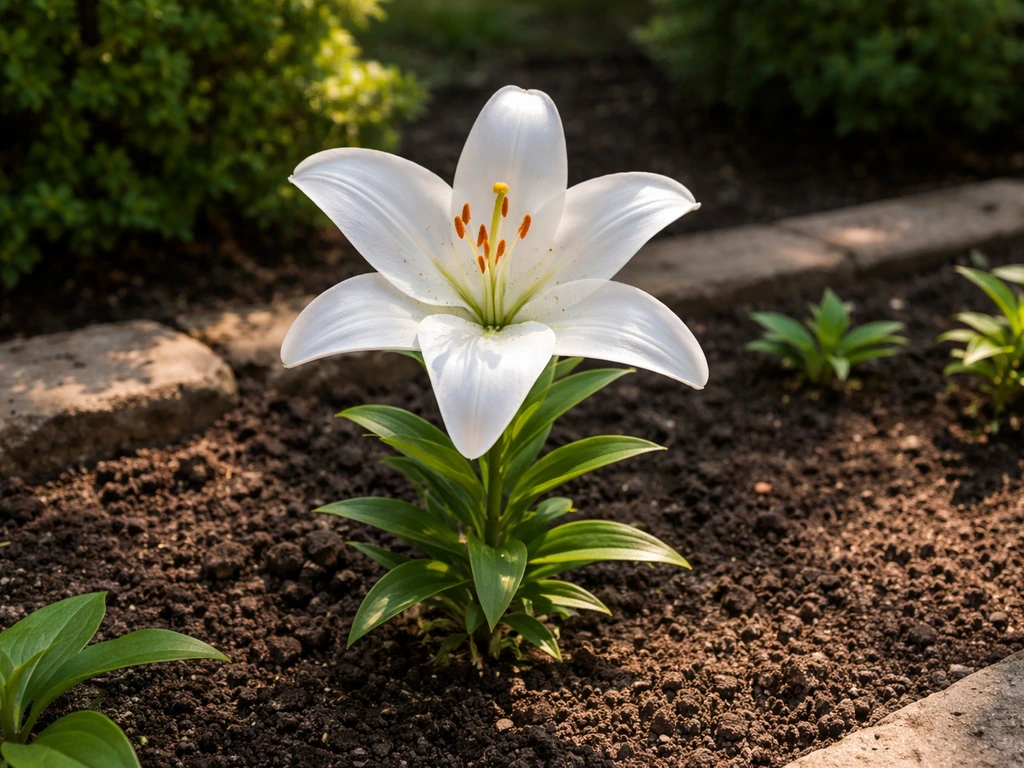
This trips up a lot of gardeners, and honestly it tripped me up too when I first started. The term "white lily" gets applied to several very different plants, and their growing needs are not interchangeable. True lilies belong to the genus Lilium. They grow from scaly bulbs, have upright stems with whorled leaves, and produce those classic six-petaled flowers. The iconic white ones include Lilium candidum (the madonna lily), the Oriental hybrid 'Casablanca', and various other white-flowered Oriental and Asiatic types.
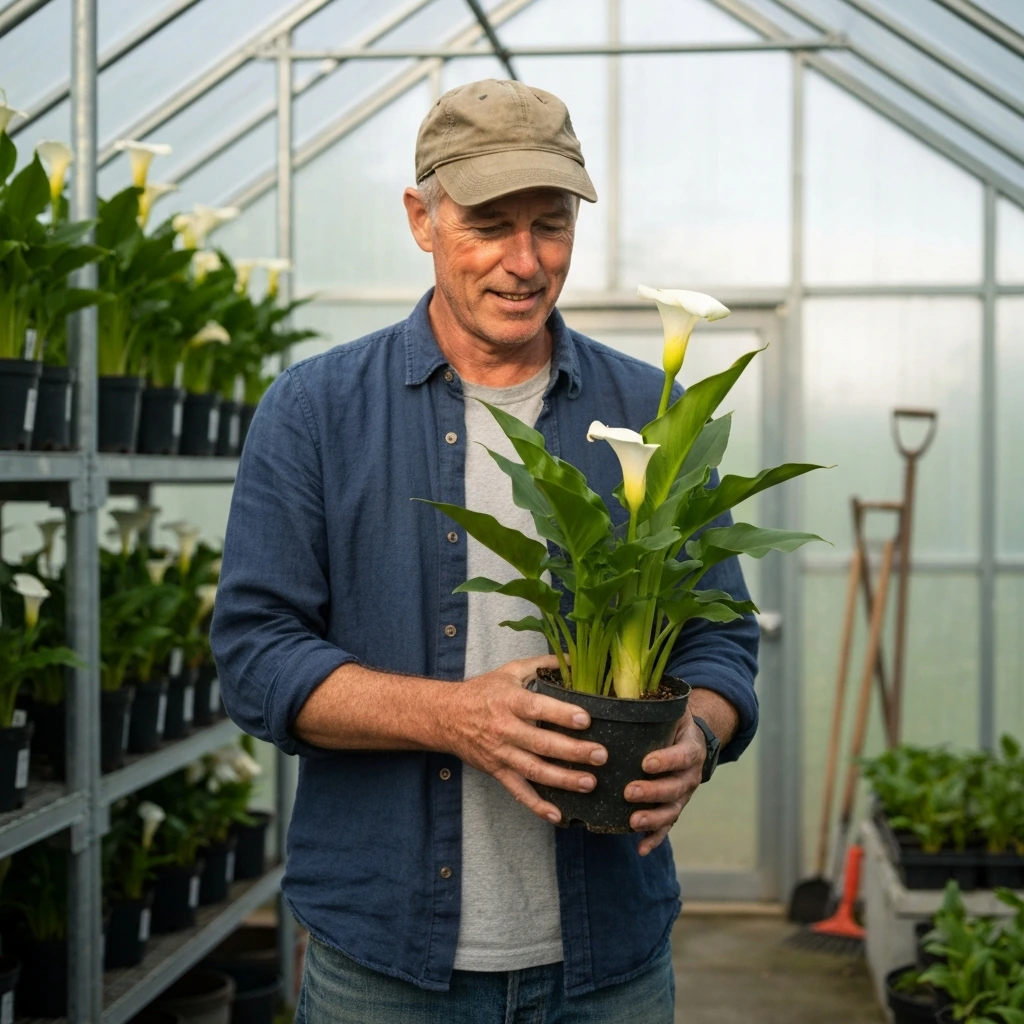
Then there are the plants commonly called "lilies" that are not true lilies at all. Peace lilies (Spathiphyllum) are tropical foliage plants that happen to produce white blooms. Calla lilies (Zantedeschia) are not true lilies either: as UGA Extension points out, their flower is actually a spadix surrounded by a spathe, and they grow from rhizomes or corms rather than bulbs. Water lilies are aquatic plants in an entirely different family. If you're growing any of those, the guidance below won't fit. This article focuses entirely on true white-flowered lilies in genus Lilium, because that's the plant most people picture when they search for where white lilies grow.
Where white lilies are native and which zones they call home

Lilium candidum, the madonna lily, is the original "white lily" of Western tradition and culture. Its native range stretches across the eastern Mediterranean basin: the Balkan Peninsula, Greece and the Aegean Islands, Turkey, Lebanon, Israel, and eastward into northern Iraq, western Iran, and as far as the Herat region of Afghanistan. It has also naturalized in parts of Europe and North Africa over centuries. In cultivation, most sources put its hardiness at USDA zones 6 to 9, though its love of alkaline, dry Mediterranean conditions means it can struggle where summers are wet and humid.
The more popular modern choice for a white garden lily is the Oriental hybrid 'Casablanca' (sometimes spelled Casa Blanca). This one is more forgiving. Depending on which source you trust, it's reliably hardy in zones 5 to 8 or 5 to 9, and with good winter mulching it can even survive in zone 4. If you want to dig into the full range of white-flowering species that grow in natural landscapes, including some you might never have considered, it's worth reading about where wild lilies grow to get a sense of how adaptable this genus really is across climates.
| Variety | Native/Origin | USDA Zones | Notable Trait |
|---|---|---|---|
| Lilium candidum (Madonna lily) | Eastern Mediterranean, Middle East | 6–9 | Shallow planting, alkaline soil, winter rosette |
| Lilium 'Casablanca' (Oriental hybrid) | Hybrid origin | 4a–9b (with mulch in zone 4) | Large fragrant blooms, most popular white garden lily |
| Other white Oriental hybrids | Hybrid origin | 4–9 (varies) | Wide selection, broadly adaptable |
The best outdoor spot: sun, soil, and drainage
Give white lilies at least 6 hours of direct sun per day. Full sun is the default, but in regions with brutal afternoon heat (think zones 8 and 9), some midday shade helps protect the blooms from scorching. Partial shade works as long as morning sun is strong and the spot doesn't stay damp.
Soil is where most beginners go wrong. The number one requirement, repeated by every serious lily grower I've encountered, is drainage. Lilies absolutely will not tolerate soggy feet. Missouri Botanical Garden puts it plainly: the one non-negotiable is a well-drained bed. If your soil holds water, work in amendments: peat and compost, up to one-third each by volume, improve both drainage and fertility. On slopes or in flat yards with compaction problems, a raised or slightly mounded bed works even better because surface water runs off instead of pooling around the bulbs.
For Lilium candidum specifically, aim for a soil pH close to neutral or slightly alkaline. If your soil is very acidic, add lime. Rich, loamy soil with good fertility works well for Oriental hybrids like 'Casablanca'. Both types want moderate fertility, not an over-fertilized, nitrogen-heavy bed that pushes leafy growth at the expense of flowers.
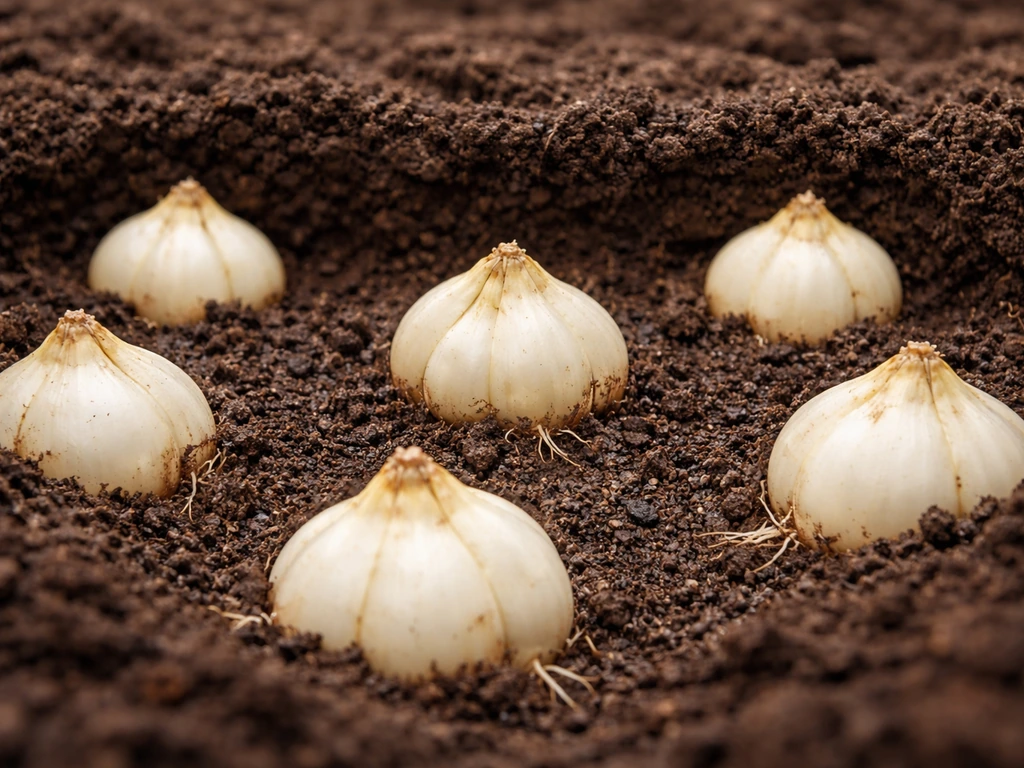
One thing that catches people off guard with Lilium candidum: the planting depth. Unlike most other lily bulbs, which you plant several inches deep, the madonna lily wants no more than about 1 inch of settled soil over the tops of the bulbs. Plant it too deep and it simply won't thrive. Oriental hybrids like 'Casablanca' follow standard lily depth rules and can go 6 to 8 inches down.
Water and humidity: moist but never waterlogged
White lilies want consistent moisture during their active growing season, especially as stems elongate and buds form. But they need the soil to dry out slightly between waterings. Think moist, not wet. Watering at the base of the plant rather than overhead matters more than most people realize: wet foliage creates the conditions that gray mold (Botrytis) needs to take hold. Botrytis is a fungal disease that causes buds and flowers to brown and rot, sometimes developing a characteristic fuzzy gray growth. It spreads via spores carried on air currents and splashing water, and free moisture on plant tissue is what allows infection to begin.
Good spacing also makes a real difference here. Crowded plants trap humidity around their stems and leaves. Giving each lily enough room for air to move through the planting reduces the persistently moist microclimate that gray mold loves. If you're planting in a bed, I'd suggest 12 to 18 inches between bulbs as a practical starting point.
After blooming, as the foliage dies back naturally, you can reduce watering. Lilium candidum is the exception again: it produces a basal rosette of leaves in winter, so it stays somewhat active even when other lilies are dormant, and it shouldn't be left completely dry.
Growing white lilies indoors versus outdoors
In-ground outdoor growing
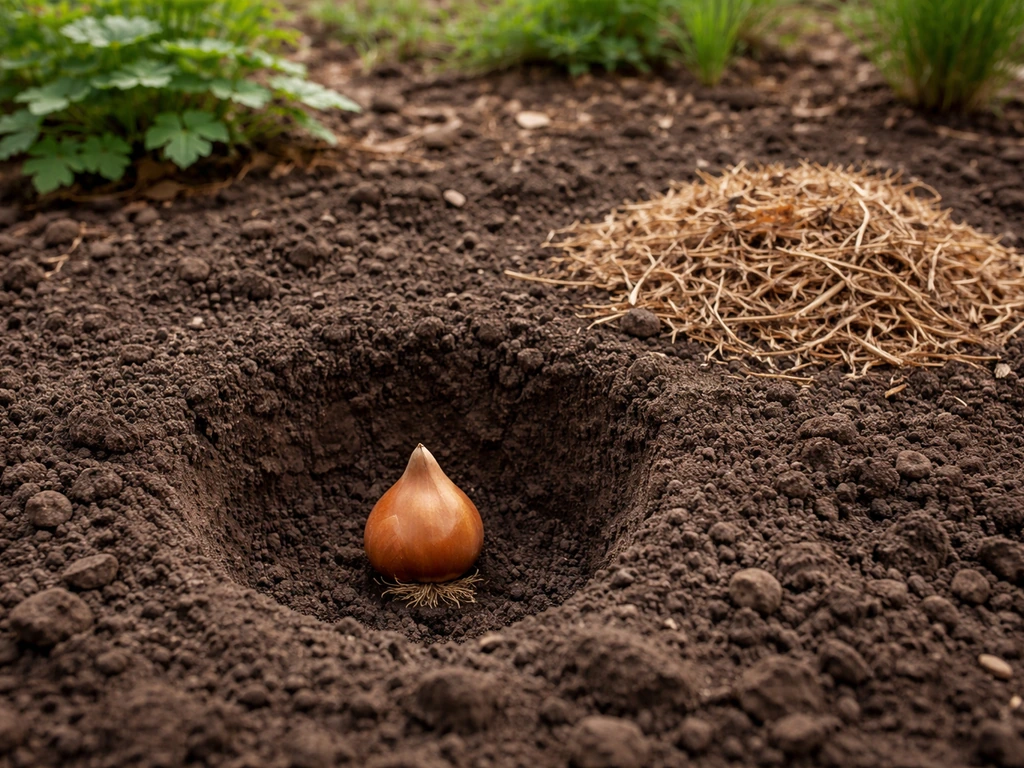
For most gardeners in zones 5 through 8, in-ground is the simplest approach. Pick a sunny spot with good drainage, plant bulbs at the right depth, mulch in fall in colder zones, and you're largely done. 'Casablanca' is the most reliable choice for a classic large-flowered white lily in this scenario. In zone 4, you can make it work with a 3 to 4 inch layer of mulch applied after the ground freezes in fall to protect bulbs from temperature swings.
Container growing
Containers open up white lily growing to people in apartments, small spaces, or climates that are too extreme in-ground. The key rules: use one gallon of potting mix per mature bulb, choose a pot at least 8 to 12 inches deep, and make sure there are ample drainage holes at the bottom. A container without drainage holes is a death trap for lily bulbs, full stop. Use a quality, well-draining potting mix rather than garden soil, which tends to compact in pots.
Place containers where they'll get at least 6 hours of bright light daily. A south or west-facing balcony or patio works well. In intense summer heat, you can move pots to afternoon shade more easily than you can move a garden bed, which is one of the real advantages of container growing. In winter, move pots to an unheated garage or shed in zones colder than 5 to protect bulbs from hard freezes. Just like tiger lilies, Oriental hybrids in containers need that dormant cold period to bloom reliably the following season, so don't keep them somewhere too warm over winter.
Does your yard actually work? A quick site checklist
Run through this before you buy bulbs. It'll save you money and frustration.
- Sun: Does the spot get at least 6 hours of direct sun? If it gets mostly afternoon shade, that's workable. If it's under a dense tree canopy, it's not.
- Drainage: Pour a bucket of water on the spot after rain. Does it absorb within an hour, or does it sit for several hours? Standing water means you need to amend the soil heavily or build a raised bed.
- Soil pH: Slightly acidic to neutral (6.0 to 7.0) suits most white lilies. For Lilium candidum, aim for neutral to slightly alkaline. A basic soil test kit (around $10–15 at garden centers) tells you where you stand.
- Zone: Are you in zones 5 to 8? You're in the sweet spot for 'Casablanca'. In zone 4, plan on winter mulching. In zones 9 and 10, heat and humidity during summer can stress Oriental hybrids.
- Airflow: Is the site open enough for air to move around plants? Avoid tight corners between buildings or dense shrub hedges where humidity lingers.
- Spacing: Do you have room to plant bulbs 12 to 18 inches apart? Crowding invites disease.
- Planting depth check for Madonna lily: If you're planting Lilium candidum, will you remember to plant it with only about 1 inch of soil over the bulb top? (Set a reminder. Seriously, this is the most common mistake with this species.)
Common mistakes to avoid
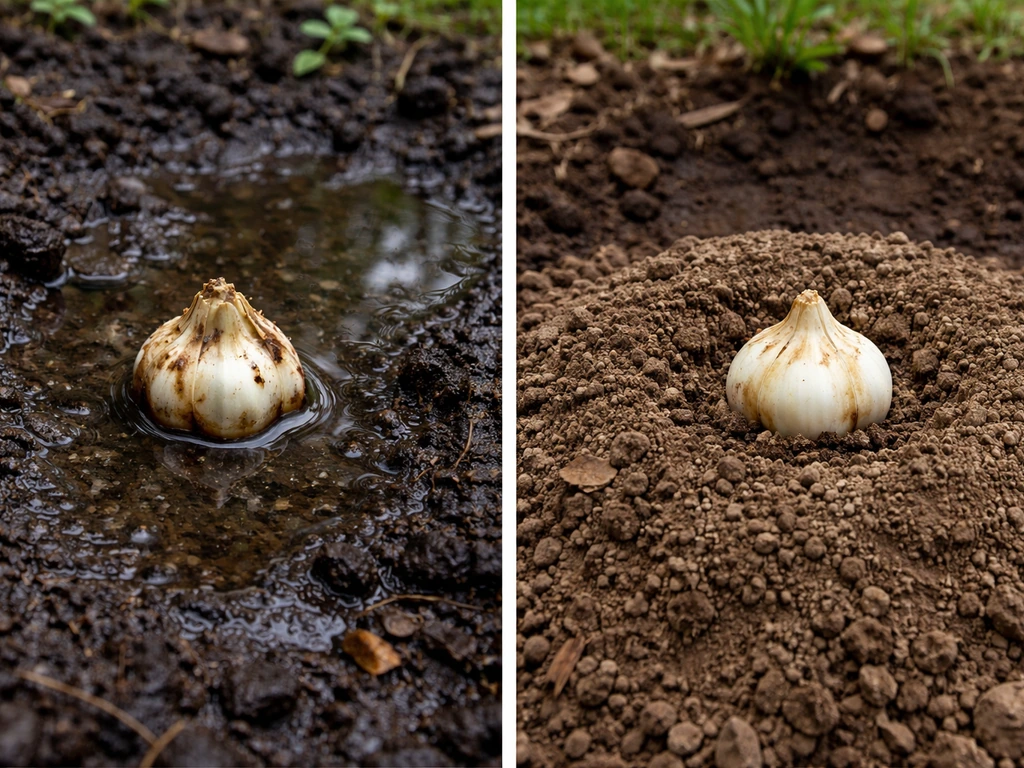
- Planting in low spots where water collects after rain. This is the single fastest way to lose lily bulbs to rot.
- Planting Lilium candidum too deep. Many gardeners treat it like an Oriental lily and bury it 6 inches down. It struggles or fails.
- Watering overhead instead of at the base. Wet foliage invites Botrytis, especially in humid climates.
- Skipping mulch in cold zones. In zone 4 or 5, unprotected bulbs can heave or freeze-dry over winter.
- Confusing white-flowered "lilies" with true lilies. Peace lilies want shade and consistent indoor warmth. Calla lilies have completely different moisture and soil needs. If you plant them based on Lilium advice, you'll likely be disappointed.
What to do if your conditions aren't perfect
If your climate is colder than ideal, zone 4 in particular, lean on winter mulching and choose 'Casablanca' or other Oriental hybrids with confirmed cold hardiness ratings rather than Lilium candidum, which struggles below zone 6. Apply 3 to 4 inches of straw or shredded leaves after the ground freezes, and remove it gradually in spring as temps stabilize. Container growing with winter garage storage is an even safer bet in very cold regions.
If your climate is hotter or more humid than ideal (zones 9 to 10 or areas with wet summers), the real challenge is disease pressure and heat stress rather than cold. Oriental hybrids like 'Casablanca' can struggle in these zones. Asiatic lily hybrids with white flowers tend to handle heat and humidity better, and they bloom earlier in the season before the hottest weather hits. Some gardeners in the Deep South treat Oriental lilies as annuals, planting fresh pre-chilled bulbs each spring and accepting they won't reliably return.
If your soil drains poorly and you don't want to build raised beds, containers really are your best option. You control every variable: drainage, soil mix, placement. It's honestly how I'd grow white lilies in a heavy clay yard without hesitation.
If your site is too shady, don't try to force it. Lilies in too much shade grow tall and floppy, produce fewer flowers, and are more vulnerable to disease. Move to a sunnier spot or don't plant them there. Some gardeners also find that plants related to lilies but adapted to shadier conditions, like rose lilies, can offer a different white-blooming option worth exploring depending on your specific light situation.
Picking the right white lily for where you are
Here's how I'd think about variety selection based on your location today. If you're in zones 6 to 8 with decent drainage and a sunny bed, you have the most options: Lilium candidum for a traditional, fragrant madonna lily experience, or 'Casablanca' for showstopping large blooms. If you're in zone 5 or a cold zone 4, go straight to 'Casablanca' or another hardy Oriental hybrid and commit to mulching. If you're in a hot, humid zone 9, look for heat-tolerant Asiatic whites or consider treating Oriental types as annuals.
It's also worth knowing that the white lily family is broader than most gardeners realize. There are some fascinating species with very different native habitats and adaptations. For example, fire lilies grow in dramatically different conditions than the classic white garden lily, which illustrates just how much variation exists within the broader lily world. And if you've ever seen bold, spotted lily flowers in the wild and wondered about them, looking into where the flame lily grows is a great reminder of how geographically diverse this plant family really is.
The bottom line: white lilies are not difficult plants. They ask for sun, drainage, appropriate planting depth, and enough airflow to stay dry between their stems and leaves. Get those four things right and you'll have blooms. Get them wrong, especially the drainage part, and you'll be puzzling over why your bulbs rotted or your plants look weak. Start with your site conditions, match the variety to your zone, and you'll be in good shape.
FAQ
Do white lilies need winter cold to bloom, even in a warmer climate?
It depends on which lily you mean. True white lilies (Lilium, like 'Casablanca' or Lilium candidum) need a cold dormant period for reliable flowering. In containers, that usually means keeping pots outside until hard freezes, then storing them unheated (garage or shed) only if your zone needs extra protection, and never letting them warm up continuously in winter.
What if it rains a lot where I live, can I still grow white lilies?
No, not if the soil stays saturated. Even though lilies like consistent moisture while growing, waterlogged conditions are the fastest route to bulb rot. If your area gets frequent summer rain, prioritize a mounded bed or raised planter, and consider relocating containers to a spot with better drainage rather than watering more often.
Will white lilies come back every year in the same spot?
Generally, no. White lily bulbs are not strong at reforming on the same planting spot year after year if the bed stays wet or if nutrients are unmanaged. If plants decline, split and replant (or refresh) bulbs when foliage finishes dying back, and improve drainage before replanting instead of just adding fertilizer.
How do I know the right planting depth for my specific white lily?
For Lilium candidum, avoid deep planting. It typically needs only about 1 inch of settled soil over the bulb tops, while Orientals like 'Casablanca' follow deeper lily rules (about 6 to 8 inches). If you plant the wrong depth for your variety, you may see weak growth or no reliable flowering.
What’s the best way to water white lilies to prevent gray mold?
Yes, but do it carefully. Overhead sprinkling can leave foliage wet, which increases gray mold risk. Water at the base in the morning, and if you see brown, rotting buds with gray fuzzy growth, remove affected parts promptly and improve spacing and airflow before the problem spreads.
Should I adjust soil pH for all white lilies or only certain types?
If your soil is very acidic, Lilium candidum is the one most likely to struggle. Aim for neutral to slightly alkaline pH for madonna lily, and add lime according to a soil test. For 'Casablanca' and other Orientals, the bigger win is still drainage and loamy, moderate fertility.
How much spacing do white lilies need, and why does it matter?
Use spacing to manage humidity, but also watch for wind and airflow in the bed. If plants are too crowded, the microclimate around stems stays damp longer after watering or dew, which feeds gray mold. A practical starting point is 12 to 18 inches between bulbs, then adjust if your variety grows larger.
What kind of potting mix and pot size actually works for white lilies in containers?
Container soil should drain fast and stay breathable. Don’t use straight garden soil, it compacts in pots and holds water. A quality well-draining potting mix plus a pot with real drainage holes is critical, and if water sits in the saucer, empty it right away.
How can I tell if the “white lily” I bought is a true lily (Lilium) or something else?
Yes, and it’s often the most common mistake when trying to answer where white lilies grow. First confirm it is Lilium, not peace lily or calla lily, because those are different plants with different requirements. If the plant is not a true lily, its “zone” and cultural needs won’t match this growing guide.
My yard has partial shade. Can I compensate with fertilizer instead of moving the lilies?
If your site is shady, don’t assume more fertilizer will fix it. Too little sun usually leads to tall, floppy growth, fewer blooms, and higher disease risk from lingering dampness. Either move to a brighter location with strong morning light, or consider a white-blooming alternative that tolerates your exact light level.
Next Articles
Where Do Tiger Lilies Grow Best and How to Grow Them
Discover where tiger lilies grow naturally and best in gardens, plus light, soil, drainage, planting depth, and care tip
Where Do Wild Lilies Grow? Native Habitats by Region
Find where wild lilies grow by region, habitat, soil and moisture, then match local native lilies for better cultivation
Can Calla Lilies Grow in Ponds? How to Set Up Successfully
Yes, with the right setup: water depth, substrate, anchoring, light, and overwinter care for pond or marginal calla lili