
Rose lilies grow best outdoors in USDA Zones 4 through 9, in a spot with 6 to 8 hours of direct sun, well-drained soil with a slightly acidic pH of 6.0 to 6.5, and consistent moisture during the growing season. Most are OT (Orienpet) hybrids or other double-flowered lily cultivars sold under marketing names like 'Rose Lily' or 'Rose Lily Mix,' and they perform almost anywhere a standard hybrid lily thrives, as long as the bulb never sits in soggy soil.
Where Do Rose Lilies Grow Best? Zones, Sun, Soil, Care
Marcus Hendricks
23 Apr 2026
What 'Rose Lily' Actually Means (and Why It Matters)
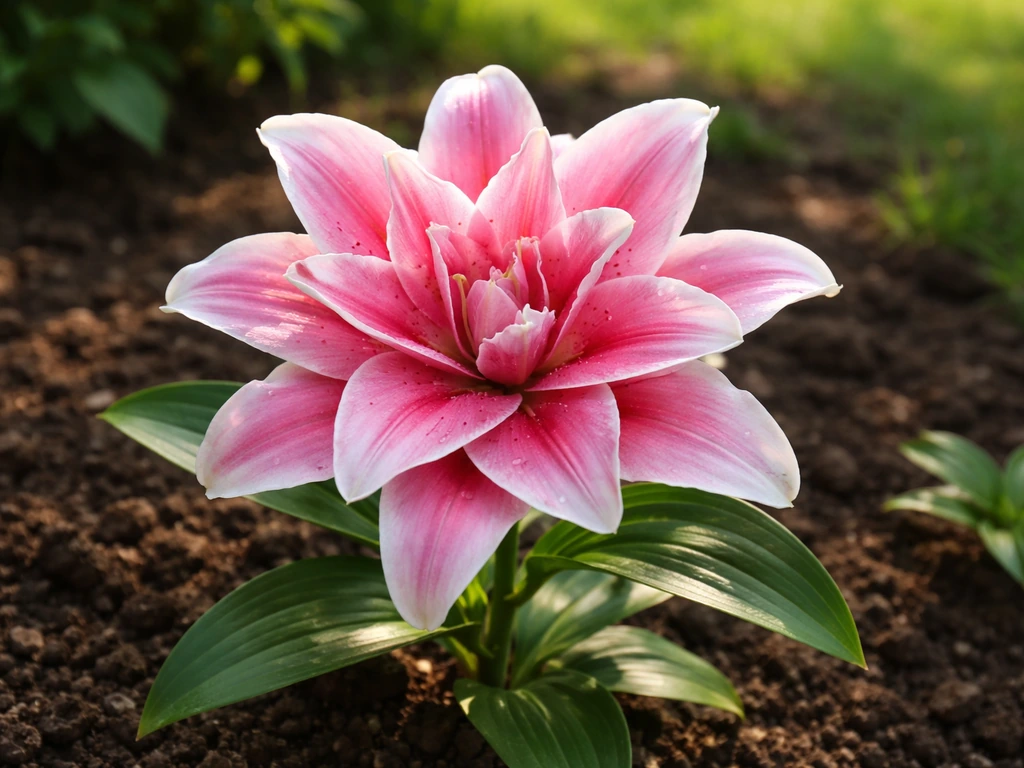
'Rose lily' is a trade name, not a single botanical species. You'll see it used two ways in nurseries and catalogs. First, it refers to a specific cultivar or series of double-flowered lilies bred to mimic the layered petal look of a rose. Cultivars like 'Samantha' (double pink blooms with white edges) are sold under this branding. Second, some retailers sell a 'Rose Lily Mix,' which is just a collection of similarly styled pink and rose-toned double lilies. Most of these fall under OT hybrids (a cross between Oriental and Trumpet lilies) or are closely related double-flowered horticultural hybrids. They're not wild lilies, and they're not the same as a straight Oriental or Asiatic lily, even if those come in pink shades.
Why does this matter for growing? Because the lily group determines your cold hardiness, bloom time, and fragrance level. OT hybrids like the rose-colored 'Robina' are notably cold-tolerant, often rated to Zone 4a (-30°F / -34°C), which is more forgiving than a straight Oriental lily. If you're unsure what you have, check your bulb packet or plant tag for the word 'OT,' 'Orienpet,' or 'double-flowered hybrid.' If there's no label, treat it as a standard hybrid lily until you know more.
Natural Range vs. Where They Actually Thrive in Gardens
Rose lily cultivars don't have a 'natural range' the way wild lilies do. They're human-bred hybrids, so their parentage spans multiple species from Asia, including species native to China, Japan, and Korea, regions with cold winters, warm summers, and reasonable rainfall. That heritage tells you something useful: these lilies like seasonal temperature swings. A warm, humid summer followed by a cold winter is actually what helps them recharge through dormancy.
In practice, home gardeners from the upper Midwest to the Pacific Northwest to the mid-Atlantic coast all grow rose lilies successfully. If you're wondering where flame lilies grow, it helps to match their climate and soil needs to your region before planting upper Midwest to the Pacific Northwest to the mid-Atlantic coast. They do well in temperate climates where summer highs stay mostly below 95°F (35°C) and winters are cold enough to give the bulb a proper rest. In warmer climates like the Deep South (Zone 9 and above), they can struggle to rebloom after the first year because the bulbs don't get the cold stratification they need. Pre-chilling bulbs in the refrigerator for 6 to 8 weeks before planting can help in those zones.
Best Climate and USDA Hardiness Zones
Rose lilies are most reliable in Zones 4 through 8. OT hybrids specifically, which include many rose-colored cultivars, can handle Zone 4a lows down to -30°F without needing to lift the bulbs. In Zones 4 and 5, apply a 3 to 4 inch layer of mulch over the planting area after the first hard frost to protect bulbs from freeze-thaw cycling. That's the main winter task in colder zones.
In Zone 9 or warmer, you have two realistic options. Lift the bulbs after the foliage dies back in fall, store them in slightly damp peat moss in a cool spot (ideally 35 to 45°F / 2 to 7°C) for two to three months, then replant in late winter. Or grow them in containers, where you control the chill more easily. I've had readers in Houston tell me they get decent first-year blooms from pre-chilled bulbs, but consistent multi-year performance is harder without that cold period.
| USDA Zone | Winter Low | Overwintering Strategy |
|---|---|---|
| 4a–5b | -30°F to -10°F (-34°C to -23°C) | Leave in ground; mulch heavily after frost |
| 6–7 | -10°F to 10°F (-23°C to -12°C) | Leave in ground; light mulch optional |
| 8 | 10°F to 20°F (-12°C to -7°C) | Leave in ground; monitor for early warm spells |
| 9+ | 20°F to 30°F (-7°C to -1°C) | Lift and chill bulbs, or grow in containers |
Light Requirements: How to Pick the Right Spot
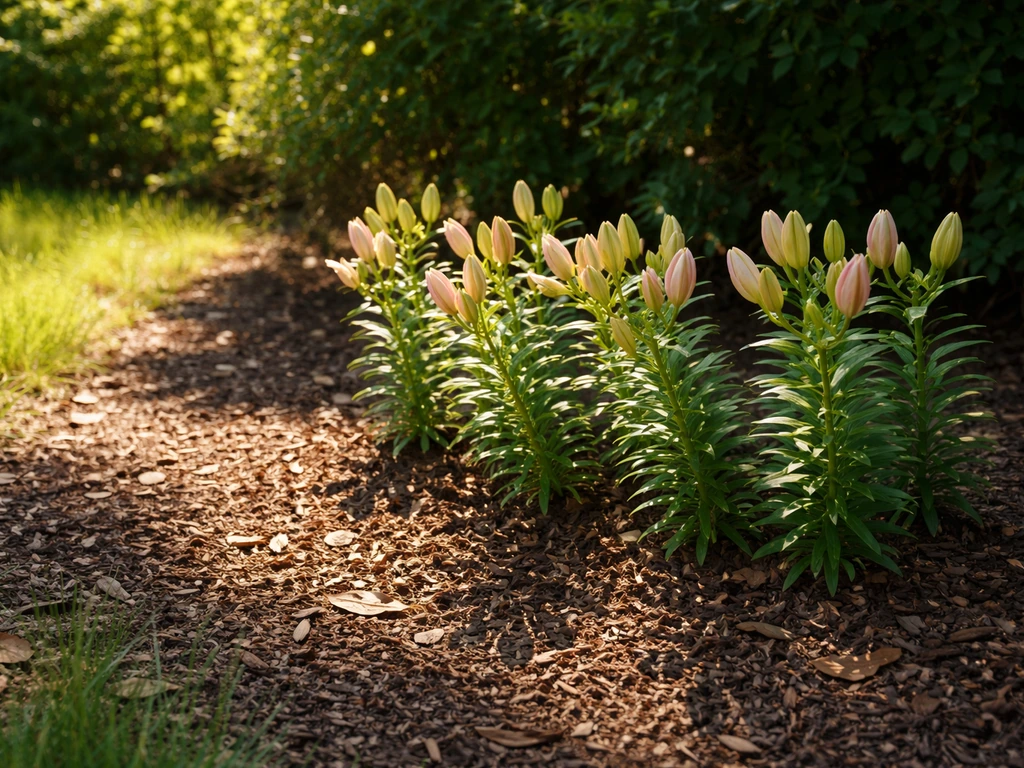
Rose lilies want at least 6 hours of direct sun per day, and 8 hours is even better for strong stems and full bloom. Unlike some shade-tolerant plants, a lily in too little light will stretch toward the sun (a process called etiolation), produce weak stems, and often fail to bloom at all. I learned this the hard way by planting a batch along a fence line that got morning shade, and the stems flopped over before the flowers even opened.
The one nuance worth knowing: in Zones 7 and warmer, afternoon shade during the hottest part of the day (roughly 2 to 5 pm) can actually protect the blooms from heat scorch and extend the flowering period by a few days. Morning sun with dappled afternoon shade is the ideal setup in hot climates. In Zones 4 through 6, full sun all day is fine and preferable. Also consider wind exposure: rose lilies can reach 36 to 48 inches (90 to 120 cm) tall, and a windy corner will knock them over or snap stems. A fence, wall, or taller plants to the north or west makes a good windbreak without blocking light.
Soil, Drainage, and pH: The Make-or-Break Factors
If there's one thing that kills more rose lily bulbs than anything else, it's waterlogged soil. Lily bulbs rot fast when they sit in standing water, even for a few days. Before you plant, test your drainage: dig a hole about 12 inches deep, fill it with water, and see how long it takes to drain. If it's still holding water after an hour, you need to amend or build up your bed before planting.
The target pH is 6.0 to 6.5, which is slightly acidic. Most garden soils fall somewhere in this range naturally, but it's worth a quick soil test (kits are available at most garden centers for a few dollars) especially if you're gardening on clay or chalk. For clay-heavy soil, work in generous amounts of coarse horticultural grit and compost to both improve drainage and lighten the texture. Aim for a final planting bed that feels loose and crumbles in your hand rather than clumping into a wet ball.
- Loamy, well-draining soil is the ideal base. Sandy loam works great.
- Add 2 to 3 inches of compost worked in to the top 12 inches for nutrition and texture.
- Avoid heavy clay without amendment. Add coarse grit or perlite to break it up.
- Raised beds are an excellent solution if your native soil drains poorly.
- pH target: 6.0 to 6.5. Lime raises pH; sulfur lowers it.
- Do not plant in low spots where water collects after rain.
Watering and Seasonal Care from Planting Through Bloom
Planting time (spring or fall)
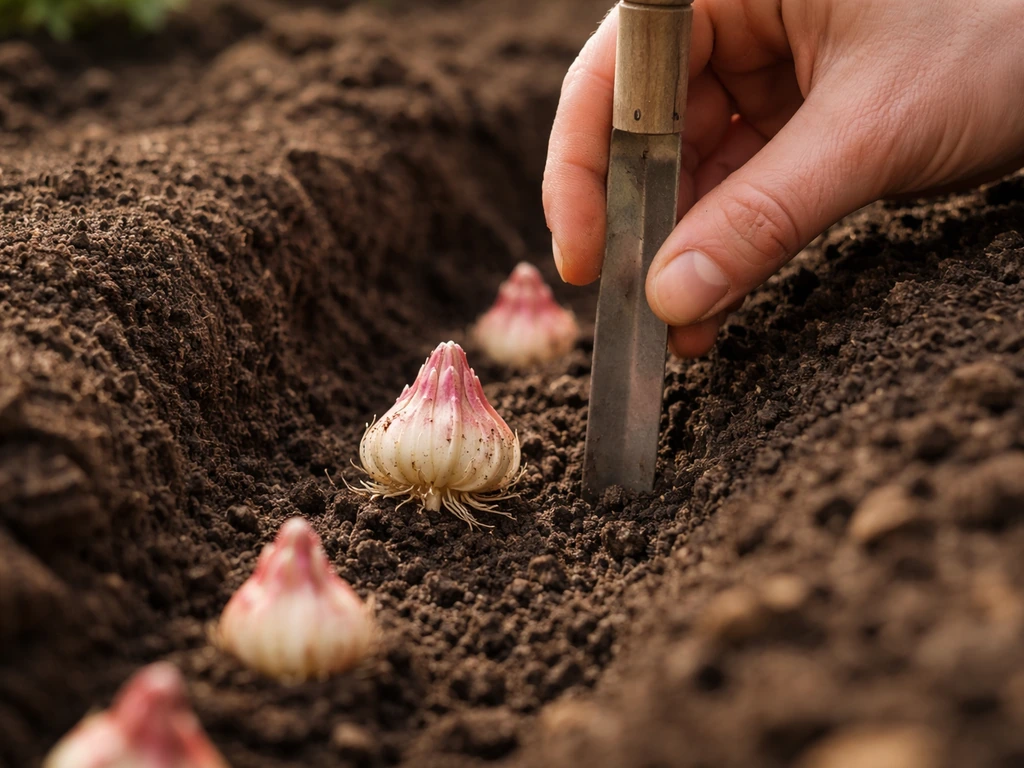
Plant bulbs in fall (for spring-to-summer bloom) or in early spring as soon as the ground can be worked. Set the bulb at a depth of three times its diameter, usually 6 to 8 inches deep for a standard-sized lily bulb. Water in well after planting to settle the soil around the bulb, then ease off until you see sprouts emerging. Overwatering a dormant bulb before it's actively growing is one of the most common ways to cause rot.
Active growing season (spring through bloom)
Once growth appears, water consistently so the soil stays evenly moist but never soggy. About 1 inch of water per week (combined rain and irrigation) is a good target. During the hottest, driest spells, check the soil an inch down: if it's dry, water deeply at the base of the plant rather than overhead. Wet foliage invites fungal issues, so a drip line or soaker hose beats a sprinkler. A 2 to 3 inch layer of mulch around (not touching) the stems keeps moisture in, regulates soil temperature, and suppresses weeds.
After bloom and into dormancy
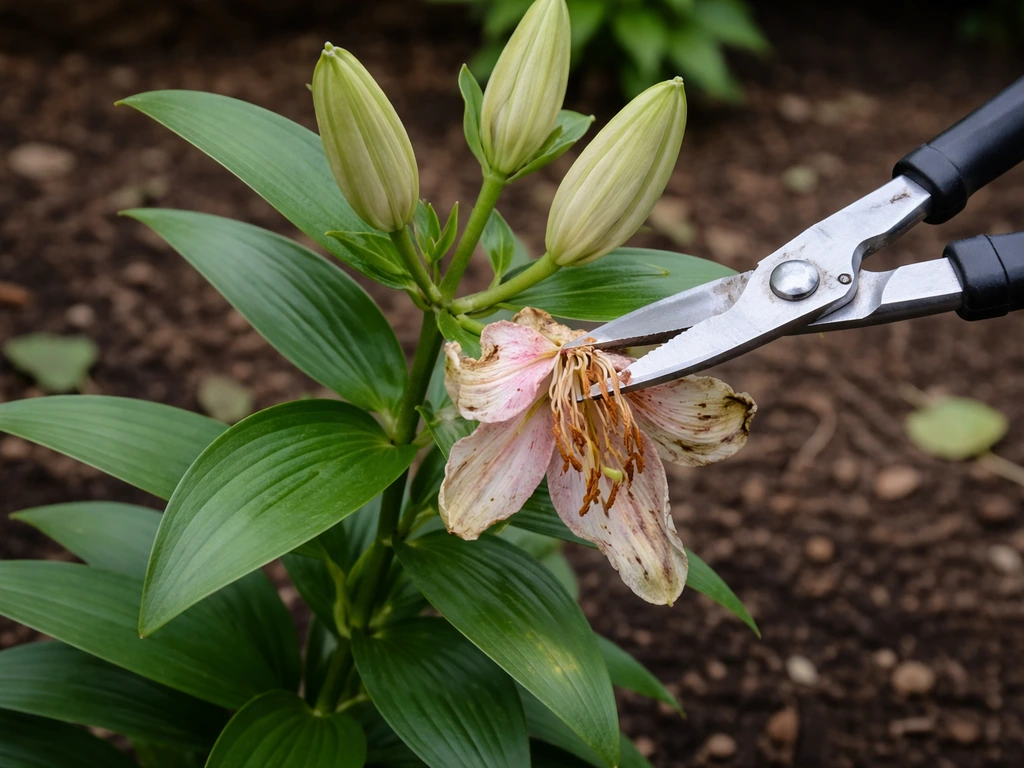
After the flowers fade, leave the stems and foliage in place. The leaves are still photosynthesizing and sending energy back to the bulb for next year's bloom. Cut off the spent flower heads so the plant doesn't put energy into seed production, but leave the green stems. Reduce watering gradually as the foliage yellows naturally in late summer or fall. Once the foliage has fully died back, you can cut it down to the ground. In Zones 4 and 5, add your mulch layer at this point.
Growing Rose Lilies in Containers and Indoors
Container growing is a legitimate option and works especially well if you're in Zone 9+, have poor native soil, or want to move plants to a sheltered spot for winter. Choose a pot that's at least 12 inches deep and 12 inches wide per bulb, with drainage holes. Use a high-quality potting mix blended with extra perlite (roughly a 3:1 ratio of potting mix to perlite) to ensure the fast drainage that lily bulbs need.
Place the container where it gets 6 to 8 hours of direct sun, which usually means a south- or west-facing patio or balcony. Containers dry out faster than garden beds, so check soil moisture every couple of days in warm weather and water when the top inch feels dry. Feed with a balanced slow-release fertilizer at planting and a liquid bloom fertilizer (high in phosphorus) once buds form.
For indoor growing, a rose lily in a pot can be forced to bloom inside if you have a very bright south-facing window or strong grow lights. But honest advice: these plants are much happier outside. Indoors, insufficient light leads to floppy stems and poor flowering. If you're growing one as a houseplant gift or seasonal display, place it in the brightest spot possible and move it outdoors as soon as nighttime temps stay above 45°F (7°C).
To overwinter container-grown bulbs in cold zones, move the pot to an unheated garage or basement once the foliage dies back. The temperature should stay between 35 and 50°F (2 to 10°C). Stop watering almost entirely during this period, just enough to keep the bulb from completely desiccating. Bring it back out in spring when temperatures rise.
Signs Your Rose Lily Is in the Wrong Spot
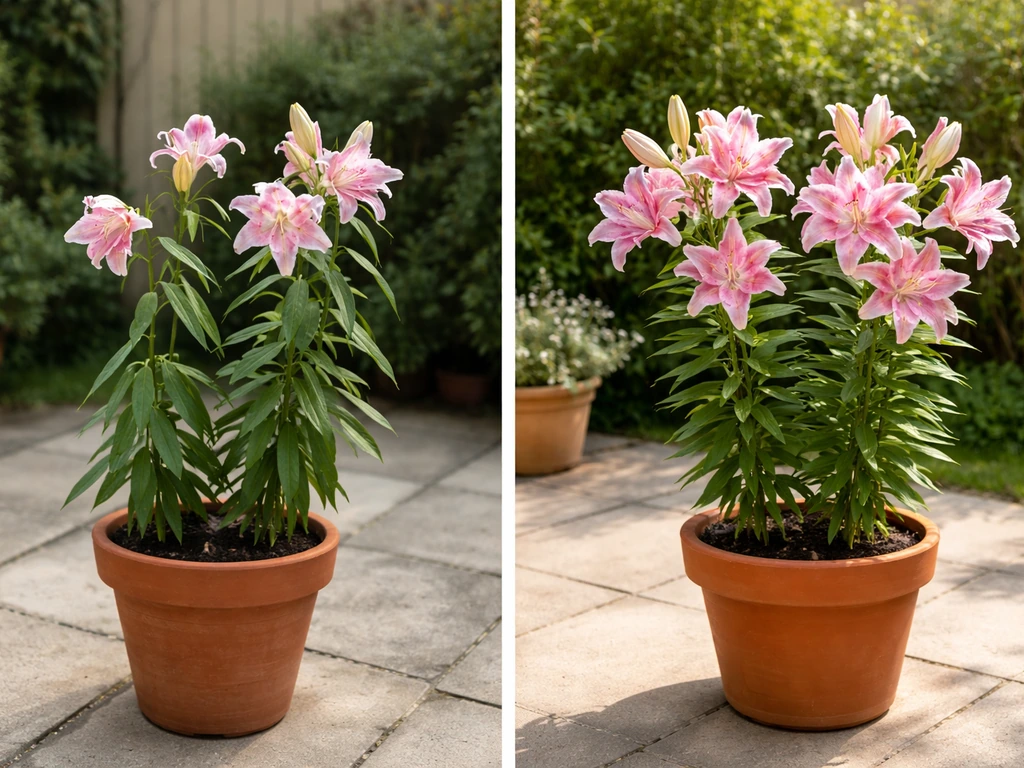
Most rose lily problems trace back to location errors, not pest or disease issues. Here's a quick read on what the plant is telling you.
| Symptom | Likely Cause | Fix |
|---|---|---|
| Stems tall and floppy, few or no blooms | Not enough sun (under 6 hours) | Move to a sunnier spot or trim overhanging shade |
| Bulb mushy or plant collapses at base | Waterlogged soil or poor drainage | Improve drainage; move to raised bed or container |
| Leaf edges brown and scorched | Too much afternoon sun in hot climate, or drought stress | Add afternoon shade; increase watering frequency |
| Plant comes up once but doesn't return next year | Bulb didn't get enough cold dormancy (warm Zone 8/9 issue) | Lift and chill bulbs annually, or try pre-chilled bulbs |
| Yellowing leaves early in season | Overwatering or compacted, waterlogged soil | Reduce watering; check drainage |
| Stunted growth, pale color | Soil too alkaline (pH above 7.0) | Test pH and amend with sulfur if needed |
One thing worth noting: rose lilies are hybrid plants, so they're generally more robust than straight species lilies. If you're seeing problems like the ones above, the fix is almost always about the site rather than the variety. Get the drainage and sun right, and these plants are surprisingly forgiving. Unlike some of their wild cousins, they don't demand highly specific native soil conditions, just the basics done well.
Your Next Steps Today
- Identify your lily type: check the tag or catalog listing for 'OT hybrid,' 'double-flowered,' or a specific cultivar name like 'Samantha.' This tells you your exact cold hardiness and bloom season.
- Check your USDA Hardiness Zone at the USDA Plant Hardiness Zone Map website using your zip code.
- Test your planting site: measure sun hours over a day, and do the drainage test (fill a 12-inch hole with water and time how quickly it drains).
- Amend your soil if needed: add compost and grit for heavy clay, or build a simple raised bed if drainage is a consistent problem.
- Choose your planting method: in-ground for Zones 4 to 8, containers or pre-chilled bulbs for Zone 9 and above.
- Plant at the right depth (6 to 8 inches), water in, and mulch the surface once growth appears.
If you're exploring other lily types for comparison, it's worth knowing that wild lilies and tiger lilies often have narrower native habitat requirements than cultivated rose lily hybrids, and white lily varieties can behave quite differently depending on whether they're Oriental hybrids or species types. If you are also growing tiger lilies, their preferred conditions can differ from rose lily hybrids. Rose lilies sit in a sweet spot: bred for garden performance, tolerant of a wide climate range, and rewarding when you give them the sun and drainage they need. If you're wondering where do white lilies grow, their requirements can vary a lot by type, including whether they're Oriental hybrids or true species. If you’re asking where do fire lilies grow, the key is matching the climate and soil conditions they evolved for.
FAQ
Can rose lilies be grown from seed, or do I need bulbs?
Most “rose lily” products sold in nurseries are cultivars that come as bulbs, not true seed strains. Saving seed usually produces mixed results that may not match the layered “rose” look or the OT hybrid traits, so for reliable blooms, start with bulbs from the same labeled cultivar or mix.
What do I do if my rose lily sprouts but never blooms?
Common causes are too little direct sun, inconsistent moisture after sprouting, or a bulb that did not get adequate cold rest in warmer zones. First confirm the plant gets at least 6 hours of direct sun, then check whether the soil stays evenly moist (not soggy) during active growth.
How often should I water rose lilies in rainy climates?
In wet areas, water only when the soil surface and the area 1 inch down are dry. The goal is evenly moist soil during growth, but in rainy spells you may need to stop supplemental watering to prevent bulb rot, especially if your bed drains slowly.
Do rose lilies need fertilizer, and when should it be applied?
You typically get the best results with a balanced slow-release fertilizer at planting, then a bloom-focused fertilizer when buds form. Avoid heavy nitrogen after flowering because it can encourage leafy growth at the expense of bulb recharge.
Why are my rose lily stems flopping even though I have sun?
Flopping often comes from weak light, high wind, or watering that causes uneven growth. Use a windbreak (fence or taller plants) and keep water consistent, then consider staking early while stems are still flexible.
Can I plant rose lilies in the same spot every year?
Replanting into the same bed is possible, but performance can decline as bulbs age and soil structure worsens. Rotate to improve drainage and reduce buildup of site-specific problems, or refresh the bed by loosening deeply and adding grit and compost before replanting new bulbs.
What’s the best way to improve drainage for rose lilies on clay soil?
Work in coarse horticultural grit plus compost, but also change the planting geometry. If water pools in the hole after an hour, consider raising the bed or planting on a slight mound so the bulb sits above the highest wet level rather than in heavy, slow-draining clay.
Is it normal for rose lilies to take longer to bloom in spring?
Yes, especially if planted late in spring or if the soil is still cold. In colder zones, growth can be slower as temperatures ramp up, and first-year blooms may be lighter until the bulb fully recharges from a full season.
Should I remove the spent flowers, or can I leave them?
Remove spent flower heads to prevent seed production energy loss, but leave the green foliage in place until it yellows and dies back naturally. Cutting leaves too early reduces energy transfer back into the bulb.
Are rose lilies deer or rabbit resistant?
They are not reliably deer-proof or rabbit-proof. If local wildlife pressure is high, use physical barriers such as netting or fencing, because scent-based repellents often fail and bulb rot control will not stop browsing above ground.
Can I grow rose lilies in shade if it’s only afternoon shade?
A little afternoon relief in very hot zones can help, but full shade will still reduce blooms and weaken stems. Aim for morning sun plus at least some strong direct light, and prioritize 6 to 8 hours of direct sun overall.
What’s the safest way to pre-chill rose lily bulbs in Zone 9 and warmer?
Keep pre-chilled bulbs cool (around refrigerator temperatures) for about 6 to 8 weeks before planting, and don’t let them sit in wet conditions. Use a controlled, slightly damp medium if suggested for your bulb, then plant promptly so the bulb does not dry out or rot before growth begins.
How deep should I plant rose lily bulbs if they’re a small size?
Use the “three times the diameter” rule rather than a fixed depth. Smaller bulbs should go shallower than standard-sized bulbs, while still keeping them below the top layer where soil temperature swings are most extreme.
When overwintering container-grown rose lilies, should I cut the foliage first?
You can wait until foliage yellows and dies back, then reduce watering dramatically. Cutting green foliage early may reduce bulb energy recharge, so allow the plant to finish the natural decline before you store the pot in a cool, unheated area.
Next Articles
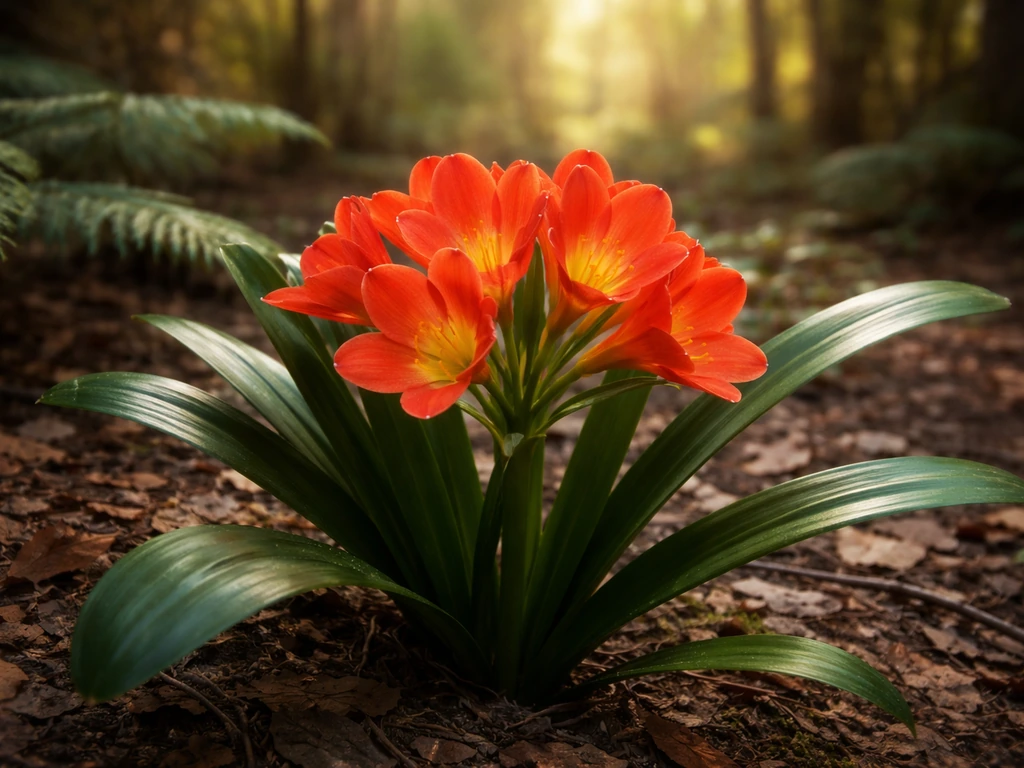
Where Do Fire Lilies Grow and How to Replicate It
Discover where fire lilies grow naturally and how to match light, soil, moisture, and climate for successful planting.
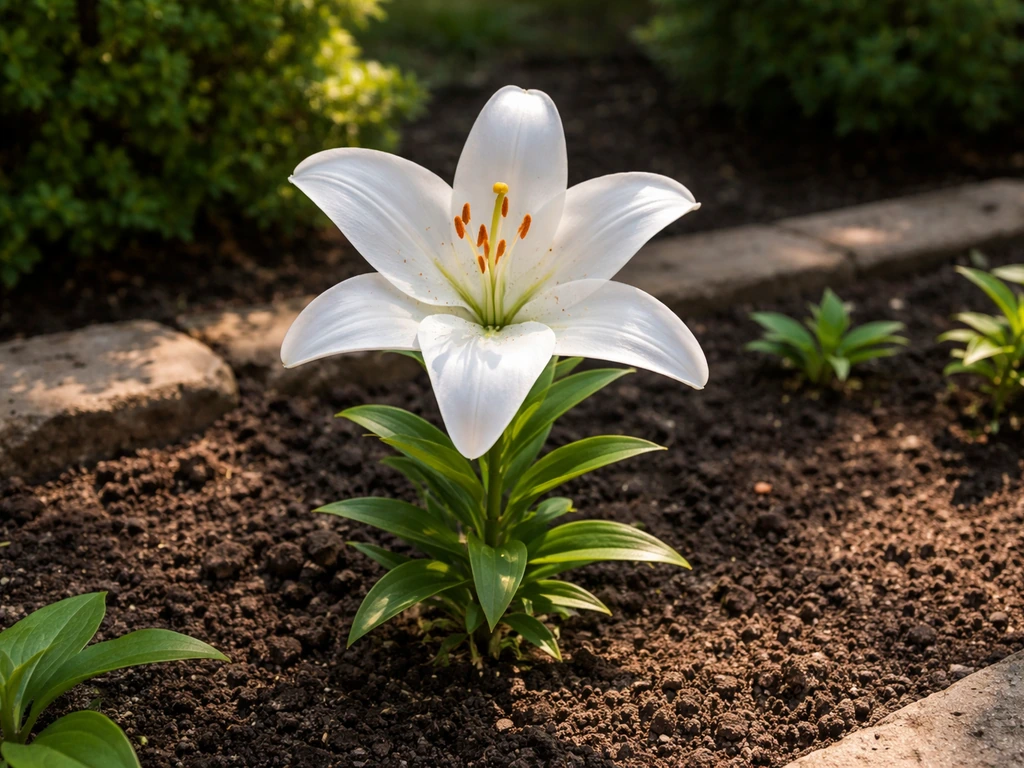
Where Do White Lilies Grow? Zones, Soil, and Planting Guide
Where white lilies grow best: hardiness zones, light, soil, drainage, and a yard checklist for true lilies vs lookalikes
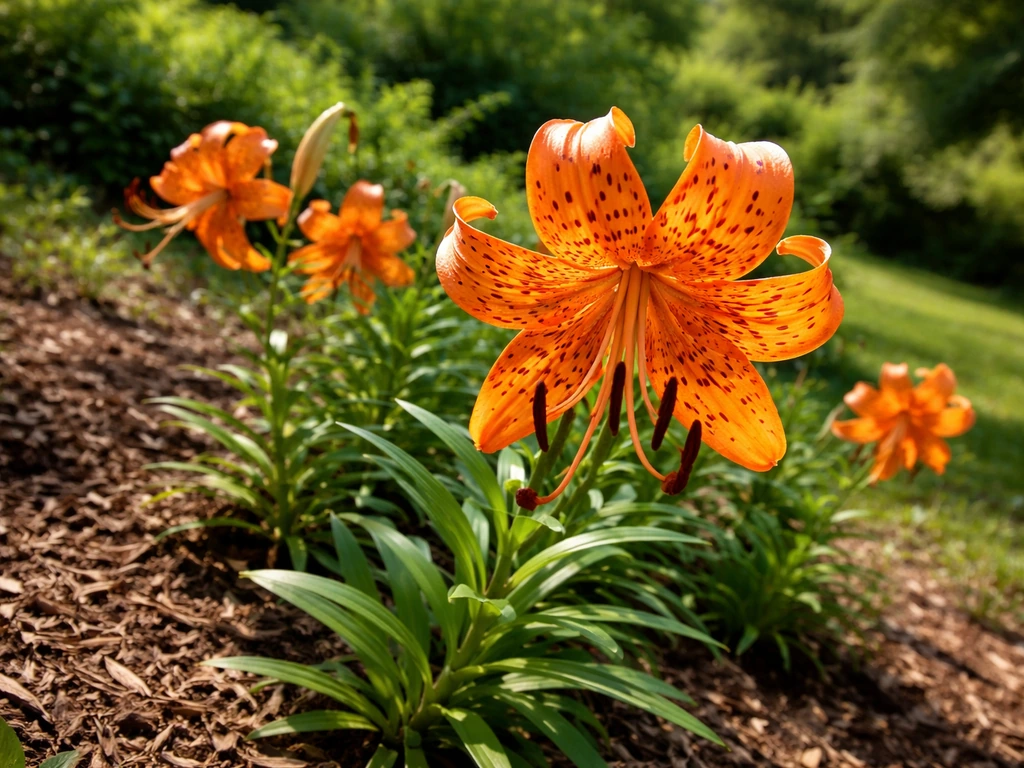
Where Do Tiger Lilies Grow Best and How to Grow Them
Discover where tiger lilies grow naturally and best in gardens, plus light, soil, drainage, planting depth, and care tip