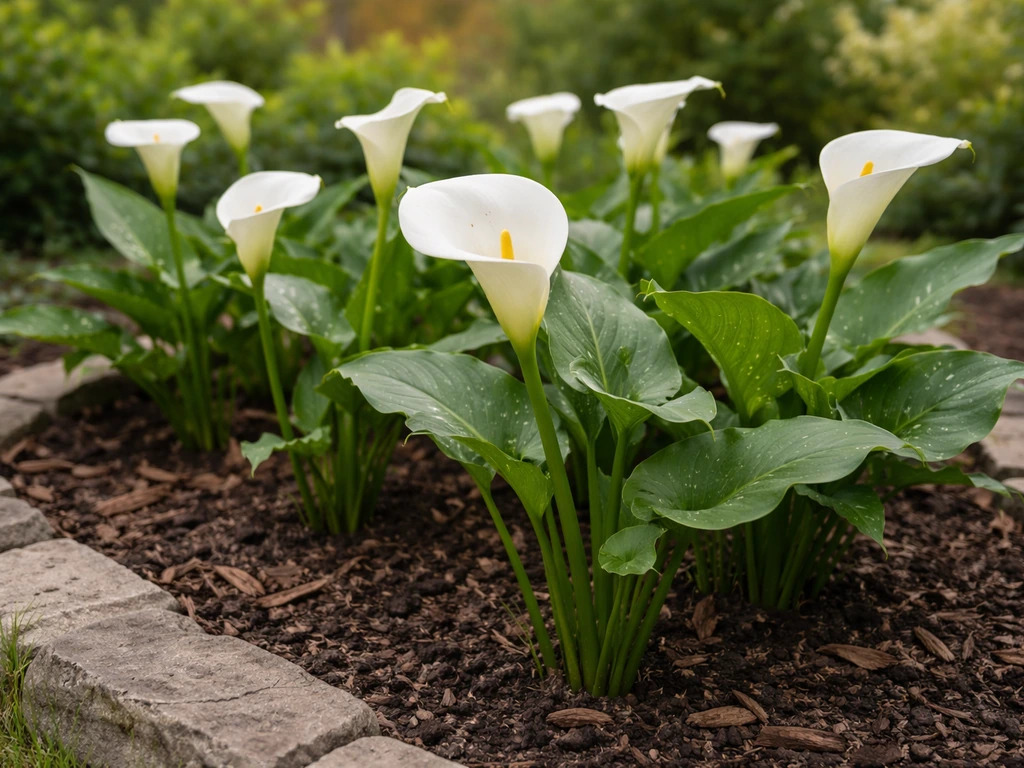
Yes, lilies can grow in Florida (but it depends on the type)
The short answer is yes, lilies can grow in Florida, but the success rate varies a lot depending on which type you're planting and where in the state you live. True lilies (genus Lilium) are more challenging in Florida's heat and humidity than many gardeners expect, but they're far from impossible. Florida even has a native true lily, Lilium catesbaei (the pine lily or Catesby's lily), which grows in moist flatwoods and savannas throughout the state. Other lily types, including daylilies and calla lilies, have their own quirks in this climate too. The key is picking the right species, matching it to your specific conditions, and engineering your planting setup to handle Florida's wet summers, intense sun, and mild winters.
Florida conditions that work for and against lilies
Florida gardening is its own world. The conditions that make it great for citrus and tropical plants can absolutely punish lilies from cooler climates. Before you pick a variety, you need to understand what you're working with.
Heat
Most true Lilium hybrids, especially the popular Asiatic and Oriental types, prefer moderate temperatures in roughly the 64 to 72°F range for their best growth. Florida summers blow well past that for months at a time. Elevated heat reduces flowering quality and can shorten bloom time significantly. This is why you'll often hear that lilies 'don't do well' in Florida, especially in South Florida where summer heat is relentless from May through October. North and Central Florida gardeners have a wider window and more realistic expectations for traditional garden lilies.
Humidity and drainage
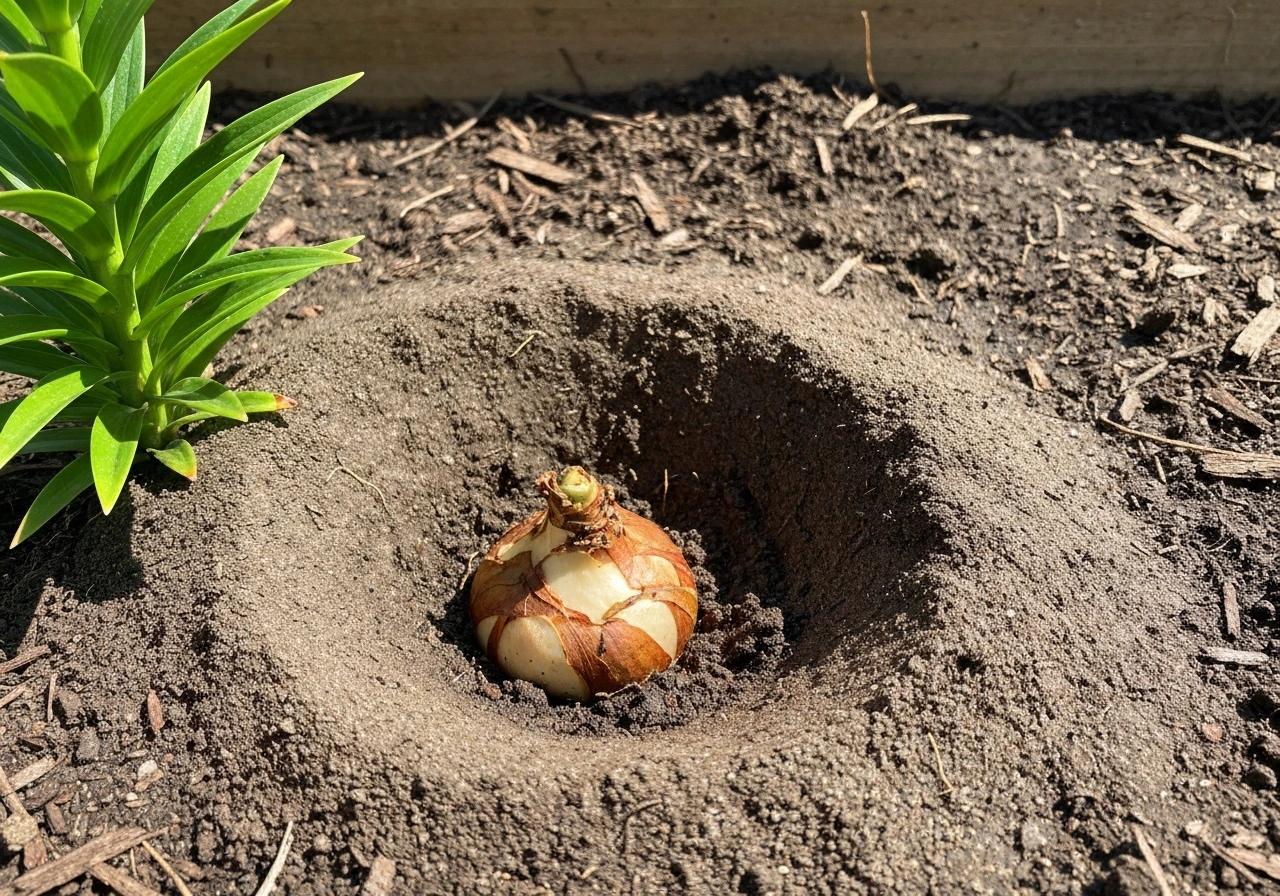
High humidity combined with Florida's heavy summer rains creates a perfect storm for bulb rot. Fusarium and other fungal pathogens cause basal rot in lily bulbs, and they thrive when bulbs sit in wet, poorly drained soil. If you've ever planted lily bulbs in Florida and had nothing come up, poor drainage is likely the culprit. This isn't a reason to give up; it's a reason to fix your soil setup before you plant.
Light and sun exposure
Lilies generally want strong sun exposure for their leaves and stems, but Florida's afternoon sun can overheat the root zone fast. The classic approach that works here: give lily foliage 6 or more hours of sun, but protect the root zone from baking. Afternoon shade helps in summer, and mulching is non-negotiable.
Winter chill (or lack of it)
Many Asiatic and Oriental lily hybrids need a cool dormancy period to produce reliable blooms the following season. In North Florida, winters are cool enough to provide some of this naturally. In Central and South Florida, that chilling requirement is almost never met outdoors, which means bulbs may bloom adequately in their first season but fail to rebloom without some intervention. One workaround: refrigerate bulbs for 6 to 8 weeks before planting, mimicking that cool period artificially.
Which lilies actually thrive in Florida (and which to skip)
Not all plants called 'lilies' are true lilies. Before diving into what grows well, it's worth knowing that daylilies belong to the genus Hemerocallis (not Lilium), and other common Florida plants like hurricane lily (Lycoris) and lilyturf (Liriope muscari) are not true lilies at all. Daylilies (Hemerocallis) can handle Florida conditions and are often recommended for growing in full sun or filtered shade blank" rel="noopener noreferrer">daylilies belong to the genus Hemerocallis. That distinction matters because their care requirements are completely different. If you're wondering specifically will daylilies grow in Florida, the answer is a much simpler yes, since Hemerocallis handles Florida heat considerably better than most true Lilium species.
Here's a practical breakdown of which lily types perform in Florida:
| Lily Type | Florida Suitability | Best Region | Key Challenge |
|---|
| Lilium catesbaei (Pine Lily) | Excellent — native species | Statewide (moist flatwoods) | Needs specific moisture/habitat conditions |
| Asiatic Lily Hybrids | Moderate — best as annuals | North and Central FL | Summer heat, low chill hours in south |
| Oriental Lily Hybrids | Difficult | North FL only | High heat and humidity sensitivity |
| Easter Lily (L. longiflorum) | Fair — often treated as annual | North and Central FL | Bulb rot risk, poor reblooming in south |
| Calla Lily (Zantedeschia) | Good in most of FL | Statewide | Not a true lily; needs drainage |
| Daylily (Hemerocallis) | Very good | Statewide | Not a true lily; easier overall |
| Hurricane Lily (Lycoris) | Good as ornamental | Statewide | Not a true lily; different genus entirely |
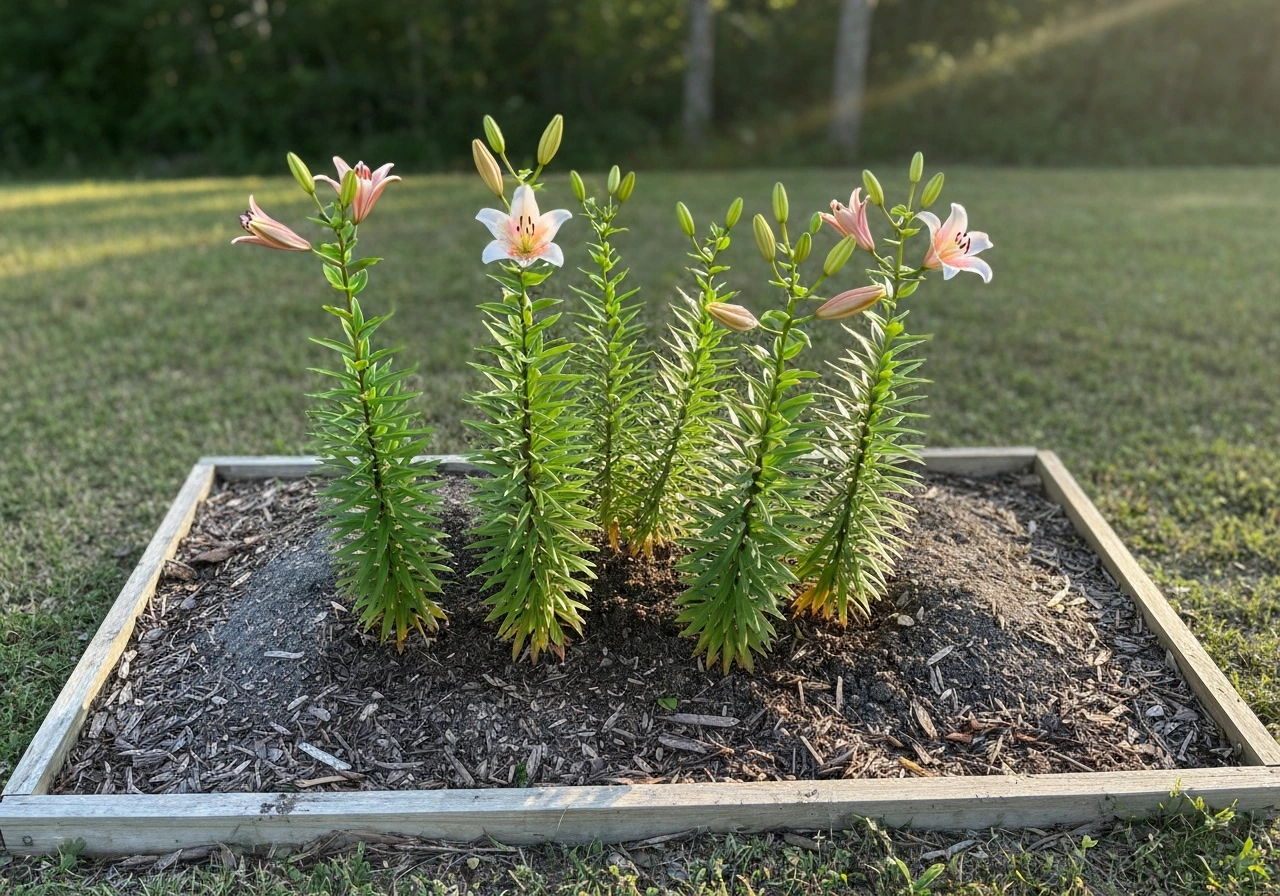
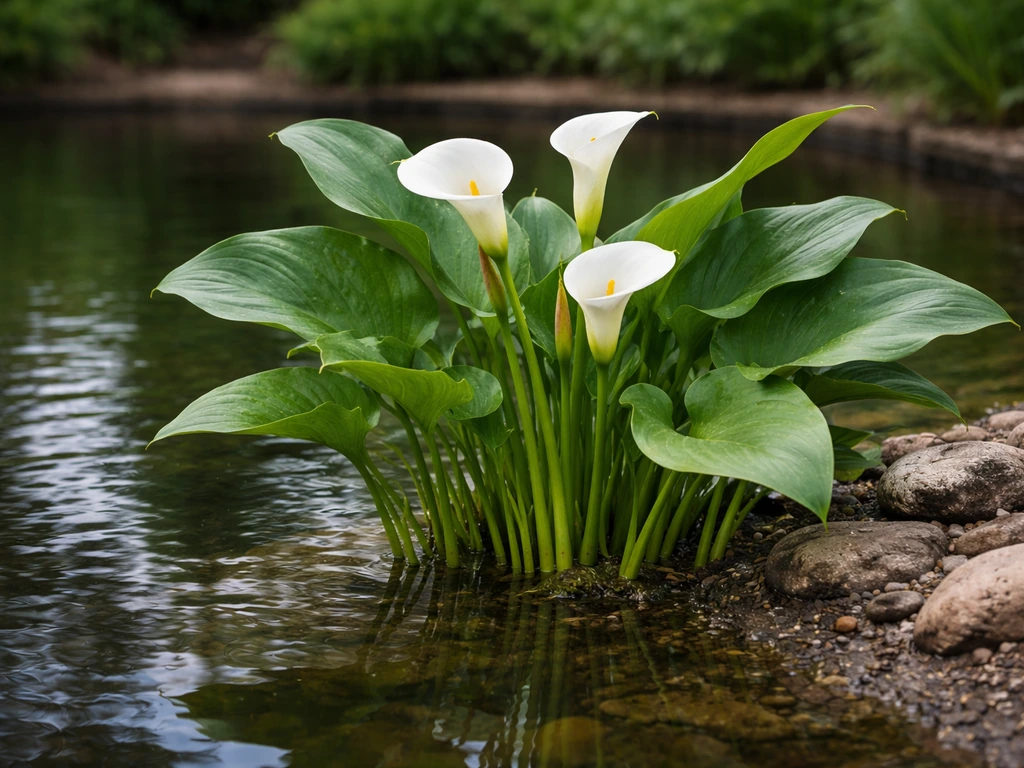
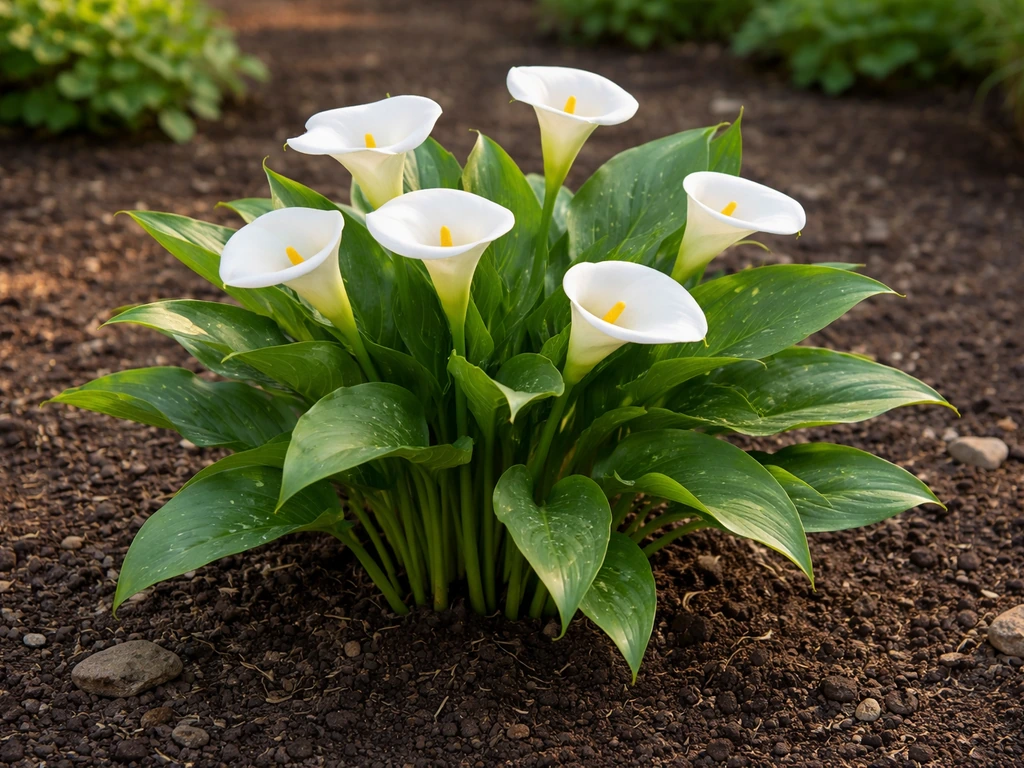
Asiatic lilies are the most commonly available true Lilium hybrids and your best bet if you want to try a traditional garden lily. Treat them as cool-season annuals or short-lived perennials rather than expecting them to reliably come back year after year. Plant them in fall, enjoy the late winter or spring bloom, and replant as needed. If you're interested in calla lilies specifically, calla lilies grow in Florida reasonably well, though they come with their own set of planting requirements.
The native pine lily (Lilium catesbaei) is worth considering if you want a true Lilium that's adapted to Florida. It's state-listed as threatened, so source it responsibly from a reputable native plant nursery. It grows in mesic to wet flatwoods, wet prairies, and savannas, thriving in that moderately moist to somewhat wet moisture window. It's not your typical garden bed lily, but it's the one true Lilium that genuinely belongs here.
Step-by-step: how to plant lilies in Florida
Timing your planting
Timing is everything in Florida. For Asiatic and other true Lilium hybrids, plant bulbs in October through December in North and Central Florida, aiming for blooms in late winter to early spring before the heat hits. In South Florida, you can try November through January, but reblooming is unlikely without refrigerating bulbs. If you've been storing bulbs in the fridge (35 to 45°F for 6 to 8 weeks), pull them out and plant immediately after chilling. Easter lilies sold at stores in spring can be planted out after the holiday if you want to try them in the garden.
Planting depth and spacing
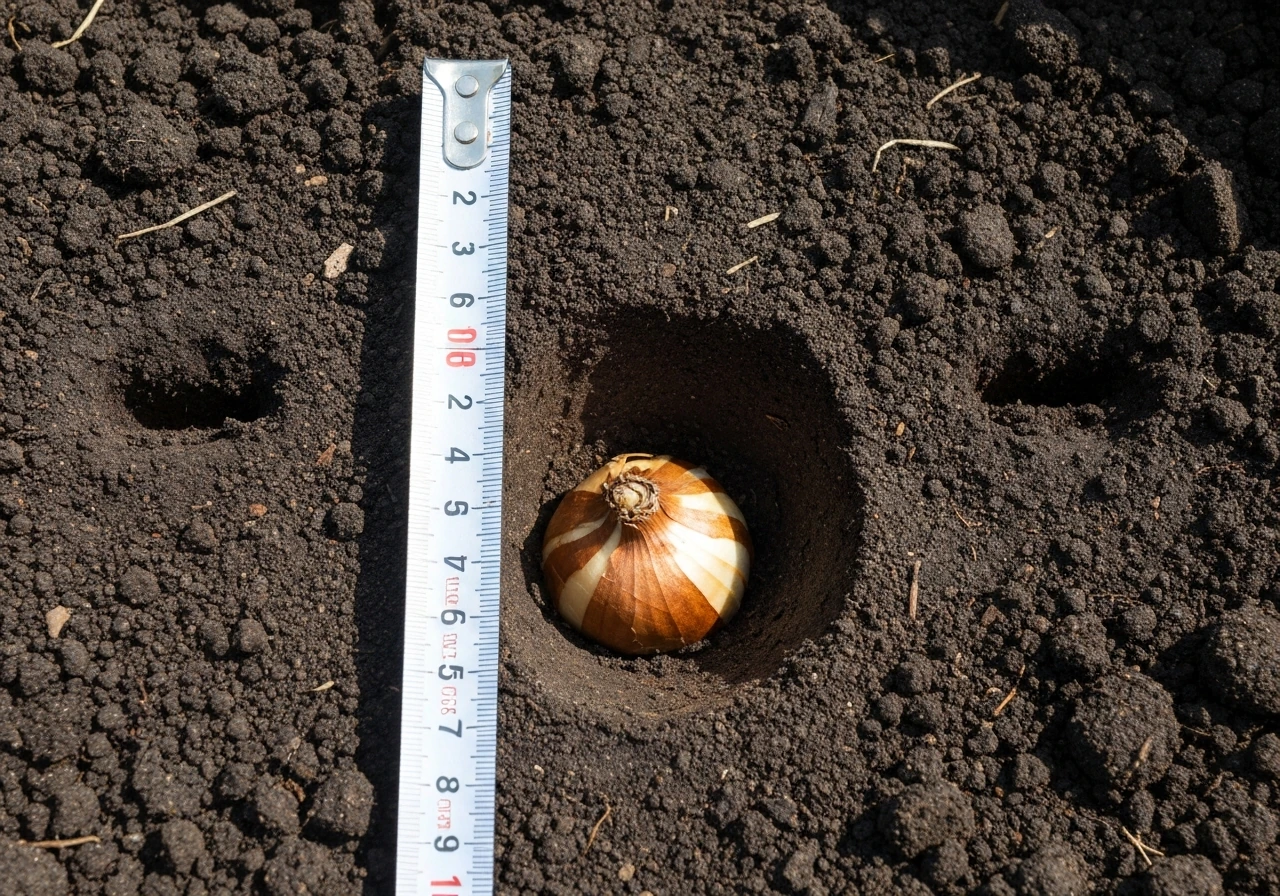
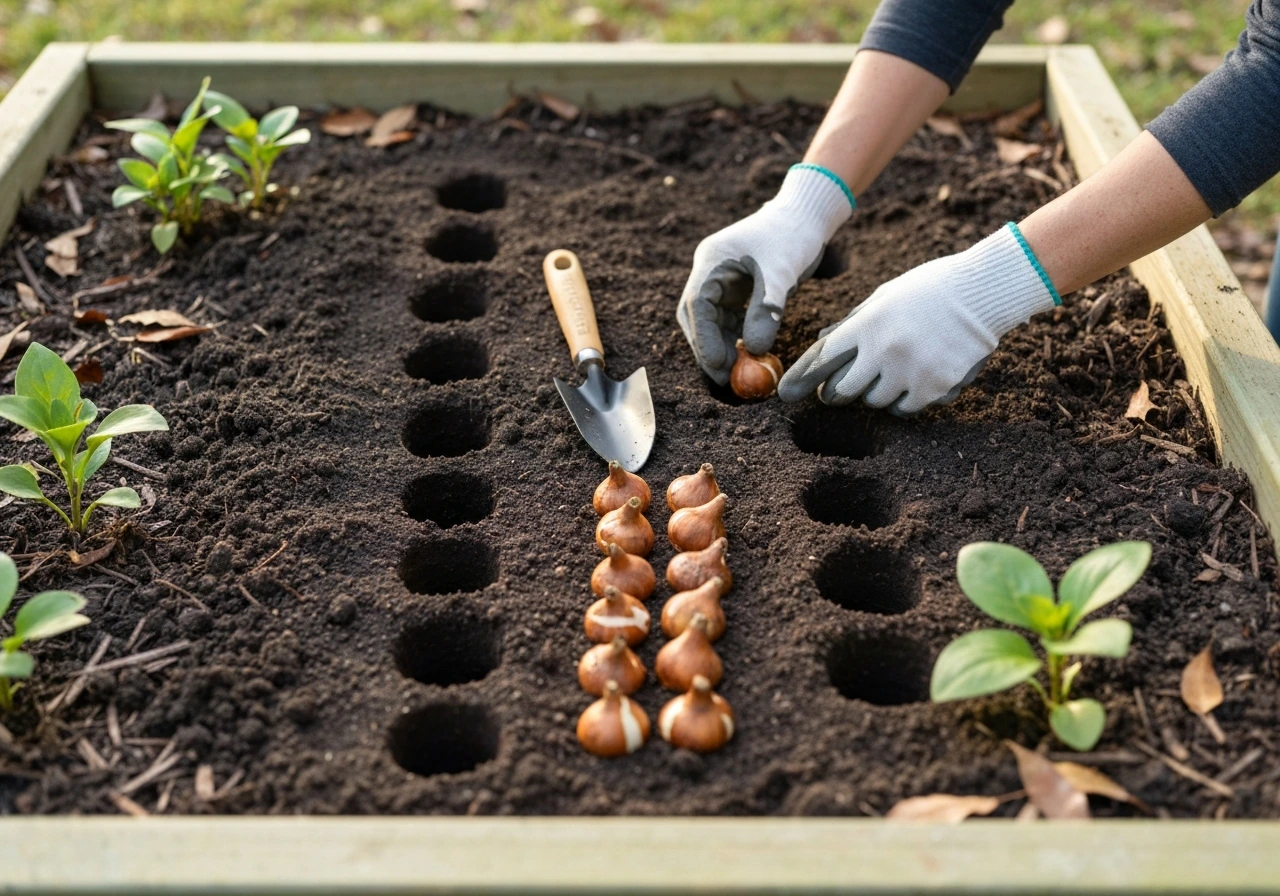
Plant lily bulbs about 6 inches deep, measuring from the top of the bulb to the soil surface. For smaller bulbs under 2 inches in diameter, aim for 3 to 4 times the bulb's diameter in depth. For larger bulbs 2 inches or more across, 2 to 3 times the diameter works well. Space bulbs 8 to 12 inches apart to allow good airflow, which matters even more in humid Florida. After planting, mark each spot with a stake or small flag. Lily shoots emerge brittle in spring and are easy to snap during weeding if you've forgotten where the bulbs are.
Preparing the planting site
- Choose a location with 6 or more hours of direct sun, ideally with afternoon shade from a tree or structure during Florida's hottest months.
- Raise the planting bed by at least 6 to 8 inches above the surrounding grade if your yard has flat or poorly draining soil. This is the single most effective way to prevent rot.
- Work in generous amounts of coarse compost or aged pine bark to improve drainage and add organic matter.
- Avoid areas where water pools after rain, even briefly, since lily bulbs sitting in standing water will rot quickly.
- Start with clean, firm bulbs from a reputable source. Soft spots or visible mold on the bulb are early signs of rot that will only get worse in the ground.
Soil, drainage, and watering: getting this right saves your bulbs
Soil and drainage are where most Florida lily failures begin. Florida's sandy soils drain fast but can compact in spots, and clay-heavy areas in North Florida hold too much moisture. Either extreme causes problems. Your goal is a loose, well-aerated soil that drains within an hour after heavy rain but holds enough moisture to keep roots consistently damp (not wet).
Raising your beds is the easiest fix when drainage is a concern. Even a 6-inch raised bed dramatically reduces the saturation risk around basal plates where rot tends to start. Think of it this way: the same raised-bed drainage logic that applies to in-ground planting also applies when you're growing in containers, which is why container gardening (covered below) is such a strong option in Florida.
For watering, aim for consistent moisture without waterlogging. In the dry season (roughly November through May in most of Florida), water deeply once or twice a week, letting the top inch of soil dry slightly between waterings. During the summer rainy season, you'll likely need to cut back supplemental watering significantly or stop altogether, depending on how much rainfall your area gets. Over-watering during Florida's wet months is the fastest route to Fusarium bulb rot and total bulb loss.
A soil pH between 6.0 and 6.5 suits most Lilium types. Florida's naturally sandy, slightly acidic soils often fall in this range, but it's worth a quick soil test if you're planting in an unfamiliar spot. If you're curious how bulb-forming lilies differ in their soil needs, it's worth understanding how calla lilies grow from bulbs as a comparison, since their rhizome structure creates different drainage demands than true lily bulbs.
Sun, shade, mulching, and seasonal care
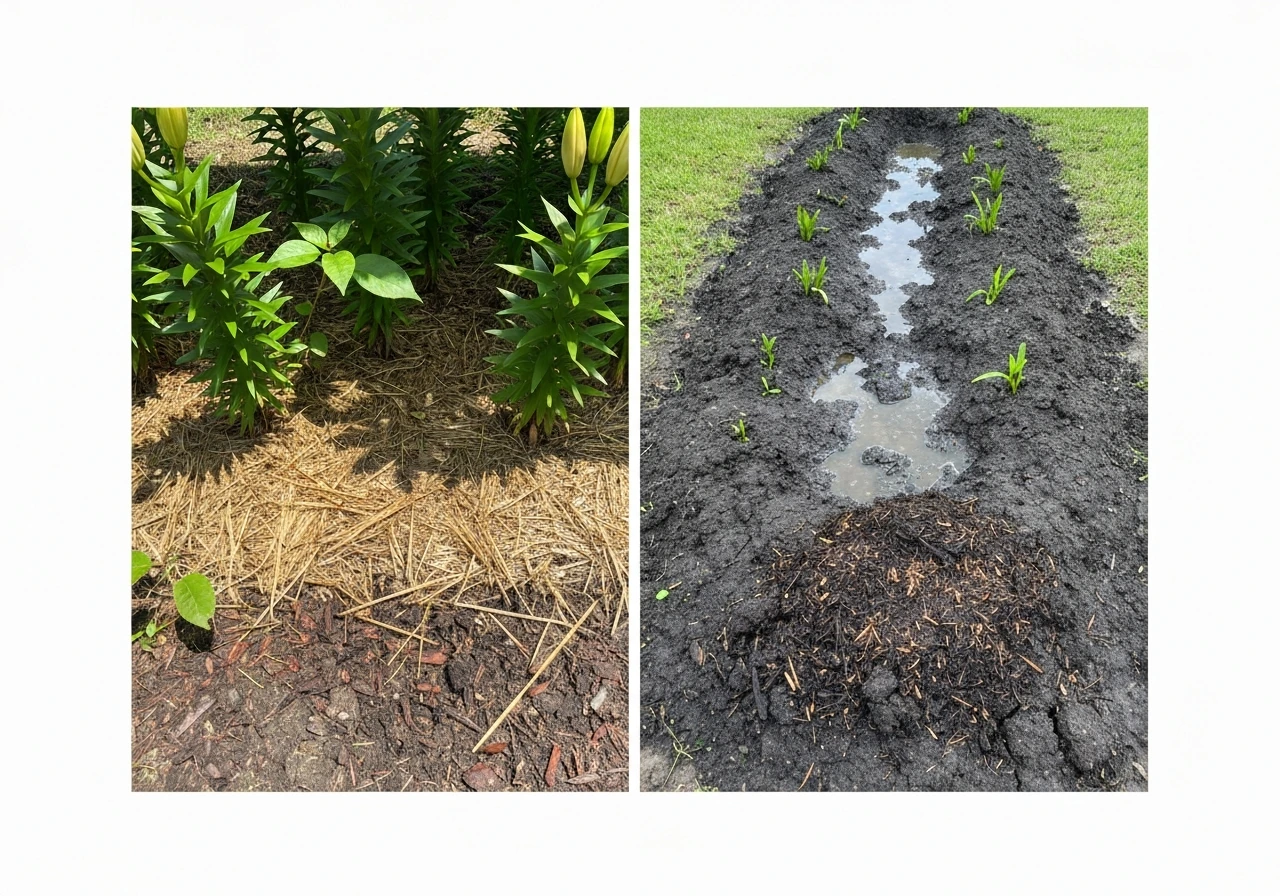
The strategy that works best for Florida lilies: flowers and foliage in the sun, roots in the shade. Mulch is how you accomplish the root-shading part. Apply 2 to 3 inches of pine straw, shredded bark, or coarse wood chip mulch over the root zone after planting. This keeps roots cooler, reduces moisture evaporation, and moderates the soil temperature swings Florida gardeners deal with constantly. Don't pile mulch directly against the emerging stem though; leave a small gap to reduce rot risk at the base.
After your lilies bloom, resist the urge to cut the foliage down immediately. The leaves are doing critical work, photosynthesizing and pushing energy back into the bulb for next season's growth. Let the foliage yellow and die back naturally before you remove it. Cutting it early is one of the most common reasons lily bulbs weaken or fail to rebloom.
Seasonal care by region looks roughly like this:
- North Florida: Plant in October to November. Expect blooms in March to April. Bulbs may naturalize for 2 to 3 years with good drainage and care.
- Central Florida: Plant in November to December. Blooms typically appear in February to March. Treat as annuals or refrigerate bulbs between seasons for best results.
- South Florida: Plant December to January after pre-chilling bulbs. Blooms may appear in February. Reblooming without refrigeration is unlikely. Focus on heat-tolerant types like calla lilies or daylilies instead of true Lilium hybrids.
Fertilize with a balanced, slow-release granular fertilizer (something like 10-10-10) at planting time, then again when shoots emerge. Ask Extension provides an example of using a balanced granular fertilizer like 10-10-10 as a broadcast fertilizer each spring (in a daylily FAQ context) something like 10-10-10. Avoid high-nitrogen fertilizers that push leafy growth at the expense of flowers. During the rainy season, hold off on fertilizing entirely since heavy rain flushes nutrients quickly and over-fertilizing can burn roots.
Containers vs in-ground, and the indoor option
Container growing is genuinely one of the smarter strategies for Florida lily growers, especially in Central and South Florida. When you grow in containers, you control drainage completely, you can move pots to shelter them from summer downpours or extreme heat, and you can bring them indoors if temperatures spike unusually. It's a level of control you simply don't have in the ground.
For containers, use a pot with large drainage holes and a well-draining mix, ideally something like a blend of potting mix, coarse perlite, and pine bark in roughly equal parts. Avoid any mix that stays soggy. A 12-inch or larger pot works well for 3 to 5 bulbs. The same principle from raised-bed growing applies here: fast drainage around the basal plate is non-negotiable. Elevate the pot on pot feet or a stand so water can exit freely from the drainage holes without pooling underneath.
In-ground planting makes the most sense in North Florida, where winters are cool enough to provide some natural chilling and summer temperatures are slightly more manageable. If you're gardening in clay-heavy North Florida soils, raised beds are your best friend. In sandy Central or South Florida soils, you'll want to amend heavily with organic matter to improve water retention without sacrificing drainage.
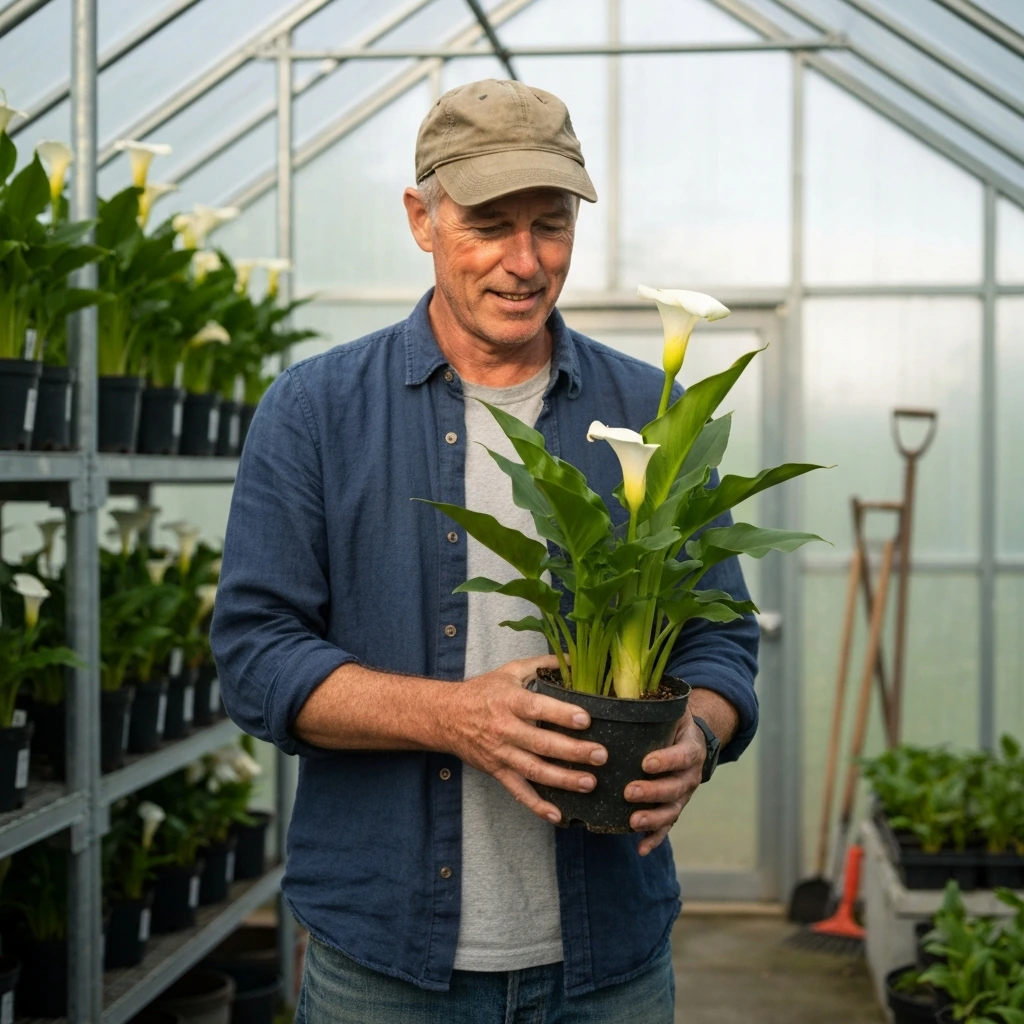
Indoor growing is a practical option for gardeners who want to enjoy lily blooms regardless of outdoor conditions. Easter lilies in particular do well as potted indoor plants. Place them near a south or east-facing window where they get 4 to 6 hours of bright, indirect light. Keep indoor temperatures between 60 and 70°F for best bloom life. Avoid heating or air conditioning vents that create dry, hot airflow directly on the plant. Once the lily finishes blooming indoors, you can try transitioning it to a shaded outdoor spot in cooler months, though success in Florida's heat long-term is limited.
One final thought: if you're in Florida and struggling with true Lilium hybrids, don't feel like you're doing something wrong. Florida's climate genuinely challenges most of the popular hybrid types. Gardeners in similar hot-climate states run into the same frustrations, and if you want to see how the challenge compares, lilies growing in Texas face many of the same heat and humidity obstacles. The approach there mirrors what works in Florida: choose heat-tolerant types, time planting for cooler months, prioritize drainage, and treat many varieties as cool-season annuals rather than permanent perennials.
Your next steps for growing lilies in Florida
Here's the practical checklist to get started today:
- Decide which type suits your region: Asiatic hybrids for North and Central Florida, native pine lily for habitat-matched sites statewide, or calla lilies and daylilies if you want an easier win in South Florida.
- Source firm, healthy bulbs from a reputable nursery. Avoid any with soft spots, mold, or mushy tissue, since rot usually starts at the bulb before planting.
- Prepare your site or container now: raise beds, improve drainage, and amend soil before bulbs go in.
- Pre-chill bulbs for 6 to 8 weeks in the refrigerator if you're in Central or South Florida, then plant immediately after chilling.
- Plant at the right depth (about 6 inches deep for most bulbs), mark your spots, mulch with 2 to 3 inches of pine straw or bark, and water deeply after planting.
- Let foliage die back naturally after blooming so the bulb can rebuild energy for the next season.
- Reassess after the first season: if bulbs rotted or failed to bloom well, shift to containers or raised beds with better drainage before the next planting cycle.