Yes, calla lilies grow from bulbs (sort of)
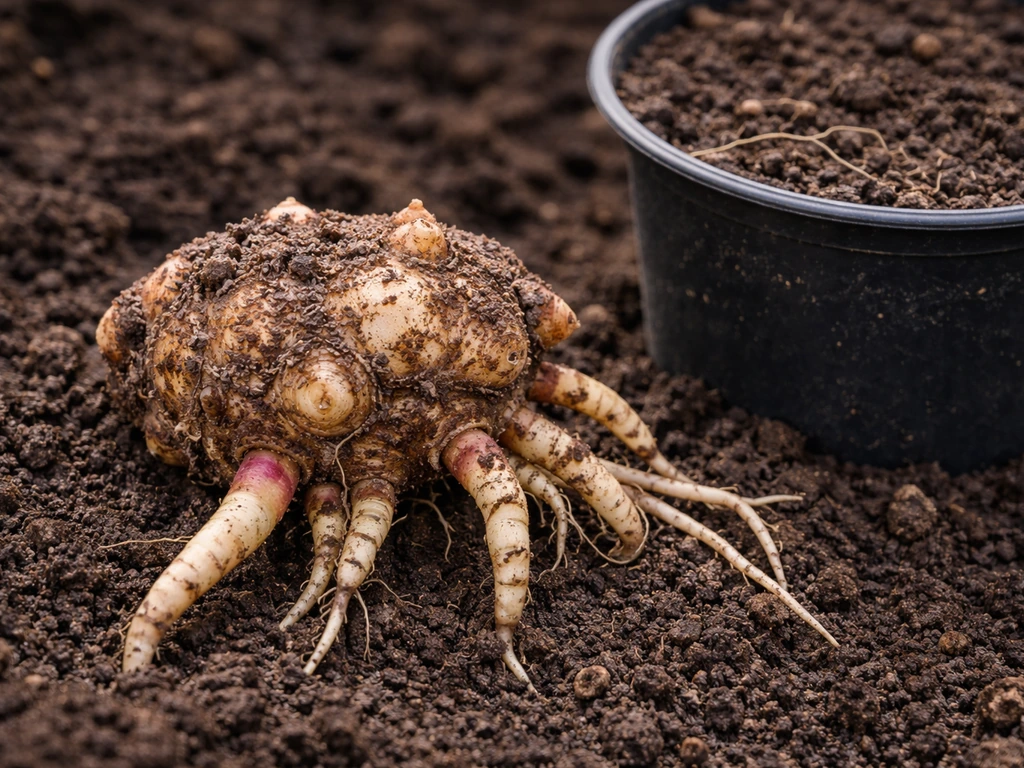
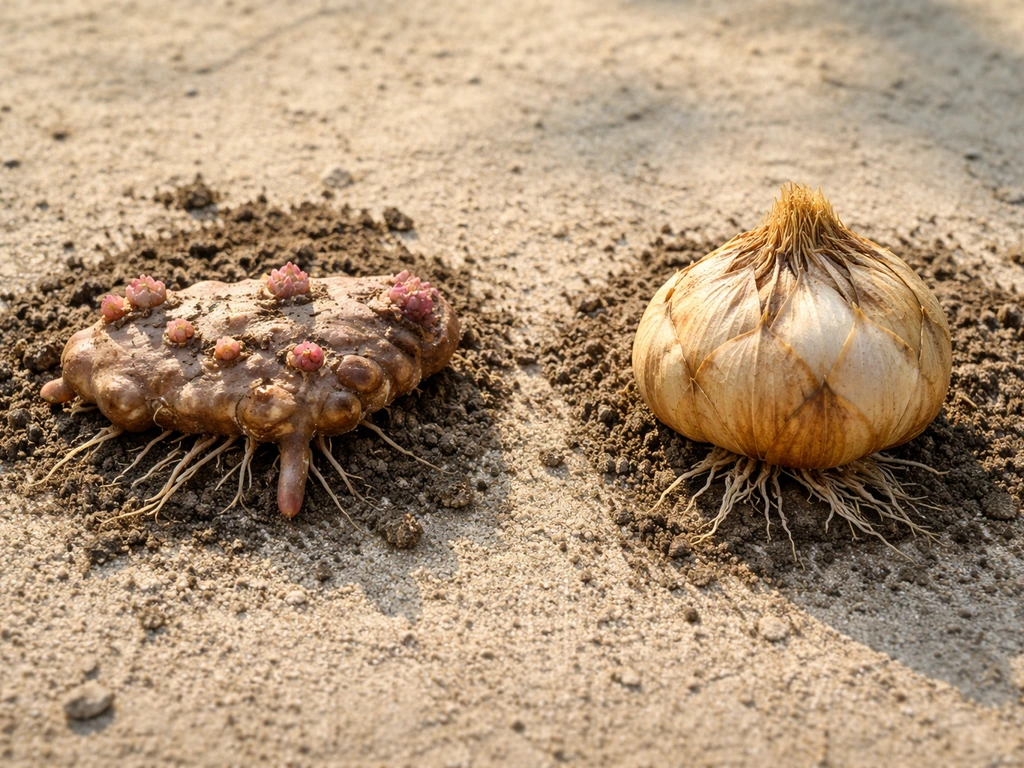
Yes and no. Calla lilies do grow from an underground storage structure, but what you're actually planting is a rhizome, not a true bulb. The garden industry sells them labeled as "bulbs" on the packet, and if you've already bought some, yours probably even says "Type: Rhizome" in small print on the back. That's not a technicality you can ignore. Rhizomes have a flat, fleshy shape with bumpy growing points on top, and they behave differently from tulip or daffodil bulbs. Once you understand that, the planting depth, watering approach, and troubleshooting all click into place.
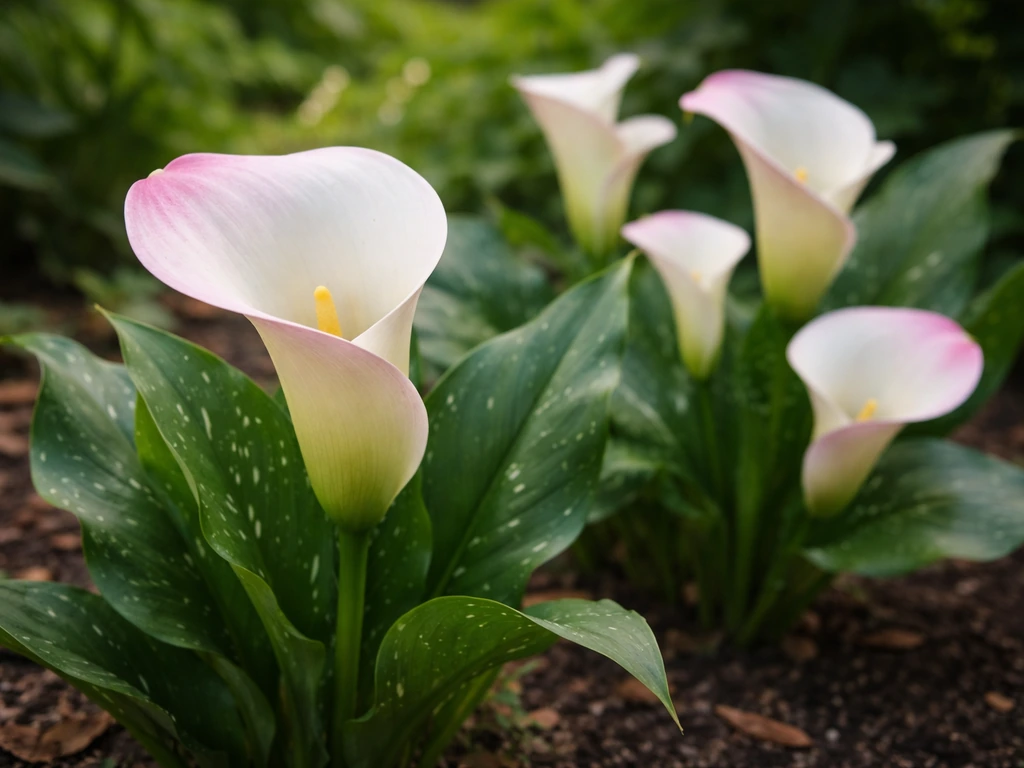
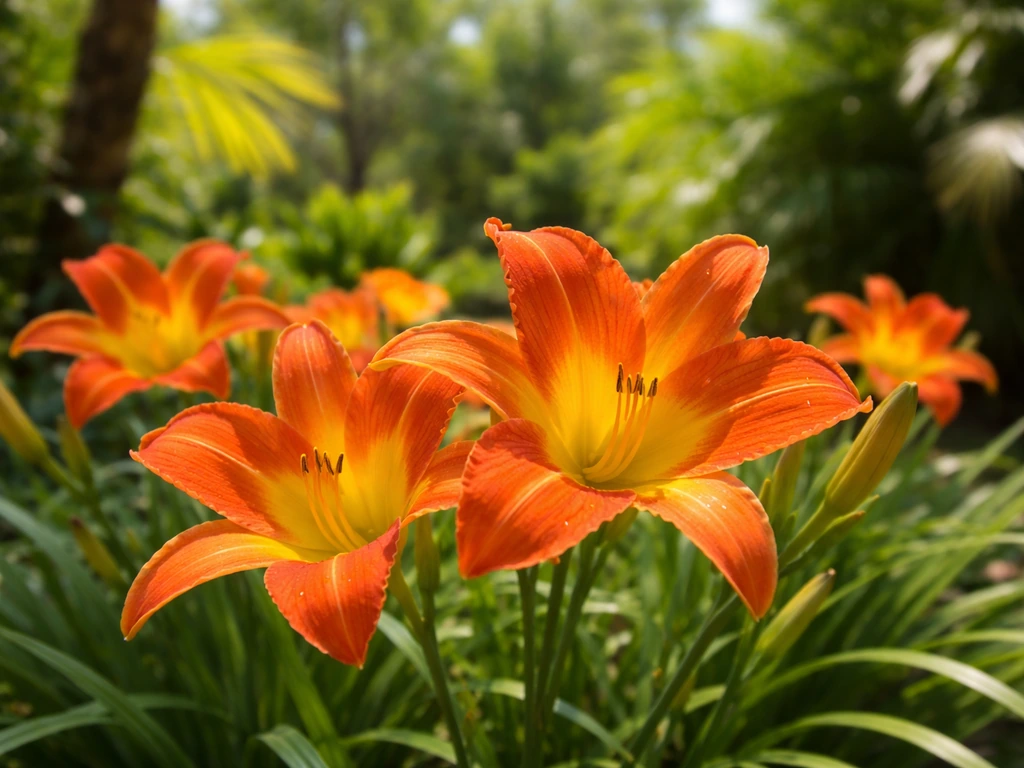
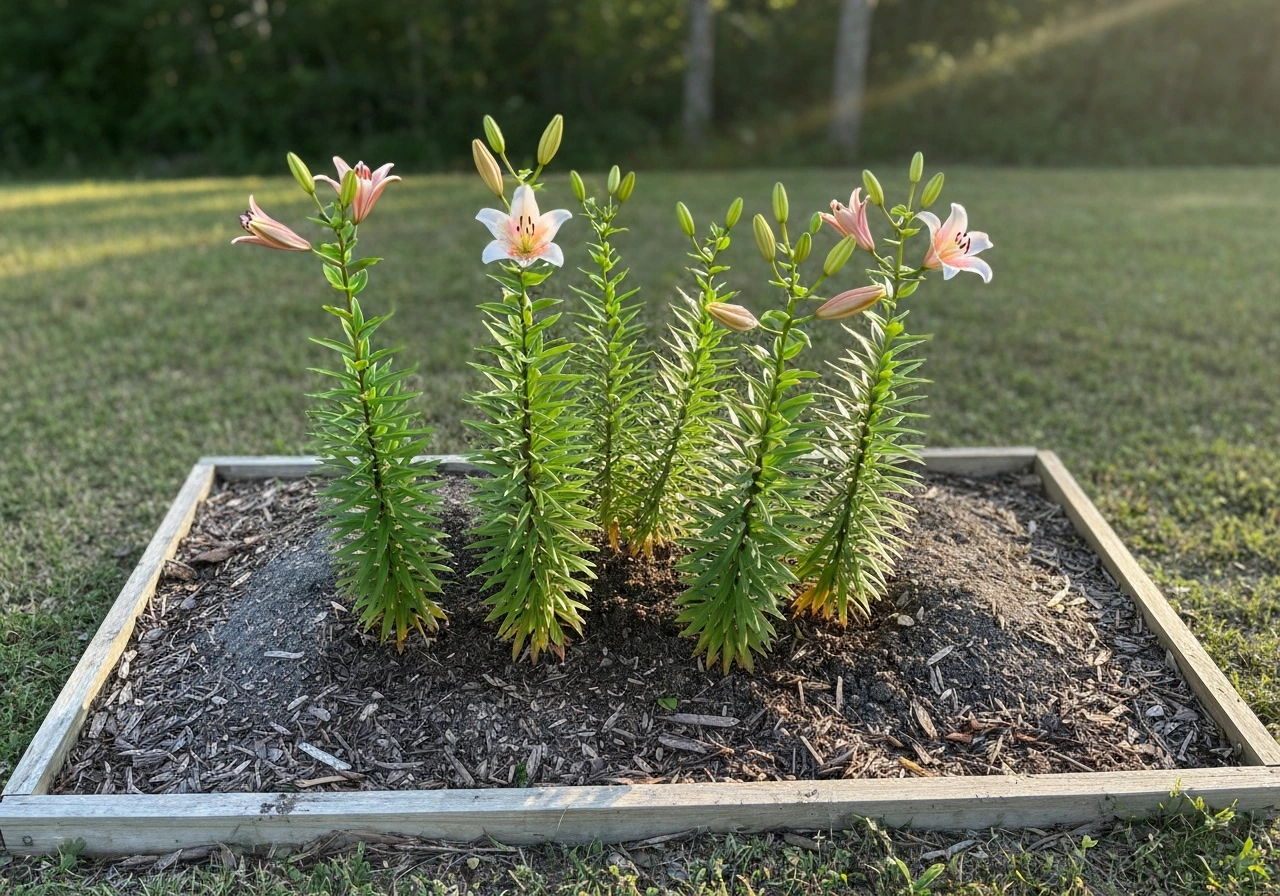
One more thing worth knowing before you plant: calla lilies (Zantedeschia) are not true lilies at all. They belong to the arum family, not the Lilium genus. If you're growing Asiatic lilies or daylilies in your garden, expect the care to be noticeably different. Calla lilies produce that distinctive trumpet-shaped spathe (the smooth, cone-like "flower"), not the open petal arrangement you see on Asiatic or Oriental lilies. They're also handled quite differently from peace lilies or water lilies, which often confuse new growers searching for generic "lily" advice.
What you're actually buying: rhizome, corm, or tuber?
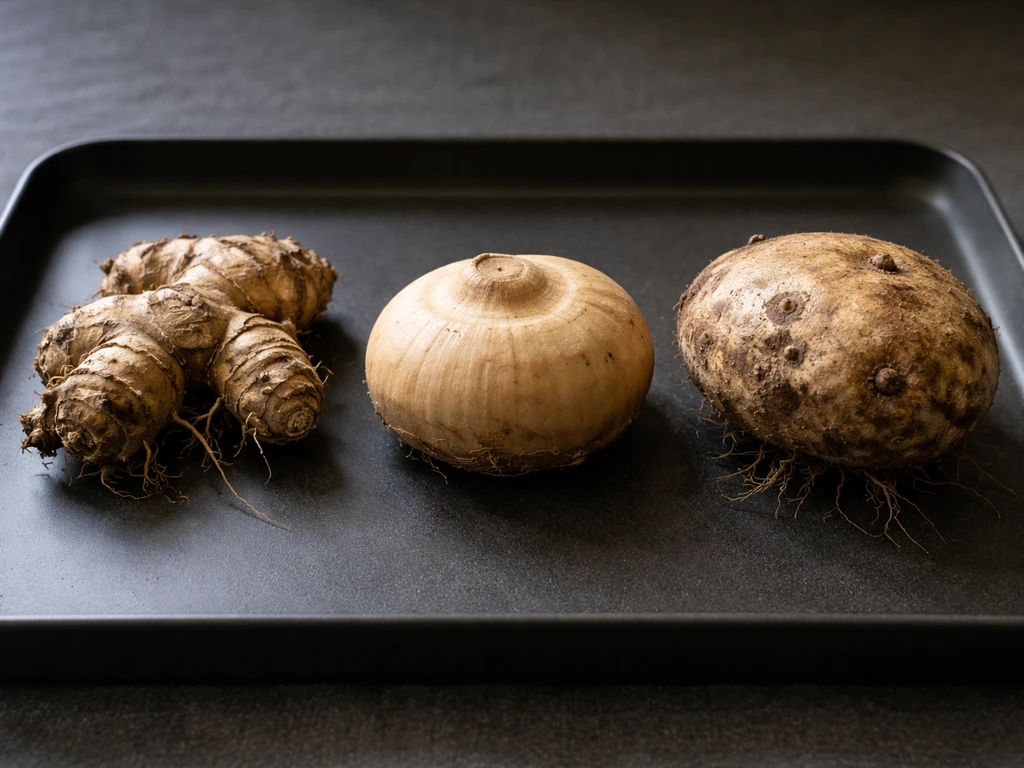
Walk into any garden center and you'll see bags labeled "Calla Lily Bulbs." Open the bag and you'll find something that looks nothing like a daffodil bulb. What's inside is a fleshy, knobby, somewhat flat structure. Botanists describe it as a pachymorphic rhizome, which just means it's a thickened underground stem that stores nutrients and produces new shoots. Some sources call it a tuber; Wikipedia notes that the term used can vary by species or cultivar. For practical purposes, rhizome and tuber are interchangeable here, and both mean you should treat it differently from an onion-shaped bulb.
When you're picking out rhizomes at a nursery or ordering online, bigger is better. A larger rhizome has more stored energy, which usually means earlier sprouting and a stronger first season. Look for firm tissue with no soft or mushy spots, and check for visible growth points or "eyes" on the top surface. Those bumps are where the stems will emerge. If yours look dried out but still firm, they're probably fine. If they feel soft when you press them, that's early rot and worth replacing.
Planting indoors vs. outdoors: timing and depth
Outdoors in the garden
For outdoor planting, wait until after your last frost date. Calla rhizomes are cold-sensitive and planting too early into cold, wet soil is one of the fastest ways to lose them to rot. Once the threat of frost has passed and your soil has warmed up in spring, plant the rhizomes with the growing points (those bumpy knobs) facing upward. Plant them 2 to 4 inches deep depending on their size, and space them roughly 12 to 18 inches apart. Smaller rhizomes can sit closer to 2 inches down; larger ones do better at 3 to 4 inches. Planting too shallow leaves them vulnerable to drying out and cold snaps; planting too deep slows emergence noticeably.
Indoors in containers
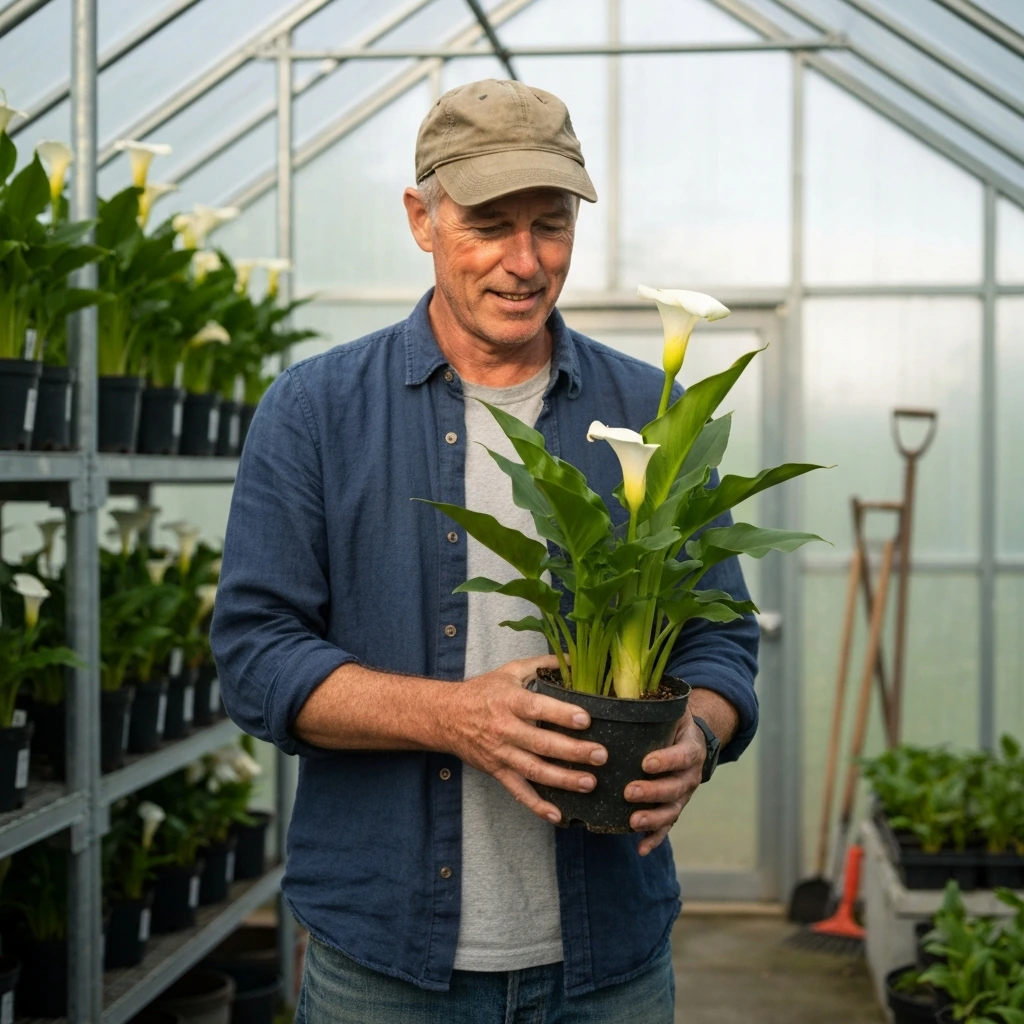
Container planting gives you a head start and more control, especially if you live somewhere with a short growing season or if you want blooms earlier. Start rhizomes indoors about 4 to 6 weeks before your last frost date. Use a pot that's at least 12 inches wide with drainage holes at the bottom. Plant the rhizome at the same 2 to 4 inch depth in a quality potting mix, water it in lightly, and keep it somewhere warm.
Once the danger of frost passes and nighttime temperatures stay consistently above 50°F, you can move the container outdoors. If you're growing calla lilies permanently in containers (a perfectly valid option), just keep in mind that pots dry out faster than garden beds, so you'll be monitoring moisture more closely.
Light, temperature, and watering
Calla lilies thrive in full sun to partial shade. In practice, that means at least 4 to 6 hours of direct sunlight per day for best flowering. In hot climates, afternoon shade is genuinely helpful since intense summer heat can stress the plants. In cooler regions, a full sun spot works beautifully. Unlike some of the true lilies, callas are reasonably flexible about light, but expect fewer flowers if they're stuck in heavy shade.
For temperature, calla lilies prefer daytime highs in the range of 65 to 75°F (18 to 24°C) and cooler nights around 55 to 60°F (13 to 16°C) during active growth. They can tolerate more heat once established, but they won't survive a hard frost. If you're in a warmer region like Florida or coastal Texas, callas can often stay in the ground year-round. In colder zones (roughly Zone 7 and below), you'll need to dig up the rhizomes before the first frost, let them dry, and store them at 50 to 60°F (10 to 16°C) for winter.
Watering is where a lot of growers go wrong. During active growth and flowering, keep the soil consistently moist but not waterlogged. Think "evenly damp" rather than "soaking wet. If you're growing calla lilies in Florida, you can also keep in mind that their rhizomes may stay in the ground year-round once conditions are warm enough. " Standing water around the rhizomes is the number one way to trigger rot. When the plant goes dormant in late summer or fall (leaves yellow and die back), back off watering significantly. The rhizome is just resting; it doesn't need much moisture at all during that phase.
Soil needs and drainage: don't skip this part
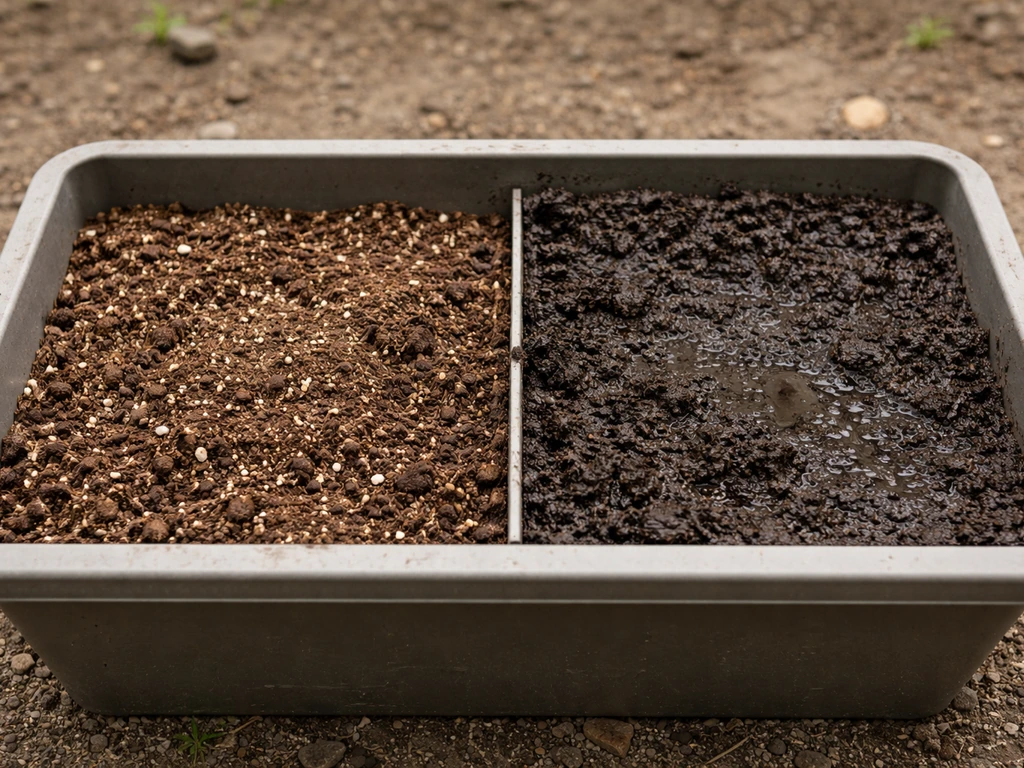
Drainage is non-negotiable with calla lilies. Their rhizomes rot quickly in heavy, poorly draining soil. The ideal growing medium is loose, rich, and well-draining. In garden beds, amend clay-heavy soil with compost and coarse sand or perlite before planting. In containers, use a quality potting mix (not garden soil, which compacts too much in pots) and make sure your pot has drainage holes. Sitting your pot in a saucer of standing water will cause problems, so empty that saucer after watering.
A slightly acidic to neutral soil pH, around 6.0 to 6.5, suits calla lilies well. If you're not sure about your soil's pH, a basic test kit from any garden center will tell you what you're working with in about ten minutes. Adding organic matter like compost improves both drainage and nutrient availability, which matters especially for the first season when the plant is putting energy into both root establishment and flower production.
How long until you see sprouts and flowers
This is the question everyone asks after they've planted and are waiting. Under typical outdoor conditions, expect to see the first sprouts breaking the soil surface in about 8 weeks. Flowers typically follow around 16 weeks after planting, though this varies with temperatures, light, and rhizome size. Larger, healthier rhizomes tend to come up faster and bloom earlier. If your rhizomes are small or were stored for a long time before planting, budget a bit more time.
After the sprouts appear, you'll notice the broad, arrow-shaped leaves first. Those distinctive spathe flowers come later. The leaves alone are attractive, so don't panic if you're a few weeks in and all you see is foliage. A plant that's leafing out well is doing its job and building up to blooming. Feed lightly with a balanced fertilizer (one lower in nitrogen, which pushes leaves at the expense of flowers) once you see active growth to support that transition.
Why your calla lily isn't growing: common problems
Calla lilies are not especially difficult, but they do have a few reliable failure points. Here's what to check when things aren't working:
- Rhizome rot from overwatering: This is the most common issue by far. If your stems feel soft or mushy at the base, the rhizome is rotting. It's usually caused by waterlogged soil or a container with no drainage. If you catch it early, dig up the rhizome, cut away the soft parts with a clean knife, dust the wound with a fungicide or powdered sulfur, let it dry for a day, then replant in fresh well-draining mix.
- Planted in cold soil too early: Calla rhizomes need warm soil to break dormancy. Planting them in cold, wet spring soil before temperatures have stabilized will cause rot or very slow, stressed emergence. Wait until after your last frost date and the soil has warmed.
- Wrong planting depth: Too shallow and the rhizome dries out or gets damaged by temperature swings. Too deep and emergence is slow or doesn't happen at all. Aim for 2 to 4 inches depending on rhizome size.
- Growing points facing down: This is an easy mistake with oddly shaped rhizomes. The bumpy knobs (eyes) need to face upward. If you planted them sideways or inverted, the shoot will eventually reorient, but it wastes a lot of energy and delays sprouting significantly.
- Not enough warmth or light: A calla lily stuck in a cold, shady corner won't do much. If it's leafing out but never flowers, it almost certainly needs more light. Fewer than 4 hours of sun per day will rarely produce flowers.
- Rhizome never broke dormancy after storage: If you stored rhizomes over winter and they're not sprouting, check them. Stored too cold (below 50°F) or too dry, they can desiccate. Stored too warm and wet, they rot. Inspect each one and toss any that are soft or hollow.
- Climate or zone mismatch: Calla lilies are cold-hardy in roughly Zones 8 to 10 and need to be dug up and stored in colder zones. If you're in a zone with hard winters and left them in the ground, you've likely lost them. The good news is that in warm climates like parts of Florida or Texas, they can stay in the ground year-round with minimal fuss.
Calla lilies vs. other "lilies": a quick reality check
Because this site covers a lot of lily types, it's worth a quick note on how calla lilies sit among the others. Unlike Asiatic lilies, which grow from true scaly bulbs and belong to the genus Lilium, calla lilies are in the arum family and grow from rhizomes. Their care is meaningfully different. Peace lilies are another case entirely: they're tropical houseplants that grow from clumping rootstocks and have nothing to do with bulb planting at all. Water lilies are aquatic plants grown in ponds. The "lily" name is shared across a wide range of unrelated plants, which is a real source of confusion when readers are looking for unified growing advice.
If you're trying to figure out which lily types do well in your specific region, questions like whether calla lilies or other lily varieties thrive in warm, humid climates like Florida, or in the heat of Texas, are genuinely worth exploring on their own terms. If you’re wondering about daylilies specifically, their Florida performance depends on choosing suitable cultivars and giving enough sun and consistent moisture. Calla lilies are particularly popular in warmer zones where they can stay in the ground year-round, but the regional calculus is different for daylilies, true lilies, and other species.
A quick comparison: calla lily rhizomes vs. true lily bulbs
| Feature | Calla Lily (Zantedeschia) | True Lily (Lilium, e.g., Asiatic) |
|---|
| Underground structure | Rhizome (or tuber-like) | True scaly bulb |
| Shape | Flat, fleshy, with bumpy eyes | Round, layered like an onion |
| Planting depth | 2 to 4 inches | 3 to 6 inches depending on size |
| Planting time | Spring, after last frost | Fall (most varieties) |
| Flower structure | Spathe and spadix (trumpet-like) | Open petals, 6 tepals |
| Cold hardiness | Zones 8 to 10 in-ground | Zones 3 to 8 depending on species |
| Family | Araceae (arum family) | Liliaceae (lily family) |
The bottom line: buy your calla lily "bulbs" with confidence, but know you're planting a rhizome. Orient the growing points upward, plant at 2 to 4 inches deep in well-draining soil, keep it moist but not soggy, give it at least 4 to 6 hours of sun, and be patient. Sprouts in about 8 weeks, flowers around 16 weeks, and a healthy rhizome can come back year after year if you treat it right.