
Yes, calla lilies can grow in Florida, but they need a bit more attention here than they do in cooler climates. Florida's heat, humidity, and unpredictable winter freezes in the northern parts of the state create some real challenges, but with the right variety, the right spot, and decent drainage, you can get beautiful blooms. I've seen them thrive in containers on shaded patios in Tampa and in lightly shaded garden beds in South Florida. The key is knowing what you're working with and setting them up correctly from the start.
Do Calla Lilies Grow in Florida? Conditions to Plant and Care
Marcus Hendricks
15 Apr 2026
Florida's climate and what calla lilies can actually handle
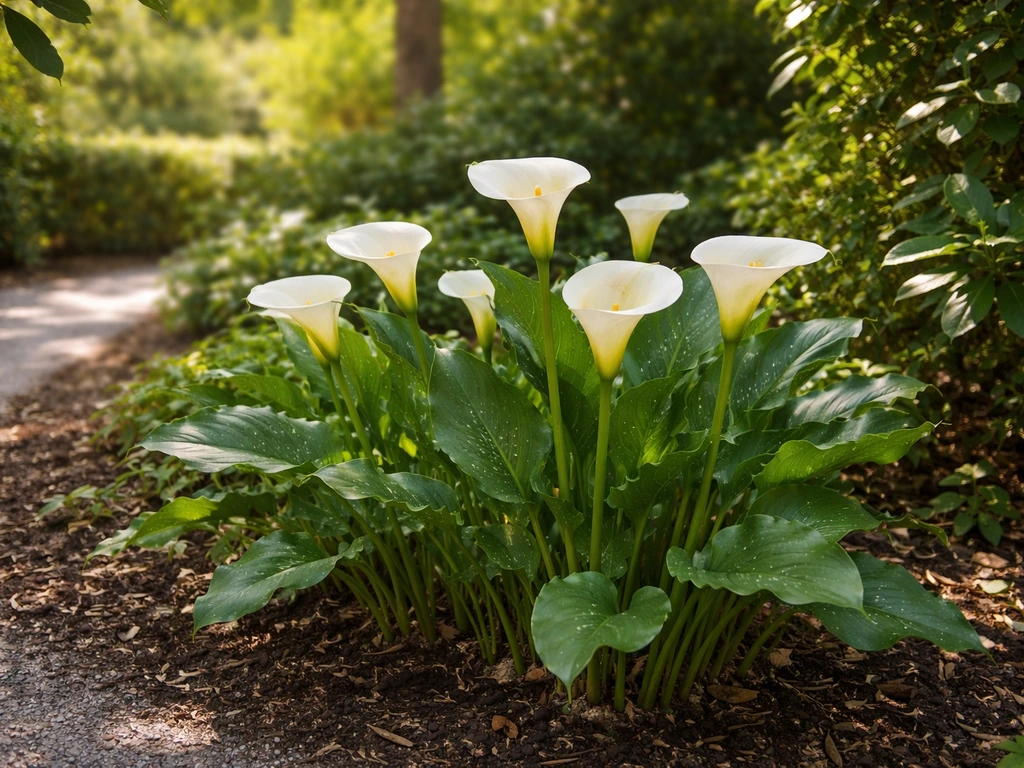
Calla lilies (Zantedeschia) are hardy in USDA zones 8 through 10, which covers most of Florida. South Florida (zones 10b and above) is warm enough that rhizomes can stay in the ground year-round with almost no cold risk. Central Florida (zones 9a to 9b) is generally safe too, though a bad freeze can occasionally damage exposed rhizomes. North Florida (zones 8a to 8b) is where you need to be more careful, since hard freezes below 20°F can kill rhizomes left in the ground.
Heat is the other side of the equation. Calla lilies prefer daytime temperatures below 80°F for active growth and blooming, which means Florida summers are genuinely tough for them. They tend to go dormant during the hottest months, which catches a lot of Florida gardeners off guard. This is completely normal, not a sign you've done something wrong. Think of it like a summer nap, and plan your planting calendar around it. The best blooming windows in Florida are typically late winter through spring (roughly February to May) and occasionally again in fall.
Humidity is the third factor, and it's the sneakiest problem. High humidity combined with poor airflow around the foliage creates perfect conditions for fungal diseases. Many lily varieties that grow in Florida face the same issue, so this isn't unique to callas, but it's worth keeping in mind when you choose your planting site.
Choosing the right calla lily for Florida conditions
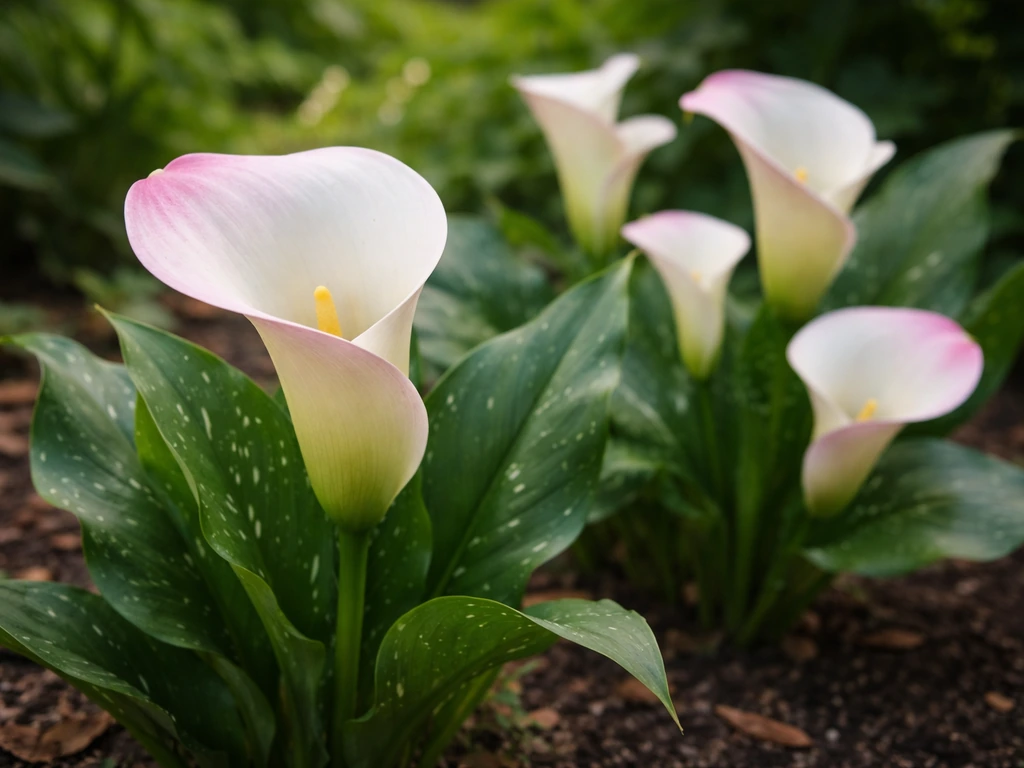
Not all callas are the same, and this matters a lot in Florida. The common white calla (blank" rel="noopener noreferrer">Zantedeschia aethiopica) is the most heat and moisture tolerant of the group. It naturally grows near water in its native South Africa and can handle Florida's wet summers better than most. If you want reliability, start here. It's also the variety most likely to re-bloom in Florida's mild winters.
Colored hybrid callas (Zantedeschia rehmannii, Z. elliottiana, and their modern hybrids) are the ones you see at garden centers in purples, pinks, yellows, and oranges. They're gorgeous, but they're also more finicky in Florida's heat and much less tolerant of waterlogged conditions. These hybrids go dormant more aggressively in summer and need drier conditions when dormant or you'll lose the rhizome to rot. They're worth growing but require more management, especially around drainage.
One important clarification: if someone is talking about a "calla lily" in a Florida context and they mean a peace lily (Spathiphyllum), that's a completely different plant. Peace lilies are aroids like callas, but they're tropical houseplants, not true calla lilies. Real calla lilies grow from rhizomes and go dormant. Understanding that calla lilies grow from bulb-like rhizomes, not seeds or offsets, is the foundation for getting the rest of the care right.
Sun, shade, and picking the best spot in your yard
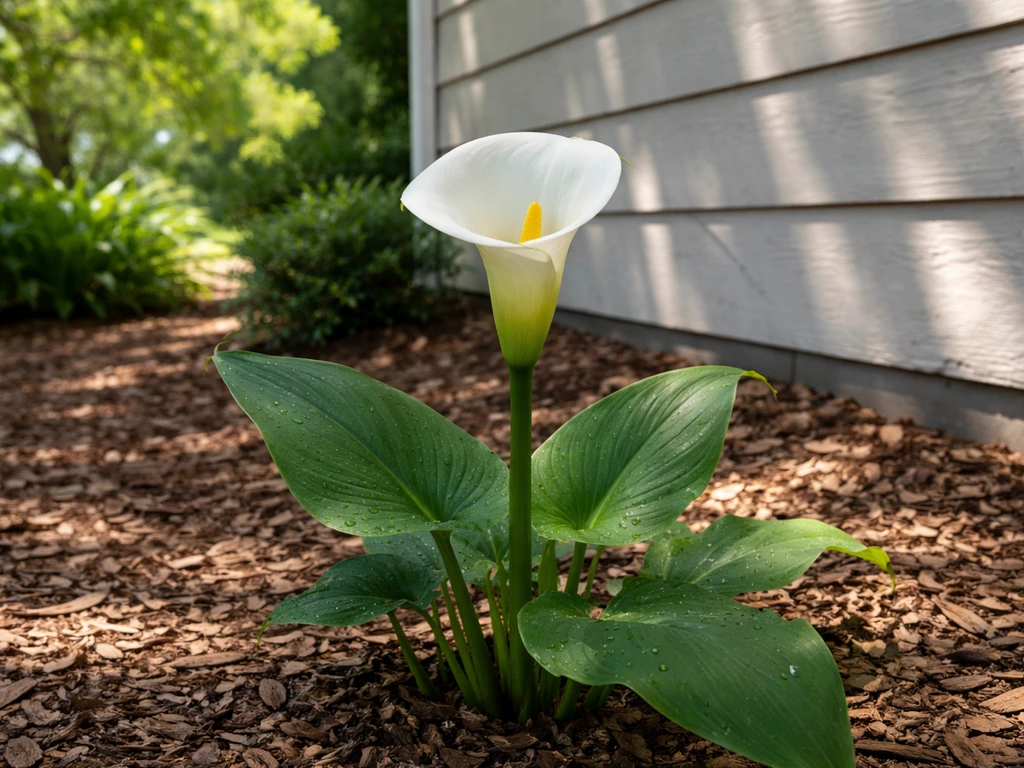
In most of the country, calla lilies are grown in full sun to partial shade. In Florida, you want to lean heavily toward partial shade, especially in Central and South Florida. Direct afternoon sun in July will cook them, cause leaf scorch, and push them into dormancy early. The ideal setup is 4 to 6 hours of morning sun with protection from the intense afternoon sun after about 1 or 2 p.m.
A spot under a high canopy tree, on the east side of the house, or near a fence that blocks western sun works really well. In North Florida, you can get away with a bit more direct sun since temperatures are cooler and the growing season lines up better with calla lily preferences. Just avoid low-lying spots in the yard that pool water after rain, no matter how much sun they get, because drainage beats sun exposure every time with this plant.
Soil, planting depth, and the container versus in-ground decision
Calla lilies want rich, well-draining soil with plenty of organic matter. In Florida, the native soil situation varies a lot, from the sandy, fast-draining soils of the coasts to the heavier clay-like soils of parts of North Florida. Sandy soil drains too fast and dries out quickly, so you need to amend it with compost or peat to improve water retention. Heavy soil that sits wet is even worse, as it sets the stage for rhizome rot fast.
For in-ground planting, prepare a bed with about 50% amended organic material mixed into the native soil. Plant rhizomes about 3 to 4 inches deep with the growing tip (the slightly pointed or knobby side) facing up. Space them roughly 12 to 18 inches apart to allow airflow between plants once they leaf out, which matters a lot in Florida's humidity.
Container growing is honestly my preferred approach for Florida, particularly for the colored hybrids. It gives you total control over the soil mix, drainage, and you can move plants to protect them from hard freezes or excessive summer rain. Use a well-draining potting mix (add perlite if the mix feels dense), choose a pot with at least one large drainage hole, and go with a container that's at least 12 inches wide and deep. Terracotta pots work especially well here because they breathe and help prevent waterlogging.
Watering without drowning them (Florida's biggest challenge)
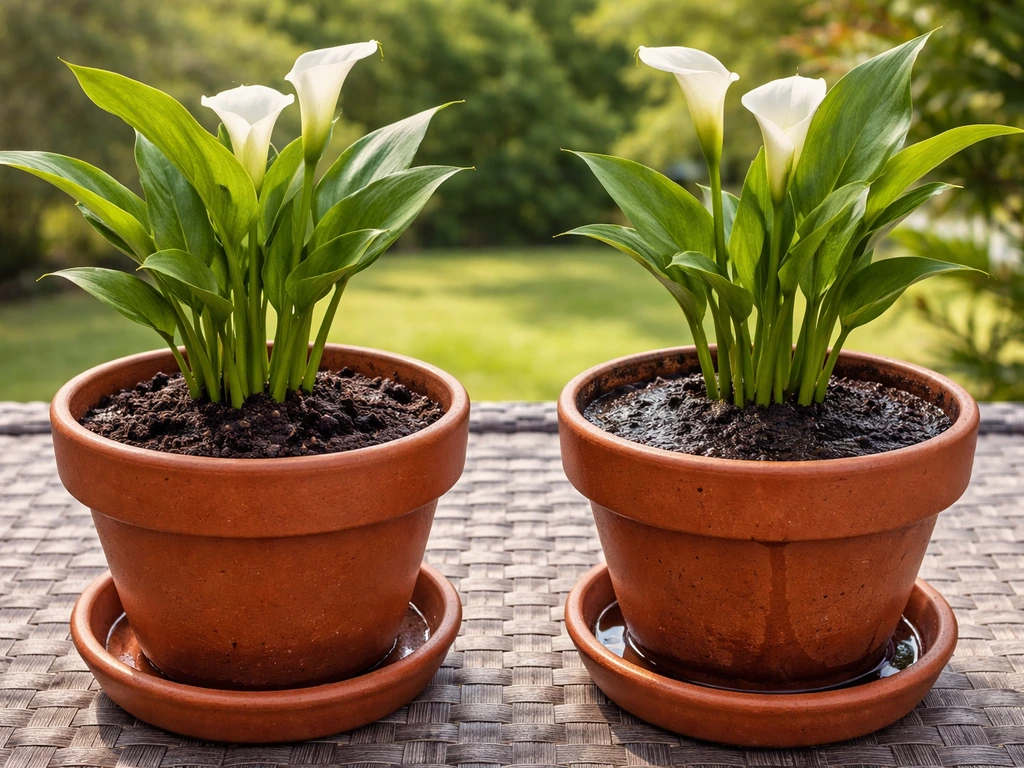
Florida's summer rainy season is beautiful and relentless, and it's exactly the wrong thing for calla lily rhizomes. Overwatering and waterlogged soil are the number one killer of callas in Florida. When rhizomes sit in wet soil, bacterial soft rot can take hold quickly, starting in the upper portion of the rhizome and spreading into the leaf and flower stalks. Root rot of calla can involve Phytophthora or Pythium species, with decay of roots back to the rhizome. By the time you see yellowing or mushy stems, the damage is already significant. This is why drainage is non-negotiable.
During the active growing season (late winter through spring), water regularly to keep the soil consistently moist but never soggy. A good rule of thumb is to water when the top inch of soil feels dry. During summer dormancy, cut back watering significantly. If your callas are in-ground in a spot that gets natural rainfall, you may not need to water at all during dormancy, and you may even need to improve drainage to stop the rain from pooling around the rhizomes.
In containers, the control is easier. Stop watering almost entirely once the foliage dies back, and move the pot to a covered spot (like a porch or garage) to protect it from summer rain. Resume watering in late fall as new growth begins. The common diseases that plague callas in wet conditions, including Phytophthora root rot and southern blight (Sclerotium rolfsii), are directly favored by prolonged leaf and soil wetness, so keeping water off the foliage and maintaining airflow around plants is just as important as what happens at the root level.
Fertilizing, the bloom cycle, and what goes wrong in Florida
Feeding your calla lilies
Calla lilies are moderate feeders. In Florida, start fertilizing when you see new growth emerging, typically late January to February in Central and South Florida, or March in North Florida. Use a balanced, slow-release granular fertilizer (something like a 10-10-10 or similar ratio) every 4 to 6 weeks during the active growing season. Once blooming starts, you can switch to a fertilizer with slightly lower nitrogen and higher phosphorus to support flower development. Stop fertilizing entirely once the plant goes dormant.
Avoid over-fertilizing with nitrogen, which pushes lush leafy growth at the expense of flowers and also makes the plant more susceptible to fungal issues in Florida's humid conditions.
Troubleshooting common Florida problems
- Yellowing leaves: The most common cause in Florida is overwatering or root rot, not nutrient deficiency. Check drainage first before reaching for fertilizer.
- No flowers: Usually happens when the plant doesn't get enough of a dormancy period, or when it goes into summer stress before it can bloom. Getting the timing right by planting in fall or early winter helps.
- Mushy stalks or rotting rhizomes: Classic bacterial soft rot or Phytophthora. Remove affected material immediately, let the rhizome dry out, and treat with a copper-based fungicide before replanting in fresh, well-draining mix.
- Botrytis gray mold: Shows up as fuzzy gray patches on leaves or flowers, especially during cool, wet spells in North Florida in winter. Improve airflow, remove affected leaves, and avoid overhead watering.
- Aphids and spider mites: More common during hot, dry spells. A strong spray of water or insecticidal soap handles most infestations quickly.
- Caterpillars and slugs: Florida's warm nights bring these out regularly. Hand-picking at night or slug bait around the base works well.
Unlike daylilies, which are famously tough and forgiving in Florida's climate (if you're curious how daylilies handle the state, daylilies in Florida is worth a read), calla lilies require a bit more fussing over drainage and disease. That doesn't mean they're difficult, it just means you can't ignore them once planted.
Overwintering and whether to treat them as annuals
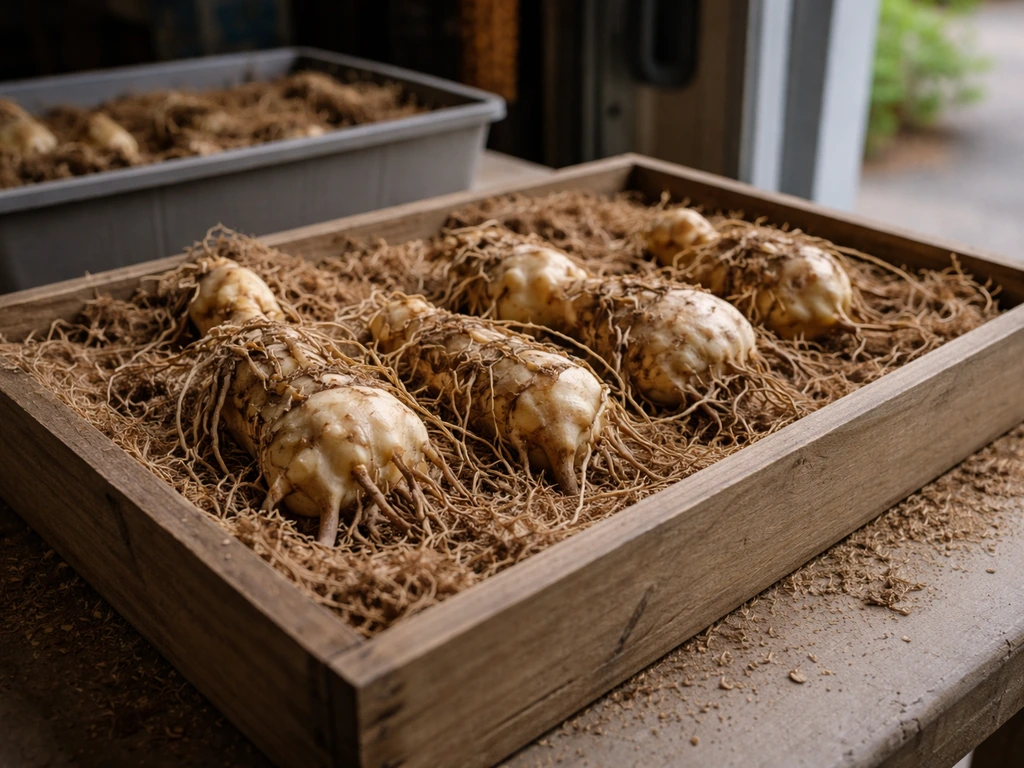
Whether to leave calla lily rhizomes in the ground, lift them, or just treat them as annuals depends entirely on where in Florida you are.
| Florida Region | Winter Risk | Recommended Approach |
|---|---|---|
| South Florida (zones 10a-10b+) | Minimal freeze risk | Leave rhizomes in ground year-round; manage summer drainage |
| Central Florida (zones 9a-9b) | Occasional light freezes | Leave in ground with light mulch over rhizomes; container plants move inside |
| North Florida (zones 8a-8b) | Hard freezes possible | Lift rhizomes after dormancy, store dry, replant in late winter |
If you're in North Florida and experience freezes below 20°F regularly, lifting rhizomes is the safer call. After the foliage dies back in late summer or fall, dig them up carefully, brush off excess soil, and let them dry in a warm spot for a few days. Store them in a paper bag or mesh bag with dry peat or vermiculite in a cool, dry location (around 50 to 55°F) until late winter. Replant them outdoors once the danger of frost has passed, typically late February to March.
In South and Central Florida, a thick layer of mulch (2 to 3 inches) over the planting area is usually all the winter protection you need. The rhizomes will break dormancy on their own as temperatures drop into the more comfortable range in fall, and you'll often see new growth by late January without doing anything special.
If all of this feels like too much to manage, treating colored hybrid callas as annuals is a perfectly reasonable approach. Buy fresh rhizomes each fall, enjoy the blooms through spring, and compost or discard them when summer heat arrives. It's not the most economical choice, but it removes the guesswork entirely.
What to do right now to get started
If it's spring or early summer and you're reading this, the window for this season's blooms has likely passed in most of Florida. The best move now is to plan for a fall planting. Order rhizomes from a reputable supplier, prep your containers or beds with well-amended, draining soil, and plant in October or November when temperatures start to drop below 85°F consistently. You'll get blooms from February through April, which is genuinely the ideal Florida calla season.
If you're in North Florida and wondering how calla lilies compare to other bulb-style plants suited for your area, the broader picture of growing lilies in Texas offers useful parallels since the climate challenges, heat, humidity, and occasional hard freezes, are similar to North Florida conditions.
- Choose your variety: White calla (Z. aethiopica) for reliability, colored hybrids for variety (with more care required).
- Pick a site with morning sun and afternoon shade, or set up containers you can move.
- Prepare well-draining soil: amend sandy soil with compost, avoid any spot that pools water.
- Plant rhizomes 3 to 4 inches deep, growing tip up, spaced 12 to 18 inches apart.
- Water consistently during active growth but back off dramatically during summer dormancy.
- Fertilize every 4 to 6 weeks during the growing season with a balanced fertilizer.
- Mulch rhizomes in Central Florida for winter protection, or lift and store in North Florida.
- Watch for mushy stems and yellowing as early rot warnings, and act immediately.
Calla lilies in Florida are absolutely doable. They're not a plant you can ignore completely, but with a decent drainage setup and the right timing, they'll reward you with some of the most striking flowers your garden can offer during those ideal late-winter and spring months.
FAQ
Do calla lilies need full sun in Florida to bloom well?
They usually bloom best with partial shade, especially from mid-day to late afternoon. If you only have one brighter spot, try morning sun only (about 4 to 6 hours) and add a simple shade cloth during the hottest part of the day to prevent early dormancy and leaf scorch.
What’s the fastest way to tell if my Florida calla is getting too much water?
Look for mushy or dark areas starting near the rhizome top, yellowing that progresses quickly, or stems that collapse without the plant first looking thirsty. If you dig up a suspected problem, healthy rhizomes feel firm, diseased ones often smell sour and break down easily.
Can I grow calla lilies in sandy Florida soil without constant watering?
You can, but you’ll need better water holding capacity and still avoid waterlogging. Mix in compost or peat (not just mulch), and use a container or raised bed where you can control moisture, since sandy ground drains too fast for consistent growth.
If my calla lily goes dormant in summer, should I cut off the leaves?
Wait until the foliage fully yellows and dies back on its own. Cutting early can leave the plant in an awkward, half-dormant state. Once leaves are finished, then reduce watering sharply (and keep rain off containers) until new growth starts in fall.
How deep should I plant rhizomes in Florida, and does depth help with rot?
Plant about 3 to 4 inches deep with the growing tip up. In Florida’s rainy season, slightly deeper placement in a well-drained bed can reduce how easily rain splashes and saturates the rhizome, but depth alone will not fix poor drainage.
What container size is actually worth it for Florida calla lilies?
Go larger than the minimum. A pot at least 12 inches wide and deep holds moisture more evenly and is less likely to dry out or freeze-damage the rhizome. Always confirm you have at least one large drainage hole, and elevate pots so water can escape freely.
Should I bring calla lilies inside during cold snaps in North Florida?
Often, containers are easier to protect than in-ground plantings. Move pots under cover (garage or porch) before hard freezes, but keep them unheated or lightly protected since warm indoor conditions can disrupt dormancy. For in-ground rhizomes, lifting is safer if you routinely see temperatures below 20°F.
Is it safe to water calla lilies on the foliage in Florida?
Try to avoid wetting leaves and flowers, especially in humid conditions. Water at the soil level and keep airflow in mind, since prolonged leaf wetness increases the odds of fungal and rot problems.
How often should I fertilize calla lilies in Florida, and when should I stop?
Fertilize after new growth appears, then repeat every 4 to 6 weeks during active growth. Stop completely once dormancy begins, because continuing to push nitrogen late in the season can create weak tissue that rots faster in Florida moisture.
What’s the most common mistake when growing colored hybrid calla lilies in Florida?
Overwatering during dormancy is the big one. Colored hybrids need a drier resting period, so once foliage dies back, reduce watering to near zero and protect the pot from summer rain, otherwise rhizomes can rot even if the growing season looked great.
I think I bought a “calla lily,” but it’s not sprouting from a rhizome. What should I check?
Confirm you have true calla lily rhizomes (Zantedeschia), not a peace lily (Spathiphyllum), and also check planting material type on the packaging. True callas should start with a firm rhizome and break dormancy in late winter or spring, not from seed-style tubers or ongoing indoor leaf growth.
When is the best time to plant calla lily rhizomes in Florida if spring already passed?
Plan for a fall planting, generally October or November, when temperatures stay below about 85°F more consistently. This timing supports strong establishment so you get the late-winter to spring bloom window rather than delayed or sparse flowering.
Next Articles
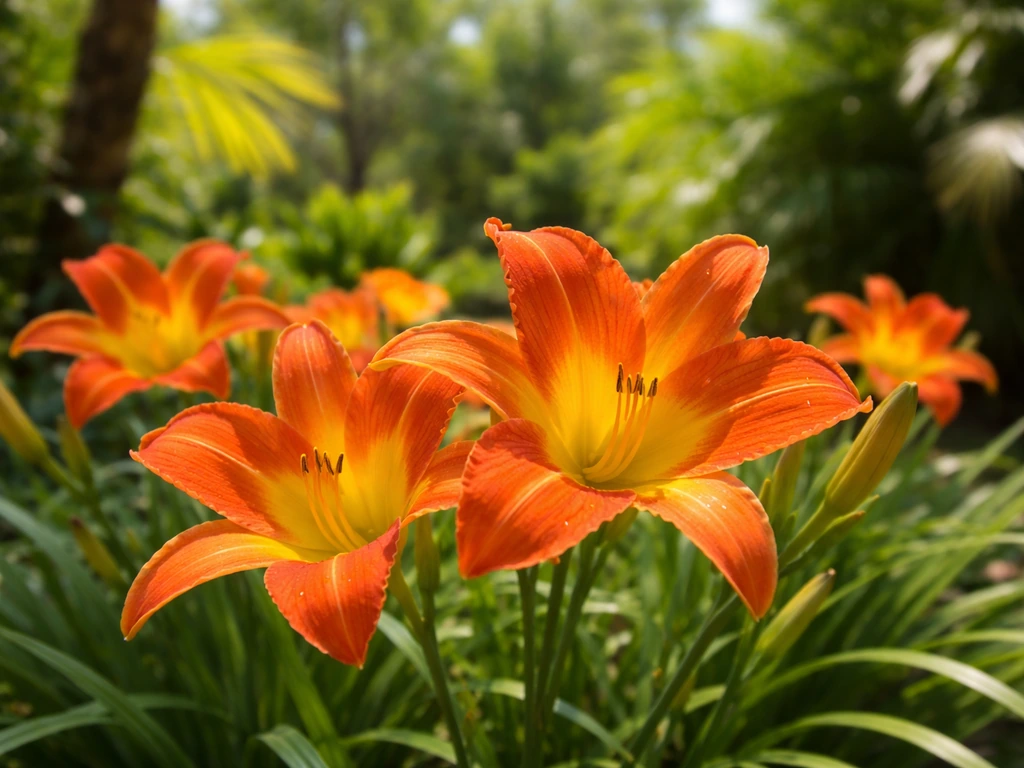
Will Daylilies Grow in Florida? How to Get Blooms
Yes, daylilies can thrive in Florida. Get light, soil, planting timing, watering, and cultivar tips for reliable blooms.
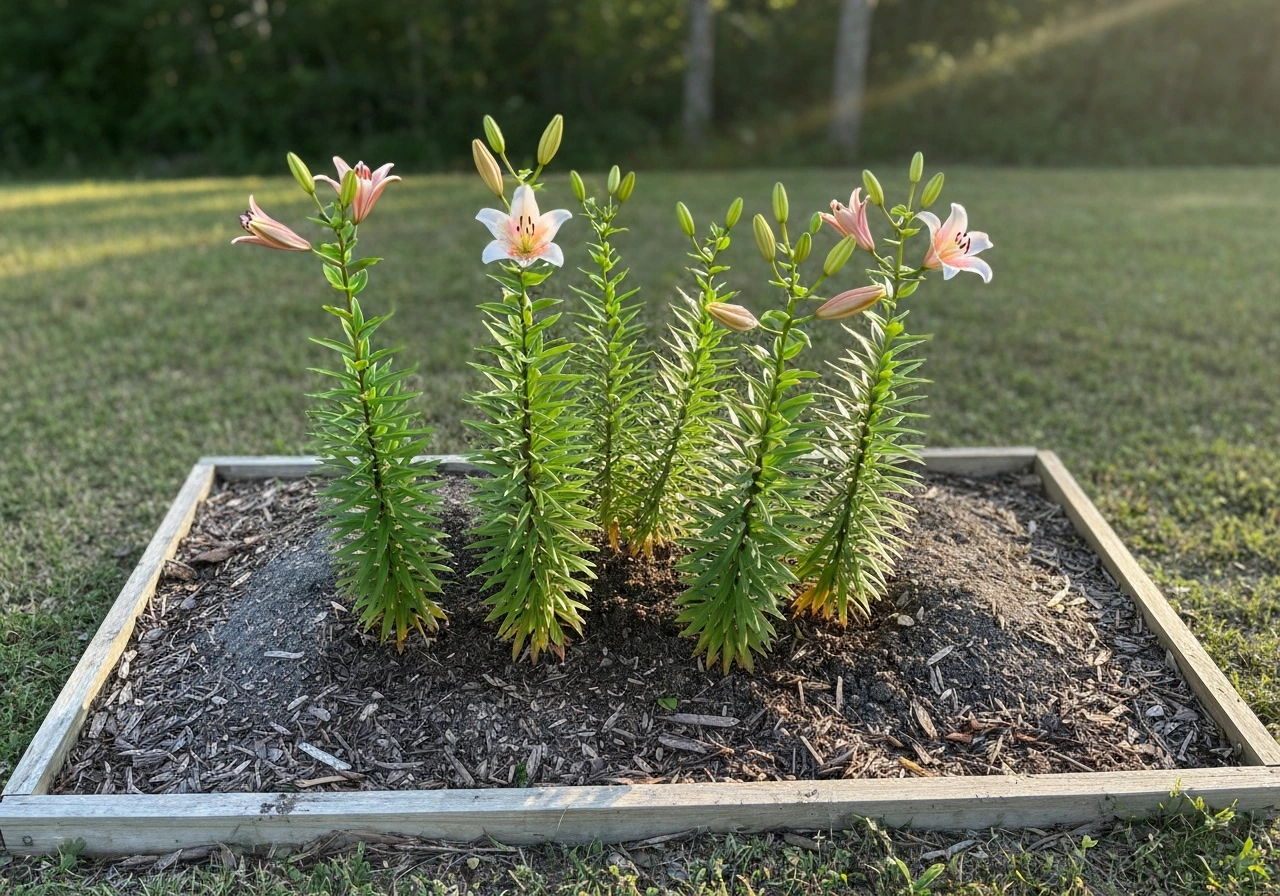
Do Lilies Grow in Florida? How to Grow Them Successfully
Yes, lilies grow in Florida. Get the right types and step-by-step planting, soil, drainage, and watering tips.
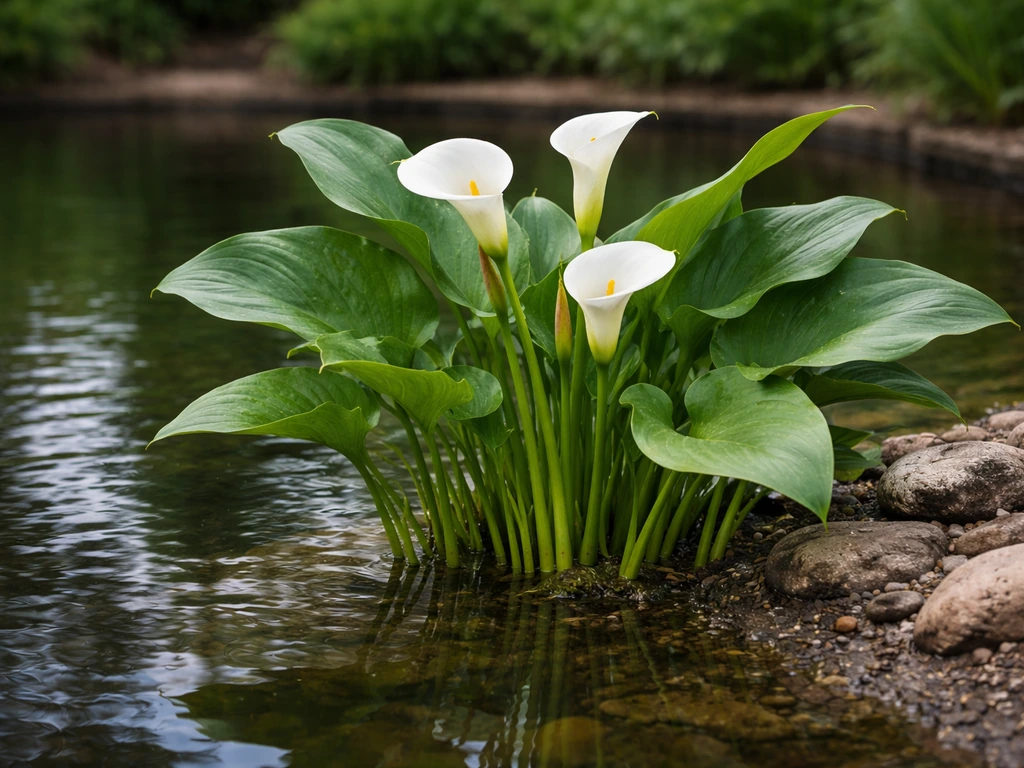
Can Calla Lilies Grow in Ponds? How to Set Up Successfully
Yes, with the right setup: water depth, substrate, anchoring, light, and overwinter care for pond or marginal calla lili