
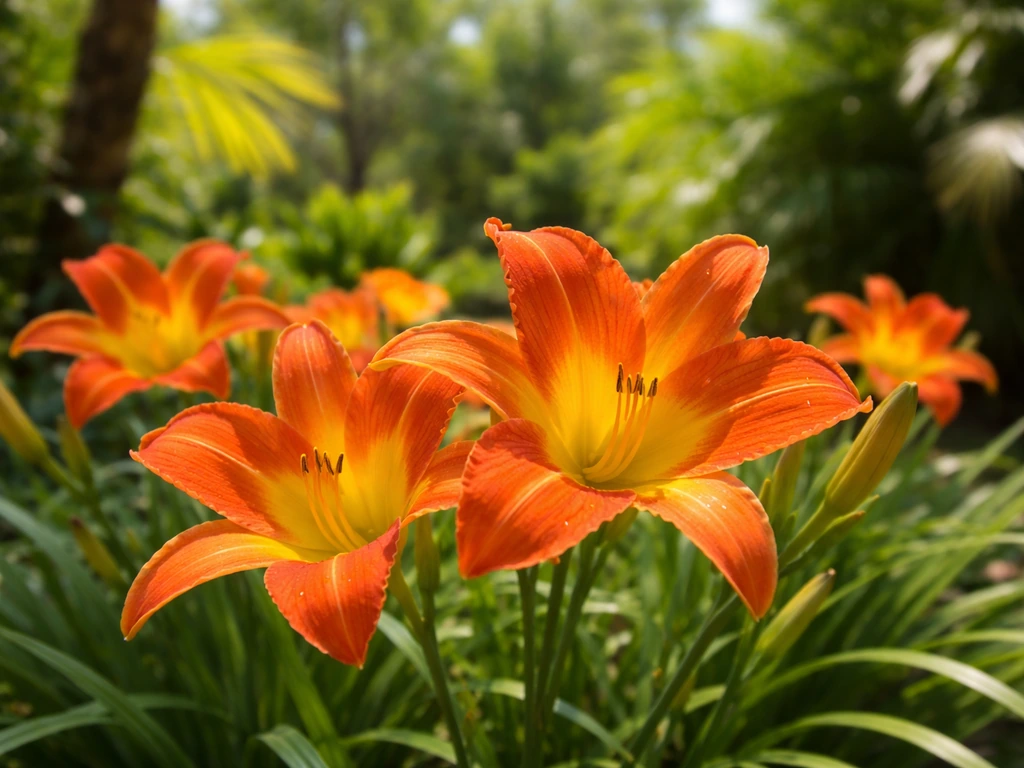
Yes, daylilies will absolutely grow in Florida, and in most parts of the state they grow really well. They're one of the more forgiving ornamentals you can plant here, surviving across wildly different Florida soils from Everglades muck to Dade County limestone rock to central Florida's sandy mix to northern red clay. That said, there are real differences between growing daylilies in the Florida panhandle versus Miami, and picking the wrong cultivar or planting in poorly drained soil can turn a promising garden bed into a soggy, rotting mess fast. Here's exactly how to make them work for your specific situation.
Will Daylilies Grow in Florida? How to Get Blooms
Marcus Hendricks
14 Apr 2026
Florida climate zones and where daylilies succeed
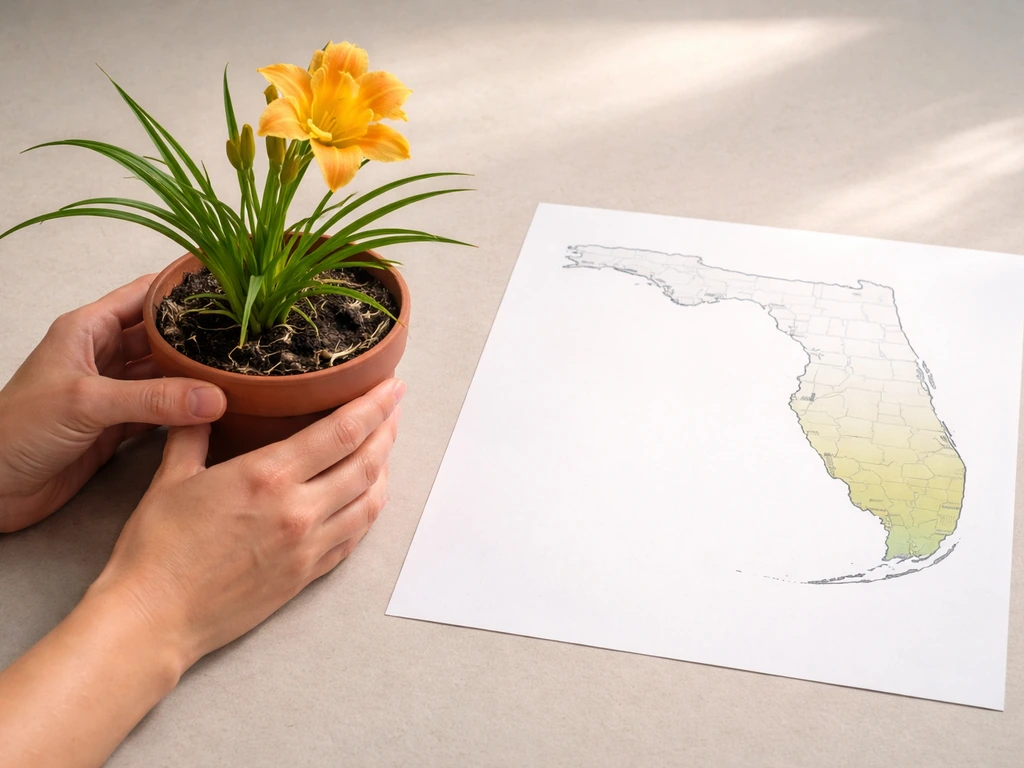
Florida spans USDA hardiness zones 8b through 12a, which is a huge range. The far northwestern panhandle sits in Zone 8b, where average extreme lows can dip to around 15°F. Move south through central Florida and you're in Zones 9b to 10a (lows of 25–30°F), and by the time you hit the lower Keys you're looking at Zone 12a with lows around 50–55°F. That temperature spread matters a lot for daylilies because different cultivar types respond differently to cold.
The good news is that daylilies are adaptable enough to cover most of this range. If you're in northern Florida or the panhandle, you have the most flexibility because you get a real winter dormancy period, which many classic daylily cultivars actually need to reset and rebloom reliably. In central Florida (think Orlando and Tampa areas), you're in a sweet spot where both evergreen and semi-evergreen types perform well.
South Florida, including the Miami metro and the Keys, is where it gets trickier. There's very little cold, and that can reduce bloom performance for dormant-type cultivars that need a chill to trigger flowering. You'll want to focus specifically on evergreen varieties there, and even then, managing summer heat and humidity becomes your main challenge rather than cold hardiness.
Light requirements and best placement
Daylilies want full sun, and in Florida that means at least 6 hours of direct sunlight per day. UF/IFAS is straightforward about this: daylilies grow best in full sun. They'll tolerate partial shade, but you'll get noticeably fewer blooms and weaker stems. In south and central Florida, where summer sun is intense, a little afternoon shade actually helps reduce heat stress on the flowers (individual blooms already only last one day, and scorching afternoon sun in July can cut that short). A spot that gets full morning sun and light afternoon shade is often the practical sweet spot in Tampa, Orlando, or further south.
Placement matters beyond just sun angle. You want good air circulation around your plants. Daylilies crowded against a fence or wall with limited airflow are sitting ducks for crown rot and fungal diseases in Florida's humid summers. Give them room and keep them where there's a breeze. If you're comparing placement options across the yard, favor the east or southeast side of your house where morning light is plentiful and afternoon shade provides some relief during the hottest months.
Soil, planting time, and watering basics
Getting the soil and drainage right
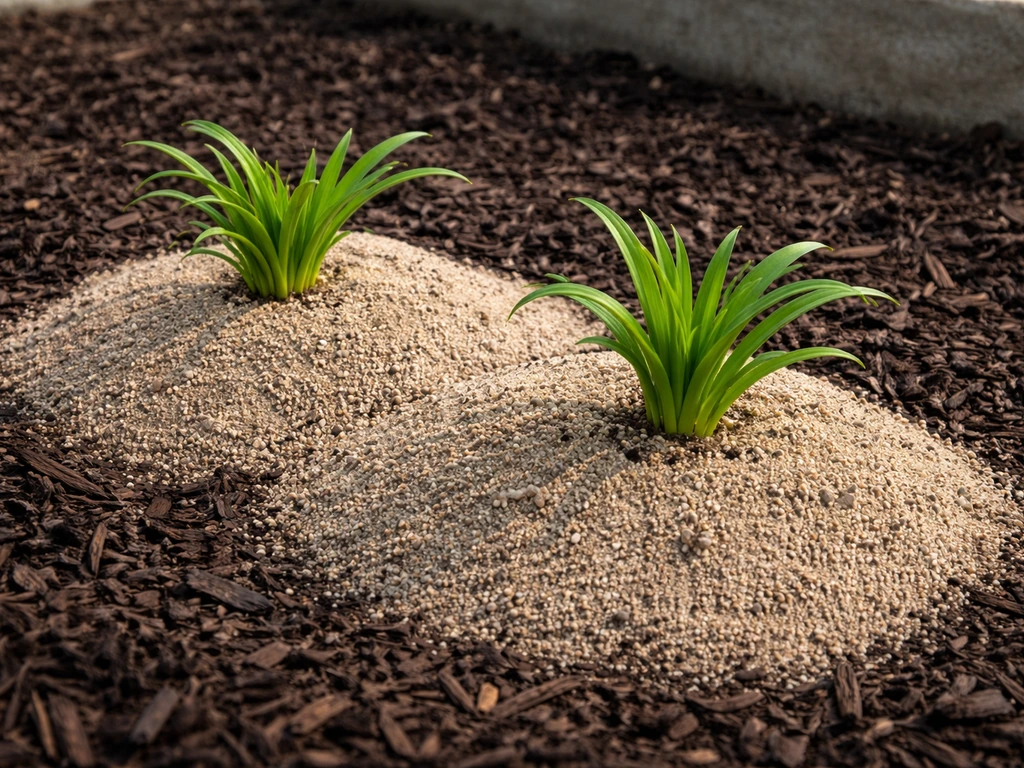
Drainage is the single most important soil factor in Florida. Daylilies can adapt to almost any soil type here, but they cannot survive in waterlogged conditions. If your soil holds standing water after rain, amend it with organic matter or build a raised bed before planting. Work the soil to at least 1 foot deep and make sure it's loose enough for roots to penetrate easily. When placing the plant, don't bury the crown more than about 1 inch below the soil surface. Deeper than that in Florida's warm, humid conditions is a reliable path to crown rot.
Spacing is another thing people underestimate. For bare-root plants, dig a hole wider than the root mass and space plants 18 to 24 inches apart. Crowding reduces flower production and also cuts off the airflow that keeps fungal issues in check. If you're planting into heavy clay in the panhandle or northern Florida, mix in a little coarse sand and compost to improve drainage. Sandy central Florida soils are actually pretty forgiving for daylilies as long as you keep up with watering.
When to plant
You can technically plant daylilies year-round in Florida, but spring and fall are ideal. UF/IFAS is clear on this. Spring planting lets roots establish before summer heat hits hard. Fall planting, especially September through November, gives the plant a long mild window to settle in before it needs to deal with either summer stress or winter cold (depending on your region). Avoid planting in peak summer, particularly in central and south Florida, where July and August heat and rain can overwhelm a newly transplanted root system before it gets established.
Watering rhythm
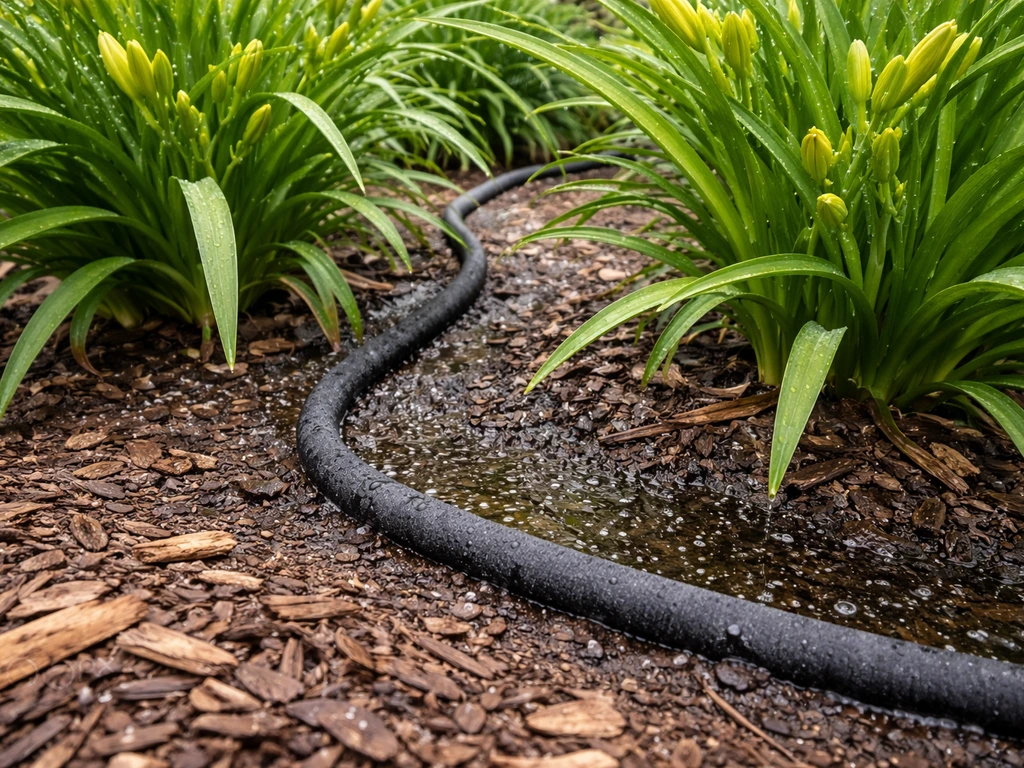
Daylilies need about 1/2 to 2 inches of water per week from rain or irrigation to put on a good bloom display, according to UF/IFAS. During Florida's summer rainy season, you may not need to water much at all. During the dry season (roughly November through May in most of Florida), you'll need to supplement. When you do water, water deeply so moisture reaches 8 to 10 inches into the soil rather than giving the roots a light daily sprinkle. Deep, infrequent watering develops stronger roots than constant shallow watering.
Choosing the right daylily types for Florida heat
This is where a lot of Florida gardeners go wrong: they buy whatever looks pretty at a big box store without checking whether it's the right type for the climate. There are three main foliage types to know about: dormant, semi-evergreen, and evergreen. Evergreen daylilies retain their foliage year-round and are generally better suited to hot climates with mild winters. Dormant types go fully dormant in winter and do better where there's real cold. Semi-evergreen types fall in between and are quite adaptable across Florida.
| Daylily Type | Best Florida Region | Cold Need | Heat Tolerance | Notes |
|---|---|---|---|---|
| Evergreen | Central and South Florida | Low | High | Best choice for Zone 10+ areas; keeps foliage through mild winters |
| Semi-Evergreen | All of Florida | Low to moderate | High | Most versatile option; good all-around performer statewide |
| Dormant | North Florida / Panhandle | Moderate to high | Moderate | Needs real winter chill to rebloom reliably; struggles in south Florida |
For heat tolerance specifically, look for cultivars bred in the southeastern United States or listed as heat-tolerant by the American Hemerocallis Society. Many modern tetraploid cultivars are bred for exactly these conditions. If you're in central or south Florida and you want a classic performer, look for semi-evergreen and evergreen varieties. In the panhandle, dormant types like 'Hyperion' will do fine because you get enough of a winter for them to reset. I'd skip dormant cultivars entirely in anything south of Orlando unless you're willing to accept reduced blooming.
Bloom season is another consideration. Many daylilies have a primary bloom flush in late spring to early summer in Florida, which can be May through June in the panhandle and as early as April in central and south Florida. Some cultivars rebloom through fall. If you want color across multiple seasons, buy a mix of early-, mid-, and late-season bloomers, or choose reblooming types specifically.
Care after planting: fertilizing, mulching, and managing Florida extremes
Fertilizing
Daylilies aren't heavy feeders, but they do respond to fertilization in Florida's often nutrient-poor sandy soils. A soil test is the best starting point. Generally, a balanced slow-release fertilizer applied in spring as growth emerges, and again in late summer or early fall, is a reasonable approach. UF/IFAS notes that spring, summer, and fall applications are all possible with appropriate timing based on soil testing. Avoid over-fertilizing with high nitrogen in Florida's humid summer, which pushes soft leafy growth that's more vulnerable to fungal rot.
Mulching
Mulch is important in Florida for moisture retention and keeping soil temperatures stable. Apply 2 to 3 inches of organic mulch (pine bark, wood chips, pine straw) around your daylilies, but keep it pulled back from the crown itself. Mulch piled against the crown traps moisture and heat right where you don't want it, especially in humid summer months. Mulch around the plants, not on top of them.
Managing summer heat and winter cold
In central and south Florida, summer heat stress is more of a concern than any winter cold. During peak summer, some leaf tip browning and slowed bloom production is normal. Make sure plants have adequate moisture and consider a layer of light mulch to insulate roots from extreme soil temperature swings. In north Florida and the panhandle, a hard freeze can damage evergreen varieties. A light freeze won't kill established plants, but if temperatures are forecast below 20°F, a frost cloth over the foliage overnight provides cheap insurance. Dormant types in the panhandle can be left completely alone in winter.
Common Florida daylily problems and how to fix them
Crown and root rot
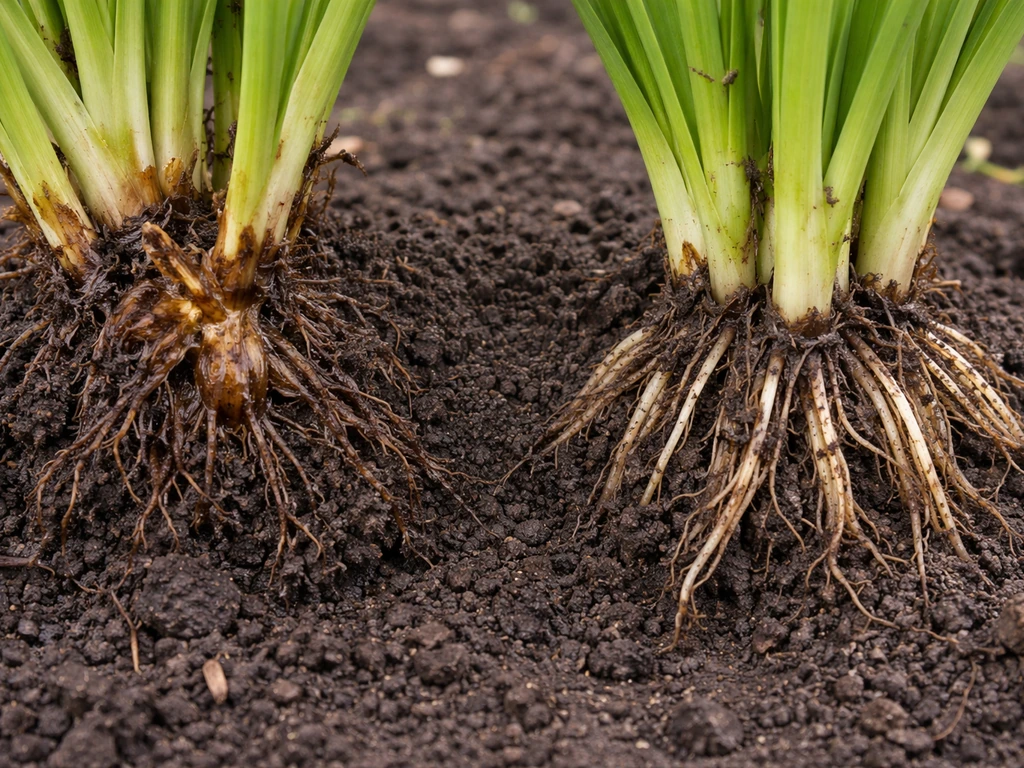
This is the number-one killer of daylilies in Florida, and it's almost always a drainage or planting-depth issue. Crown rot is favored by high temperatures, poor soil drainage, poor air circulation, and over-fertilization, all of which Florida summers can deliver at once. The diagnostic clue is a foul smell from the crown area combined with mushy, discolored tissue at the base. If you catch it early, remove the affected plant, cut away rotted tissue, let the crown air-dry, and replant in a better-draining spot. If the rot is extensive, discard the plant and don't replant daylilies in that same spot without improving drainage first.
Daylily rust
Daylily rust (Puccinia hemerocallidis) became a nationwide issue starting around 2000 and it's present in Florida. You'll see yellow or orange powdery pustules on the undersides of leaves. If you're bringing new plants home, it's worth cutting off all foliage just above soil level before introducing them to your garden to avoid importing rust. At first sign of infection on established plants, remove affected foliage and cut the plant back to soil level. Fungicide sprays can help manage it but rarely eliminate it entirely. Good airflow and avoiding overhead watering both reduce rust pressure.
Pests
The good news is that daylilies are rarely bothered by pests in Florida. When they do show up, the usual suspects are aphids, thrips, spider mites, and grasshoppers. Thrips are worth paying attention to because they reduce bud set and can seriously cut your bloom count. You'll notice distorted or scarred flower buds. Insecticidal soap or spinosad-based sprays handle aphids and thrips effectively. Spider mites tend to show up during hot, dry stretches and create fine webbing on foliage. A strong water spray and insecticidal soap resolve most spider mite issues without reaching for heavy chemicals.
Heat and drought stress
Leaf tip browning, reduced bloom size, and wilting during the hottest part of the day are all signs of heat or drought stress. Make sure your plants are getting that 1/2 to 2 inches of water per week during the dry season, and water deeply rather than frequently. If you're in a drought period in central or south Florida, increase irrigation before plants show visible stress. Once plants are wilting in Florida summer heat, they've already been under stress for a while.
In-ground vs. containers, and when to reconsider
Most Florida gardeners will get better results planting daylilies in the ground rather than in containers. In-ground plants have natural soil temperature buffering, and roots don't heat up as severely during summer. The American Daylily Society notes that container-grown plants are subject to more extreme root and crown temperatures than those grown in the ground, which in Florida's summers means container daylilies are at higher risk of heat stress and root rot without careful management.
That said, containers make sense if you're dealing with genuinely bad drainage that you can't fix (say, a yard that floods reliably every summer), or if you're in an apartment or condo situation. If you go the container route, use a large pot (at least 12 to 14 inches in diameter), a well-draining potting mix, and keep containers in a spot where they won't bake in full afternoon sun during July and August. Light-colored pots reduce root temperature compared to dark ones.
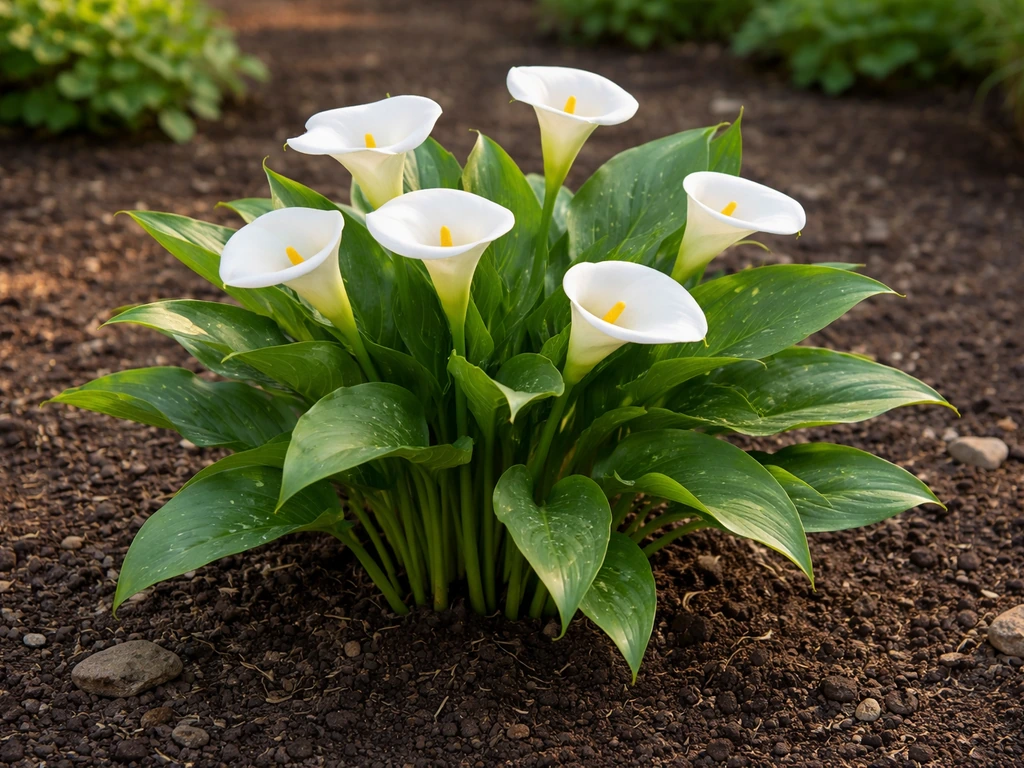
There are a few situations where I'd genuinely tell someone to reconsider daylilies entirely. If your yard has poor drainage that you can't correct with raised beds or soil amendment, you'll be battling rot constantly. If you're in extreme south Florida (Zone 11 or 12) and want a big, reliable bloom show, you might find that calla lilies in Florida or other warm-climate plants give you better results without the cultivar-selection complexity that dormant daylilies require in your zone.
If you're gardening in other parts of the South and wondering how conditions compare, the challenges daylilies face in Florida's heat and humidity have some overlap with what gardeners deal with further west. You can get a sense of those parallels by looking at how lilies grow in Texas, where summer heat and drainage concerns are similarly central to success.
Florida is also home to many other lily-family plants worth knowing about. If you're exploring what else thrives here, checking out which lilies grow in Florida more broadly can help you build a garden plan that combines daylilies with other species that complement their bloom windows and care requirements.
One thing worth knowing if you're also considering calla lilies alongside your daylilies: unlike daylilies, which spread via fleshy roots and division, calla lilies grow from rhizomes (commonly called bulbs), which means their planting depth and division timing work differently. Knowing those differences helps you plan a mixed bed without accidentally giving one plant what the other needs.
The bottom line: daylilies are a genuinely good fit for Florida gardens when you match the cultivar type to your zone, plant in spring or fall with good drainage and proper crown depth, give them 6-plus hours of sun, and keep up with watering during the dry season. Get those basics right and you'll be rewarded with reliable, colorful blooms that come back year after year with very little fuss.
FAQ
Will daylilies grow in Florida if my yard floods after rain sometimes?
They can struggle if water stands around the crown. If you get recurring puddles, fix the site first by building a raised bed or improving drainage, then plant so the crown sits no more than about 1 inch below the surface. If you cannot stop summer flooding, container planting with a well-draining mix (and never letting the pot sit in runoff water) is usually safer than in-ground.
What daylily type should I buy for South Florida (Miami area) for reliable blooms?
Choose evergreen or semi-evergreen types. Dormant cultivars often bloom less in areas with minimal winter chill, even if they survive. In practice, plan on managing heat and humidity, because the limiting factor in South Florida is usually summer stress, not winter survival.
Do daylilies need to be divided in Florida, and how often?
Yes, over time clumps can become crowded, which reduces airflow and bloom output. A common approach is to divide every 3 to 5 years (or sooner if flowering slows noticeably). Divide and replant in spring or fall so new divisions establish before peak summer or winter extremes.
Can I plant daylilies in a lawn area under sprinklers or where they get overhead watering?
Avoid overhead watering if you can. Water on foliage increases rust and other fungal pressure in Florida’s humidity. If you already have sprinklers, switch to drip irrigation or water at the soil level, and keep plants spaced so leaves dry faster after rain.
How much shade is too much for daylilies in Florida?
They need at least 6 hours of direct sun for best bloom performance. In heavy shade, you may get lots of leaves but fewer scapes (flower stalks) and smaller blooms. If your yard is only partially sunny, prioritize morning sun and use light afternoon shade only as relief from July heat.
Is it okay to plant daylilies near a wall or under overhangs in Florida?
It depends on airflow and drainage. If the area stays humid, you get reduced breeze, or the wall blocks rain runoff, crown rot risk goes up. If you place them near structures, keep extra spacing from the wall, ensure good drainage, and avoid letting mulch accumulate right against the crown.
What’s the fastest way to prevent crown rot after I notice yellowing or a bad smell?
Remove the plant promptly. Cut away all rotted, mushy tissue, then let the crown air-dry for a short period before replanting or discarding. Most importantly, change the growing conditions at that spot (better drainage, better airflow, correct crown depth) so you do not repeat the same rot pattern.
When should I fertilize daylilies in Florida if I’m not sure about soil quality?
If you do not have a soil test, a cautious baseline is a balanced slow-release fertilizer as growth starts in spring, then a second application in late summer or early fall. Avoid heavy nitrogen during Florida’s humid peak, because lush growth with poor airflow can increase rot risk and weaken bloom quality.
Do daylilies grow well in containers in Florida, or is it too risky?
They can work, but they are more sensitive to root overheating and uneven moisture than in-ground planting. Use a pot at least 12 to 14 inches wide, light-colored containers to reduce heat buildup, and a mix that drains quickly. Also, do not let the pot stay soggy, and provide protection from baking full afternoon sun in July and August.
If my daylilies don’t bloom in Florida, what are the most common causes?
The top culprits are too little sun, crowding, incorrect crown depth (often planted too deep), and stress from drought during the dry season. Heat stress can also reduce bud set, so check whether you are watering deeply enough during dry spells, not just lightly and frequently.
How can I reduce daylily rust if it shows up on my plants?
Improve conditions first, remove infected foliage at the first sign, and stop overhead watering. You can also cut the plants back to soil level when rust is actively spreading, which helps reduce infected tissue. Fungicides may reduce severity, but rust usually does not disappear permanently, so prevention and sanitation matter.
Next Articles
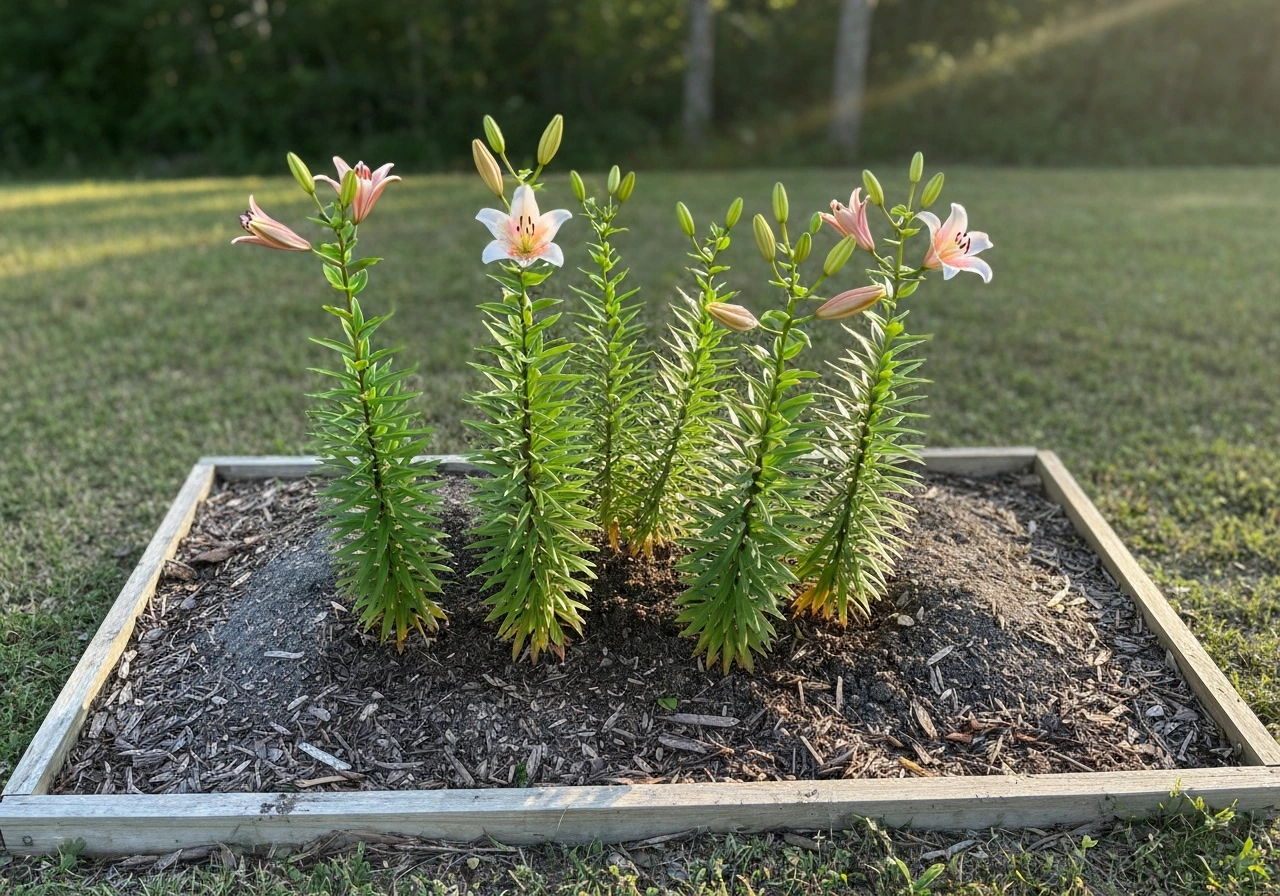
Do Lilies Grow in Florida? How to Grow Them Successfully
Yes, lilies grow in Florida. Get the right types and step-by-step planting, soil, drainage, and watering tips.
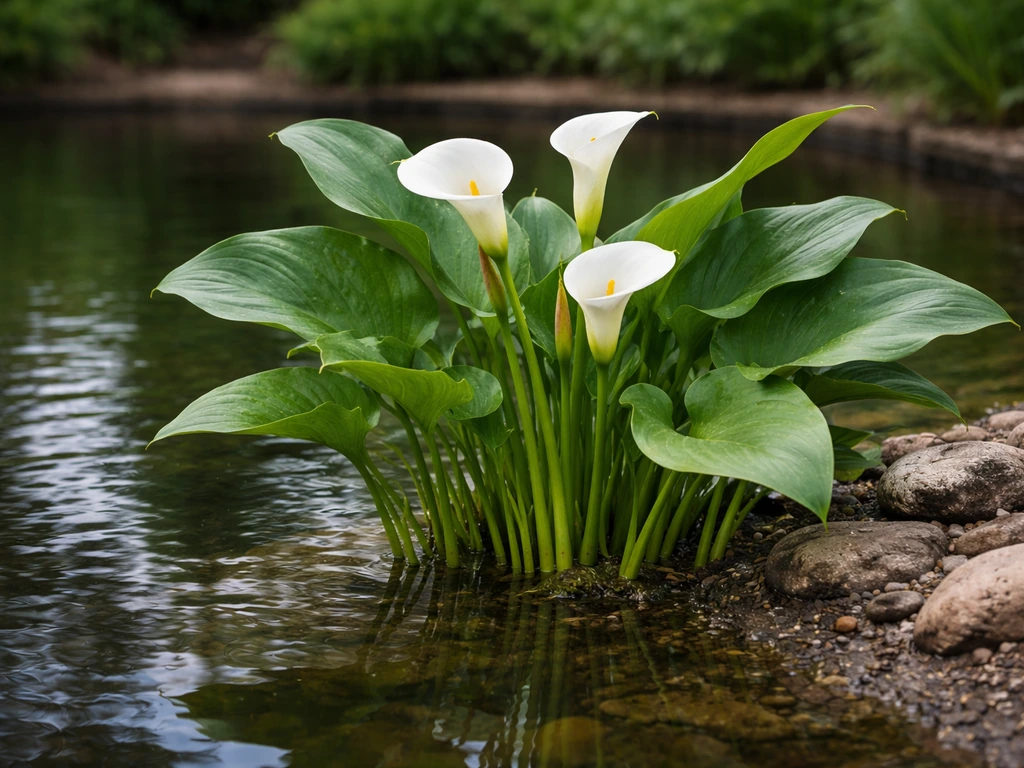
Can Calla Lilies Grow in Ponds? How to Set Up Successfully
Yes, with the right setup: water depth, substrate, anchoring, light, and overwinter care for pond or marginal calla lili
Are Calla Lilies Hard to Grow? Easy Guide for Success
Get a clear answer on are calla lilies hard to grow, plus exact light, temperature, watering, planting, and fixes.