
Yes, lilies can absolutely grow in Texas, but the answer gets more useful once you know which type of lily you're actually dealing with. Texas spans USDA hardiness zones 7 through 10, which means a gardener in Amarillo and a gardener in Brownsville are essentially growing in different climates. The USDA [Plant Hardiness Zone Map](https://planthardiness. ars.
Can Lilies Grow in Texas? Types, Care, and Planting Guide
Marcus Hendricks
20 Apr 2026
usda. gov/) is a standard tool for determining which perennial plants are most likely to thrive in a given location. Some lily types thrive across most of the state. Others are borderline.
And a few popular plants sold as 'lilies' at nurseries aren't true lilies at all, which changes the entire care equation. Let's sort all of that out. In Florida, many true lily varieties struggle with the combination of mild winters and humidity, so success often depends on choosing heat-tolerant types and improving drainage do lilies grow in florida.
Quick answer: which lilies can (and can't) grow in Texas
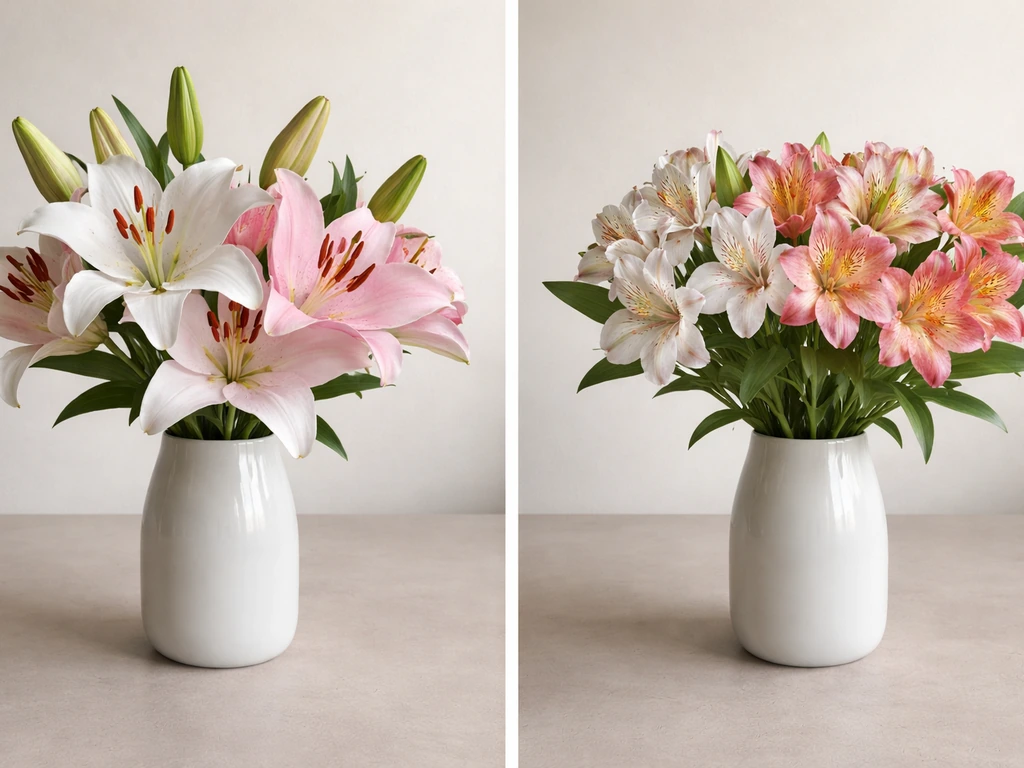
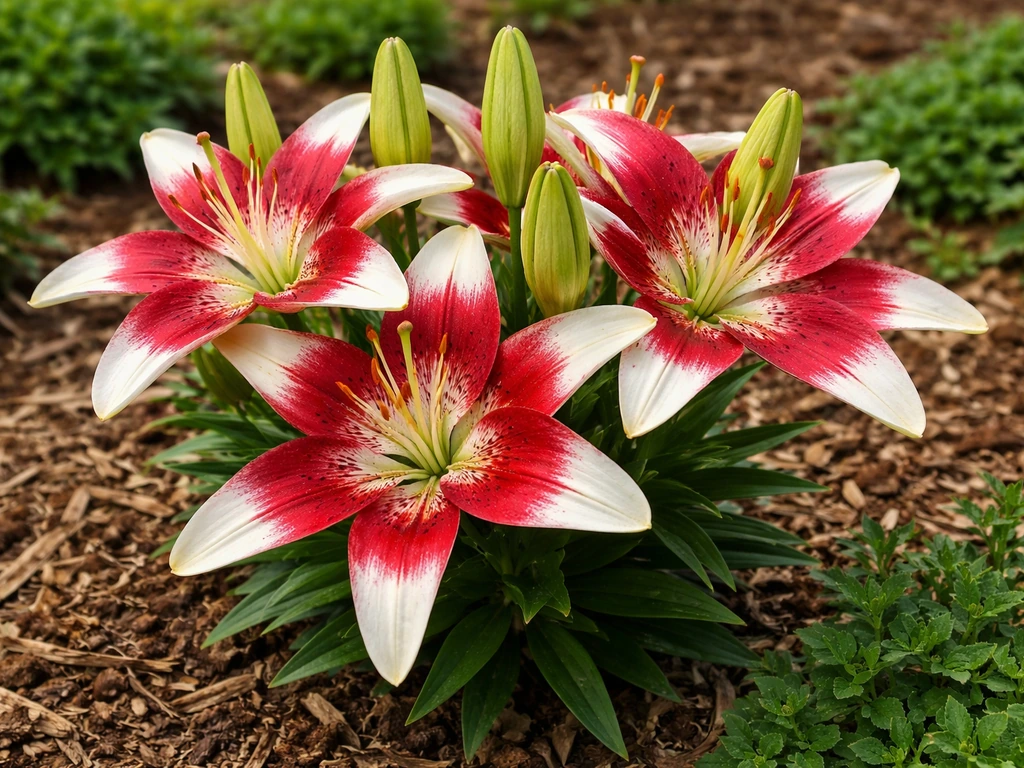
True lilies belong to the genus Lilium and grow from bulbs. That group includes Asiatic hybrids, Oriental hybrids, L.A. hybrids (a cross between Lilium longiflorum and Asiatic types), and OT hybrids. These are the plants you picture when you think of a tall garden lily with big, showy blooms. Most of them can grow in Texas with the right variety selection and some care around heat and drainage. Asiatic and L.A. hybrids are your most reliable bets statewide. Oriental hybrids are trickier in South Texas because of the heat, but they work in North Texas. OT hybrids (sometimes called 'tree lilies') are a good middle-ground option.
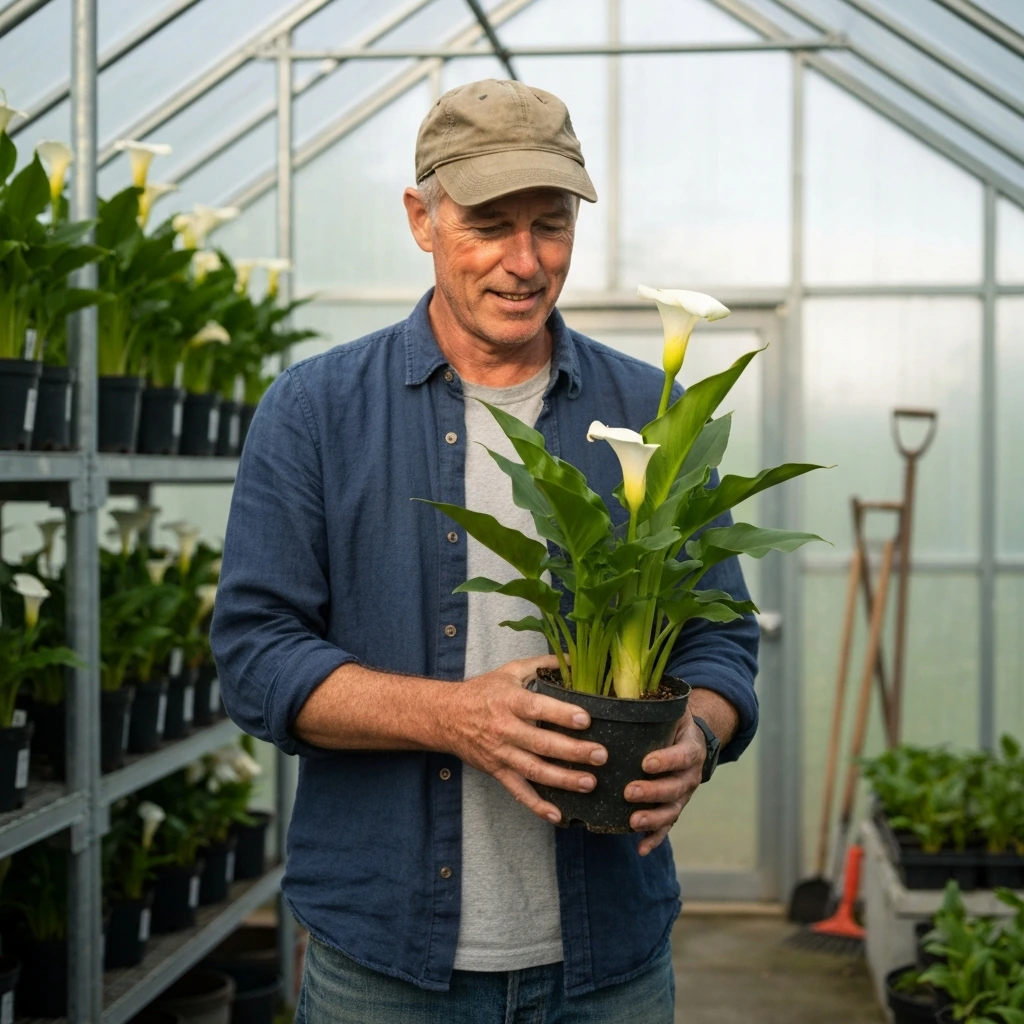
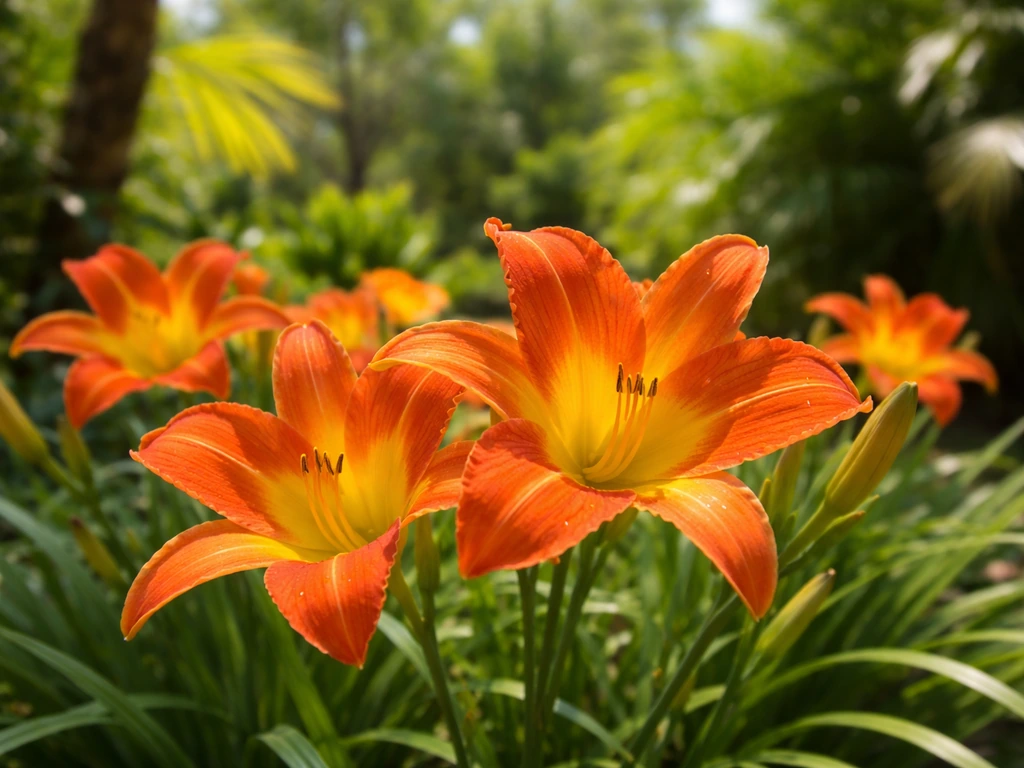
Then there's the 'lily' name confusion, and it trips up a lot of Texas gardeners. Peace lily (Spathiphyllum) is a tropical houseplant, not a true lily at all. Calla lily (Zantedeschia) is not related to true lilies either, as the National Park Service points out plainly. Daylilies (Hemerocallis) are their own genus entirely. All three of these can grow in Texas under the right conditions, but they have completely different care needs from Lilium species. If you bought a plant labeled 'lily' and it isn't growing like you expected, checking the actual genus name on the tag is step one.
| Plant | True Lily (Lilium)? | Texas Outdoor Viability | Best Use |
|---|---|---|---|
| Asiatic hybrid lily | Yes | High — zones 7–10 with good drainage | Garden beds, containers |
| L.A. hybrid lily | Yes | High — heat-tolerant, reliable statewide | Garden beds, cut flowers |
| OT hybrid lily | Yes | Moderate — best in zones 7–9 | Garden beds, containers |
| Oriental hybrid lily | Yes | Moderate — better in North/Central TX | Garden beds (with afternoon shade) |
| Daylily (Hemerocallis) | No | Very High — thrives statewide | Ground cover, borders |
| Calla lily (Zantedeschia) | No | Moderate — zones 8–10 outdoors | Containers, partial shade beds |
| Peace lily (Spathiphyllum) | No | Low — best kept indoors in TX | Houseplant only |
Texas climate basics that affect lily success
Heat is the single biggest variable. The American Horticultural Society measures heat stress in terms of days above 86°F per year, and Texas racks up a lot of them, especially in Central and South Texas. Once temperatures push well past 86°F consistently, lilies stop putting energy into flowers and start just surviving. This is why timing your planting correctly matters so much here, and why varieties bred for heat tolerance perform better than standard cool-climate cultivars.
Winter chill is the other side of the equation. Many true lily bulbs need a cold dormancy period to recharge and bloom the following year. North Texas (zones 7–8) gets enough winter cold to satisfy most Lilium species naturally. Central Texas (zones 8–9) is borderline. South Texas and the Rio Grande Valley (zones 9–10) often don't get enough sustained cold, which is why Oriental hybrids in particular struggle to rebloom there year after year. You can work around this by refrigerating bulbs before planting, but it's extra effort some gardeners would rather skip by just choosing more heat-adapted varieties.
Humidity and soil drainage round out the picture. East Texas and the Gulf Coast are humid enough that fungal problems and bulb rot are real risks. West Texas and the Hill Country run drier, so irrigation management matters more. Understanding which part of Texas you're gardening in tells you whether your main enemy is waterlogged soil or drought stress.
Best lily types for each Texas region
North Texas (zones 7–8, Dallas/Fort Worth and north)
North Texas has the most forgiving climate for true lilies in the state. You get enough winter cold to satisfy bulb dormancy requirements and your summers, while hot, are shorter than further south. Asiatic hybrids, L.A. hybrids, and Oriental hybrids all perform well here. Oriental hybrids bloom in late July through mid-August, so they benefit from afternoon shade in particularly hot summers to protect the flowers. OT hybrids are also excellent here and tend to produce larger blooms. Daylilies are nearly indestructible in North Texas and a great low-maintenance addition alongside true lilies.
Central Texas (zones 8–9, Austin/San Antonio area)
Central Texas gardeners get good results with Asiatic and L.A. hybrids, which handle heat better than Orientals. Oriental hybrids can work here but need afternoon shade and may not rebloom as reliably after the first year without bulb refrigeration. The Hill Country's rocky, alkaline soil adds a drainage challenge you'll need to address with amended raised beds or containers. Calla lilies grown in containers do nicely in Central Texas with some shade protection. I'd steer most Central Texas gardeners toward L.A. hybrids as the most reliable all-around choice.
South Texas and Gulf Coast (zones 9–10, Houston/Corpus Christi/Rio Grande Valley)
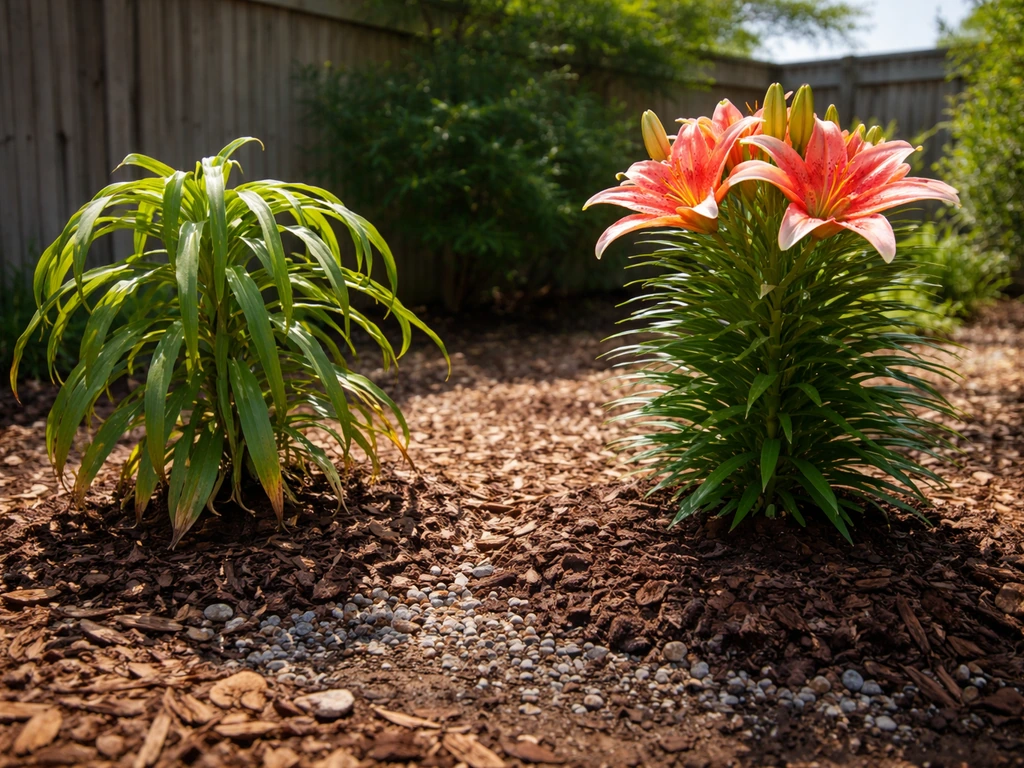
South Texas is the most challenging region for true lily bulbs. The combination of hot, humid summers and mild winters means most Lilium species won't naturalize as perennials. Your best strategy is to treat them as annuals: buy fresh bulbs each fall, refrigerate them for 6 to 8 weeks before planting, and plant in late fall or early winter for spring blooms. L.A. hybrids and Asiatic hybrids give you the best shot. Houston gardeners in zones 9a–9b have had success this way, especially in raised beds with excellent drainage. For something easier to maintain long-term, calla lilies in containers or daylilies in the ground are genuinely more reliable in this climate.
Light, soil, and drainage for Texas gardens and containers
True lilies want at least 6 full hours of direct sun per day, and most prefer 8 hours. In North and Central Texas that full-sun exposure is fine for most of the growing season. But in South Texas or during peak summer heat, some afternoon shade (roughly from 2 p.m. onward) protects the blooms and foliage from scorching without compromising the plant's energy production. The phrase 'feet in the shade, head in the sun' gets thrown around a lot with lilies, and in Texas it's actually good advice: plant something shorter in front of your lily bed to shade the soil and lower stems while the upper foliage stays in the light.
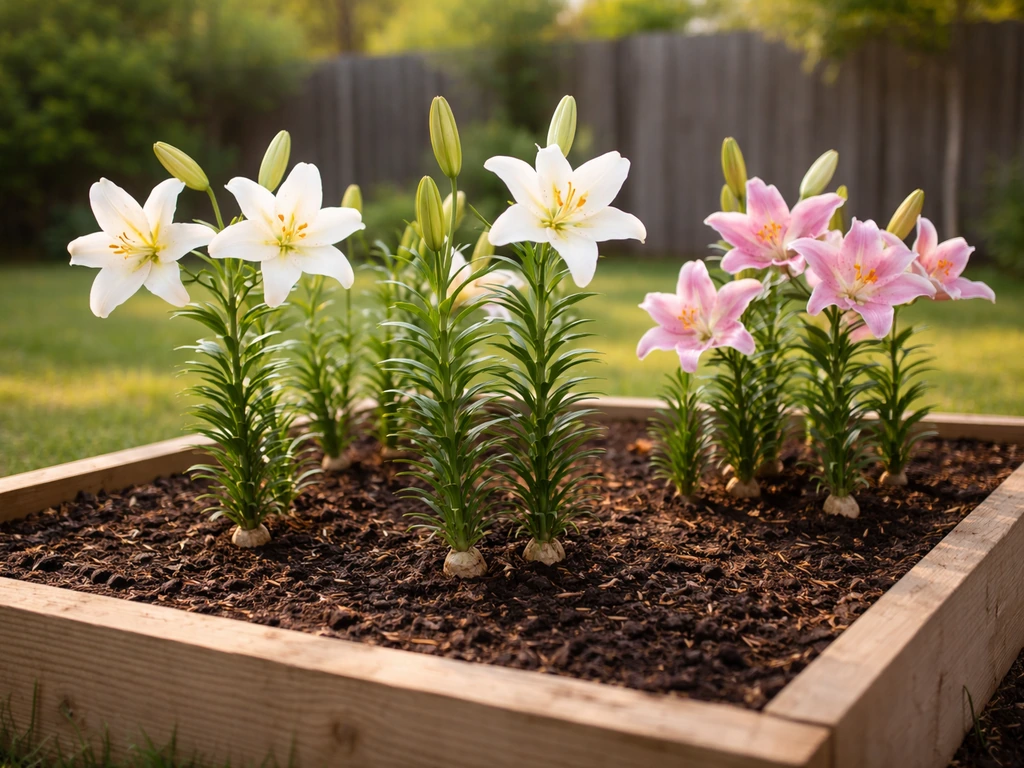
Soil drainage is non-negotiable. Lilium bulbs sitting in waterlogged soil will rot, full stop. Texas A&M's Harris County Master Gardeners specifically recommend adding organic matter to improve drainage and prevent bulb rot in our climate. Aim for a loamy, well-amended bed that drains within an hour of watering. If your native soil is heavy clay (common in Dallas and Houston areas) or dense caliche, you have two good options: build raised beds 10 to 12 inches deep with a blended mix of native soil, compost, and coarse sand, or grow in containers with a quality potting mix that includes perlite. Containers let you control drainage completely and move plants to shade during heat waves.
Soil pH matters too, especially in Central Texas where alkaline soils are common. Lilies prefer a slightly acidic to neutral pH (around 6.0 to 6.5). If your soil runs alkaline, work in sulfur or use an acidifying fertilizer. Testing your soil before planting saves a lot of troubleshooting later.
When and how to plant lily bulbs in Texas
Timing is where Texas gardeners differ most from gardeners in cooler states. Most planting guides say to put lily bulbs in the ground in fall, and in North Texas that advice holds. Plant Asiatic and L.A. hybrid bulbs from October through December when soil temperatures have cooled. In Central Texas, aim for November through January. In South Texas, you're essentially planting in winter, December through January, to catch whatever cool season you have.
For South Texas and Houston-area gardeners where winters are too mild for bulb dormancy, refrigerate your bulbs in a paper bag (not plastic) in the vegetable drawer of your refrigerator for 6 to 8 weeks before planting. Keep them away from fruit, which releases ethylene gas that can damage bulbs.
Planting depth follows the general rule of about 3 times the bulb's diameter, which Ellis County Master Gardeners reference as a reliable guideline. For a standard Asiatic lily bulb that's roughly 2 inches across, that puts you at 6 inches deep. Space bulbs 8 to 12 inches apart for standard varieties. Larger OT or Oriental hybrids may need 12 to 18 inches between bulbs to allow for good air circulation, which also helps prevent fungal disease in humid East Texas. Plant with the pointed end up and the flat, rooted base down.
- Loosen soil 12 inches deep and mix in 3 to 4 inches of compost before planting
- Refrigerate bulbs for 6 to 8 weeks if planting in South Texas (zones 9–10)
- Plant at a depth equal to 3 times the bulb diameter, pointed end up
- Space bulbs 8 to 12 inches apart (12 to 18 inches for large OT/Oriental varieties)
- Water thoroughly after planting, then ease off until shoots emerge
- Apply 2 to 3 inches of mulch over the planting area immediately
Watering, feeding, mulch, and managing heat stress
Lilies need consistent moisture but not wet feet. In Texas, that balance shifts by season: during the cool growing period leading up to bloom, water regularly when the top inch of soil dries out, roughly every 5 to 7 days in moderate weather. Once summer heat kicks in, you may need to water every 2 to 3 days in containers or every 4 to 5 days in-ground, depending on rainfall. Deep, infrequent watering that reaches 6 to 8 inches into the soil encourages deeper root development and is more effective than shallow daily watering.
Mulch is one of the most important tools you have in Texas. Apply 2 to 3 inches of organic mulch (pine bark, shredded leaves, or wood chips) over your lily beds as soon as you plant and replenish it through the growing season. Mulch keeps soil temperatures lower, retains moisture, and protects bulbs from the intense summer heat. In Central and South Texas, soil surface temperatures can exceed 120°F on a summer afternoon with no mulch cover, which effectively cooks shallow roots.
Fertilize with a balanced, slow-release granular fertilizer (something like a 10-10-10 or a bulb-specific formula) when shoots emerge in spring, and again just before the flower buds form. Avoid high-nitrogen fertilizers that push leafy growth at the expense of blooms. After flowering, switch to a lower-nitrogen formula to help the bulb rebuild its energy stores for next year. Stop feeding entirely once the foliage begins to yellow in late summer or fall.
Heat stress shows up as scorched leaf edges, wilting during afternoon hours, or buds that blast (form but never open). If you see these signs, add a shade cloth rated for 30 to 40 percent shade over the planting area during peak heat (typically July and August in most of Texas). Move container lilies to a spot with morning sun and afternoon shade. Do not cut down heat-stressed foliage while it's still green: even damaged leaves are photosynthesizing and feeding the bulb for next season.
Indoor options and overwintering your lilies
In North Texas (zones 7–8), most true lily bulbs can stay in the ground year-round. After the foliage dies back in fall, cut stems to about 3 inches above the soil and apply a fresh layer of mulch for winter protection. The bulbs will resprout the following spring. If you get a hard freeze warning (below 15°F), a temporary frost cloth over the bed provides extra insurance.
In Central Texas (zones 8–9), in-ground overwintering works for most years, but you may want to dig and refrigerate Oriental hybrid bulbs if you want reliable reblooming since they need that cold period. For Asiatics and L.A. hybrids, just leave them in the ground with mulch.
In South Texas (zones 9–10), treating true lilies as annuals is the most practical approach for most gardeners. Dig the bulbs after foliage dies back, refrigerate them through summer and fall, and replant in winter. Containers make this cycle much easier to manage. Peace lilies thrive year-round as houseplants across all of Texas, needing bright indirect light and consistent moisture indoors.
Calla lilies in containers can spend summers in a shaded spot on a covered patio and come indoors if a freeze threatens. Calla lily care in Florida also follows a similar warm-climate pattern to South Texas, so much of that guidance can translate directly. Unlike with true lilies, calla lily care in Florida follows a similar warm-climate pattern to South Texas, so if you've seen advice written for Florida gardeners, much of it transfers directly.
Why your lilies aren't blooming, and other common problems
No blooms
The most common reason Texas lilies fail to bloom is insufficient cold. If your Oriental hybrids bloomed beautifully the first year (from a pre-chilled bulb you bought from a nursery) and then produced only foliage the second year, the bulb didn't get enough cold dormancy to reset its flowering cycle. The fix is to dig the bulbs in fall, refrigerate them, and replant in winter. The second most common cause is too much shade: lilies need at least 6 hours of direct sun to produce flowers consistently. If your planting spot has become shadier as nearby trees have grown, it's time to move them.
Yellowing leaves
Yellow leaves in midsummer after blooming is normal, it means the plant is redirecting energy to the bulb. Yellow leaves before or during bloom usually point to one of three things: overwatering and root rot, iron deficiency (especially in alkaline Hill Country or West Texas soils), or a fungal disease like botrytis. Botrytis causes brown spots with yellow halos and spreads quickly in humid East Texas conditions. Remove affected foliage immediately and treat with a copper-based fungicide. Improve air circulation by giving plants more spacing.
Bulb rot
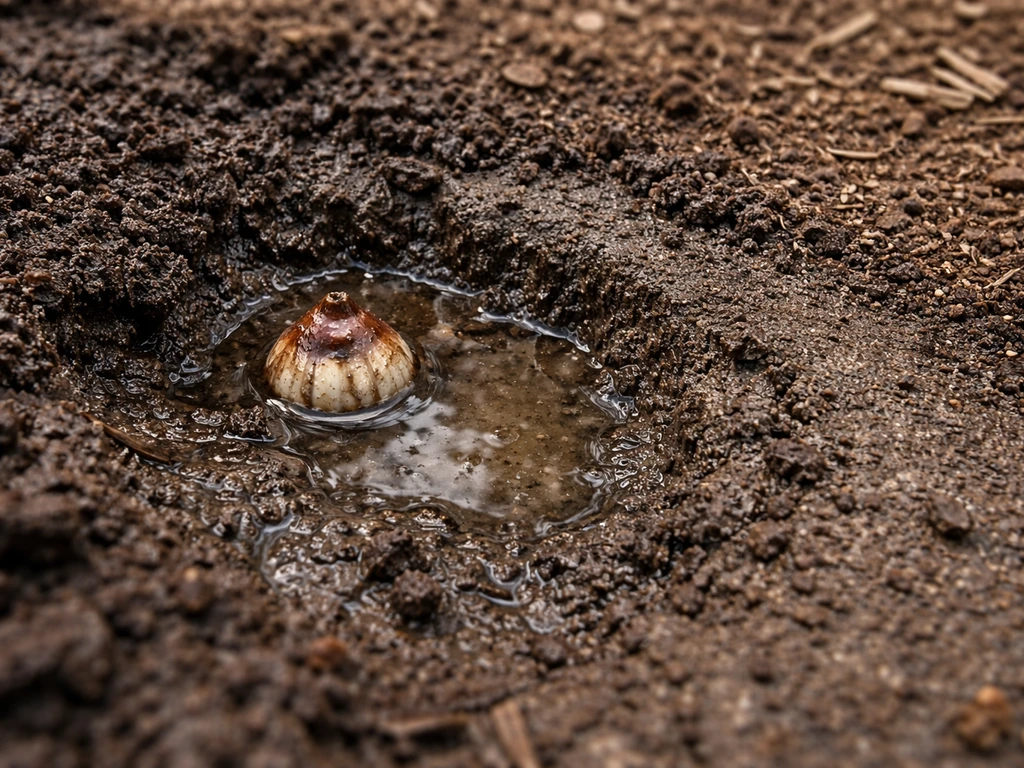
Bulb rot is almost always a drainage failure. If you dig up a mushy, discolored bulb, your soil is staying too wet. The solution is straightforward: amend the bed heavily with compost and coarse sand, switch to raised beds, or move to containers with drainage holes. Never plant lily bulbs in low spots where water collects after rain. In Houston's heavy clay soils especially, raised beds 10 to 12 inches tall are worth the effort.
Pests
Aphids are the most common pest on Texas lilies and can usually be knocked off with a strong spray of water or treated with insecticidal soap. Lily leaf beetle (Lilioceris lilii) is a serious pest of true lilies, identified by the University of Rhode Island and Utah State University Extension as a target for biocontrol research. The beetles are bright red and unmistakable. Both adults and larvae chew through foliage fast. Hand-pick adults and egg masses, and use neem oil or spinosad for heavier infestations. Spider mites show up during hot, dry spells (common in West and Central Texas) and cause stippled, bronze-looking foliage. Keep plants well-watered and treat with miticide or insecticidal soap.
Scorched or burned foliage
Crispy brown leaf tips and edges in July and August are heat and sun scorch, not a disease. Provide afternoon shade, increase watering frequency, and add mulch if you haven't already. The plant is stressed but usually survives if you act quickly. Don't remove foliage while it's still attached and green, even if it looks rough, because the bulb is still using it.
Your Texas lily growing plan, in short
Choose L. A. hybrid or Asiatic lilies if you want the most reliable true lily experience across any Texas region. Move up to Oriental or OT hybrids if you're in North or Central Texas and want bigger blooms, but plan to provide afternoon shade during peak heat.
Treat lilies as annuals in South Texas or commit to a refrigeration-and-replant system. Build or amend your beds for excellent drainage before you plant a single bulb. Mulch heavily. Time your planting to the cool season for your specific region.
And if you've been struggling with a plant labeled 'lily' that just won't cooperate outdoors, double-check whether it's actually a peace lily or calla lily, because those are different plants entirely with different needs and growing strategies.
FAQ
If I buy “lily” bulbs from a big-box store in Texas, how can I tell if they are true lilies (Lilium) or another plant?
Look for the genus name on the label, it should say Lilium. If it says Spathiphyllum (peace lily) or Zantedeschia (calla lily), it is not a true outdoor lily bulb, those are treated very differently (peace lily is typically grown indoors, calla is usually grown as a container or seasonal plant in much of Texas).
Can lilies grow in Texas without refrigeration, especially in North or Central Texas?
Yes for many varieties in North Texas, most can be left in the ground. In Central Texas, Asiatic and L.A. hybrids are usually more forgiving. Oriental hybrids may struggle to rebloom reliably without a cold period, and in South Texas they almost always need a refrigeration-and-replant approach if you want consistent flowers.
What is the quickest fix if my lilies only grew leaves and no flowers the next year?
First confirm the plants are true lilies and not shade-restricted. Then check winter cold, for Orientals this is commonly the issue. In practice, dig the bulbs after foliage dies back, refrigerate them (6 to 8 weeks), and replant in winter to reset dormancy.
Do lilies need 8 hours of sun in every part of Texas?
They need at least 6 hours of direct sun for consistent flowering, more is usually better in cooler regions. In South Texas, morning sun plus afternoon shade (about after 2 p.m.) often prevents flower scorch and helps the plant keep enough energy to flower rather than just survive heat stress.
How do I know if my lilies are failing because of overwatering versus underwatering?
Overwatering shows up as yellowing that starts unusually early, mushy bulbs if you dig, and rapid decline after warm, humid stretches. Underwatering usually leads to wilting during the hottest part of the day, slower growth, and dry, crispy leaf edges. A simple rule is to water when the top inch dries, then water deeply to reach 6 to 8 inches, but never leave bulbs in standing water.
What drainage test should I do before planting lilies in Texas clay or caliche soil?
After a rain or deep watering, watch how long water sits. A lily bed should drain quickly enough that the soil does not stay wet for days. If water lingers, plan on raised beds (10 to 12 inches) or containers with perlite-rich potting mix, and avoid low spots where water collects.
Is soil pH adjustment really necessary for lilies in Texas?
It matters most when your soil runs alkaline, which is common in parts of Central Texas and the Hill Country. If you do not test, you may see iron deficiency (yellow leaves with green veins). If your readings are high (above the ideal range), work in sulfur or use an acidifying fertilizer rather than just adding more iron product.
How deep should I plant lilies if my bulbs are smaller or larger than the usual 2-inch size?
Use the “three times the bulb diameter” rule. Smaller bulbs need less depth, larger hybrids often benefit from deeper placement and wider spacing for airflow. When in doubt, prioritize correct depth over planting distance, but spacing should be wide enough to reduce fungal risk.
How far apart should I space lilies in humid East Texas?
Standard bulbs often do well 8 to 12 inches apart, but Oriental and OT hybrids usually need more (often 12 to 18 inches) to improve airflow. In humid conditions, spacing affects disease pressure, better ventilation can prevent problems like botrytis from spreading.
What should I do if my lilies get botrytis-like spots in Texas humidity?
Remove affected foliage as soon as you notice brown spots with yellow halos, improve airflow by spacing and keeping the bed weeded, and consider a copper-based fungicide as a corrective step. Avoid watering in a way that keeps leaves wet for long periods, aim for water at the soil line.
Can I grow lilies in containers in Texas, and does it solve the drainage problem completely?
Containers are a strong option in Texas, especially for clay soils. Use a quality potting mix with perlite, ensure drainage holes, and water based on how fast the pot dries. Containers also let you shift plants to morning sun and afternoon shade during heat waves, reducing flower and leaf scorch.
When should I stop fertilizing lilies in Texas?
Stop once foliage begins to yellow in late summer or fall. Feeding too late can push soft growth when bulbs should be storing energy, and it may increase the chance of issues during hot, stressful periods.
Do I need to cut back lily foliage right after flowering?
No, wait until foliage naturally declines. Cutting green leaves removes photosynthesis the bulb needs to store energy for next season. If you have heat damage or scorch, do not prune down while the leaves are still green.
Are aphids or spider mites common on lilies in Texas, and how do I treat them safely?
Aphids are very common and can often be dislodged with a strong water spray. Spider mites often appear during hot, dry stretches and cause stippled or bronze foliage, treatment typically involves miticide or insecticidal soap, and keeping plants evenly watered helps reduce outbreaks.
If my lily is actually a peace lily or calla lily, will the advice about sun and bulbs still apply?
Not really. Peace lily is not a bulb plant and is typically kept indoors with bright indirect light. Calla lilies are related neither to Lilium nor to bulb-forming true lilies, and they respond to warm-climate, container-friendly routines. If your plant label shows Spathiphyllum or Zantedeschia, use the correct plant-specific care instead of lily-bulb guidance.
Next Articles
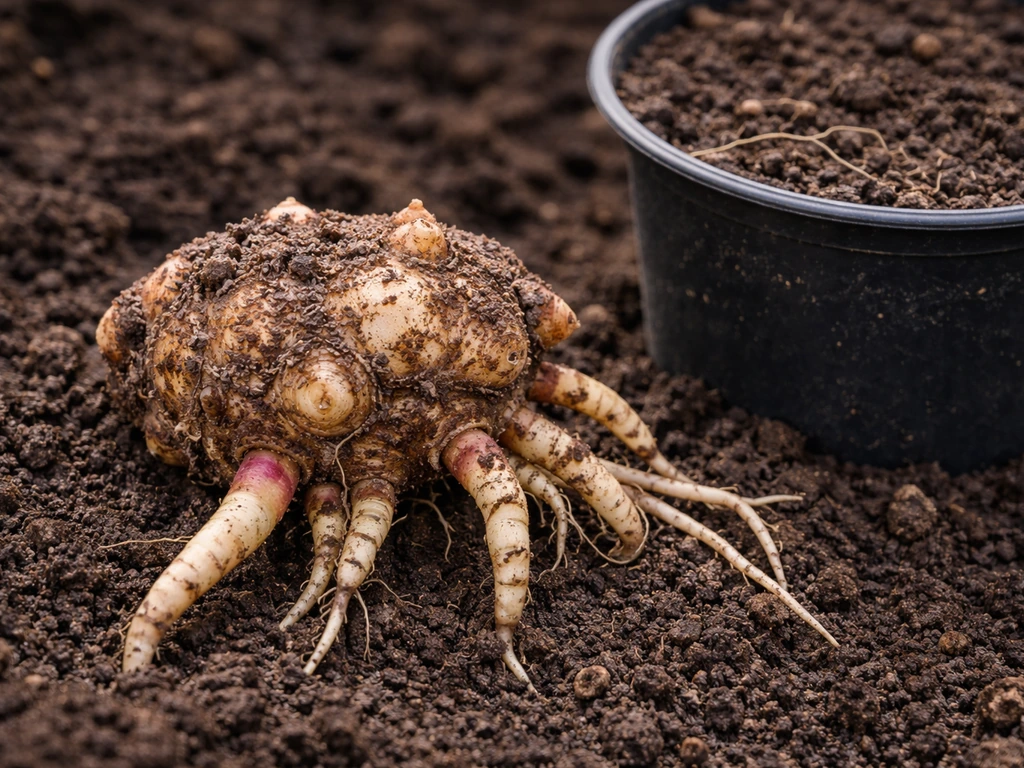
Do Calla Lilies Grow From Bulbs? Planting and Care Guide
Clarifies calla lilies grow from rhizomes or corm-like structures, plus step-by-step planting, care, timing, and fixes f
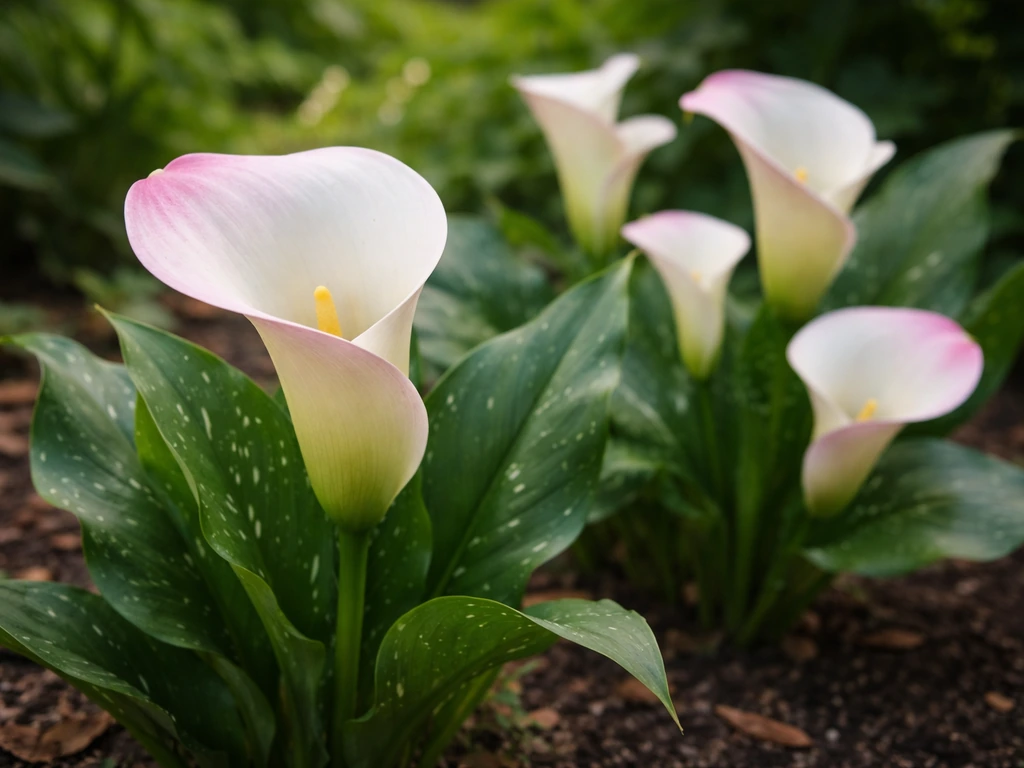
Do Calla Lilies Grow in Florida? Conditions to Plant and Care
Yes, calla lilies can grow in Florida with the right type, light, soil drainage, watering, and overwintering care.
Will Daylilies Grow in Florida? How to Get Blooms
Yes, daylilies can thrive in Florida. Get light, soil, planting timing, watering, and cultivar tips for reliable blooms.