
Yes, some lilies absolutely grow in water. But the answer depends entirely on which "lily" you mean, and that distinction is where most people go wrong. Water lilies (Nymphaea) are true aquatic plants built for life in ponds and water gardens. Peace lilies, calla lilies, daylilies, and true lilies (Lilium) are a completely different story. Getting this wrong means watching your plant rot in a week. Let me walk you through exactly which types work, which ones fail, and how to set up a water-based growing situation that actually succeeds.
Can Lily Grow in Water? Setup, Care, and Troubleshooting
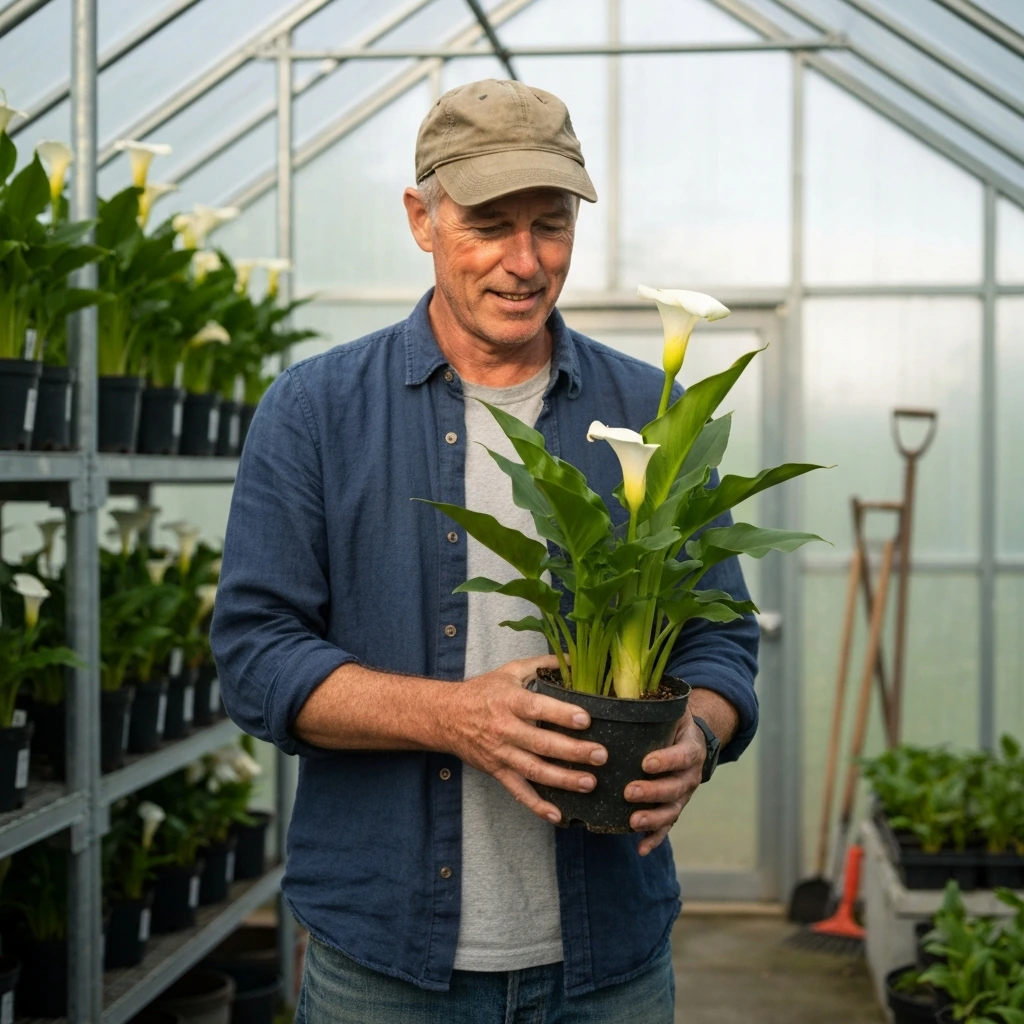
Marcus Hendricks
11 Apr 2026
Quick answer: which "lilies" can actually grow in water
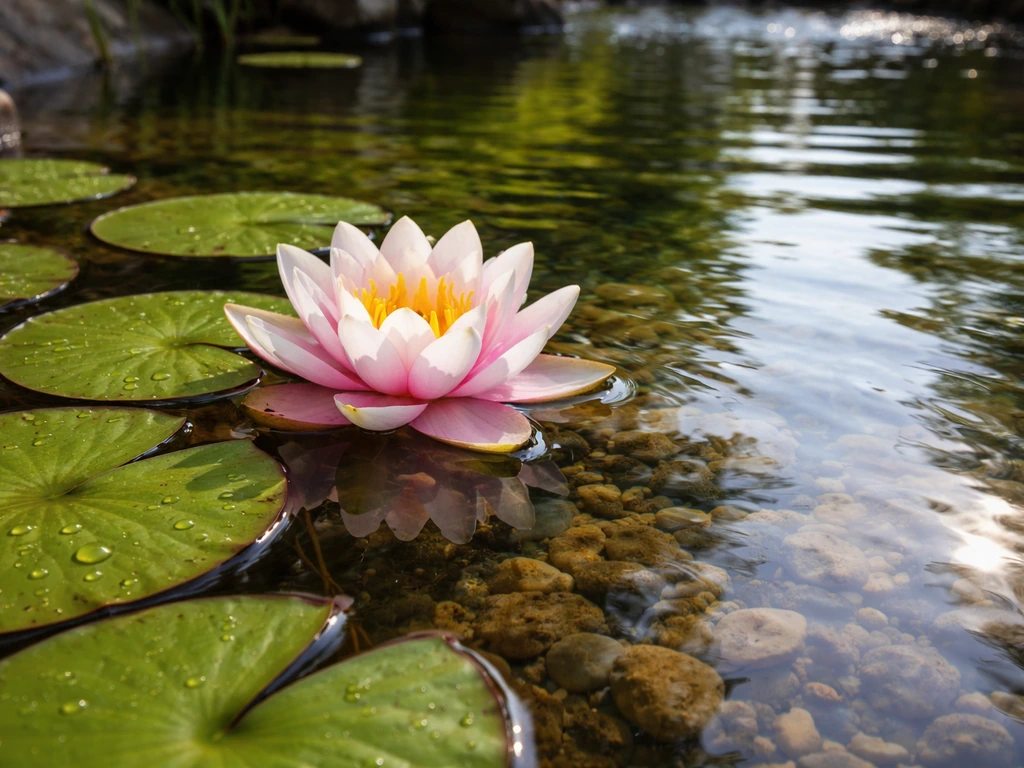
Here is the short version. Nymphaea (water lily) is the one plant in the "lily" category that genuinely lives in water. Its rhizomes and tubers sit below the water surface in soil, while the crown stays at or just above the waterline, and the leaves float on the surface. That is its natural habitat. Everything else that gets called a "lily" around the garden center is a land plant that tolerates wet soil at best, and standing water will rot most of them.
- Water lily (Nymphaea): yes, designed for water gardens and ponds
- Peace lily (Spathiphyllum): can survive short-term in hydroponic or very wet setups, but full submersion causes root rot over time
- Calla lily (Zantedeschia): needs moisture during growing season but is highly susceptible to soft rot in waterlogged conditions
- True lily (Lilium, including Asiatic and Oriental): strictly a land plant, will rot quickly if roots are submerged
- Daylily (Hemerocallis): prefers well-drained garden soil, not a water plant
- Arum lily: partial water tolerance in some species, but needs careful setup (more on that in whether arum lily can grow in water)
Water lily vs true lily vs peace lily vs calla lily: what to use and what won't work
The confusion here is real, and I get it. Garden centers, common names, and internet searches blur everything together. So let me be direct about each one.
Water lily (Nymphaea): the one that actually works
Nymphaea is a fully aquatic plant. It belongs to the family Nymphaeaceae, not the lily family at all, but it is universally called a water lily and that name has stuck for centuries. Both hardy and tropical varieties exist. Hardy water lilies survive winters in the pond if the rhizome stays below the freeze line. Tropical water lilies are showier, often fragrant, and bloom more prolifically, but they cannot tolerate cold water and need to be treated more like annuals in colder climates.
True lilies (Lilium): keep them out of water
Asiatic lilies, Oriental lilies, and other Lilium species are true lilies in the botanical sense, but they are land plants. Their bulbs need aerated, well-drained soil. Put them in standing water and the bulb suffocates and rots within days. There is no workaround here. If you are curious whether tiger lilies specifically can handle wet conditions, the article on whether tiger lilies can grow in water covers that in more detail.
Peace lily (Spathiphyllum): proceed with caution
Peace lily is not a lily at all, it is a member of the Araceae family. It does like humidity and consistently moist soil, which is why people assume it can live in water. And honestly, you can keep a peace lily growing hydroponically in a vase of water for a while. The roots adapt somewhat. But long-term full submersion restricts oxygen to the roots, and you will eventually deal with mushy, browning roots and a plant that slowly declines. It is not a sustainable water garden plant.
Calla lily (Zantedeschia): wet soil yes, standing water no
Calla lilies are rhizomatous plants that enjoy consistent moisture during their growing season, but there is a hard line between "moist" and "waterlogged." Bacterial soft rot is a serious and fast-moving problem with calla lilies when conditions stay too wet. It presents as mushy, slimy rhizome tissue and can wipe out a plant within days. Calla lilies also die back after the growing season, and the rhizomes sitting in standing water during dormancy is essentially a recipe for rot. Unlike water lilies, their drainage needs are genuine and non-negotiable.
Daylily (Hemerocallis): also a land plant
Daylilies are not true lilies either, despite the name. They are tough, adaptable garden plants that tolerate a wide range of soil types, but they prefer well-drained ground. Permanently submerged roots will rot. They are not a water garden option.
| Plant | Actually Aquatic? | Can Survive in Water? | Risk if Submerged |
|---|---|---|---|
| Water lily (Nymphaea) | Yes | Yes, designed for it | None if set up correctly |
| True lily (Lilium) | No | No | Bulb rot within days |
| Peace lily (Spathiphyllum) | No | Short-term only | Root rot over weeks/months |
| Calla lily (Zantedeschia) | No | No | Bacterial soft rot, fast |
| Daylily (Hemerocallis) | No | No | Root rot |
| Arum lily | No (mostly) | Species-dependent | Varies by setup |
How to grow water lilies in water: setup, containers, and depth
Assuming you are working with Nymphaea (which you should be if you want a lily in water), here is how to set things up properly. The biggest mistake I see beginners make is either planting directly loose in the pond or getting the crown depth wrong. Both kill the plant.
Container and planting medium
Always plant water lilies in a container or basket, never loose in the pond. Use a wide, shallow container rather than a tall, narrow pot. A basket or fabric pot works well because it allows water circulation around the roots. Fill the container about two-thirds with a heavy aquatic planting medium or a mix of clay-based topsoil. Do not use regular potting mix: it floats, makes a mess, and lacks the density water lily roots need to anchor properly.
Crown placement and water depth: this is the critical part
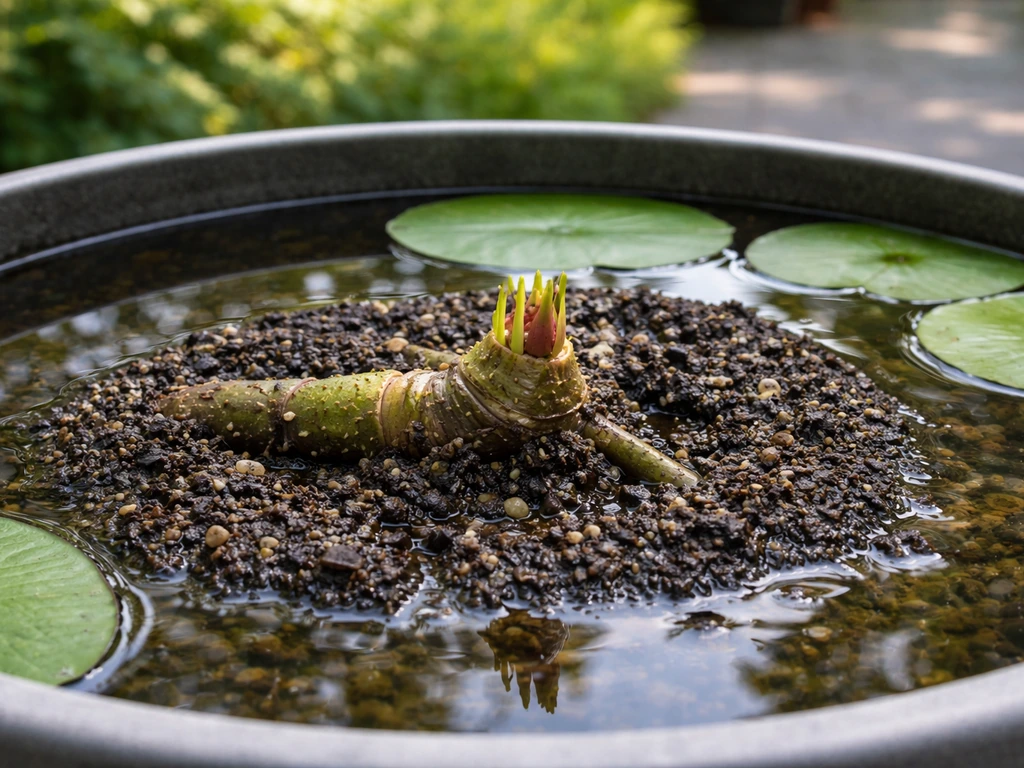
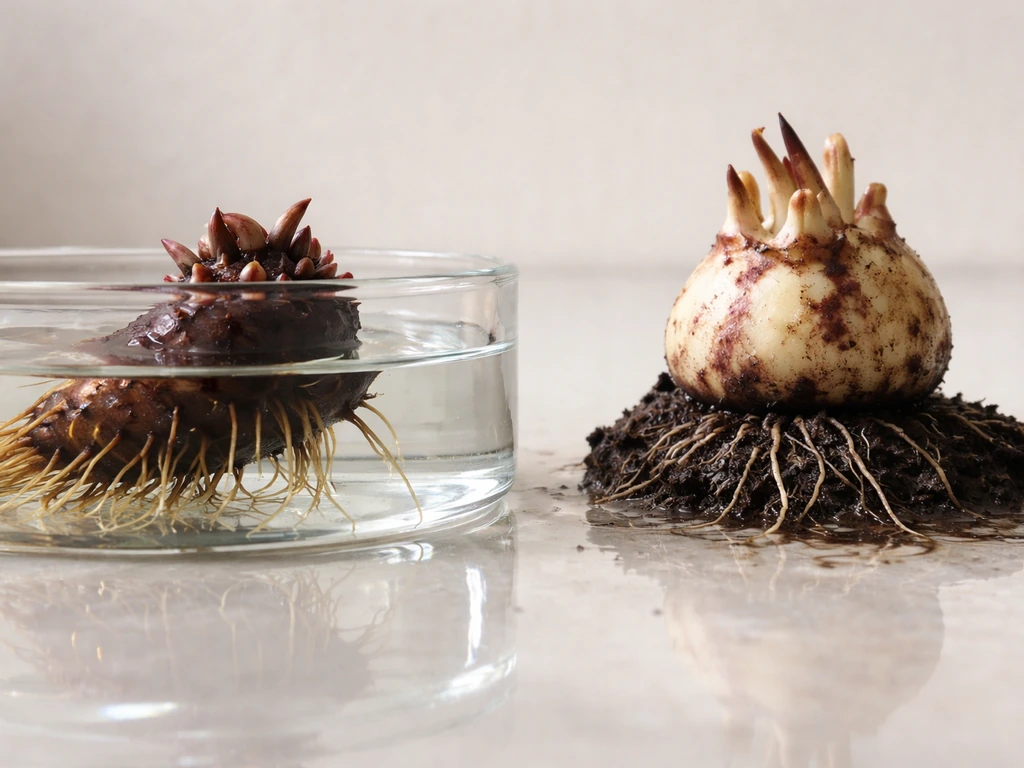
Plant the rhizome or tuber so the crown (the growing point where leaves emerge) sits at or just above the surface of the soil. Then place the container in the pond or water garden so there is 6 to 12 inches of water above the crown. The University of Illinois Extension notes that each water garden container must hold [enough water to cover the plant to its preferred depth](https://extension. illinois.
edu/container-gardens/planting-water-garden-container) at setup. For tropical water lilies, a minimum of 6 inches above the crown is generally recommended, with 8 to 10 inches being a solid target. Some guidance for beginners places the container so the crown sits 10 to 12 inches below the water surface initially, which gives the plant room to grow up without the pads being immediately stressed.
The crown should never be deeply buried in soil, and the roots and rhizome should never be fully exposed above the waterline.
If you are starting small with a container water garden rather than a full pond, even a half-barrel or large tub works. The key is maintaining that correct water depth above the crown and making sure the container is wide enough for the plant to spread. Most water lily varieties need a container at least 12 to 18 inches wide to thrive.
What about rain lily or boat lily in water?
People sometimes ask about less common varieties. Whether rain lily can grow in water is a genuinely common question because the name implies a water connection. And whether boat lily can grow in water comes up too since boat lily (Tradescantia spathacea) thrives in humid conditions. Neither is a water garden plant in the Nymphaea sense, so do not apply the same setup to them.
Light, temperature, and outdoor vs indoor conditions
Sunlight requirements
Water lilies are sun-hungry plants. They need a minimum of 6 hours of direct sun per day to bloom well, and more is better. Shade from nearby trees, fences, or even cloudy stretches of weather can interrupt flowering cycles. If your water garden sits in part shade, you may get foliage growth but significantly fewer or no blooms. Siting your container or pond in the sunniest spot you have is non-negotiable if you want flowers.
Water temperature and planting timing
This is where tropical water lilies are more demanding than hardy varieties. Do not put tropical water lilies in the pond until the water temperature consistently reaches at least 65 to 68 degrees Fahrenheit, with 70 to 75 degrees being ideal. Cold water stresses tropical varieties badly and stalls growth. In most temperate climates, this means waiting until late spring or early summer. Hardy water lilies are more forgiving and can go in earlier in the season, but they still do better once water temperatures climb above the low 50s.
Outdoor pond vs indoor container setup
Outdoor ponds are the natural environment for water lilies and generally produce better results because you can hit the light and temperature targets more easily. Indoor setups are possible with large containers or half-barrels near a south-facing window, but supplemental grow lighting is usually necessary to hit 6 or more hours of quality light. Indoor water gardens also require more active management for algae and water quality because there is no natural ecosystem doing some of that work for you.
Maintenance: feeding, water changes, filtration, and algae control
Fertilizing water lilies
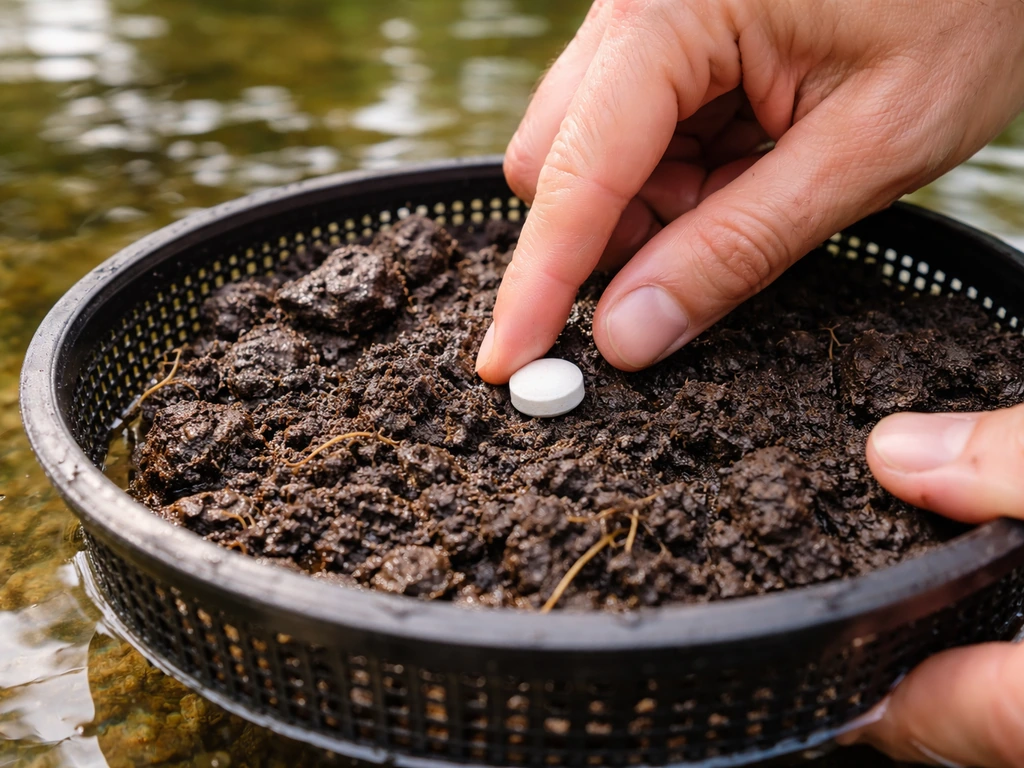
Water lilies are heavy feeders, especially during their active growing season from late spring through summer. The right approach is using slow-release aquatic fertilizer tablets pushed directly into the soil in the container around the plant, not dissolved into the water.
In a discussion on blank" rel="noopener noreferrer">r/ponds about a water lily not turning green, a hobbyist described troubleshooting slow growth by pushing fertilizer pellets or root tabs into the lily’s soil rather than putting fertilizer into the pond water slow-release aquatic fertilizer tablets pushed directly into the soil in the container around the plant. Dissolving fertilizer into the pond water does not reach the roots effectively and just feeds algae instead.
Push two or three tablets into the soil around the rhizome, spaced a few inches away from the crown. For example, Aquatic Plants Nursery recommends placing Osmocote tablets near the rhizome at planting, using 3 to 5 tablets per water lily depending on size Osmocote tablets can be placed near the rhizome at planting.
In active growth periods, repeat this every seven to ten days. Back off significantly in late summer and stop entirely as the plant enters dormancy in fall.
Water changes and filtration
In a full outdoor pond with a healthy ecosystem, you often do not need regular water changes. A properly balanced pond with adequate plant coverage, some fish, and good water circulation manages itself reasonably well. In smaller container water gardens or indoor setups, partial water changes every few weeks help prevent nutrient buildup and keep water quality stable. If you are running a pump or filter, clean it regularly. Stagnant, oxygen-depleted water encourages rot even in true aquatic plants.
Algae control
Algae is the most common frustration in water gardens, especially early in the season before your water lily canopy fills in. The leaves shading the water surface naturally reduce algae by blocking the light algae needs to photosynthesize. Aim for enough plant coverage across the pond surface to keep sunlight from penetrating too deeply. Barley straw is a popular low-intervention approach: placing barley straw in the pond after ice melts (or at the start of the season) can help prevent new string algae growth, though it works better as a preventive measure than as a treatment for an existing algae bloom. It is not a magic fix, but it is safe for aquatic plants and fish when used correctly.
Planting timelines and troubleshooting
Realistic timeline for water lily growth
If you plant a water lily correctly in warm water with good sun, here is roughly what to expect. In the first two to four weeks, you will see new pads emerging and reaching the surface. Roots establish in the soil during this period. Flowering on established tropical varieties typically starts four to eight weeks after planting under good conditions. Hardy varieties may take a bit longer to hit their first bloom in a new setup. Do not panic if the first few pads look small or even underwater initially: that is normal as the plant calibrates its stem length to reach the surface from the planting depth.
Root rot and mushy rhizomes
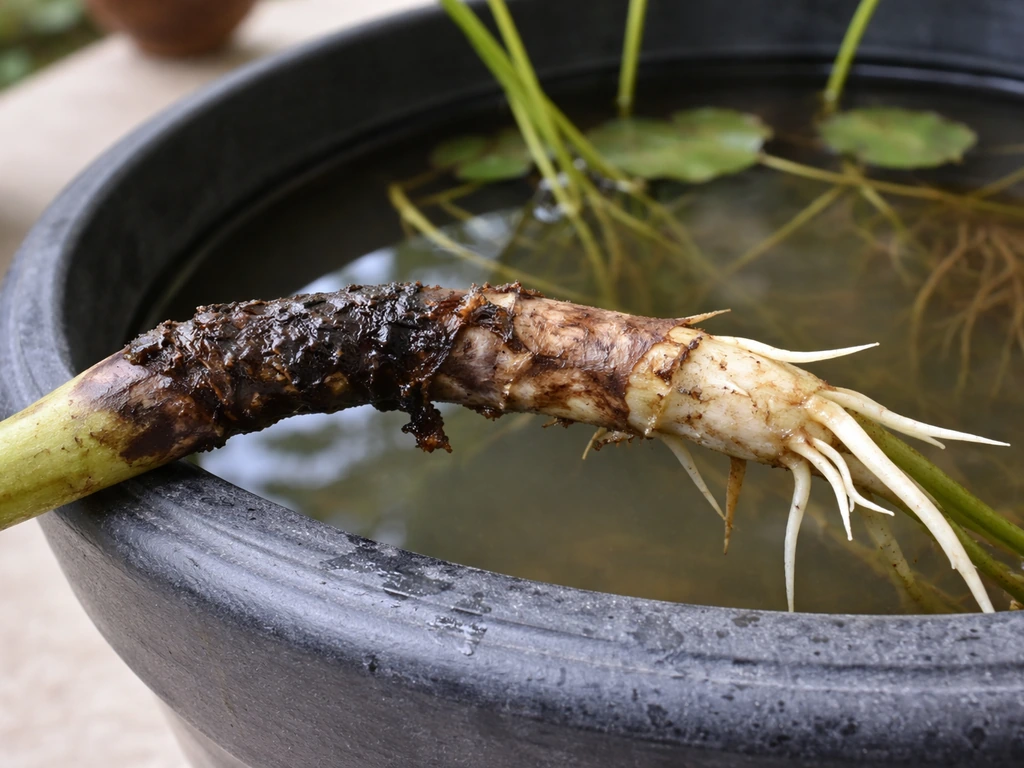
If you pull up your water lily container and find mushy, dark, or slimy rhizome tissue, that is rot, usually caused by water that is too cold (especially for tropical varieties), a crown that was buried too deeply in soil, or a container sitting in completely stagnant, oxygen-depleted water. Cut away the rotted tissue with a clean knife, treat the cut surface with a powdered fungicide if you have one, and replant in fresh aquatic soil. Check your water temperature: cold water is the number one trigger for tropical water lily rot early in the season.
No growth or no blooms
If your water lily is alive but not growing well or refuses to bloom, run through this checklist. Is the water temperature above 65 degrees Fahrenheit for tropical varieties? Is the plant getting at least 6 full hours of direct sun? Is the crown properly positioned at or just above the soil surface (not buried)? Have you been fertilizing? Lack of blooms in an otherwise healthy-looking plant is almost always a light or fertilizer problem. Insufficient sun is the most common culprit by far.
Yellow leaves
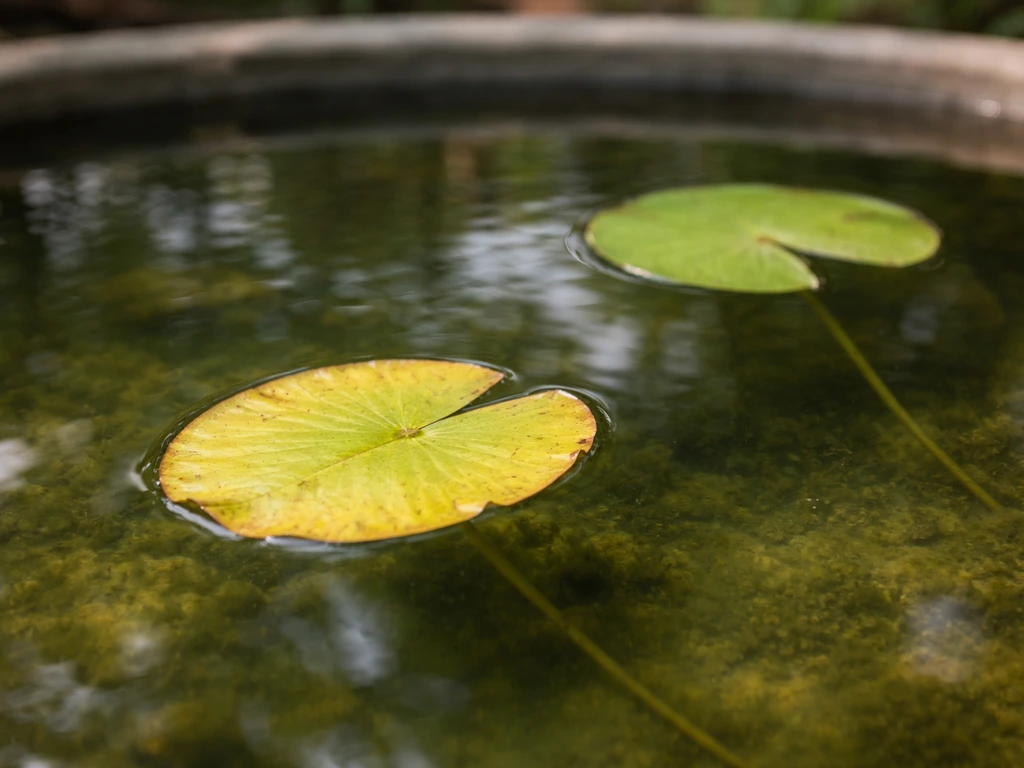
Yellow leaves on a water lily are usually one of three things: natural leaf senescence (old pads die off as new ones grow, which is normal), nutrient deficiency from insufficient fertilizing, or cold water stress. If you are seeing lots of yellowing pads on an otherwise recently planted or actively growing plant, check water temperature first. Then check your fertilizing schedule. Remove yellowing pads by cutting them at the base of the stem rather than letting them decompose in the water, since decomposing plant material contributes to nutrient load and algae problems.
Algae blooms
A sudden algae bloom is almost always a nutrient-plus-light problem. If you recently fertilized, some of the tablet may have dissolved into the water rather than staying in the soil. If there is not enough plant canopy shading the surface, light penetrates and feeds algae. Adding more aquatic plants to increase surface coverage is the best long-term fix. In the short term, barley straw bundles can help slow new growth. And if you are seeing algae problems indoors, consider whether you are using a grow light that is too intense or running it too many hours per day.
Your next-step checklist
- Identify your lily type first: only Nymphaea (water lily) belongs in a water garden setup
- Choose a wide, shallow container and fill two-thirds with heavy aquatic soil or clay-based topsoil
- Plant the rhizome with the crown at or just above the soil surface, never buried deep
- Place the container so 6 to 12 inches of water covers the crown (8 to 10 inches is a reliable target)
- Wait until water temperature hits at least 65 to 68 degrees Fahrenheit before planting tropical varieties
- Site the water garden in a spot with 6 or more hours of direct daily sun
- Push aquatic fertilizer tablets into the soil every 7 to 10 days during active growth
- Use barley straw at the start of the season to help suppress algae before the canopy fills in
- Remove yellowing pads promptly to reduce decomposing matter in the water
- If growth stalls or rot appears, check water temperature, crown depth, and water oxygen levels first
FAQ
What’s the difference between “water lily” and “lily,” can I just put any lily plant in a vase?
If you mean a true water lily (Nymphaea), the rhizome can be underwater, but the crown has to sit at or just above the soil surface (and the growing point should not be buried deeply). If you mean a garden lily (Lilium) or calla/daylily/peace lily, “growing in water” usually fails because their bulbs or roots need oxygenated, well-drained conditions rather than constant submersion.
Can lily grow in water in a small container, like a half-barrel or tub, rather than a full pond?
Yes, but you still need the right depth and width. A half-barrel or large tub can work well for beginners, as long as you can keep the same target water depth above the crown and provide enough surface area for spread. If the tub is too narrow, leaves will crowd and you will get weaker growth and less shading, which increases algae.
How deep should the water be above the crown when growing a water lily in a container?
For a first setup, skip small, tall pots. Use a wide container (often at least 12 to 18 inches across for many varieties) and place it so there are roughly 6 to 12 inches of water above the crown (tropical generally needs 8 to 10 inches). This reduces the chance you stress the stem as it tries to reach the surface and helps the pads form canopy sooner.
What soil should I use, and can I use regular potting mix in a water lily container?
Regular potting mix is a common failure point. Water lily containers need a dense aquatic medium or a clay-based topsoil-like mix that holds position and anchors the rhizome without floating. If the media floats or shifts, the crown depth will change and the plant may rot even if you got the initial setup correct.
Why does my pond get algae right after I fertilize my water lily?
Do not over-fertilize early. Water lily fertilizer tablets should be pushed into the planting medium near the rhizome, and if tablet material dissolves, it can feed algae. If you see algae after fertilizing, the immediate fix is to stop further feeding for a bit and increase shading with more plant coverage (or add plants) rather than adding more fertilizer.
My water lily has yellow leaves, what does that usually mean and what should I check first?
Yellow leaves can be normal, but if yellowing is widespread on new growth, treat it like a short troubleshooting path. First check water temperature (cold is a frequent cause, especially for tropical varieties), then confirm the crown is correctly positioned, then verify you have at least about 6 hours of direct sun.
If my lily rhizome starts turning mushy, can I save it, and what causes it?
Rot that feels mushy or slimy is typically a cut-and-replant situation. Remove the rotted tissue with a clean knife, replant into fresh aquatic medium, and most importantly correct the cause, usually cold water, a crown buried too deep, or stagnant oxygen-poor water in a container.
Can tropical water lilies go outside early in the season, or do they need warm water first?
For tropical water lilies, treat temperature like a hard requirement, not a guideline. Wait until water temperatures consistently reach at least the mid-to-high 60s Fahrenheit for best success. Putting tropical lilies into colder water often leads to stalled growth or early rot, even if you have plenty of sun.
Can lily grow in water indoors, and do I need grow lights or water changes?
Indoor success usually hinges on light and water quality management. Even near a bright south-facing window, you may not reach the “6 hours of direct sun” equivalent, so supplemental grow lighting is often needed. Also plan for more frequent small water changes in indoor tubs to avoid nutrient buildup that can drive algae.
My water lily is growing leaves but not blooming, what are the most common reasons?
If your water lily is alive but not blooming, the fastest checks are (1) direct light duration, (2) water temperature appropriate for tropical versus hardy types, (3) crown position, and (4) whether fertilizer is actually reaching the soil. In many cases, the issue is insufficient sun or late-season cold rather than lack of watering.
Next Articles
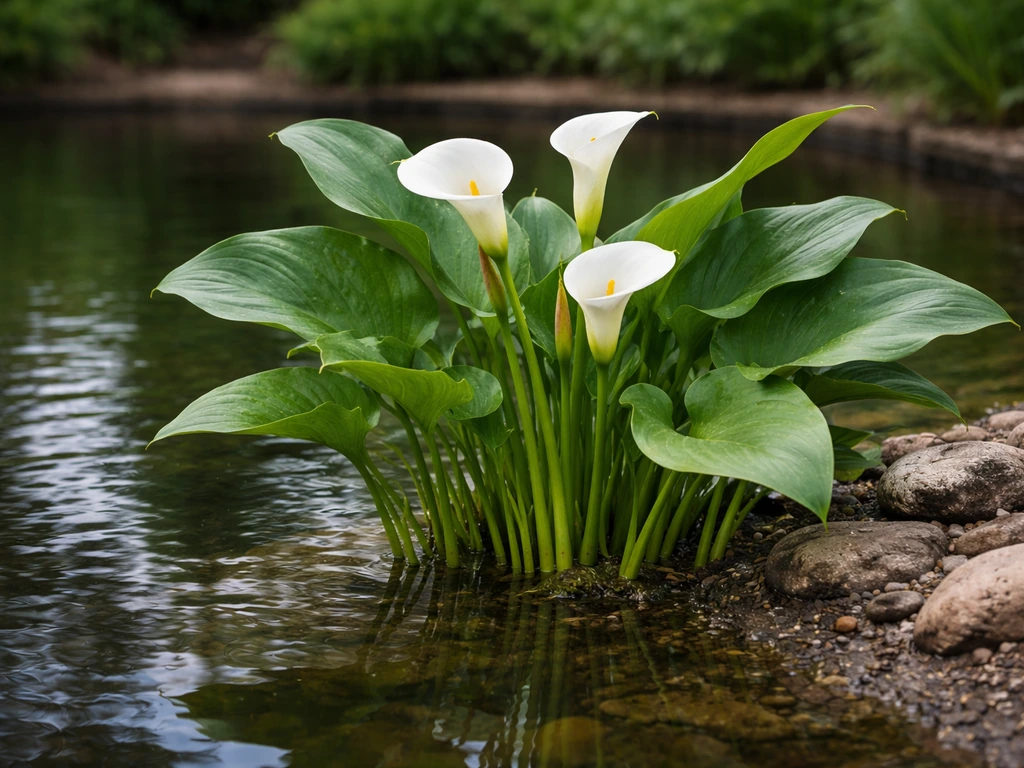
Can Calla Lilies Grow in Ponds? How to Set Up Successfully
Yes, with the right setup: water depth, substrate, anchoring, light, and overwinter care for pond or marginal calla lili
Are Calla Lilies Hard to Grow? Easy Guide for Success
Get a clear answer on are calla lilies hard to grow, plus exact light, temperature, watering, planting, and fixes.
Can Calla Lily Grow Outside? Outdoor Care by Climate
Yes, calla lilies can grow outside. Learn climate, light, soil drainage, planting timing, and fixes for no growth.