
Tiger lilies cannot grow in water. Their bulbs and roots need oxygen-rich, well-drained soil, and submerging them in standing water will cause root rot within days to weeks, not months. If you want to grow tiger lilies (Lilium lancifolium) successfully, the goal is consistently moist but never waterlogged soil, with good drainage as a non-negotiable requirement.
Can Tiger Lilies Grow in Water? Best Methods and Tips
Marcus Hendricks
12 May 2026
Quick answer: tiger lilies in water, possible or not?
Not possible for any meaningful, sustained growth. The RHS classifies Lilium lancifolium as "moist but well-drained," and the North American Lily Society explicitly warns against planting in spots where water collects and stands. This isn't a matter of degree or creative workarounds, it's basic biology. Tiger lily bulbs lack the internal anatomy to survive in low-oxygen, waterlogged conditions. You might see a bulb sit in water for a week or two without obvious damage, but rot is already starting below the surface. The result is a soft, mushy bulb with brown roots that can't be saved.
What "grow in water" actually means (and which version you're probably asking about)
When gardeners ask whether a plant can grow in water, they usually mean one of three things: fully submerged roots in a vase or pond, water propagation where you root a cutting in a glass, or a container that stays wet or boggy instead of well-drained. For tiger lilies, none of these work long-term, but they fail for different reasons, and understanding the difference helps you avoid wasting a good bulb.
- Fully submerged roots: The bulb sits in a pot or container filled with water like a true aquatic plant. This kills tiger lily bulbs relatively quickly due to oxygen deprivation and rot pathogens.
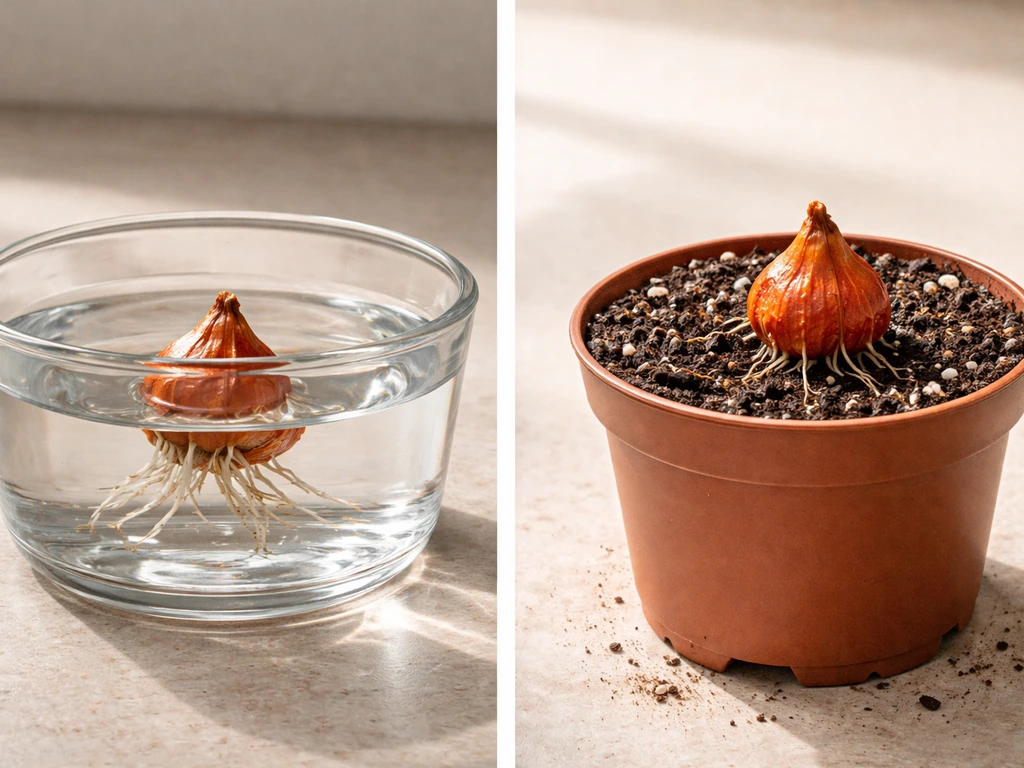
- Water propagation (vase/glass method): Placing a stem cutting or bulb scale in water to root it. This can work for a very short window with close attention, but it is not a growing method, it is a propagation step that requires transitioning to soil.
- Perpetually wet container: Soil that never dries out, often from poor drainage or no drainage holes. This is slower to cause damage but still causes Pythium and other water-mold root rots over time.
True aquatic plants like water lilies (Nymphaea species) can handle submerged roots because they have specialized internal structures called aerenchyma that transport oxygen down to their roots in low-oxygen sediment. Tiger lilies have no such adaptation. Comparing a tiger lily to a water lily in this regard is like comparing a cactus to a cattail.
Why tiger lilies aren't true water plants: root needs and rot risk
Tiger lily bulbs are made of fleshy scales that store energy and moisture. That stored moisture is actually part of the problem: in waterlogged conditions, those scales become a perfect food source for water molds and pathogens, especially Pythium species. Pythium root rot spreads rapidly in saturated soils and standing water because the pathogen releases zoospores that travel in water and infect new tissue quickly. Once Pythium gets into a tiger lily bulb, the damage is usually irreversible.
Here is what happens at the root level when a tiger lily sits in standing water. The soil pores that normally hold air get displaced by water. Within 24 to 48 hours, root cells begin to suffocate because they cannot access oxygen. At the same time, anaerobic bacteria and water molds move in. The root tips turn brown and soft first, then the damage works inward toward the bulb. By the time you notice yellowing leaves or a mushy bulb base, the root system is usually already compromised beyond recovery.
This is very different from what you will find with true aquatic lilies. Nymphaea species evolved in pond sediments with specialized oxygen-transport tissue. Arum lilies (Zantedeschia) can handle boggy margins but even they have limits. Rain lilies and boat lilies have their own water tolerance profiles. Boat lilies have a different water tolerance profile than tiger lilies. Tiger lilies belong firmly in the terrestrial category, no exceptions.
If you want to try it anyway: the safest possible water setup and its real limits
I get it. Sometimes you just want to experiment or you received conflicting advice and you want to see for yourself. If you are going to try a water-adjacent setup, here is how to minimize damage and what realistic expectations look like.
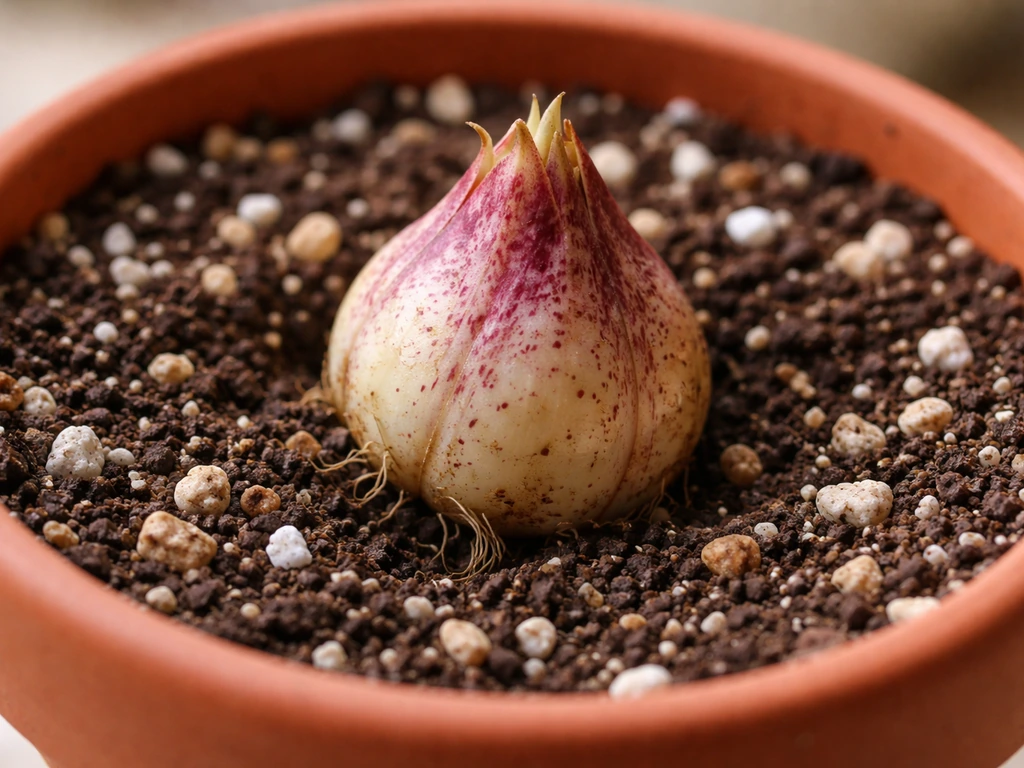
- Use a bulb scale for propagation, not a whole bulb. Remove a healthy outer scale from the bulb, dip the cut end in a fungicide or powdered sulfur, and place it in barely damp, sterile vermiculite or sand rather than open water. Keep the medium just moist, not wet. This is the closest thing to a "water propagation" method that has any real success rate.
- If you insist on water propagation, use only clean, room-temperature water in a clear glass and change it every two to three days. Keep no more than the bottom third of the scale or bulb base in contact with water. Watch for sliminess or softening of the tissue, which signals the start of rot.
- Never submerge a whole tiger lily bulb in water for any purpose other than a brief pre-planting soak of no more than one hour. Even that is optional.
- Aeration matters. If you are experimenting with any water-based setup, a small aquarium air stone running continuously reduces the oxygen deficit that causes rot. This is not a long-term solution, but it buys time during propagation trials.
- Move to soil as fast as possible. The moment you see any root nubs forming on a scale cutting (usually within two to four weeks in the right conditions), pot it up into well-draining soil. The water phase is a bridge, not a destination.
Be honest with yourself about the outcome here. Even with all these precautions, you are working against the plant's biology. Water propagation of tiger lily scales has a meaningful failure rate, and any success requires moving to soil to achieve actual flowering growth. Rain lilies may tolerate standing water in a way tiger lilies never can. No tiger lily will bloom or thrive in a water-only environment.
The better plan: soil and containers that mimic ideal moisture without the rot risk
The sweet spot for tiger lilies is soil that holds moisture well but drains freely, basically the conditions you find in a loose, organically rich garden bed or a well-structured container mix. The Lilium Species Foundation notes that tiger lilies (Lilium lancifolium) prefer rich, well-drained soil with consistent moisture rather than standing wet conditions. If you want to replicate the feeling of a lush, moist growing environment without the standing-water death trap, this is how to do it.
Best soil mix for containers
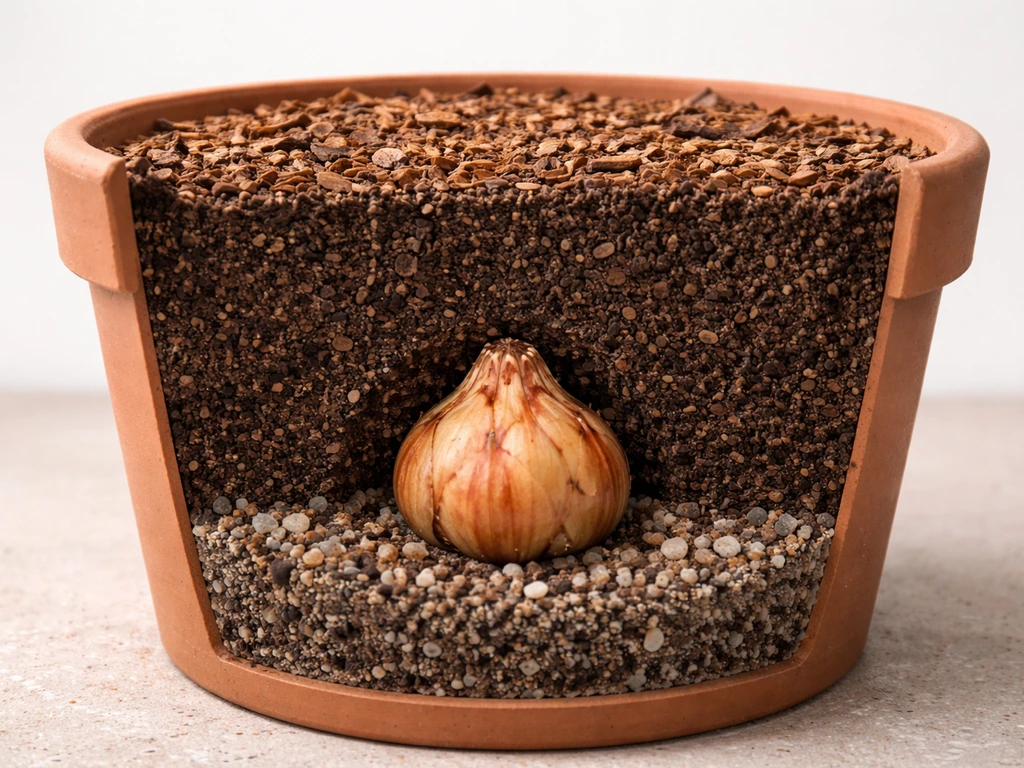
Use a mix of two parts quality potting compost, one part perlite or coarse grit, and one part bark fines or horticultural sand. This combination holds enough moisture around the bulb between waterings but never becomes waterlogged. Drainage holes are non-negotiable. The RHS recommends allowing the pot to drain and dry out a little during autumn and winter so the medium stays just nicely moist rather than saturated. That same principle applies year-round: moist, never soggy.
Planting depth and watering habits
Plant tiger lily bulbs at a depth of about three times the bulb's diameter, typically 4 to 6 inches deep for a standard bulb. Water thoroughly after planting, then let the top inch of soil dry out before watering again. During active growth in spring and summer, tiger lilies are relatively thirsty, but they should never sit in standing water at the base of the pot or planting hole. If your garden has heavy clay soil, raise the bed by at least 6 inches or dig in generous amounts of grit and compost before planting.
Container vs. in-ground comparison
| Setup | Drainage Control | Moisture Management | Rot Risk | Best For |
|---|---|---|---|---|
| Garden bed (amended soil) | Good if grit added to clay | Water when top inch dries | Low to moderate | Outdoor growing with space |
| Container with drainage holes | Excellent | Easier to monitor | Low | Patio, indoor/outdoor flex |
| Container without drainage holes | Poor | Very easy to overwater | High | Avoid entirely |
| Raised bed | Excellent | Consistent and controllable | Very low | Clay-heavy gardens |
| Water/vase setup | None | Constant saturation | Very high | Short propagation trials only |
Troubleshooting when things go wrong
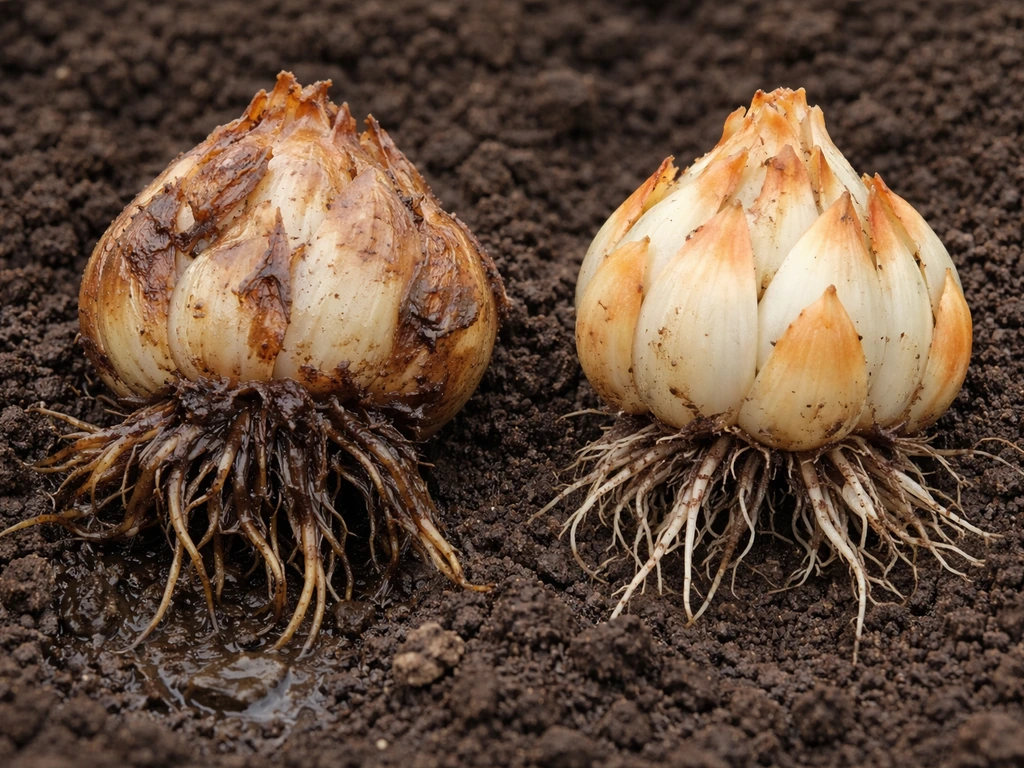
Whether you tried a water experiment or just overwatered in a container, here are the most common problems and what they tell you.
Soft, mushy bulb or brown roots
This is Pythium or another water mold, and it is the most common outcome of excessive moisture. Cornell's plant disease resources describe Pythium root rot in lilies as roots becoming softened with brown discoloration, progressing inward toward the bulb. If you catch it early, remove the bulb, cut away all soft or discolored tissue with a clean knife, dust the cuts with powdered sulfur or a fungicide, and let the bulb air dry for 24 hours before replanting in fresh, dry, sterile mix. If the main basal plate (the flat bottom of the bulb) is soft, the bulb is usually a loss.
Yellowing leaves
Yellow leaves with a water-grown or overwatered tiger lily almost always point to root damage. When roots cannot absorb nutrients because they are rotting or oxygen-starved, the plant pulls resources from older leaves first. If the yellowing starts at the bottom of the plant and moves upward, combined with any softness at the stem base, root rot is the likely cause. Remove the plant from the water or wet media, inspect the roots, and treat as described above.
Stalled or no growth
A bulb that shows no growth after several weeks is either still dormant, damaged by rot, or lacking the cold period it needs to break dormancy. Tiger lily bulbs, like most hardy bulbs, benefit from a cold treatment period before being forced into growth. If you are growing indoors and skipped the cold period (around 12 to 16 weeks at 35 to 48 degrees Fahrenheit), the bulb may simply not respond. This is not a water problem but a temperature problem. Move the bulb to a cold location, wait out the required chilling period, and then bring it back into warmth.
Mold on the bulb surface or growing medium
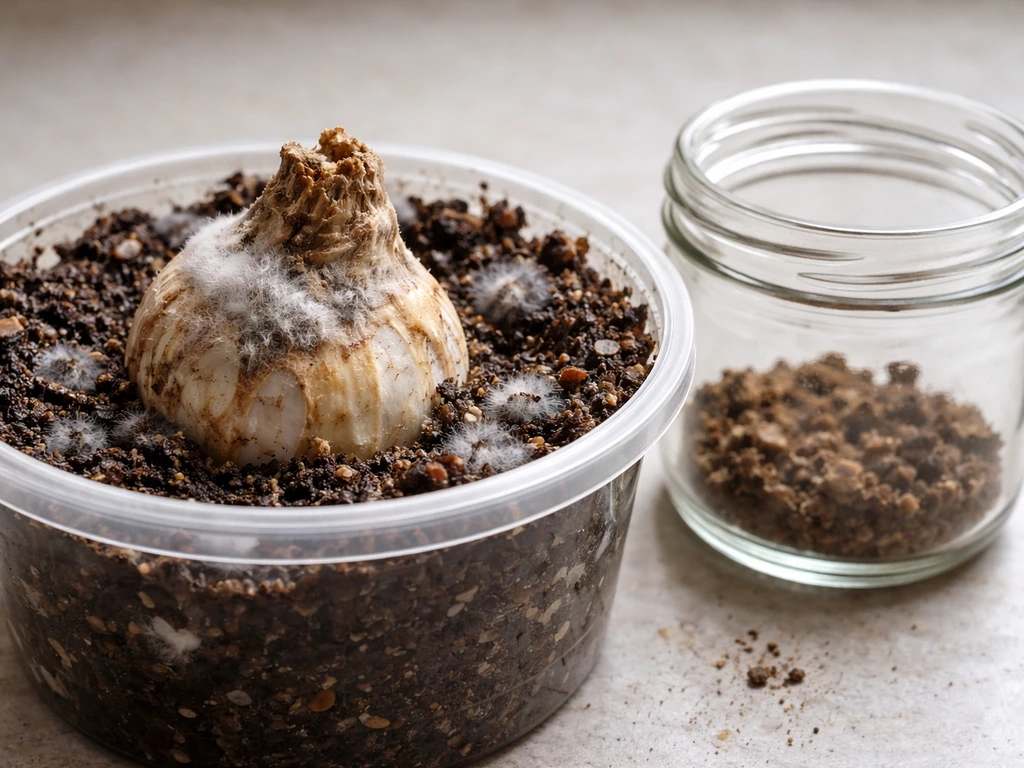
White or gray surface mold on a bulb or on wet potting mix is a sign that conditions are too wet and poorly aerated. Remove visible mold, improve air circulation, reduce watering frequency, and consider replacing the growing medium entirely with a fresh, sterile mix. In a water setup, surface mold is a signal to abandon the water experiment and move to soil immediately.
Indoor vs. outdoor: light, temperature, and seasonal care
Tiger lilies are adaptable across a wide range of climates but they have specific preferences that affect whether you grow them inside, outside, or both.
Outdoor growing
Tiger lilies are hardy in USDA zones 3 through 9, which makes them genuinely tough. Outdoors, they want a minimum of 6 hours of direct sunlight daily, and they perform best in full sun. They bloom in mid to late summer (typically July through August in the Northern Hemisphere) on stems that can reach 3 to 5 feet tall. Plant them where they get morning sun and some afternoon shade in very hot climates. In zones 7 and warmer, a little afternoon shade helps prevent heat stress and extends the bloom period.
After flowering, leave the foliage in place until it dies back naturally. The leaves are feeding the bulb for next year's growth. Cut stems back in autumn once they are fully brown and dry. In colder zones, a light mulch over the planting area in winter helps insulate the bulbs but is not strictly required for zones 5 and above.
Indoor growing
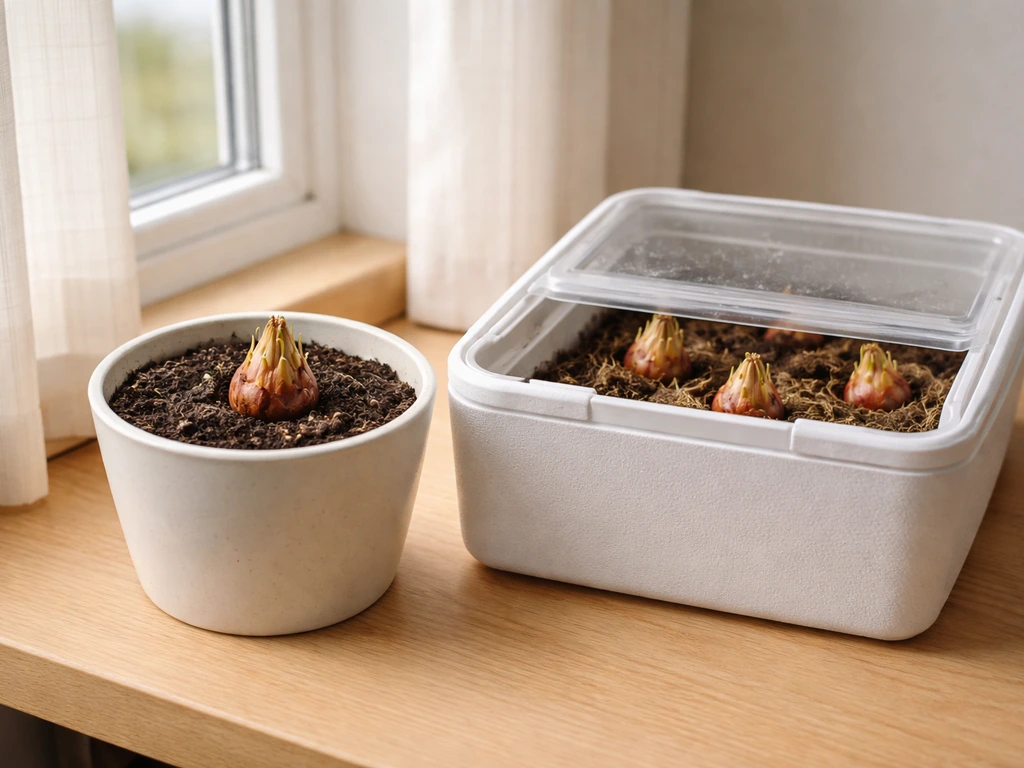
Growing tiger lilies indoors is entirely doable but it requires honest planning around light and cold treatment. Indoors, you need a south or west-facing window that delivers at least 6 hours of bright light daily, or you need to supplement with a full-spectrum grow light positioned 6 to 12 inches above the foliage for 14 to 16 hours per day. Without adequate light, indoor tiger lilies become leggy and rarely flower well.
The cold treatment is the part most indoor growers skip and then wonder why their bulbs stall. Tiger lily bulbs need roughly 12 to 16 weeks of cold temperatures (35 to 48 degrees Fahrenheit) before they will reliably break dormancy and grow vigorously. You can achieve this by storing potted bulbs in a cold garage, unheated basement, or refrigerator from late autumn through late winter. Once you bring them into warmth and good light, growth begins within two to four weeks. Skipping this step is the single most common reason indoor-forced tiger lilies disappoint.
Temperature during active growth matters too. Tiger lilies prefer daytime temperatures between 60 and 75 degrees Fahrenheit indoors. Keep them away from heating vents and cold drafts. Water consistently but always let the surface of the soil dry slightly between waterings, following the same "moist but well-drained" principle that applies outdoors. In this regard, the rules for tiger lilies are consistent whether you grow them in a pot on a sunny patio or in a container on an indoor windowsill: good light, good drainage, and consistent but moderate moisture.
FAQ
If I keep the water shallow or change the water often, can tiger lilies survive longer in a vase or jar?
Not reliably. Frequent water changes may slow rot, but the roots still spend too long in low-oxygen conditions. In practice, even short periods of saturation can start basal plate softening, and tiger lilies generally need a consistently moist but never waterlogged medium to avoid Pythium and oxygen starvation.
Can I grow tiger lilies in water using a hydroponic setup with an air pump?
Tiger lilies are not adapted to true hydroponic oxygen-deficient root zones, and “air pumping” a nutrient tank does not replace the need for drainage and protective root-scale conditions. If you want maximum success, treat hydroponics as a non-starter and instead use a well-drained soil mix with perlite or grit, then transition bulbs to that medium for flowering growth.
What if my bulb was only in water for a day or two, will it be okay?
It might look fine above ground, but damage can begin below the surface. Check for early warning signs like a soft or wrinkling basal plate, brown root tips, or a sweet-sour odor. If you see softness, discard or salvage by removing all soft tissue, letting cuts dry, and replanting in fresh sterile, dry-leaning mix.
How can I tell whether yellowing leaves are from overwatering versus lack of light?
Overwatering-related yellowing often starts at the base and progresses upward, and you may also notice softness at the stem base or mushiness around the crown. Light issues more commonly cause pale growth and legginess without obvious basal softening. If roots smell rotten or turn brown and sludgy, assume oxygen-starved root rot and switch to a well-drained medium immediately.
Is it possible to propagate tiger lilies in water and then transplant them into soil later?
You can sometimes get short-lived scale or small tissue survival, but the failure rate is meaningful, and many attempts never develop a healthy root system that can support flowering. If you try it, be ready to move to well-drained soil as soon as you see viable new roots, and keep the medium moist but not saturated to prevent the rot pattern from returning.
If I find surface mold on a wet pot, should I just scrape it off?
Scraping alone often is not enough because the problem is usually deeper in the medium. Remove visible mold, increase airflow, reduce watering, and seriously consider replacing the growing mix with fresh sterile material, especially if the bulb is already in a dense or poorly draining mix.
What is the safest “middle ground” between dry soil and standing water for tiger lilies?
Aim for even moisture with strong drainage. A practical test is that after watering, the top inch should dry slightly before the next watering, and water should never pool at the crown or in the bottom of a pot. In heavy clay, raising the bed and mixing in grit improves oxygen availability around the bulb.
Do tiger lilies need to be chilled if I’m starting them in a container kept indoors?
Yes. Indoors, the most common reason bulbs stall is skipping the cold period. Plan on about 12 to 16 weeks around 35 to 48°F before bringing bulbs into warmer conditions and strong light, otherwise the bulb may not respond even if moisture and drainage are perfect.
Can I use a bog or water-margin planting idea (like a “marsh pot”) for tiger lilies?
No, not in the way true wet-margin plants can. Tiger lilies belong in the terrestrial category and do best where water drains away, even if the soil stays moderately moist. If you want a water-edge look, place them slightly above the wettest zone or use raised beds with excellent drainage rather than keeping roots in constantly wet substrate.
When is it better to discard a rotting tiger lily bulb instead of trying to salvage it?
Discard if the basal plate is soft and collapsing, if large areas of the bulb smell strongly rotten, or if rot keeps spreading after you cut out discolored tissue and replant in sterile mix. Salvage is most realistic when only limited soft tissue remains and the core basal plate is firm after trimming.
Next Articles
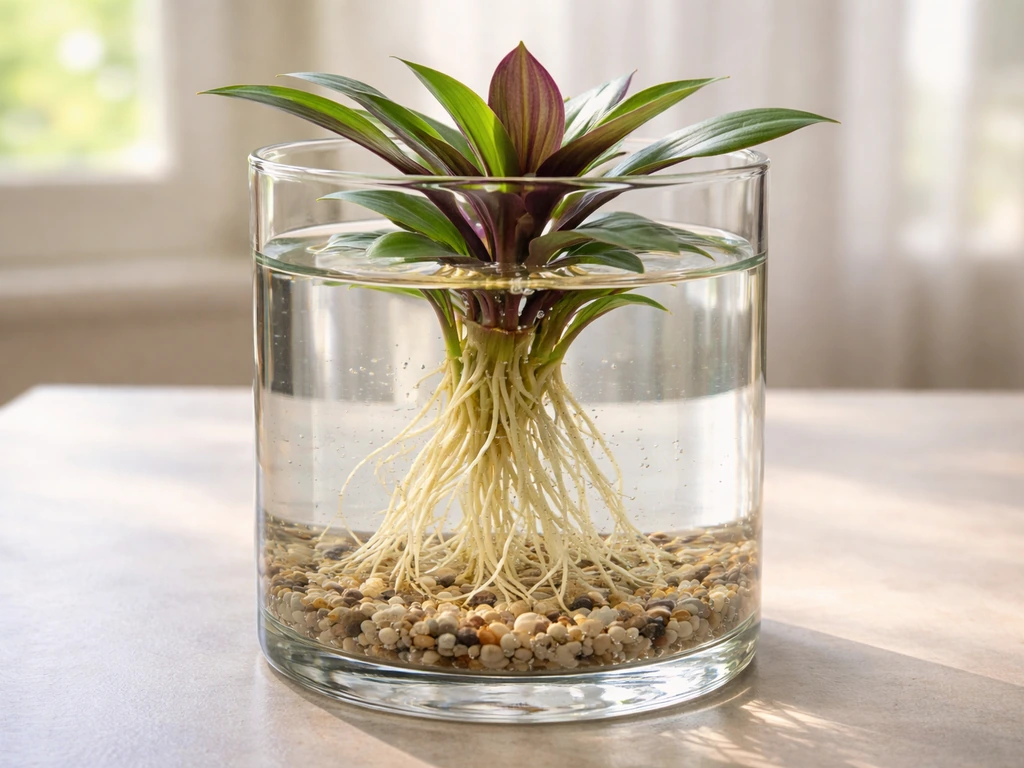
Can Boat Lily Grow in Water? How to Set Up and Care
Yes, boat lily can grow in water. Get setup, light, depth, oxygen care, troubleshooting, and propagation steps.
Can Lily Grow in Water? Setup, Care, and Troubleshooting
Learn which lilies grow in water, how to set up lighting and depth, plus care and fixes for yellowing or rot.
Can Calla Lilies Grow in Ponds? How to Set Up Successfully
Yes, with the right setup: water depth, substrate, anchoring, light, and overwinter care for pond or marginal calla lili