
Rain lily (Zephyranthes) can grow with its roots in water temporarily, but it cannot live fully submerged and will rot if you keep the bulb sitting in standing water long-term. The sweet spot is a semi-submerged or very moist setup where the roots reach water but the bulb itself stays above the waterline. Gardening Know How describes calla lily (Zantedeschia aethiopica) as a blank" rel="noopener noreferrer">marginal aquatic plant that grows in moist soil along riverbanks, ponds, and streams, which matches the idea of wet conditions with the roots reaching water but the bulb staying above it. Think of it less like a water lily and more like a plant that loves a good soaking rain followed by a well-drained rest, which is exactly what its name is hinting at.
Can Rain Lily Grow in Water? How to Grow It Safely
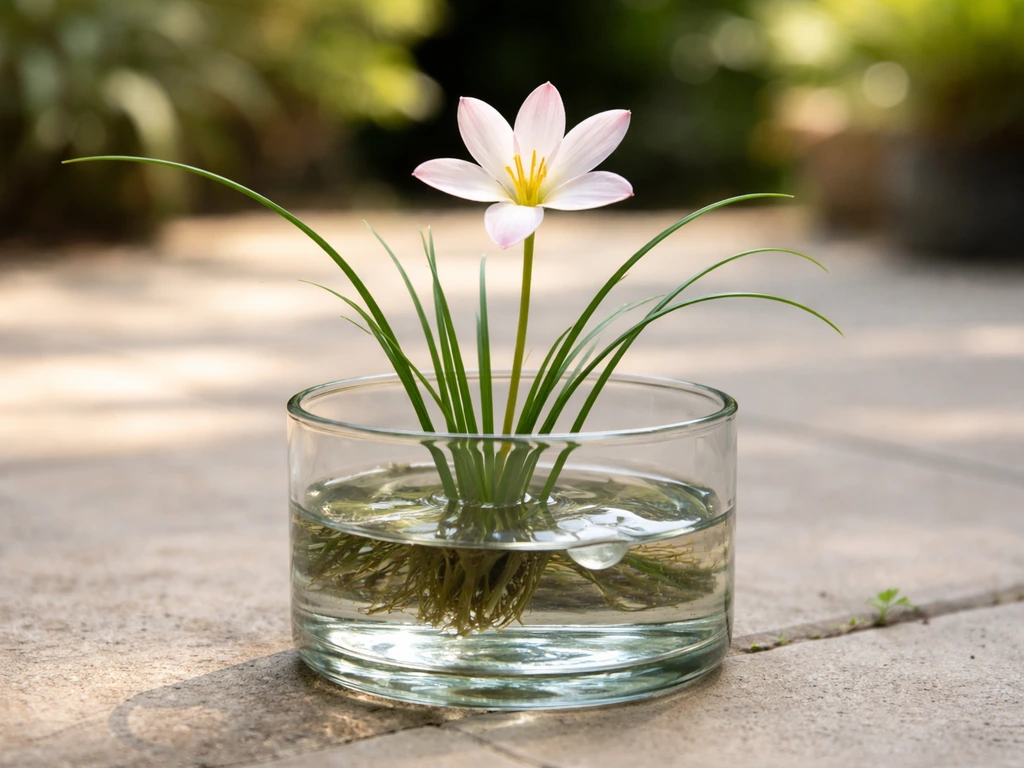
Rain lily is not a true aquatic plant (and that matters a lot)
Before you build any water setup, it helps to know what kind of plant you're actually dealing with. Zephyranthes is a bulb-forming genus native to swampy coastal prairies and boggy forests in the southeastern U.S. and tropics. It tolerates occasional flooding and prefers moist, acidic, organically rich soil. That is very different from being an aquatic plant. True water lilies (Nymphaea) have rhizomes and leaf structures specifically evolved for life in ponds and are happily submerged year-round. Calla lilies (Zantedeschia) are a closer comparison since they're sometimes planted pond-side in shallow water with their rhizome near the surface, but even they aren't fully submerged. Rain lily sits a step further from water than either of those: it wants moisture, even periodic inundation, but it needs drainage and dry-downs to stay healthy.
If you've been browsing aquatic or pond plant trade lists and spotted Zephyranthes, don't read too much into that. It occasionally appears in those contexts because it tolerates wet conditions, not because it's meant for continuous submersion. Tiger lilies, arum lilies, and boat lilies all have their own water tolerances that differ from Zephyranthes, so checking the specific species really does matter before you commit to a water setup. Can boat lily grow in water? It needs moist conditions but is not meant for full, continuous submersion. Florida Native Plant Society describes Zephyranthes atamasca as “blank" rel="noopener noreferrer">Usually moist, occasional inundation,” which means it handles periodic flooding but not continuously submerged conditions. Tiger lilies need well-drained moisture rather than being kept fully submerged, so you generally can't grow them in water the way you would an aquatic plant can tiger lilies grow in water.
The best water setup for rain lily: semi-submerged, not fully aquatic
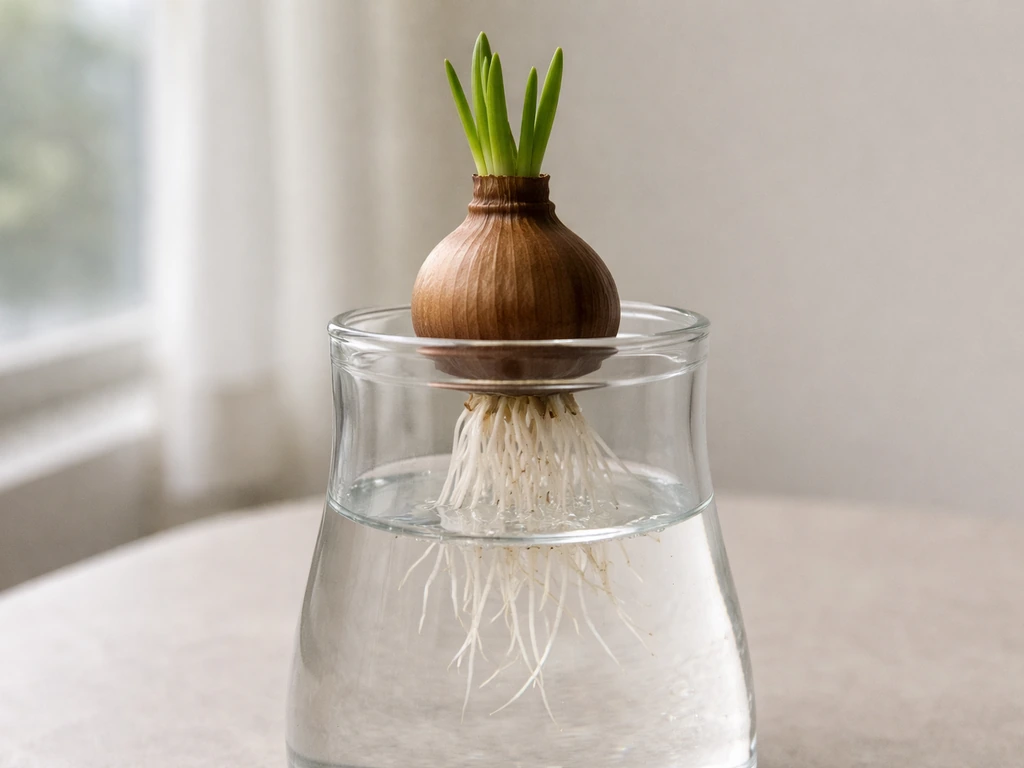
The setup that works best is what I'd call a hydroponic-adjacent or marginal-wet method: roots in water or saturated media, bulb above the waterline. Here's how to do it practically.
Option 1: Water vase or glass with a neck support
Use a narrow-necked vase or a glass fitted with a mesh insert or gravel platform so the bulb rests above the water and only the roots dip down. Keep the water level about 1 to 2 cm below the base of the bulb. This is the same principle used when growing amaryllis in water, where letting the bulb touch the water directly promotes rot fast. Change the water every 5 to 7 days to prevent stagnation and bacteria buildup. Room-temperature, filtered, or rainwater works better than chlorinated tap water straight from the tap; if tap is all you have, let it sit uncovered for 24 hours before using.
Option 2: Saturated growing medium in a container
This is honestly the more forgiving approach. Plant the bulb in a mix of peat, perlite, and coarse sand (or a standard well-draining bulb mix) inside a pot without drainage holes, or with drainage holes sitting inside a water-filled saucer. Keep the medium consistently moist to wet during the active growing season but not pooling with standing water around the bulb itself. This mimics the boggy, leaf-mold-rich acidic soils Zephyranthes atamasca naturally colonizes, and it's much easier to manage rot risk than a pure water setup.
What to avoid
- Submerging the bulb itself, even partially, for more than a day or two
- Letting water pool at the bulb's neck or crown where it meets the stem
- Using a fully sealed container without any air exchange around the roots
- Leaving the plant in standing water during its dormant phase
Light, temperature, and dormancy: the non-water requirements that make or break it
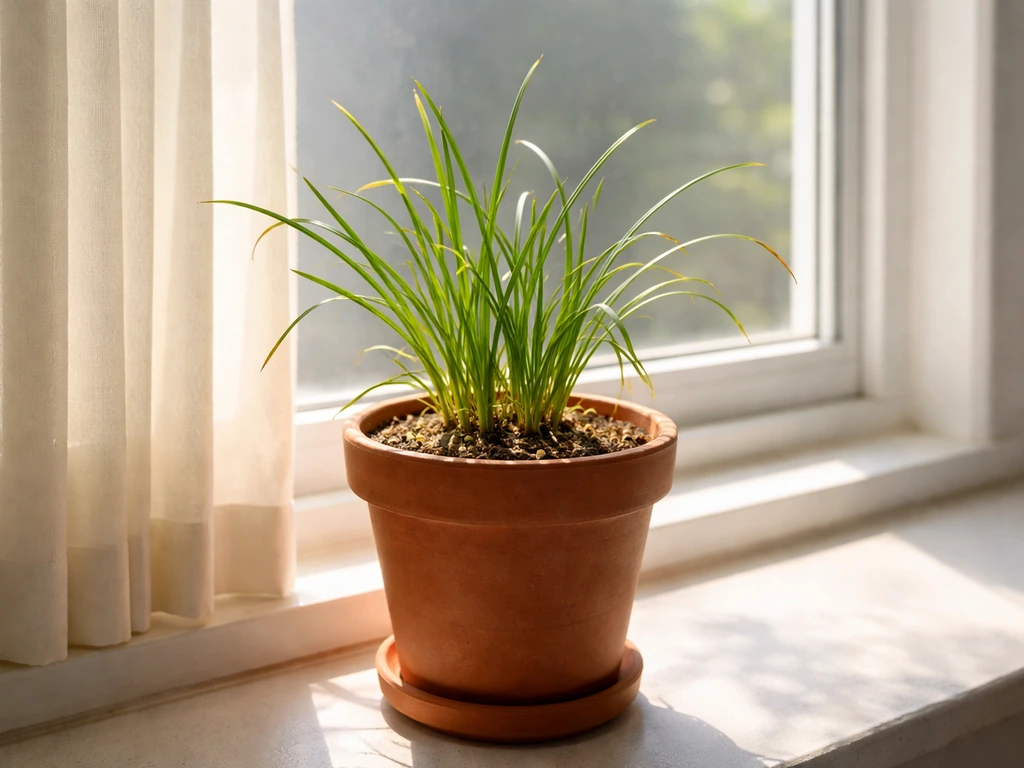
Water setup alone won't get you a blooming rain lily. This plant needs full sun to part sun, ideally 6 or more hours of direct light per day for best flowering performance. Indoors, a south- or west-facing windowsill that gets real direct sun is the minimum; a grow light supplementing to 12 to 14 hours of bright light will compensate if your windows are weak. Outdoors in zones 7 through 10 it's easy. In zone 6 or colder you're treating it as an annual or bringing the bulbs inside before frost.
Temperature-wise, Zephyranthes wants warm conditions: ideally 65 to 85°F (18 to 30°C) during active growth. The native habitat description is warm, moist, and sunny, which tells you everything. Don't try to push it in a cool, dim room and expect it to thrive in water.
Dormancy is the piece most people miss. After blooming, the grass-like leaves die back and the plant goes dormant. During this phase, you need to dial back watering dramatically and let the medium dry out. If you're using a water vase setup, lower the water level completely away from the roots and let the bulb rest dry for 6 to 8 weeks. Skipping this dry rest period is one of the most common reasons bulbs rot or fail to re-bloom. Respect the dormancy and the plant will reward you with another flush of flowers.
Containers, rinsing, and keeping rot away from the bulbs
Bulb rot is the main enemy in any wet or water-based setup. A soft, squishy feel near the crown or base of the bulb is your warning sign that rot has already set in. Here's what actually prevents it.
- Choose a clear glass or light-colored container so you can monitor root health and water color without disturbing the setup
- Rinse the roots and the inside of the container every water change to remove biofilm and algae before they establish
- Add a few pieces of horticultural charcoal to the water or medium to suppress bacterial and fungal growth without chemicals
- Keep the neck and crown of the bulb dry and well-ventilated; airflow around the top of the bulb matters
- If you notice any mushy or dark tissue on the bulb, trim it off with a clean knife, dust with powdered sulfur or cinnamon as a natural antifungal, and allow the cut surface to callus for 24 hours before returning it to a moist environment
- During dormancy, store bulbs dry at room temperature rather than leaving them in any wet medium
Container size matters too. A bulb rattling around in a giant vase with a lot of standing water at the bottom is harder to manage than a snug fit where the roots just reach the water. Match the container to the bulb size and keep it simple.
Timing your setup and fixing the most common problems
Start your water or wet setup in spring as temperatures warm and daylight increases. Rain lilies typically bloom in late summer and fall, often triggered by a soaking rain after a dry period. You can simulate this bloom trigger indoors by letting the medium dry out for a week or two and then giving it a thorough soak. It sounds counterintuitive, but that dry-then-wet cycle is often what kicks them into flower.
Troubleshooting quick reference
| Problem | Likely cause | Fix |
|---|---|---|
| Yellowing leaves | Too much standing water around bulb, or insufficient light | Lower water level away from bulb; move to brighter spot with 6+ hours of sun |
| Mushy or soft bulb | Bulb is in direct contact with water or has been too wet for too long | Remove from water, trim rotted tissue, dust with cinnamon, dry for 24 hours, restart setup with bulb above waterline |
| No flowers after growing season | Dormancy was skipped or disturbed, or light was insufficient | Allow a full 6–8 week dry rest period; ensure 6+ hours of direct light during active growth next cycle |
| Algae or green slime in water | Water not changed frequently enough, or container exposed to too much direct light | Change water every 5–7 days; switch to an opaque container if light is hitting the water directly |
| Stalled growth, no new leaves | Temperature too cool, or plant is in dormancy and should be resting | Check temperature is above 65°F; if leaves have died back, let it rest dry and resume watering in spring |
| Root rot without visible bulb damage | Poor water aeration, stagnant water, or no charcoal in medium | Change water more frequently, add horticultural charcoal, ensure some air exchange around roots |
If you've killed a batch before, you're not alone. The most common mistake I see is treating rain lily like it wants the same conditions as a water lily or a peace lily in a vase. It doesn't. It wants a wet-active phase and a dry-dormant phase, with the bulb itself never actually submerged. Get that cycle right, give it real sunlight, and you'll have a plant that blooms reliably and handles moisture far better than most bulbs.
FAQ
Can rain lily bulbs be kept in water permanently if I change the water often?
No. Even with frequent water changes, the bulb and crown are not designed for year-round submersion. The long-term risk is rot starting at the base and spreading upward, so keep the bulb above the waterline and only the roots in water or saturated media.
How do I tell whether my rain lily setup is too wet or the right kind of wet?
Use two checks. First, the bulb base should not sit in water, look for the water level to be about 1 to 2 cm below the bulb base. Second, the medium around the crown should feel moist but not waterlogged; if the bulb feels soft or squishy near the crown, reduce moisture immediately and shift to a drier dormancy rest.
What water should I use in a water vase setup, and do I need to treat it?
Filtered or rainwater is gentler than straight chlorinated tap. If you only have tap water, let it sit uncovered for about 24 hours to off-gas some chlorine before using. Avoid using heavily treated or very mineral-heavy water that can build residue in the vase.
How often should I refresh the water, and what if it gets cloudy?
Plan on changing the water every 5 to 7 days. If it turns cloudy or smells sour, change it right away, rinse the roots gently, and reset the water level so it remains below the bulb base.
Can I use a hydroponic setup with net pots and clay pebbles?
You can, as long as the bulb never touches the nutrient solution and only the roots reach the liquid. Keep a stable water level that stays below the bulb base, and during dormancy lower the liquid so the bulb can dry out for the full dry rest period.
What should I do during dormancy if I am growing it in water?
After flowering and leaf die-back, reduce watering drastically. In a vase setup, lower the water completely away from the roots and keep the bulb dry-resting for about 6 to 8 weeks. This rest phase is essential, skipping it commonly leads to rot or failure to re-bloom.
My rain lily bloomed once and then stopped. Could water be the problem?
Often it is the cycle. Make sure you include a true dry dormancy and then a dry-then-wet trigger (dry for 1 to 2 weeks, then soak thoroughly) to restart flowering. Also confirm you are giving enough light, since weak indoor light is a frequent cause of poor blooming even when water is correct.
Why does the bulb rot even when the bulb seems above the waterline?
Rot can still start if water wicks up around the crown, if the container is too large with stagnant water, or if the bulb base stays damp for weeks without a dry-down period. Use a snug container, keep the water just deep enough for roots, and avoid letting the medium pool around the bulb during dormancy.
Can I grow rain lily in an indoor window water setup year-round?
You can grow it indoors in active growth, but not year-round without a dormancy plan. Provide strong light during growth, then lower moisture and let it dry-rest in the dormant period. If your room stays cool and dim, expect slower growth and higher rot risk, and adjust light or move it to a warmer spot.
Is rain lily the same as water lily, or should I avoid confusing them in plant shops?
They are not the same. Zephyranthes is a bulb that tolerates wet periods but is not an aquatic plant, so it should not be treated like a pond lily. If you see other “lily” species listed for pond use, verify the specific genus and whether it can tolerate continuous submersion before copying the rain lily water method.
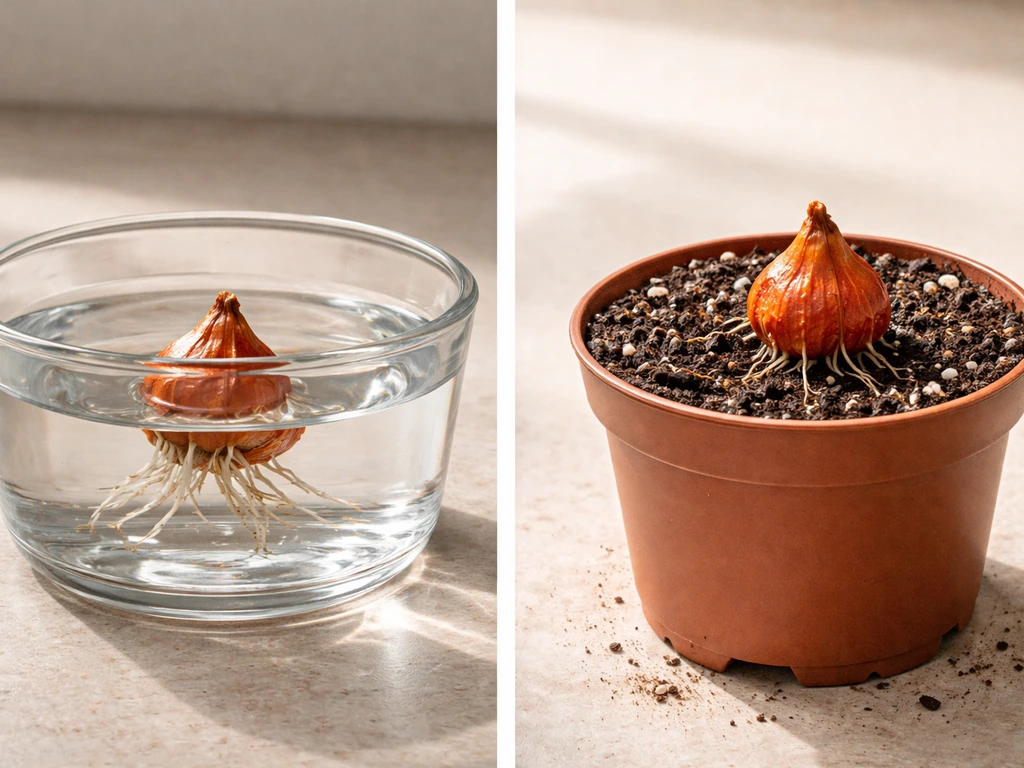
Can tiger lilies grow in water? Learn if submerged bulbs work, risks, fixes, and better soil or hydroponic options.
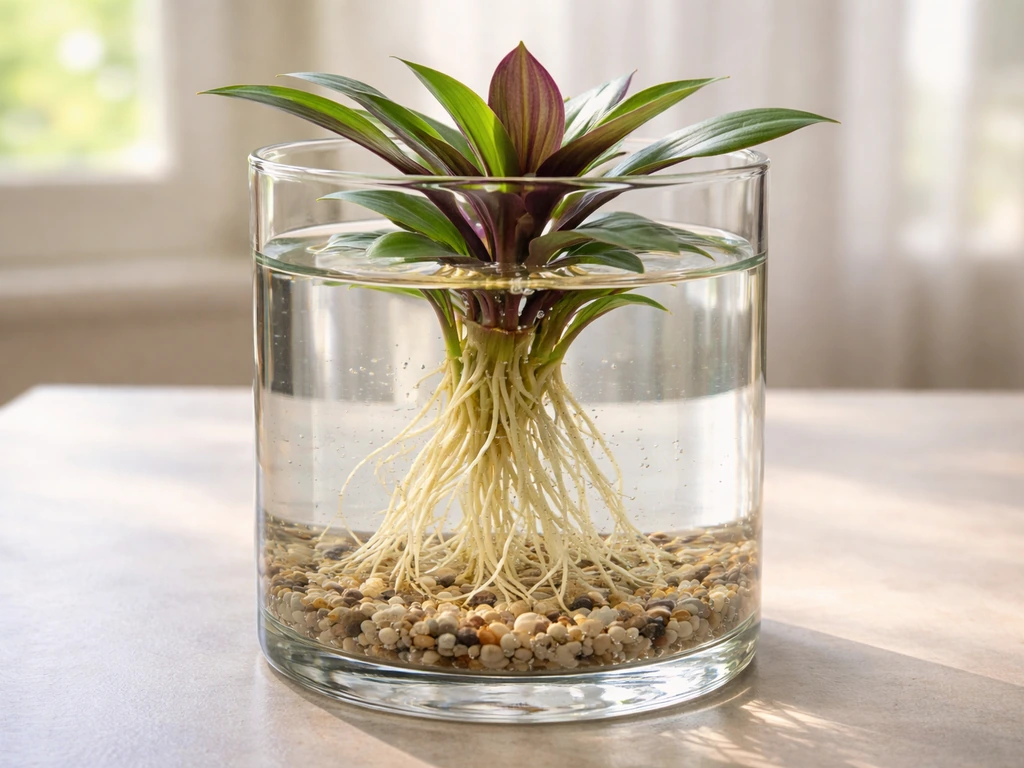
Yes, boat lily can grow in water. Get setup, light, depth, oxygen care, troubleshooting, and propagation steps.
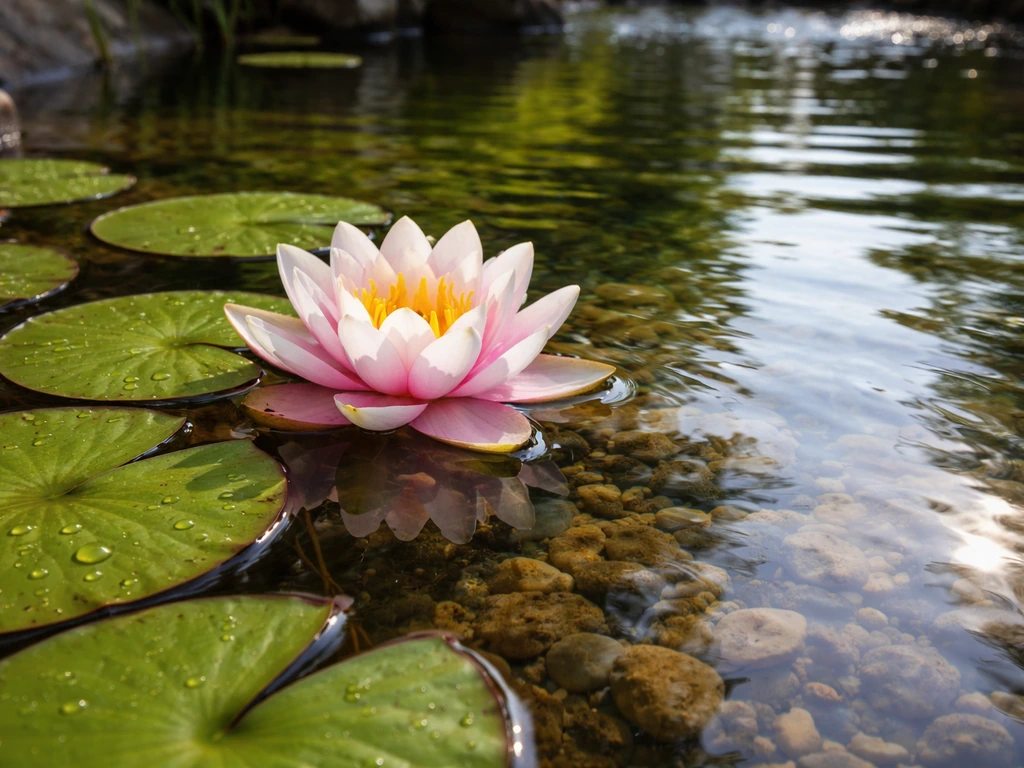
Learn which lilies grow in water, how to set up lighting and depth, plus care and fixes for yellowing or rot.