
Short answer: no, you cannot grow a new lily plant from a cut flower. If you brought home a bouquet of lilies or clipped a bloom from the garden, that flower is not going to root in a glass of water and become a new plant. The cut stem does not contain what the plant needs to regenerate. But here is the good news: lilies are genuinely easy to propagate once you know what to actually use, and this guide walks you through the whole process from picking your starting material to getting your first bloom.
Can You Grow Lilies From a Flower? Realistic Steps
Marcus Hendricks
17 Apr 2026
Why cut flowers won't grow into new lily plants
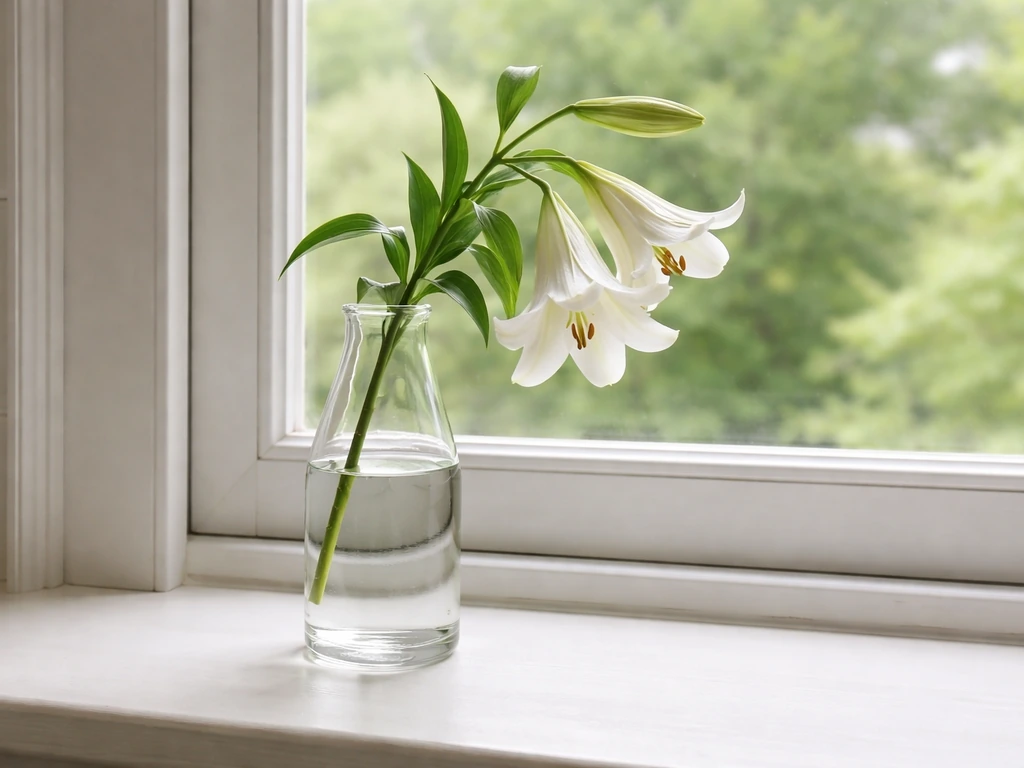
Commercial growers treat cut lily stems as a market product, not a propagation source. After harvest, those stems go straight into water held at 35 to 41 degrees Fahrenheit to slow down the bloom and extend vase life. There is no rooting, no bulb formation, and no vegetative regeneration happening. The flower is a finished product at that point.
Even in your own garden, when you cut lilies to bring indoors, the advice from extension horticulturists is to leave at least half to two-thirds of the stem and all its foliage standing in the ground. That remaining foliage is what feeds the bulb through photosynthesis so it can store enough energy to bloom again next year. Cut the stem all the way to the ground, and you are basically starving the bulb. The cut portion you took inside? It has no roots, no bulb, and no viable way to become a new plant.
What to use instead: bulbs, offsets, or seeds
If you want to grow lilies, you have three real options, and they vary significantly in speed and effort. Utah State University Extension also notes that bulbs in nature propagate as offsets, with smaller bulbs growing from the base of a mature bulb. Here is how they stack up:
| Method | Best for | Time to bloom | Difficulty |
|---|---|---|---|
| Purchased bulb | True lilies (Lilium/Asiatic/Tiger) | First summer after planting | Easy |
| Bulb scales | Lilium species you already grow | 2–3 years | Moderate |
| Offsets/bulblets | Established clumps that have multiplied | 1–2 years | Easy to moderate |
| Division (rhizome/tuber) | Daylilies, calla lilies, peace lilies | Same season or next | Easy |
| Seed | Patient growers, species lilies | 3–7 years to bloom | Hard |
For most home gardeners, buying a fresh bulb is the fastest and most reliable path. If you already have lilies in the ground, digging and dividing the clump after the foliage dies back gives you free plants with almost no extra work. Scaling (removing individual fleshy scales from a Lilium bulb and letting them form bulblets) is a cool technique but requires patience: each scale can produce 3 to 5 bulblets, and those bulblets need a 6 to 12 week cold period in the refrigerator before they will put on top growth. Seeds exist as an option but they are genuinely slow, sometimes taking several years just to reach blooming size.
Wait, which lily do you actually have?
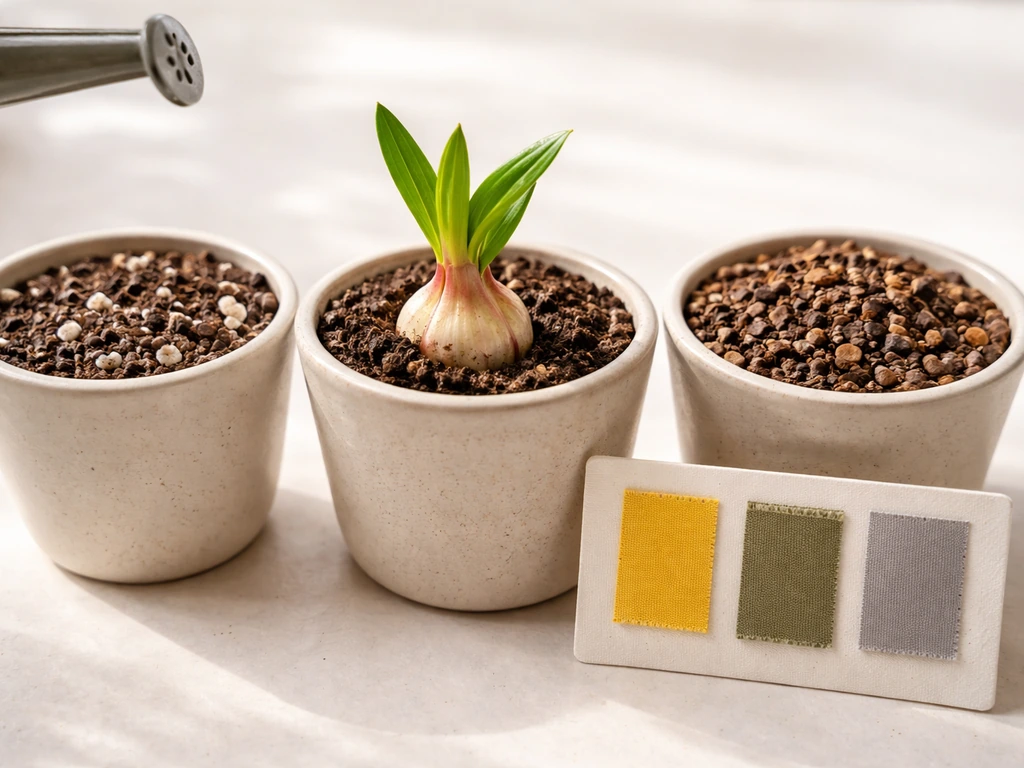
This matters more than most guides admit, because the word 'lily' covers several very different plants with completely different propagation methods. Before you do anything, figure out which one you are dealing with.
- True lilies (Lilium species, including Asiatic and Tiger lilies): grow from a fleshy, non-tunicate bulb. Propagate by bulb, bulb scales, or bulblets.
- Daylilies (Hemerocallis): not true lilies despite the name. They grow from fibrous-rooted crowns and spread by forming offsets at the base. Propagate by dividing clumps.
- Peace lilies (Spathiphyllum): tropical houseplants, not lilies at all. Propagate by dividing at the root clump.
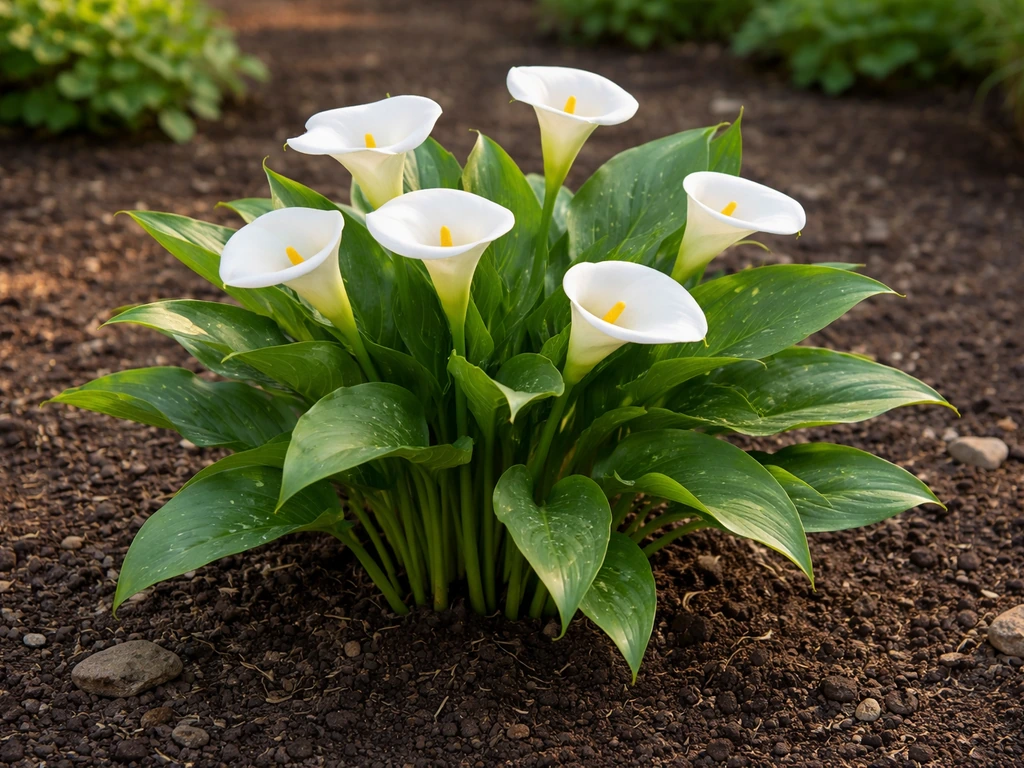
- Calla lilies (Zantedeschia): grow from a thick underground rhizome with 'eyes' that sprout shoots. Propagate by dividing or cutting the tuber into sections, each with an eye.
- Water lilies (Nymphaea): aquatic plants that spread by rhizome division, not bulbs or cut flowers.
Daylilies are probably the most common source of confusion. They are often called members of the lily family, which is technically accurate but misleading for gardeners. If your 'lily' has grass-like foliage coming from a central crown rather than a single stem emerging from a bulb, you almost certainly have a daylily, and dividing the clump is your propagation method. Calla lilies work differently again: you plant the tuber with the rounded side down and the scooped side up, covered by about 1 inch of soil, and propagation is done by cutting mother tubers into 10 or more segments, each with a growing point.
Step-by-step: growing from a bulb or offset
Starting with a purchased bulb (true lilies)
- Buy firm, plump bulbs with no soft spots or mold. If you cannot plant immediately, store them in a plastic bag with lightly moistened sphagnum peat moss in the refrigerator.
- Choose a site with well-drained soil. Lily bulbs sitting in waterlogged soil will rot, full stop.
- Dig your hole to a depth equal to three times the diameter of the bulb. A bulb that is 2 inches across goes in 6 inches deep.
- Set the bulb pointed side up. Backfill with amended soil, firm gently, and water in well.
- Mulch the surface with 2 to 3 inches of organic mulch to retain moisture, moderate soil temperature, and delay hard freezing in fall so roots get more time to establish.
- Water when rainfall drops below about 1 inch per week, especially during active growth and bud set.
Starting from bulb scales
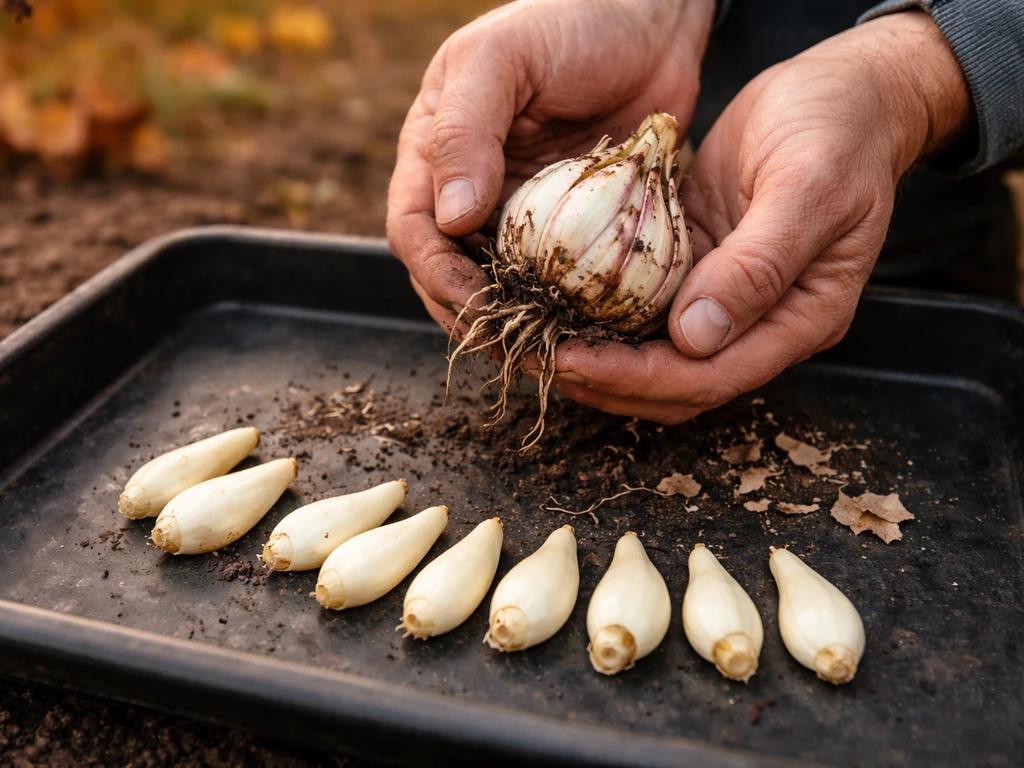
- In fall, dig up an established Lilium bulb and snap off several healthy outer scales close to the base.
- Dust the cut ends with fungicide powder or let them air-dry for a few hours.
- Place scales in a bag of slightly damp perlite or vermiculite and seal it.
- Refrigerate for 6 to 12 weeks. Small bulblets (typically 3 to 5 per scale) will form at the base of each scale during this period.
- After chilling, pot the scales with their bulblets into well-draining mix and grow them on under bright indirect light.
- Plant out into the garden the following season once they have developed into small but viable bulbs.
Starting from offsets or divided clumps (daylilies and others)
- Wait until foliage has died back in fall, or work in early spring before new growth begins.
- Dig up the entire clump and shake off loose soil.
- Pull or cut apart individual fans (for daylilies) or separate rooted offsets.
- Replant divisions at the same depth they were growing, spacing daylily fans about 18 to 24 inches apart.
- Water thoroughly after planting and keep moist until new growth appears.
Light, water, and soil by lily type
One of the fastest ways to kill lilies is to treat all of them the same. True lilies, daylilies, and peace lilies have genuinely different needs, and mixing them up causes problems. Here is a direct breakdown.
| Plant | Light | Water | Soil pH | Key soil note |
|---|---|---|---|---|
| Asiatic/Tiger lilies (Lilium) | Full sun, 6+ hours | 1 inch/week, well-drained | 6.0–6.5 | Must not sit in standing water |
| Daylilies (Hemerocallis) | Full sun to partial shade | Moderate, well-drained | 6.0–6.8 | Work soil at least 12 inches deep |
| Peace lily (Spathiphyllum) | Medium to low indirect light | Keep evenly moist, no soggy roots | 5.8–6.5 | Rich, well-draining potting mix |
| Calla lily (Zantedeschia) | Full sun to partial shade | Moderate, well-drained | 6.0–6.5 | Plant tuber 1 inch deep, rounded side down |
True Lilium species want at least 6 hours of direct sun. Less than that and you will get tall, floppy stems with weak blooms, or no blooms at all. Daylilies are a little more forgiving and will handle partial shade, though they bloom best in full sun. Peace lilies are the outlier: they are one of the few 'lily-named' plants that actually thrive in medium indoor light and should never be placed in direct outdoor sun, which scorches their leaves.
For daylilies specifically, aim for a soil pH between 6.0 and 6.8, work the bed at least 12 inches deep before planting, and make sure drainage is solid. Daylily roots cannot stand in water for extended periods without rotting. The same drainage principle applies even more strictly to true lily bulbs.
If you are wondering whether Asiatic lilies are easy to grow compared to other Lilium types, the honest answer is yes, they are the most beginner-friendly of the true lilies. They are cold-hardy, straightforward about their sun needs, and bloom reliably in the first season after planting.
When to plant and how to handle heat or cold
Timing is one of the biggest variables in lily success, and it changes depending on which plant you have and where you live.
Hardy Lilium bulbs (Asiatic, Oriental, Tiger) go in the ground in fall in most climates, much like tulips and daffodils. In particular, University of Maryland Extension recommends planting lilies in late fall plant lilies in late fall. This gives them a cold dormancy period and allows roots to establish before the ground freezes hard. In USDA zones 4 through 8, fall planting is the standard approach. In very cold climates (zones 3 and below), a thick layer of mulch after planting helps delay deep freezing and extends root development time into late fall. In hot climates (zones 9 and warmer), many true lilies struggle because they need that winter cold to cycle properly. If you are gardening in a warm region, look for varieties bred for lower chill requirements or plan to lift and refrigerate bulbs over winter.
Daylilies are much more flexible: plant them in spring or fall, and they will adapt. They are heat-tolerant and cold-hardy across a wide range of zones (typically 3 through 9), which is one reason they are so popular. Calla lilies and peace lilies are tender and cold-sensitive. Calla lily tubers should go in the ground in spring after frost risk has passed, and in zones below 8, they need to be dug up and stored indoors over winter. Peace lilies are strictly indoor plants in most of North America and should never go below about 60 degrees Fahrenheit.
If you are in a hot climate and want to know which varieties hold up best, checking out the best lilies to grow for your region is a smart starting point before you buy anything.
Container growing vs. planting in the ground
Yes, you can absolutely grow lilies in containers, and in some situations (small yards, patios, cold climates where you want to bring them in) it is the better option. The key is getting the pot size right.
For true lily bulbs in containers, use a pot at least 12 inches in diameter and 8 to 10 inches deep. Plant bulbs at about 3 to 4 times the height of the bulb from the surface, use a well-draining potting mix (never plain garden soil in a pot), and make sure the container has drainage holes. Container lilies dry out faster than in-ground plants, so you will need to check soil moisture more frequently and water whenever the top inch feels dry.
Peace lilies are natural container plants and actually prefer being slightly root-bound. Daylilies can work in large containers but do better in the ground where their roots have room to spread. Calla lilies are excellent in pots, especially for patios, and the container approach makes overwintering easy in cold climates: just bring the pot inside before the first frost.
One underrated benefit of containers for true lilies: you can control the soil mix completely and guarantee the drainage that lily bulbs need. In-ground planting in heavy clay soils is where I have seen the most failures, because water sits around the bulb and rot sets in before you even know there is a problem.
If you are thinking about companion planting, knowing what flowers grow well with lilies can help you design a container or bed that looks great through the whole season, not just when your lilies are at peak bloom.
Why your lily won't grow (and how long to wait)
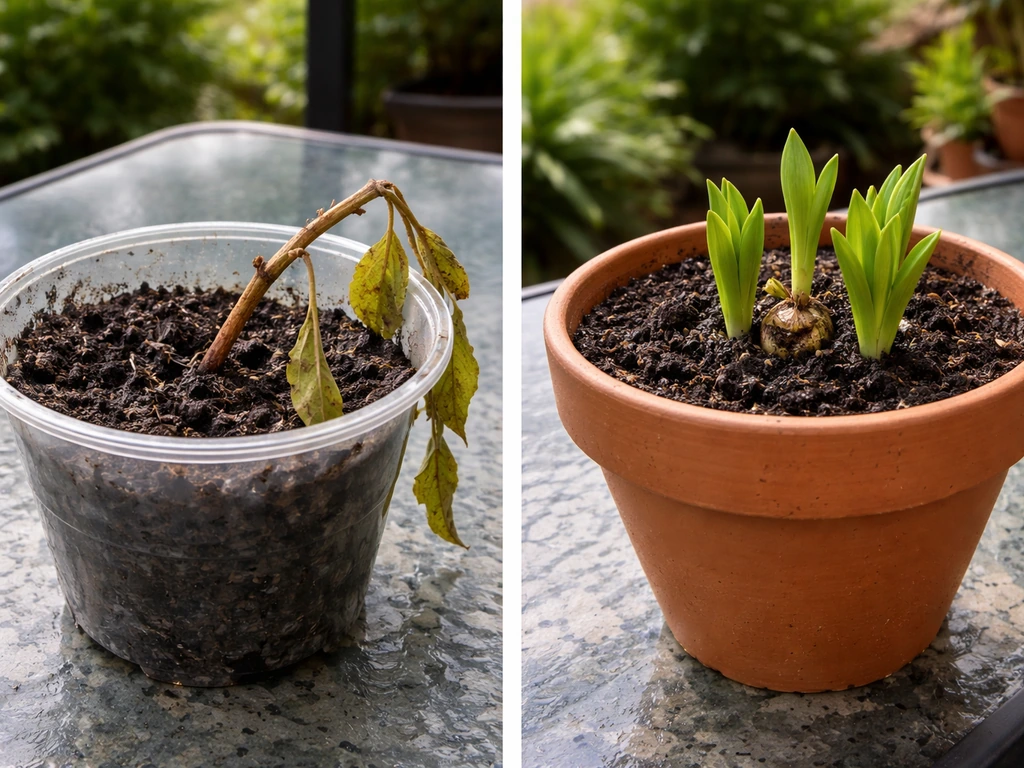
Common reasons for failure
- You tried to root a cut flower stem: this does not work for lilies. You need a bulb, offset, or divided clump.
- Wrong plant type, wrong method: trying to grow a daylily from a bulb (daylilies have no bulb) or a peace lily from a cutting (they propagate by division) will get you nowhere.
- Bulb planted too shallow or too deep: the guideline is 3 times the bulb diameter for true lilies. Too shallow and the bulb gets frost-heaved or dries out; too deep and emergence is weak.
- Poor drainage: this is the number one killer of lily bulbs. If your soil holds water, amend it heavily with grit or compost before planting, or plant in raised beds or containers.
- Insufficient chilling for bulblets: if you propagated via scaling, skipping or shortening the 6 to 12 week refrigerator period means bulblets will not break dormancy reliably.
- Not enough sun: true lilies need a minimum of 6 hours of direct sun. Partial shade produces floppy, non-blooming plants.
- Cutting stems too short after bloom: removing too much foliage after bloom prevents the bulb from storing energy for next year, resulting in no flowers or weak growth the following season.
Realistic timelines
If you plant a fresh Lilium bulb in fall, expect shoots in spring and blooms by early to midsummer depending on variety. Asiatic lilies are among the earliest, often blooming in June. Oriental lilies come later, typically July to August. Daylilies planted in spring usually bloom their first season. Calla lilies planted after the last frost in spring will bloom by midsummer. Peace lilies can bloom year-round indoors if light and humidity conditions are right, though blooming in medium light conditions is possible, it tends to be lighter and less frequent than in brighter spots.
If you propagated from bulb scales, be patient. Those small bulblets need 6 to 12 weeks of chilling, then a growing season or two in pots before they are large enough to bloom. Rushing them into the ground too early without enough size usually results in foliage but no flowers. Seeds are the slowest route of all and generally not worth it unless you are specifically trying to breed new varieties or grow rare species.
For anyone still on the fence about the overall effort involved, the good news is that lilies are easy to grow once you have the right starting material and understand their basic drainage and sun requirements. The failures almost always come down to starting from the wrong material (like a cut flower) or ignoring drainage, not from lilies being inherently difficult. And if you are drawn to the boldly patterned species, it is worth knowing that tiger lilies are easy to grow too, often even tougher and more naturalistic than hybrid Asiatics.
FAQ
Can I grow lilies from lily seeds I saved from a store-bought or garden flower?
You can try, but don’t expect fast results. Seed-grown lilies often take several years to reach blooming size, and many varieties will not come true to type. If you want the same look as the parent plant, bulb propagation like dividing clumps or scaling is usually more reliable.
Why do my lily cut flowers look healthy at first, but never produce roots in water?
Because the stem from a cut bloom is essentially finished tissue, it lacks the live bulb structure needed for regeneration. Even if you see swelling at the cut end, it typically won’t form the roots and bulb layers a true lily needs, so you will not get a viable new plant.
I left foliage on my garden lilies after cutting a few stems, but my next year blooms were weak. What should I check?
Foliage helps most, but blooming strength also depends on bulb energy and drainage. Confirm the bed stays well-drained, avoid cutting remaining stems too early, and make sure the planting spot still gets enough direct sun for the type (true lilies are especially sun-hungry).
What’s the most common container mistake that causes lily bulb failure?
Using a potting mix that stays soggy or placing the pot where water can pool. Lily bulbs need consistently fast drainage, so always use a lightweight potting mix, verify drainage holes, and water based on the top inch drying rather than a fixed schedule.
Do I need to fertilize container lilies differently than in-ground lilies?
Yes, mainly because containers lose nutrients faster and the root volume is limited. Use a bulb-friendly fertilizer in the growing season and avoid heavy nitrogen pushes late in the season, since that can encourage leafy growth at the expense of strong bloom formation.
Can I mix lily bulbs and daylilies in the same bed since people call them both lilies?
It’s usually a bad idea. Daylilies and true lilies differ in sun tolerance, soil moisture tolerance, and even how they propagate. Keep them separate or at least group plants by their light and drainage needs so one type doesn’t suffer from the other’s preferred conditions.
How do I know if my “lily” is a daylily or a true lily before buying bulbs or dividing?
Look at the growth habit. Daylilies typically grow from a central crown with fan-like, grass-like leaves, while true lilies emerge as a stem from a bulb. This matters because daylilies are propagated by dividing clumps, while true lilies rely on bulbs, scales, or bulblets.
If my zone is too hot, can I still grow true lilies without digging them up?
Sometimes, but it depends on the cultivar’s chill requirement. In very warm regions, many true lilies need winter cold to cycle properly. A practical approach is to choose lower-chill varieties, or plan a lift-and-refrigerate strategy for consistent bloom.
Do lilies need neutral soil, or should I adjust pH for best flowering?
True lily performance depends heavily on drainage more than exact pH, but daylilies have a clearer target range. As a rule of thumb from the article guidance, aim roughly for daylily soil pH around 6.0 to 6.8, and if you’re unsure, test soil so you aren’t guessing.
How deep should I plant lily bulbs, and does it change for containers?
For true lily bulbs in containers, plant about 3 to 4 times the bulb’s height from the soil surface, using the container depth to guide placement. In-ground planting depth follows the bulb’s needs and local conditions, so if you move between beds and pots, re-check depth rather than assuming the same number will work everywhere.
Next Articles
Are Lilies Easy to Grow? Tips for Peace Lilies and More
Practical guide on whether lilies and peace lilies are easy to grow, with fixes for light, watering, soil, and drainage
Can Calla Lilies Grow in Ponds? How to Set Up Successfully
Yes, with the right setup: water depth, substrate, anchoring, light, and overwinter care for pond or marginal calla lili
Are Calla Lilies Hard to Grow? Easy Guide for Success
Get a clear answer on are calla lilies hard to grow, plus exact light, temperature, watering, planting, and fixes.