
If you want the easiest, most rewarding lilies to grow, start with Asiatic hybrids or LA hybrids. They tolerate a wide range of climates (USDA Zones 3–9), bloom reliably without fuss, and rarely disappoint a first-time grower. If fragrance is your priority, step up to Oriental or Trumpet lilies. If you have a shady spot and want something different, Martagon lilies are your best bet. The type you choose comes down to three things: your climate, your light situation, and what you actually want out of them, whether that's cut flowers, garden impact, or a scent you can smell from the patio.
Best Lilies to Grow: Choose, Plant, and Care for Success

Marcus Hendricks
27 May 2026
Wait, which lilies are we actually talking about?
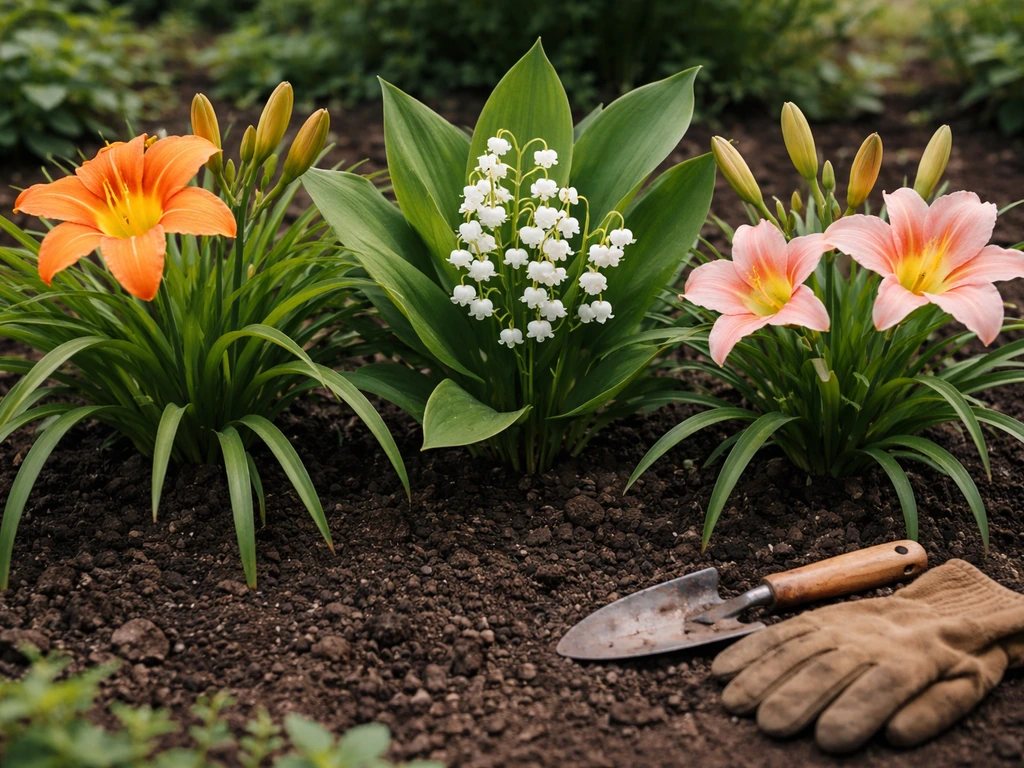
Before picking a variety, it helps to know that a lot of plants get called "lilies" that are not true lilies at all. This guide covers true lilies in the genus Lilium, which grow from scaly bulbs. Peace lilies (Spathiphyllum) are tropical houseplants with no bulb and completely different needs. Calla lilies grow from rhizomes and prefer boggy conditions. Daylilies (Hemerocallis) are tough perennials that grow from fleshy roots and are often confused with Asiatics because they look similar in bloom. Water lilies are aquatic plants entirely. If you are growing any of those, the advice here will not fully apply to them. For this guide, we are sticking with Lilium: Asiatic, Oriental, Trumpet, Aurelian, Martagon, LA hybrids, and species lilies.
Quick pick: best lily types for your climate and goals
Here is a fast-reference breakdown to help you match the right lily to your situation. These recommendations are based on what consistently performs well for home gardeners across different zones and goals.
| Lily Type | Best For | Hardiness Zones | Fragrance | Beginner Friendly? |
|---|---|---|---|---|
| Asiatic Hybrids | Reliable garden color, cut flowers | Zones 3–9 | Little to none | Yes, easiest |
| LA Hybrids (Longiflorum × Asiatic) | Large cut flowers, garden display, wide zone range | Zones 3–9 | Mild | Yes, very forgiving |
| Oriental Hybrids (e.g., Stargazer) | Strong fragrance, bold mid-summer blooms | Zones 5–9 | Very strong | Moderate, needs good drainage |
| Trumpet/Aurelian Hybrids | Tall, dramatic, highly fragrant, great garden impact | Zones 4–9 | Strong | Moderate |
| OT Hybrids (Oriental × Trumpet) | Best of both: fragrance + sturdiness + size | Zones 5–9 | Very strong | Moderate |
| Martagon Hybrids | Partial shade gardens, woodland settings | Zones 3–8 | Mild to moderate | Slow to establish but very long-lived |
| Species Lilies | Naturalistic planting, specialist interest | Varies by species | Varies | Depends on species |
If you are in a cold climate (Zone 3 or 4), Asiatics and LA hybrids are your most reliable choices. They come back dependably year after year without much coaxing. If you are in Zones 5–9 and want fragrance that stops people in their tracks, go for Oriental hybrids or OT hybrids. Trumpet lilies are spectacular but need a bit more space (they can hit 4–6 feet tall) and are better suited to in-ground beds than containers.
Site requirements: sun, water, drainage, and space
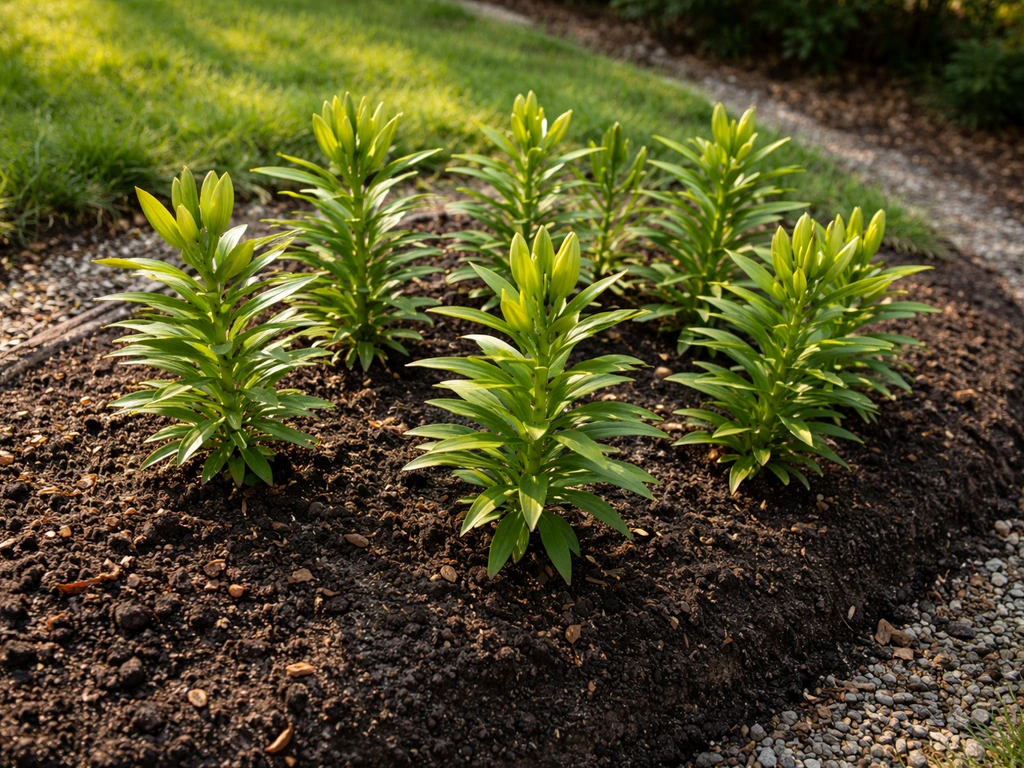
Lilies need at least 6 to 8 hours of direct sunlight daily to bloom well. That is not negotiable for most types. Insufficient sun causes stems to stretch and lean toward the light, and you end up with floppy plants that need staking just to stay upright. The exception is Martagon lilies, which genuinely prefer dappled or partial shade and are one of the only true Lilium types that thrive under a tree canopy.
Drainage is where most lily failures start. Lilies hate sitting in wet soil. Standing water around the bulb is a fast track to rot, and it happens quickly in heavy clay or low spots in the garden. If your soil drains slowly, raise your planting bed by even a few inches and amend heavily with compost and coarse grit. This one change has saved more lily plantings than any other fix I know. In clay-heavy gardens, a raised bed is not just helpful, it is essentially required.
Spacing matters too. Plan on 8 to 12 inches between bulbs. Crowded plantings restrict airflow, which creates the humid conditions that Botrytis (gray mold) loves. Give each bulb room to breathe, and you will have fewer disease problems overall. Taller varieties like Trumpet lilies may need 12 to 18 inches of space given their mature size.
Soil and planting specifics
Soil type and pH
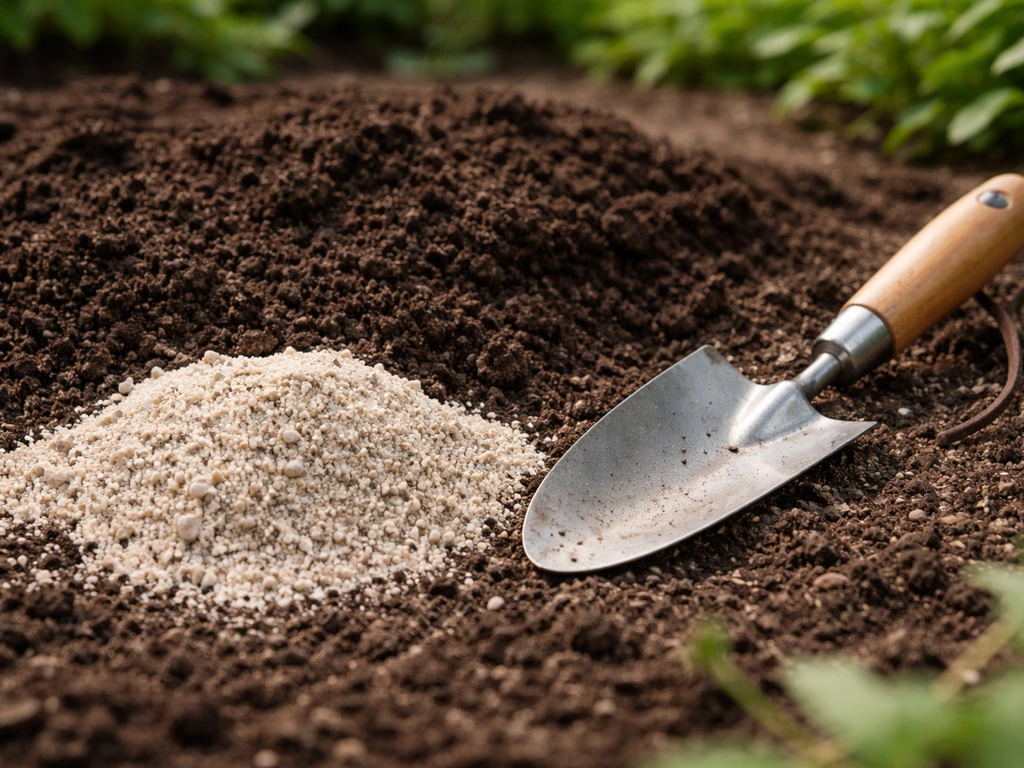
Most lilies perform best in a slightly acidic to neutral soil with a pH around 6.0 to 6.5. If you have not tested your soil recently, it is worth doing before you amend anything. A simple soil test from your local extension service costs only a few dollars and tells you exactly what you are working with. Amending blindly can make things worse, not better. Work in compost to improve both drainage in clay soils and moisture retention in sandy soils. Avoid heavy peat-based mixes, especially for species lilies, which prefer gritty, free-draining substrates.
When and how to plant
Plant lily bulbs in fall for most climates, ideally a few weeks before the ground freezes so roots can establish before winter. Spring planting works too, especially if you missed the fall window or are purchasing bulbs from a spring shipment. Either way, plant as soon as you get the bulbs. Do not let them dry out or sit in a warm garage.
Depth is important: plant each bulb at a depth of roughly three times its own height. A 2-inch-tall bulb goes 6 inches deep, with the base of the bulb sitting at that depth. For smaller bulbs, you are typically looking at 3 to 4 inches of soil coverage above the bulb. For larger bulbs, aim for 4 to 6 inches of coverage. The deeper planting serves a dual purpose: it protects bulbs from temperature swings and, for stem-rooting types like Oriental and Trumpet lilies, gives the roots that develop along the buried stem enough room to anchor and feed the plant.
One thing I have learned the hard way: mark exactly where you planted your bulbs. Lily shoots emerge in spring looking brittle and easy to snap, and if you do not know where they are, you will damage them with a trowel or a careless boot. A labeled stake or a simple diagram of your bed goes a long way.
Variety-by-variety recommendations
Asiatic hybrids
Asiatics are the workhorses of the lily world. They bloom earliest in the season (late spring to early summer), come in a huge range of colors, and are reliably hardy from Zones 3 to 9. They do not have much fragrance, but they make outstanding cut flowers and put on a reliable show in the garden without much intervention. Companion planting ideas like pairing lilies with suitable perennials can also help fill gaps and boost the garden look. If you are new to growing lilies or want something low-maintenance, Asiatics should be your starting point. They are also among the easiest lilies to grow, which makes them a natural first choice.
LA hybrids (Longiflorum × Asiatic)
LA hybrids are a cross between Easter lilies (Lilium longiflorum) and Asiatic hybrids, and they combine the best traits of both. The flowers are larger than standard Asiatics, upward-facing, and clustered near the top of the stem, which makes them exceptional cut flowers. They are perennial across Zones 3 to 9 and are very forgiving for beginners. If you want Asiatic reliability with more impressive bloom size, LA hybrids are a worthwhile step up.
Oriental hybrids
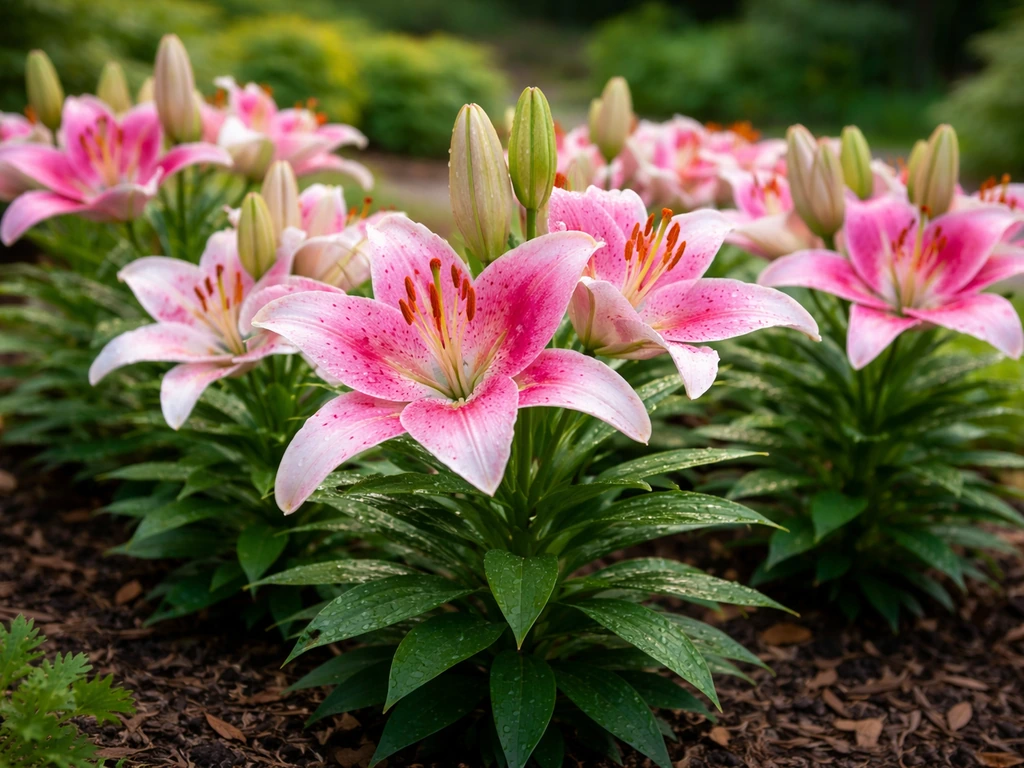
Orientals are the fragrance lilies. 'Stargazer' is the classic example, and for good reason: bold pink and white blooms, intense perfume, and mid-to-late summer timing that extends the lily season after Asiatics have finished. Wikipedia describes 'Stargazer' as an Oriental group hybrid associated with Oriental-type fragrance and a mid-to-late summer bloom time blank" rel="noopener noreferrer">'Stargazer' is the classic example. They are a bit more demanding than Asiatics. They need excellent drainage, slightly more acidic soil, and they bloom later so they need a longer growing season. Best suited to Zones 5 to 9. In colder zones, they can winter-kill if drainage is poor or mulch is insufficient.
Trumpet and Aurelian hybrids
Trumpet lilies are tall (often 4 to 6 feet), dramatic, and strongly fragrant. They bloom in midsummer and make a statement in any border. Aurelian hybrids are a subset of the Trumpet group, crossing Trumpet types with some Asiatic species, which gives them broader color variation including yellows, oranges, and apricots. Both are hardy in Zones 4 to 9 and are good for gardeners who want height and fragrance without going full Oriental. They are heavier and more wind-prone than Asiatics, so plan on staking taller stems.
OT hybrids (Oriental × Trumpet)
OT hybrids are sometimes called Orienpets, and they are genuinely impressive plants. They combine the strong fragrance and bold coloring of Orientals with the greater height and structural toughness of Trumpet lilies. The result is a more weather-resistant, often taller plant with showstopping blooms. If you want Oriental-level impact but have had trouble with pure Orientals rotting or struggling in your climate, try an OT hybrid. They tend to be sturdier and a bit more adaptable.
Martagon hybrids
Martagons are the outliers in a good way. They are the only true lily group that reliably performs in partial shade, making them valuable for woodland gardens or spots under deciduous trees where most other lilies would sulk and stretch. They have distinctive Turk's cap-style pendant blooms, come in purples, pinks, whites, and yellows, and are very long-lived once established. The catch: they are slow to settle in. Do not be discouraged if your Martagons barely bloom in year one or two. By year three, they typically hit their stride and reward your patience. Hardy from Zones 3 to 8.
Species lilies
Species lilies are naturally occurring Lilium forms rather than garden hybrids, and their needs vary widely by species. Lilium lancifolium (tiger lily) is one of the easiest to grow and is very tolerant of different conditions. Tiger lilies, specifically Lilium lancifolium, are known for being easy to grow compared with many other lily types Lilium lancifolium (tiger lily). Lilium canadense and other North American natives often do best in their native soil conditions. Some western species want extremely gritty, fast-draining mixes and will rot in anything heavier. Species lilies are worth exploring once you have a few seasons of basic lily growing under your belt, as they require more research into each species' specific site preferences.
Care after planting
Watering
Lilies want consistently moist soil, not soggy. During active growth, water deeply once or twice a week depending on your climate and how quickly your soil dries out. The goal is to keep the soil evenly moist about 6 inches down without letting it sit wet. During heavy rain periods, make sure your drainage is actually working. Mulching around the base of the plants (3 inches of shredded bark or straw) helps maintain even moisture and keeps the soil cooler, which lily roots appreciate.
Fertilizing
Feed lilies with a balanced slow-release fertilizer at planting time, then follow up with a low-nitrogen, higher-phosphorus fertilizer (something like a 5-10-10 or similar) as buds begin to form. Avoid heavy nitrogen fertilizing once the plant is actively growing, as it encourages lush foliage at the expense of blooms. A light application of balanced fertilizer again after bloom helps the bulb store energy for next year.
Staking
Tall varieties, especially Trumpets and OT hybrids, often need staking. Put your stakes in early, when shoots are just emerging, so you do not accidentally spear a bulb later. A single bamboo stake tied loosely to the stem with soft garden twine is usually enough. Avoid tying too tightly, which can damage the stem as it thickens.
Deadheading and cutting
Remove spent flowers promptly after they fade, but leave the stems and foliage in place until they yellow and die back on their own. The leaves are photosynthesizing and sending energy back into the bulb for next year's bloom. If you cut the stem down too early, the bulb goes into winter undersized and may not bloom well the following season. If you are cutting flowers for a vase, transport them with stems in water immediately after cutting to maximize vase life, and cut them when the first bud is just beginning to open.
Winterizing
Once foliage has fully yellowed in fall, cut stems down to a few inches above the ground. In Zones 3 to 5, apply 4 to 6 inches of mulch over the planting area after the ground cools to protect bulbs from freeze-thaw cycles. Remove the mulch gradually in spring once the danger of hard frost has passed. In milder zones (6 and above), winter mulch is optional but still helpful in the coldest part of winter.
Common problems and how to fix them
Lilies not blooming
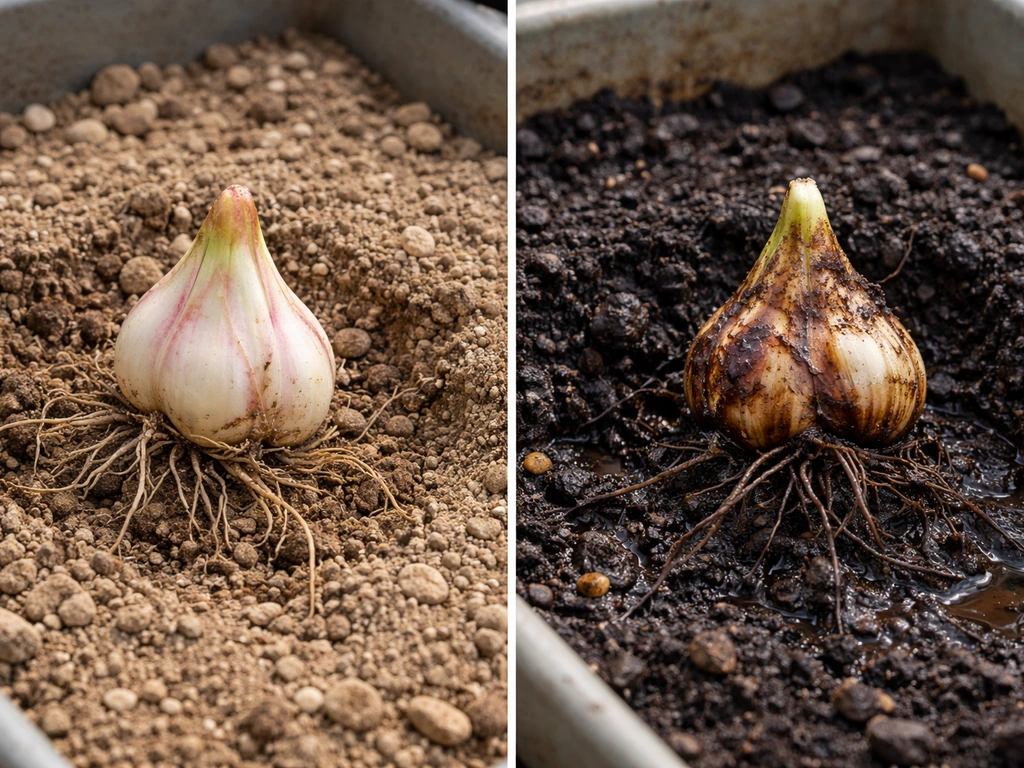
The most common reasons lilies fail to bloom are insufficient sunlight, cutting foliage back too early the previous year, overcrowding, or planting depth that was too shallow. Check your sun hours first: if the spot gets fewer than 6 hours of direct sun, that is likely your culprit. If the light is fine, think back to whether you let the foliage die down naturally last fall. If you cut it early, the bulb may simply be undersized and needs another season to recover.
Bulb rot
Rot, often caused by Pythium or other soil pathogens, is almost always a drainage problem. If you are losing bulbs to rot, improve drainage before replanting. Raise the bed, add coarse grit, and choose a spot where water does not collect after rain. Planting in boggy or compacted soil is a guaranteed way to lose bulbs no matter how carefully you follow every other instruction.
Lily leaf beetle
The lily leaf beetle (Lilioceris lilii) is a bright red beetle that can devastate lily foliage and, if left unchecked, reduce bulb size enough to affect blooming the following year. Check plants regularly starting in early spring and hand-pick adults and larvae off when populations are small. For larger infestations, a systemic insecticide like imidacloprid can help, but do not apply it while plants are in bloom or when pollinators are active. Early-season control is critical because damage compounds quickly.
Botrytis (gray mold)
Botrytis grows fast on fallen petals and plant debris, so clean up around your lilies regularly during the bloom period. Remove dropped petals, dead leaves, and any soft or spotted tissue promptly. Good airflow (proper spacing) and avoiding overhead watering help reduce the conditions this fungus loves. Once it takes hold, remove and dispose of affected tissue, and improve air circulation.
Viral diseases
Lily symptomless virus and cucumber mosaic virus are the most common viral problems, and there is no chemical cure once a plant is infected. The best approach is prevention: control aphids (which spread viruses), buy bulbs from reputable sources, and remove and destroy any plants showing mottled, streaked, or distorted foliage. Do not compost infected material.
Winter loss
Winter loss usually comes down to one of three things: inadequate planting depth, poor drainage that freezes and thaws the bulb repeatedly, or growing a variety that is simply not hardy enough for your zone. Make sure you are planting varieties rated for your zone, planting at the correct depth, and mulching in late fall before the hardest freezes hit. In borderline zones, Oriental and OT hybrids are the most vulnerable. Asiatics and LA hybrids bounce back far more reliably.
Growing lilies in containers and indoors vs. outdoors
Lilies grow well in containers as long as you use a deep pot with excellent drainage. Most varieties need a pot at least 12 inches deep, and stem-rooting types like Oriental and Trumpet lilies need even more depth, ideally 16 to 18 inches, because they develop roots along the buried portion of the stem and need room for those roots to function. Always use containers with drainage holes. Crocking the bottom with gravel or broken pottery helps, but it is not a substitute for actual drainage holes.
Container-grown lilies dry out faster than in-ground plants, so check soil moisture more frequently and water before it gets completely dry. Feed container lilies every two weeks with a liquid fertilizer during the growing season since nutrients flush out with regular watering. After bloom, you can move containers to a sheltered spot where they are protected from excessive wet during dormancy. In cold climates, containers may need to be stored in an unheated garage or shed over winter since pots freeze through faster than garden soil.
As for growing lilies strictly indoors as houseplants, true Lilium types are not ideal indoor plants long-term. They need the cool winter dormancy period, strong sunlight (more than most indoor spaces provide), and seasonal outdoor conditions to perform reliably. Some gardeners force lily bulbs indoors in pots for a single season display, particularly Asiatics or Easter lilies, but they do best moved outside or planted in the garden after blooming. If you are looking for an indoor lily that actually thrives as a permanent houseplant, peace lily (Spathiphyllum) is the common choice, but that is a completely different plant with completely different needs.
Whether you start with a handful of Asiatic bulbs for reliable color or jump straight into Orientals for fragrance, the fundamentals are the same: good drainage, honest sun, correct planting depth, and patience with the foliage after bloom. Get those four things right and lilies are genuinely easy to grow and rewarding year after year.
FAQ
Can I still plant lily bulbs if I missed the fall window?
Yes, but “next spring” timing depends on your region. In most places, fall planting is best because roots establish before winter, but if you must plant in spring, do it as soon as bulbs are available and the soil is workable, then protect shoots from late frosts with a light layer of mulch or row cover. Spring-planted lilies sometimes bloom a bit later or with fewer flowers the first year, especially Orientals and OT hybrids.
My lilies are tall and flopping, what should I fix first?
If your lilies are taller than expected, leaning, or looking floppy, start by checking sunlight and planting depth before changing fertilizer. Then confirm spacing, since crowded bulbs stay humid and weaken stems. If stakes are needed, install them early when shoots first emerge, and tie loosely to avoid stem damage as the plant thickens.
When is the right time to cut back lily stems after flowering?
For true lilies, cut back stems only after the foliage fully yellows and naturally dies down. Even if flowers are done, leaving green leaves helps the bulb store energy for next year. In containers, this matters even more because the bulbs have less soil volume, so early cutting can noticeably reduce blooms the following season.
How do I prevent Botrytis gray mold on lilies?
Overhead watering can trigger faster Botrytis, but it is not the only factor. Focus on airflow (proper spacing), remove dropped petals and dead tissue promptly, water at soil level rather than on foliage when you can, and avoid heavy, wet mulch staying on the crown. If you already have disease on tissue, remove and dispose of the affected material rather than composting.
What changes when growing lilies in containers?
Yes, because lilies are hungry for drainage and consistent moisture. For containers, use a pot with drainage holes and enough depth, at least 12 inches for most types and 16 to 18 inches for Oriental and Trumpet-style stem rooting. Keep the soil evenly moist during growth, fertilize more regularly since watering flushes nutrients, and move pots under cover during rainy dormancy.
Which lily type works best if my garden gets less than full sun?
Most lilies need at least 6 to 8 hours of direct sun. If your yard offers only morning sun or bright shade most of the day, Martagon lilies are the most forgiving option, and even then they prefer dappled light rather than deep, dark shade. Otherwise, the likely outcome of low light is poor flowering plus weak, leaning stems.
Which lilies are safest in colder climates where winters are harsh?
Choose by both cold tolerance and bloom expectations. In colder zones, Orientals and OT hybrids are more vulnerable to winter-kill when drainage is poor or mulch is insufficient, while Asiatics and LA hybrids typically bounce back more reliably. In borderline areas, prioritize excellent drainage, correct planting depth, and a thicker late-fall mulch.
How can I tell if the plant I bought is a true lily (Lilium)?
Not always. Many “lily” products sold for gardens are actually other plants, like daylilies or peace lilies, which have different growth habits and care needs. If you want Lilium, look for bulbs labeled for true lilies (genus Lilium) and avoid assuming that all bulb packages marketed as “lily” will behave the same way.
What should I do if my lily bulbs are rotting?
Yes, but protect the bulb and the emerging shoots. Watering alone rarely fixes a rot problem if drainage stays poor. If you suspect rot, improve drainage first (raised bed in ground, fresh gritty mix in containers), replant at the correct depth, and remove any seriously soft, moldy tissue before replanting. Also avoid keeping bulbs constantly wet during cool weather.
Can I save a lily that shows virus symptoms?
For most home gardeners, the biggest “virus” prevention step is controlling aphids and buying bulbs from reputable sources. Once you see mottled, streaked, or distorted foliage, remove and destroy the plant material and do not compost it. If you have infected plants, sanitize tools between plants to reduce spread.
Should I deadhead lilies or leave the seed pods?
You can, but do it carefully because spacing and bulb health matter. Remove spent flowers to prevent extra stress from seed set, but leave stems and foliage until they yellow naturally. If you want to reduce clutter without cutting too early, you can lightly tidy only fallen petals and dead tissue, then wait for the full yellowing phase.
How often should I water lilies, and how do I know I’m not overwatering?
A practical approach is to check soil at two depths: surface feel and about 6 inches down. During active growth, aim for evenly moist soil at the root zone, not saturated. After heavy rain, if the soil stays wet for long periods, that is a red flag for drainage problems and you should adjust the site or planting bed rather than just watering less.
What’s the best way to manage lily leaf beetles?
Lily leaf beetles are easiest to control early. Inspect regularly starting in spring, especially on the underside of leaves, and hand-pick adults and larvae when populations are small. If you ever need insecticide help for a larger infestation, keep pollinator safety in mind and avoid applications during bloom or when pollinators are active.
Next Articles
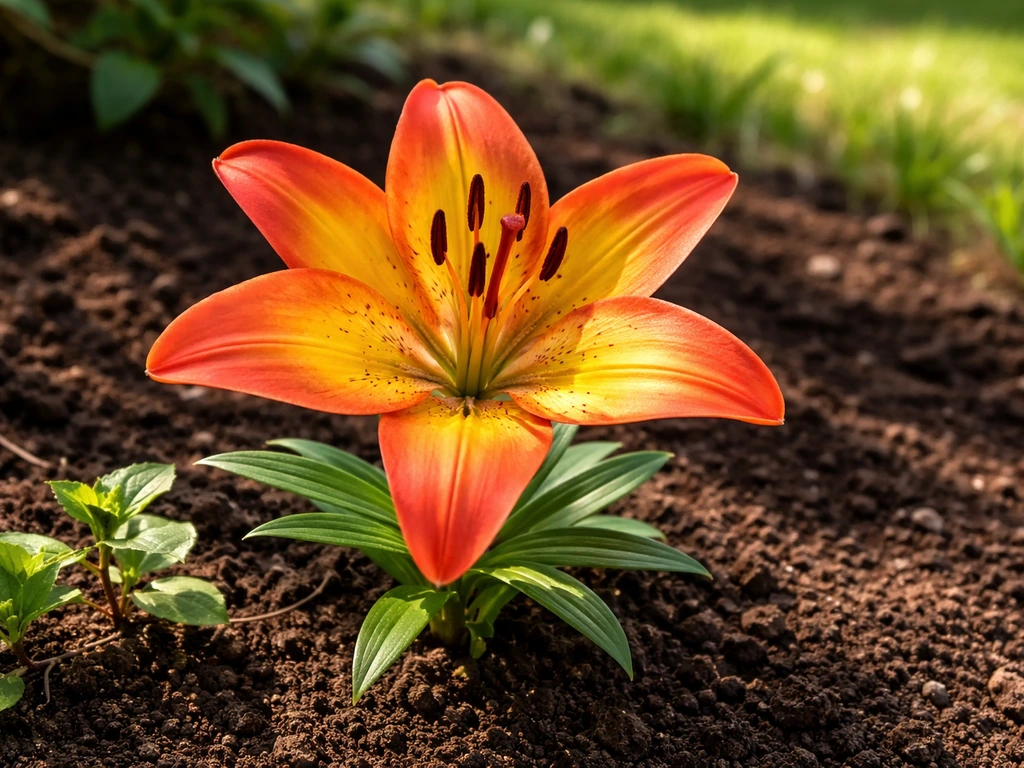
Are Asiatic Lilies Easy to Grow? Conditions, Care, and Fixes
Are Asiatic lilies easy to grow? Get exact sun, soil, drainage, watering, planting, and fixes for common blooming, rot,
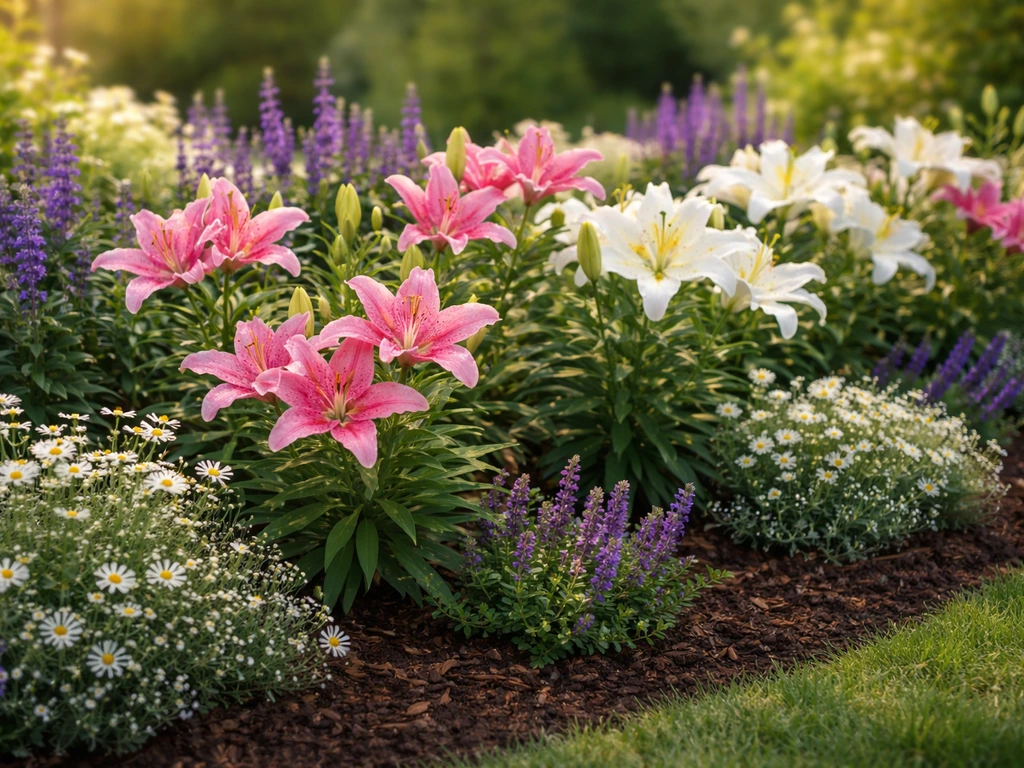
What Flowers Grow Well With Lilies: Best Companion Pairings
Best flowers to pair with lilies, matched by lily type and light needs, plus spacing, layering, and watering tips.

Are Tiger Lilies Easy to Grow? Care Tips for Success
Yes with caveats: tiger lily care essentials for soil drainage, light, planting depth, watering, and trouble fixes indoo