
Yes, Asiatic lilies are genuinely easy to grow, and the Royal Horticultural Society agrees. If you want the best lilies to grow overall, Asiatics are usually the easiest starting point as long as you nail sun and drainage Asiatic lilies. They're vigorous, bloom for up to a month in early-to-mid summer, and tolerate a pretty wide range of conditions. The catch is that "easy" still requires getting three things right: enough sun, excellent drainage, and decent soil preparation.
Are Asiatic Lilies Easy to Grow? Conditions, Care, and Fixes

Marcus Hendricks
5 May 2026

Nail those, and you'll get reliable blooms every year. Skip them, and you'll be blaming the lilies when the real problem was soggy clay or a shady corner. If you mean “can you grow lilies” at home, start with the right spot, then focus on drainage and soil prep so your bulbs don’t rot.
The honest verdict: easy, but not foolproof
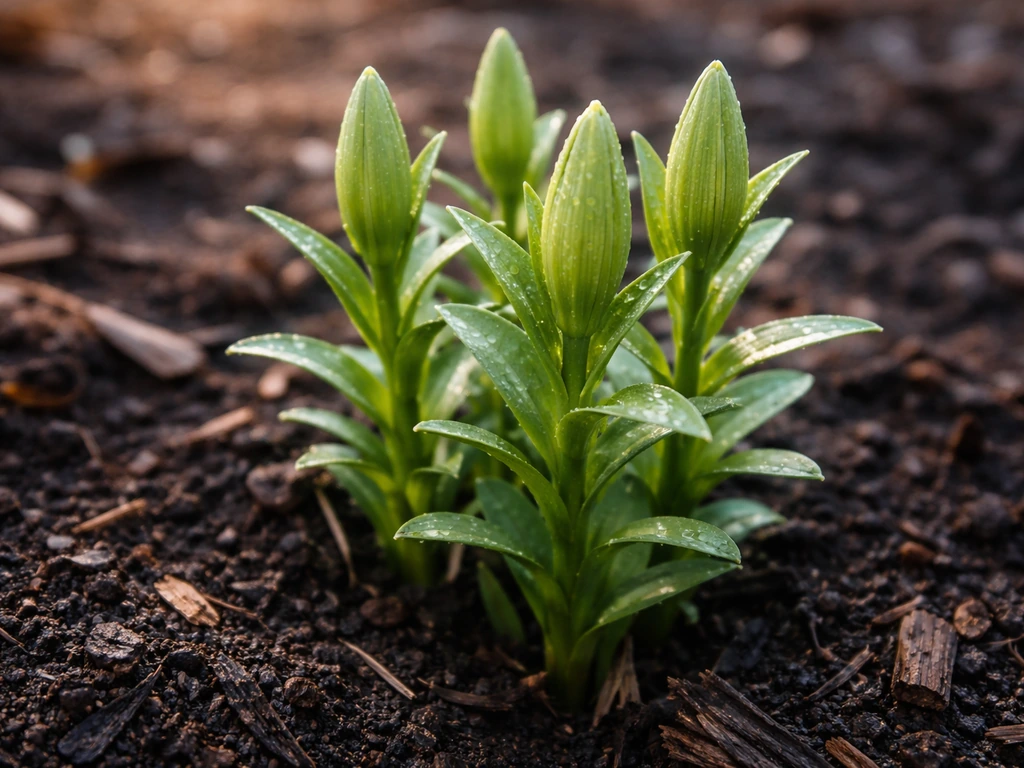
Asiatic lilies are probably the most beginner-friendly true lily you can grow. Unlike some of their fussier cousins, they don't demand perfectly acidic soil, they're not super disease-prone when sited correctly, and they come back year after year from scaly bulbs without much intervention. They grow 2 to 5 feet tall depending on variety, which means they make a real visual impact.
If you've grown daylilies and found them almost too easy, Asiatics will feel similarly low-maintenance once they're settled in. If you also want companion planting, you may be wondering what flowers grow well with lilies so you can match colors and growing needs. The main difference is that drainage matters more with true lily bulbs than it does with daylily tubers, so that one condition gets a lot of attention in everything you'll read about them, including this guide.
Climate, hardiness, and where they thrive
Asiatic lilies are rated for USDA hardiness zones 4a through 8b, which covers a huge chunk of North America and most of temperate Europe. If you're in that range, you can grow them outdoors in the ground and expect them to return reliably each spring. In zones 4 and 5, they handle cold winters well since the bulbs actually need a cold dormancy period to perform properly. In zones 9 and above, you may struggle with summer heat and a lack of winter chill, which can reduce bloom quality over time. In those warmer climates, treating them as annuals or lifting and chilling bulbs artificially before replanting is a common workaround.
If you're in a region with very wet winters, pay close attention to the drainage section below. The Pacific Northwest and similar climates see Fusarium bulb rot become a real issue during wet winters when soils stay saturated for weeks. The bulbs themselves are hardy, but sitting in cold, waterlogged soil is a different kind of problem entirely.
Sun, placement, and what "partial shade" actually means
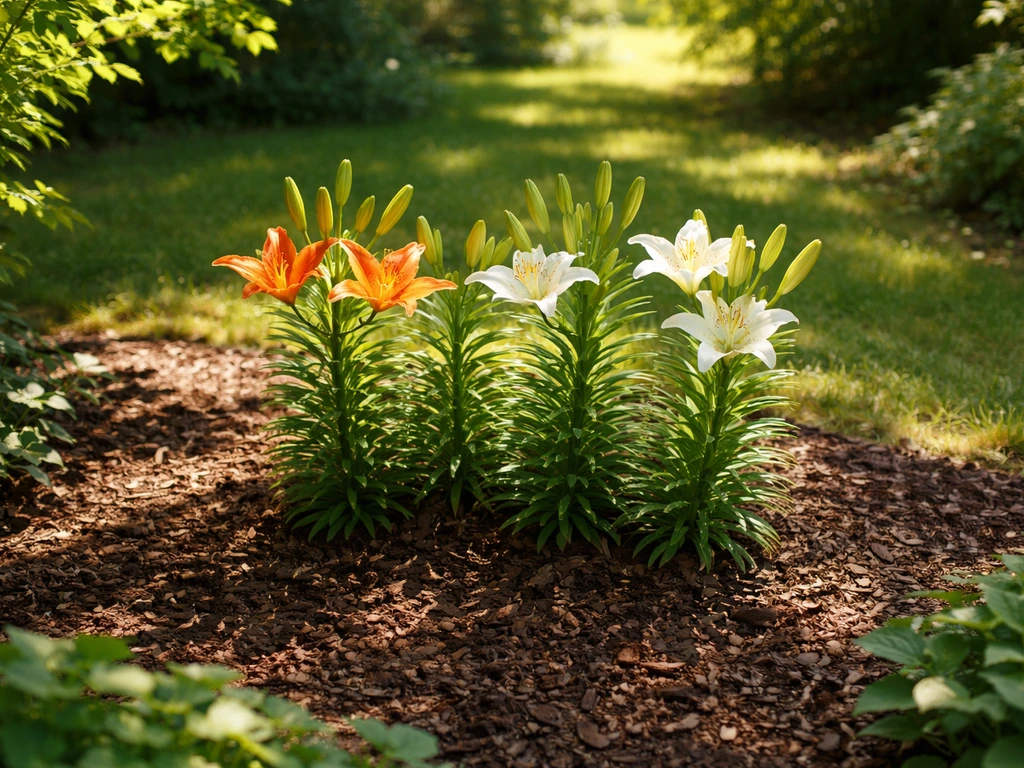
Asiatic lilies want full sun, ideally 6 or more hours of direct sunlight per day. They can get by with partial shade (2 to 6 hours), but fewer hours means fewer and shorter blooms, and stems that lean toward the light instead of growing straight up. I've seen lilies planted on the north side of a fence look almost sad by midsummer, flopped over and producing maybe two flowers per stem instead of six or eight.
There's one nuance worth knowing: the RHS recommends planting so the base of the plant is in shade while the top growth gets full sun. This mimics their natural habit where surrounding plants or mulch shade the root zone while the stems reach up into the light. In practice, this means planting near lower-growing perennials, using a thick mulch layer, or placing them where taller plants won't shade them overhead but will block morning or afternoon sun at ground level. It keeps the roots cool and moist without denying the plant the light it needs.
Soil, drainage, and the in-ground vs. container decision
Good drainage is non-negotiable. Every reputable source I've come across emphasizes this, and in my experience it's the single thing most beginners overlook. The RHS Lily Group flatly warns not to plant in poorly-prepared soil, and they mean it. Asiatic lilies want neutral to slightly acidic soil (pH 6.0 to 8.0 works), with a loamy or sandy texture that lets water move through rather than pool. Heavy clay soil holds too much moisture around the bulbs and invites rot.
If your soil is heavy or compacted, amend it before planting. Dig in well-rotted compost, leaf mould, or coarse grit to improve structure and drainage. The RHS specifically recommends leaf mould or well-rotted organic matter, which also helps retain enough moisture to keep roots from drying out completely between waterings. The goal is soil that's reliably moist during the growing season but never waterlogged.
Container growing: a solid option if your soil is poor
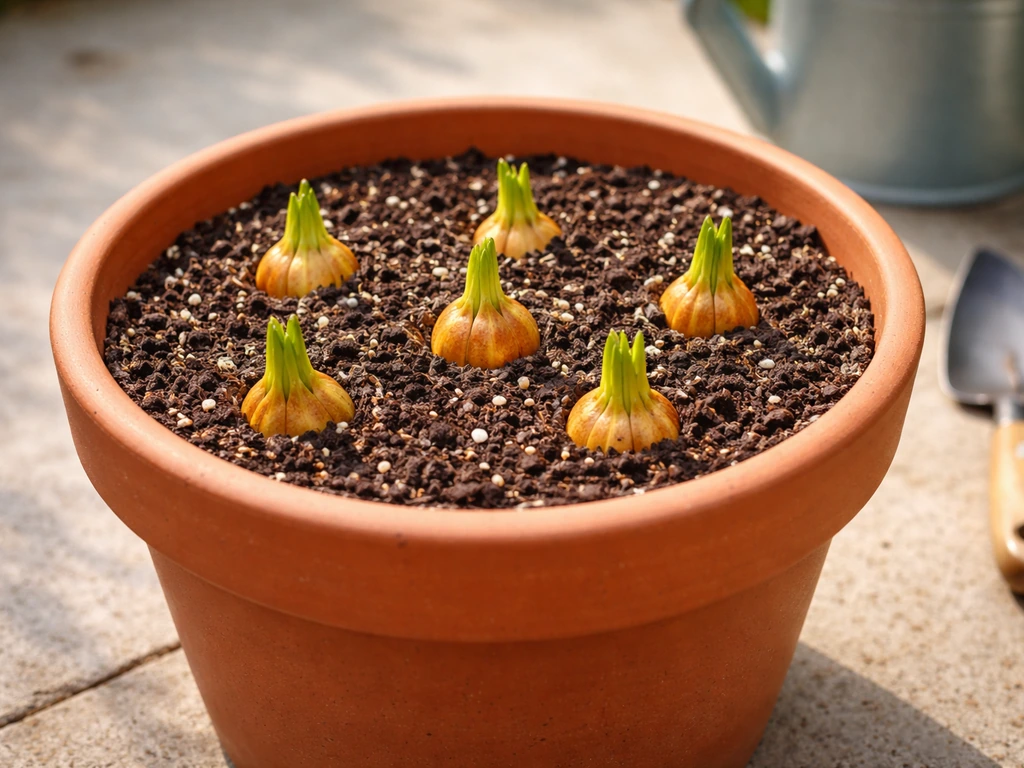
Containers are actually a great choice for Asiatic lilies, especially if you're dealing with clay soil or a garden that floods seasonally. You get full control over the growing mix. Use a peat- or bark-based commercial potting mix with good drainage, place bulbs near the center of the pot with the pointed end up (not sideways), and make sure there's at least an inch of growing mix under the bulb and at least 2 inches above it. Choose a pot deep enough to accommodate this, plus room for roots below. The main trade-off with containers is that you'll need to water and fertilize more consistently since pots dry out faster and nutrients flush out with watering.
| Factor | In-Ground | Container |
|---|---|---|
| Drainage control | Depends on native soil; amend if needed | Full control with potting mix |
| Watering frequency | Less frequent, more forgiving | More frequent, especially in heat |
| Winter hardiness | Bulbs insulated by ground; generally fine in zones 4–8 | Pots may need to be moved or insulated in zones below 6 |
| Soil prep effort | High if soil is poor or clay-heavy | Minimal; just use quality potting mix |
| Year-on-year performance | Very reliable once established | May need repotting or refreshing every 2–3 years |
| Best for | Gardeners with decent or amended soil | Gardeners with poor soil, small spaces, or patios |
Watering and fertilizing: less is more, until it isn't
Water sparingly after planting until you see shoots emerging from the soil. Once shoots are 3 to 6 inches tall, you can increase watering. The critical window is once flower buds form: at that point, the soil should never fully dry out. Letting the media dry out when buds are developing causes bud abortion, meaning your lilies drop their buds before they open. That's one of the most frustrating problems to experience because you've made it all the way to flowering and then it stalls. Keep moisture consistent once you see those buds.
On fertilizing, Asiatic lilies are light feeders, so don't overdo it. Start applying a balanced fertilizer when plants are about 2 to 3 inches tall. A slow-release granular fertilizer worked into the soil at planting works well for in-ground plants. For containers, a diluted water-soluble fertilizer applied regularly during the growing season keeps plants fed without overwhelming them. High-nitrogen formulas can push leafy green growth at the expense of blooms, so look for something balanced or slightly higher in phosphorus once buds start forming.
Planting timing, depth, spacing, and basic upkeep
The RHS recommends planting in autumn as the preferred timing, which gives bulbs time to establish roots before winter and puts them on track for a strong early summer bloom. That said, spring planting works too, and many nurseries sell Asiatic lily bulbs in spring specifically for planting right away. If you're buying from a garden center in spring, plant as soon as the soil is workable and don't let the bulbs dry out sitting in a bag.
Plant bulbs 15 cm (6 inches) deep, measured to the top of the bulb, so there's a good layer of soil above them. Spacing of about 20 to 30 cm (8 to 12 inches) between bulbs gives each plant room to grow without crowding, which also helps with air circulation and reduces disease risk. Deeper planting helps regulate soil temperature and protects bulbs from frost heaving in colder climates.
Deadheading and managing stalks after bloom
Once flowers fade, deadhead them promptly by removing the spent flower heads. This stops the plant from putting energy into seed production and keeps the plant looking tidy. However, leave the stems and foliage in place until they die back naturally, usually by late summer or early fall. The leaves are still photosynthesizing and sending energy back down into the bulb to fuel next year's bloom. Cutting stems down too early is one of the most common mistakes and results in weaker performance the following year. Once the foliage has yellowed and died back completely, you can cut the stems down to ground level.
Taller varieties (those reaching 4 to 5 feet) may need staking, especially in windy spots or when they're in partial shade and leaning. A simple bamboo cane tied loosely at one or two points on the stem is all you need. Don't tie too tightly, just enough to keep the stem upright.
Common problems and how to stop them before they start
Bulb rot
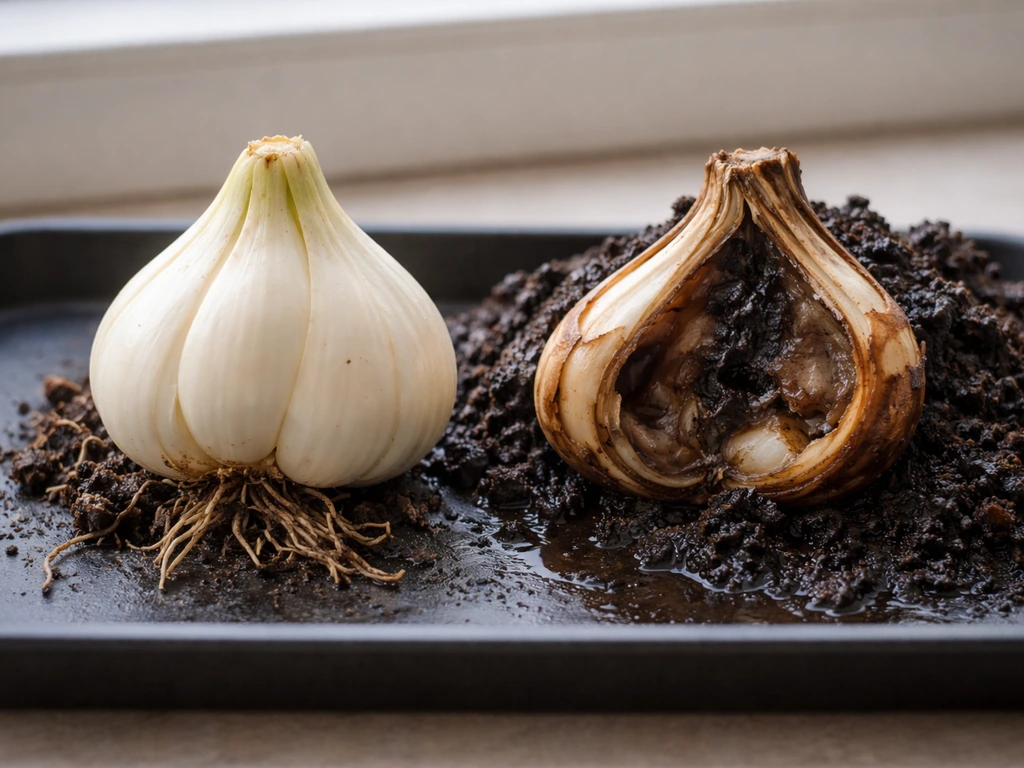
Fusarium bulb rot is the most damaging issue you'll encounter, and it almost always comes down to drainage. It's especially common in wet winters when soil stays saturated for extended periods. Once a bulb rots, there's no saving it: remove and destroy it, and improve drainage before replanting. If you keep losing bulbs, switch to raised beds or containers where you control the moisture environment completely.
Lily leaf beetle
The lily leaf beetle (Lilioceris lilii) is a bright red beetle that feeds on lily foliage and can strip a plant fast if ignored. Asiatic hybrids are fully susceptible. Adults, larvae, and eggs all need to be removed. PNW Handbooks notes that effective lily leaf beetle control requires targeting adults, larvae, and eggs [Adults, larvae, and eggs all need to be removed.
](https://pnwhandbooks. org/insect/hort/landscape/hosts-pests-landscape-plants/lily-lilium-lily-leaf-beetle). Start checking plants in April as soon as growth emerges, and keep checking throughout the season. For small gardens, handpicking is effective: check the undersides of leaves for orange egg masses and wipe them off.
Dropping adults into soapy water kills them quickly. Catching an infestation early before numbers build is the key. Larger infestations may need an appropriate insecticide, but for most home gardeners, consistent monitoring and hand-picking handles it.
Poor or no blooms
If your Asiatic lilies aren't blooming well, the most likely causes are too little light, overcrowded bulbs, cutting foliage back too early the previous year, or planting too shallow. Run through those four before assuming something is wrong with the variety. Moving bulbs to a sunnier spot in autumn, replanting at the correct depth, and letting foliage die back completely will solve the problem in most cases within one growing season.
Yellowing leaves
Yellow foliage during the growing season (not at the end of the season when it's natural) can indicate overwatering or waterlogged soil, nutrient deficiency, or root damage from rot or pests. Check drainage first. If drainage is fine and the plant is otherwise healthy, a balanced fertilizer application often resolves mid-season yellowing. If lower leaves yellow while upper leaves stay green, that's fairly normal as the plant matures through its bloom cycle.
Does your garden match what Asiatic lilies need? Check this first
Before you order bulbs, run through this quick checklist. If you can tick most of these boxes, you're in good shape. Where you can't, the fix is usually simple.
- You're in USDA zones 4a to 8b (or willing to treat as annuals or chill bulbs in zone 9+)
- Your planting spot gets at least 4 to 6 hours of direct sun daily (6+ is ideal)
- Your soil drains well after rain and doesn't puddle or stay soggy (test by digging 12 inches down and checking moisture after a rain)
- You can plant at the right depth: 15 cm (6 inches) of soil above the bulb
- You're able to water consistently once buds form, without letting the soil completely dry out
- You can leave foliage standing until it dies back naturally in late summer or fall
- You're prepared to check for lily leaf beetle starting in April each year
Your next steps depending on your situation
- If planting this spring: buy bulbs now, amend soil with compost and grit if it's heavy, and plant at 15 cm depth in the sunniest spot available. Water in gently and hold back on heavy watering until shoots appear.
- If planting this autumn: choose your site now and start improving soil structure over summer so it's ready. This is actually the RHS-preferred planting window for the strongest first-year bloom.
- If your soil is heavy clay or poorly drained: skip the ground entirely and go straight to containers with a quality potting mix. You'll get better results faster and have less rot risk.
- If you're in zone 9 or warmer: look for heat-tolerant Asiatic varieties, plant in fall, and consider refrigerating bulbs for 6 to 8 weeks before planting to simulate the cold dormancy they need.
- If you've tried Asiatics before and failed: check whether the issue was drainage (most likely), insufficient sun, or early foliage removal. Fix the root cause before trying again rather than assuming Asiatics just don't work in your garden.
Asiatic lilies reward a bit of upfront effort with years of summer color and very little ongoing fuss. Compared to other lily types, they're among the most forgiving for beginners, though the drainage and light requirements are real. If you're already growing other lilies and wondering how Asiatics compare to tiger lilies or other varieties in terms of difficulty, Asiatics are generally considered the easier starting point, especially for first-time lily growers building confidence before tackling more demanding species. Tiger lilies have their own preferences too, but the same core principles like light and drainage usually make the biggest difference easier starting point.
FAQ
How do I know if my Asiatic lilies are getting enough sun if I cannot measure hours exactly?
Use an observation check: by midsummer, stems should stand upright and produce multiple flowers per stem. If plants lean hard toward one direction, flower count is low, or blooms arrive late, they likely need more direct sun. Try moving them in autumn to a spot that also gets morning sun, since afternoon-only shade often still leaves the root zone too cool and dim.
What’s the best way to improve drainage in a garden with heavy clay without replacing all the soil?
Improve in the planting hole area rather than over the entire yard. Dig wider and deeper than the bulb depth, mix in leaf mold or compost plus coarse grit, and mound the planting location slightly so water runs away. After rain, verify the area doesn’t stay soggy for days, if it does, switch to raised beds or containers because clay usually re-wets around the bulb zone.
Can I grow Asiatic lilies if the ground is wet in winter but not in summer?
Yes, but only if the soil can drain quickly after winter rains. Asiatic lilies can handle dormant cold, they cannot handle prolonged saturation while bulbs are sitting. If you see water pooling or the soil forms mud for more than a short period, plant in raised beds or use containers with a freely draining mix to prevent Fusarium-type rot risk.
Is it okay to mulch Asiatic lilies heavily?
Light to moderate mulch is helpful for keeping roots cool, but avoid burying the shoots too deeply. Keep mulch a few inches away from where shoots emerge, and ensure the surface does not stay waterlogged. In wet climates, choose coarser mulch (like leaf mold) rather than dense compost that can compact and hold water around the bulb base.
Do Asiatic lilies need to be divided or dug up regularly?
Usually no, they typically come back without frequent lifting if drainage is good and the planting depth is right. Divide only when clumps become crowded and you see reduced flowering, thinner stems, or bulbs pushing up. The easiest time to divide is in autumn, then replant promptly at the correct depth.
Why did my buds turn brown or drop right before opening, even though the plants looked healthy earlier?
The most common cause is inconsistent moisture during bud development. Once buds are forming, the soil should not fully dry out. If your area alternates between dry spells and heavy watering, consider a simple mulch layer to even out moisture, and check moisture level in the top few inches every few days during the bud window.
What pot size and depth do I need for container-grown Asiatic lilies?
Aim for a pot that is deep enough to allow about 2 inches of mix above the bulb and at least 1 inch under it, plus space for roots to expand. As a practical rule, larger varieties often perform better in wide pots, not narrow ones, because shallow, tight pots can dry out and overheat quickly. Always use containers with drainage holes you can confirm are clear.
How should I water Asiatic lilies after the first shoots appear?
Water to keep the root zone evenly moist during active growth, then reduce slightly as stems and leaves begin to yellow naturally after bloom. Avoid frequent light sprinkling, it encourages shallow rooting and fast drying. Instead, water deeply when the top layer starts to dry, and in containers check that excess water drains away rather than sitting in the saucer.
Should I remove the entire stem after flowering, or only the spent blooms?
Remove spent flower heads promptly, but leave foliage until it yellows and dies back naturally. Cutting stems too early prevents the plant from storing energy in the bulb for next year’s flowering. If you want tidiness, you can cut off only the flowers and keep the rest until late summer or early fall when the leaves have fully finished.
My Asiatic lilies are yellowing mid-season, but the bulbs are firm. What should I check first?
Check drainage and watering consistency first, waterlogged conditions can cause mid-season yellowing even when bulbs feel firm early on. If drainage is fine, then consider a nutrient gap, apply a balanced fertilizer lightly rather than switching to high-nitrogen growth feeds. Also verify the plants are not crowded, since poor airflow can worsen stress.
What’s the safest way to handle Fusarium bulb rot once I suspect it?
If a bulb shows signs of rot, remove it immediately and destroy it rather than composting. Then improve drainage before replanting, because the same wet pocket can re-infect nearby bulbs. Consider switching that spot to raised beds, or lifting bulbs and replanting into a fresh, better-draining medium if you’re in containers.
How do I prevent lily leaf beetles from taking over in future seasons?
Start monitoring as soon as shoots emerge, then continue at least weekly through the first half of the season. Hand-picking works best when infestations are small, and eggs are easier to remove when you check leaf undersides early. After blooms, remove damaged foliage and keep beds tidy, since beetles often overwinter near host plant debris.
Next Articles

What Flowers Grow Well With Lilies: Best Companion Pairings
Best flowers to pair with lilies, matched by lily type and light needs, plus spacing, layering, and watering tips.

Are Tiger Lilies Easy to Grow? Care Tips for Success
Yes with caveats: tiger lily care essentials for soil drainage, light, planting depth, watering, and trouble fixes indoo
Can You Grow Lilies From a Flower? Realistic Steps
Can you grow lilies from a flower? Get real answers on bulbs, offsets, seeds, and how to grow true lilies.