
Tiger lilies are genuinely easy to grow. Both NC State Extension and MSU Extension describe Lilium lancifolium as one of the easiest lily species you can plant, and [one of the hardiest](https://plants. ces. ncsu.
Are Tiger Lilies Easy to Grow? Care Tips for Success
Marcus Hendricks
29 Apr 2026
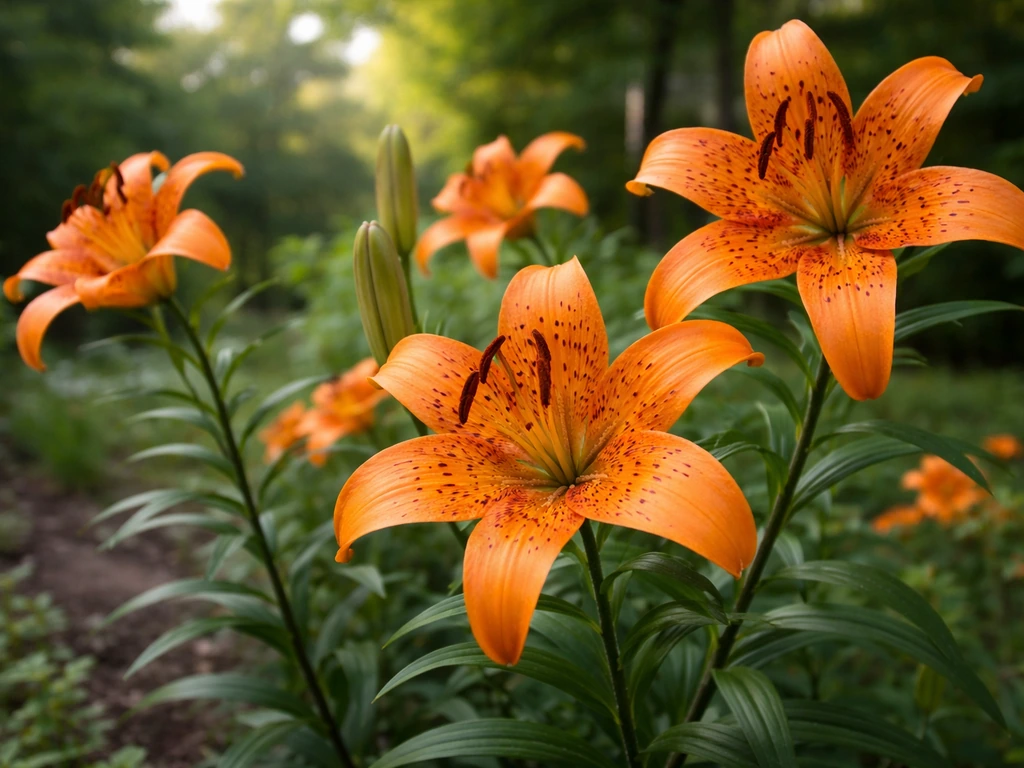
edu/plants/lilium-lancifolium/). The honest caveat is that 'easy' comes with a few non-negotiable conditions: they want full sun, moist but well-drained soil, and a slightly acidic pH. The Royal Horticultural Society also notes that Lilium lancifolium is suited to full sun and prefers moist, acid soil (tolerating some lime) [moist but well-drained soil](https://www. rhs.
org. uk/plants/19924/lilium-lancifolium-%28ixc-d%29-tiger-lily-devil-lily-kentan-spear-leaved-lily/details). Get those three things right and tiger lilies will not just survive, they will spread enthusiastically. A good way to pair lilies is to choose companions that also handle full sun to partial shade and moist, well-drained soil, such as daylilies, bleeding hearts, and hostas what flowers grow well with lilies.
Get them wrong and you will be scratching your head wondering why such a supposedly tough plant looks so miserable.
Easy or hard? The real verdict
Tiger lilies are about as beginner-friendly as lilies get. Unlike some of the fussier Asiatic lily hybrids that need careful babying through their first season, tiger lilies are built to spread and establish with minimal intervention. The bigger complaint most gardeners end up having is not that they are hard to grow, but that they are hard to contain.
Bulbils (the small, dark, bead-like structures that form along the stem) drop to the ground and sprout on their own, and the plant can quickly colonize more space than you planned for. So if you want a tidy, contained planting, you will need to manage volunteers. If you want a naturalized patch that fills in over time, tiger lilies will do it almost on their own.
Compared to other lily types, tiger lilies sit firmly on the easy end of the spectrum. If you have grown lilies before and found them manageable, tiger lilies should feel even more forgiving. If you are brand new to lilies, this is a very good place to start. If you are asking can you grow lilies, tiger lilies are a great starter choice because they are beginner-friendly and forgiving brand new to lilies.
The conditions tiger lilies actually need
Light
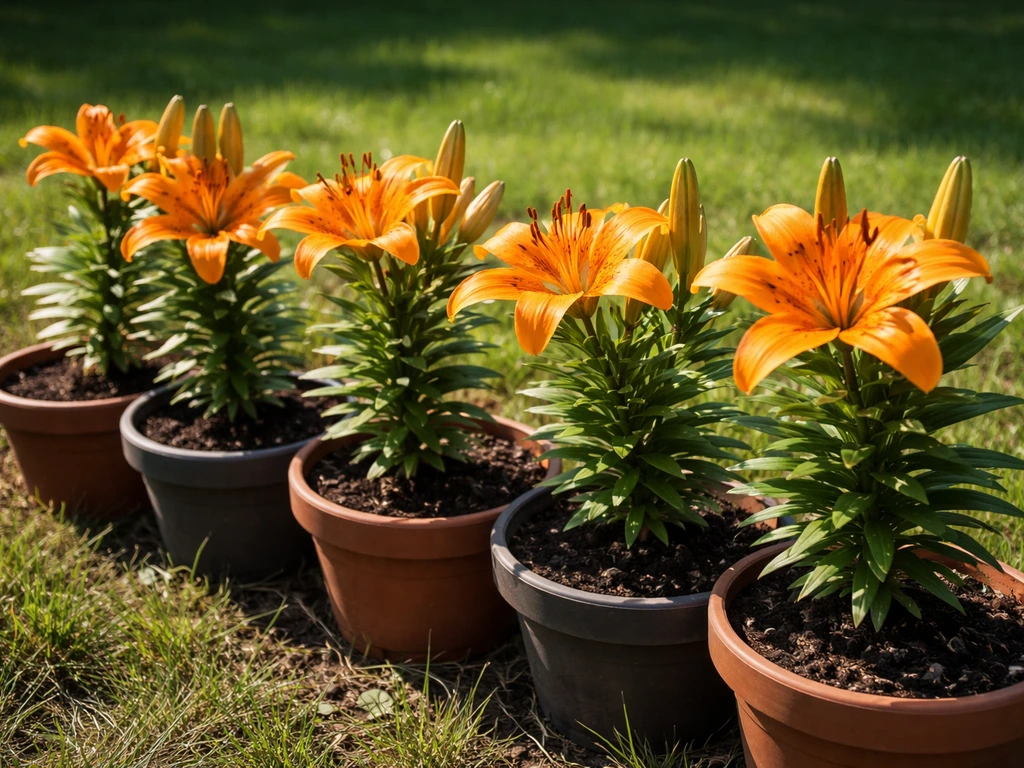
Full sun is the sweet spot, ideally six or more hours of direct light per day. Tiger lilies will tolerate partial shade, but you will notice the difference: fewer flowers, weaker stems, and reduced vigor. If you are choosing between a spot that gets morning sun with afternoon shade versus one that gets afternoon sun with morning shade, go with whichever gives you more total sun hours. The plant will thank you with taller, more floriferous stems.
Soil type and pH
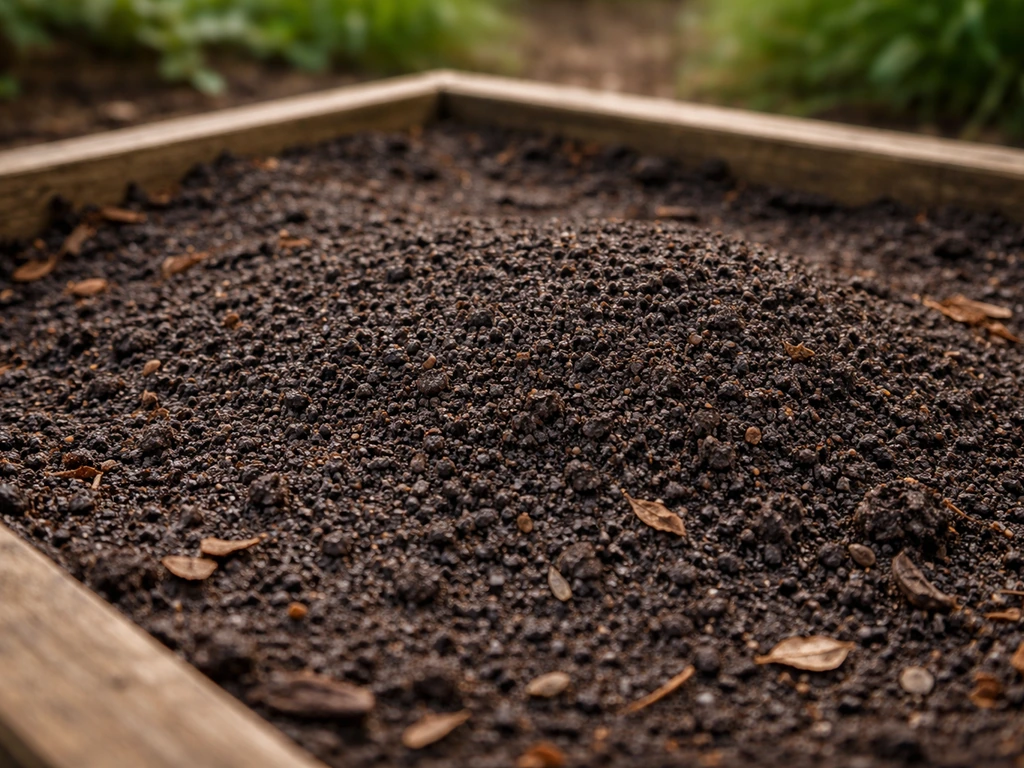
Tiger lilies want moist, acidic soil. A pH between 5.5 and 6.5 is ideal. If your soil trends alkaline, a soil amendment with sulfur can help bring it down. The soil should also be reasonably rich in organic matter, so if you are working with sandy or compacted ground, mix in some compost before planting. A humus-rich, loamy texture gives the roots something to work with and helps retain the consistent moisture these plants prefer.
Drainage
This is the single most important structural condition to get right. Tiger lilies want moisture, but they absolutely cannot sit in waterlogged soil. Bulb rot sets in fast in poorly drained beds, and once it starts you usually lose the bulb entirely. If your garden has heavy clay soil that holds standing water after rain, raise the planting area or mix in coarse grit and compost to improve drainage before you plant. Good drainage and consistent moisture are not contradictory goals: well-amended soil holds enough water to stay moist between rains while still letting excess drain away quickly.
Planting: timing, depth, and spacing
When to plant
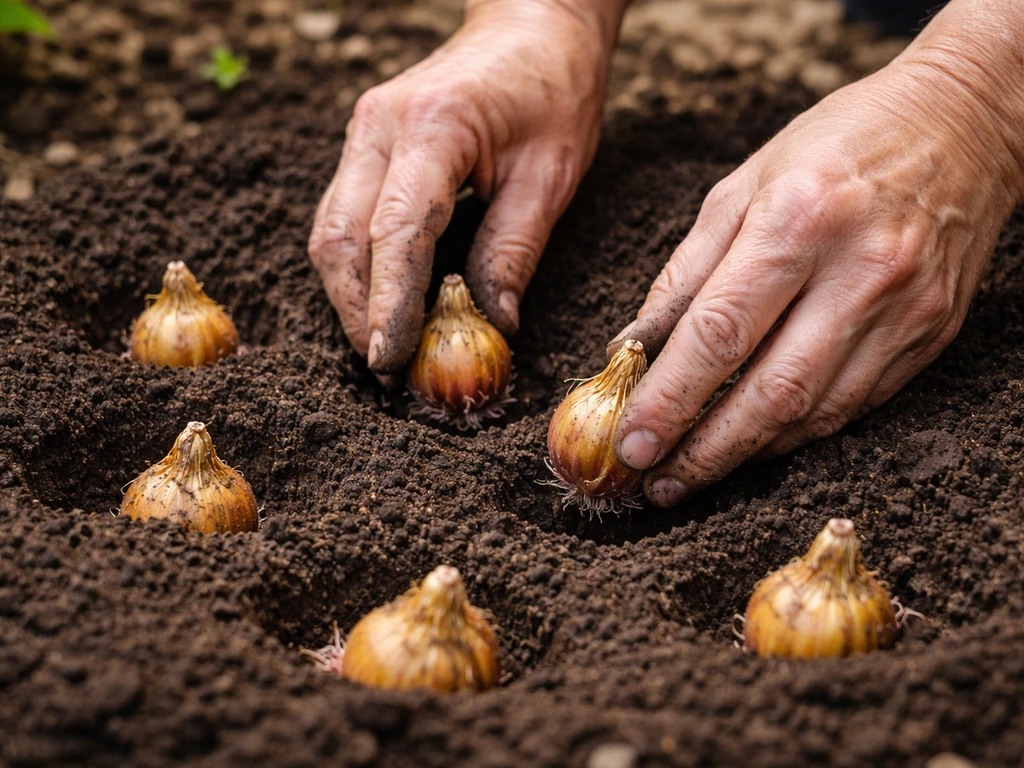
Tiger lily bulbs can go in either fall or early spring, which gives you a wider window than many other bulbs. Fall planting lets the bulbs establish roots before winter and generally results in stronger first-season flowering. Spring planting works fine too, especially in colder zones where you want to wait until the ground is workable. Either way, aim for mid- to late-summer blooms as the expected payoff. If you are in a warmer zone and can plant in fall, do it.
Planting depth and spacing
The rule of thumb is to plant bulbs at a depth of two to three times their height. In practice, a 2-inch bulb goes in 4 to 5 inches deep. Spacing should allow for good air circulation between plants, which matters for disease prevention later. About 12 to 18 inches between bulbs is a reasonable target. After planting, water well and add a layer of mulch over the bed to help retain moisture and moderate soil temperature.
Bulbs vs. seeds vs. bulbils
Planting bulbs is by far the easiest and fastest route to flowering plants. Seeds are an option but require patience: tiger lily seeds are 'immediate epigeal' germinators, meaning the seedling emerges above soil fairly quickly (typically within 2 to 4 weeks at 18 to 22 degrees Celsius), but getting from seedling to flowering plant takes considerably longer than starting from a bulb. Keep seedling pots consistently moist and out of extreme heat through their first summer.
Bulbils, those small dark bumps on the stem, are a middle-ground option. They are shallower-planted than true bulbs and take a season or two to establish, but they are essentially free propagation material if you already have plants. If you want flowers this season or next, start with bulbs.
Watering and fertilizing
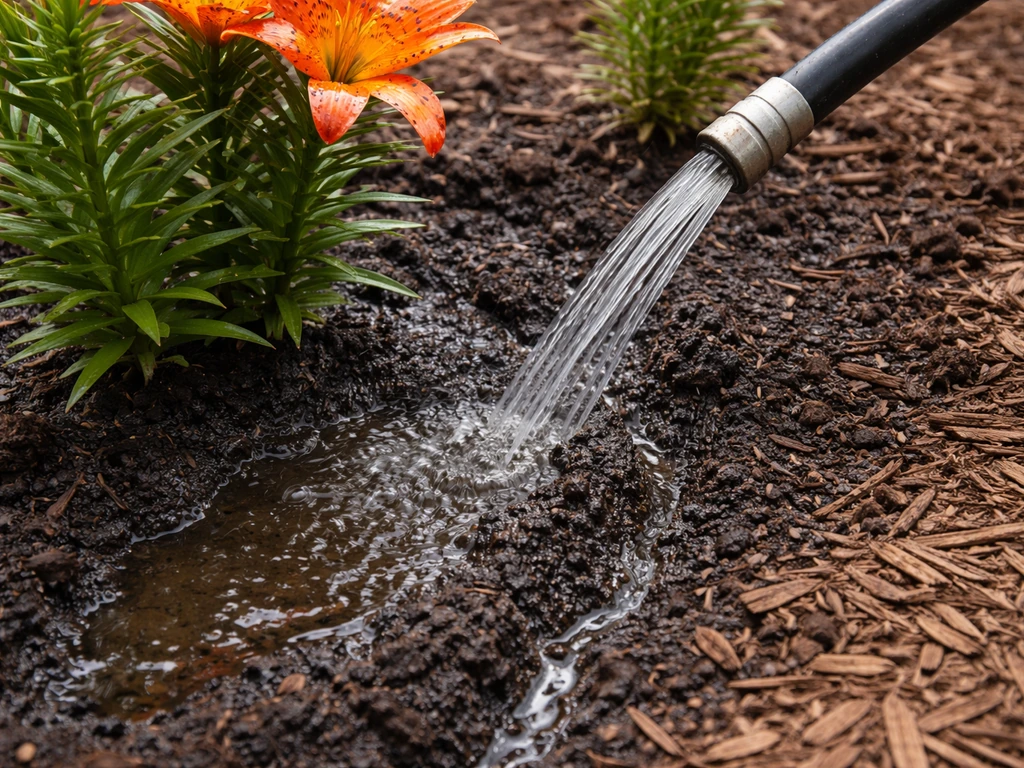
Tiger lilies like consistent moisture throughout the growing season, particularly during active growth in spring and early summer and while they are in bloom. Water deeply when the top inch or two of soil feels dry, rather than giving frequent shallow drinks. Once the foliage begins to die back in late summer or fall, you can ease off significantly.
For fertilizing, a balanced slow-release granular fertilizer worked into the soil at planting gives bulbs a good start. During the growing season, a low-nitrogen fertilizer applied in early spring as shoots emerge encourages strong stems and flowering without pushing excessive leafy growth. Here is something worth knowing: the leaves are what feed the bulb and fuel next year's blooms. This means you should never cut the foliage back early. Let it die back naturally, even if it looks untidy, so the bulb can store enough energy to flower again the following year.
Growing in containers vs. in the ground, and what about indoors?
In-ground growing
In-ground is the most reliable approach for tiger lilies. They are vigorous spreaders that benefit from the space, and soil moisture is easier to regulate in a garden bed than in a pot. With proper drainage and soil prep, established clumps will naturalize and multiply over years with very little intervention.
Container growing
Tiger lilies can be grown in containers, but you need to give them enough room. Use a pot that is at least 8 inches wide and 8 inches deep, with multiple drainage holes at the bottom. Containers dry out faster than garden beds, so you will need to water more frequently and monitor moisture closely. Container-grown bulbs are also more exposed to temperature extremes than in-ground plantings, so in colder climates you will need to either bring the pots into an unheated garage or shed for winter, or mulch them heavily if left outside.
Indoor growing
Indoor growing is not really a practical long-term option for tiger lilies. These are outdoor plants that need real sunlight, seasonal temperature cycles, and outdoor airflow. You can temporarily bring a potted plant inside while it is blooming, but trying to grow tiger lilies as a permanent houseplant will result in weak, stretched growth and no flowers. If you are looking for a lily that works indoors, peace lilies are a completely different category and a much better fit for indoor conditions.
Common problems and how to fix them
| Problem | Likely Cause | Fix |
|---|---|---|
| Bulb rot | Waterlogged soil or poor drainage | Improve drainage before replanting; raise bed or amend with grit and compost |
| No flowers or weak flowering | Too much shade, or leaves cut back early last season | Relocate to a sunnier spot; always let foliage die back naturally |
| Stems collapsing, stunted growth | Lily leaf beetle damage weakening the plant | Inspect for bright red beetles and their larvae; remove by hand or treat early in the season |
| Gray mold (Botrytis) on stems and leaves | Poor air circulation, often worsened by beetle damage | Space plants at 12–18 inches; improve airflow; remove affected tissue promptly |
| Plants spreading out of control | Bulbils dropping and self-rooting | Remove bulbils from stems before they fall; dig and relocate volunteers as needed |
| Smaller-than-expected blooms next year | Early season beetle feeding undermining bulb development | Start monitoring for lily leaf beetle in spring and control consistently through early summer |
The lily leaf beetle deserves a separate mention because it is a serious and increasingly widespread pest of true lilies, including tiger lilies. The adult beetles are vivid red and hard to miss; the larvae are less obvious but do more damage. Feeding in early summer can result in undersized bulbs that simply do not have enough stored energy to flower the following year. The fix is early, consistent monitoring from the moment growth emerges in spring. Hand-picking works on small plantings. The key is not letting a heavy infestation go untreated because the damage compounds: weakened plants then become more susceptible to Botrytis and other pathogens.
Where tiger lilies thrive: climate and hardiness
Tiger lilies are hardy in USDA zones 3 through 9, which covers an enormous range of North American climates. From the cold winters of Minnesota down through the heat of the mid-South, these plants are adapted to handle a wide temperature range. That breadth is part of what makes them so popular and so reliably easy for most gardeners.
In colder zones (3 to 5), in-ground bulbs typically survive winter without any special treatment, though a layer of mulch after the ground freezes adds insurance in exposed sites. In the hottest zones (8 to 9), the main consideration is making sure soil moisture stays consistent through the heat of summer and that the planting site gets some relief from intense afternoon sun, which can stress the plants. A spot with morning sun and light afternoon shade works better in the Deep South than full blazing western exposure all day.
If you are on the edge of the hardiness range or dealing with unusual local conditions, the most important adjustments are site-related: good drainage prevents rot in wetter climates, adequate sun ensures flowering in cloudier northern regions, and a slightly acidic, amended soil helps in areas with naturally alkaline ground. Tiger lilies are flexible enough that most gardeners can work with their existing conditions by making small targeted adjustments rather than overhauling the whole garden.
If you are still deciding whether tiger lilies are the right fit compared to other lily types, it helps to know that tiger lilies are among the most forgiving options in the genus. They require less coddling than many hybrid varieties and reward consistent basic care with reliable, bold, spotted orange blooms that come back year after year with minimal effort. If you are choosing the best lilies to grow, tiger lilies are a top pick because they are among the most forgiving options in the genus.
FAQ
Are tiger lilies easy to grow if my soil is heavy clay?
They can be easy, but only if you prevent waterlogging. Improve the bed before planting by mixing in compost plus coarse grit, and consider raising the planting area so rain drains away quickly. If water stands after storms for more than a short time, expect bulb rot risk and plan extra drainage.
How much sun do tiger lilies really need to bloom well?
Full sun is the “easy” success condition, ideally at least six hours of direct light. In partial shade they may still grow, but you’ll typically see fewer blooms and slimmer stems. If you’re choosing between two spots, pick the one with more total hours, not just the one with “better looking” afternoon light.
What pH do tiger lilies need, and what if my soil is naturally alkaline?
Target slightly acidic soil (about pH 5.5 to 6.5). If your garden trends alkaline, sulfur amendments can help, but you should retest after a few months because pH shifts take time. Don’t guess if you can avoid it, since extreme alkaline conditions can reduce vigor and flowering.
Do tiger lilies need fertilizer beyond what’s done at planting?
Usually just a light, targeted approach. A balanced slow-release feed at planting is enough to start. In spring, switch to low-nitrogen fertilizer as shoots emerge, because you want stems and blooms more than extra leafy growth. Avoid high nitrogen if you’re seeing lots of green but weak flowering.
When should I cut back tiger lily leaves?
Wait for natural yellowing and dieback. Cutting foliage early removes the source of energy stored in the bulb for next year’s flowers. Even if the plant looks messy, let it complete its cycle and only remove dead material after it has finished dying back.
Why are my tiger lilies spreading so fast, and how do I stop it?
Tiger lilies naturalize readily because bulbils drop from the stem and sprout, and clumps expand over time. If you want containment, remove bulbils before they fall and dig and divide young spreaders on a schedule (for example, every couple of years). For a tidy edge, install a physical barrier deep in the soil too.
Can I grow tiger lilies from seed, or is bulb-only the best route?
Seed is possible, but it takes much longer than starting bulbs or bulbils. If you want flowers soon, use bulbs for the fastest results. If you do grow from seed, keep seedlings evenly moist but protect them from extreme heat during their first summer, since that’s when losses commonly happen.
What’s the best watering routine for tiger lilies?
Aim for deep watering when the top inch or two of soil dries, not frequent shallow sips. This supports steady root moisture during spring growth, early summer bloom, and while plants are actively green. Once foliage starts dying back in late summer or fall, reduce watering significantly.
Are tiger lilies safe to grow where water drains poorly?
No, not if the area stays saturated. Moist soil is fine, but consistent standing water is what triggers bulb rot. If drainage is doubtful, prioritize raised beds or soil amending before planting rather than relying on watering adjustments later.
Do tiger lilies grow indoors, at least in pots?
They usually struggle long-term because they need real outdoor sunlight, natural temperature swings, and airflow. Bringing a pot inside temporarily during blooming can be okay, but for lasting success plan on an outdoor setting. If indoor growing is your goal, you’ll usually be better off with a true indoor-friendly lily category rather than tiger lilies.
What’s the fastest way to prevent lily leaf beetles from ruining next year’s blooms?
Start monitoring as soon as growth emerges in spring, and act early. Hand-picking helps for small plantings, but the key is not waiting, because early feeding can leave bulbs too weak to flower later. Check stems and leaves regularly through early summer when beetles are most active.
Next Articles
Can You Grow Lilies From a Flower? Realistic Steps
Can you grow lilies from a flower? Get real answers on bulbs, offsets, seeds, and how to grow true lilies.
Are Lilies Easy to Grow? Tips for Peace Lilies and More
Practical guide on whether lilies and peace lilies are easy to grow, with fixes for light, watering, soil, and drainage
Can Calla Lilies Grow in Ponds? How to Set Up Successfully
Yes, with the right setup: water depth, substrate, anchoring, light, and overwinter care for pond or marginal calla lili