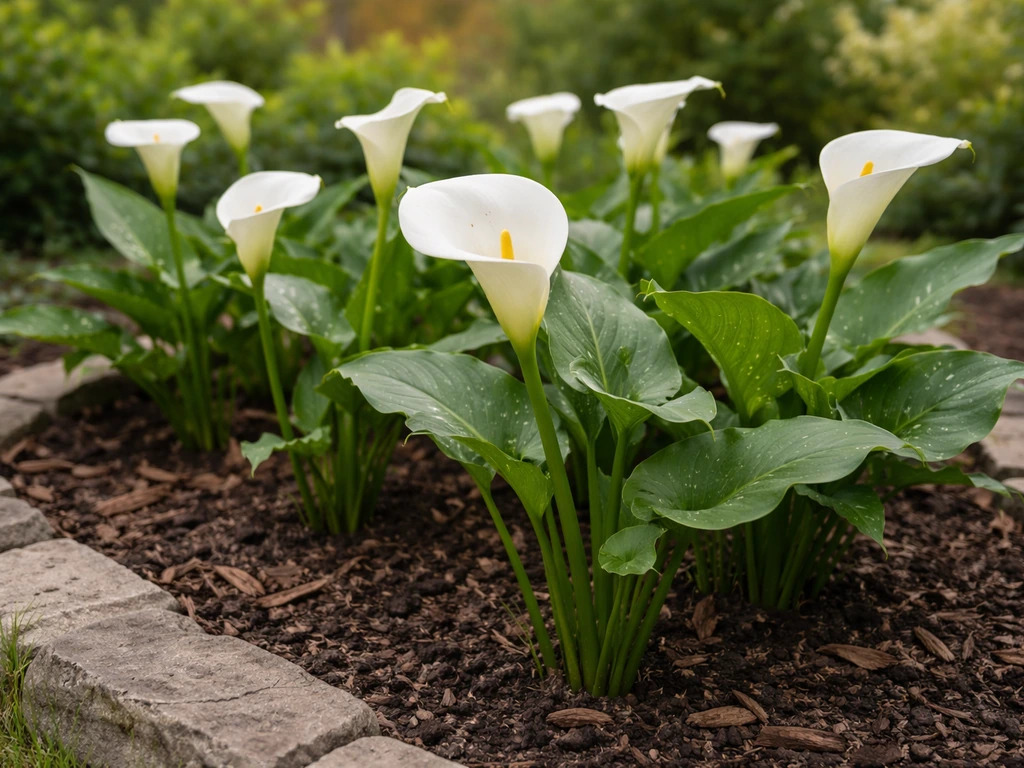
Quick answer: are lilies easy or hard to grow?
For most home gardeners, lilies sit comfortably in the "easy" category, but with a catch: the difficulty really depends on which type of lily you're growing and whether you can give it the right drainage. Asiatic hybrids are probably the most forgiving of the true bulb lilies. The University of Illinois Extension describes them as "one of the earliest and easiest to grow of all the lilies," and the RHS echoes that, calling them "very tough, easy to grow.
" Oriental hybrids, on the other hand, demand acid soil and more precise care, so they're genuinely harder for beginners. Peace lilies, which aren't true bulb lilies at all, are some of the most beginner-friendly houseplants you can grow, as long as you get the light and watering right. If you're still figuring out whether you can grow lilies in your specific situation, the short answer is: almost certainly yes, once you match the variety to your conditions.
"Lilies" can mean very different plants, and that matters
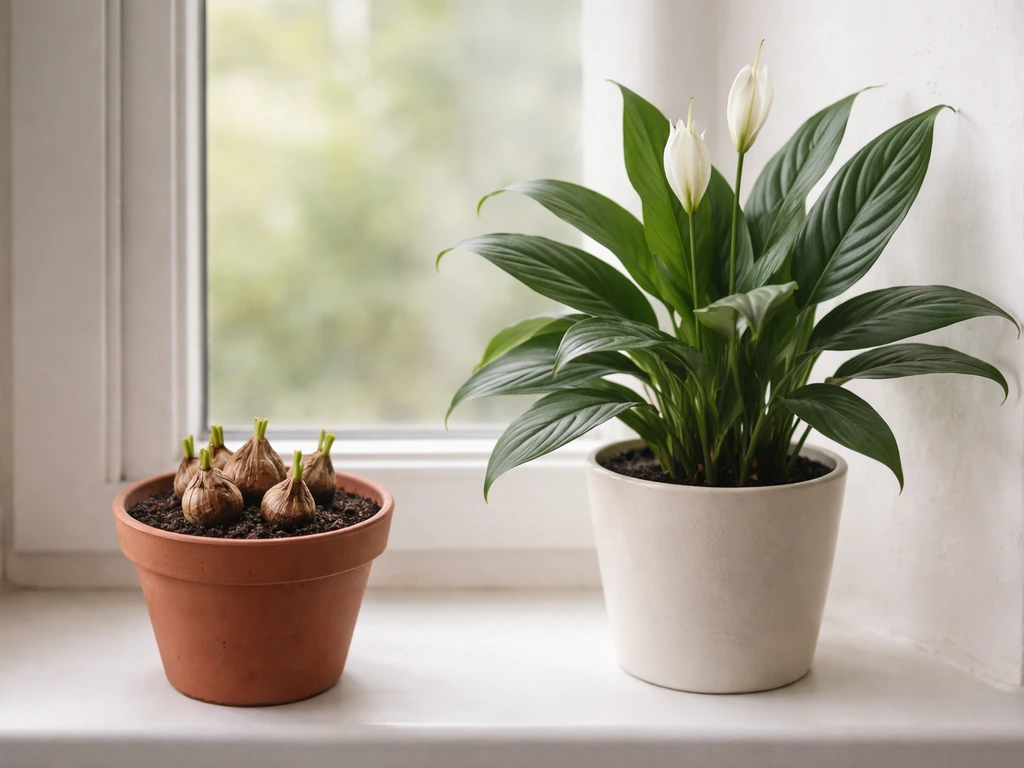
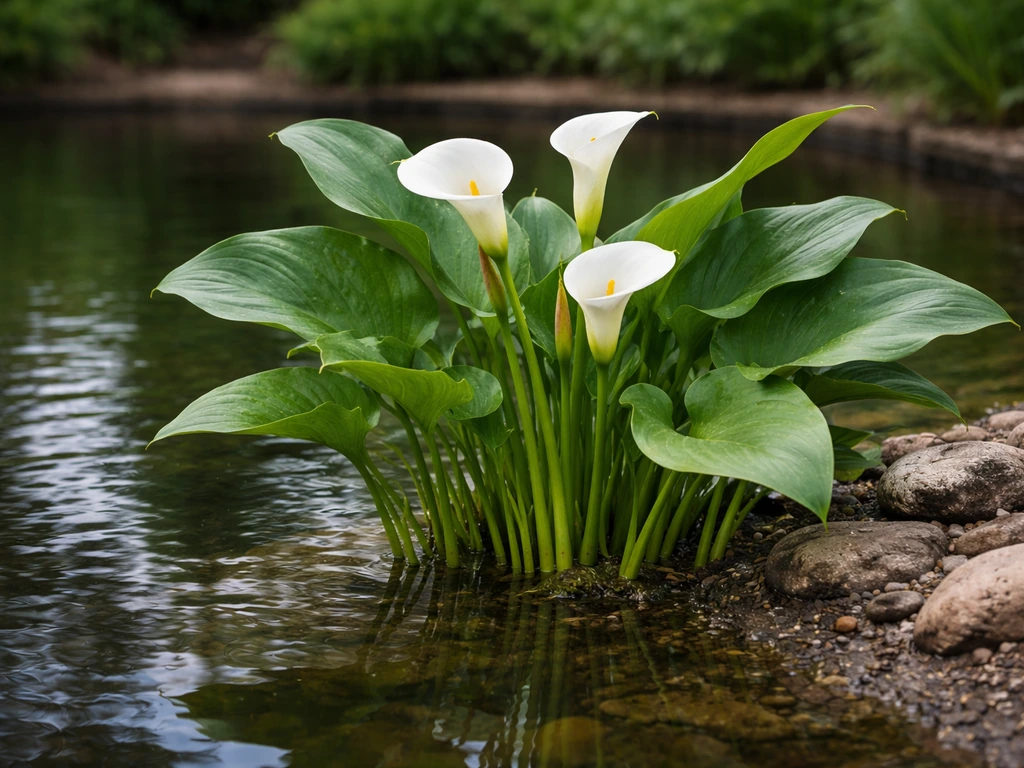
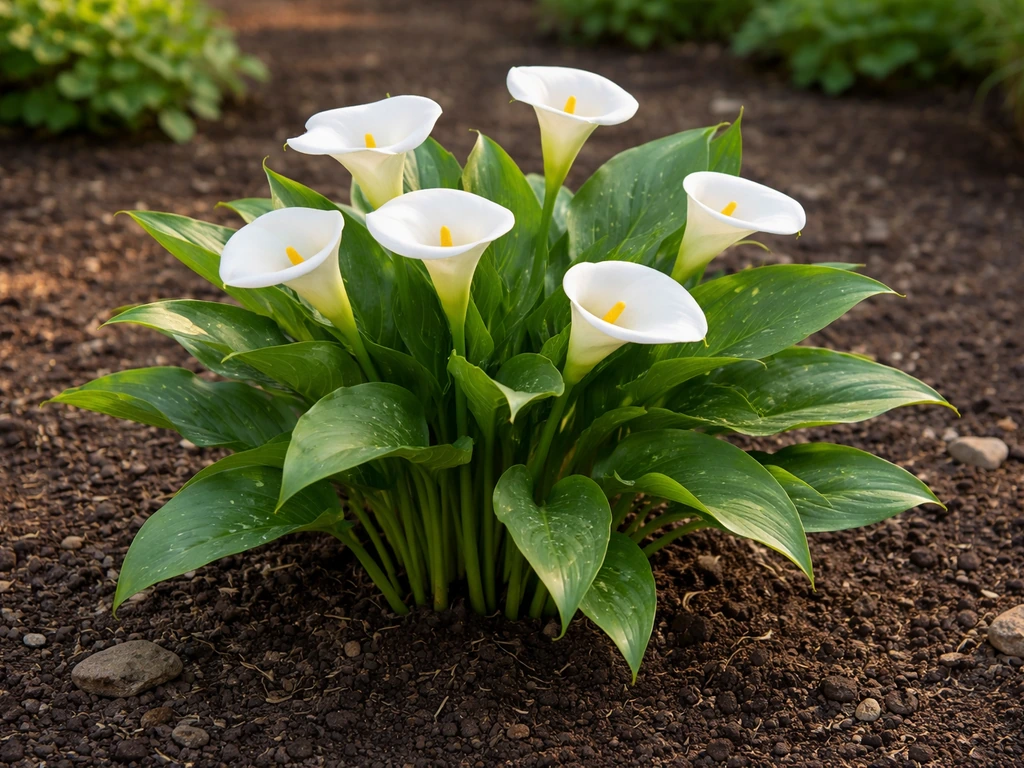
One reason the question "are lilies easy to grow?" gets confusing is that the word "lily" covers wildly different plants. True lilies grow from scaly bulbs (Asiatic, Oriental, tiger, Easter). Peace lilies are tropical perennials that grow from rhizomes. Calla lilies and daylilies are in entirely different plant families. Water lilies live in ponds. Each has different soil, light, and moisture requirements, so a tip that works for one type can genuinely harm another. This article focuses mainly on peace lilies for indoor growers and Asiatic-type lilies for outdoor growers, since those are the two categories most home gardeners are dealing with. If you're specifically weighing your options, check out the best lilies to grow for a variety-by-variety breakdown.
Peace lilies: surprisingly easy indoors, if you follow a few rules
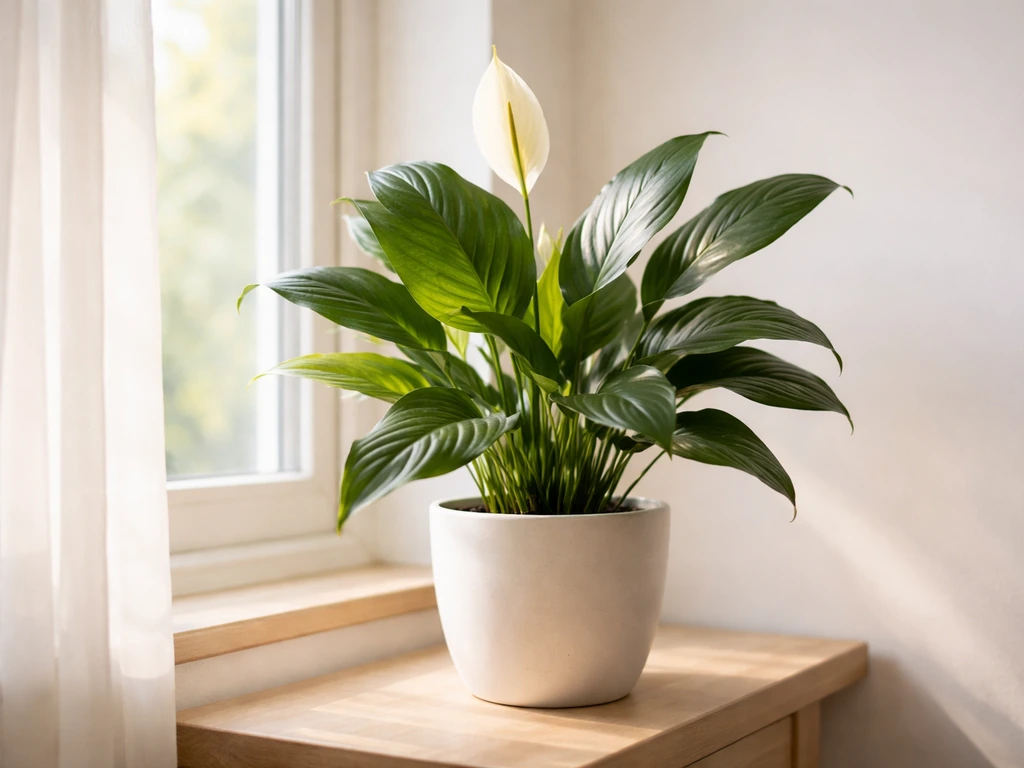
Peace lilies have a reputation as almost unkillable, and for good reason. I killed three batches before I understood their humidity needs, so I say this with hard-won respect: they're forgiving, but not infinitely so. Iowa State University Extension puts it plainly: peace lilies "will survive in most light conditions," but for real growth and flowers, you need a good amount of indirect light.
Iowa State University Extension also notes that peace lilies survive in most light conditions, though they flower best with indirect sunlight will survive in most light conditions.
The South Dakota State University Extension is more specific, recommending "bright, indirect light" as the ideal. That means near a north or east-facing window is usually perfect. Put a peace lily in direct sun and the leaves will scorch and develop brown tips.
For soil, UF/IFAS Extension recommends a mix rich in organic matter that maintains moisture while still draining well. Their commercial production guidelines specify that the container substrate should have high water and nutrient holding capacities, which in practical terms means a peat-based or coco coir potting mix with some perlite added. Temperature-wise, peace lilies thrive between 70 and 90 degrees Fahrenheit, so they're essentially asking for the same range you keep your house at. Cold drafts from windows or air conditioning vents are one of the most common reasons peace lilies decline unexpectedly.
Peace lily watering: the most common mistake
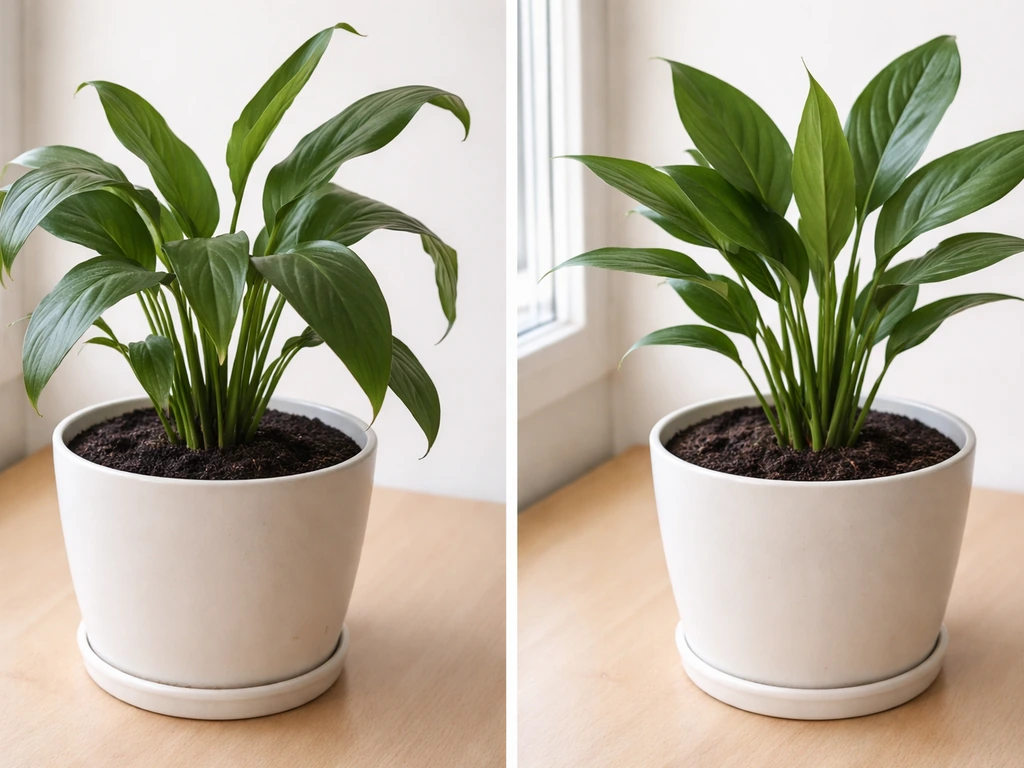
The most reliable watering method is simple: water when the top inch of soil feels dry, then water thoroughly until it drains from the bottom. Clemson's Home and Garden Information Center recommends using room temperature water, which matters more than most people think. Cold tap water can shock the roots and cause leaf yellowing. UF/IFAS Extension Charlotte County sums up the goal well: "water as needed to maintain moisture but provide good drainage." That balance, moist but never waterlogged, is the whole game with peace lilies.
Why lilies fail: the four biggest culprits
Across both true bulb lilies and peace lilies, the failure points cluster around the same four issues. Getting any one of these wrong is usually enough to kill the plant.
- Poor drainage: This is the number one killer for outdoor bulb lilies. The University of Illinois Extension specifically notes Asiatic lilies need "a well-drained bed." Bulbs sitting in soggy soil rot quickly, and there's no recovering them.
- Wrong light: Too little light and peace lilies won't flower; they'll also grow slowly and become leggy. Too much direct sun and you get scorched, brown-tipped leaves. Outdoor bulb lilies need full sun to partial shade, typically 6 or more hours a day.
- Temperature swings: Peace lilies suffer when temperatures drop below 60°F or when they're placed near cold drafts. Outdoor lilies planted too late in autumn in cold climates may not establish properly before the ground freezes.
- Inconsistent watering: Both overwatering (leading to root rot) and underwatering (leading to drooping and brown tips) are common beginner mistakes. The fix is a consistent, observation-based schedule rather than watering on a rigid calendar.
Your setup checklist: what to get right before you plant
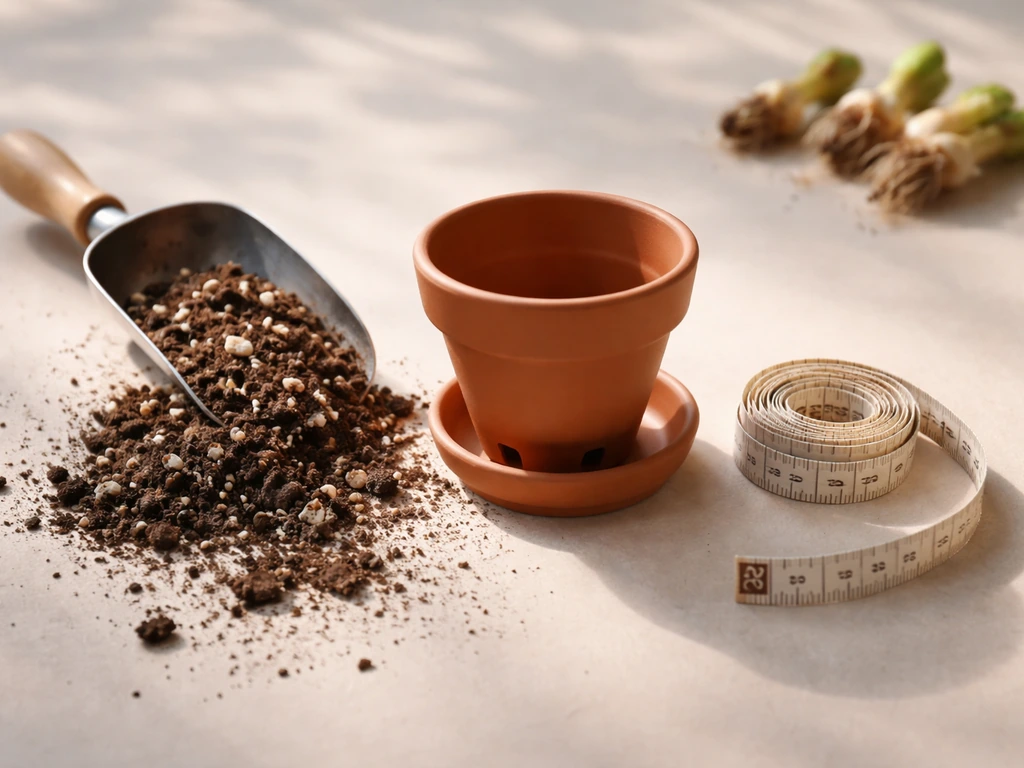
Whether you're potting up a peace lily or planting bulbs outside, this checklist covers the decisions that matter most. RHS’s general bulb planting rule is to plant bulbs at a depth of about three times their height as a useful baseline. Get these right and you've solved 80 percent of the potential problems before they start.
- Choose the right pot or bed location: For indoor peace lilies, pick a pot with at least one drainage hole and a saucer underneath. For outdoor bulb lilies, select a raised bed or a naturally well-drained spot. Avoid low-lying areas where water pools after rain.
- Assess your light: For peace lilies, identify a spot with bright indirect light, ideally within 3 to 5 feet of a window that doesn't get harsh afternoon sun. For outdoor lilies, aim for a spot with 6 or more hours of sunlight.
- Use the right soil or potting mix: For peace lilies, use a peat-based or coco coir mix with added perlite for drainage. For outdoor lilies, the RHS recommends enriching soil with leaf mould or well-rotted organic matter. If your container mix feels dense, add about 20 percent by volume of horticultural grit to improve drainage.
- Plant at the correct depth: For Asiatic bulbs, the RHS recommends planting at roughly 15cm (about 6 inches) deep in autumn. As a general rule, plant lily bulbs at a depth about two to three times the height of the bulb.
- Use a container with enough depth: Some lily types (including longiflorum and certain stem-rooting varieties) form roots above the bulb along the stem, so they need a deeper container than you might expect. The RHS specifically recommends a deeper pot for these types.
- Set your watering routine: Before you even plant, decide how you'll track moisture. For peace lilies, a finger-test every 2 to 3 days works well. For outdoor bulb lilies, water regularly during active growth, especially in dry spells.
Indoor vs outdoor growing: what changes and what doesn't
Peace lilies are almost exclusively indoor plants in most of North America, thriving in the 70 to 90°F range that matches typical indoor temperatures. They're not frost-tolerant, so outdoor growing only works in USDA zones 10 to 12. Asiatic and Oriental lilies are the opposite: they're outdoor bulb lilies that actually need a cold dormancy period and grow best in zones 4 through 8, depending on the variety. Trying to grow them as permanent indoor plants doesn't work well long-term.
The RHS Lily Group notes that potted bulb lilies need the same core conditions as open-ground plants: cool roots, an open well-drained compost, and adequate water. So if you're growing bulb lilies in containers on a patio or balcony, you still need to ensure the roots stay cool (shade the pot itself, even if the tops are in sun) and that the compost drains freely. Grouping potted lilies with other container plants can help shade the pots and keep root temperatures down. For ideas on pairing them attractively, thinking about what flowers grow well with lilies is worth exploring both for aesthetics and for practical root-shading.
Troubleshooting: fixing the most common problems
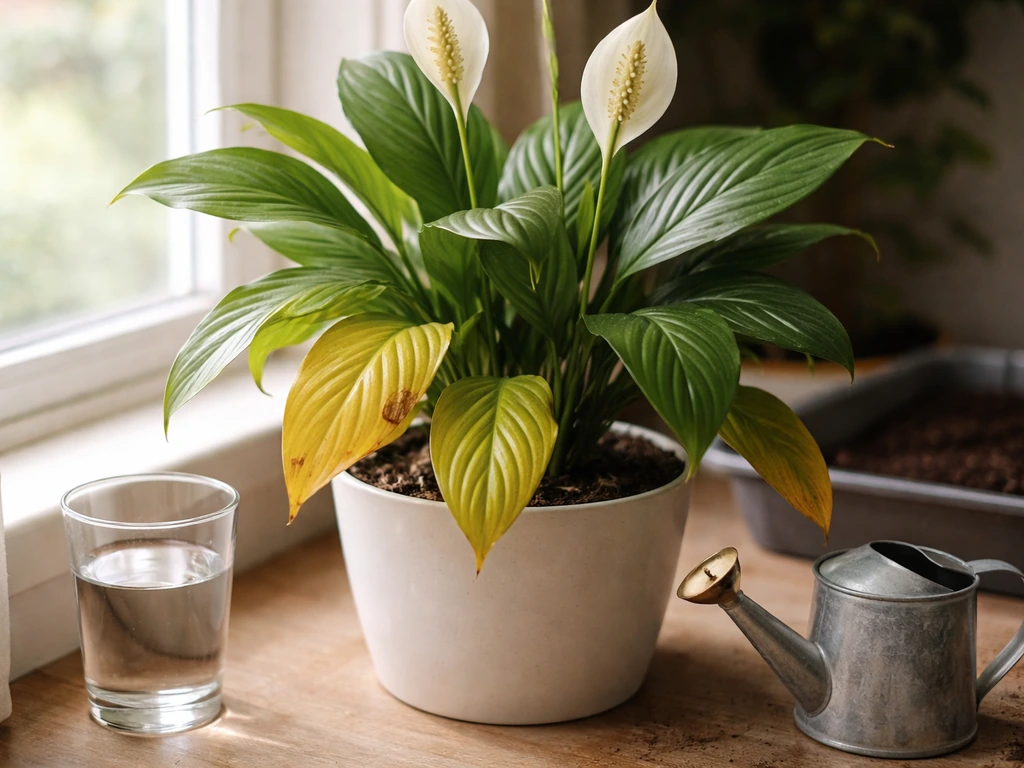
Most lily problems have a visible symptom that points directly to the cause. Here's how to read what your plant is telling you and what to do about it.
| Symptom | Most Likely Cause | Fix |
|---|
| Yellow leaves (peace lily) | Overwatering or cold water shock | Let soil dry out between waterings; switch to room temperature water |
| Brown leaf tips (peace lily) | Excessive light, low humidity, low water, or over-fertilizing | Move to indirect light; mist leaves or use a pebble tray for humidity; reduce fertilizer frequency |
| Drooping despite moist soil | Root rot from poor drainage or overwatering | Check roots; trim any black or mushy roots, repot in fresh well-draining mix |
| Stunting, top-down dieback, red or yellow foliage | Root rot (University of Wisconsin-Madison Extension diagnostic markers) | Remove from pot, inspect roots, trim rot, repot with improved drainage |
| No new growth (peace lily) | Too little light or temperature below 60°F | Move closer to a light source; move away from cold drafts or AC vents |
| Bulb lily not sprouting | Planted too shallow, poor drainage, or planted too late | Check planting depth (aim for 15cm for Asiatics); improve drainage in bed or container |
| Scorched, bleached leaves | Too much direct sun | Relocate to a spot with filtered or indirect light |
Care routines that actually work: watering, feeding, and seasons
Watering schedule
For peace lilies indoors, check the soil every 2 to 3 days and water when the top inch is dry. During winter when indoor heating reduces humidity, peace lilies may need water slightly more often, and adding a humidity tray (a saucer filled with pebbles and water, with the pot sitting on top) helps prevent brown tips. For outdoor bulb lilies, water deeply once or twice a week during the growing season, and cut back significantly after blooming as the foliage begins to die back.
Fertilizing without burning
Peace lilies are sensitive to over-fertilizing. South Dakota State University Extension lists over-fertilizing as one of the direct causes of brown-tipped leaves. A light application of balanced liquid fertilizer every 6 to 8 weeks during the growing season (spring through summer) is plenty. Avoid feeding in winter when growth slows. For outdoor lilies, a slow-release bulb fertilizer applied at planting and again as shoots emerge in spring covers the nutrient window. Be cautious with soluble fertilizers as salt buildup in soil is a real risk, especially in containers.
What to expect through the seasons
Peace lilies bloom most reliably in spring and sometimes again in autumn. If yours hasn't flowered, it's almost always a light issue. Move it to a brighter location (still indirect) and you'll usually see a flower spike within a few months. Outdoor Asiatic lilies bloom in early to midsummer, with individual flowers lasting about a week but the plant staying in bloom for 2 to 4 weeks. After blooming, leave the foliage in place until it dies back naturally, since this is how the bulb rebuilds energy for next year. Cutting it early is a common beginner mistake that weakens the bulb for the following season.
How do different lily types compare for ease?
If you're choosing between lily types and want to match the plant to your skill level and conditions, this comparison covers the key variables.
| Lily Type | Difficulty | Best For | Key Requirement |
|---|
| Peace lily | Easy | Indoor beginners | Bright indirect light, consistent moisture, warmth (70–90°F) |
| Asiatic hybrid | Easy | Outdoor beginners | Well-drained soil or containers, 6+ hours sun |
| Tiger lily | Easy to moderate | Outdoor gardens, naturalized areas | Well-drained soil, full sun to partial shade |
| Oriental hybrid | Moderate to hard | Experienced growers | Acid soil, specific drainage, more demanding care |
| Calla lily | Moderate | Containers or mild climates | Rich moist soil, part shade in hot climates |
| Daylily | Very easy | Low-maintenance gardens | Almost any well-drained soil, adaptable to most conditions |
If you're leaning toward Asiatics, the specifics are worth diving deeper into. Both Asiatic lilies and how easy they are to grow and whether tiger lilies are easy to grow have more detailed guidance for those varieties if you want to get into the specifics of each.
The honest bottom line
Lilies are genuinely rewarding plants that most gardeners can grow successfully, but "easy" depends on picking the right type and matching it to your conditions. A peace lily in a bright bathroom is about as low-maintenance as houseplants get. An Asiatic lily in a well-drained raised bed is nearly foolproof. Where people run into trouble is usually one of three things: poor drainage, wrong light, or inconsistent watering. Fix those three variables and you've solved most of what makes lilies "hard." Start with one variety, nail the basics, and add more types from there.