
Pink lilies grow successfully across a surprisingly wide range, from USDA Hardiness Zones 3 to 9, as long as you give them full sun, well-drained soil, and consistent moisture that never crosses into soggy. Most popular pink varieties, including Asiatic, Oriental, and LA hybrids, are outdoor garden plants that come back year after year in those zones. The single biggest factor that kills them isn't cold or heat. It's poor drainage. Get that right, and pink lilies are genuinely one of the easier bulb-grown flowers you can grow.
Where Do Pink Lilies Grow Best? Climate, Soil, and Care
Marcus Hendricks
28 May 2026
Where pink lilies come from in the wild
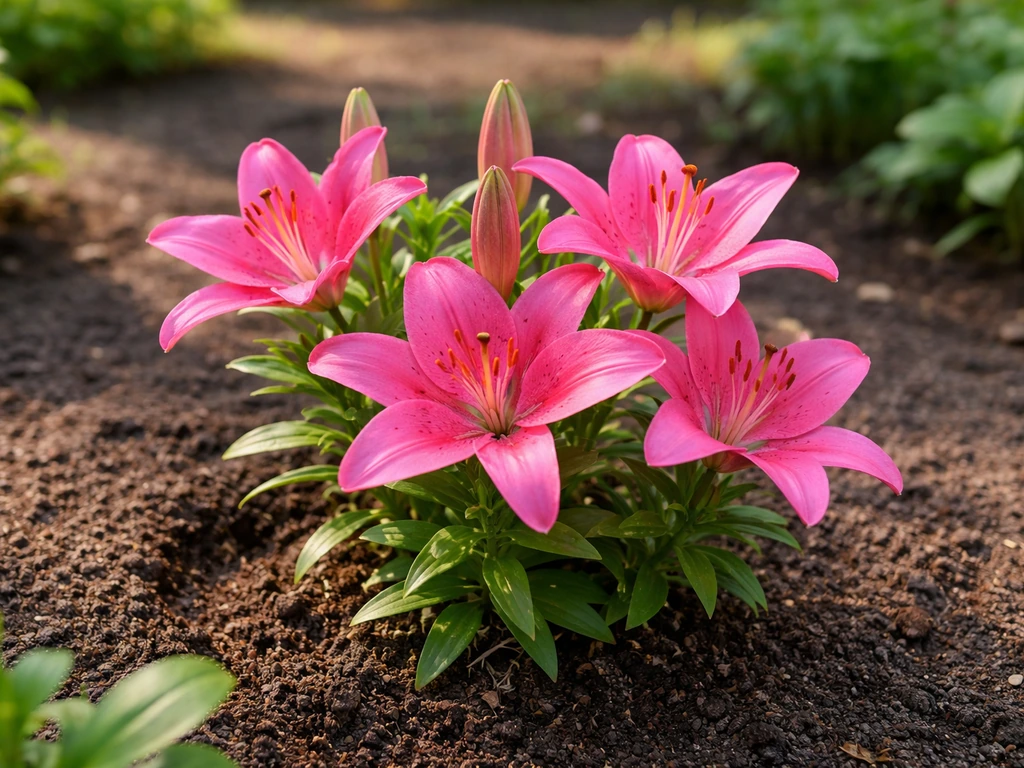
The genus Lilium has native species scattered across the Northern Hemisphere, primarily in Asia, Europe, and North America. Many of the pink-flowered cultivars sold today are hybrids bred from Asian species, particularly from China, Japan, and the surrounding region. The Easter lily (Lilium longiflorum), a well-known white-to-pale pink species, is native to the Ryukyu Islands of southern Japan and to Taiwan, where it grows on coastal slopes, grassy meadows, and forest margins, typically in sandy or volcanic soils.
That habitat tells you a lot: these are not swamp plants. They evolved in free-draining ground with good air circulation, moderate rainfall, and open exposure to light. If you’re also wondering where ginger lilies grow, the key is matching their warm, humid preferences to your site where does ginger lily grow.
The Asiatic and Oriental lilies that dominate the pink lily market today have similarly temperate Asian origins. Their native habitats tend to feature defined wet and dry seasons, cool winters, and warm (but not scorching) summers. That seasonal rhythm is exactly what garden bulbs depend on to bloom reliably year after year. Understanding this origin helps you make smarter decisions about where to plant them and how to water them.
What hardiness zones actually work for outdoor pink lilies
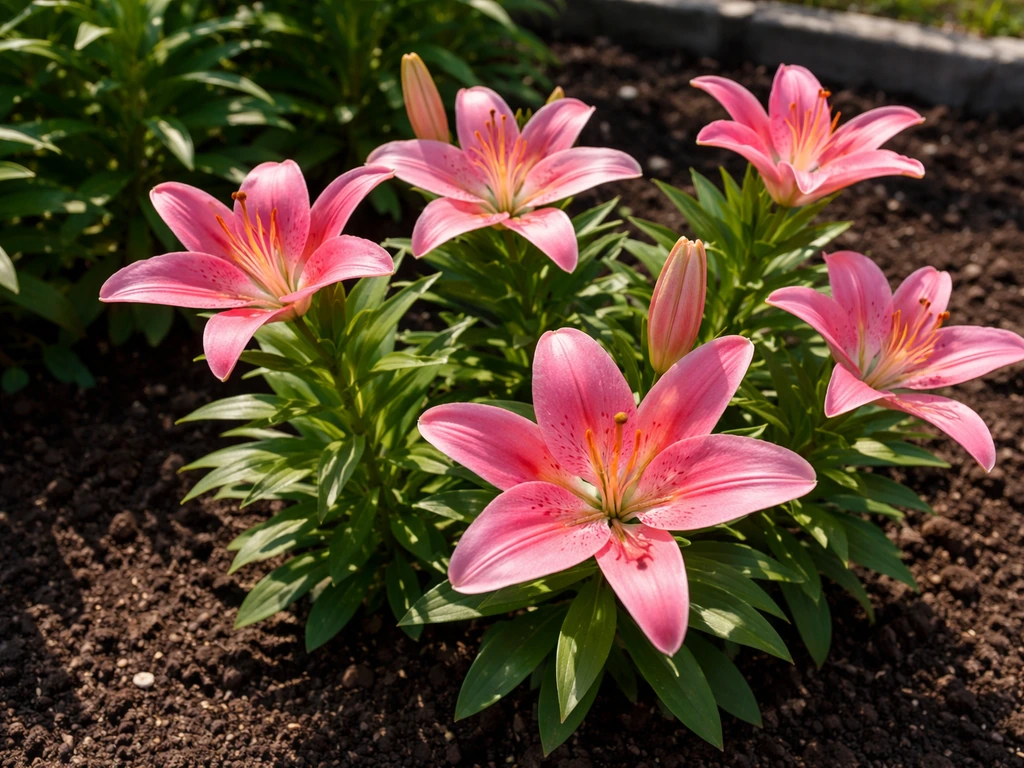
Most hybrid lilies, including the popular pink-flowered Asiatic, LA hybrid, and Oriental types, can be treated as reliable perennials in USDA Hardiness Zones 3 through 9. That's a huge range. It covers most of the continental United States and much of Canada's southern growing regions. The classic pink Oriental cultivar 'Stargazer,' for example, is rated hardy in Zones 4 through 9 specifically.
If you're in Zone 3 or 4, you can absolutely grow pink lilies outdoors, but you'll want to mulch the bulbs well going into winter to protect them from the deepest freezes. In Zones 8 and 9, the challenge flips: the winters are mild enough, but summer heat can stress Oriental lilies in particular. Asiatic and LA hybrids handle heat better than Orientals do. Zone 10 and above is genuinely difficult for most lily varieties because the bulbs need a cold period to reset and rebloom, so container growing with a simulated chill becomes your main option.
Light and soil: the conditions that actually determine where they grow
Sun requirements
Pink lilies want full sun, which means at least six hours of direct sunlight per day. They'll tolerate partial shade and may still flower, but you'll typically get fewer blooms, weaker stems, and more disease pressure in shadier spots. If your garden has a mix of sun and shade, put the lilies where they get morning sun and afternoon protection. That setup reduces heat stress in hot climates while still delivering the light they need.
Soil type and pH
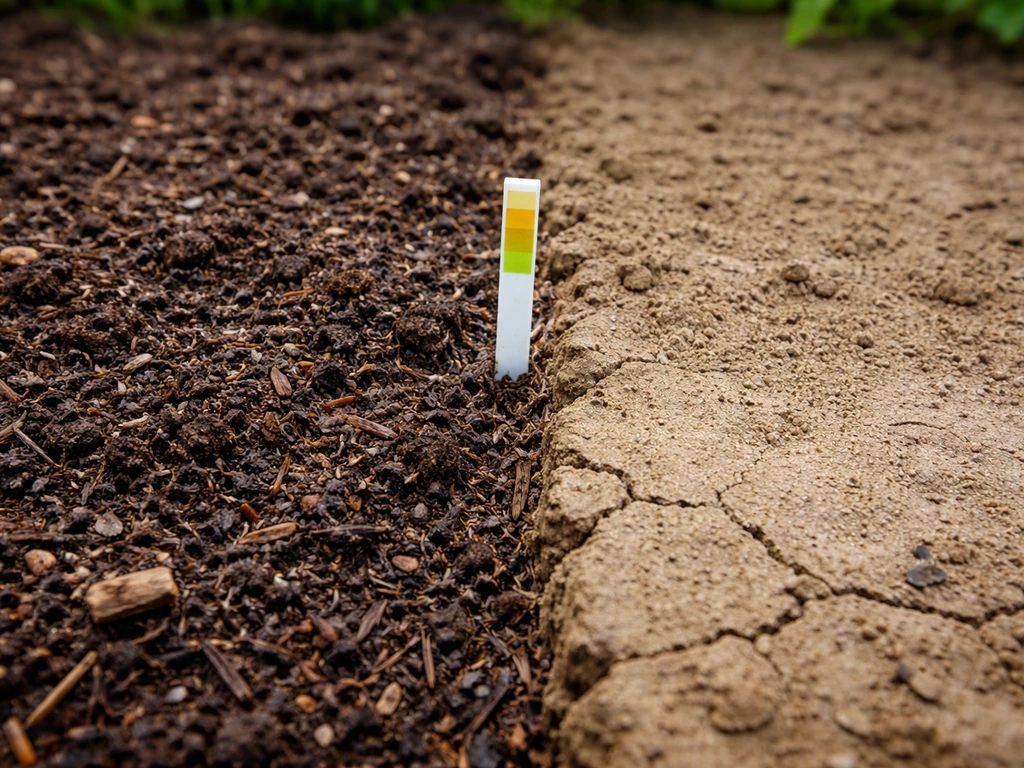
Lilies do best in loose, well-draining soil with a slightly acidic pH. The target is around 6.0. Heavy clay soil is a problem not because lilies dislike fertility, but because clay holds water around the bulb and that standing moisture causes rot. Sandy loam or amended garden soil that breaks apart in your hand is ideal. If your native soil is clay-heavy, work in generous amounts of compost or grit to open up the structure before planting. Raised beds are another excellent solution, and they're worth the effort if your ground drainage is poor.
Moisture and drainage: the most critical factor nobody talks about enough
I want to be direct about this because drainage is where most lily failures happen. The North American Lily Society is unequivocal: do not plant lilies in spots where water collects and stands. That's not a suggestion; it's the rule. Lily bulbs sitting in saturated soil will rot, and they'll do it faster than you'd expect. At the same time, lilies do need consistent moisture during active growth. Letting them dry out causes water stress that can abort flower buds before they ever open.
The sweet spot is evenly moist soil that drains freely. Think of it as "never soggy, never bone dry." Mulching around the base of your lilies helps retain that steady moisture level between waterings while also keeping the soil temperature cool at the root zone, which lilies appreciate. Aim for about 2 to 3 inches of mulch, but wait until after the soil has warmed in spring before spreading it (mice are attracted to the tender bulbs and will nest in mulch laid down too early).
Containers versus garden beds
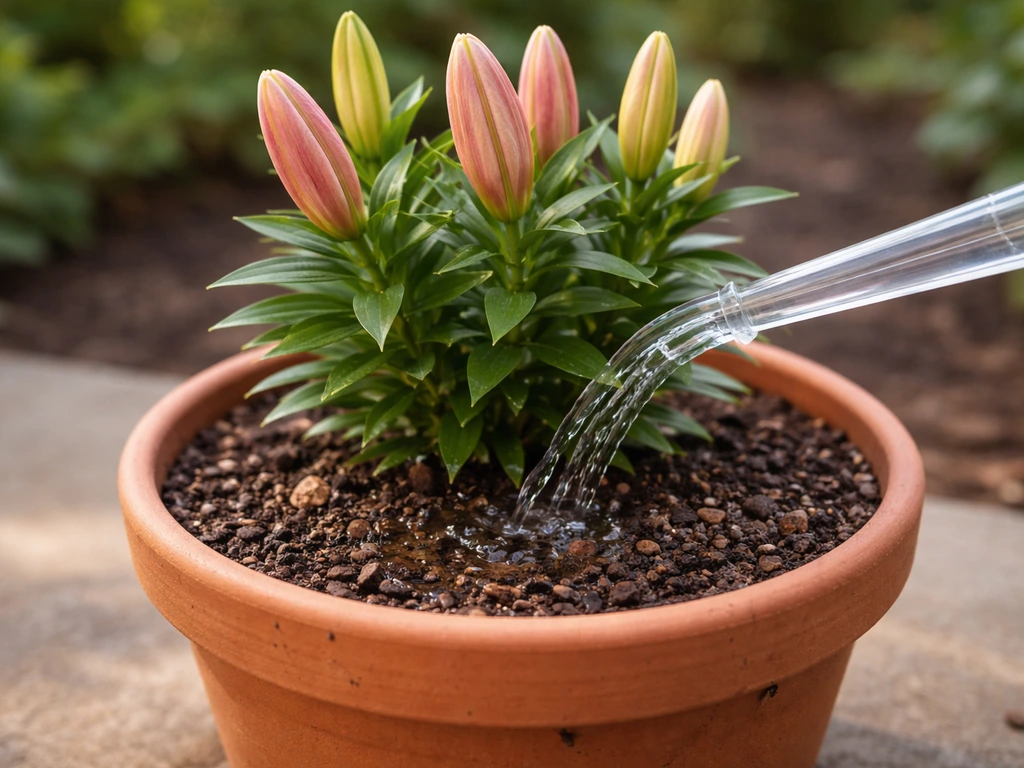
Containers work very well for pink lilies, especially if your garden soil is poor or your drainage is questionable. Use a high-quality potting mix (not straight garden soil, which compacts in pots) and make absolutely sure the container has drainage holes.
If a container lacks drainage holes, Colorado State University Extension recommends drilling them to prevent water from pooling at bulb level and causing rot, and it also addresses common myths about drainage layers make absolutely sure the container has drainage holes. Drill them if you have to.
A container with no drainage turns into a bucket of standing water at the bulb level, which defeats the entire purpose. Plant bulbs at a depth of two to three times the bulb's height, measured from the bulb's base, leaving at least an inch or two of soil beneath the bulb. Water thoroughly after planting, then let the top inch of soil dry slightly between waterings.
One other moisture note: try to water at the base of the plant rather than overhead. Overhead sprinkling wets the foliage and can encourage fungal disease, which is already one of the main threats to lilies. Drip irrigation or a simple soaker hose works well, or just water carefully at ground level with a regular hose.
Growing pink lilies indoors versus outdoors, and what winter looks like
Outdoors: seasonal care
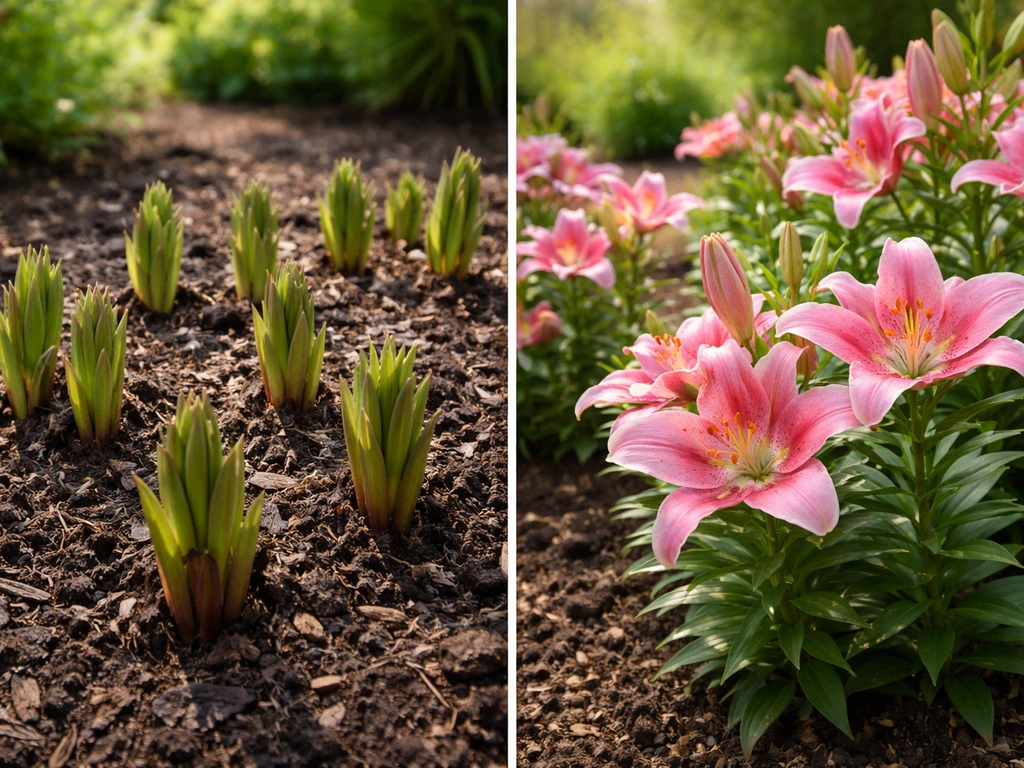
Outdoor pink lilies planted in Zones 3 through 9 are relatively low-maintenance once established. They emerge in spring, bloom in summer (timing varies by type, with Asiatics typically blooming earlier than Orientals), then go dormant after the foliage yellows. The key rule for fall care: don't cut back the stems until the foliage has fully matured and turned yellow. The leaves are still feeding the bulb until that point, and cutting them early weakens next year's bloom.
Once they yellow, cut the stalks back. In colder zones (3 to 5), apply a 3 to 4 inch layer of mulch over the planting area after the ground has frozen slightly in fall. This protects against freeze-thaw cycles that can heave bulbs out of the ground.
Indoors: what you actually need to make it work
Growing pink lilies indoors long-term is more demanding than outdoors. Lilies are not typical houseplants. They need bright light, ideally a south- or west-facing window with direct sun, or supplemental grow lights to compensate. The potting mix needs to drain freely, and containers need working drainage holes.
For forcing bulbs to bloom indoors out of season, the process involves a cold treatment period (typically 12 to 16 weeks around 35 to 45 degrees Fahrenheit) followed by bringing the pot into warmth and light to trigger growth. This mimics what happens naturally outdoors in winter. If you're in a mild zone and just want to enjoy lilies inside during their natural bloom window, potted bulbs from a nursery are the easiest path.
Keep them in your brightest window, water carefully to avoid rot, and don't let them sit in a water-filled saucer.
Indoor humidity matters more than most people realize. Lilies prefer moderate to slightly higher humidity. If your home runs very dry in winter (as most heated homes do), misting around (not directly on) the foliage or placing the pot near a humidity tray can help keep the plant healthy.
Which pink lily do you actually have? Matching variety to location
"Pink lily" is not one plant. It covers dozens of species and hundreds of cultivars. The variety you have matters because different groups have meaningfully different climate preferences, bloom times, and cold hardiness. If you’re wondering is pink lily rare in grow a garden, the short answer is that some pink types are more difficult to source than others. The most common pink-flowered types you'll encounter are Asiatic hybrids, Oriental hybrids, and LA hybrids (which cross Longiflorum with Asiatics). Here's a quick breakdown to help you ID what you're working with and match it to your region.
| Type | Typical Bloom Time | Hardiness Zones | Heat Tolerance | Key ID Feature |
|---|---|---|---|---|
| Asiatic Hybrid | Early to midsummer | Zones 3–9 | Good | Upward-facing, smaller flowers; often no fragrance |
| Oriental Hybrid (e.g., Stargazer) | Mid to late summer | Zones 4–9 | Moderate | Large, bowl-shaped, often fragrant; white-edged petals deepening to pink/red |
| LA Hybrid | Early to midsummer | Zones 3–9 | Very good | Trumpet-shaped, larger than Asiatics, light fragrance |
| Longiflorum (Easter lily) | Late spring/early summer | Zones 6–9 (tender) | Moderate | Trumpet-shaped white or pale pink flowers; native to coastal Japan/Taiwan |
Stargazer is probably the most recognizable pink lily on the market. Its flowers are large and bowl-shaped, face upward (which is unusual for Oriental types, which usually nod downward), and have white margins that deepen to deep pink or red toward the center with darker freckles near the throat. If that description matches what you have or what you're shopping for, you're looking at an Oriental hybrid, and Zones 4 through 9 are your sweet spot. If your pink lily has smaller, upward-facing flowers without much scent, you likely have an Asiatic, which is the hardiest and most forgiving of the group.
How to succeed if your climate isn't ideal
If you're outside the comfortable growing range, there are real options. These aren't workarounds that barely function; they're the same strategies that gardeners in challenging climates have used for years to grow bulbs that wouldn't otherwise survive.
- Choose the right type for your zone: If you're in Zone 3, skip Orientals and go with Asiatic or LA hybrids, which tolerate colder winters. If you're in Zone 9 or 10, Asiatics and LA hybrids also handle heat better than Orientals.
- Fix drainage before you plant: If your soil stays wet after rain, raise the planting bed by 6 to 8 inches with amended soil or build a proper raised bed. This single change prevents more failures than any fertilizer or watering schedule.
- Amend your soil: Work in compost and, if the soil is especially heavy, coarse sand or perlite. Target that slightly acidic pH around 6.0. A basic soil test from your local extension office costs a few dollars and tells you exactly what you're working with.
- Use containers in extreme zones: Zone 10 and above, or any climate where winter cold isn't enough to chill the bulbs naturally, container growing lets you refrigerate bulbs for 12 to 16 weeks before planting to simulate a cold period.
- Time your planting correctly: Plant bulbs in fall for most zones, which gives them the cold dormancy period they need. In very cold zones (3 to 4), early spring planting right after frost risk passes is also an option if fall-planted bulbs have heaving issues.
- Mulch for protection and moisture: In cold zones, a 3 to 4 inch mulch layer applied after a light freeze protects bulbs through winter. Everywhere else, mulch reduces moisture loss and keeps the root zone cooler in summer.
- Source from reputable nurseries: Buy firm, plump bulbs without soft spots or mold. Reputable mail-order bulb suppliers and local garden centers that source from specialty growers give you a huge head start over discount-bin bulbs. Look for variety-specific labels so you know exactly what you're planting.
One more practical note on sourcing: if you're searching for specific pink varieties suited to your region, local specialty lily growers are worth seeking out. They've already done the work of trialing varieties in your climate and can tell you what actually performs. The North American Lily Society's website maintains a list of regional lily societies and shows where you can connect with growers near you.
If you're comparing pink lilies to other lily types you're considering for your garden, the approach is similar but the specifics shift by species. Trout lilies, sego lilies, ginger lilies, and shampoo ginger lilies all have distinct native habitats and climate preferences that differ meaningfully from the hybrid garden lilies covered here. Sego lilies have their own native range, so it helps to check where do sego lilies grow before choosing a spot.
If you are growing trout lilies, you may be wondering where do trout lilies grow, since they have their own preferred native range and woodland conditions. Knowing which type you're working with, whether it's a true Lilium hybrid or something from a completely different plant family, is always the first step before you commit to a planting location.
FAQ
Do pink lilies grow well in full shade or only partial shade?
They usually bloom best in full sun, at least six hours of direct light. In partial shade, flowering often drops, stems can get weaker, and damp, low-airflow spots increase disease risk. If you have mixed light, prioritize morning sun and afternoon protection to balance light with heat.
What’s the best way to tell if my garden has “good drainage” for pink lilies?
Do a simple water test before planting. After a thorough watering or rainfall, check the area 24 to 48 hours later. If you see standing water, slow pooling, or ground that stays darker and wet under the surface, that spot is likely to rot bulbs. Raised beds or amending the soil structure is the next step if drainage is questionable.
Can I plant pink lilies near a lawn that gets sprinkler irrigation?
You can, but avoid overhead watering patterns that keep foliage wet for long periods. If sprinklers regularly splash leaves, switch to a base-focused method like drip irrigation or a soaker hose, and keep watering only during active growth so the bulb zone does not stay saturated year-round.
How far apart should I plant pink lily bulbs so they grow well?
Give them room for airflow and root development. A common guideline is to space bulbs about 8 to 12 inches apart (closer for dense beds, wider for fewer but stronger stems). Crowding can raise fungal pressure and make it harder to manage moisture without leaving the soil soggy.
Is it safe to plant pink lilies in containers on a deck or patio in hot climates?
Yes, but you need to manage heat and moisture together. Use a potting mix that stays airy, ensure drainage holes are clear, and avoid placing containers against heat-trapping surfaces that bake the root zone all day. For Oriental types, extra attention to summer heat stress is important, even in a good pot.
Why do my pink lilies produce leaves but no flowers?
The most common causes are stress from irregular watering, poor drainage, or planting depth that is off. Also check whether you cut stems too early in the prior season, since the leaves feed the bulb until they yellow. If bulbs were recently moved or disturbed, expect a delayed bloom while they re-establish.
Should I fertilize pink lilies, and when?
If you want stronger growth, feed lightly and avoid high-nitrogen forcing. Apply a balanced fertilizer or compost at planting, and then again when shoots emerge. Stop feeding after flowering so the plant can shift energy back into bulb recovery, and do not fertilize at the expense of good drainage.
Can I leave pink lily bulbs in the ground year-round in colder regions?
Often yes in Zones 3 to 5, but protect them through winter. Apply mulch after the ground has slightly frozen in fall, and use enough depth (around 3 to 4 inches) to reduce freeze-thaw heaving. In areas with very wet winters, raised beds can still be the better choice.
What should I do if mice or other rodents keep digging up my pink lily bulbs?
Mulch can make it easier for rodents to nest if applied too early, so wait until spring soil warms before spreading it. For persistent problems, consider bulb cages or fine mesh barriers at planting time. Containers can also reduce digging compared to open beds.
Do pink lilies need a cold period if I grow them indoors from store-bought bulbs?
If you are forcing them to bloom out of season, yes, you typically need a simulated chill period (often 12 to 16 weeks around 35 to 45°F) before bringing them into warmth and bright light. If you’re growing them indoors only during their natural cycle using recently potted nursery bulbs, that chill requirement may already be satisfied.
Next Articles
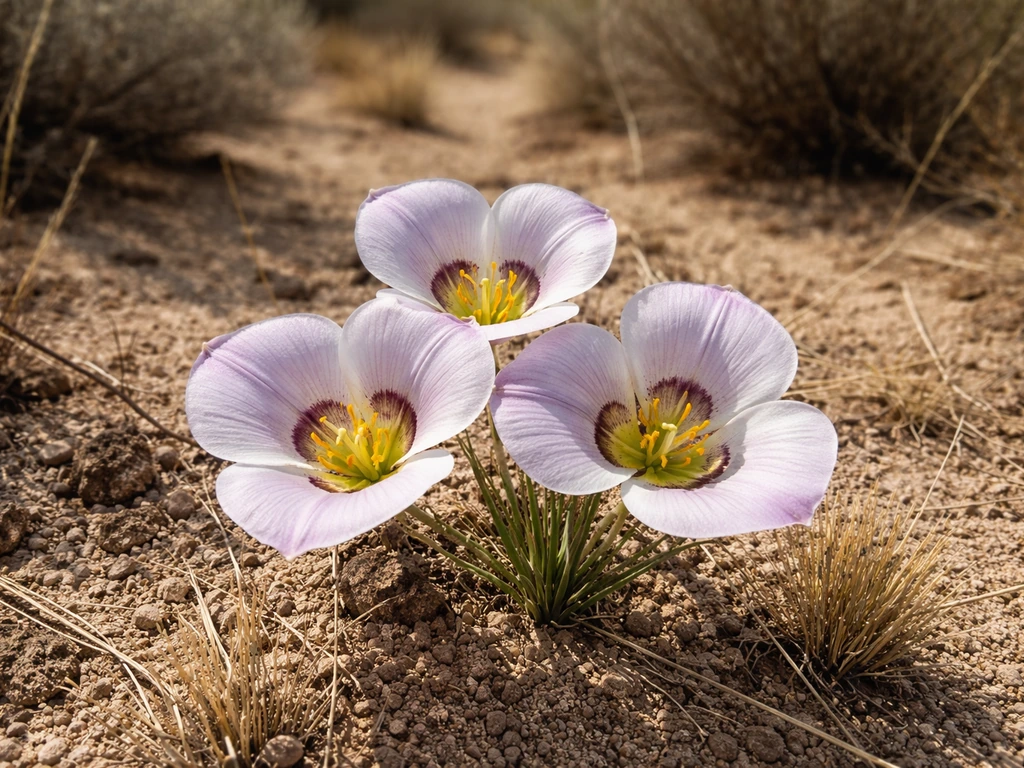
Where Do Sego Lilies Grow and How to Grow Them
Learn where sego lilies grow naturally and the light, soil, moisture, and climate to grow them at home.
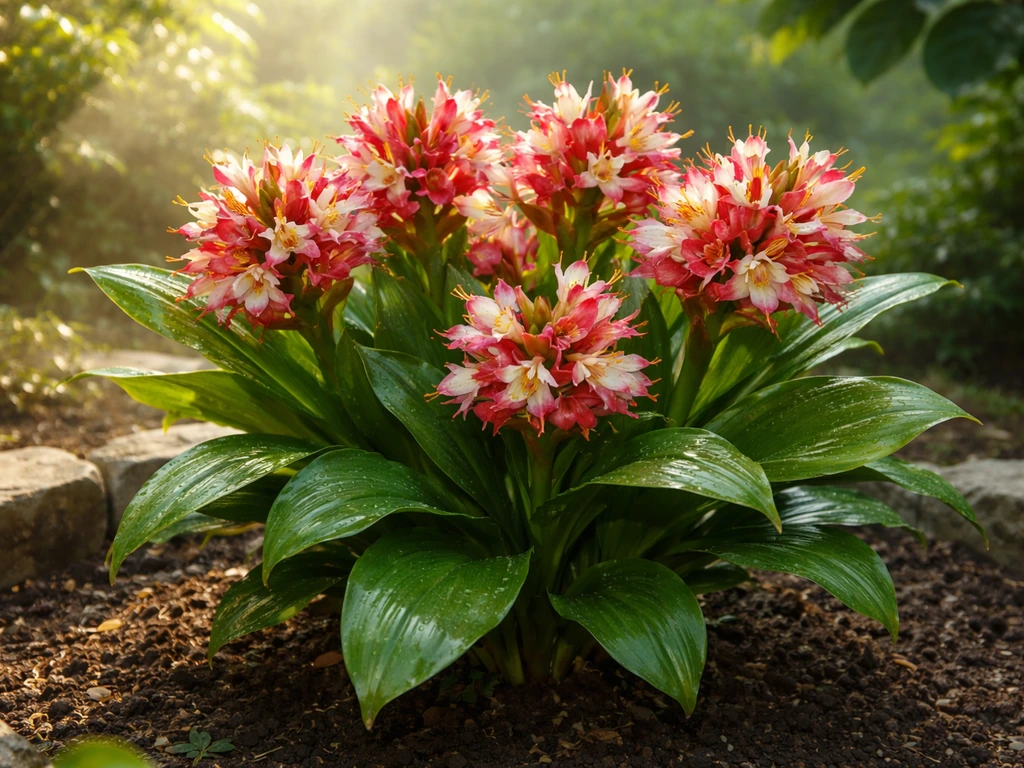
Where Does Ginger Lily Grow and How to Grow It
Learn where ginger lilies grow, their native climate, and how to place them outdoors or indoors for best blooms.
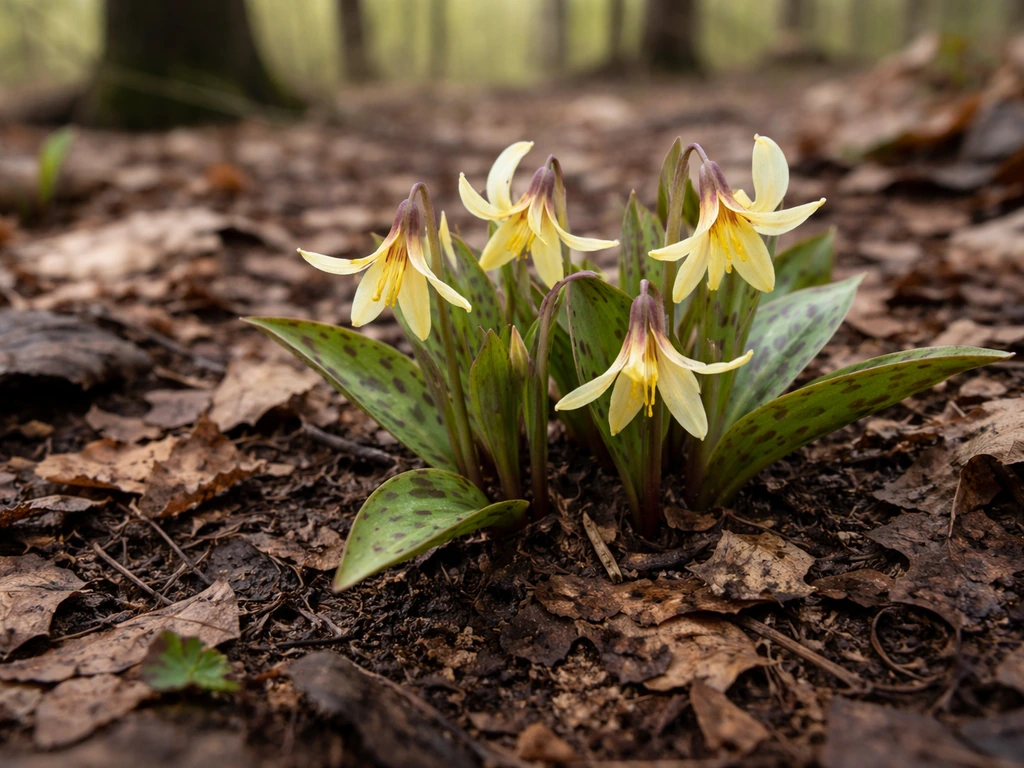
Where Do Trout Lilies Grow: Habitat and Gardening Tips
Learn where trout lilies grow in the wild and how to match forest shade, cool moist soil, and drainage at home.