
Shampoo ginger lily almost always refers to Zingiber zerumbet, a tropical rhizomatous ginger native to South and Southeast Asia. It grows naturally in warm, humid regions with consistently moist soil, and in North American gardens it thrives outdoors in USDA Zones 8 through 10. Outside those zones, it does well in containers that you bring indoors before the first frost.
Shampoo Ginger Lily: Where It Grows and Best Placement
Marcus Hendricks
4 May 2026
What plant are we actually talking about?
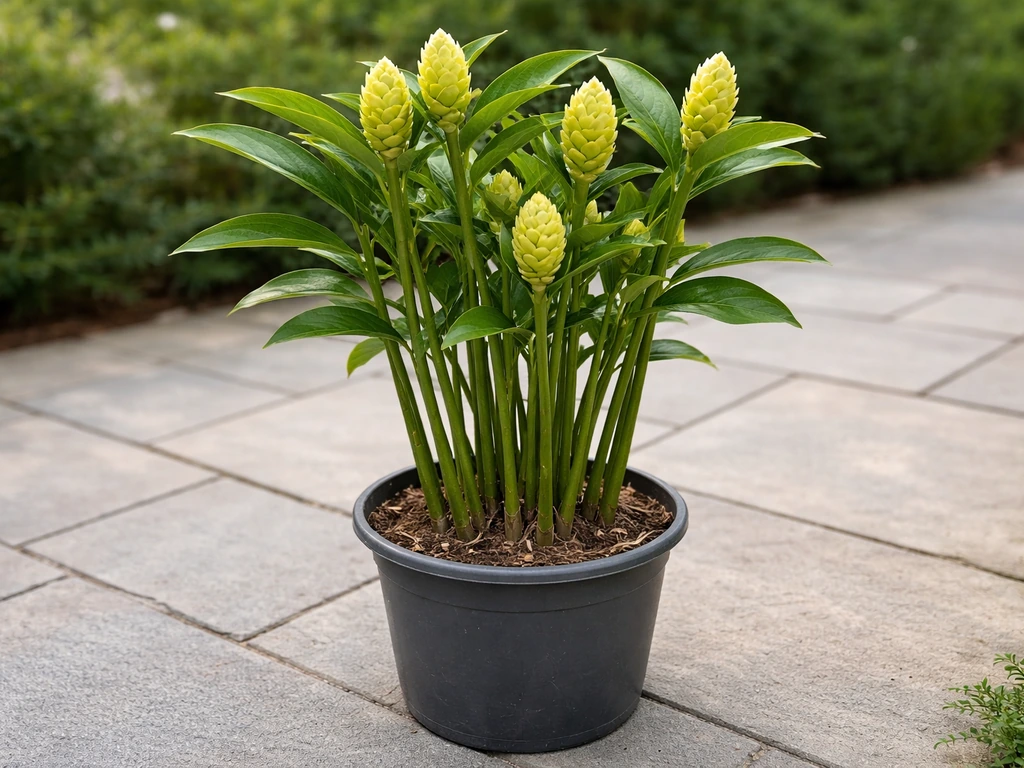
The name "shampoo ginger lily" is a nickname that floats around nurseries and gardening communities, and it can cause some confusion. The plant most commonly sold and discussed under this name is Zingiber zerumbet. You might also see it labeled as pinecone ginger, pinecone lily, or wild ginger on nursery tags. If you ever come across an older label with names like Amomum zerumbet or Zerumbet zingiber, those are outdated botanical synonyms for the exact same species, so don't let that throw you off. It belongs to the Zingiberaceae family, making it a true ginger relative, not a true lily at all, but the "lily" nickname sticks because of its lush foliage and the way it grows in clumps.
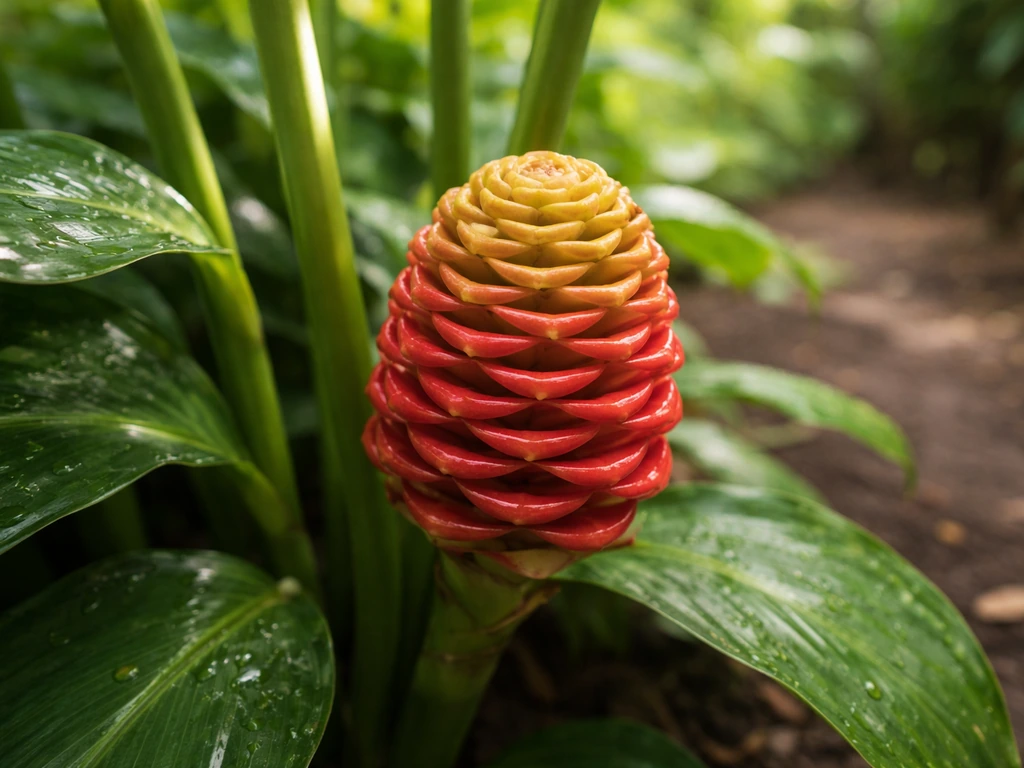
Visually, this plant is hard to mistake once you know what to look for. It forms clumps of reed-like pseudostems (those upright stalks that look like canes but are actually tightly rolled leaf sheaths), and its most distinctive feature is a separate flowering stem that rises directly from the ground beside the main clump. That stem produces a pinecone-shaped inflorescence that eventually turns red and, when squeezed, releases a clear, fragrant liquid that has historically been used as a hair conditioner, hence the "shampoo ginger" name.
Where it comes from: native habitat and range
Zingiber zerumbet is native to Tropical and Subtropical Asia. If you are wondering where do sego lilies grow, this species is happiest in warm, humid tropical conditions like those parts of Asia native to Tropical and Subtropical Asia. Its native range spans an impressive stretch of the region, including India, Assam, the Andaman and Nicobar Islands, Bangladesh, Myanmar, Thailand, Vietnam, Cambodia, Laos, Malaysia, the Philippines, Borneo, Taiwan, and southern China. That list tells you a lot about what kind of environment it evolved in: warm, humid, and consistently wet. In the wild, it is frequently found near rivers, waterfalls, and other water sources, which makes perfect sense given how much moisture it demands during active growth.
Kew's Plants of the World Online classifies it as a wet tropical biome species and describes it as a rhizomatous geophyte, meaning it stores energy underground in thick rhizomes and can go dormant when conditions turn unfavorable. This adaptation is exactly what makes it possible to grow in cooler climates if you manage it carefully. It has also been introduced successfully in places like Florida and Hawaii, where the warm, humid climate closely mirrors its native habitat.
Climate and temperature: what it can handle
This plant is not frost tolerant, full stop. It will go completely dormant in winter when temperatures drop, and any sustained freezing will damage or kill the rhizomes if they are left exposed in cold, wet ground. Think of it the same way you would think about cannas or dahlias in northern climates: hardy enough to stay in the ground in mild winter regions, but needing protection or indoor storage elsewhere.
The sweet spot for outdoor growing without any fuss is USDA Zones 8 through 10. In Zone 8, you will likely see the tops die back in winter, but the rhizomes can usually survive in the ground with a layer of mulch for insulation. In Zones 9 and 10 (think coastal Gulf Coast, Florida, Southern California, and Hawaii), you are in the closest approximation to its native conditions, and it can stay in the ground year-round. In Zone 7 or colder, treat it as a container plant or be prepared to dig and store the rhizomes each fall, just like you would with dahlias.
Light, moisture, and soil: getting the conditions right
Light
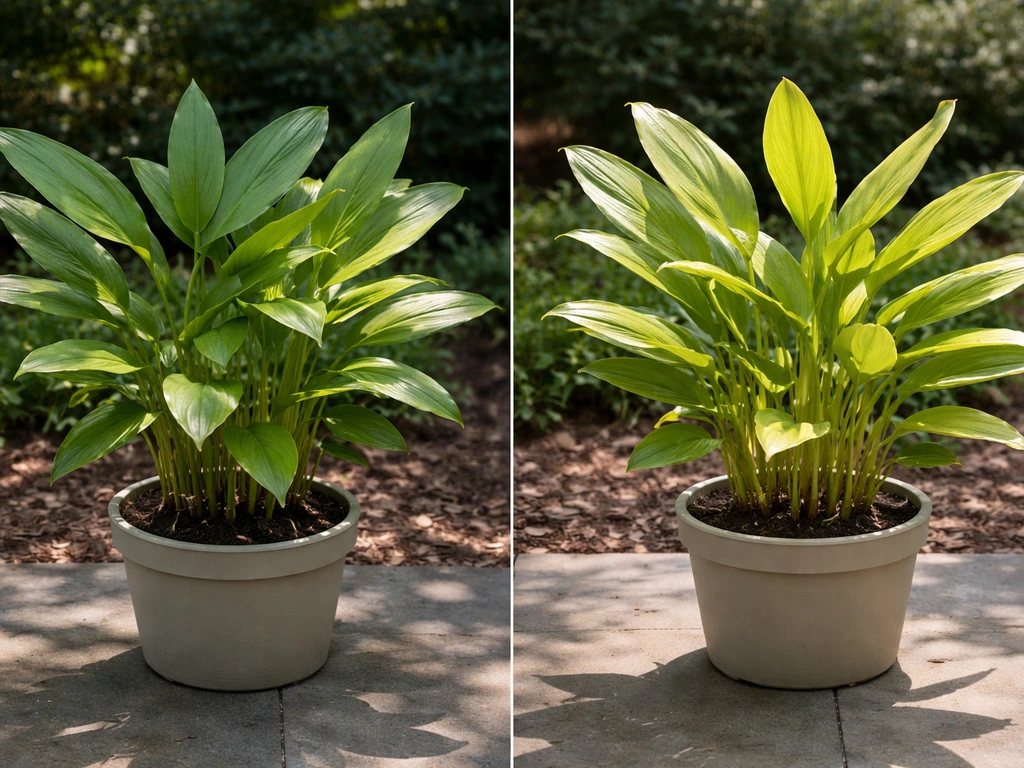
Shampoo ginger lily grows best in part shade to part sun. In its native Southeast Asian habitat, it often grows under a broken forest canopy, which filters direct sun without blocking it completely. In garden terms, that typically means 3 to 5 hours of direct sunlight per day, or dappled light throughout the day. It can handle more sun if moisture levels stay consistently high, but in a hot, dry spot with full afternoon sun, the leaves will scorch and growth will suffer. A location with morning sun and afternoon shade tends to produce the best results in most U.S. gardens.
Moisture and humidity
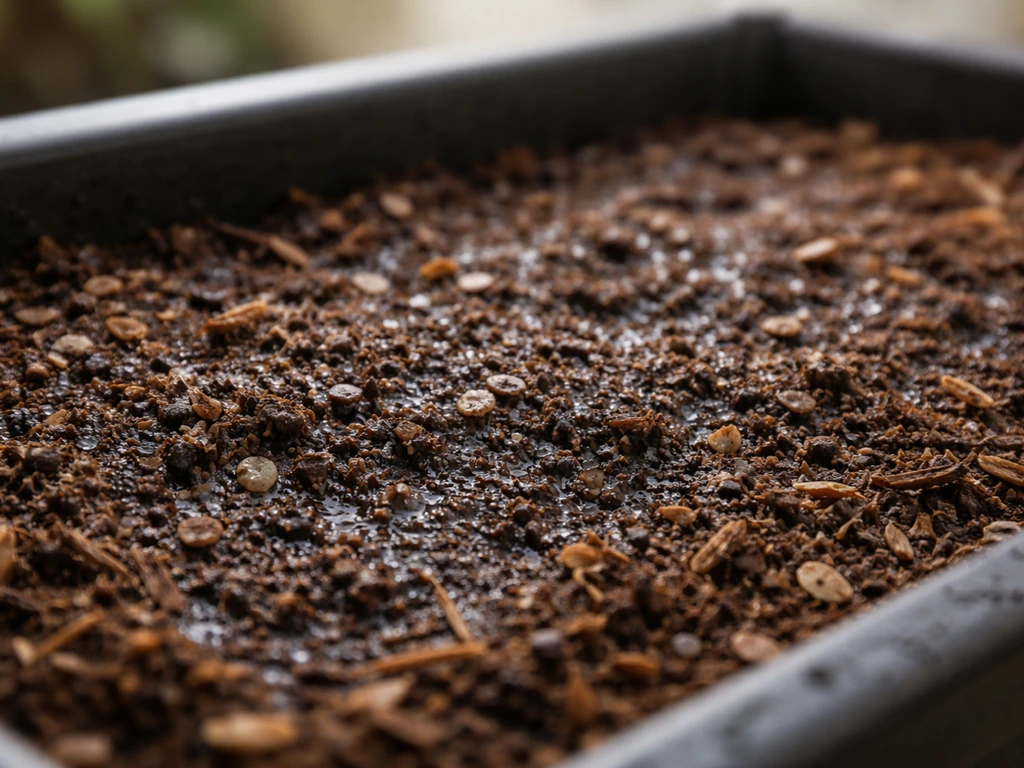
Moisture is where this plant has the strongest opinion. During the growing season (spring through fall), it needs consistently moist soil and appreciates high humidity. In a dry summer climate, you will be fighting an uphill battle without irrigation. One useful trick if you are growing it in a container is to set the pot on a tray filled with pebbles and water to boost the humidity around the plant, similar to what people do with tropical houseplants. In winter dormancy, it is the opposite: keep the soil or storage medium dry. Wet, cold conditions during dormancy are a reliable way to rot the rhizomes.
Soil
Zingiber zerumbet is reasonably tolerant of different soil types, including clay and sand, which is a bit unusual for a tropical plant. It can handle occasionally wet conditions, which makes sense given its wild habitat near water sources. What it cannot tolerate is a combination of cold and wet in winter. For garden beds, a rich, loamy soil with decent drainage works well during the growing season. For containers, a well-draining potting mix with added compost is ideal. Slightly alkaline soils are fine, so you do not need to obsess over pH the way you might with blueberries or azaleas.
Indoor vs. outdoor: where to actually place it
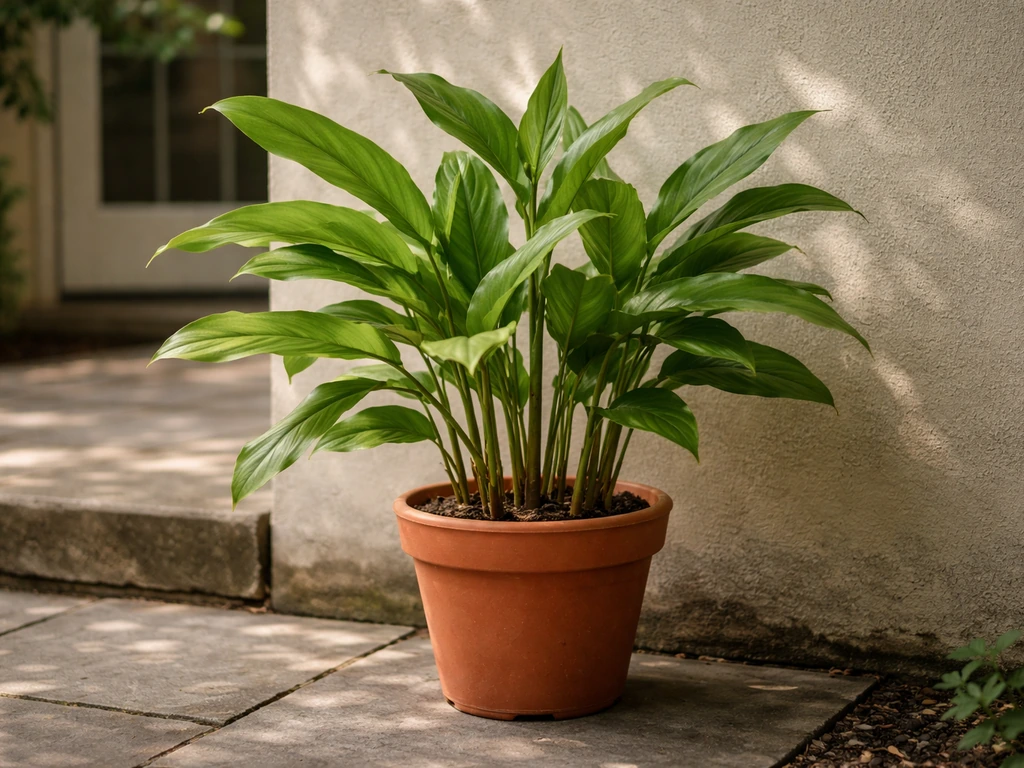
If you are in Zone 8 or warmer, your best placement is outdoors in a sheltered spot with filtered light and reliable moisture. A position near a water feature, shaded pergola, or the north or east side of a structure that blocks harsh afternoon sun is ideal. Avoid open, exposed areas with strong wind, which accelerates moisture loss from the leaves.
If you are in Zone 7 or colder, containers are your best friend. Grow it in a large pot (think 10 to 15 gallons for a mature clump) so the roots have room, then bring it indoors before your first frost date. Indoors, it will go dormant and the foliage will die back entirely. That is normal. Park it somewhere cool and dry like a basement or garage, keep the soil barely moist or let it go completely dry, and then bring it back out in spring after the last frost threat has passed. The rhizomes will resprout reliably if you have not let them freeze or rot.
If you do not want to deal with containers, you can plant the rhizomes in the ground in summer and then dig them up in fall, just like dahlias. Let them dry out a bit, then store them in a paper bag with dry potting soil or sawdust in a cool, frost-free spot over winter. This approach works well in Zone 6 and 7 for gardeners who want the lush tropical look without investing in large containers.
Where it grows as an ornamental: hardiness zone breakdown
| USDA Zone | Winter Situation | Recommended Approach |
|---|---|---|
| Zone 10+ | No frost; year-round growth possible | Plant in ground; minimal winter care needed |
| Zone 9 | Rare light frost; tops may die back | Plant in ground; mulch rhizomes in cold snaps |
| Zone 8 | Light freezes common; tops die back each year | Plant in ground with mulch or grow in containers |
| Zone 7 | Regular freezes; rhizomes at risk in ground | Containers recommended; bring indoors in fall |
| Zone 6 and colder | Hard freezes; outdoor planting not viable | Dig and store rhizomes, or grow as a houseplant |
Outside its native Asian range, it is now well established as an ornamental in Florida and Hawaii, where the combination of heat, humidity, and mild winters gives it close to ideal conditions. In the drier parts of Zone 9 like Arizona or inland California, it can be grown with irrigation, but you will need to work harder on humidity and moisture to get the lush growth it produces effortlessly in a humid subtropical climate. Unlike something like a trout lily, which is specifically adapted to cool, shaded woodland floors in temperate North America, shampoo ginger lily genuinely wants warmth and moisture and will not fake contentment in a harsh environment. If you are wondering where trout lilies grow, they are native to cool, shaded woodland areas in temperate parts of North America. Some gardeners also search for the rare pink lily form, but for this plant the best approach is still matching the warmth and humidity it needs.
How to confirm you have the right plant and check if it suits your spot
The fastest way to confirm you have Zingiber zerumbet is to look at a few key physical traits. The plant forms a clump of upright, cane-like stems that can reach 3 to 6 feet tall during the growing season. The leaves are long and lance-shaped, arranged alternately along those pseudostems. The flowering stem is completely separate from the leafy stems and emerges at ground level from the rhizome, producing that distinctive pinecone-shaped head. When the cones are mature and beginning to turn red or orange, press one gently with your thumb, and if a slippery, slightly fragrant liquid comes out, you almost certainly have shampoo ginger.
For label verification, search your plant's tag name in the Kew Plants of the World Online database or the USDA PLANTS database. If the label says Amomum zerumbet, Amomum sylvestre, or Zerumbet zingiber, those are all synonyms pointing to the same plant. Cross-referencing photos on university extension sites like UF/IFAS or NC State Extension is also useful because they provide clear photos alongside the species description.
To check if your local environment is suitable, start with your USDA hardiness zone, which you can look up on the USDA website using your zip code. The U.S. Fish & Wildlife Service provides an official species account for Zingiber zerumbet, which supports using the common name "bitter ginger" in U.S. identity and occurrence discussions blank" rel="noopener noreferrer">USDA hardiness zone. If you want to know where pink lilies grow, start by checking your climate and hardiness zone, then match it to the plant’s heat and moisture needs. Then honestly assess your summer conditions: Do you have reliably warm temperatures from spring through fall? Can you provide consistently moist soil or are you in a drought-prone area? Is there a spot in your yard with filtered light rather than punishing full sun? If you can answer yes to those three questions, you are in a strong position to grow this plant successfully outdoors. If not, a container strategy with supplemental watering and indoor overwintering is your practical next step today.
- Look up your USDA hardiness zone at planthardiness.ars.usda.gov using your zip code
- Check your plant's label against Zingiber zerumbet on Kew's Plants of the World Online to confirm identity
- Identify a garden spot with morning sun and afternoon shade, or filtered light throughout the day
- If you are in Zone 7 or colder, source a container large enough for the mature clump before planting
- Contact your local cooperative extension office for region-specific advice on growing tropical gingers in your climate
FAQ
How can I tell if the “shampoo ginger lily” I bought is truly Zingiber zerumbet?
Confirm the separate flowering stalk at ground level (beside the clump), and look for the pinecone-like inflorescence that turns red or orange. Also check whether mature cones release a clear, fragrant liquid when gently squeezed, this is a strong practical indicator even when tags use different common names.
What’s the best spot indoors if I bring it inside for winter dormancy?
Place it somewhere cool and dry with limited light, since the foliage will die back. Keep the storage medium barely moist or fully dry during dormancy, the key is avoiding wet, cold conditions that can rot rhizomes.
Can I grow shampoo ginger lily in full sun if I water more?
It may survive, but full afternoon sun plus dry air is the most common cause of leaf scorch and slowed growth. The better compromise is morning sun with afternoon shade, or dappled light, and consistent moisture so the plant never dries out during active growth.
Why does my plant look fine in summer but collapses in winter?
In most cases it is cold and wet together. Even in Zone 8, protect rhizomes with insulation mulch, and ensure winter drainage is good, because the plant can go dormant and still rot if the ground stays soggy.
Do I need to fertilize, and if so, when?
During active growth (spring through fall), light feeding supports lush foliage. Use a balanced fertilizer at reduced strength and stop feeding once temperatures begin to drop, since pushing growth late in the season can make dormancy less smooth.
How often should I water it during the growing season?
Aim for consistently moist soil rather than a set schedule. Water when the top inch begins to dry, then refill so moisture returns evenly through the root zone, containers usually need more frequent attention than in-ground plantings.
What soil should I use in a container to reduce rot risk?
Use a well-draining potting mix, and consider adding perlite or pine bark to improve aeration. The goal is moisture retention during growth, but fast drainage so the mix is not cold and saturated during dormancy.
Is it safe to leave it outdoors year-round in Zone 8?
Often yes, but not always. Plan for dieback of the tops, and add a protective mulch layer while ensuring the bed drains well. If your winter brings prolonged wet cold, you may still get better results treating it like a container plant and overwintering more protectively.
Can I propagate shampoo ginger lily from rhizomes, and when?
Propagation is typically done by dividing clumps or rhizomes when the plant is not actively growing, usually around the end of dormancy before strong new shoots start. Make sure each division has healthy rhizome tissue so it can resprout reliably.
Why do the leaves die back even when temperatures are not freezing?
Dieback can signal the start of dormancy from dropping temperatures and shorter days, or it can indicate water stress such as letting the rhizomes dry out completely during active growth. Check whether the decline began during cool, less sunny weeks, and review moisture levels versus your watering habits.
What humidity help actually works for containers?
A pebble-water tray can raise local humidity, but it does not replace adequate watering. For drier climates, also consider grouping pots together, using a sheltered microclimate, and avoiding placement near heaters or strong drying drafts.
Next Articles
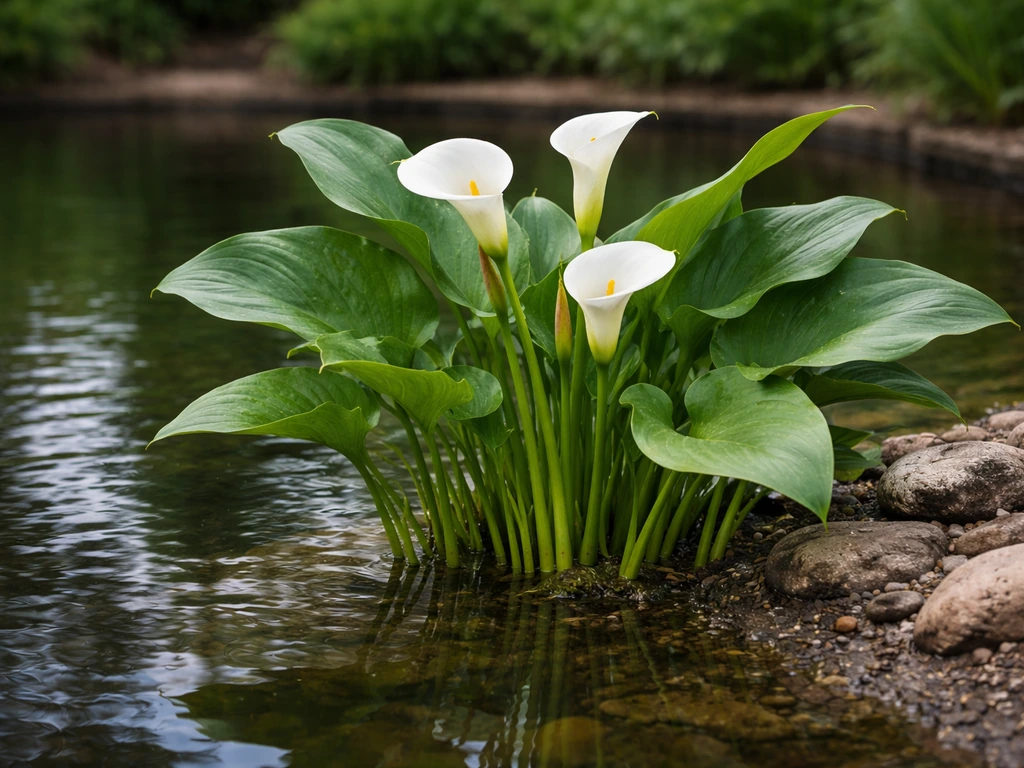
Can Calla Lilies Grow in Ponds? How to Set Up Successfully
Yes, with the right setup: water depth, substrate, anchoring, light, and overwinter care for pond or marginal calla lili
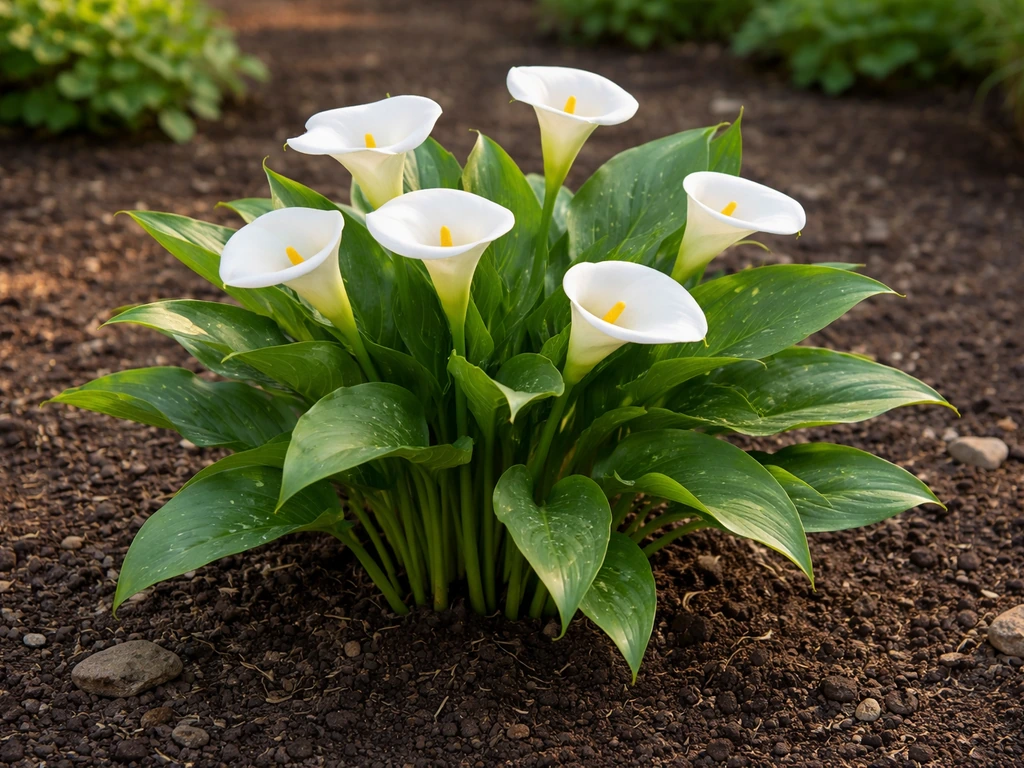
Are Calla Lilies Hard to Grow? Easy Guide for Success
Get a clear answer on are calla lilies hard to grow, plus exact light, temperature, watering, planting, and fixes.
Can Calla Lily Grow Outside? Outdoor Care by Climate
Yes, calla lilies can grow outside. Learn climate, light, soil drainage, planting timing, and fixes for no growth.