
Ginger lilies grow naturally in the moist tropical and subtropical forests of South and Southeast Asia, from the Indian subcontinent across to Taiwan and along the lower slopes of the Himalayas. In gardens, they thrive in USDA Zones 8 to 10 outdoors, and anywhere you can replicate their native conditions: consistent moisture, filtered light, humid air, and protection from frost. If you live outside that range, you can absolutely grow them in containers and bring them indoors for winter.
Where Does Ginger Lily Grow and How to Grow It
Marcus Hendricks
19 May 2026
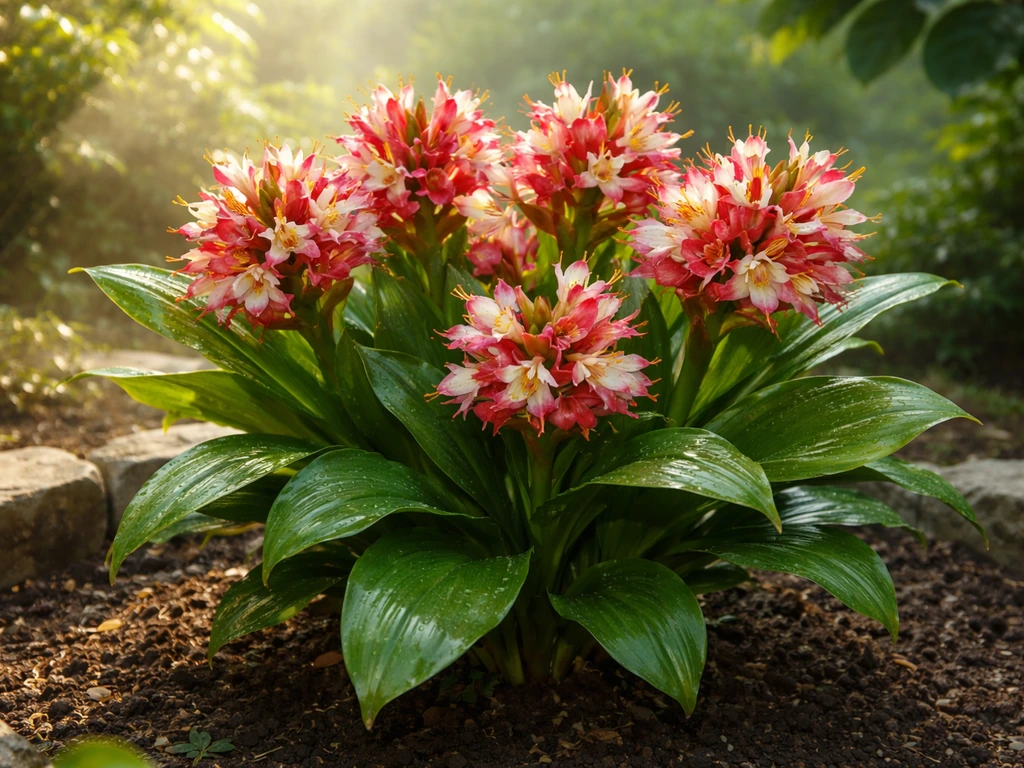
Which plant people actually mean when they say "ginger lily"
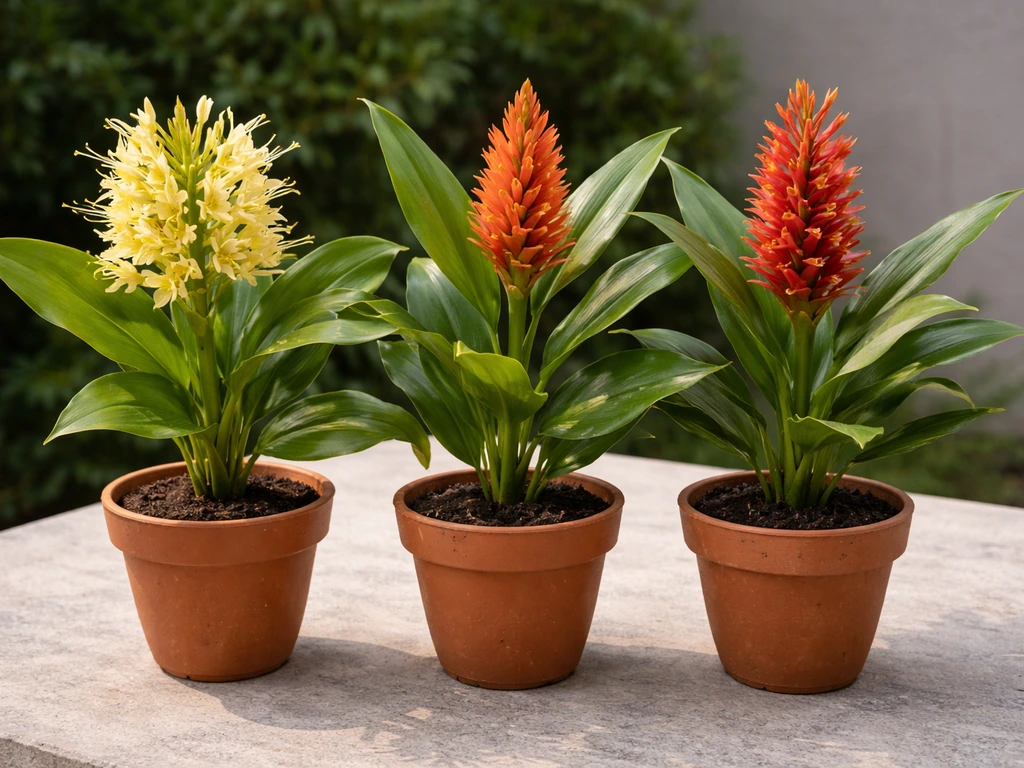
"Ginger lily" is one of those common names that gets used for several different plants, so it helps to pin down exactly which one you're dealing with before you start planning your garden. The name most often refers to plants in the genus Hedychium, a group within the ginger family (Zingiberaceae). The two species you'll encounter most in nurseries and garden catalogs are Hedychium coronarium, the white ginger lily or butterfly ginger, and Hedychium gardnerianum, called kahili ginger. You'll also see Hedychium flavescens (yellow ginger lily) and H. coccineum (red ginger lily) sold under similar names. Their growing needs are close enough that most practical advice applies across the group, but H. gardnerianum tends to be slightly hardier and more vigorous, while H. coronarium is the one most commonly labeled just "ginger lily" by extension programs and botanical gardens. North Carolina State Extension Gardener Plant Toolbox also notes that “ginger lily” is the common name for Hedychium coronarium.
Worth noting: "ginger lily" sometimes gets used for Alpinia species too, which are a related but distinct genus. If your plant has large paddle-shaped leaves and a thick, branching stem rather than the classic upright reed-like canes of Hedychium, it might be an Alpinia. The care overlaps substantially, but this article focuses on Hedychium since that's the plant most gardeners are asking about. A closely related search you might find useful covers shampoo ginger lily specifically, which has its own distinct growing quirks. Shampoo ginger lily is a type of Hedychium, and its growth habits and climate needs are similar but not identical to other ginger lilies shampoo ginger lily specifically.
Where ginger lilies come from and what that tells you about growing them
Hedychium coronarium is native to a range stretching from the Indian subcontinent to Taiwan. Hedychium gardnerianum comes from India, Nepal, and the lower Himalayan slopes. In the wild, both are found in riverine habitats, disturbed open ground, and the edges of secondary rainforests. If you're also wondering where trout lilies grow, their native range and habitat preferences can guide how to set up a suitable site where do trout lilies grow. That's a really useful picture to keep in your head: these are plants that evolved along stream banks and forest margins where the soil stays consistently moist, the canopy provides dappled light, and humidity is high year-round.
This native habitat is also why Hedychium gardnerianum has become such a serious invasive problem in places like Hawaii and the Azores. It's so well-adapted to humid, disturbed ground that it forms dense rhizome mats and smothers native vegetation. The IUCN lists it as one of the world's 100 worst invasive species. If you're in Hawaii or a similarly humid subtropical region, check your local regulations before planting it in-ground.
Climate needs: temperature, humidity, and frost tolerance
Ginger lilies are warm-weather plants. They're reliably hardy outdoors in USDA Zones 8 through 10, which means they can handle light frost but not a hard freeze. In Zone 8, the rhizomes can usually survive winter in the ground if you mulch them heavily, but in Zone 7 and below you're looking at digging them up or growing in containers you bring indoors. The RHS publishes minimum temperature guidelines for Hedychium coronarium that put the overwintering threshold in the range of just above freezing, so even a brief hard frost can damage or kill exposed rhizomes.
Humidity matters just as much as temperature. These plants evolved in humid tropical and subtropical zones, and they show it: in dry climates, leaves curl, tips brown, and flowering suffers. If you're growing ginger lilies somewhere hot and dry (think inland California or the Texas panhandle), you'll need to compensate with regular watering, mulch to retain soil moisture, and ideally a sheltered spot that traps a bit of ambient humidity.
Light and water: what ginger lilies actually want
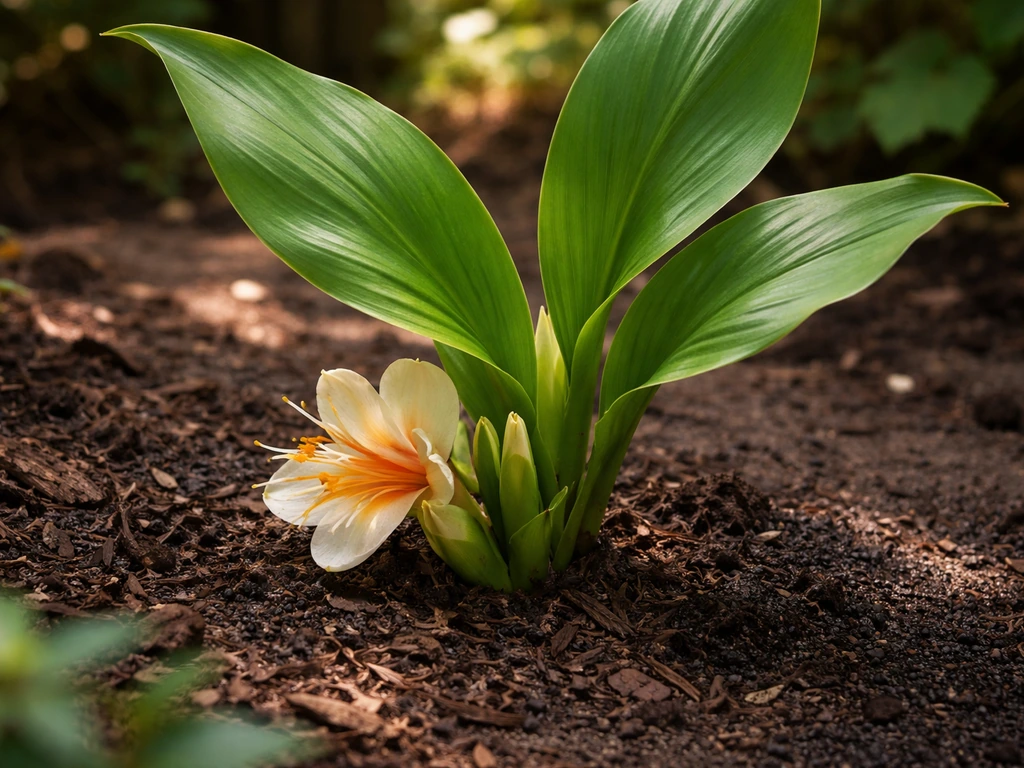
In their native riverine and forest-edge habitats, ginger lilies get bright but filtered light for much of the day. In the garden, that translates to partial shade as the ideal, especially in hotter climates. They can handle full sun if the soil stays consistently moist, but in hot, dry conditions direct afternoon sun causes leaf curl and stress. Aim for a spot with morning sun and afternoon shade, or dappled light throughout the day. In cooler, cloudier climates (the Pacific Northwest, for example), full sun is fine and actually helps encourage flowering.
Water is where ginger lilies differ noticeably from many other lily types. Unlike sego lilies, which are adapted to dry, rocky soils, ginger lilies want consistently moist conditions. Sego lilies like different conditions than ginger lilies, so it helps to know where do sego lilies grow before you choose a site or container. The key phrase here is "constant moisture without waterlogging." Their natural riverine habitat keeps roots reliably damp but not sitting in standing water. In the garden, that means regular deep watering, generous organic mulch to retain moisture, and never letting the soil dry out completely during the growing season. That said, drainage still matters: rhizomes sitting in soggy, poorly draining soil will rot, especially over winter.
Soil and site setup
In-ground planting
Ginger lilies do best in humus-rich, moisture-retentive soil that still drains reasonably well. Think of the forest floor along a stream bank: lots of decomposed organic matter, consistently damp, but not compacted or swampy. If your native soil is heavy clay or sandy and fast-draining, amend it generously with compost before planting. A slightly acidic to neutral pH (around 5.5 to 7.0) suits them well. Plant rhizomes just below the surface, about 2 to 4 inches deep, in a sheltered spot protected from strong winds, which can tatter the large leaves.
Container growing
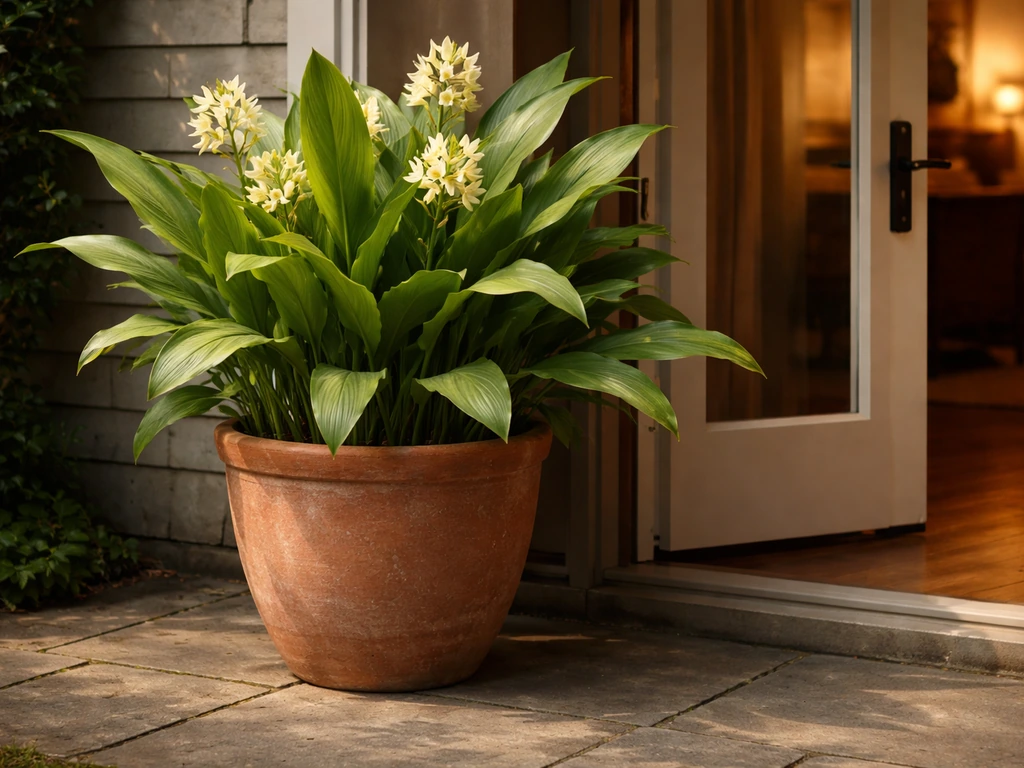
Containers work really well for ginger lilies, especially if you're in a cooler climate and need to bring them inside for winter. Use a large pot, because these are vigorous plants with spreading rhizomes and they'll outgrow a small container quickly. A large pot also provides better insulation between the roots and cold air. Fill it with a humus-rich, well-draining potting mix. The goal is the same as in-ground: consistent moisture without waterlogging. Set the container where it gets morning sun or bright filtered light.
Growing ginger lilies outside the native range
If you're in Zone 7 or colder, you have two main options: lift the rhizomes in fall and store them for winter, or grow the plants in containers year-round and bring them indoors before the first frost. Both approaches work well, and I've found container growing to be the easier long-term option if you have the space.
For in-ground plants in Zone 8 that you want to leave in place, apply a thick mulch layer (4 to 6 inches of straw or shredded leaves) over the root zone before temperatures drop. This insulates the rhizomes and reduces water loss. In colder zones, dig the rhizomes after the first light frost kills back the foliage, let them dry briefly, and store them in slightly moist conditions (not bone dry, not wet) in a cool, frost-free location through winter.
For container plants being moved indoors, bring them in before the first frost. You can overwinter them in a cool, dry, frost-free location like a basement or unheated garage (keep them above freezing), reducing watering significantly during dormancy. Or, if you want them to keep growing, move them to a bright indoor spot like a sunny window or a greenhouse and maintain regular watering. As a houseplant, ginger lily needs as much light as you can give it indoors, and appreciates the extra humidity that comes from a humidifier or a pebble tray with water nearby.
In cooler climates, choosing the right variety makes a real difference. Hedychium gardnerianum tends to be slightly more cold-tolerant than H. coronarium, and there are cultivated hybrids (like 'Tara' and 'Dr. Moy') that have been selected specifically for Zone 7 performance. If you're pushing the hardiness limits, start with one of those before investing in the species plants.
How ginger lily compares to similar plants by climate needs
| Plant | USDA Zones (outdoor) | Light | Moisture needs | Frost tolerance |
|---|---|---|---|---|
| Ginger lily (Hedychium coronarium) | 8-10 | Part shade to full sun | Consistently moist, good drainage | Light frost only; rhizomes tender |
| Hedychium gardnerianum (kahili ginger) | 8-10 (some to Zone 7) | Part shade to full sun | Consistently moist, good drainage | Slightly hardier than H. coronarium |
| Trout lily (Erythronium) | 3-9 | Part to full shade | Moderate, well-drained woodland soil | Very frost hardy |
| Sego lily (Calochortus nuttallii) | 4-8 | Full sun | Dry to moderate, excellent drainage | Cold hardy, drought tolerant |
Quick checklist: is your location a good fit for ginger lily?
Run through these before you buy. If you check most of the boxes, you're in good shape. If you miss several, container growing with indoor overwintering is your best path.
- You're in USDA Zones 8 to 10 for reliable outdoor growing (Zone 7 is possible with heavy mulching and a sheltered spot)
- Your average summer temperatures are warm and humid, not hot and dry
- You can provide at least 4 to 6 hours of bright indirect light or morning sun with afternoon shade
- Your soil is rich in organic matter and stays consistently moist but drains well (no standing water)
- You have a frost-free indoor space (cool basement, greenhouse, or sunny window) if you're in Zone 7 or colder
- You can water regularly during the growing season, not relying on rainfall alone in dry climates
- If planting in-ground in a humid subtropical area, you've checked that Hedychium gardnerianum is not invasive in your region
The most common reason ginger lilies fail to establish is a combination of too much direct hot sun and inconsistent moisture. Get those two things right, match the variety to your zone, and ginger lily is genuinely one of the more rewarding large-flowered perennials you can grow. If you’re wondering whether is pink lily rare in grow a garden, the key is picking the right cultivar and matching it to your climate and care routine ginger lily. The blooms are spectacular and the fragrance is hard to beat.
FAQ
Is ginger lily the same as “shampoo ginger,” and does that change where it grows?
“Shampoo ginger” is a Hedychium, so it generally comes from similar warm, humid origins. The main difference is how strongly it reacts to cold and dryness, so treat it like ginger lily but watch your winter plan and keep humidity steadier in dry indoor conditions.
Can ginger lilies grow in areas that get hot summers but cold winters (like Zone 7)?
Yes, but not reliably in-ground. Use containers so you can move plants indoors before the first frost, or lift and store rhizomes after light frost. Make sure containers still drain well, since overwintering success depends on avoiding soggy soil even when you water less.
Where exactly should I place ginger lily if my garden has full sun in summer?
Aim for morning light with afternoon shade, or dappled light all day. Full sun can work only if the soil never dries and the air stays humid, otherwise you will see leaf curl and reduced flowering even when irrigation seems adequate.
How can I tell if my soil is staying too wet for ginger lily?
If rhizomes sit in standing or slow-draining water, you risk rot, especially during winter. Use a drainage test (water the area and see how long it takes to drain), and consider raised beds or amended soil if water remains pooled after a heavy watering.
Do ginger lilies need shade year-round, or only during the growing season?
During active growth, filtered light or partial shade is ideal. In cooler seasons indoors or in winter storage, focus more on temperature and frost protection than light intensity, and avoid putting overwintering containers in bright, hot windows that can drive drying and stress.
What’s the best way to prevent frost damage when ginger lilies are near the edge of hardiness?
In marginal zones, use heavy mulch and also protect from wind, since wind increases moisture loss and can expose rhizomes. For borderline cold snaps, container overwintering is usually safer than relying only on mulch in-ground.
Can I plant ginger lily near streams or ponds, since it grows in river habitats?
They like consistently moist soil, but they still need drainage. Do not bury rhizomes in muck or let the container or bed remain swampy, instead keep the area damp but not waterlogged and ensure runoff after heavy rain.
Are there any signs my ginger lily has the wrong plant type, like Alpinia instead of Hedychium?
Yes. If the plant has broad, paddle-like leaves and a more branching, cane-like growth pattern rather than upright reed-like canes, it may be an Alpinia sold under a similar common name. Care overlaps, but confirming the label helps you judge cold tolerance more accurately.
Why are my ginger lily flowers sparse even though leaves are growing?
The most common causes are insufficient filtered light, dry spells, or inconsistent watering. Also verify that you are growing the right type for your conditions, since some nursery-labeled “ginger lilies” vary in vigor and flowering reliability.
Next Articles
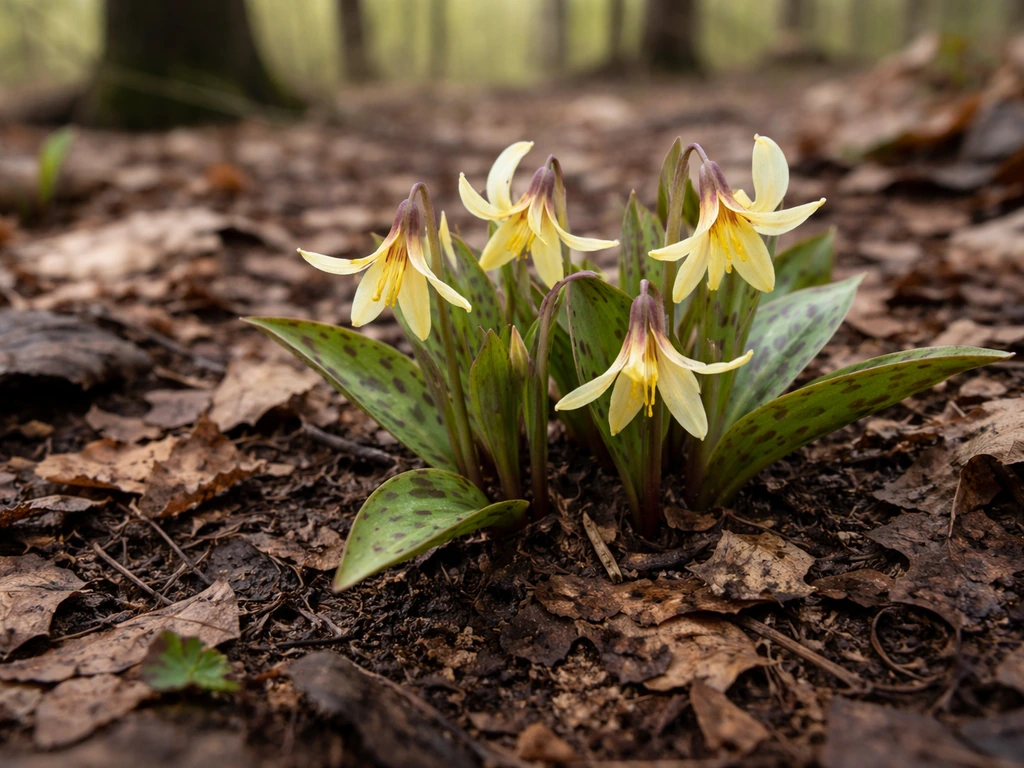
Where Do Trout Lilies Grow: Habitat and Gardening Tips
Learn where trout lilies grow in the wild and how to match forest shade, cool moist soil, and drainage at home.
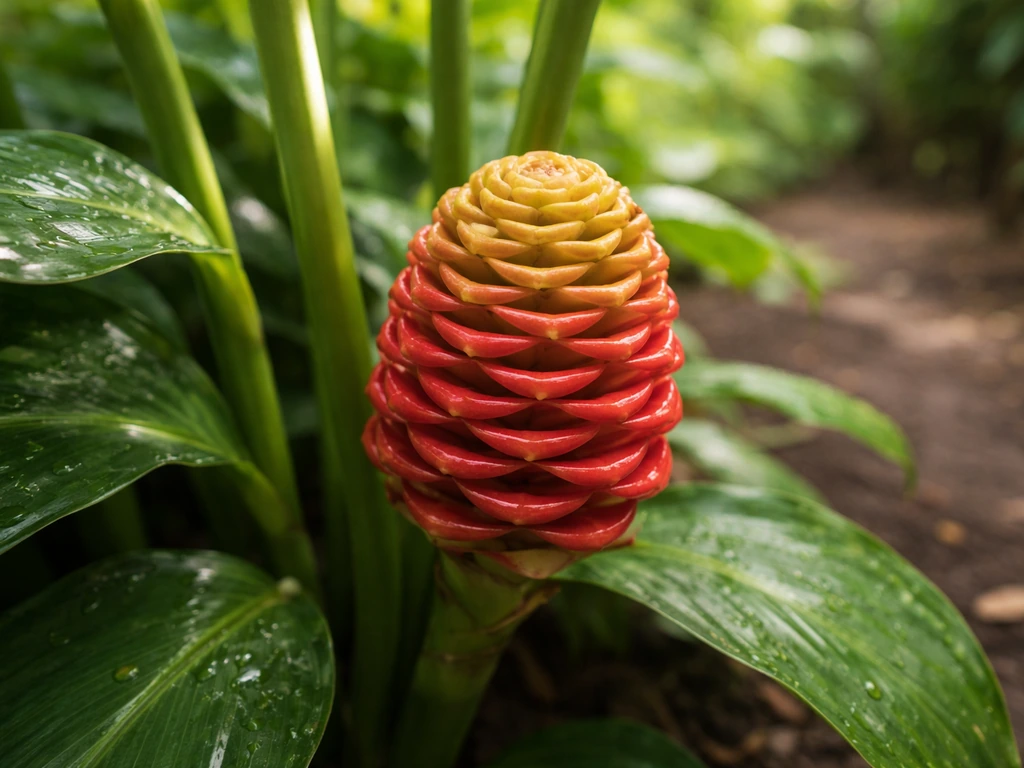
Shampoo Ginger Lily: Where It Grows and Best Placement
Find the right shampoo ginger lily and where it grows, including climate, light, moisture, soil, and best placement.
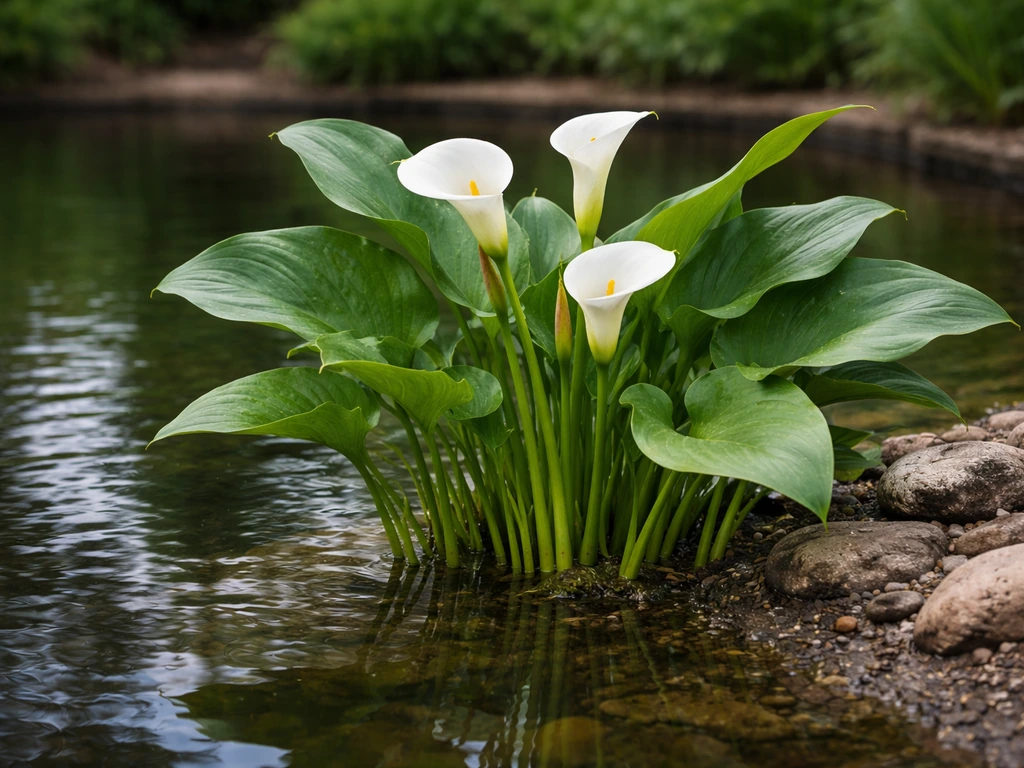
Can Calla Lilies Grow in Ponds? How to Set Up Successfully
Yes, with the right setup: water depth, substrate, anchoring, light, and overwinter care for pond or marginal calla lili