
Sego lilies (Calochortus nuttallii) grow naturally across the high desert and mountain West of the United States, from the Rocky Mountain states through the Great Basin and into the western Great Plains, at elevations between 2,300 and 10,000 feet. Ginger lilies are also native to specific warm, humid regions, so location matters for where they can grow successfully where does ginger lily grow. In the wild you'll find them in states like Utah, Colorado, Nevada, Wyoming, Idaho, Montana, New Mexico, Arizona, and the Dakotas, typically on sandy or gravelly slopes, sagebrush flats, pinyon-juniper hillsides, and desert grasslands. If you want to grow them at home, the single most important thing to understand is that they demand blank" rel="noopener noreferrer">sharp drainage and a bone-dry summer dormancy period. Get that right, and most other things fall into place.
Where Do Sego Lilies Grow and How to Grow Them
Where sego lilies actually come from
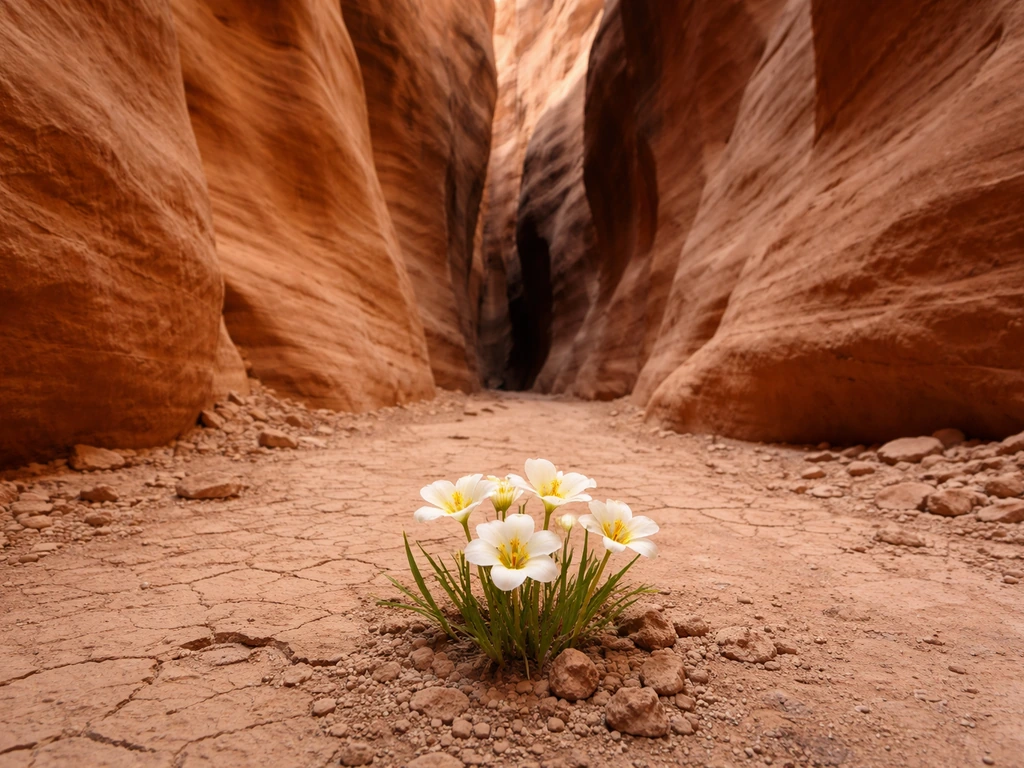
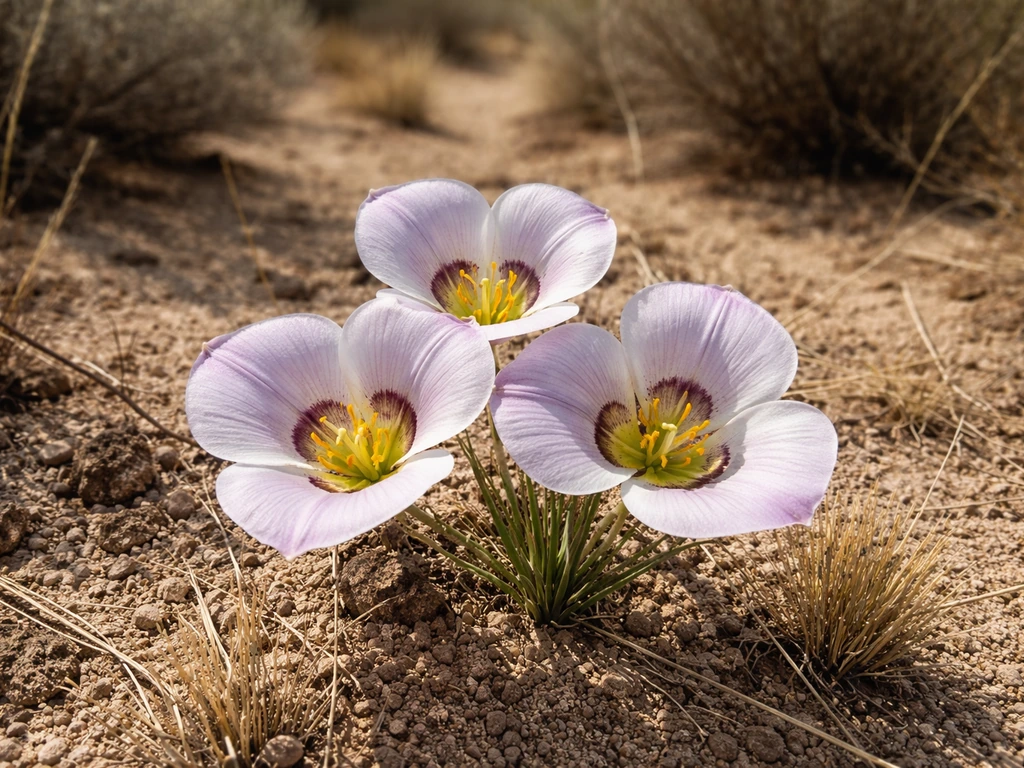
Sego lily is endemic to the western United States, meaning it grows nowhere else in the world naturally. Its core territory runs through Utah (where it's the state flower), Nevada, Colorado, Wyoming, Idaho, and Montana, with occurrences extending into New Mexico, Arizona, Nebraska, North Dakota, and South Dakota. That's a wide footprint, but the habitat stays remarkably consistent: open, dry country with fast-draining, mineral soils and strong seasonal patterns.
In places like Arches National Park, you can find sego lilies pushing up through desert shrub communities, grasslands, and pinyon-juniper woodland edges. In New Mexico, they favor sandy, gravelly, alluvial loam soils on slopes, hills, and mesas, often growing alongside sagebrush, creosote scrub, and ponderosa-oak woodlands. The elevation range is enormous (2,300 to 10,000 feet), which tells you these plants can handle cold winters and highly variable conditions, as long as summer stays dry.
The bloom window at most sites runs from April through June depending on elevation, which is a useful clue for timing your own planting and expectations. Higher elevations bloom later in that window; lower desert sites like Arches tend to bloom in April and May.
Light and site conditions that actually work
In the wild, sego lilies grow in full sun. Red Butte Garden, one of the best western native plant resources around, lists sego lily exposure simply as full sun. In cultivation, horticultural guidance notes that in relatively dry climates you can get away with part shade, but full sun (6 or more hours of direct light daily) is the safe default. If you're growing them in a wetter climate, shade only makes the moisture problem worse, so stay in full sun to help the soil dry out between waterings.
Site selection matters almost as much as soil. Think about where rain naturally runs off rather than pools. A raised bed, a slope, a south- or west-facing hillside, a rock garden, or even a gravel bed are all good candidates. A flat lawn with clay soil is basically the opposite of what sego lily wants. I'd treat site selection as 50 percent of your success before you even plant a bulb.
Soil, drainage, and pH: what the plant expects
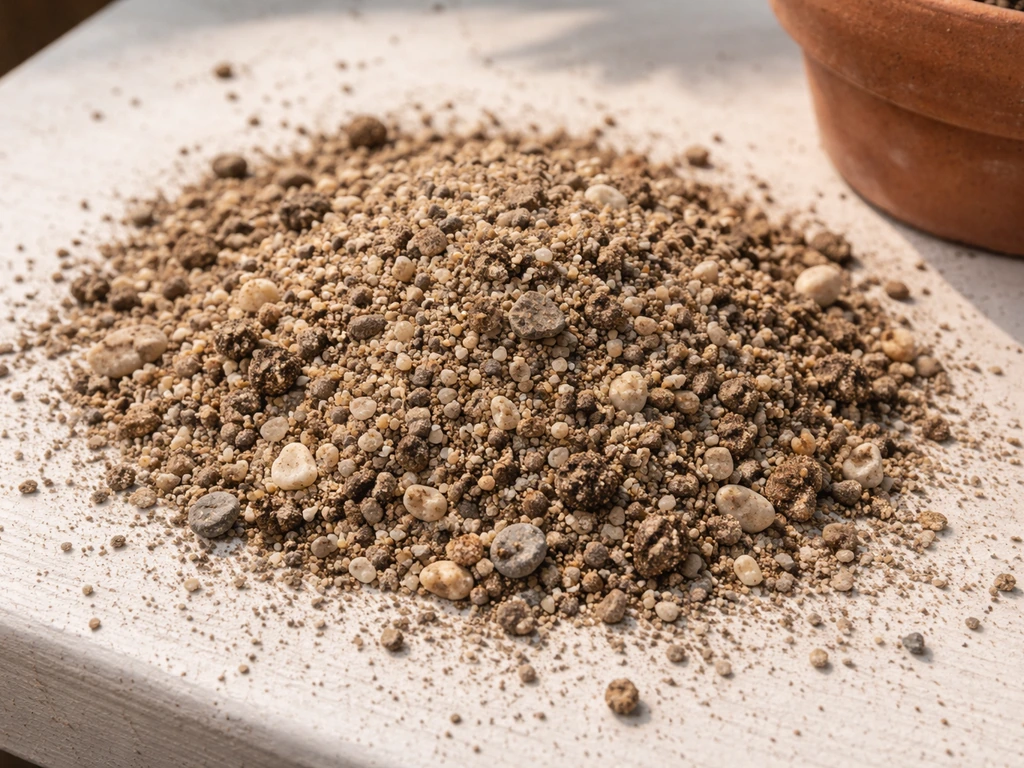
Every habitat description for Calochortus nuttallii uses some version of the same words: sandy, gravelly, or alluvial loam. These are not rich, fertile, moisture-retentive soils. They're lean, gritty soils that drain water fast and dry out quickly. If your native soil is dense, clay-heavy, or retains moisture for more than a day or two after rain, you need to amend it significantly or use a raised bed or container.
A practical mix for growing sego lilies is roughly two parts coarse sand or pea gravel to one part native soil or a lean loam. You want water to move through within hours, not days. Adding pumice is even better if you can get it, since it improves drainage while adding a bit of air space around the bulb. Avoid peat moss, heavy compost, or any amendment that holds moisture.
On pH, sego lily's native soils in the high desert West tend to be slightly alkaline, typically in the 7.0 to 8.0 range. Slightly alkaline is fine; strongly acidic soil is not what this plant is adapted to. If you're gardening in the humid East or Pacific Northwest where native soils are more acidic, you may need to add a bit of agricultural lime to bring your bed into the right range. A basic soil test from your local extension office will tell you where you stand.
Water: the pattern that makes or breaks sego lily
This is the part most gardeners get wrong, and it's where sego lily is genuinely unforgiving. The natural moisture pattern is wet-spring, dry-summer. Winter snowmelt and spring rains provide moisture while the plant is actively growing and flowering. Then summer arrives, the plant sets seed, goes dormant, and the soil dries out completely. That summer dormancy in bone-dry soil is not optional. It's how the bulb survives.
The primary killer of sego lily bulbs in cultivation is excess water during dormancy, which runs from mid-summer through fall. Bulbs that stay moist during this period simply rot. This is true of many Calochortus species, not just sego lily. I've seen growers lose entire batches because they kept the bulbs in ground that got summer irrigation from a nearby vegetable bed or lawn sprinkler system. You have to physically keep the water away from dormant bulbs.
During the active growing season (spring), water moderately and let the soil dry out between waterings. Think of it as: water when you plant or when spring growth emerges, then water once every 7 to 10 days if there's no meaningful rain, and stop watering entirely once the foliage starts to yellow and die back in early summer. That's it. After that, no supplemental water until the following spring.
Climate and temperature: who can realistically grow these
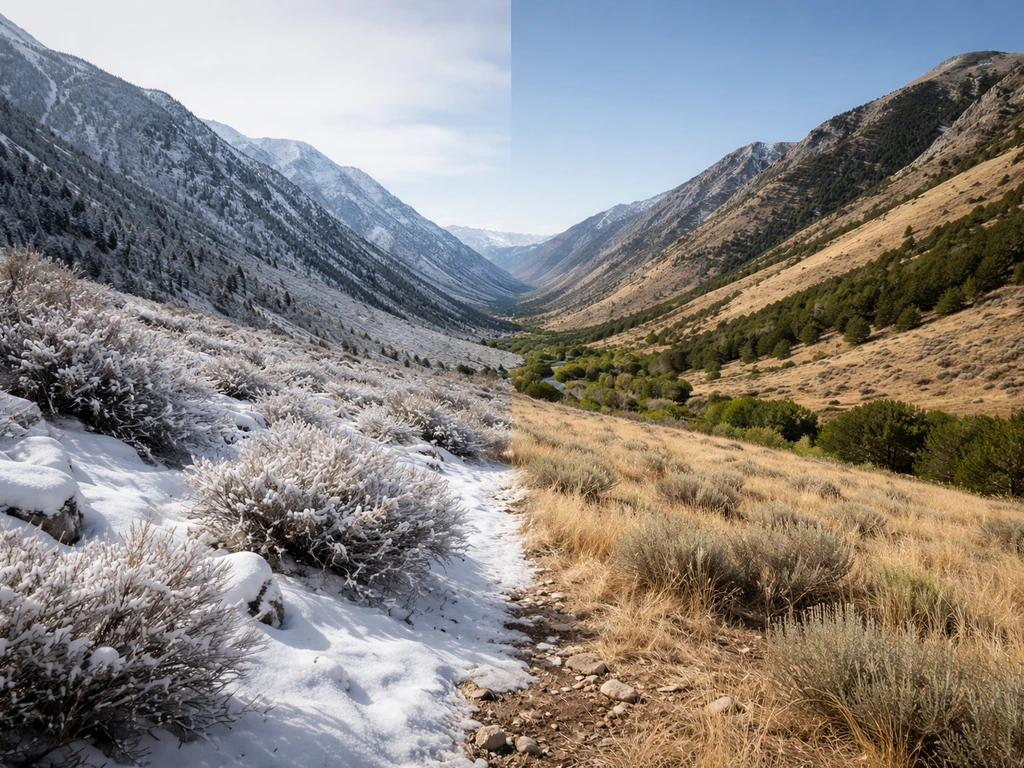
Sego lily's natural elevation range of 2,300 to 10,000 feet means it's adapted to cold winters and warm, dry summers. USDA Hardiness Zones 4 through 8 in the western United States are the sweet spot. Gardeners in the intermountain West (Utah, Colorado, Nevada, Wyoming, Idaho, New Mexico) are essentially in native territory and have the best shot at in-ground success without much fussing.
Outside the native range, the challenge isn't cold tolerance so much as summer humidity and rain. Sego lily struggles in the humid Southeast, the Pacific Northwest's wet winters, and anywhere that gets regular summer thunderstorms onto non-draining soil. If you're in the humid East or Midwest (roughly east of the 100th meridian), growing in containers is usually the smarter path because it lets you control drainage and pull the pot under cover during the wettest periods.
For container growing, use a terracotta pot (which breathes and dries faster than plastic), fill it with the same lean, gritty mix described above, and move it to a dry, sheltered location once the foliage dies back in early summer. A covered porch, a garage shelf, or any spot that stays dry works. Bring it back out the following spring as growth resumes. Indoor growing under grow lights is possible but rarely worth the trouble compared to container-plus-covered-storage.
When and how to plant sego lily bulbs
Sego lily grows from small, tunicate bulbs (meaning they have a papery outer coating, similar to a small onion). Plant them in fall, roughly the same timing as tulips and other spring-blooming bulbs. This gives them the cold winter period they need before spring growth begins.
Planting depth is 3 to 4 inches measured from the soil surface to the top of the bulb. Space bulbs about 4 to 6 inches apart. In regions with very wet winters, planting on a slope or in a raised bed with 30 to 50 percent grit in the soil mix reduces the rot risk considerably.
If you're growing from seed, cold stratification is required. Store seeds at 36 to 40 degrees Fahrenheit for 60 to 90 days before planting (a damp paper towel in a sealed bag in the back of the refrigerator works fine). Seed-grown plants take 3 to 5 years to reach flowering size, so most home gardeners find sourcing bulbs much more practical. Just make sure you're buying from reputable native plant nurseries that propagate their own stock rather than collecting from wild populations, which is both ecologically damaging and often illegal in western states.
Where to find bulbs responsibly
Several native plant nurseries in Utah, Colorado, and New Mexico carry Calochortus nuttallii bulbs in fall. Native plant societies in those states (the Utah Native Plant Society and the New Mexico Native Plant Society both have resources and plant sales) are excellent starting points. Some specialty bulb mail-order companies also carry them, but check that they explicitly state propagated stock. Avoid any source that can't confirm how their bulbs were sourced.
Why your sego lily won't grow (and what to fix)
Most sego lily failures in home gardens fall into one of a handful of categories. Here's an honest breakdown:
| Problem | Most likely cause | What to do |
|---|---|---|
| Bulb rots before blooming | Soil stays moist too long, especially in summer or wet winters | Improve drainage aggressively; add grit; consider raised bed or container; stop all summer irrigation |
| Plant comes up but never flowers | Bulb too shallow, or insufficient cold winter period | Replant at 3-4 inch depth in fall; ensure at least 8-10 weeks of cold temperatures |
| Foliage yellows and dies quickly | Often normal dormancy onset; not a problem if it happens after flowering | Do nothing; this is the natural cycle |
| No growth at all in spring | Bulb rotted during dormancy, or planted too late in fall | Dig and inspect bulbs; replace if rotted; plant fresh bulbs earlier next fall |
| Leggy, floppy growth | Too much shade or too much nitrogen fertilizer | Move to full sun; avoid fertilizing with high-nitrogen products |
| Works fine year one, fails year two | Summer irrigation from lawn or nearby beds reaching dormant bulbs | Physically separate from irrigated areas; use containers to control water |
Root rot from overwatering is the consistent thread through almost every Calochortus failure story, and sego lily is no exception. Before blaming climate or soil pH or anything else, ask yourself honestly whether the bulbs stayed dry from July through September. That single factor explains the majority of failures.
Checking if your location is a good match
The quickest way to gauge your odds is to look at your USDA Plant Hardiness Zone and your Koppen climate classification. If you're in zones 4 through 8 in the arid or semi-arid West, you're in the target range. If you're in a humid climate (anything east of Kansas City is a rough dividing line), plan for containers and covered summer storage rather than in-ground planting. Your state's cooperative extension service can tell you your zone and often has local plant guides that flag whether Calochortus species are realistic for your area.
If you love native wildflowers but find sego lily too fussy for your humid or high-rainfall garden, it's worth exploring other lily relatives that are better matched to your conditions. Trout lilies, for instance, thrive in moist woodland settings that would kill a sego lily quickly, and many pink lily varieties do well in richer, more consistently moist soils. If you're wondering where do trout lilies grow, they are happiest in cool, moist woodland areas near creeks or shaded slopes. If you're wondering where do pink lilies grow, look for climates and soils that stay evenly moist rather than dry-dormant conditions many pink lily varieties do well. Pink lily varieties can be a good alternative to sego lilies if you have a garden environment that suits them better. Matching the plant to your actual climate is always going to be easier than fighting your conditions. If you are comparing alternatives to sego lily, another good related option to research is shampoo ginger lily where does it grow so you can match the plant to your actual conditions.
Quick growing conditions summary
| Condition | What sego lily needs |
|---|---|
| Light | Full sun preferred (6+ hours); part shade only in very dry climates |
| Soil texture | Sandy, gravelly, or gritty loam; never clay or moisture-retentive mixes |
| Soil pH | Slightly alkaline, roughly 7.0-8.0 |
| Drainage | Fast-draining; water must move through within hours, not days |
| Watering (active growth) | Moderate; allow soil to dry between waterings |
| Watering (dormancy) | None; bone-dry from mid-summer through fall |
| Hardiness zones | Zones 4-8, best in arid/semi-arid western states |
| Planting depth | 3-4 inches from soil surface to top of bulb |
| Planting time | Fall (same window as tulips) |
| Elevation (natural) | 2,300-10,000 ft, but elevation matters less than drainage and summer dryness |
FAQ
Do sego lilies grow in my state if I am below 2,300 feet but still dry?
They can be viable lower than 2,300 feet in a few microclimates, but the bigger limit is often the summer dryness plus winter cooling. If your summers stay bone-dry and you still get a cold winter period, you have a better chance, use a raised bed or container to control drainage and dormancy moisture.
What kind of slope or drainage pattern works best for sego lilies?
Look for places where water naturally sheds, not just places that are dry overall. A south- or west-facing slope, a rock garden edge, or a raised bed with a gritty top dressing helps ensure rain or irrigation runoff moves through quickly, and that dormancy bulbs do not sit in dampness.
Can I plant sego lilies in a flat, sandy area if it rains a lot in spring?
Spring moisture is fine, what matters is that the site transitions to dry quickly by early summer. If your soil holds water longer than a day or two after spring rain, amend heavily with pumice, grit, or use a raised bed, and never add summer irrigation.
How do I know if my soil drains fast enough without doing major renovations?
Do a simple soak test: water thoroughly, then time how long until the area no longer looks wet. For sego lilies, you want water to move through within hours, if the surface stays damp or muddy into the next day, switch to a raised bed or container rather than relying on minor spot amendments.
Is full sun absolutely required, or will morning sun work?
Full sun is the safest default because it helps the soil dry between waterings and after spring rains. If you try partial shade, aim for bright morning sun with protection from late-day humidity, and be strict about drainage, since shade does not fix the main problem of dormancy rot.
Can I leave sego lily bulbs in the ground if my yard has an automatic sprinkler system nearby?
Avoid it. Even occasional summer spray during dormancy can rot bulbs, especially if the sprinkler wets only part of the bed. Redirect the sprinkler, create a physical barrier so water cannot reach the bulbs, or use containers that you can store under cover during the wettest weeks.
What is the safest way to water during the spring growing period?
Water enough to trigger growth, then let the soil dry down between sessions. Once foliage starts to yellow and die back, stop completely and do not resume watering until the next spring, using rain as your guide rather than watering on a fixed schedule.
Do sego lilies tolerate mulch?
Use caution. Organic mulch can keep the bulb zone slightly damp and raise rot risk during dormancy. If you mulch at all, keep it minimal and sharply avoid compost, use only very gritty, dry materials, and prioritize open, fast-draining soil around the bulb.
If my soil is too acidic, is agricultural lime always the answer?
A soil test is best, but lime can work if you truly need to raise pH. Do not treat pH alone as the solution, if drainage is poor, fixing drainage will matter more than pH adjustments for sego lily survival.
When should container-grown sego lilies be moved under cover?
Move them once foliage begins to yellow and dormancy starts, typically in early summer, and keep them under cover through fall. Containers let you control moisture during dormancy, so keep them dry even if it rains in your area.
How deep should I plant bulbs if I am growing in a raised bed or gritty container?
Use the same depth rule as in-ground, about 3 to 4 inches from soil surface to the top of the bulb. What changes is the mix quality, keep it lean and gritty so the drainage stays fast at every season, especially mid-summer.
Do sego lilies bloom the first year after planting bulbs?
Often they do not. Bulbs may take a season or two to establish, bloom timing also depends on elevation and your first-season watering timing. If you plant fall bulbs and you get no flowers, first check dormancy dryness and drainage before assuming the bulbs are poor quality.
Is it better to start from seed or bulbs for beginners?
For most gardeners, bulbs are the practical choice because seed-grown plants can take 3 to 5 years to reach flowering size. If you grow from seed, cold stratification is non-negotiable, and you still must provide sharp drainage and summer dormancy dryness later on.
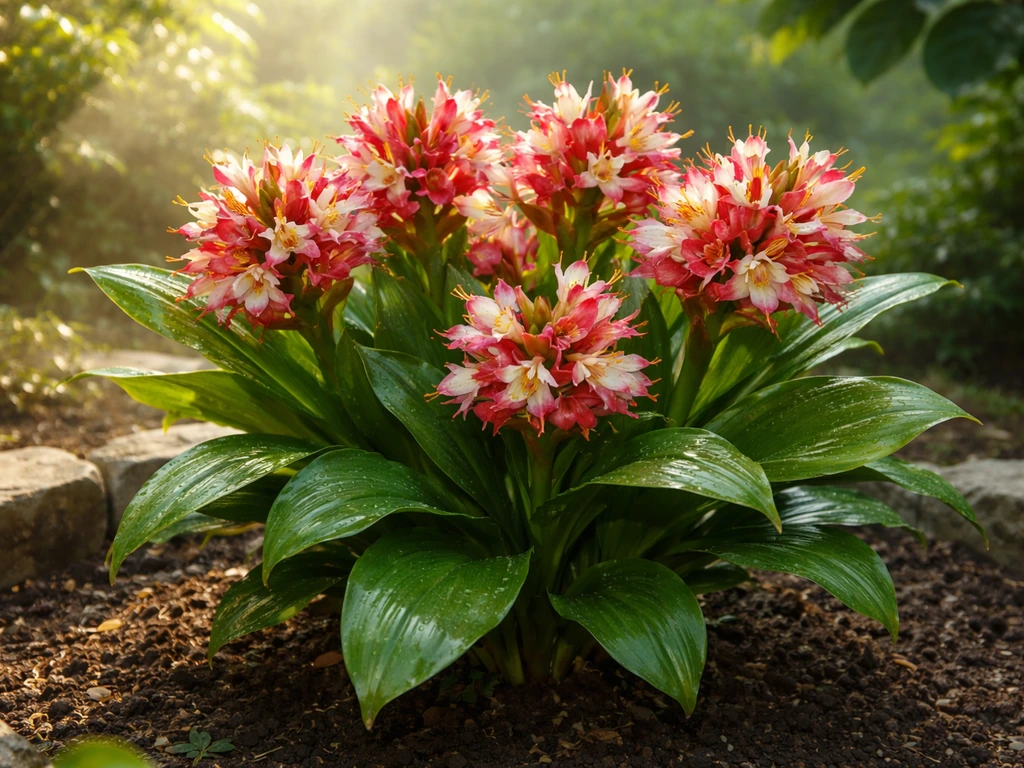
Learn where ginger lilies grow, their native climate, and how to place them outdoors or indoors for best blooms.
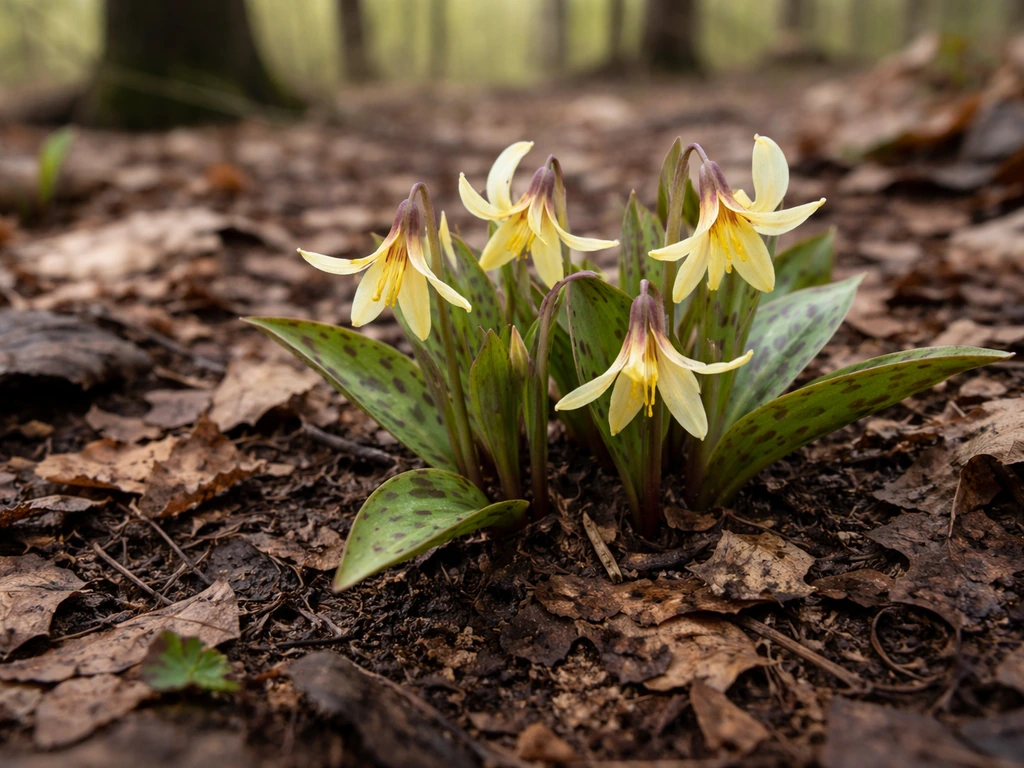
Learn where trout lilies grow in the wild and how to match forest shade, cool moist soil, and drainage at home.
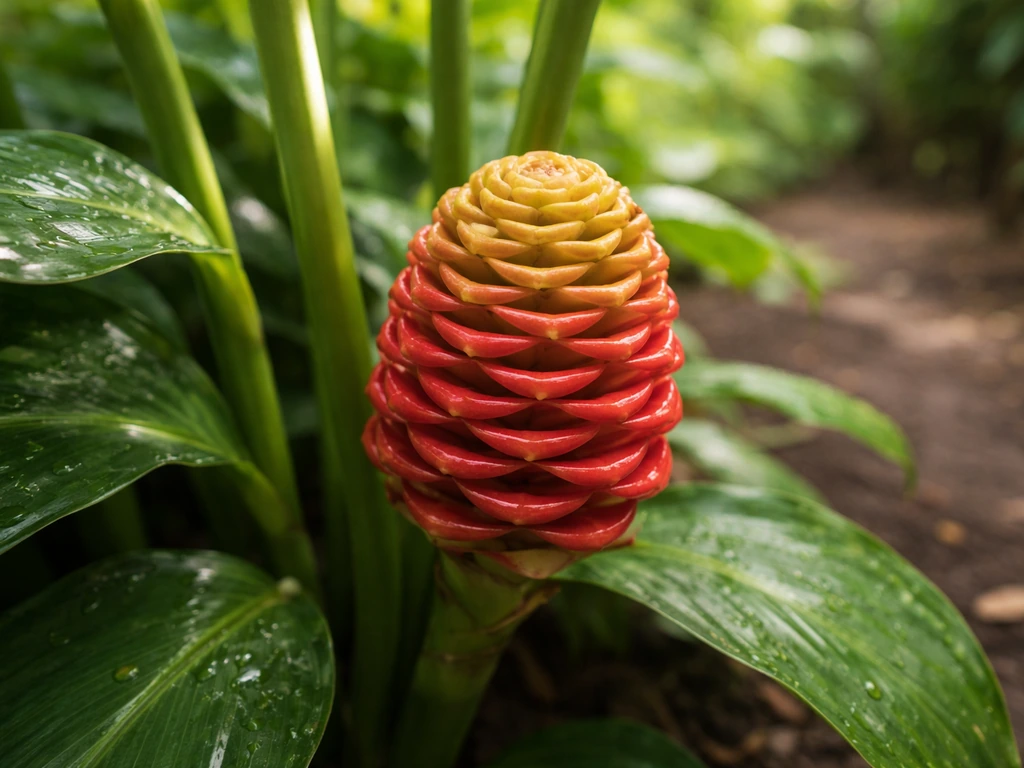
Find the right shampoo ginger lily and where it grows, including climate, light, moisture, soil, and best placement.