
If you searched 'is pink lily rare in Grow a Garden,' there's a good chance you've been playing the Roblox game Grow a Garden, not planning an actual garden bed. The 'Pink Lily' in that game is a crop entry with its own rarity tier and in-game value, and it has essentially no direct equivalent in real-world bulb catalogs. That said, if you landed here because you want to grow an actual pink lily at home, you're in great shape: pink-flowered lilies are not rare in the gardening world at all. You just need to pin down which type you mean, because 'pink lily' is more of a color description than a cultivar name, and the growing requirements vary quite a bit depending on the lily group.
Is Pink Lily Rare in Grow a Garden? How to Identify and Grow It
Marcus Hendricks
29 May 2026
Is Pink Lily rare in Grow a Garden?

In the Roblox game Grow a Garden, Pink Lily appears as a specific crop with an assigned rarity level and sell value tracked on fan wikis and game guides. Within the game's mechanics, rarity determines how hard it is to obtain a seed or crop and how much it's worth in the in-game economy. So yes, depending on the current game season and drop rates, Pink Lily can be considered a moderately rare to rare find inside that game.
The important thing to understand is that blank" rel="noopener noreferrer">the game's 'Pink Lily' label doesn't correspond to a single real cultivar you can order from a bulb supplier. It's a game asset name, not a botanical one. If you're trying to track down 'Pink Lily' in a garden center or seed catalog after seeing it in the game, you won't find an exact match because that name isn't used consistently in the horticultural trade. In Grow a Garden, a second game guide page again ties “Pink Lily” to an in-game crop identity and value, rather than treating it as a recognized real-world bulb cultivar name blank" rel="noopener noreferrer">Pink Lily' in a garden center or seed catalog. What you will find is dozens of genuinely beautiful pink-blooming lily cultivars that will do the job and then some.
How to figure out which pink lily you actually want
This step matters more than most people realize. 'Pink lily' could describe an Asiatic hybrid, an Oriental hybrid, an Orienpet (OT) hybrid, a pink daylily, a pink calla lily, or even a pink peace lily. Each group has different light needs, hardiness zones, and care routines. Getting this wrong is the number one reason people end up with disappointing results.
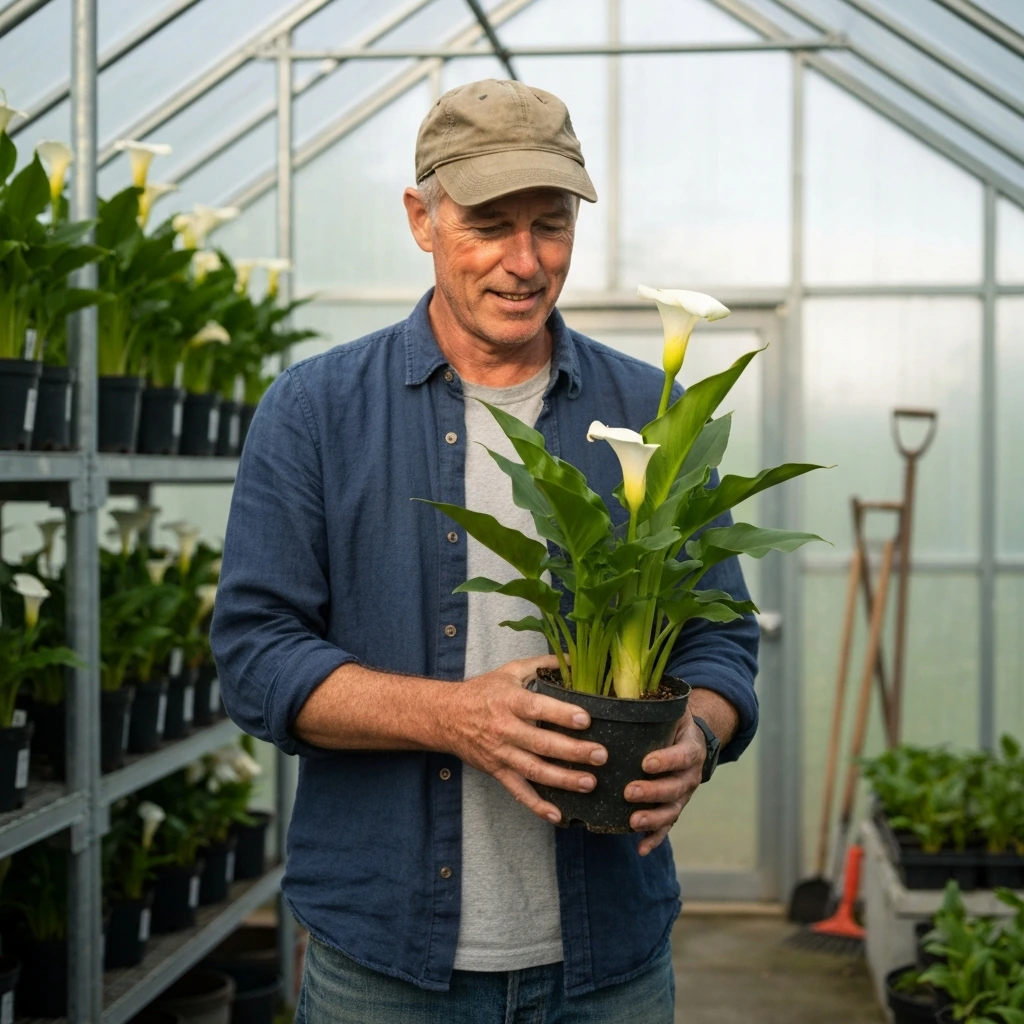
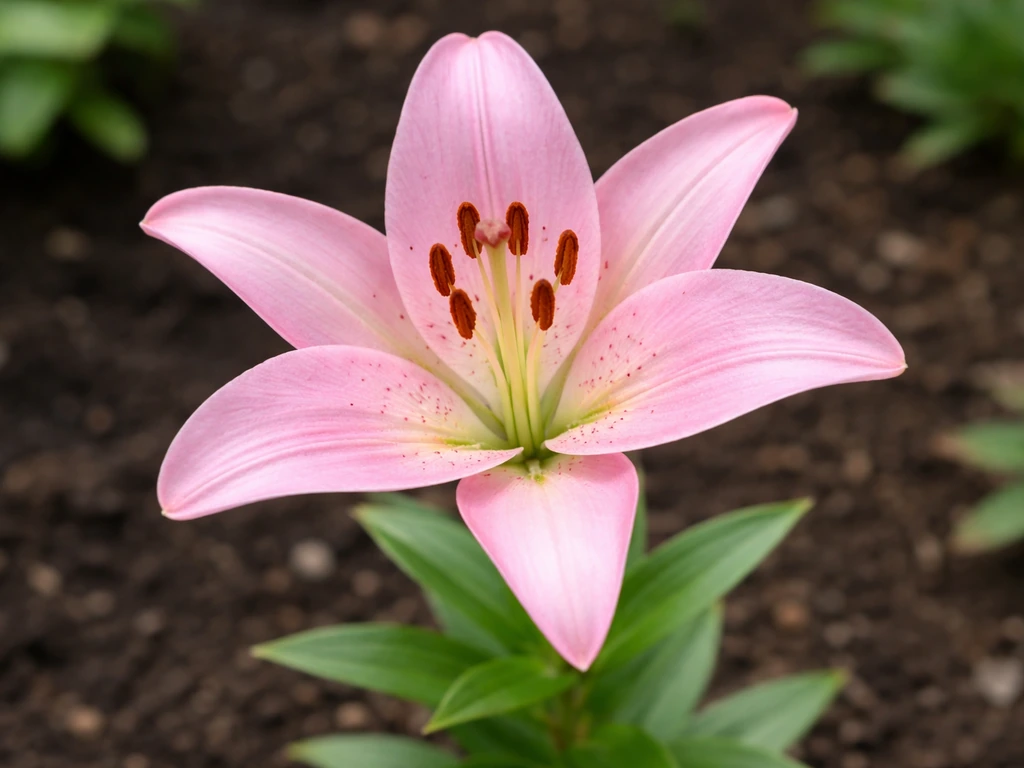
Here's a quick way to sort it out. If you want a true lily (genus Lilium) with big upward-facing or outward-facing blooms on a tall stem, you're almost certainly looking at an Asiatic or Oriental hybrid. Asiatic pinks like 'Tiny Padhye' or 'Elodie' bloom earlier (June to July), are unscented, and are the toughest of the bunch, hardy to USDA Zone 3. Oriental pinks like 'Stargazer' or 'Dizzy' bloom later (July to August), are powerfully fragrant, and need a bit more coddling, performing best in Zones 4 to 9. If you want something more tropical-looking with a funnel or chalice shape, a pink calla lily (Zantedeschia) is a different plant entirely with different soil and water needs.
| Lily Type | Bloom Time | Fragrance | Hardy Zones | Best For |
|---|---|---|---|---|
| Asiatic Hybrid (pink) | June to July | None | Zones 3 to 9 | Beginners, cold climates |
| Oriental Hybrid (pink) | July to August | Strong | Zones 4 to 9 | Fragrance gardens, warmer areas |
| Orienpet/OT Hybrid (pink) | July to August | Mild to strong | Zones 4 to 9 | Tall statement plants |
| Pink Calla Lily | Summer | None | Zones 8 to 10 (or pot) | Containers, tropical look |
| Pink Daylily | Summer (varies) | Sometimes | Zones 3 to 9 | Low-maintenance mass planting |
My honest recommendation for most home gardeners: start with an Asiatic pink hybrid. They're widely available, cheap, practically bulletproof in cold winters, and they'll reward you with blooms in their first season. If you want the perfume and drama, step up to an Oriental. Either way, you'll find far more selection and success than hunting for a vague 'Pink Lily' label.
Where pink lilies grow best
True lilies (Lilium) love sun. If you’re curious about local conditions, also check where do sego lilies grow to compare how another lily-like plant handles climate and moisture. Ginger lilies (Zingiber spectabile) are typically grown in warm, humid conditions, often as ornamentals in subtropical to tropical regions ginger lily. You can even find where trout lilies grow in the wild and use that information to mimic their preferred conditions in your garden where do trout lilies grow. If you’re wondering where do pink lilies grow best at home, aim for the sunniest spot that matches your climate zone and soil drainage needs Where pink lilies grow best. At minimum, plan for 6 hours of direct sunlight per day, but 8 hours is better. I've tried growing Asiatic lilies in a spot that got afternoon shade, and while they bloomed, the stems stretched and flopped badly. Full sun keeps them compact and the blooms vivid. In very hot climates (Zones 8 to 9), some afternoon shade helps prevent scorch, especially for Oriental types whose flowers can bleach in intense heat.
For climate zones, Asiatic pink lilies are the most forgiving, thriving across Zones 3 to 9. Oriental hybrids do best in Zones 4 to 9 and struggle in high-humidity Deep South summers where fungal diseases become a real problem. Orienpet hybrids sit comfortably in Zones 4 to 9 and handle both cold and heat slightly better than pure Orientals. If you're gardening in Zone 10 or warmer, you're better off with a pink calla lily or tropical alternatives, since true lilies need a cold dormancy period to recharge and re-bloom.
Soil, water, pots vs ground, and spacing
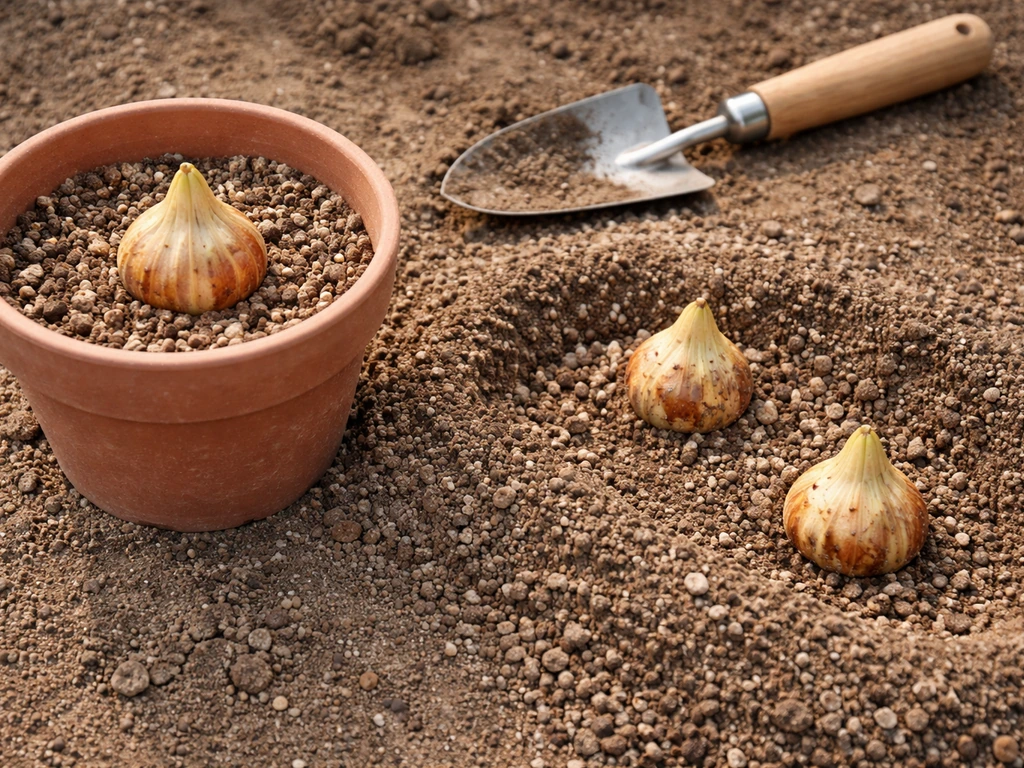
Drainage is non-negotiable for lilies. Bulbs sitting in wet soil will rot within weeks, and I learned this the hard way after losing an entire planting in heavy clay. The roots want consistent moisture, but the bulb itself needs to dry slightly between waterings. Aim for loose, well-draining soil with a slightly acidic to neutral pH of 6.0 to 6.5. If your native soil is heavy clay, amend generously with compost and coarse sand, or build a raised bed.
Water deeply once or twice a week during active growth, more in hot or dry spells. Roughly 1 inch of water per week is a reliable target. Keep water off the foliage when possible to reduce disease risk, and water at the base of the plant rather than overhead.
For spacing in the ground, plant bulbs about 8 to 12 inches apart. Closer spacing creates a fuller display but can crowd roots and reduce airflow. In containers, choose a pot at least 12 inches deep and wide, use a well-draining potting mix (add perlite if it feels heavy), and plant 3 to 5 bulbs per pot for a good show. Potted lilies dry out faster than in-ground plants, so check soil moisture more frequently, especially in summer heat. Container growing also lets you grow lilies in Zone 10 or indoors since you can control the dormancy period manually by moving the pot to a cool garage in winter.
From bulbs to blooms: timing and planting steps
The best time to plant lily bulbs is spring, after your last frost date, or fall, at least 6 weeks before the first hard frost. Fall planting gives bulbs time to establish roots before winter and often produces stronger first-year blooms. Spring planting is completely fine if that's what your timing allows.
- Loosen soil to at least 12 inches deep and mix in compost or balanced bulb fertilizer before planting.
- Plant bulbs with the pointed end up, at a depth of about 3 times the bulb's height (typically 4 to 6 inches deep).
- Space 8 to 12 inches apart, or 3 to 5 per 12-inch container.
- Water in thoroughly after planting to settle the soil around the bulb.
- Mulch with 2 to 3 inches of straw or bark to retain moisture and regulate soil temperature.
- Once shoots emerge, apply a balanced or low-nitrogen fertilizer (something like 5-10-10) every 4 to 6 weeks through the growing season.
- After blooms fade, deadhead spent flowers but leave the stem and leaves in place until they yellow naturally. This allows the plant to photosynthesize and rebuild energy in the bulb for next year.
- In cold climates (Zones 3 to 5), apply an extra layer of mulch in fall after the first frost to protect bulbs.
Most Asiatic lilies will bloom in their first season after spring planting. Orientals can sometimes take until their second year to give their best performance. Be patient with first-year plants; a single short bloom is normal as the bulb gets established.
Why your pink lily won't bloom or grow well
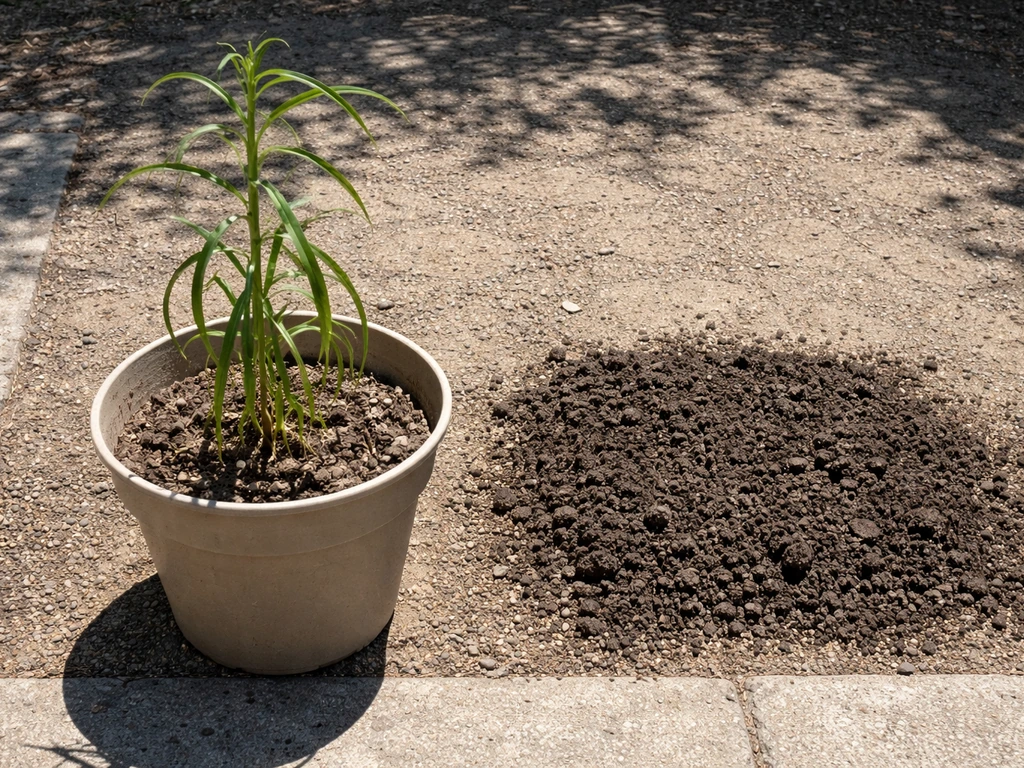
The most common complaint is 'it came up but didn't bloom.' Nine times out of ten, this comes down to one of three things: not enough sun, a bulb planted too shallow, or a bulb that was planted in poorly draining soil and is stressed from partial rot. Check your light first. Lilies in partial shade will grow but struggle to flower properly.
- No blooms, leggy stems: Almost always a sunlight problem. Move to a spot with at least 6 to 8 hours of direct sun.
- Yellowing leaves, mushy base: Root or bulb rot from waterlogged soil. Improve drainage immediately and reduce watering frequency.
- Small or no blooms after the first year: Bulbs may be too crowded. Dig and divide clumps every 3 to 4 years.
- Leaves with orange powdery spots: Lily rust, a fungal disease. Remove affected foliage and apply a fungicide; improve airflow by thinning plants.
- Holes in leaves, distorted growth: Lily leaf beetles (bright red beetles) are the likely culprit. Hand-pick and drop in soapy water or use neem oil spray.
- Wilting despite adequate water: Check for bulb rot or vine weevil larvae in the soil attacking roots.
- Weak growth year over year: Soil may be depleted. Top-dress with compost each spring and resume a feeding schedule.
Oriental lilies are especially sensitive to high humidity and poor airflow, which is why they can struggle in hot, muggy climates. If you're in the Southeast or Gulf Coast and your Orientals keep disappointing you, switching to Asiatic or Orienpet hybrids is a smarter move than fighting the conditions.
How to find pink lilies and improve your chances of getting them to grow
Pink lily bulbs are genuinely easy to find. Any major garden center, hardware store garden section, or online bulb retailer will carry multiple pink Asiatic and Oriental cultivars from August through spring. Online bulb specialists like Dutch bulb importers offer the widest selection and usually sell fresher stock than box stores. Look for firm, plump bulbs with no soft spots or mold; size matters, and larger bulbs almost always produce stronger first-year blooms.
If you want a specific named cultivar, searching by the cultivar name (for example, 'Elodie Asiatic lily' or 'Stargazer Oriental lily') will get you further than searching 'pink lily.' Specialty lily societies and perennial plant swaps are also worth exploring, especially if you're after unusual or heritage varieties. Unlike plants you'd find when researching where pink lilies grow in the wild (which is a different question entirely), garden cultivars are purpose-bred for reliable performance and consistent color. If you’re also curious about ginger lilies, this guide explains how to identify shampoo ginger lily and where it grows naturally shampoo ginger lily where does it grow.
For propagation, true lilies spread naturally through offsets (small bulblets that form alongside the main bulb) and bulb scales. Every 3 to 4 years, dig your clump in fall, separate the offsets, and replant them. Within a couple of seasons you'll have a significantly larger planting from your original purchase, which is one of the best things about growing lilies: a modest investment turns into a growing collection over time. Some Asiatic varieties also produce aerial bulbils in the leaf axils along the stem; you can harvest these and grow them on as well, though they take 2 to 3 years to reach blooming size.
If you want to grow from seed, be aware that most named hybrid cultivars won't come true from seed and the process takes 3 to 5 years to reach bloom. Stick to bulbs or divisions unless you're specifically interested in breeding or species lilies. For practical gardening purposes, buying quality bulbs from a reputable supplier and dividing them regularly is the fastest and most reliable path to a lush, repeat-blooming pink lily display.
FAQ
If pink lily bulbs are sold, why does it feel like “pink lily” is rare?
In real gardens, pink-flowered lilies are generally not rare, but “pink lily” is a vague description. The rarity depends on the exact lily group and cultivar you pick, for example an Asiatic pink like Elodie is usually easy to find, while specialty heritage or limited-edition cultivars may sell out quickly.
How can I tell if “pink lily” is a true lily (Lilium) or a different plant?
Look for genus Lilium on the bulb label to confirm it is a true lily. If the label is Zantedeschia, you are buying a calla lily, and if it is not a Lilium species, the care plan (including cold dormancy, watering, and soil preferences) can be very different.
What is the right planting depth for pink lilies so they actually bloom?
Planting depth matters most for stability and flowering. A common rule is to cover bulbs with about 2 to 3 times their own height of soil, then mulch lightly. If you bury too shallow, stems can flop and flowering can suffer, especially for Orientals.
What should I do differently for pink lilies in humid climates, especially for Orientals?
If your summers are humid, the safest approach is to prioritize airflow and drainage, and often choose Asiatic or Orienpet types. Orientals can work with extra ventilation and careful watering at the base, but persistent humidity increases the chance of bud blast and fungal issues.
Can I grow pink lilies in Zone 10 or warmer, and will they rebloom?
Lilies need a cold rest period to reliably rebloom, so in warmer climates (around Zone 10 and above) they can underperform outdoors unless you control dormancy. A practical option is growing in containers so you can move pots to a cool, frost-free or refrigerated location for the required rest period.
My pink lily sprouted but didn’t bloom, what are the most likely causes beyond sun?
Don’t automatically assume the bulb is “bad” if you get leaves but no flowers the first year. First-year bloom delays are common, especially with Oriental hybrids. Recheck sun exposure and bulb depth, then expect better flowering in year two for Orientals.
Is container growing safer than planting in clay soil for pink lilies?
Yes. In-ground lilies can rot quickly in heavy clay or low spots, and containers can become waterlogged if the mix stays soggy. Use a well-draining mix, ensure drainage holes are clear, and avoid keeping the pot in a saucer with standing water.
When should I fertilize pink lilies, and what should I avoid?
For most true lilies, don’t fertilize right at planting. Instead, feed when shoots are actively growing, then avoid high-nitrogen overfeeding that encourages foliage but weak flowering. Also stop or reduce feeding after blooming to help the bulb prepare for dormancy.
When is the best time to divide pink lilies, and how long until I see better flowering?
If you want more blooms faster, divide and replant at the right time. Dig and separate offsets in fall, then replant promptly so roots establish before winter. In most cases, expect noticeable improvement over the next one to two growing seasons.
If I saw “Pink Lily” in Grow a Garden, what should I search for in real bulb catalogs?
The “pink lily” label in a marketplace or game is not a reliable match to a single cultivar. The closest real-world substitute is to choose a pink Asiatic or pink Oriental hybrid based on bloom timing and fragrance, then buy by the cultivar name on the bulb tag for consistent results.
Next Articles
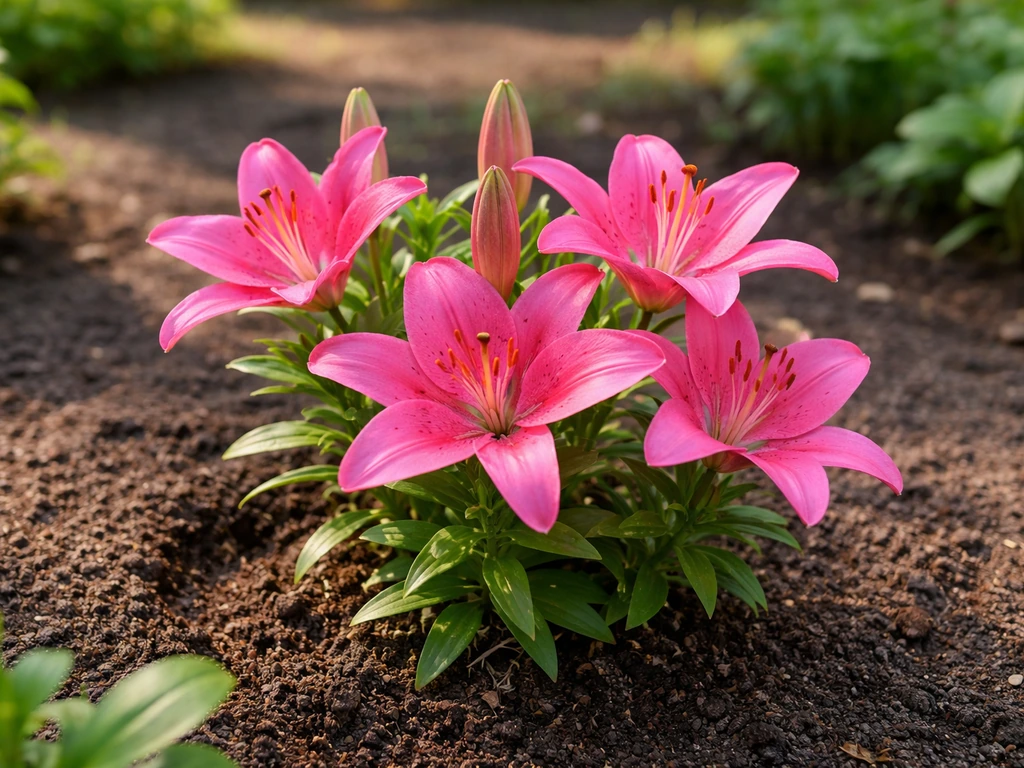
Where Do Pink Lilies Grow Best? Climate, Soil, and Care
Learn where pink lilies grow best by climate, light, soil, drainage, and moisture needs, plus indoor and winter care tip
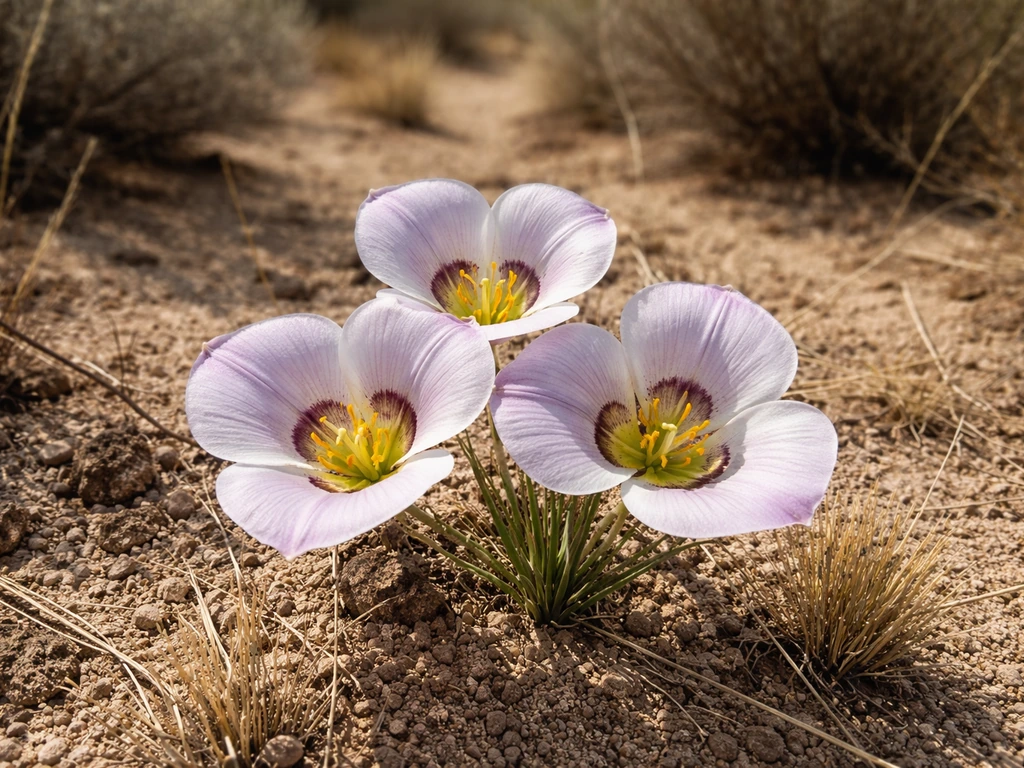
Where Do Sego Lilies Grow and How to Grow Them
Learn where sego lilies grow naturally and the light, soil, moisture, and climate to grow them at home.
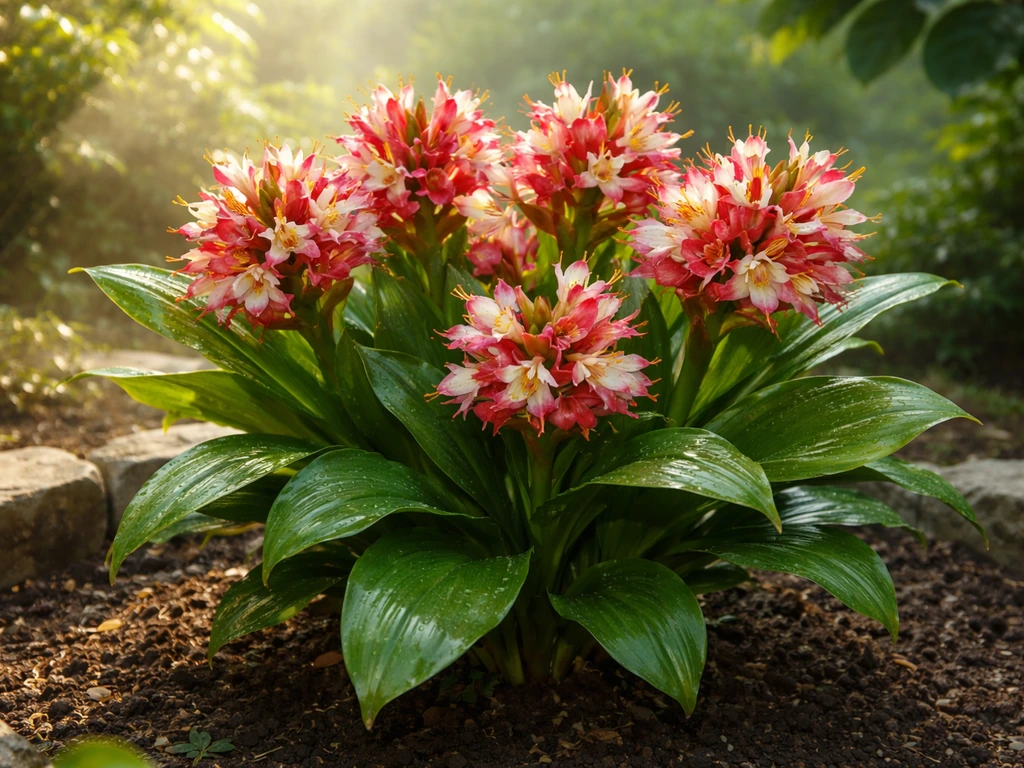
Where Does Ginger Lily Grow and How to Grow It
Learn where ginger lilies grow, their native climate, and how to place them outdoors or indoors for best blooms.