
Daylilies grow best in a spot with at least 6 hours of direct sun per day, well-drained soil with a pH between 6.2 and 6.8, and consistent but moderate moisture. That is why it helps to know whether can daylilies grow in water, since waterlogged conditions can still harm them. That is the short answer. If you can give them those three things, you will almost certainly get healthy plants and reliable blooms. The rest of this guide breaks down exactly what that looks like in a real yard, how to check whether your space qualifies, and what to do when it does not quite measure up.
Where Do Daylilies Grow Best and How to Choose a Spot
Marcus Hendricks
22 Apr 2026
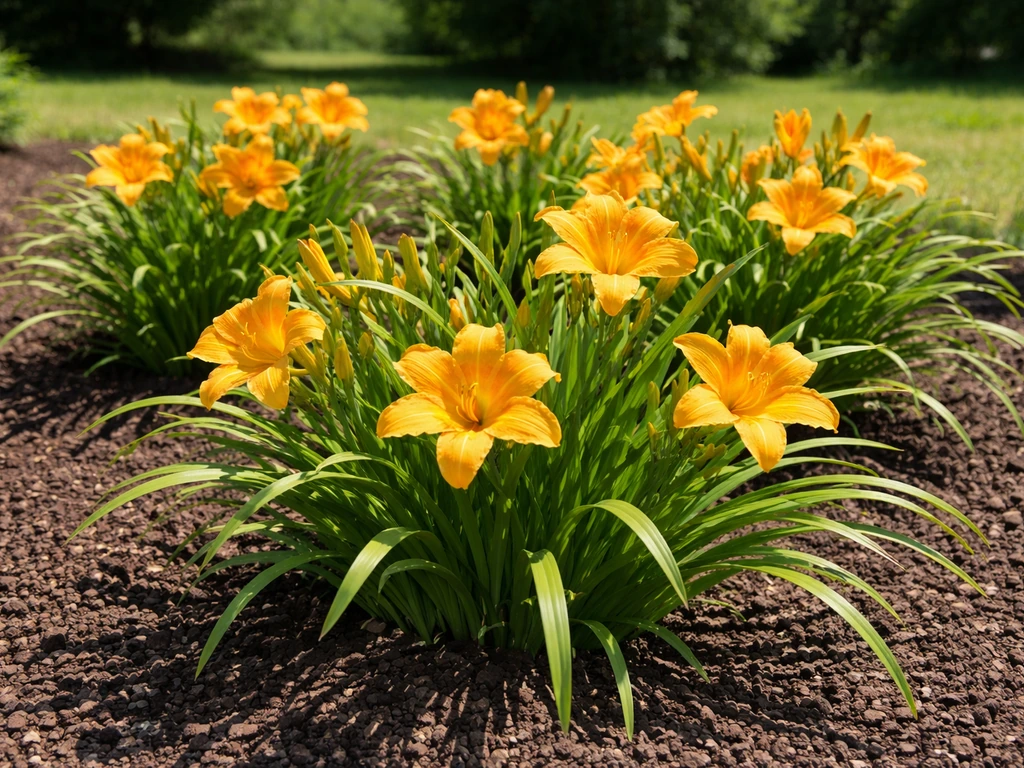
What 'where daylilies grow' really means for your yard
When gardeners ask where daylilies grow, they usually mean one of two things: which region or climate can support them, or which specific spot in the yard will give the best results. Both questions matter. Daylilies (genus Hemerocallis) are not true lilies, by the way. North Carolina State Extension is clear on this point, and it is worth knowing because true lilies have different needs. Daylilies are tough, adaptable perennials that tolerate a surprisingly wide range of conditions, but 'adaptable' does not mean 'grows anywhere.' Picking the right spot is still the single biggest factor in whether your plants bloom heavily or just sit there looking adequate.
The core site requirements come down to light, drainage, and competition. A daylily planted under a large tree, for example, loses on all three fronts: reduced sunlight, possible root competition for water and nutrients, and sometimes compacted soil. That one placement mistake accounts for a huge percentage of disappointing daylily results. Start by thinking about your yard in terms of those three factors before you dig a single hole.
Best light levels: full sun vs partial shade
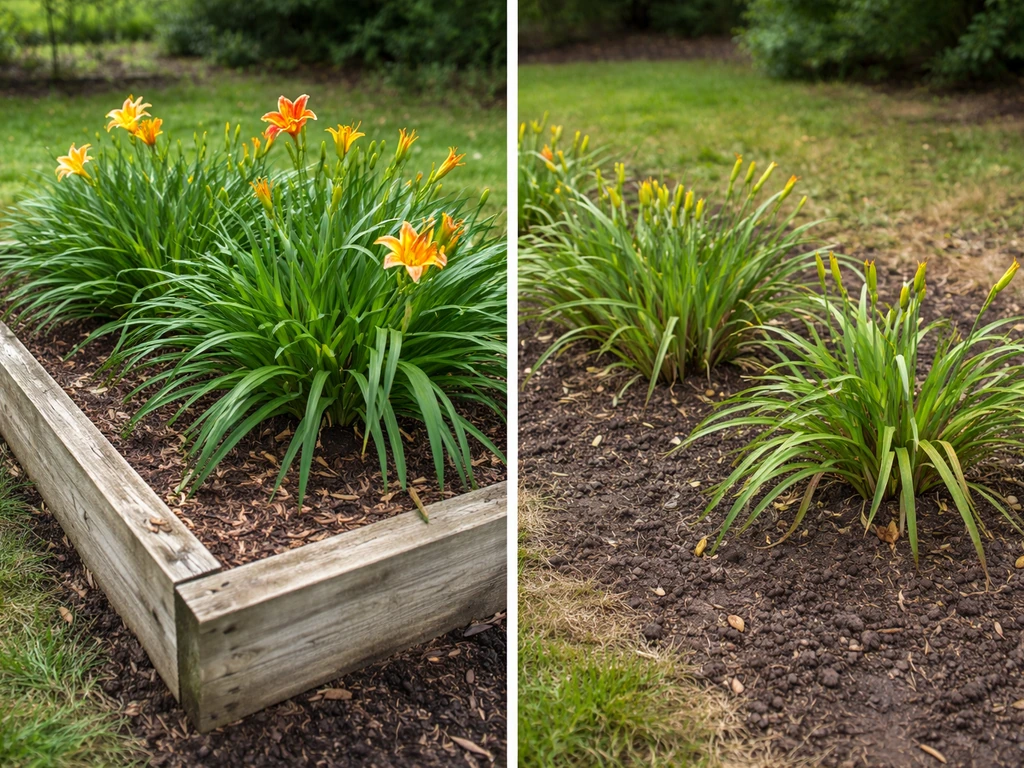
Full sun is what daylilies genuinely want. Both the American Daylily Society and the University of Minnesota Extension are consistent on the minimum: 6 hours of direct sunlight per day. Missouri Botanical Garden bumps that recommendation up slightly, suggesting 6 to 8 hours for the best bloom performance. If your spot falls below 6 hours, expect noticeably fewer flowers. The plants may survive and look green and healthy, but you will be disappointed come bloom season.
Partial shade can work, but the type of shade matters a lot. Afternoon shade is actually the ideal compromise in hot climates. If your bed gets full morning and midday sun but is shaded from about 3 p.m. onward, that is close to perfect in a hot summer region because the plants get their full light hours while being protected from peak heat. What you want to avoid is morning shade, which delays photosynthesis during the best part of the day and reduces total light accumulation. In Florida and similar climates, UF/IFAS describes the ideal as 'full sun or filtered shade,' which matches this logic well.
One practical check: stand in your candidate spot at 10 a.m. and again at 2 p.m. on a clear day. If it is sunny both times, you are almost certainly fine. If it is shaded at either point, start counting actual sun hours across the day before committing to that location.
Soil and drainage requirements for thriving daylilies
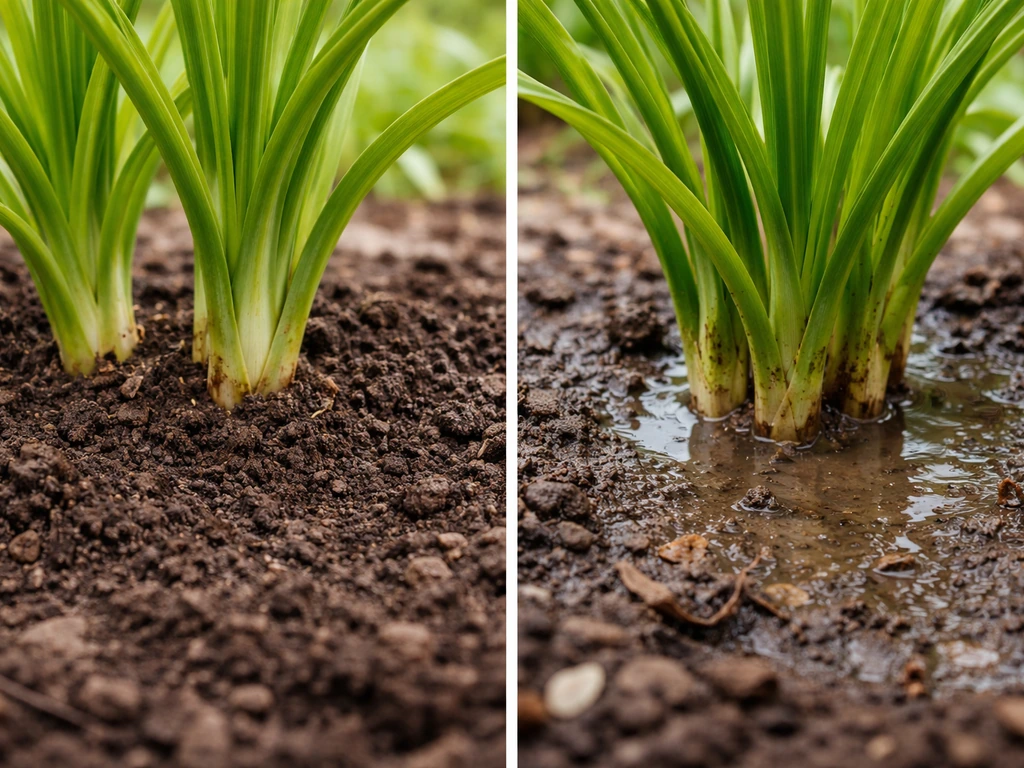
Daylilies are adaptable to a wide range of soil types, but there is one non-negotiable: the soil must drain well. Missouri Botanical Garden points out that daylilies are shallow-rooted, with the most critical zone being the upper 6 inches of soil. If water pools in that zone after rain, you have a problem. Crowns sitting in standing water even for extended periods invite fungal and bacterial rots, including Phytophthora, which can kill plants quickly.
American Daylily Society also lists Fusarium and Phytophthora among the organisms that can cause crown and root rots, and it notes bacterial soft rot involving Erwinia Crowns sitting in standing water even for extended periods invite fungal and bacterial rots, including Phytophthora, which can kill plants quickly. . Clemson's Home and Garden Information Center identifies poor drainage combined with high temperatures as a primary trigger for soft rot, one of the most common daylily killers.
For pH, aim for 6.2 to 6.8, with 6.5 being the sweet spot according to UF/IFAS. Loose soil rich in organic matter helps on multiple fronts: it improves drainage in heavy clay, helps sandy soil retain just enough moisture, and supports the root system without compaction. If your soil is heavy clay, work in compost before planting. If it is very sandy, organic matter helps buffer against drying out too fast.
When you plant, set the crown about 1 inch below the soil surface, as recommended by the University of Minnesota Extension. Deeper than that and you risk crown rot; shallower and the plant may heave in freeze-thaw cycles. After planting, apply about 2 inches of organic mulch around (not on top of) the crown. Missouri Botanical Garden recommends this specifically to regulate soil moisture and temperature without smothering the crown.
Climate and zone fit: temperature, winter survival, and heat
Daylilies are genuinely hardy across a wide range. Fine Gardening puts the baseline at USDA Hardiness Zone 4 and warmer, and a University of Maryland Extension guide extends that range to Zone 10 for heat-tolerant cultivars. That covers most of the continental United States, which is one reason daylilies are so popular.
Where it gets nuanced is foliage type. Traditional daylilies are dormant in winter, dying back completely and re-emerging in spring. But the University of Minnesota Extension notes that modern cultivars include semi-evergreen and even fully evergreen types that stay green through winter and can still perform well in cold climates like Minnesota.
In warm climates like the deep South and Florida, evergreen cultivars tend to thrive, while dormant types may not get the cold signal they need to reset and bloom reliably. Can lily grow in tropical climate? Can lilies grow in the Philippines depends on your local heat, humidity, and drainage, plus choosing a lily type suited to tropical conditions.
If so, the same idea applies: choose a cultivar matched to your heat and humidity, and keep drainage excellent to prevent rot. This is why choosing a cultivar suited to your specific region matters as much as picking the right spot in your yard. Daylilies are what UMN Extension calls 'regional performers,' meaning local cultivar selection is key.
Heat is generally less of a problem than gardeners expect, especially with afternoon shade in very hot climates. However, high temperatures combined with poor drainage and poor air circulation create the conditions for soft rot. If you are gardening in a hot, humid region, spacing plants for good airflow and prioritizing drainage become even more important.
| Climate/Zone | Recommended Foliage Type | Key Placement Consideration |
|---|---|---|
| Zone 4–5 (cold winters) | Dormant or semi-evergreen | Full sun essential; mulch crowns for winter protection |
| Zone 6–7 (moderate) | Any type | 6+ hours sun; standard drainage prep sufficient |
| Zone 8–9 (hot, humid South) | Evergreen or semi-evergreen | Afternoon shade helps; drainage is critical; airflow matters |
| Zone 10 (subtropical/tropical) | Evergreen varieties only | Filtered shade acceptable; heat and humidity management key |
Watering needs and moisture balance in real gardens
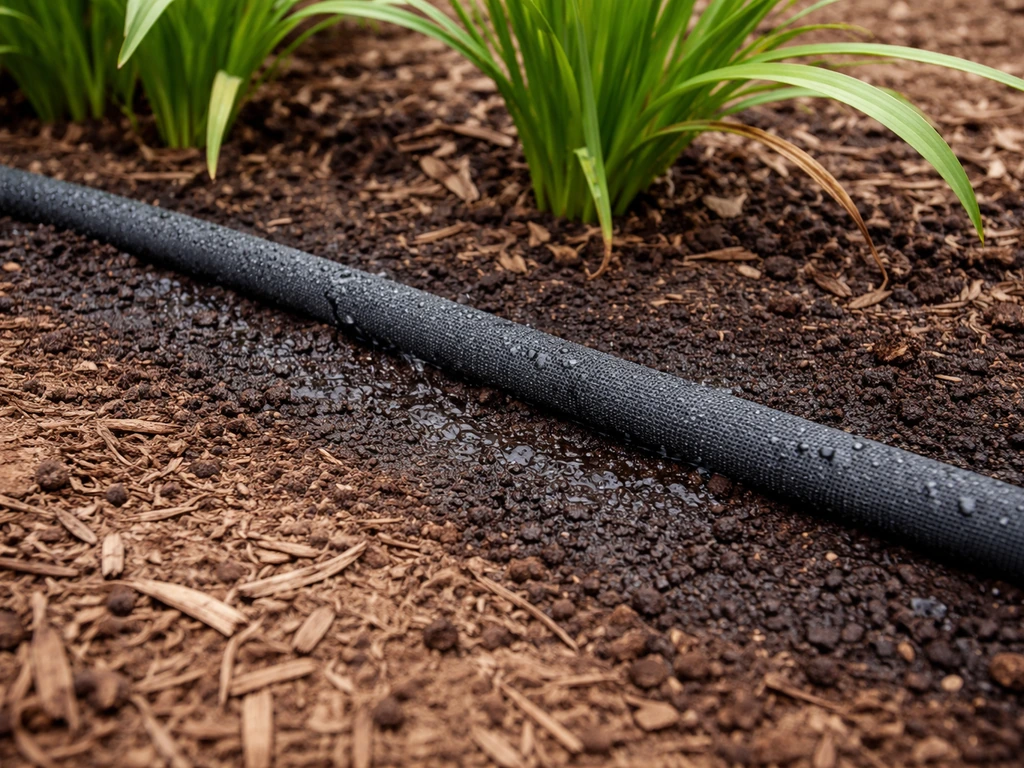
Daylilies want consistent moisture but hate being waterlogged. The American Daylily Society recommends deep watering that penetrates 8 to 10 inches into the soil rather than frequent, shallow surface watering. Deep watering encourages roots to go down, which makes plants more drought-resilient and less dependent on you remembering to water every day.
Right after planting, water every couple of days for the first few weeks according to Scotts Miracle-Gro's growing guide. Once established, daylilies become quite tough and can handle dry spells better than most perennials. That said, drought stress during bud formation will cost you flowers, so keep an eye on moisture levels in late spring and early summer when buds are developing.
Overhead irrigation is something to minimize. Clemson's Extension cautions against it because water sitting on foliage and crowns in warm weather accelerates fungal disease. Drip irrigation or soaker hoses at the base of the plant are a much better approach if you are setting up a watering system. If you are hand-watering, aim at the soil rather than the plant.
The 2-inch mulch layer mentioned earlier does real work here. It slows evaporation, keeps soil temperatures steadier, and reduces how often you need to water during dry stretches. Just keep it pulled back from the crown itself to avoid trapping moisture against the plant base.
How to choose a daylily spot today: a quick yard check
Here is a practical sequence you can run through right now to evaluate any spot in your yard before you plant.
- Count the sun hours: Walk out to your candidate spot at 8 a.m., noon, and 3 p.m. on a clear day and note whether it is in direct sun each time. If it is shaded at any of those checks, do a full day count. You need 6 hours minimum, ideally 6 to 8.
- Check for competition: Is there a tree or large shrub with roots in the area? Daylilies planted near competing vegetation lose out on both moisture and nutrients. Pick a spot at least a few feet away from any large root zone.
- Do a drainage test: Dig a hole about 12 inches deep, fill it with water, and come back in an hour. If water is still standing, drainage is poor and you need to either amend the soil heavily with compost and coarse material or choose a different location.
- Test or estimate your soil pH: A simple home test kit from a garden center will tell you if you are in the 6.2–6.8 range. If you are outside that window, lime raises pH and sulfur lowers it.
- Prep the bed: Loosen the soil to at least 12 inches, work in compost if needed, and remove any weeds or grass competing for space.
- Plant at the right depth: Set the crown 1 inch below the soil surface, spread the roots out and down, backfill firmly, and water thoroughly.
- Mulch after planting: Apply 2 inches of organic mulch around the plants, keeping it away from the crown itself.
Troubleshooting when your daylilies are not growing well
Too much shade
If your plants are green and leafy but producing very few flowers, shade is almost always the culprit. The fix is straightforward: move them. Daylilies transplant well in early spring or early fall. Dig up the clump, divide it if it has gotten large, and replant in a sunnier spot. Do not try to fix a shady spot by removing a tree or cutting back shrubs and hoping it will be enough unless you are confident the change will deliver a genuine 6-hour sun window.
Soggy or poorly draining soil
Crown rot and soft rot are the consequences of consistently wet soil, especially in warm weather. If you see plants yellowing, collapsing, or showing brown mushy tissue at the base, poor drainage combined with overwatering is the most likely cause. Remove affected plants immediately to avoid spreading fungal organisms to neighbors. For the bed itself, the real solution is improving drainage before replanting: work in significant amounts of coarse compost or consider raising the bed. Planting on a slight mound is a trick that UF/IFAS Pinellas County recommends specifically for drainage-challenged spots.
Drought and dry conditions
Established daylilies handle drought better than many perennials, but if you are seeing stunted growth or bud drop during dry spells, the plants are not getting enough water during their active growth period. Switch to deep, infrequent watering (soaking to 8 to 10 inches) rather than light daily watering. Add or refresh your mulch layer to slow evaporation. If you are in a climate where summer drought is the norm, this is also a good reason to consider drip irrigation, which delivers water directly to the root zone without wasting it on foliage.
Wrong cultivar for your climate
Sometimes the spot is fine but the plant is not right for the region. In warm climates, dormant cultivars may underperform because they do not get the cold dormancy period they were bred for. In cold climates, evergreen types may struggle if the foliage dies back hard and the crown is not protected. If your conditions look right on paper but performance is still disappointing, research cultivars specifically bred for your zone.
Local daylily societies and regional extension offices are the best source for that kind of specific recommendation. This same principle applies across different lily types: growing conditions that work for daylilies can differ significantly from what, say, calla lilies or tropical lily varieties need, so always match the cultivar to your specific climate rather than assuming all lily-like plants behave the same way.
If you are wondering whether do calla lilies grow in texas, it helps to compare their light and moisture needs with your local conditions.
FAQ
In what climate or region do daylilies grow best?
They grow best outdoors where they can get consistent sun, reliable drainage, and steady moderate moisture. If you mean “region,” look for a location that matches your daylily cultivar’s dormancy type (dormant, semi-evergreen, evergreen), since winter cold or lack of cold can change bloom reliability even when light and soil are fine.
Can I plant daylilies if my spot gets 6 hours of sun but the soil stays damp?
It is usually the combination that matters, not just sun. A spot with 6 hours of sun can still underperform if the upper soil layer stays soggy after rain or if roots compete heavily with a nearby tree. Before planting, test drainage by observing whether water pools within about the top 6 inches after a soaking rain.
How do I judge whether shade is good (afternoon shade) or too much for daylilies?
Use the “timed sun” method in the article, but add one more reality check: watch the area on a warm day and note if midday heat makes the bed suffer (wilting, crusting, or rapid drying). Afternoon shade can be beneficial in hot areas, but if the shade is also reducing total light below about 6 hours, bloom will likely drop.
Where can I plant daylilies in a low area of my yard?
Yes, but “water in the yard” matters. Daylilies can tolerate normal garden moisture, but crowns should not sit in standing water for extended periods. If you have a low spot, consider raising the bed or making a mound so the crown stays in well-drained soil, not saturated soil.
Are overhead sprinklers okay, and what about watering in containers?
Avoid watering patterns that keep foliage and crowns wet, especially in warm weather. If you must use a hose, water at the base and time it so leaves dry quickly. For containers, use a potting mix that drains fast and do not let runoff sit in a saucer, since poor container drainage can trigger crown rots.
What are the most common planting-depth mistakes, and why do they affect growth?
Yes, but many gardeners make the mistake of planting too shallow or too deep. Set the crown about 1 inch below the soil surface, then keep mulch pulled back from the crown so you do not trap excess moisture on the plant base.
Will transplanting fix daylilies that are not blooming well, and when should I do it?
You can, but the risk goes up as you move toward winter and as drainage is worst. Early spring or early fall is the safest window, and after transplanting, give extra attention to deep watering and crown health. If the new spot is shadier than your previous location, the transplant may survive but bloom fewer flowers.
What should I troubleshoot first if my daylilies are healthy-looking but not flowering?
If you see strong green growth with few blooms, shade is the most common cause. Before relocating, confirm the “6 hours” using the 10 a.m. and 2 p.m. check, then also consider soil drainage and plant maturity, since newly divided clumps can take a season to fully rebound.
How does spacing change where daylilies grow well in humid areas?
Spacing affects airflow, which affects rot risk. In hot, humid climates, crowding increases the time crowns stay wet after rain or irrigation. Keep plants far enough apart for air movement and consider drip or soaker hoses to reduce crown wetness.
Do I need to adjust my soil pH to grow daylilies?
For pH, staying roughly between 6.2 and 6.8 is the target, with about 6.5 as a sweet spot. If you have very alkaline soil, amending without testing can be counterproductive, so measure pH first and then adjust gradually.
How do dormant versus evergreen daylilies change where they grow best?
It depends on the cultivar’s dormancy. Dormant types generally need a winter cold period to reset properly and bloom reliably in many areas, while evergreen types may keep foliage longer in mild winters but can underperform where cold is less predictable. If performance is inconsistent, switch to cultivars known for your zone and regional winter pattern.
What should I do if buds are dropping or plants look stressed in summer drought?
If bud formation fails during a dry spell, the plant often needs deeper irrigation rather than frequent surface watering. Aim for deep watering that soaks down to roughly 8 to 10 inches during active growth, and maintain the mulch layer to slow evaporation.
Next Articles
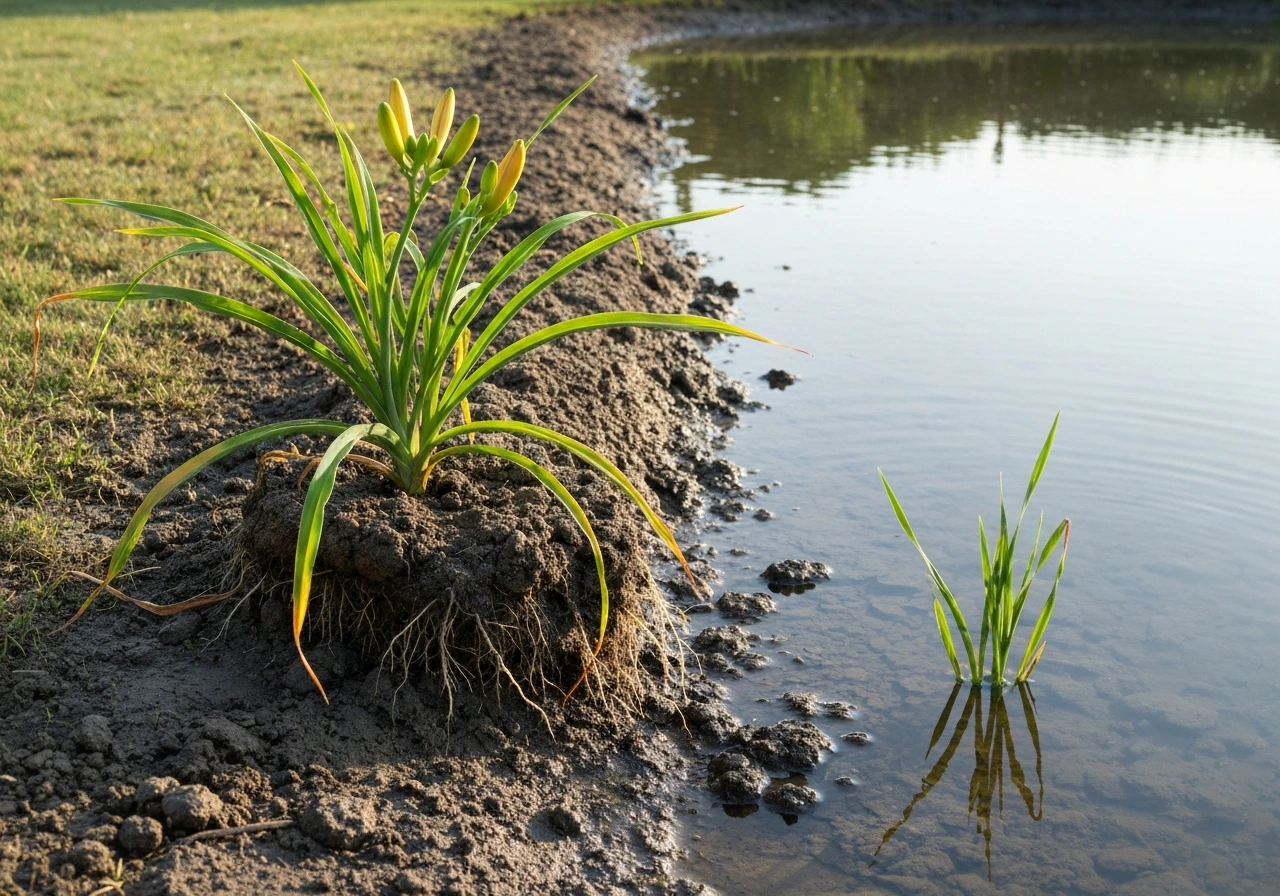
Can Daylilies Grow in Water? Wet Soil Rules to Follow
Learn if daylilies can grow in water, how wet soil affects rot, and fixes for drainage, depth, and planting setup.
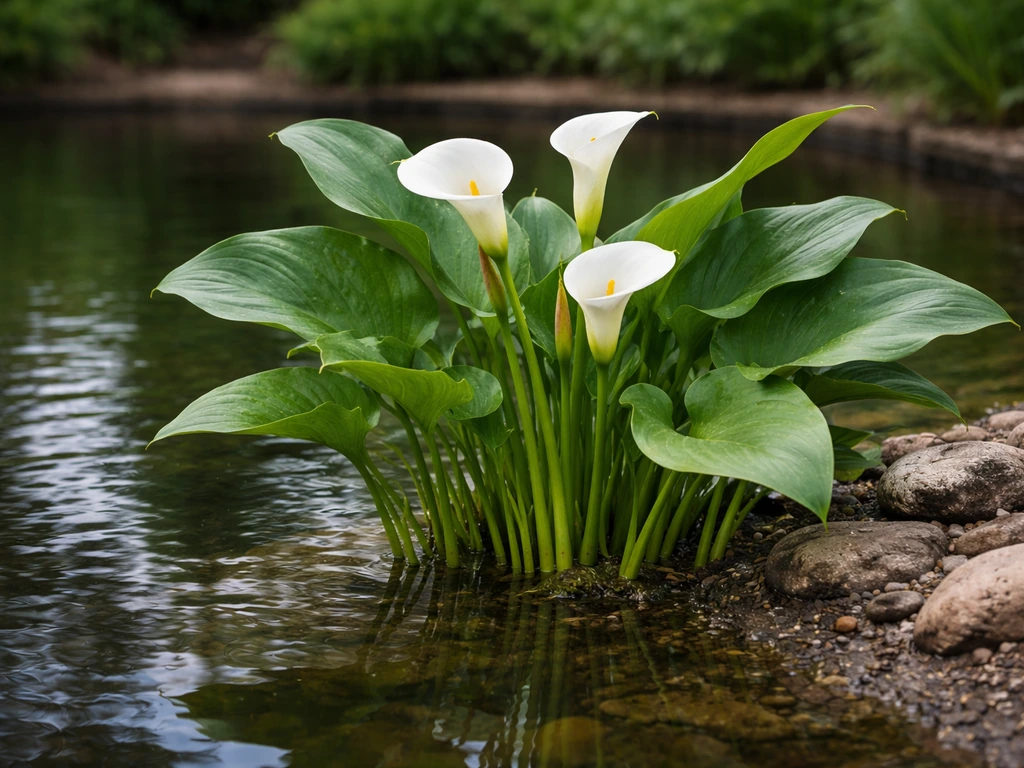
Can Calla Lilies Grow in Ponds? How to Set Up Successfully
Yes, with the right setup: water depth, substrate, anchoring, light, and overwinter care for pond or marginal calla lili
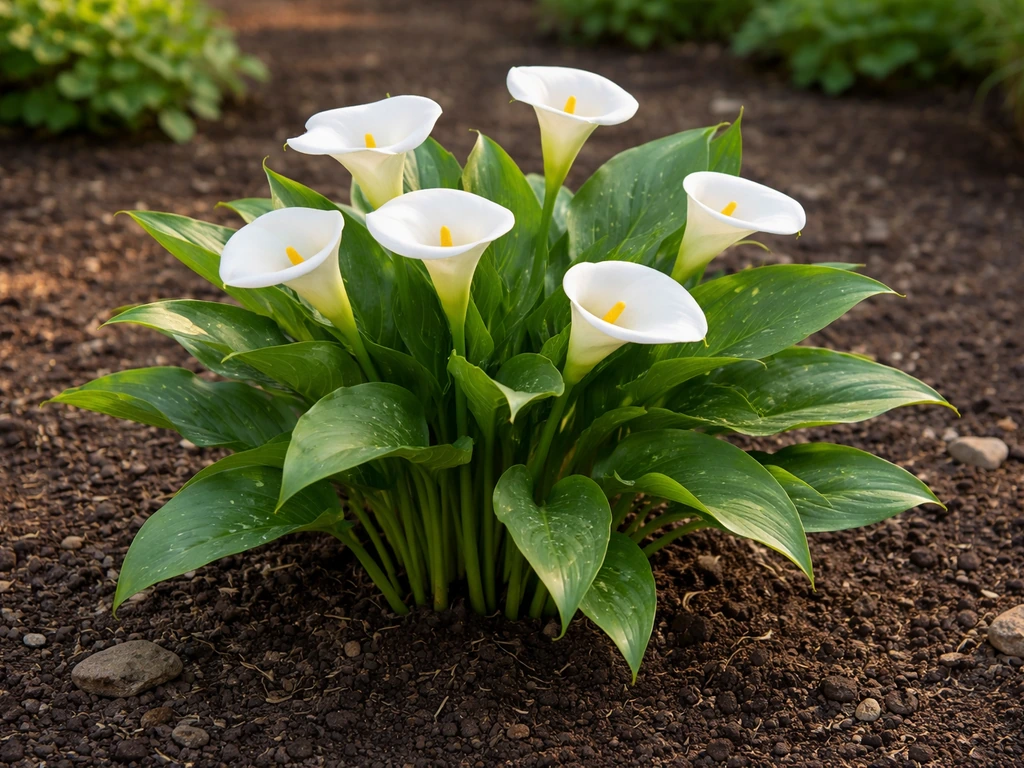
Are Calla Lilies Hard to Grow? Easy Guide for Success
Get a clear answer on are calla lilies hard to grow, plus exact light, temperature, watering, planting, and fixes.