
Yes, calla lilies can grow in Texas, but how well they do depends on where in Texas you are and how you manage them. In South Texas and the Gulf Coast (USDA Zones 8b–10), you can grow them in the ground and they may even come back year after year. The USDA Plant Hardiness Zone Map is based on the average annual extreme minimum winter temperature (with 10°F zones and 5°F half zones), which gardeners use to estimate how long plants may survive winter cold USDA Zones 8b–10. In Central and North Texas (Zones 7–8a), expect to treat them as seasonal plants or lift the corms before a hard freeze. In all cases, the biggest threats aren't the Texas summers people worry about, they're actually soggy soil, improper dormancy, and freezing temperatures below 41°F that catch gardeners off guard.
Do Calla Lilies Grow in Texas? Outdoor and Indoor Care Guide
What Texas's climate actually means for calla lilies
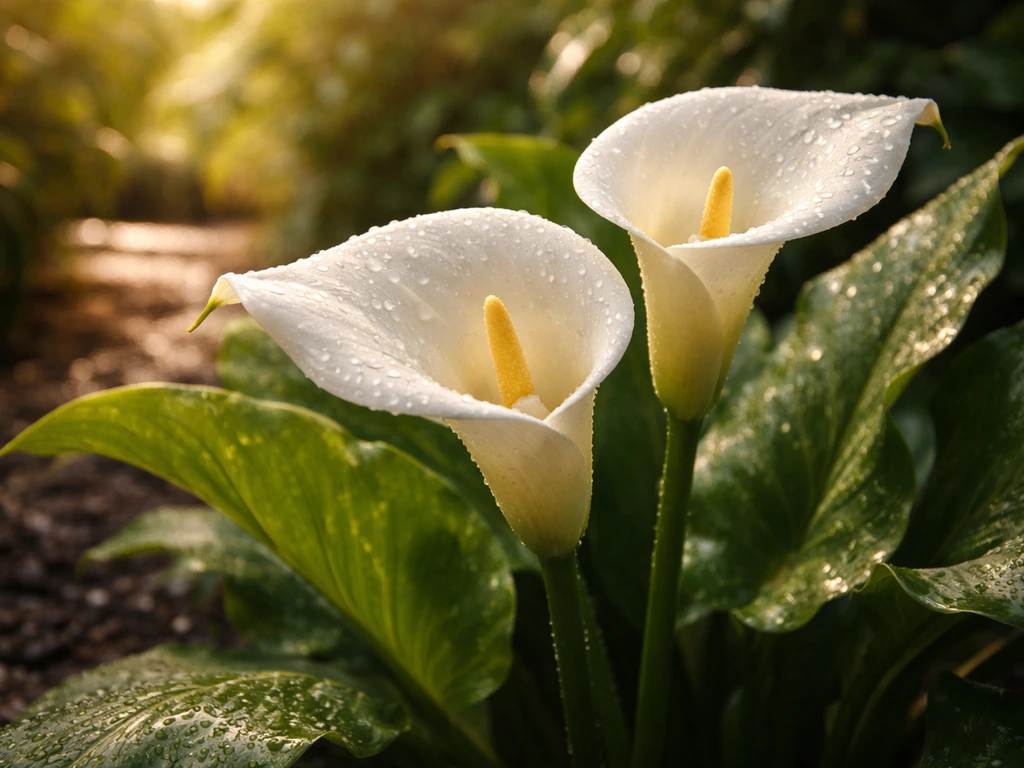
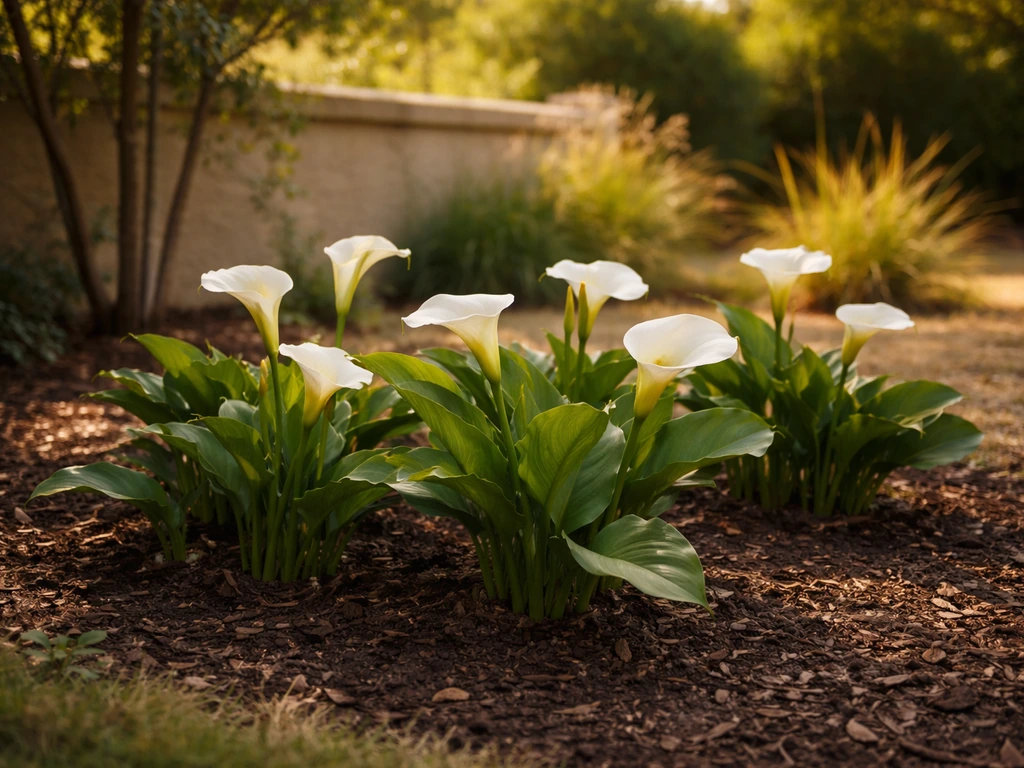
Texas spans an enormous range of climates, and that matters a lot for calla lilies (Zantedeschia). The Gulf Coast and Rio Grande Valley sit in Zones 9–10, where winter temps rarely dip below freezing and the humidity stays high, close to ideal conditions for callas to persist as perennials. Central Texas (Austin, San Antonio, Waco) is Zone 8, where winters can drop into the 20s°F briefly. North Texas (Dallas, Fort Worth, Amarillo) pushes into Zones 7–8a, with real freeze risk every winter. The Texas Panhandle hits Zone 6, where overwintering callas in the ground becomes genuinely difficult.
Calla lilies prefer moderate temperatures between 60°F and 75°F. That sweet spot is exactly what Texas delivers in spring (March through May) and fall (September through October), which is why those windows are your best shot at beautiful blooms. The challenge is the brutal summer heat above 90°F, which can push callas into stress, and freezing winters that can kill tubers left in the ground. Unlike daylilies, which handle Texas heat with much more resilience, calla lilies need a more hands-on approach in this climate.
Sun, soil, and water: getting the basics right
Calla lilies want sun or partial shade. In Texas, partial shade is usually the smarter choice, morning sun and afternoon shade protects the flowers from fading and the plant from heat stress during the hottest months. Aim for four to six hours of direct sun, ideally in the morning hours.
Soil is where Texas gardeners most often go wrong. Callas need well-draining soil with a slightly acidic pH of 5.6 to 6.5. Heavy clay soil (common across much of Central and East Texas) holds too much moisture and will rot the rhizomes fast. If your soil clumps and drains slowly, either amend it heavily with compost and coarse sand or skip ground planting entirely and go with containers. Sandy soil in West Texas drains too fast, so adding compost helps retain the consistent moisture callas need.
Watering is a balance: callas want evenly moist soil during their growing season, never waterlogged and never bone dry. Think of it like keeping a sponge damp rather than soaking or wringing it out. In Texas heat, you may water deeply two to three times per week, but always check the top inch of soil first. If it's still moist, wait. Wet, stagnant soil is the fastest way to lose calla lilies to soft rot in Texas's warm conditions.
When and how to plant calla lily corms in Texas
Timing your planting
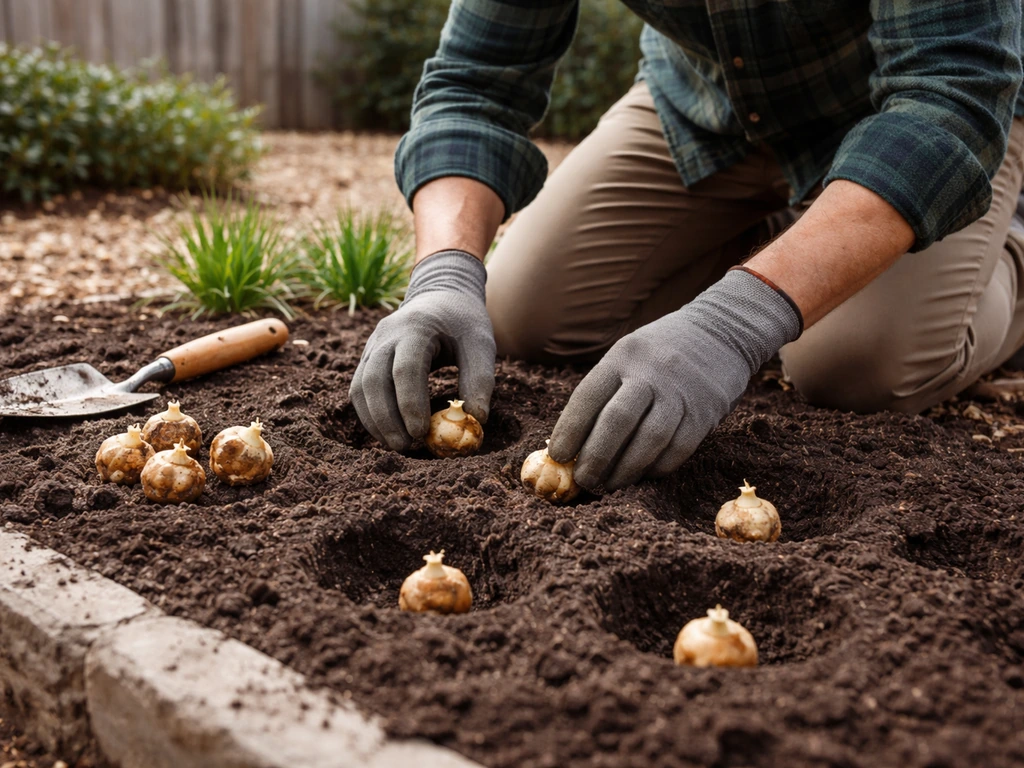
In South Texas and the Gulf Coast, you can plant calla lily corms (often called rhizomes or tubers) as early as late February through March, once soil temperatures reach at least 65°F. In Central Texas, aim for mid-March through April after the last frost date. In North Texas, wait until April when freeze risk has passed. A fall planting in September is also worth trying in South Texas, callas can bloom through a mild winter there. Avoid planting in the heat of summer; the tubers will sit dormant or rot before they can establish.
Planting in the ground
Choose a spot with partial afternoon shade and well-draining soil. Dig in two to three inches of compost to improve drainage and soil structure. Plant corms 2 to 4 inches deep depending on size (larger corms go deeper), with the growing tips or eyes facing up. Space them 12 to 18 inches apart. Avoid planting too deep, deep planting combined with wet Texas soil is a recipe for rot, which is one of the most common ways callas fail here.
Growing in containers (often the smarter Texas move)
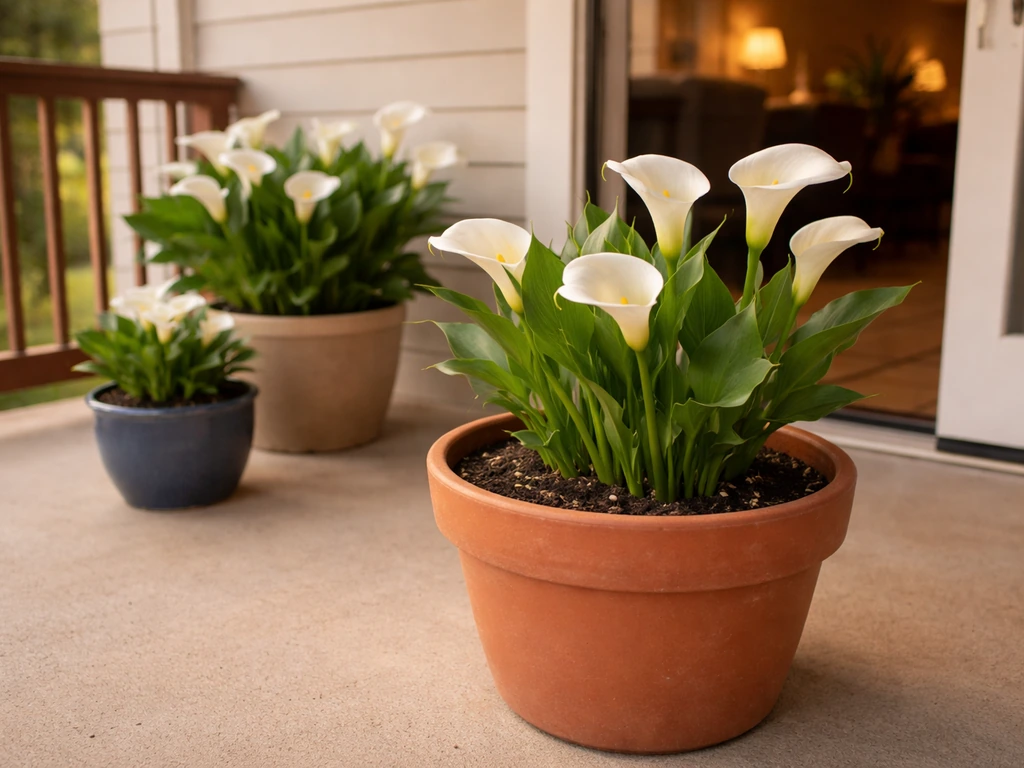
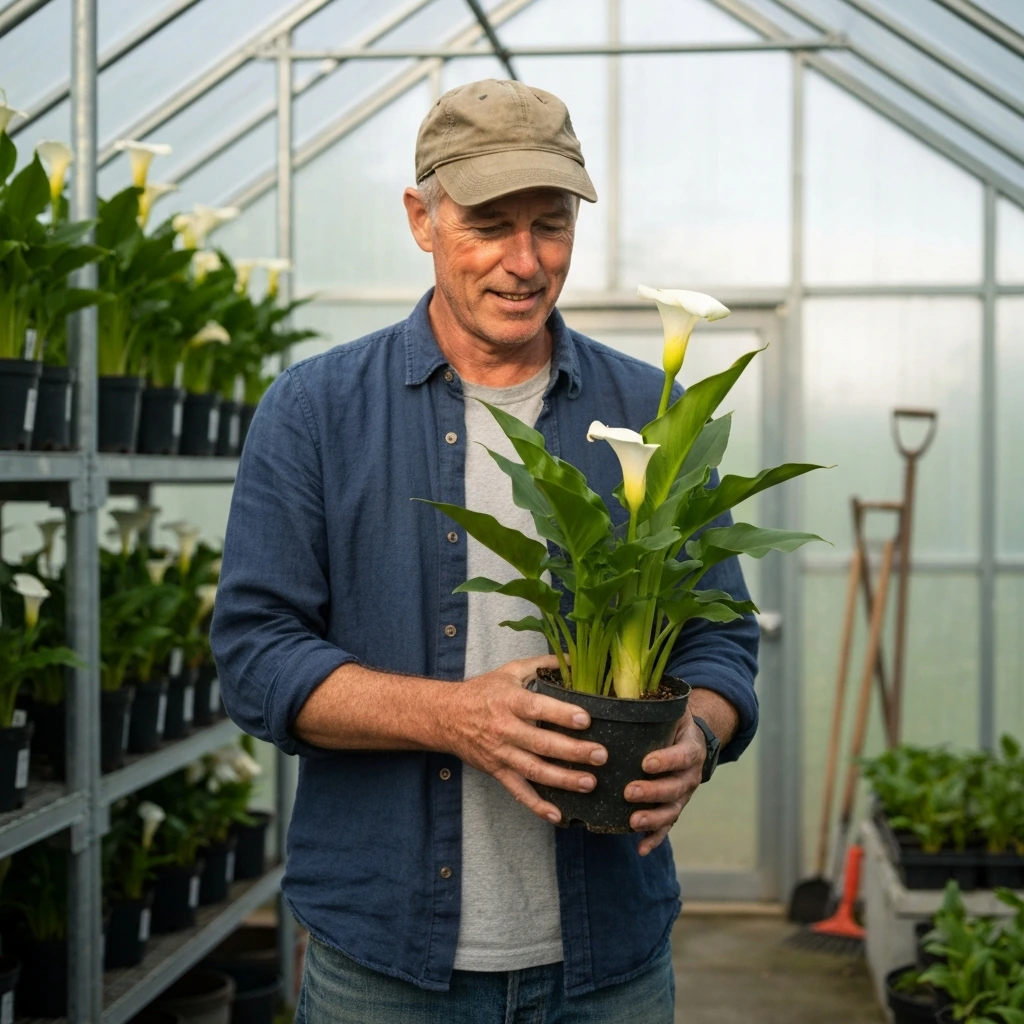
Honestly, containers give you a lot more control in Texas. You can move them out of summer heat, bring them inside before a freeze, and manage the soil perfectly. Use a well-draining potting mix with a pH around 6.0 to 6.5. Make sure pots have drainage holes, no exceptions. Plant one to three corms per 12-inch pot, 2 to 4 inches deep, and water thoroughly after planting. Containers dry out faster than ground beds in Texas heat, so check moisture every day or two during summer.
Fertilizing and what it takes to actually get blooms
Calla lilies are moderate feeders, they don't need heavy doses, but consistent feeding makes a real difference in whether you get good blooms or just leaves. During the growing season, apply a balanced liquid fertilizer every two to three weeks. Look for formulas that include micronutrients like iron, calcium, and magnesium, not just the big three (nitrogen, phosphorus, potassium). Target around 100 ppm nitrogen in your liquid feed. Avoid going overboard, too much nitrogen pushes leafy growth at the expense of flowers, and high fertilizer salts stress the roots.
Once the plant starts to show flower buds, ease off nitrogen and switch to a lower-nitrogen, higher-phosphorus formula to support blooming. Stop fertilizing once the plant goes dormant in summer or before a fall dormancy period.
Watch for yellowing leaves outside of dormancy, that can signal overwatering, root rot, or a nutrient deficiency (especially iron in alkaline soils). Twisted or distorted new growth sometimes points to a viral issue, which unfortunately has no cure and means removing the plant before it spreads.
Managing winter and dormancy in Texas
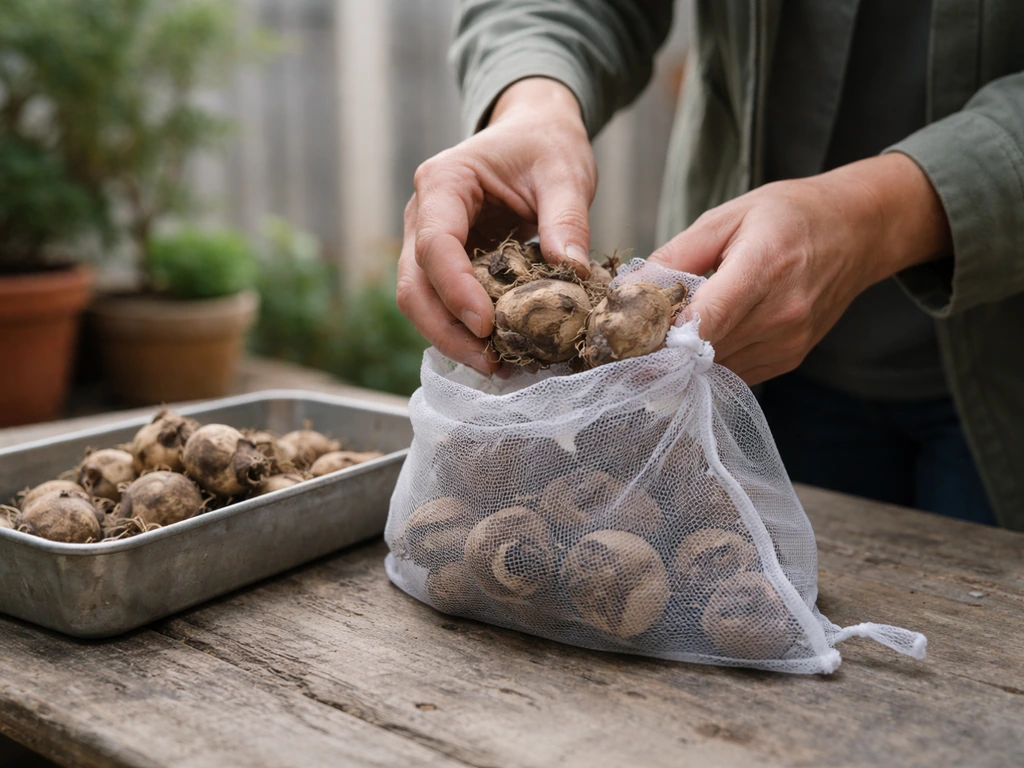
This is where most Texas gardeners either save their callas or lose them. Calla lilies naturally go dormant, and in Texas that typically happens in summer (when heat stress forces rest) or after a frost. Temperatures below 41°F can kill tender calla varieties outright, so you need a plan before winter arrives.
In South Texas (Zone 9–10), you can often leave corms in the ground with a few inches of mulch over them. A brief cold snap is unlikely to penetrate deep enough to damage them. In Central Texas (Zone 8), mulch helps but is not always enough during an unexpected hard freeze like the February 2021 event. Playing it safe means lifting corms after foliage dies back in fall, or growing in containers you can bring inside.
In North Texas (Zones 7–8a), lift the corms each year. After the foliage yellows and dies back naturally, carefully dig up the corms, brush off the soil, and let them dry for a few days. Then store them in a paper bag or mesh bag with dry peat moss or perlite in a cool, dry spot, around 46 to 50°F works well. They need at least 10 to 12 weeks of dormancy storage before replanting. Don't seal them in plastic; they need air circulation to avoid rot during storage.
Why calla lilies fail in Texas (and how to fix it)
I've seen Texas gardeners lose calla lilies in nearly every way possible, and the problems almost always fall into a few categories. Here's what to watch for and what to do about it.
| Problem | Likely Cause | Fix |
|---|---|---|
| Corms rot in the ground | Waterlogged clay soil or overwatering | Improve drainage with compost, switch to raised beds or containers |
| No blooms, just leaves | Too much nitrogen, too little light, or planted too late | Use balanced fertilizer, add morning sun, plant earlier in spring |
| Leaves yellow and collapse mid-season | Soft rot from wet soil or freeze damage | Improve drainage, lift and inspect corms, treat with fungicide drench |
| Plant dies after mild frost | Tender variety left unprotected below 41°F | Mulch heavily or bring containers indoors before first frost |
| Gray mold on leaves and stems | Botrytis from humid, poor-airflow conditions | Improve spacing, avoid overhead watering, remove affected tissue |
| Corms fail to sprout in spring | Skipped dormancy or stored too cold/too warm | Store at 46–50°F for 10–12 weeks, replant when soil hits 65°F |
Does the variety you choose change things?
Yes, significantly. The classic white calla lily (Zantedeschia aethiopica) is the hardiest of the bunch, it can survive down to around USDA Zone 8 and sometimes Zone 7 with protection, making it the best choice for Central and North Texas gardeners who want any chance at ground overwintering. The colorful varieties (pink, purple, yellow, often Zantedeschia rehmannii hybrids) are rated Zone 8 to 10 and are more tender, meaning they really do need to come inside or be lifted in most of Texas outside the Gulf Coast. Missouri Botanical Garden’s Plant Finder also lists Zantedeschia rehmannii as occurring in USDA zone 8 to 10 rated Zone 8 to 10. If you're in a borderline zone and want low-maintenance callas, start with Z. aethiopica.
One thing worth flagging: calla lilies sometimes get confused with peace lilies at garden centers, especially when they're not in bloom. Peace lilies are tropical houseplants that would wilt and die outdoors in Texas summers, they have completely different needs. Peace lilies are tropical houseplants, but calla lilies can be grown outdoors in tropical climates only with the right humidity and care. If you're picking up a plant labeled just 'calla,' confirm you're getting a Zantedeschia before you commit to an outdoor planting strategy.
Your practical Texas growing plan at a glance
- Check your USDA zone (South Texas = 9–10, Central Texas = 8, North Texas = 7–8a) and decide: ground planting vs. containers vs. annual treatment.
- Choose Zantedeschia aethiopica (white) for the most cold tolerance, or colorful hybrids if you're in Zone 9–10 or committed to lifting corms.
- Plant corms in spring once soil reaches 65°F — late February to April depending on your zone. Use well-draining soil amended with compost, pH 5.6–6.5.
- Plant 2 to 4 inches deep, in a spot with morning sun and afternoon shade. Space 12–18 inches apart.
- Keep soil consistently moist but never waterlogged. Water deeply two to three times per week in summer heat, checking soil moisture first.
- Feed with a balanced liquid fertilizer every two to three weeks during the growing season; ease off nitrogen once buds appear.
- Watch for soft rot (mushy, smelly corms), gray mold on foliage, and signs of freeze stress. Act fast — rot spreads quickly in warm, wet Texas conditions.
- Before first frost: mulch heavily in South Texas, or lift and store corms in North/Central Texas at 46–50°F for 10–12 weeks before replanting next spring.
Calla lilies aren't the easiest plant in a Texas garden, but they're far from impossible. If you're wondering can lilies grow in the Philippines, the key is matching their temperature and moisture needs and providing protection during wetter periods. Get the drainage right, time your planting to the cooler shoulder seasons, and don't leave tender corms in the ground during a freeze, and you'll be rewarded with some of the most striking blooms in the garden. Gardeners curious about which other lily-family plants handle Texas conditions and tropical climates more easily will find that some relatives, like certain daylilies, are much more forgiving of Texas's extremes, but none of them give you that same dramatic calla bloom. Daylilies are adaptable and can grow in many regions, but where you live affects how successfully they thrive where do daylilies grow. Some gardeners also wonder if can daylilies grow in water, but they typically do best in well-drained soil rather than standing water.
FAQ
If I live in Central Texas, can I still grow calla lilies as perennials instead of lifting them? (zones 7–8)
You may be able to keep them year to year in the ground only if your winter lows stay around freezing briefly (typical of South Texas). In Central and North Texas, plan to lift the corms after foliage fades or you risk losing them in a single hard freeze, even with mulch.
What’s the correct planting depth for calla lilies in Texas, and does it affect rot risk?
Planting depth matters more in Texas than many gardeners expect. Keep corms about 2 to 4 inches deep, then focus on drainage, not just depth. Very deep planting in wet, heavy soil increases the time corms sit soggy, which speeds rot.
My yard soil is clay and drains slowly. Should I amend it or switch to containers?
If your soil stays wet for days after a rain, container growing is usually safer than in-ground. Use a potting mix that drains well and has a pH near 6.0 to 6.5, and make sure every container has drainage holes.
Can I dig up or move calla lilies into the garage or indoors before frost instead of doing full dormancy storage?
Yes, but treat it as a short-term recovery move. Many callas in containers can be moved indoors when freeze threatens, but you still need to stop feeding and respect dormancy when the plant begins to die back, otherwise you can get weak flowering next season.
How do I know whether I’m watering too much during Texas summer heat?
Don’t water on a fixed schedule, even if it feels hot and dry. Check the top inch of soil, if it is still moist, wait. Overwatering in Texas warmth is a common reason for soft rot, even when temperatures are not freezing yet.
My calla lily leaves are turning yellow. Is that always a nutrient problem?
Yellow leaves can be normal when the plant is naturally entering dormancy, but outside dormancy it often points to overly wet soil or root issues. If you also see mushy stems or a foul smell, stop watering and improve drainage before you lose the corm.
Which calla variety is most likely to survive winters in North or Central Texas?
When choosing varieties, look for Zantedeschia aethiopica for better odds in colder parts of Texas, it is the most cold-tolerant option mentioned. Colorful rehmannii-type hybrids generally need lifting or indoor protection much more consistently.
How can I confirm I bought the right plant, since garden centers sometimes label different species as “calla”?
A simple rule is that true calla lilies are Zantedeschia. Peace lilies are commonly sold under the vague label “calla,” but they are different plants with tropical indoor needs and are likely to wilt outdoors in Texas heat.
Why did my calla lily grow lots of leaves but not many flowers after fertilizing?
Fertilizer salt buildup and nitrogen excess can both hurt blooming. Use a balanced liquid feed every 2 to 3 weeks during active growth, then switch to a lower-nitrogen formula when buds appear, and stop before summer dormancy.
How long do calla lily corms need to rest before replanting, and when should I do it in Texas?
For replanting after dormancy, aim for at least 10 to 12 weeks of storage before you put corms back into the garden. In Texas, that timing also determines whether they bloom in the best spring or fall window.
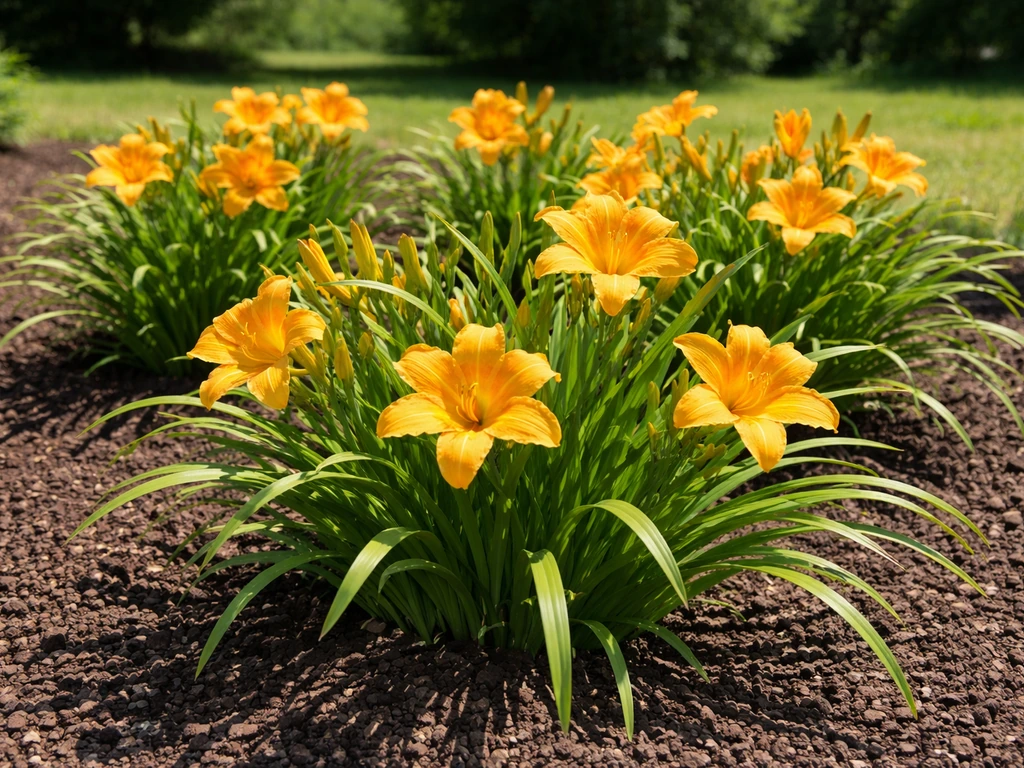
Find the best spot for daylilies: sun, drainage, and moisture needs, plus tips to adapt your yard.
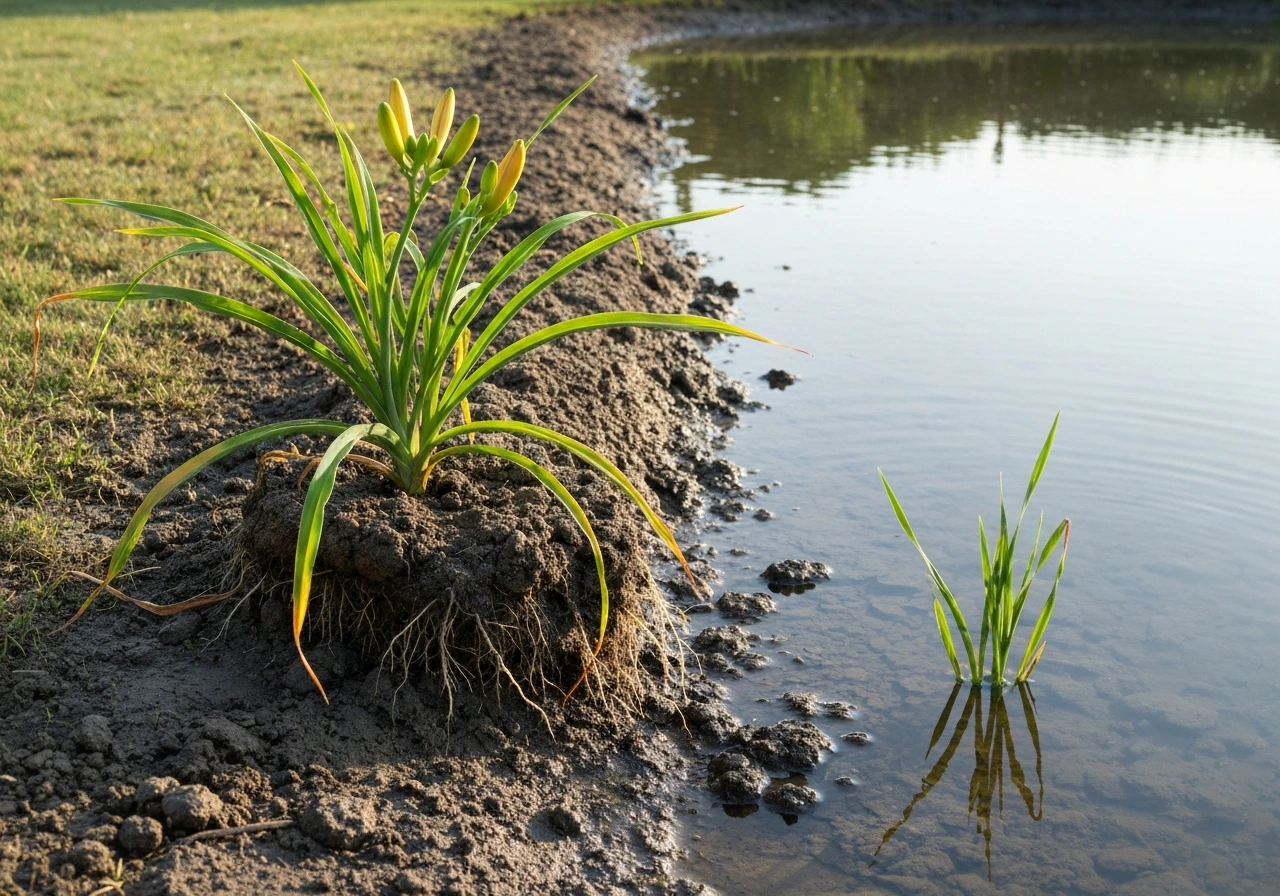
Learn if daylilies can grow in water, how wet soil affects rot, and fixes for drainage, depth, and planting setup.
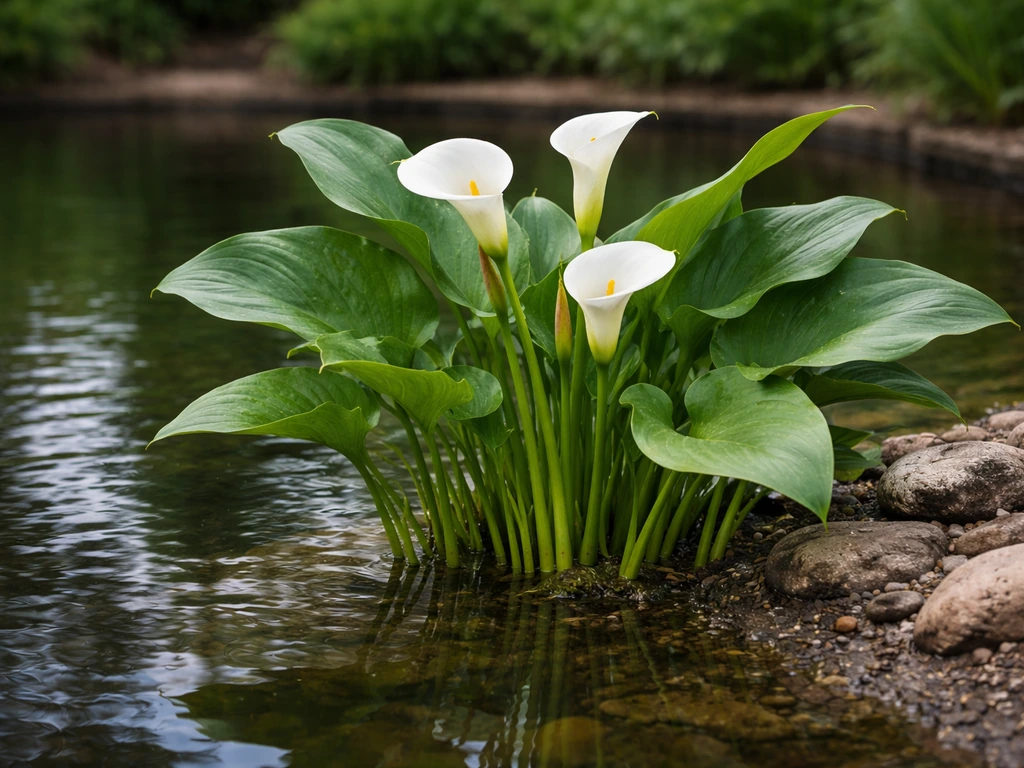
Yes, with the right setup: water depth, substrate, anchoring, light, and overwinter care for pond or marginal calla lili