
Yes, lilies can grow in the Philippines, but the answer really depends on which 'lily' you mean. Calla lilies (Zantedeschia) are your best bet for reliable blooms in a Philippine garden, especially if you manage drainage carefully. Peace lilies (Spathiphyllum) thrive indoors all over the country with almost no fuss. True lilies, like Asiatic or Oriental types, struggle badly once temperatures climb above 28–30°C, which rules out most lowland areas. So if you're shopping for bulbs or rhizomes and wondering what will actually survive the heat and humidity, start with calla lilies or peace lilies, and read the conditions below before you plant anything.
Can Lilies Grow in the Philippines Calla Lilies Guide
Marcus Hendricks
2 May 2026
Can calla lilies actually grow in the Philippines?
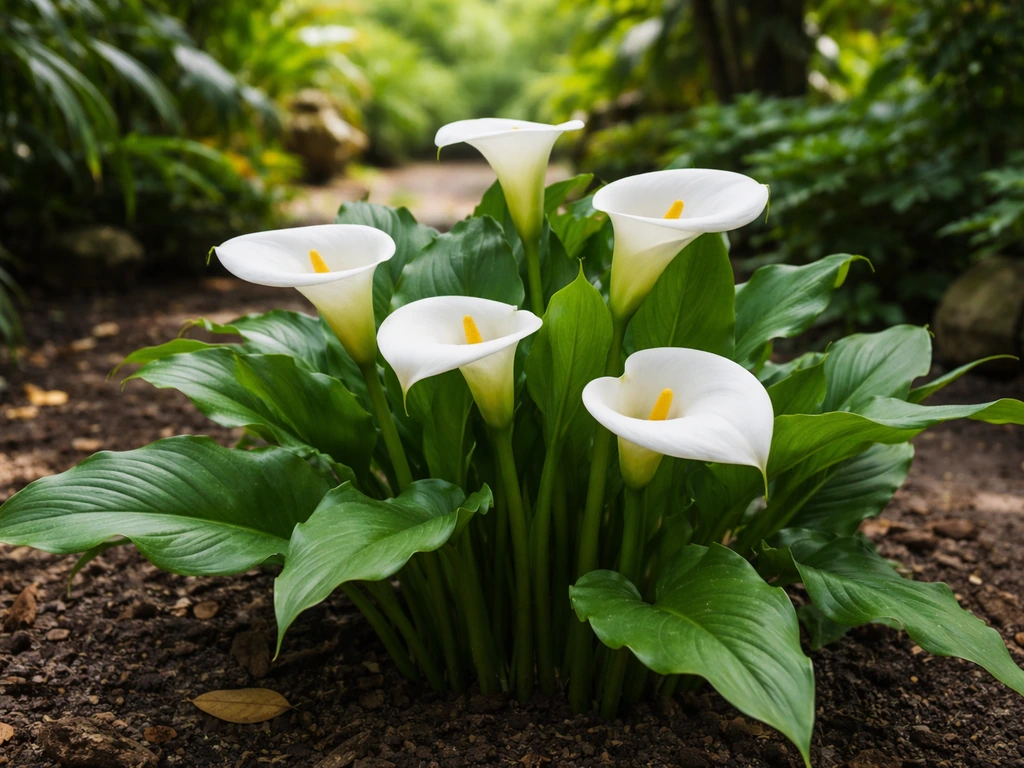
Calla lilies (Zantedeschia) can absolutely grow in the Philippines, and they do better here than most people expect. One thing worth knowing upfront: they are not true lilies at all. They belong to the Zantedeschia genus and are more closely related to aroids than to Lilium. That matters because their care needs are completely different from what you'd do for an Asiatic lily or a peace lily.
In cooler countries, calla lilies are treated as tender plants that need to be dug up and stored indoors before winter. In the Philippines, you skip that entirely. No frost means your rhizomes can stay in the ground or in containers year-round. What you do need to manage instead is the opposite problem: heat, humidity, and heavy seasonal rain that can rot rhizomes fast if your drainage isn't right. Calla lily rhizome rot is the number-one killer in warm, moist climates, and the Philippines checks every box for that risk. Get the drainage right, and callas reward you with those elegant, funnel-shaped blooms without much fuss.
Where in the Philippines do callas work best? Highland areas like Benguet, Bukidnon, and the Cordillera region are ideal. The cooler nights and moderate daytime temperatures genuinely suit Zantedeschia's preferred range. That's not a coincidence, since cut-flower calla farms are already operating in Benguet. In lowland Metro Manila, Cebu, or Davao, callas can bloom but they'll need afternoon shade, excellent drainage, and a bit more attention to keep the rhizomes from cooking and rotting in the wet season.
Light, temperature, and timing your planting around Philippine seasons
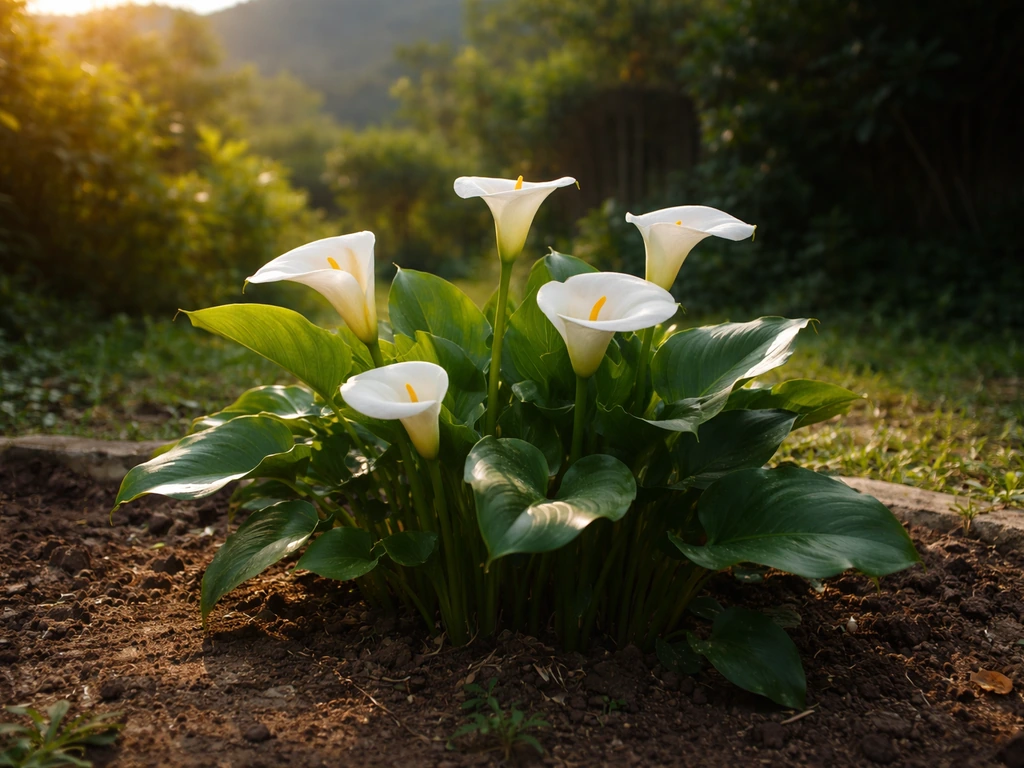
Calla lilies prefer full sun to partial shade. In Philippine highlands, morning full sun with some afternoon cloud cover is close to perfect. In the lowlands, you'll want to position your plants where they get strong morning light (six or more hours) and are shielded from the most intense afternoon sun between 12 and 3 pm. Direct afternoon lowland sun in April and May can stress the plant and weaken the rhizome, especially if the soil is already warm.
Temperature is the real factor. Callas like moderate warmth and handle Philippine highland conditions well. True lilies, by contrast, show significant performance problems above around 28–30°C (82–86°F). If you're in lowland areas where the thermometer sits above that threshold for most of the year, true Asiatic or Oriental lilies will decline and often disappear within two to three seasons. That's honest advice, not a reason to give up on Philippine lily gardening entirely. If you are trying to grow lilies in a tropical climate, keep in mind that true lilies struggle once temperatures stay above roughly 28, 30°C. It's just a reason to choose your variety carefully.
For timing, the best window to plant calla rhizomes in the Philippines is at the start of the cooler dry season, roughly November through January in most regions. This gives the rhizomes time to establish roots and send up foliage before the heat peaks, and you'll typically see blooms a few months after planting. Planting just before the wet season (May to June) is riskier because heavy rain combined with warm soil is prime territory for rot before the plant is established.
Getting water and humidity right without rotting your rhizomes
This is where most Philippine gardeners lose their calla lilies. Zantedeschia naturally grows along stream banks and pond margins in high-rainfall habitats, so it does want moisture. But 'moist soil' and 'constantly waterlogged soil' are very different things. The root and crown rot diseases that kill callas, including Rhizoctonia crown rot and Phytophthora root rot, thrive exactly when soil stays wet around the base of the plant for extended periods. UC Statewide IPM notes that improper water management is a common driver of plant disease and that excessively moist conditions can predispose plants to infections root and crown rot diseases that kill callas. The Philippine wet season gives those pathogens everything they need if you let the planting bed stay soggy.
The practical rule: keep the soil consistently moist during active growth but never let it sit in standing water. In the rainy season, your drainage setup does more work than your watering can. Between waterings during drier stretches, let the top inch of soil dry slightly before watering again. One cut-flower cultivation guide puts it well: keep the rhizomes 'a little on the dry side' rather than too wet, especially during the establishment phase. Aim for relative humidity around 65–75%, which most Philippine environments provide naturally, but make sure air circulation around the plants is good to prevent fungal disease on leaves.
Peace lilies (Spathiphyllum), which many Filipino gardeners grow indoors, are also prone to blank" rel="noopener noreferrer">root rot if overwatered. Because daylilies are different from calla lilies, you can often grow them with more flexibility, including trying water-based setups if you manage oxygen and prevent rot can daylilies grow in water. The principle is the same: bright indirect light, consistently moist but never soggy soil, and good airflow. The humidity in Philippine homes is already high enough that peace lilies rarely need misting.
Soil, planting depth, and whether to grow in containers or in the ground
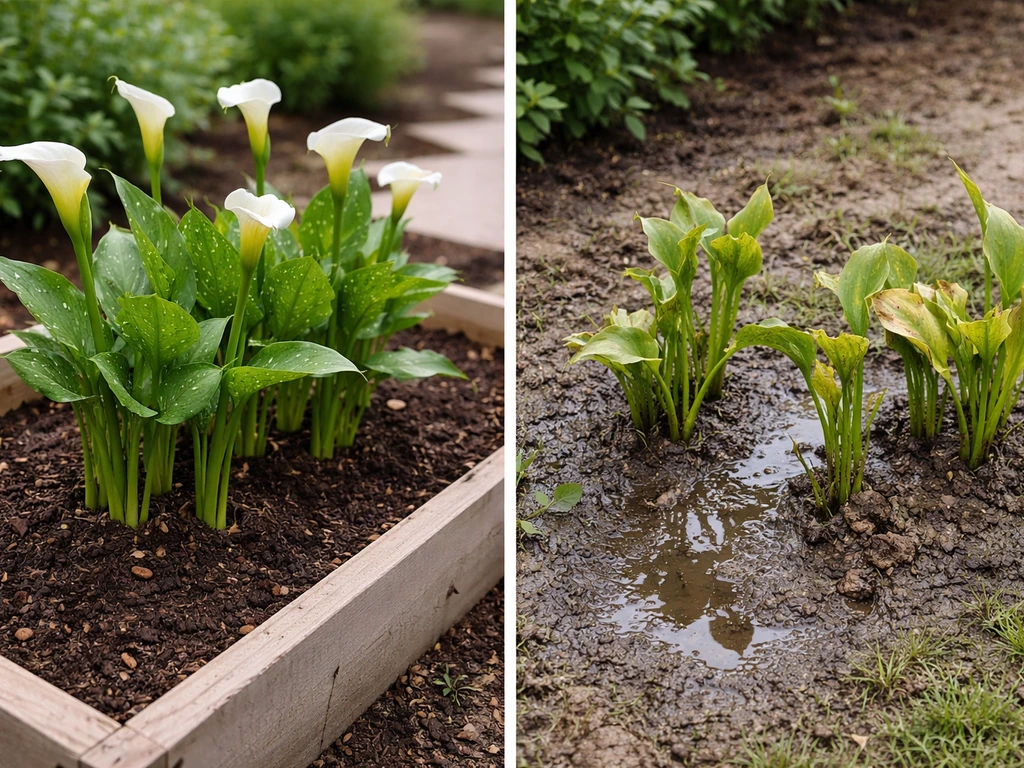
Drainage is everything. For calla lilies in the Philippines, I'd almost always recommend containers or raised beds over standard in-ground planting, at least in lowland areas. Here's why: containers let you control exactly how much water the rhizome sits in, you can move them under cover during the heaviest rain, and you can refresh the growing medium each season. In highland areas with good natural drainage, in-ground planting in a raised bed works beautifully.
For soil mix, go with a well-draining, organically rich medium. A good starting blend for Philippine conditions is garden loam mixed with compost and coarse perlite or pumice, roughly 50% loam, 30% compost, and 20% perlite or coarse sand. Avoid heavy clay soils without amendment, because clay holds moisture and compacts around the rhizome, creating the exact warm, wet, airless conditions that cause rot.
Planting depth matters more than most guides emphasize. Cover the rhizome with about 2 inches (5 cm) of soil, no deeper. Deep planting increases rot risk at the soil line, where infection typically enters. Space plants about 18 inches (45 cm) apart to allow good airflow between them. For containers, use one with drainage holes and raise it slightly off the ground so water exits freely. A 30–40 cm diameter pot works well for a single rhizome.
A practical care calendar for Philippine conditions
November to January: planting and establishment
Plant rhizomes at 2 inches deep in your prepared mix. Water in well after planting, then ease off watering until you see growth pushing through the soil. No fertilizer yet. Focus on getting the drainage right before anything else.
February to April: active growth and feeding
Once foliage is actively growing, start feeding with a balanced, slow-release granular fertilizer every four to six weeks, or a diluted liquid fertilizer (such as a 10-10-10 or similar) every two weeks. As flower spathes emerge, switch to a low-nitrogen, higher-phosphorus formula to support blooms. Keep soil consistently moist during this dry season stretch by watering more frequently. Watch for aphids and spider mites, which appear during drier weather. A strong spray of water knocks them off, or use neem oil spray as a gentler organic option.
May to October: wet season management
Reduce supplemental watering completely during heavy rain periods. If plants are in containers, move them somewhere with overhead shelter on the worst rain days. Check for signs of rot at the soil line: mushy stems, yellowing leaves from the base, or a foul smell from the soil. If you catch early rot, remove the affected plant, trim any soft rhizome tissue back to firm flesh, dust the cut surface with sulfur powder or a copper-based fungicide, let it air-dry for a day, then replant in fresh mix. After flowering, leave the foliage in place, because it feeds the rhizome for the next bloom cycle. Only trim yellowed or completely dead leaves.
Dormancy and repotting (no digging required)
Zantedeschia goes dormant when triggered by low temperature or drought stress. In Philippine lowlands where temperatures stay warm year-round, plants may cycle through a partial dormancy on their own or bloom in semi-continuous flushes rather than one clear season. In highland areas, cooler December and January nights provide a natural cue. You don't need to dig rhizomes up the way gardeners in Minnesota do. Every one to two years, refresh container plants by removing them from the pot in the dry season, dividing any offsets, refreshing the growing medium, and replanting at the correct shallow depth.
Choosing the right lily type for your Philippine garden
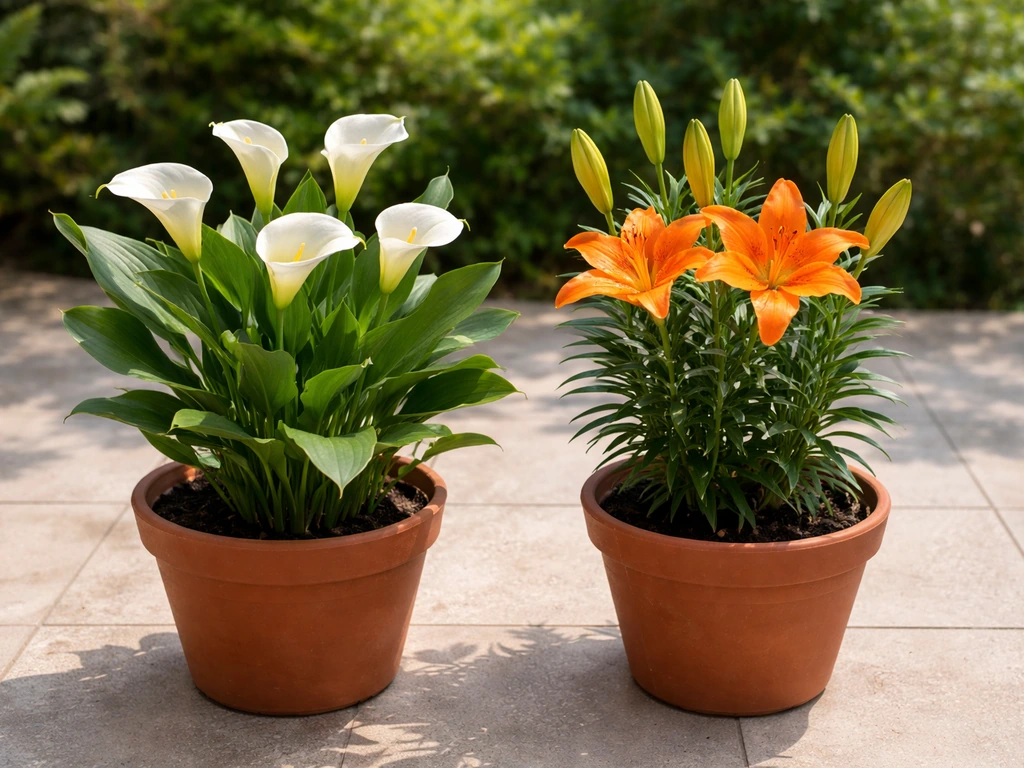
The term 'lily' covers a confusing range of plants, and picking the wrong one for your location is the fastest way to waste money and get frustrated. Here's a straight comparison of the most common options Filipino gardeners consider.
| Lily Type | Best Location in PH | Heat Tolerance | Light Need | Biggest Risk in PH | Verdict |
|---|---|---|---|---|---|
| Calla Lily (Zantedeschia) | Highlands; manageable in shaded lowland containers | Moderate (better below 30°C) | Full sun to partial shade | Rhizome rot in wet season | Best outdoor flowering lily option |
| Peace Lily (Spathiphyllum) | Anywhere indoors nationwide | High (handles humid tropical interiors) | Bright indirect light | Root rot from overwatering | Easiest, best for indoors |
| Asiatic / Oriental Lily (Lilium) | Highland areas only | Low (struggles above 28–30°C) | Full sun | Heat death in lowlands within 2–3 years | Highlands only, limited lifespan |
| Daylily (Hemerocallis) | Most regions with good drainage | Moderate to high | Full sun to partial shade | Fungal disease in wet season | Underrated option, worth trying |
For most Philippine home gardeners, especially in the lowlands, peace lilies indoors and calla lilies in containers on a covered patio or porch is the winning combination. If you're in Benguet or Bukidnon, you have the rare luxury of trying true Asiatic lilies, though even there you'll get better long-term results from callas. Daylilies are often overlooked but handle Philippine conditions surprisingly well in many regions. They're worth considering if you want a low-maintenance outdoor option that doesn't carry the same rot risk as calla rhizomes.
The broader point is this: the Philippines isn't hostile to lilies, it's just specific. Match the variety to your location, solve the drainage problem first, plant shallow, and you'll get blooms. Skip any of those steps and you'll be back to square one with a pile of rotted rhizomes by August. Start with one or two calla rhizomes in a well-draining container this November, get comfortable with the watering rhythm, and expand from there.
FAQ
I live in a lowland city, can I still grow calla lilies outdoors?
If your location is lowland (Metro Manila, Cebu, Davao) the safest approach is to treat callas like a moisture-managed container plant. Use a pot with drainage holes (and a saucer you empty after heavy rain), give strong morning light, and place under overhead cover during downpours. In-ground planting in clay-heavy soil is the most common reason rhizomes rot fast.
How do I water calla lilies in the Philippine rainy season without causing rot?
For callas, the key is the soil moisture pattern during active growth. Water to re-wet the root zone, then let the top inch dry slightly before the next watering, and never leave the rhizome sitting in standing water. If you cannot confidently control that in the rainy season, rely on raised beds or containers you can shield.
Why do true lilies struggle here, even if I buy healthy bulbs?
True lilies (Asiatic, Oriental) are the ones most likely to fail when temperatures stay above about 28 to 30°C for long periods. Even if you start with bulbs successfully, many gardeners see decline within a couple of seasons because the bulbs weaken in heat. If you want guaranteed bloom reliability, prioritize calla lilies or peace lilies instead of forcing true lilies in hot lowlands.
What signs mean my calla lily is rotting versus just hungry or stressed?
Stunted growth with yellowing leaves from the base and a soft or foul-smelling base is more consistent with rot than with simple lack of fertilizer. The fastest fix is to stop watering, check the soil line, remove the affected plant if rot is confirmed, and replant in fresh, better-draining mix at the shallow depth (about 2 inches for rhizomes).
What should I do if I catch calla lily rot early?
If you see early rot on a calla rhizome, remove the plant from the bed or pot, trim soft tissue back to firm parts, and dust the cut surface (using sulfur powder or a copper-based fungicide). Let the rhizome air-dry for about a day before replanting in fresh mix, and keep it on the drier side for the first establishment phase.
Can I grow calla lilies in containers year-round in the Philippines?
Yes, but only if you manage aeration and drainage carefully. Use a chunky mix (loam plus compost plus perlite or pumice), keep rhizomes shallow (about 2 inches), and ensure frequent airflow around leaves. In very wet weeks, move containers under shelter to prevent waterlogging at the soil line.
What soil mix works best for calla lilies if my area has heavy rains or clay soil?
A good starting point is around 50% garden loam, 30% compost, and 20% coarse perlite or pumice, but the real test is drainage. If water takes a long time to drain or the potting mix stays heavy after rain, increase the coarse material. Avoid unamended clay because compaction and trapped moisture raise rot risk.
How deep should I plant calla rhizomes in Philippine conditions?
Calla rhizomes should not be planted deep. Cover them with about 2 inches (5 cm) of soil, deeper planting increases the rot-prone zone at the soil line. In containers, you also want enough pot height so the rhizome is shallow but the pot still has room for a well-draining mix.
When is the best time to plant calla lilies for blooms, and does it differ by region?
If you want one clear blooming season, plant calla rhizomes early in the cooler dry period (roughly November to January). Planting right before the wet season is higher risk because warm, wet soil can rot rhizomes before they establish. In lowlands, expect more spread-out or partial dormancy instead of one strict bloom window.
Which pests should I watch for, and what’s the right way to respond in the dry months?
Most pests tend to show up when conditions are drier, so check more often during hot, less rainy stretches. Aphids and spider mites can cause leaf issues and weaken plants. A strong water spray knocks some pests off, and neem oil can help for ongoing control, but avoid fertilizing aggressively when plants are already stressed.
How can I adjust watering and light if I’m growing peace lilies indoors in the Philippines?
Peace lilies usually do better indoors because you can control overwatering and avoid constant wet soil around roots. They still dislike sitting in soggy conditions, so use a well-draining potting mix and a pot with drainage. Bright indirect light matters, and high humidity typically means you do not need misting.
Do calla lilies need to be divided or repotted in the Philippines?
Refresh container plants every one to two years by removing them, dividing offsets, replacing the growing medium, and replanting at shallow depth. This reduces buildup of old, compacted mix and helps keep rhizomes vigorous, especially in humid climates where fungal issues can build up over time.
Next Articles
Do Calla Lilies Grow in Texas? Outdoor and Indoor Care Guide
Yes with limits: learn if calla lilies grow in Texas, plus Texas-specific outdoor or indoor care, planting, winter tips.
Where Do Daylilies Grow Best and How to Choose a Spot
Find the best spot for daylilies: sun, drainage, and moisture needs, plus tips to adapt your yard.
Can Daylilies Grow in Water? Wet Soil Rules to Follow
Learn if daylilies can grow in water, how wet soil affects rot, and fixes for drainage, depth, and planting setup.