
Yes, some lilies can grow in tropical climates, but the honest answer is that it depends heavily on which type of lily you're actually growing. Daylilies typically grow best in full sun to partial shade and are hardy in many regions, depending on the variety where do daylilies grow. True lilies from the genus Lilium are the trickiest because many of them need a cold dormancy period to trigger flowering, and a year-round tropical climate simply won't provide that. But plants commonly called lilies, including peace lilies, calla lilies, and water lilies, are not true Lilium species at all, and several of them are actually native to warm, humid environments and will thrive in the tropics without much coaxing. Know your lily type before you buy anything, and you'll save yourself a lot of frustration.
Can Lily Grow in Tropical Climate? Types, Care, Tips
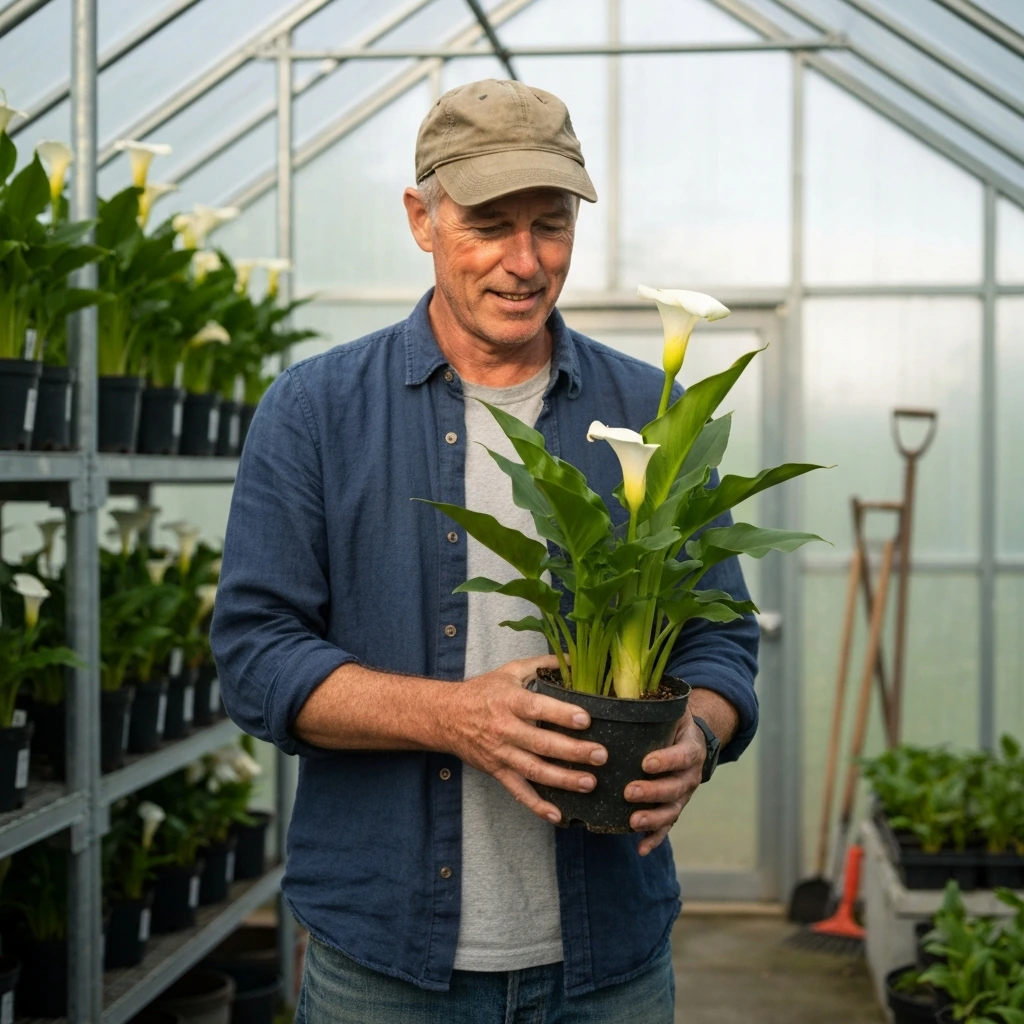
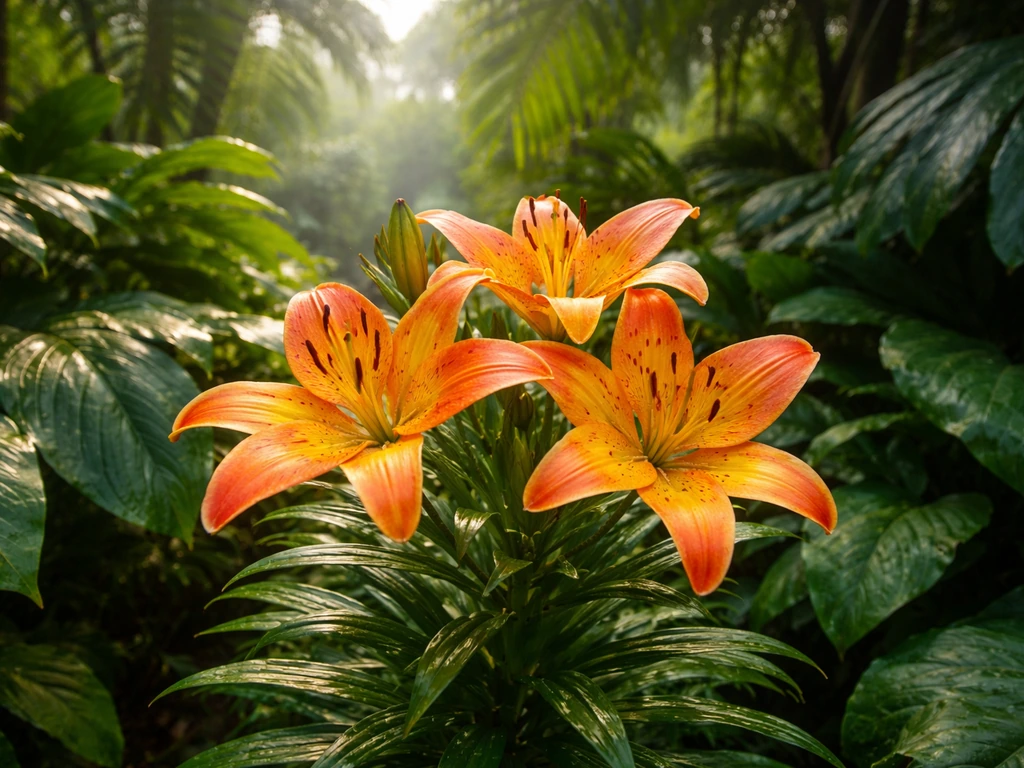
First: are you growing a "true lily" or something else?
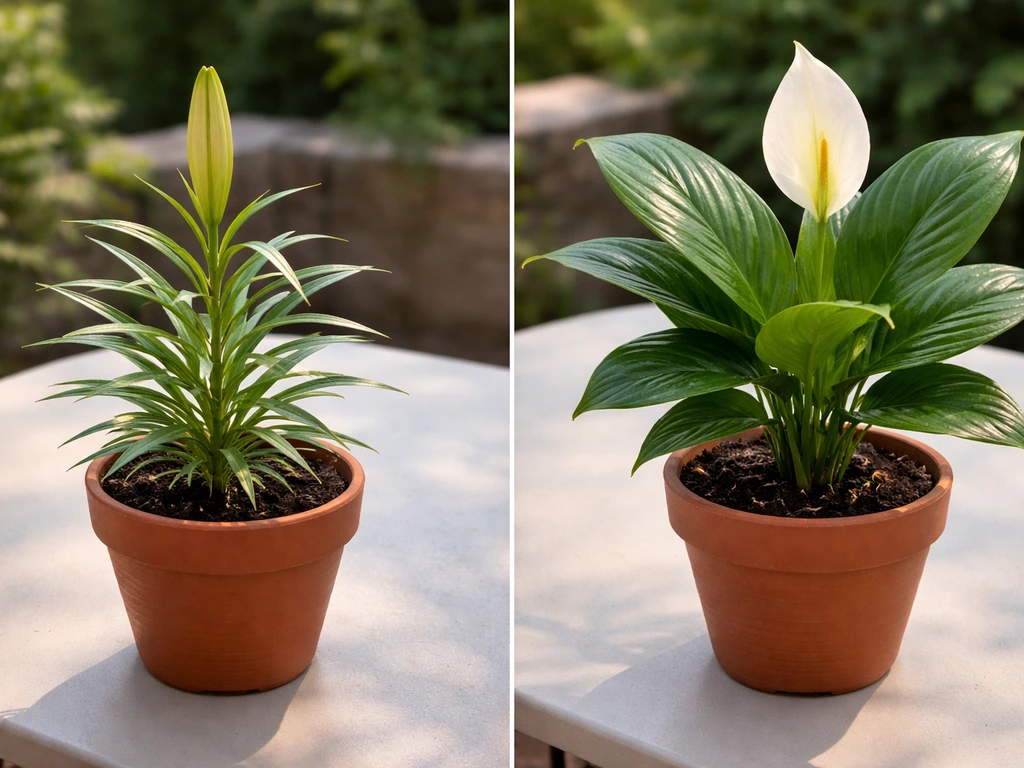
This is the single most important thing to sort out before planting anything. The word "lily" gets attached to dozens of plants that are not true lilies at all. True lilies belong to the genus Lilium, and these are the ones with real cold-dormancy requirements. Peace lilies (Spathiphyllum), calla lilies (Zantedeschia), and water lilies (Nymphaea) are completely different plants that just happen to share the common name. If you're in the tropics, this distinction is genuinely good news, because several of the non-Lilium "lilies" are naturally suited to warm, humid conditions and will reward you with year-round growth.
If you're specifically trying to grow Asiatic lilies, Easter lilies (Lilium longiflorum), Oriental lilies, or other true Lilium species, read the next few sections closely. These are the plants where the tropical climate creates real challenges, and where your choices and timing matter a great deal.
Which lily types actually work in tropical heat and humidity
Let's start with the good news. Among plants commonly called lilies, peace lilies, calla lilies, and water lilies are genuinely comfortable in tropical and subtropical conditions. Peace lilies are shade-loving, humidity-tolerant plants that struggle in dry, cool environments, so the tropics is actually home turf for them. Calla lilies prefer warmth and moderate moisture, though they do appreciate a dry rest period between blooming cycles. If you're growing water lilies in a pond or container, tropical varieties of Nymphaea are bred specifically for heat and will bloom freely in warm water temperatures. Daylilies are different from water lilies, so if you are wondering can daylilies grow in water, the approach depends on your climate and how you keep the roots oxygenated.
Among true Lilium species, Asiatic lilies are your best bet in the tropics. They start germination in warm conditions (18 to 22 °C is ideal) unlike Orientals and Martagons, which need a warm-then-cold germination sequence. The Lilium Species Foundation notes that Asiatic lilies (Sinomartagon group) begin germination in warm conditions around 18 to 22 °C, while Oriental and Martagon lilies follow a warm-then-cold germination sequence Asiatic lilies start germination in warm conditions (18 to 22 °C) unlike Orientals and Martagons. Asiatic lilies are also classified in the Sinomartagon group, which shows greater tolerance of heat, summer moisture, and soil variability compared to other Lilium sections. They won't love constant 32 °C heat, but with afternoon shade and good drainage, they're far more forgiving than Easter or Oriental lilies in a hot climate.
Easter lilies (Lilium longiflorum) are where things get genuinely hard in the tropics. Research has shown that 'White Heaven', a Lilium longiflorum cultivar grown at a constant 25 °C without any cold treatment, produced only leaves and never flowered over more than 15 months. Acta Horticulturae reports for Lilium longiflorum that a cold treatment of 4.5, 7.5°C for 6 weeks in a moist environment is optimal for flowering, describing it as an optimal cold regimen affecting flowering and elongation blank" rel="noopener noreferrer">cold treatment for at least six weeks. The optimal cold treatment is 4.5 to 7.5 °C for six weeks in a moist environment. If you can't provide that artificially, Easter lilies simply won't bloom for you. Oriental lilies have a similar pattern, needing a warm germination phase followed by a cold period before flowering.
| Lily Type | True Lilium? | Tropical Suitability | Cold Dormancy Needed? | Key Challenge |
|---|---|---|---|---|
| Asiatic Lily | Yes | Moderate – manageable with care | Low to moderate | Heat above 28–30 °C disrupts buds |
| Easter Lily (L. longiflorum) | Yes | Poor without artificial chilling | Yes – 4.5–7.5 °C for 6 weeks | Will not flower without cold treatment |
| Oriental Lily | Yes | Poor – needs warm then cold cycle | Yes – 8–12 weeks cold phase | Unreliable flowering in constant heat |
| Peace Lily (Spathiphyllum) | No | Excellent | None | Dislikes dry air and direct sun |
| Calla Lily (Zantedeschia) | No | Good with dry rest period | Minimal | Needs drainage, dislikes waterlogging |
| Water Lily (Nymphaea – tropical) | No | Excellent for tropical varieties | None | Choose tropical, not hardy varieties |
Light and location strategy in the tropics
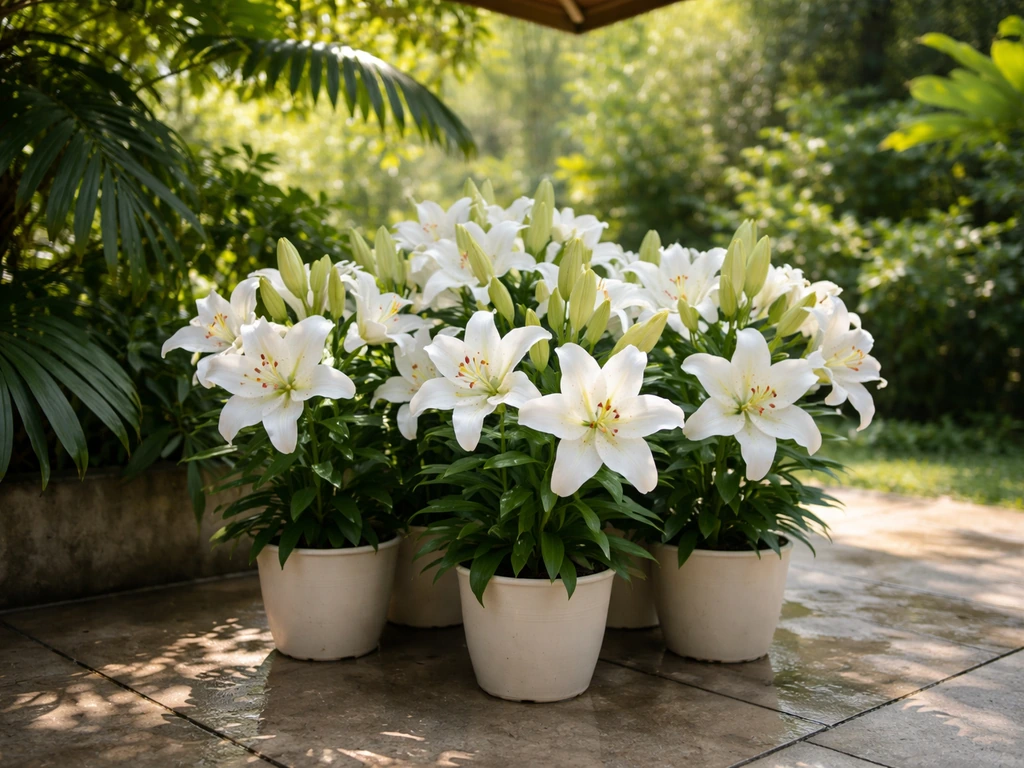
True lilies need at least 6 to 8 hours of direct sun per day to flower well and to allow foliage to dry out between watering, which is critical for preventing fungal disease like botrytis in humid conditions. The catch in a tropical climate is that full, unfiltered midday sun in the tropics is far more intense than the kind of sun a lily experiences in a temperate garden. What works in Maryland doesn't work the same way in Manila.
The practical approach is to give your lilies morning sun and dappled shade or shelter from direct afternoon sun, especially between 12pm and 4pm when temperatures peak. Morning sun helps foliage dry off after nighttime humidity or morning dew, which is exactly what you want for reducing botrytis pressure. A position on an east-facing wall, under the filtered canopy of a taller plant, or next to a structure that provides afternoon shade all work well. Avoid deep shade though: too little light means weak stems, no flowers, and worse disease resistance.
Peace lilies are a different story. They genuinely prefer indirect or filtered light and will scorch in direct tropical sun. A bright indoor spot, a shaded patio, or the north side of a building suits them well. Calla lilies tolerate more sun than peace lilies but also appreciate some afternoon protection in intense tropical heat. Because calla lilies handle more warmth than many other “lily” types, they can also do well in Texas with the right shade and moisture control.
Watering and drainage in humid heat
Tropical humidity changes the watering calculation significantly. The soil surface may feel dry while the root zone is still holding too much moisture, and the combination of warm temperatures and constantly wet roots is the fastest route to rot. Pythium root rot, for instance, is more common under warm, moist conditions, and Fusarium bulb rot gets worse when soils are excessively wet. Both are serious problems for Lilium species in the tropics.
The North American Lily Society recommends keeping lilies in constant moisture, but that doesn't mean waterlogged. Think consistently moist like a wrung-out sponge, not soggy. In the tropics, let the top inch of soil become moderately dry before watering again, and always water at the base of the plant rather than overhead. Ground-level drip or trickle watering keeps foliage dry, which directly reduces your fungal disease risk. Wetting leaves and flowers in humid heat is asking for trouble.
Drainage is not optional in tropical conditions. If your planting site holds water after rain, your lilies will rot. During the wet season in particular, raised beds, mounded planting sites, or containers with drainage holes become essential rather than optional. Even a temporary pool of water around a lily bulb after a tropical downpour can introduce root rot pathogens within days.
Soil and container vs in-ground growing
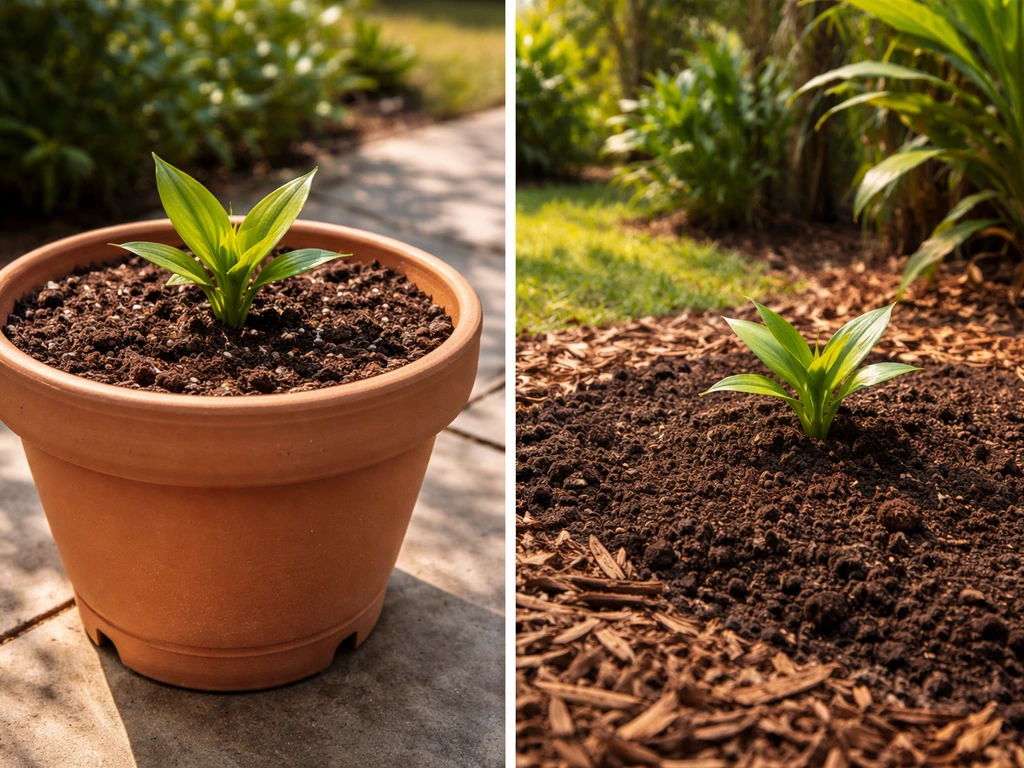
In tropical conditions, containers give you much more control over drainage, soil temperature, and root-zone moisture than in-ground planting does, and I'd recommend them for true Lilium species especially. Use a mix that drains fast but holds enough moisture: a good starting point is two parts quality potting mix, one part coarse perlite, and one part coarse sand or fine grit. This prevents compaction and waterlogging while still retaining enough moisture for healthy root growth.
For in-ground planting, amend heavy or clay-rich tropical soils heavily before planting. Work in generous amounts of organic matter (compost or coir) and coarse grit to open up the structure. Raise the bed by at least 15 to 20 cm above ground level if your soil drains slowly. A slightly acidic pH of 6.0 to 6.5 suits most Lilium species and is typical of many tropical garden soils, so you may not need to adjust pH at all.
One overlooked advantage of containers in the tropics is root-zone temperature management. Dark pots absorb heat and can drive root-zone temperatures well above what lilies tolerate. Use light-colored or white containers, or double-pot with an outer container to insulate the roots. Setting pots in a shaded position during the hottest part of the day makes a real difference to bulb and root health.
Chilling, dormancy, and what to do if your climate won't cooperate
This is the hardest part of growing true lilies in the tropics. Lilies are sensitive to temperature cues in both directions: cold triggers dormancy and flower bud initiation, while sustained heat above about 28 to 30 °C (82 to 86 °F) impairs flower bud initiation and elongation. A tropical climate that never dips below 25 °C and regularly peaks above 32 °C works against the lily's flowering biology in two ways at once.
For Asiatic lilies, which have lower chilling requirements than Easter or Oriental types, you can sometimes simulate a brief cold period by storing cleaned, healthy bulbs in a paper bag in the vegetable crisper of a refrigerator (around 4 to 7 °C) for four to six weeks before planting. This is the same principle used commercially. Keep bulbs slightly moist but not wet during this time to avoid dehydration or rot. After chilling, plant immediately and give them the best possible growing conditions.
For Easter lilies, the evidence is clear that without a 4.5 to 7.5 °C cold treatment for at least six weeks, flowering simply won't happen reliably. If you're in a lowland tropical location with no access to a cool storage space or refrigerator-based chilling, Easter lilies and most Oriental lilies are not realistic choices. Save yourself the disappointment and stick with Asiatic varieties or the non-Lilium plants listed above. If you're in a tropical highland area where night temperatures regularly drop to 15 to 18 °C, you have a much better chance with a wider range of lily types.
Gardeners in the Philippines, for example, often have success with Asiatic lilies in highland regions like Benguet where cooler temperatures occur naturally, while coastal lowland growers rely on refrigerator-chilling or focus on non-Lilium alternatives. The same principle applies across Southeast Asia, the Caribbean, and tropical Africa.
Your practical care schedule and what to watch for
Monthly care rhythm for tropical lily growing
- Before planting: chill Asiatic lily bulbs at 4–7 °C for 4–6 weeks in a slightly moist paper bag in the refrigerator. Check weekly for mold or shriveling.
- Planting: use a fast-draining soil mix in a light-colored container or a raised, amended in-ground bed. Plant bulbs at a depth of roughly 3 times the bulb's diameter.
- Weeks 1–4 (establishment): water at ground level only. Keep soil consistently moist but not wet. Provide morning sun and afternoon shade.
- Active growth phase: feed with a balanced slow-release fertilizer at planting, then a low-nitrogen, higher-potassium liquid feed as buds form. Avoid high-nitrogen feeds that push leafy growth at the expense of flowers.
- Flowering: remove spent flowers promptly to redirect energy. Do not cut foliage until it yellows naturally.
- Post-flowering/dormancy: reduce watering gradually. For container plants, move to a cooler, drier spot to encourage rest before the next forcing/chilling cycle.
Botrytis and fungal leaf problems
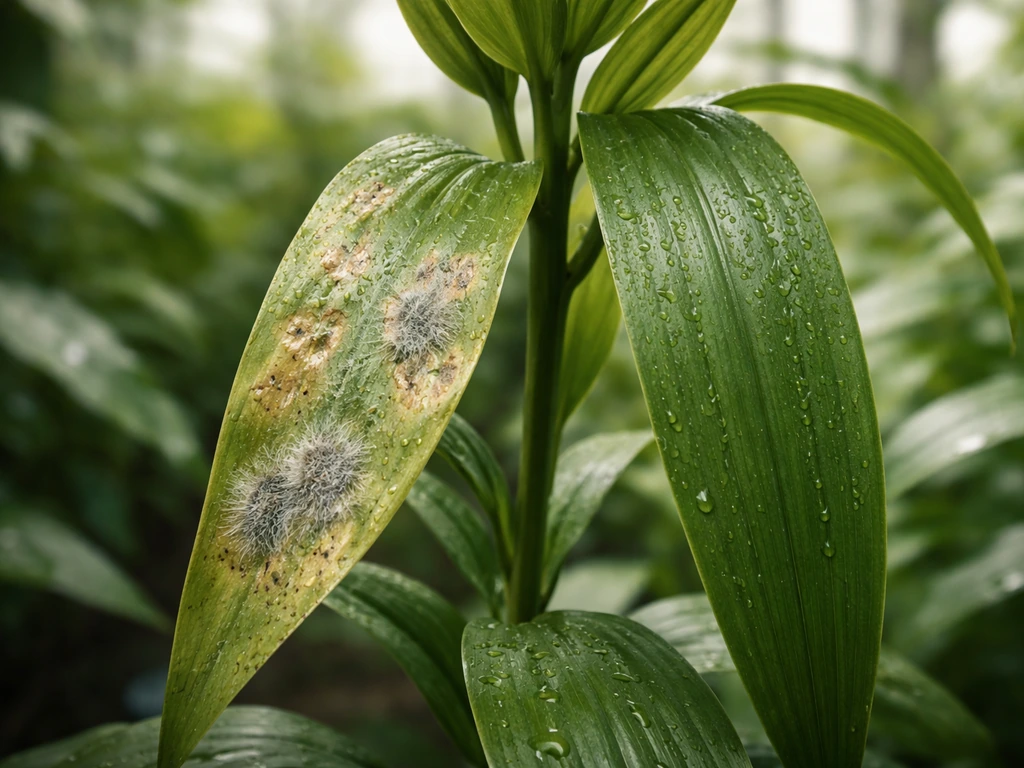
Botrytis elliptica and Botrytis cinerea are the two main botrytis pathogens that attack lilies, and humid tropical conditions are exactly where they thrive. Look for water-soaked spots on leaves that turn brown and develop a grayish fuzzy coating in wet conditions. The management is straightforward in principle: water at the base, never overhead; ensure good air circulation between plants; give leaves enough sun in the morning to dry off quickly. If you see early botrytis symptoms, remove infected leaves immediately, dispose of them away from the garden, and improve airflow around the plant.
Bulb and root rot
Pythium, Fusarium, Rhizoctonia, and Cylindrocarpon are all capable of rotting lily roots and bulbs in warm, wet soil. Symptoms include soft, brown, or mushy roots, yellowing foliage despite adequate watering, and eventual collapse of the whole plant. The most reliable prevention is drainage: if water can't move away from the root zone quickly, no amount of fungicide will save the plant long-term. If you find rot setting in, lift the bulb, cut away damaged tissue, let the wound dry for a day, dust with a sulfur-based fungicide, and replant in fresh, well-draining mix.
Pest pressure
In temperate regions, the lily leaf beetle (Lilioceris lilii) is a serious pest of true Lilium species, with bright scarlet-red adults that are hard to miss. In tropical climates, lily leaf beetle is less commonly a concern, but aphid pressure (including the crescent-marked lily aphid) can be significant, especially during dry spells when plants are under stress. Check the undersides of leaves regularly. A strong spray of water dislodges aphids, and natural predators tend to keep populations down in warm weather. For larger infestations, insecticidal soap or neem oil applied in the evening works well without damaging beneficial insects.
Nutrient deficiencies
Tropical rains leach nutrients from soil and container mix quickly. Yellowing between leaf veins (interveinal chlorosis) often signals iron or magnesium deficiency in acidic, leached soils. A balanced slow-release fertilizer applied at planting, topped up with a diluted liquid feed every three to four weeks during active growth, keeps most nutrient problems at bay. If you're in a very rainy location, check and adjust pH seasonally, as very acidic conditions (below 5.5) can lock out key nutrients even when they're present in the soil.
Your next steps today
Start by identifying exactly what you're growing or planning to grow. If it's a peace lily, calla lily, or tropical water lily, you're in good shape: focus on shade placement, drainage, and humidity management rather than chilling. If it's a true Lilium species, find out whether it's an Asiatic, Easter, or Oriental type, because your care approach will differ significantly. Asiatic lilies are your most realistic option in the tropics, especially if you can provide refrigerator-chilling before planting.
- Check your drainage today: pour a bucket of water on your planting site and see how long it pools. More than 30 minutes means you need to raise the bed or add grit.
- If you're planting Asiatic bulbs, put them in the refrigerator now for a 4–6 week chill at 4–7 °C before planting.
- Choose a planting spot with morning sun exposure and afternoon shade protection.
- Prepare a fast-draining mix: 2 parts potting mix, 1 part perlite, 1 part coarse sand.
- Use a light-colored container if planting in a pot to avoid overheating the root zone.
- Set up ground-level watering (drip or hand watering at the base) from day one to reduce botrytis risk.
- If your location is lowland tropical with no highland cool nights, skip Easter and Oriental lilies and focus on Asiatics, peace lilies, or tropical water lilies instead.
Growing lilies in the tropics isn't impossible, but it does ask you to work with the climate rather than against it. Match the right lily type to your actual conditions, manage drainage obsessively, and protect foliage from staying wet overnight. Do those three things well, and tropical lily growing becomes far more rewarding than the failure rate might suggest.
FAQ
If my tropical nights stay above 25 °C, will my true lilies still bloom?
Usually not reliably. Even if a true Lilium can survive warm temperatures, flowering depends on correct temperature cues, especially chilling. If you cannot provide a cold period (about 4.5 to 7.5 °C for several weeks for Easter and similar types), you should expect leaf growth without dependable blooms, and choose Asiatic or non-Lilium “lilies” instead.
How deep should I plant lily bulbs in a tropical climate?
For true lilies, avoid planting too deep. A good rule of thumb is to set bulbs about 2 to 3 times their height beneath the soil surface, then ensure the surrounding mix drains fast. Over-deep planting increases the odds of staying wet in the tropics and leads to rot even when you water carefully.
What’s the biggest container mistake people make when growing lilies in the tropics?
Use containers to buy yourself control. If rainfall is frequent, choose potting media with fast drainage, make sure every container has drainage holes, and consider raised “feet” so water cannot sit in saucers. Dark pots heat the root zone quickly, so use light-colored pots or double-potting to reduce heat stress.
Can I refrigerate bulbs to make tropical conditions work for all lily types?
Yes, but only for some types. Asiatic lilies may tolerate a simulated cold treatment using refrigeration for about four to six weeks before planting. Peace lilies, calla lilies, and tropical water lilies do not need cold dormancy to flower, so focus on light and moisture balance rather than chilling.
Should I plant lilies in full shade to reduce heat in the tropics?
Light shade is helpful, but deep shade is harmful. True lilies need enough direct sun to dry foliage, and too little light can cause weak stems and fewer flowers. Aim for morning sun with afternoon dappled shade or physical afternoon shelter, then check that the plant still receives meaningful brightness for most of the day.
When is the safest time to water lilies in a humid tropical area?
For best disease control, water at the base and time irrigation so leaves have a chance to dry quickly. Morning watering is usually safer than evening because it lets sun dry any splashes. If you must water in the afternoon, reduce overhead wetting and improve airflow around the foliage.
My lily leaves are yellowing in the tropics, is it always a fertilizer problem?
Yes. If you see persistent yellowing alongside soft or mushy bulbs, do not assume it is just nutrient deficiency. Run a quick check by gently lifting one bulb, inspect roots for rot, and correct drainage first. Nutrients matter, but root diseases in warm wet soils often masquerade as “feeding” problems.
What should I do if botrytis keeps coming back after I improve watering?
For true lilies, start prevention before symptoms show. Keep spacing so air moves between plants, remove infected leaves promptly, and avoid crowding that traps humidity. If rot is recurrent, rehome the bulbs into fresh, well-draining mix rather than reusing the same soil.
If my lily bulb rots, can I save it and replant in the same spot?
You can, but do it surgically. Lift the bulb, remove all mushy tissue with a clean cut, let the wound dry about a day, then replant into fresh, sterile or at least new mix with strong drainage. Skip replanting in the same contaminated medium, and monitor for recurrence over the next few weeks.
Which pests are most likely on lilies in tropical weather?
Sometimes pest pressure drops, but not always. In the tropics you may see more aphids during dry spells rather than lily leaf beetles. Check undersides regularly, blast with water for small outbreaks, and only use insecticidal soap or neem at the evening when temperatures are lower to protect beneficial insects.
Can I move my lilies indoors or to a cooler spot during extreme heat waves?
Yes, but it depends on what “lily” you mean. If you have a true Lilium bulb outdoors, you can move it into a cooler, protected area during extreme heat waves to reduce root-zone stress. For non-Lilium indoor plants like peace lilies, focus on proper light and stable humidity, and avoid shifting them repeatedly because they can sulk.
How do I tell if my soil is draining well enough for lilies in the tropics?
In heavy rain, topsoil can crust or stay waterlogged while the root zone stays overly wet. The easiest check is to feel the top inch, then confirm drainage by observing how quickly water disappears from the container or bed after rain. If water lingers, you need raised beds, improved media, or containers with better drainage, not just less frequent watering.
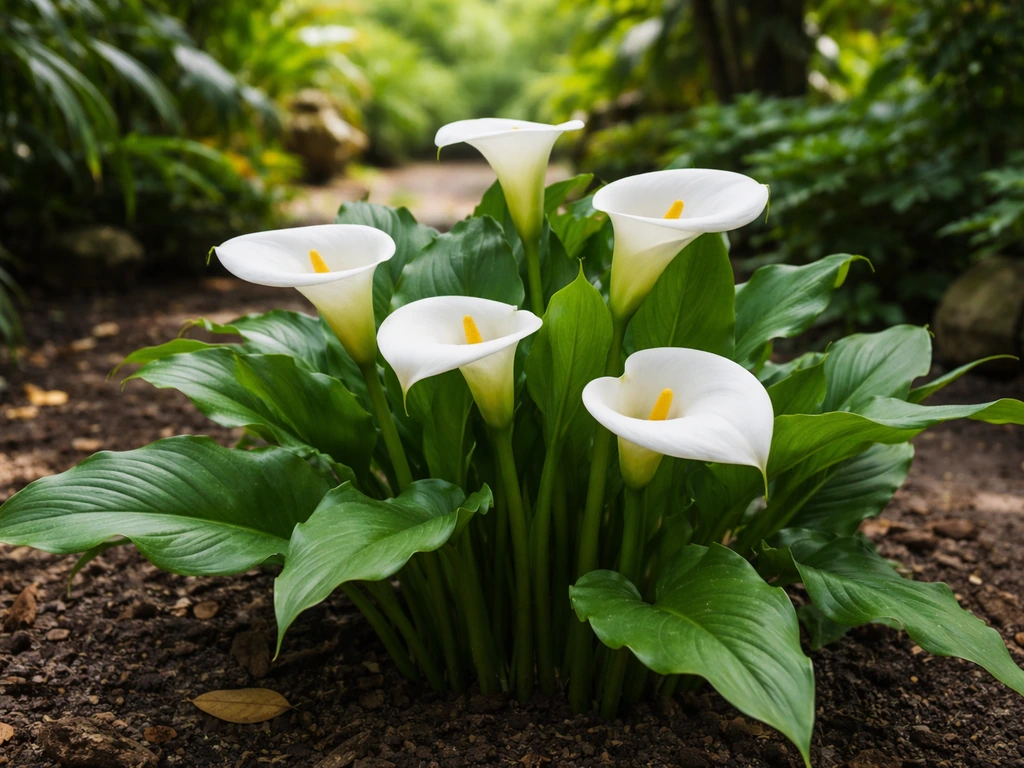
Yes. Learn if calla lilies and true lilies thrive in the Philippines, plus planting, light, watering, soil, and care cal
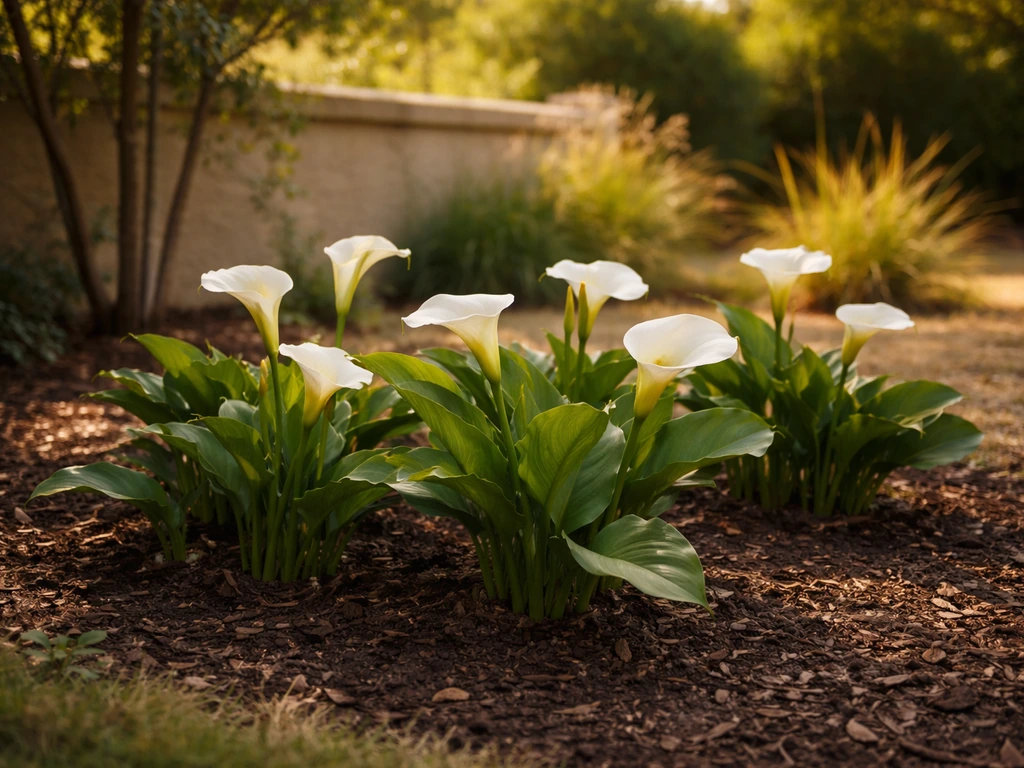
Yes with limits: learn if calla lilies grow in Texas, plus Texas-specific outdoor or indoor care, planting, winter tips.
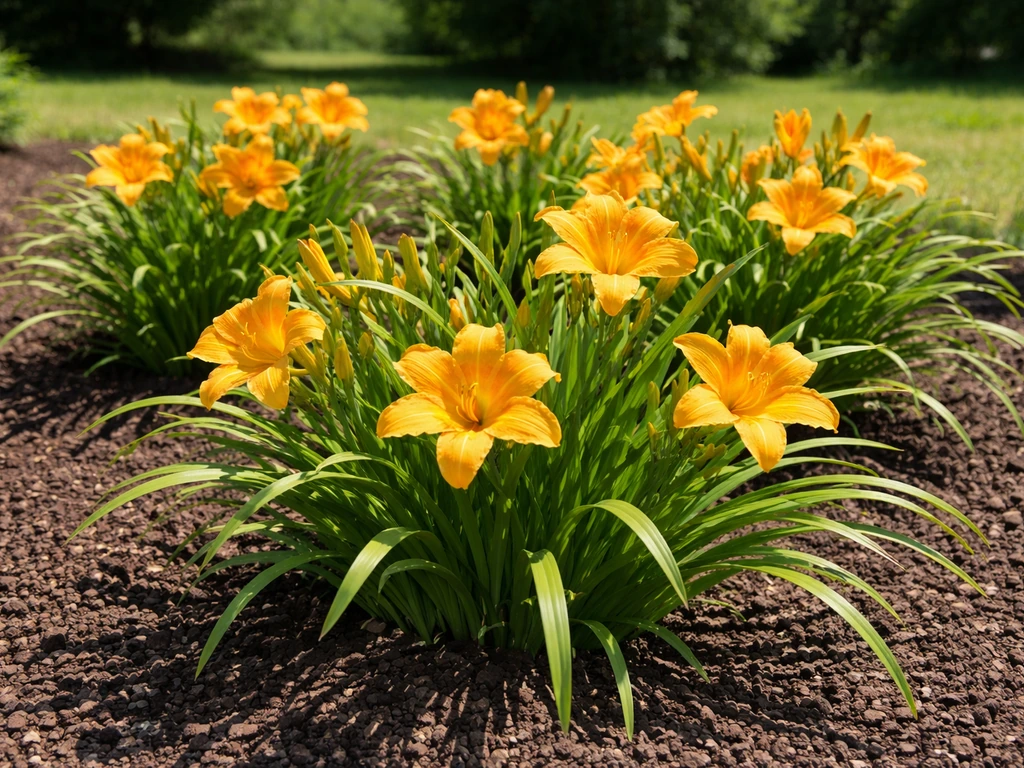
Find the best spot for daylilies: sun, drainage, and moisture needs, plus tips to adapt your yard.